




Top 20 Edible Mushrooms Popular in Umbria
Best known for its rolling hills, tranquil landscapes, and a climate that's ideal for mushroom growth, Umbria boasts an impressive diversity of edible fungi. Our list of top 20 most common edible mushrooms from Umbria delves into the distinctive features, culinary applications, and habitats of these sought-after species. Explore the unique flavors, textures, and aesthetics of each mushroom, along with the specific regions in Umbria where they are typically found. Enrich your mycological knowledge and culinary skills with our informative guide.
* Disclaimer: Content feedback CAN NOT be used as any basis for EATING ANY PLANTS. Some plants can be VERY POISONOUS, please purchase edible plants through regular channels.

Most Popular Edible Mushrooms

1. Shaggy mane
The shaggy mane mushroom is commonly found in North American and European grasslands. Some peoples foraged for its young egg-shaped caps, but it has more recently been found to be a bioaccumulator of heavy metals, meaning it pulls toxic metals up from the soil where it grows. As a result, shaggy manes should not be eaten. The mushrooms usually appear in clusters or “fairy rings.”
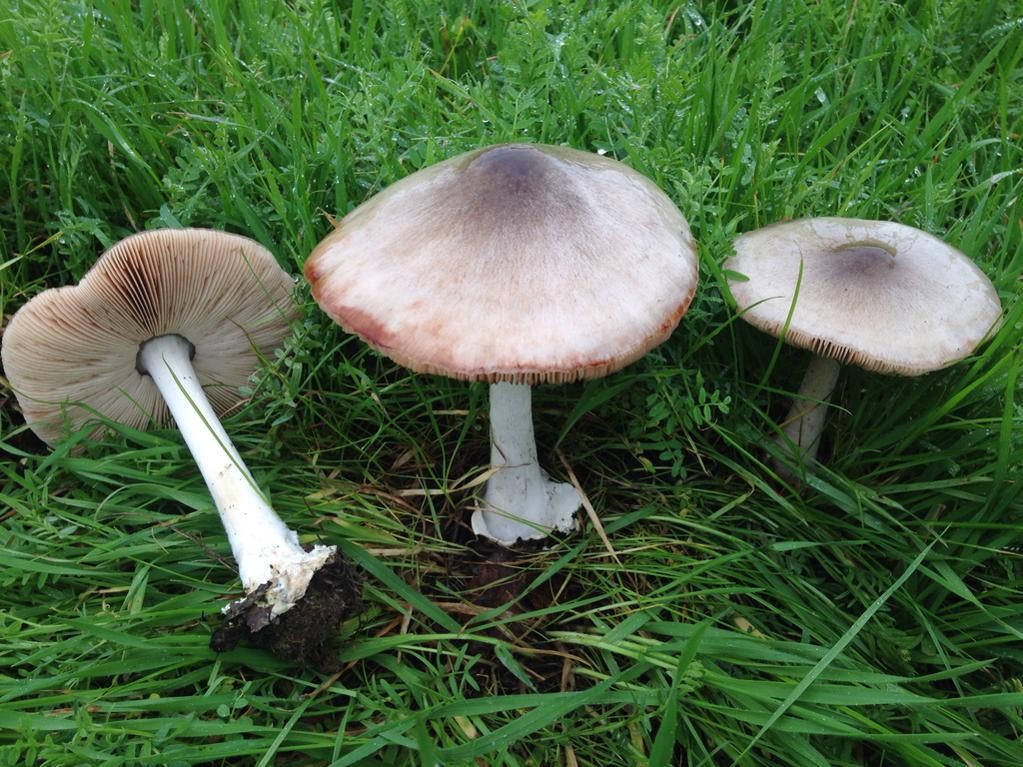
2. Big sheath mushroom
These large white mushrooms bloom all over cleared, harvested fields, as well as pastures and roadsides. The scientific species name comes from Greek words meaning “glue” (glioio) and “head” (cephalus), in reference to the sticky surface of this mushroom’s cap. The big sheath mushroom looks so similar to the poisonous Deathcap and Destroying Angel mushrooms that it should always be left alone.
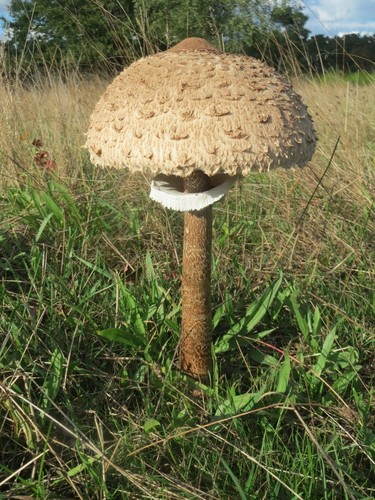
3. Parasol
Found in clearings and grassy areas in late summer, the wild parasol mushroom has a snakeskin-patterned stem. The brown spots on its cap make it look a bit shaggy, but that name is reserved for its poisonous counterpart, the Shaggy Parasol (Chlorophyllum rhacodes). You can distinguish the two by the stems: the latter has a smooth stem and red flesh inside.
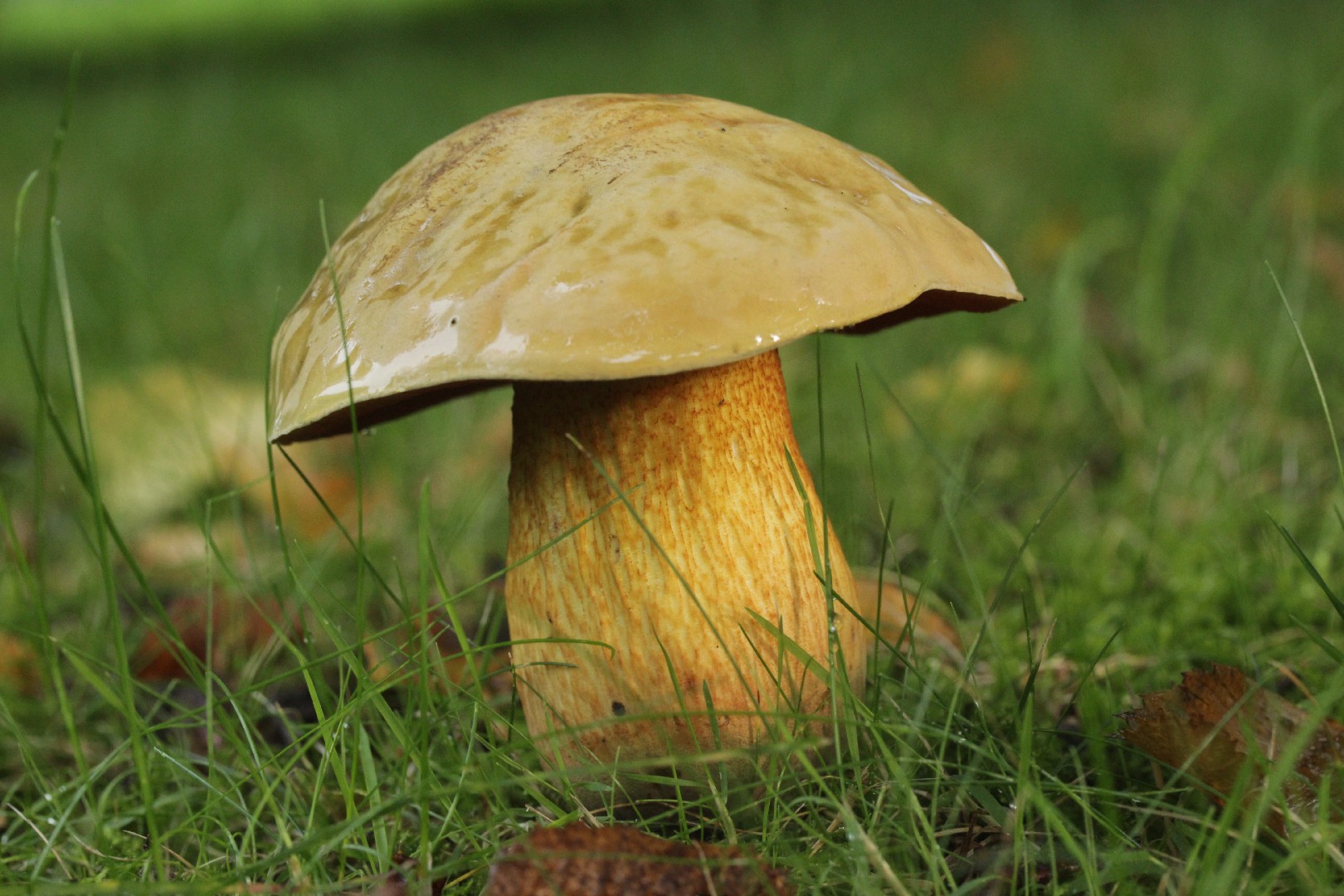
4. Lurid bolete
Once considered a member of the Boletus genus, the lurid bolete is a mushroom that is best avoided. Inexperienced mushroom hunters could easily confuse it with the severely poisonous European species Satan's bolete (Rubroboletus satanas) or its North American cousin Rubroboletus eastwoodiae. When cut, the stem of this bolete goes dark blue. Its smell is a bit sour.
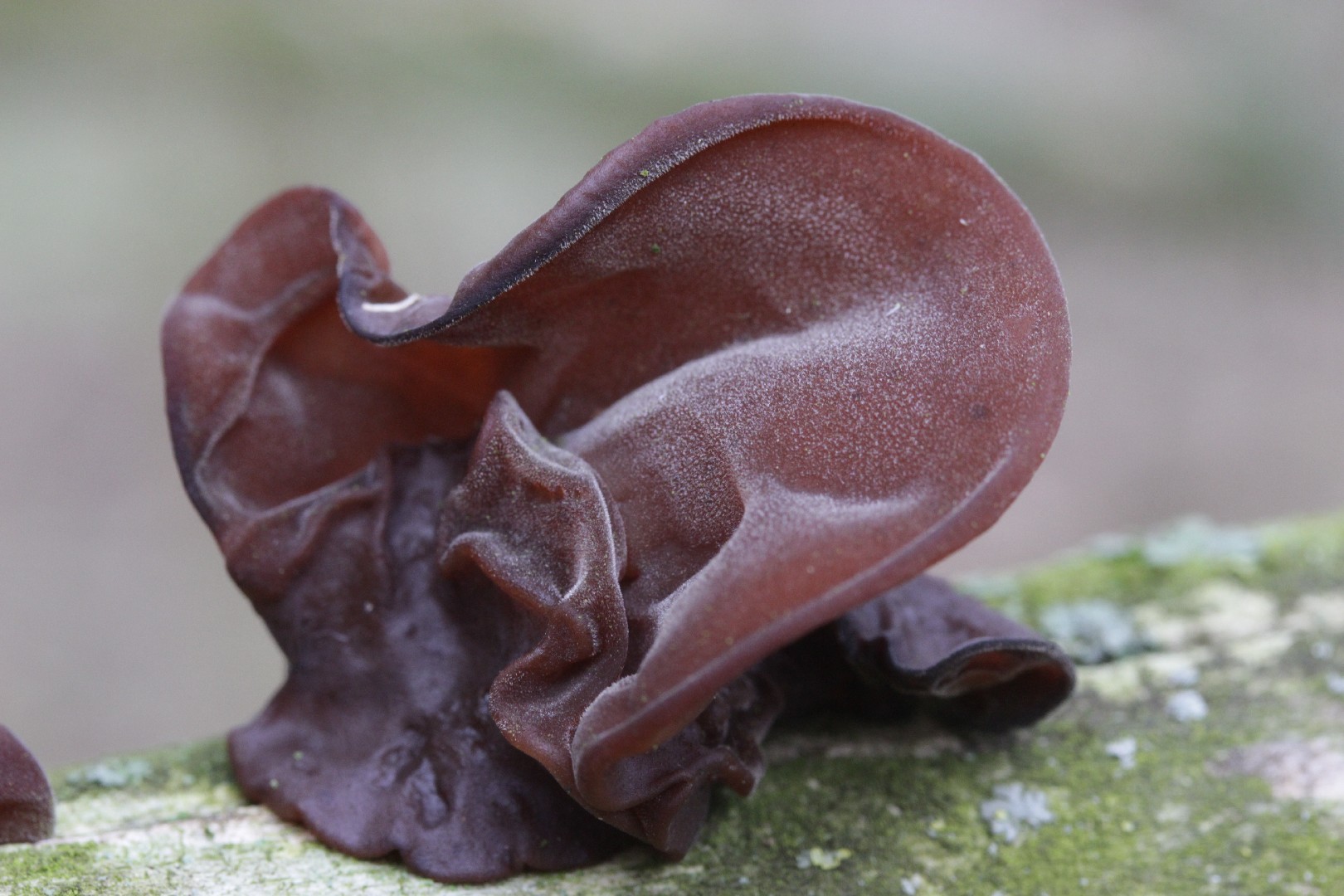
5. Jelly ear
The distinctive jelly ear grows mainly through winter and spring, mostly on the dead trunks and branches of elder trees. It occurs around the world and is often cooked into dishes in Asian countries. This ear-shaped jelly mushroom is often available in stores both fresh and dried.
6. Deceiving bolete
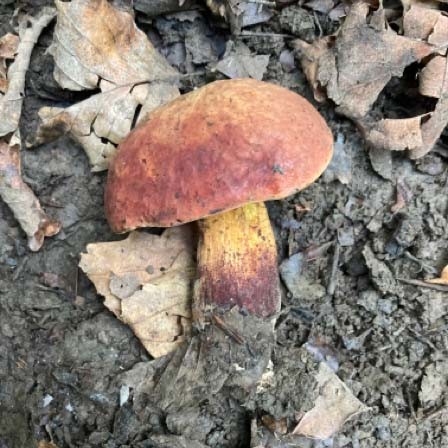
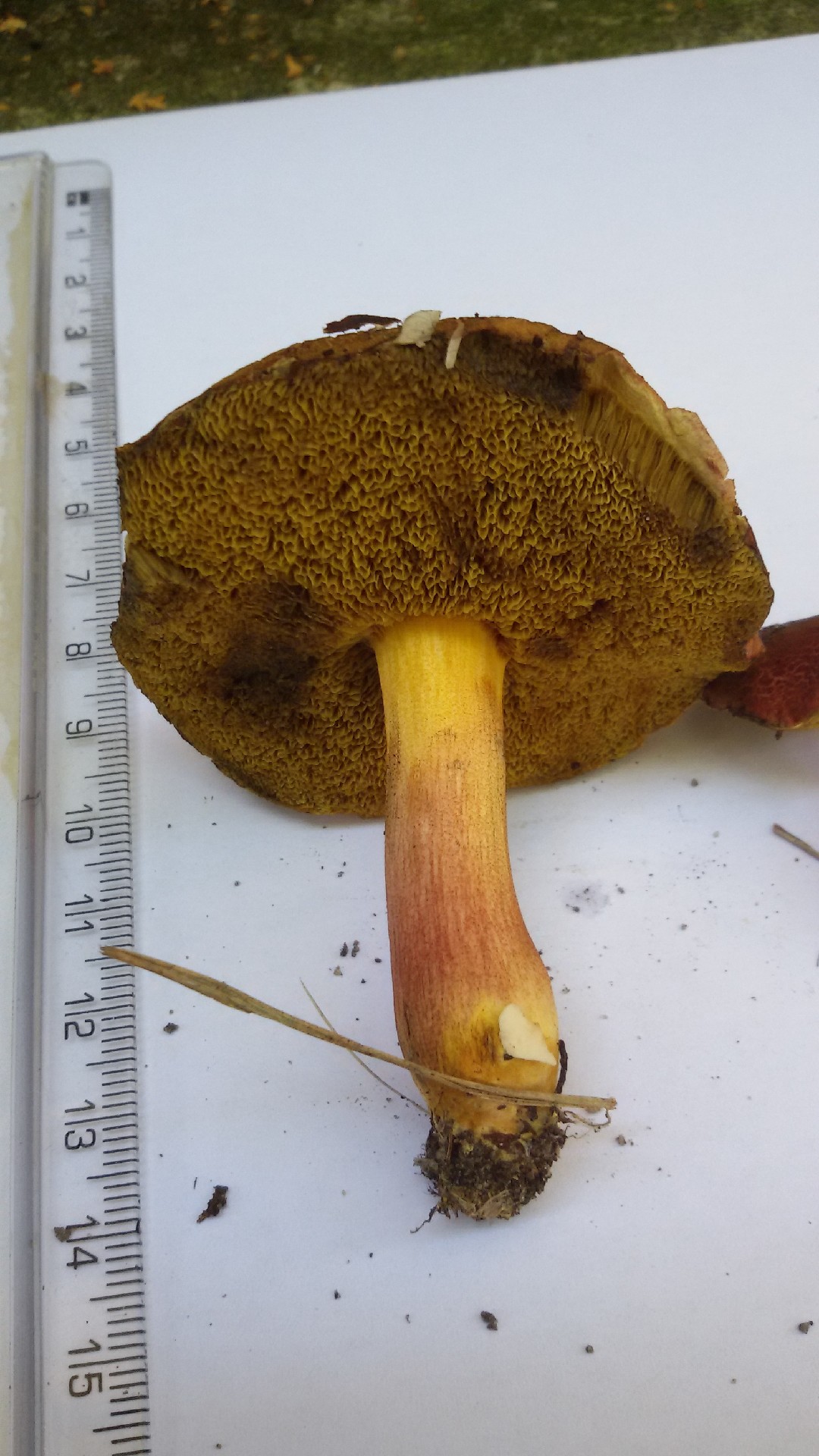
The cap is hemispherical, latter flattening out, appearing olive to reddish-brown, rarely also dark red. The flesh is yellow, turning blue when cut. The pores are yellow with olive spores. The stipe is smooth and golden yellow. The flesh has a slightly acrid taste. 
7. Caesar's mushroom
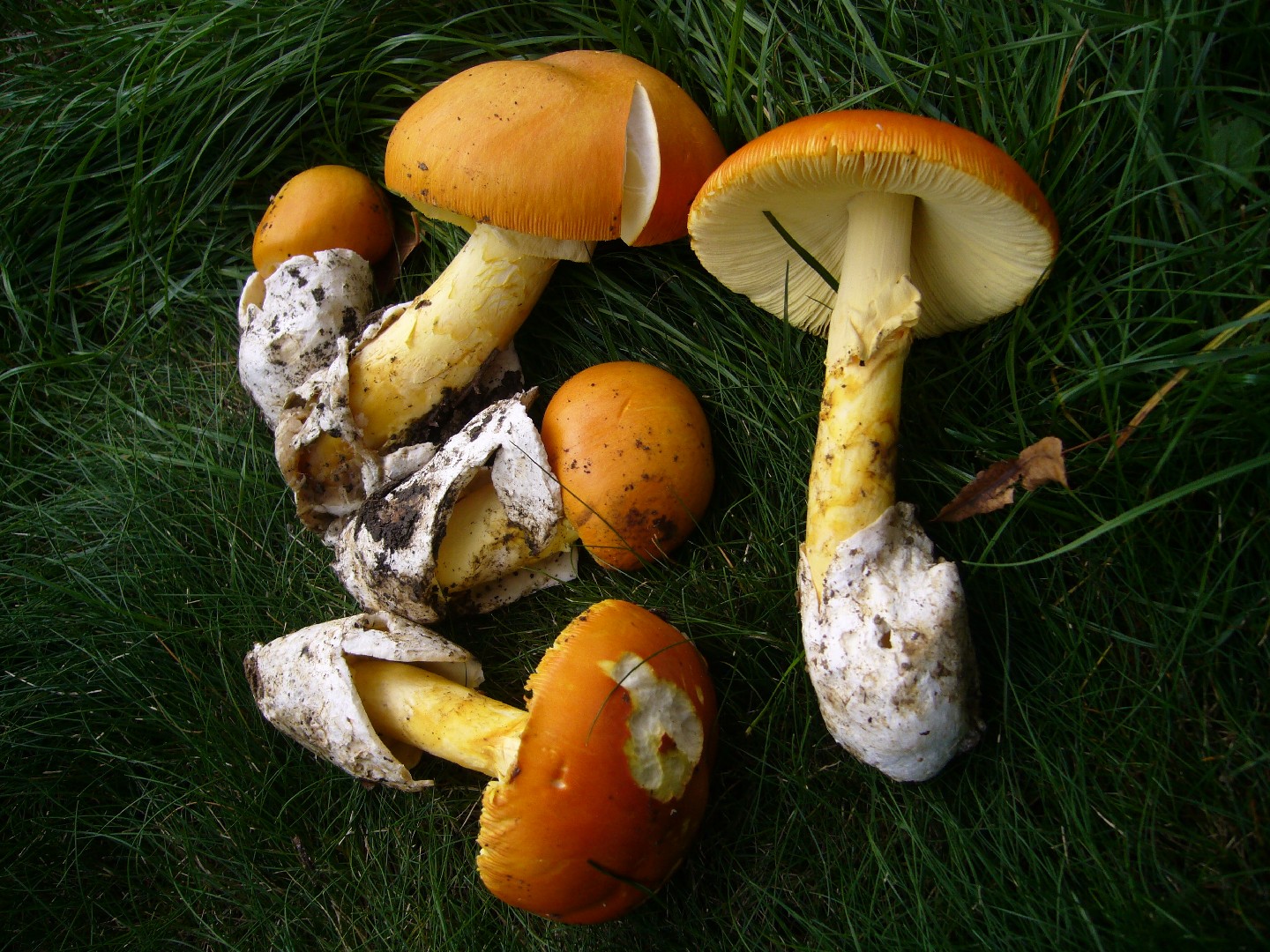
Caesar's mushroom (Amanita caesarea) is a brightly colored Amanita associated with ancient Roman nobility. Sporting a vivid orange cap and a yellow stalk and gills, this mushroom is an exciting find - however, because faded or young individuals may resemble the highly deadly Death Cap, it is recommended that this species be treated with a "look but do not touch" policy.
8. Bronze bolete
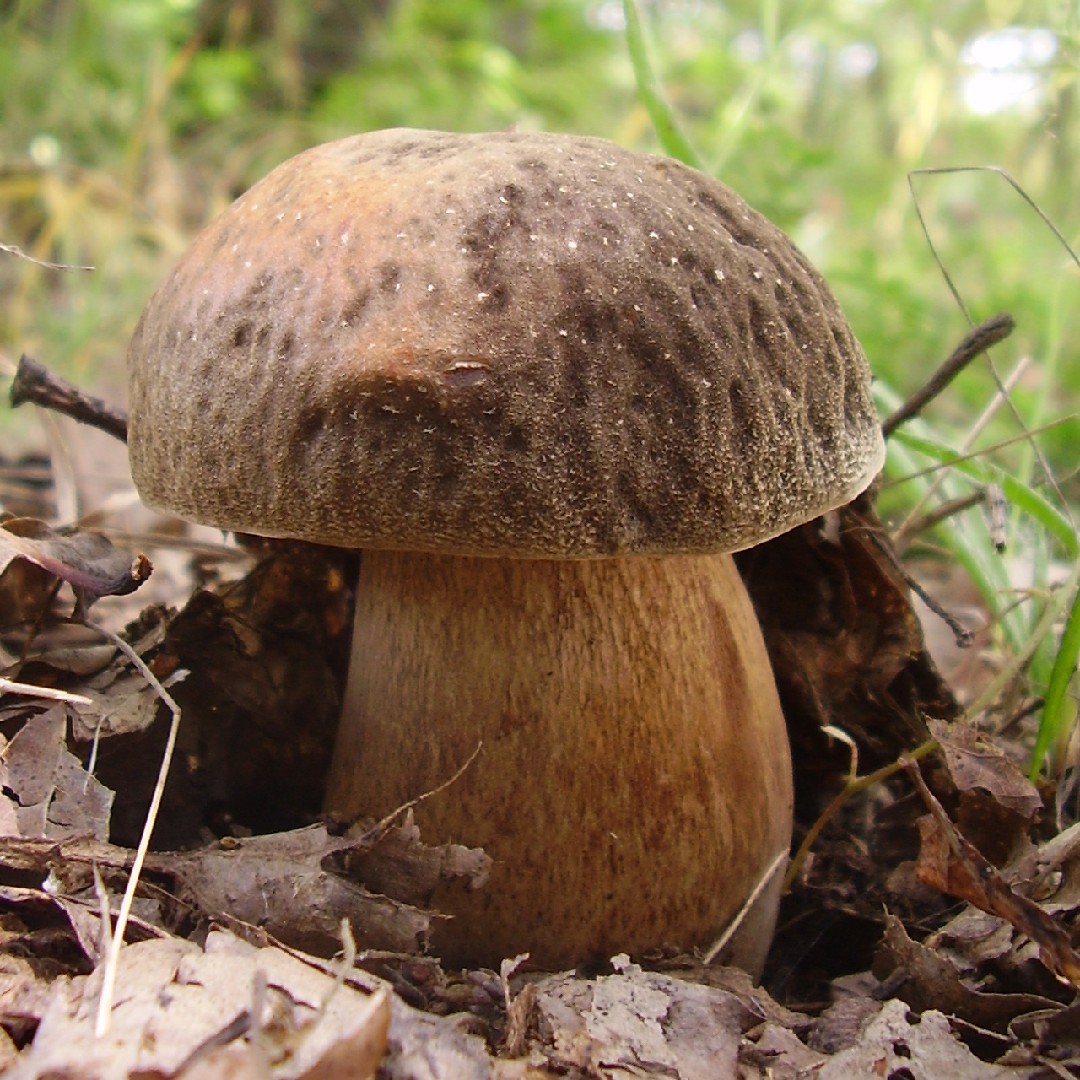
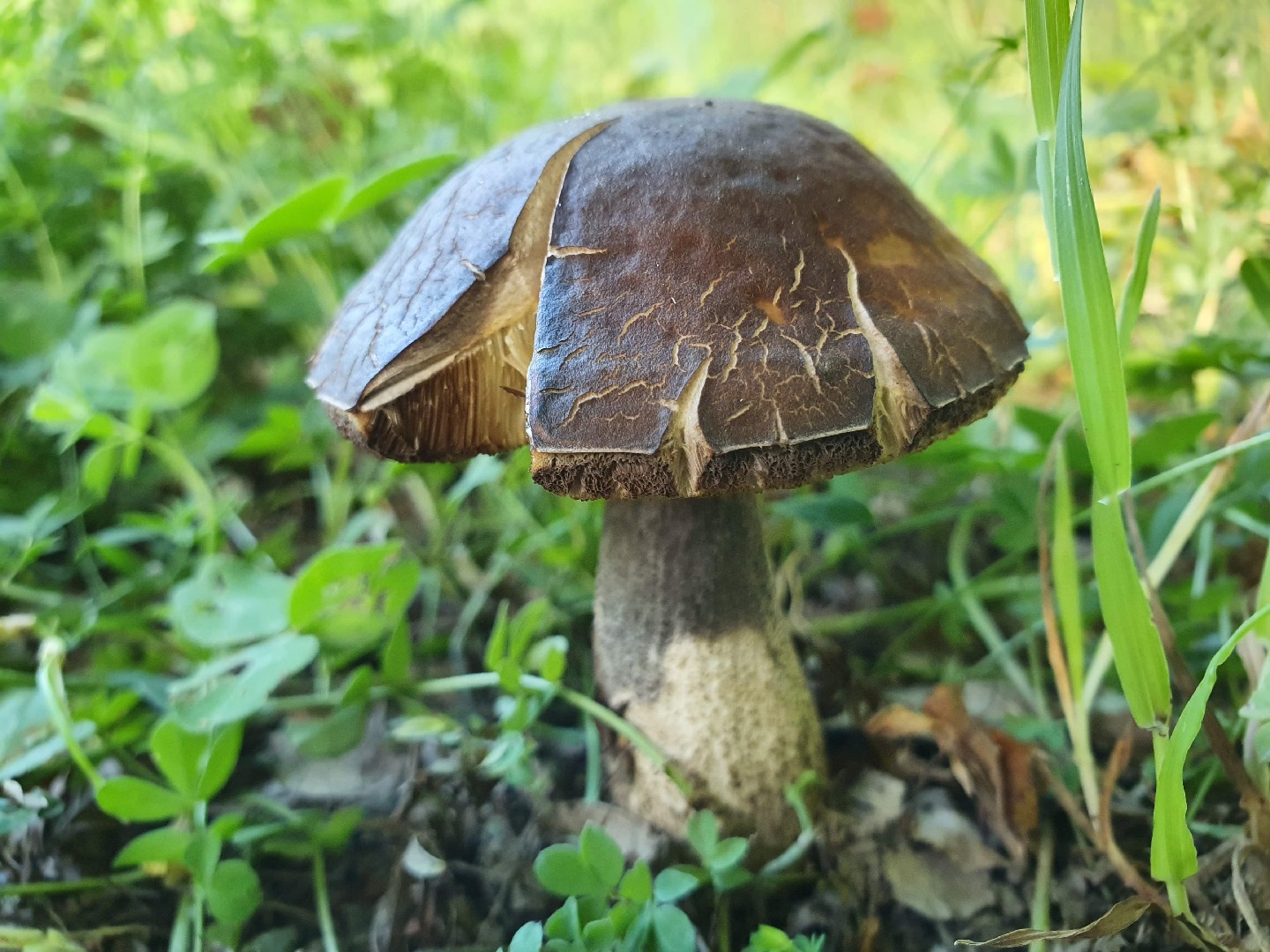
The bronze bolete is originally described from Europe. For many years, the species is thought to be present in North America as well, until molecular studies have shown that the North American counterpart, named Boletus regineus, was actually a different species. The bronze bolete is often found during hot and dry summer days. The specific Latin epithet "aereus" means "fitted with bronze" and it refers to the color of its velvety cap.
9. Chicken of the woods
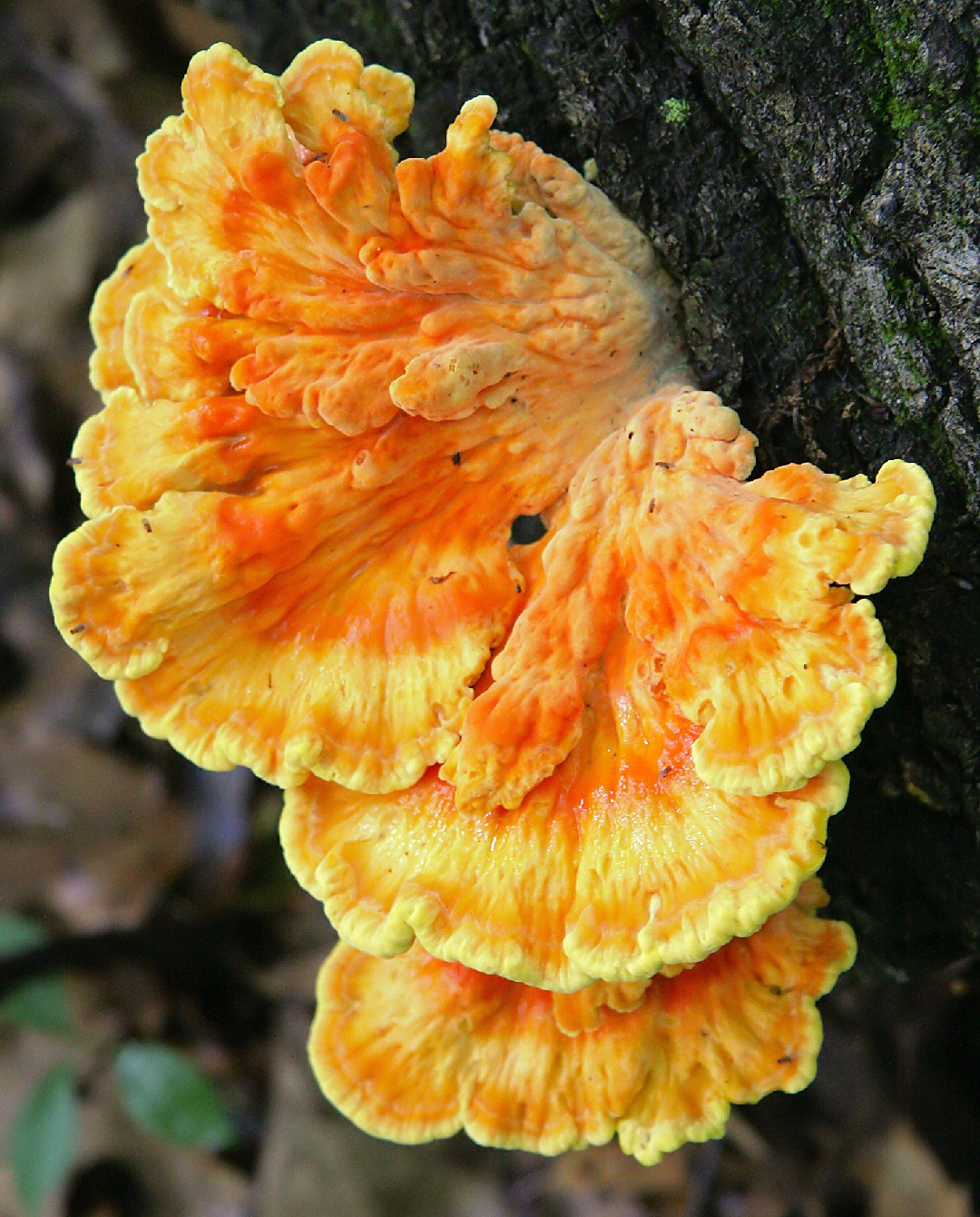
Chicken of the woods is very noticeable in hardwood forests, appearing in clusters on standing tree trunks in bright orange and yellow hues that sometimes last through the entire winter. It is a parasite that causes an unfortunate brown heart rot, and is considered a particularly troublesome pest of Yew trees. If the fruitbodies can be seen, the tree is likely already beyond saving.
10. Blue band brittlegill
More







