




Top 20 Edible Mushrooms Popular in Georgia
Nestled in the embrace of lush forests and rich biodiversity, Georgia offers an array of remarkable mushrooms. This definitive guide spotlights 20 widely recognized edible types, each spicing up local culinary preferences. Expect a whirlwind tour, from their distinctive appearances to tastes, preferred habitats, and kitchen uses. Delve into the mushroom's wonder, a manifestation of Georgia's unique mycological flora, thriving ecosystems, and deep-rooted culinary culture. Our well-researched, accurate portrayal of these fungi aims to offer mushroom enthusiasts valuable insights.
* Disclaimer: Content feedback CAN NOT be used as any basis for EATING ANY PLANTS. Some plants can be VERY POISONOUS, please purchase edible plants through regular channels.

Most Popular Edible Mushrooms

1. Shaggy mane
The shaggy mane mushroom is commonly found in North American and European grasslands. Some peoples foraged for its young egg-shaped caps, but it has more recently been found to be a bioaccumulator of heavy metals, meaning it pulls toxic metals up from the soil where it grows. As a result, shaggy manes should not be eaten. The mushrooms usually appear in clusters or “fairy rings.”
2. Oyster mushroom
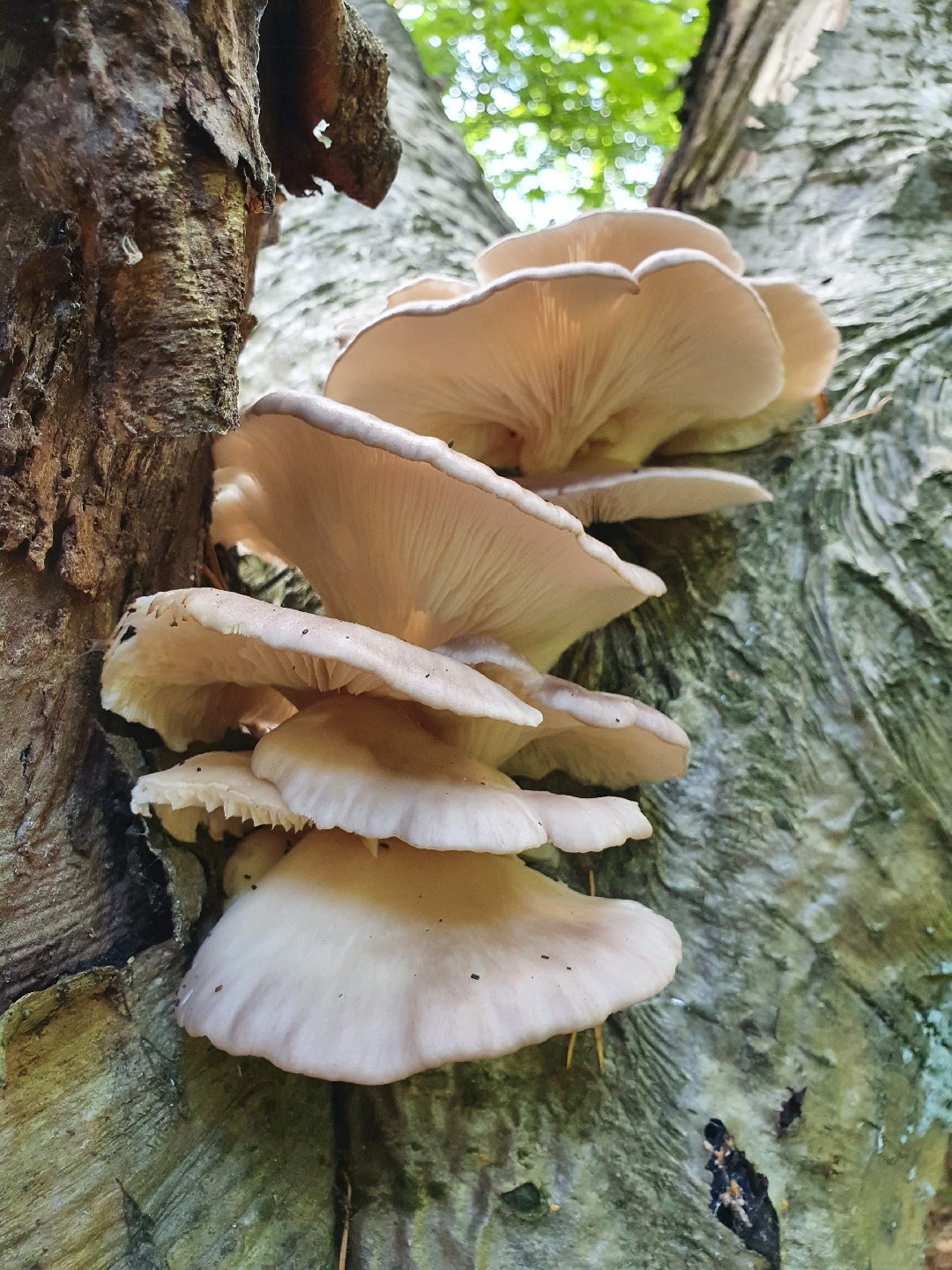
Oyster mushrooms grow wild but are also cultivated for sale in supermarkets. They can even be cultivated at home. They will grow on coffee grounds and spent grain, and are occasionally even fashioned into an environmentally-friendly substitute for styrofoam. There are several toxic look-alike species, so it is best to buy these mushrooms at the store.
3. Common stinkhorn
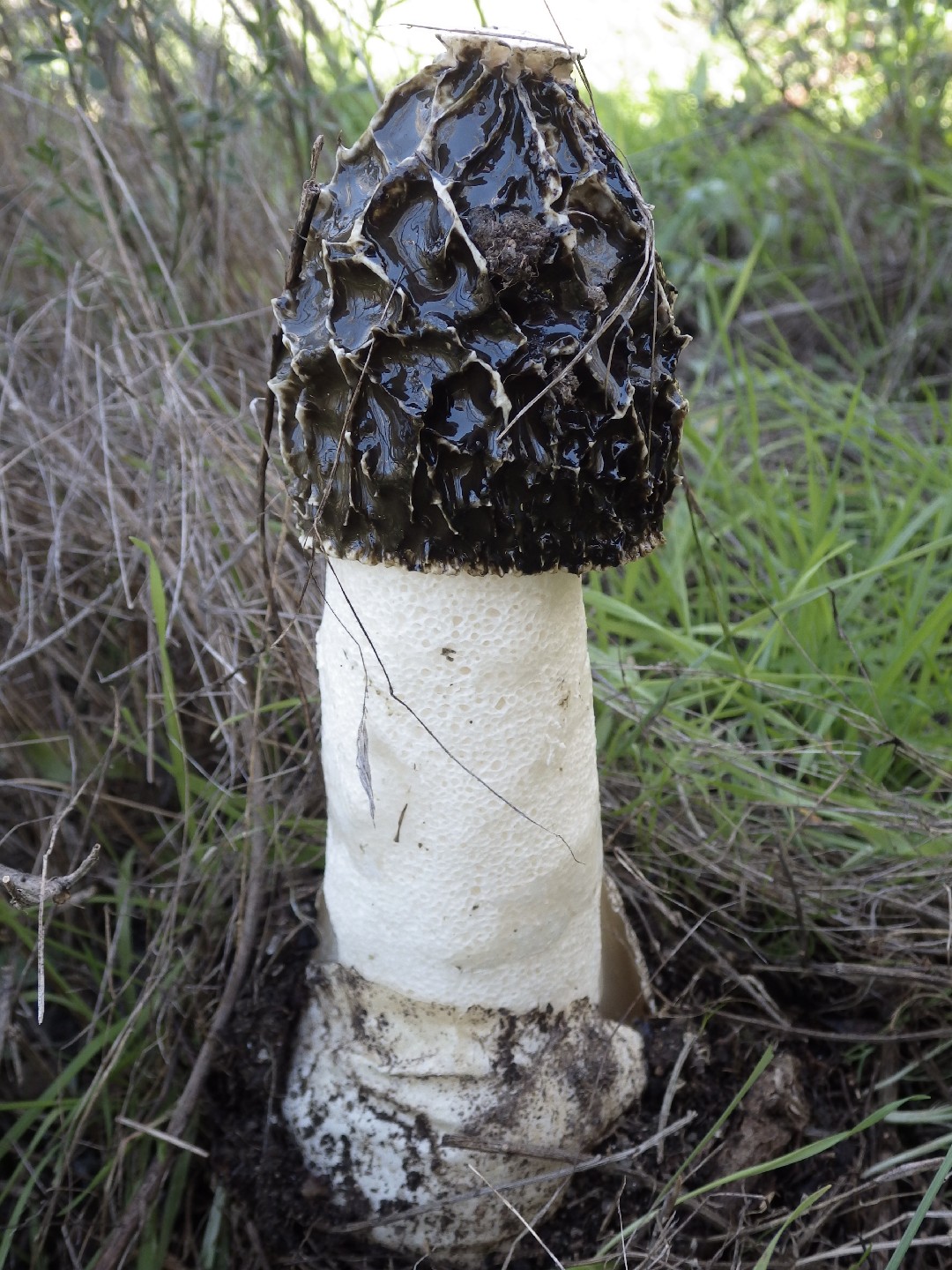
The common stinkhorn (Phallus impudicus) grows incredibly quickly, sometimes nearing 30 cm in a single afternoon. Their caps are pitted in a way which makes them reminiscent of morels. However, there's little mistaking the common stinkhorn for a morel; the former, in addition to sporting a much longer stalk, has a clear and pungent odor.
4. Bell morel
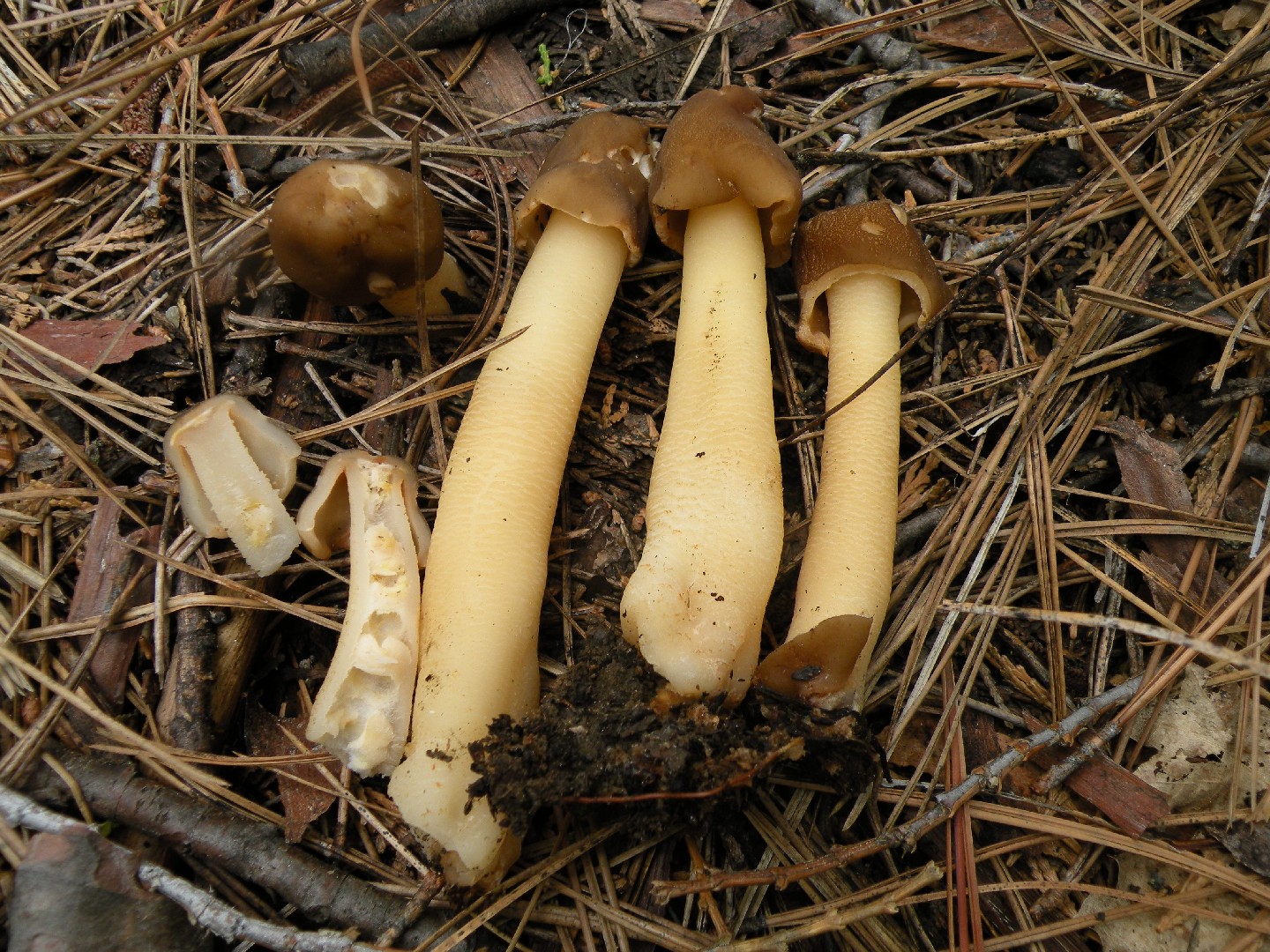
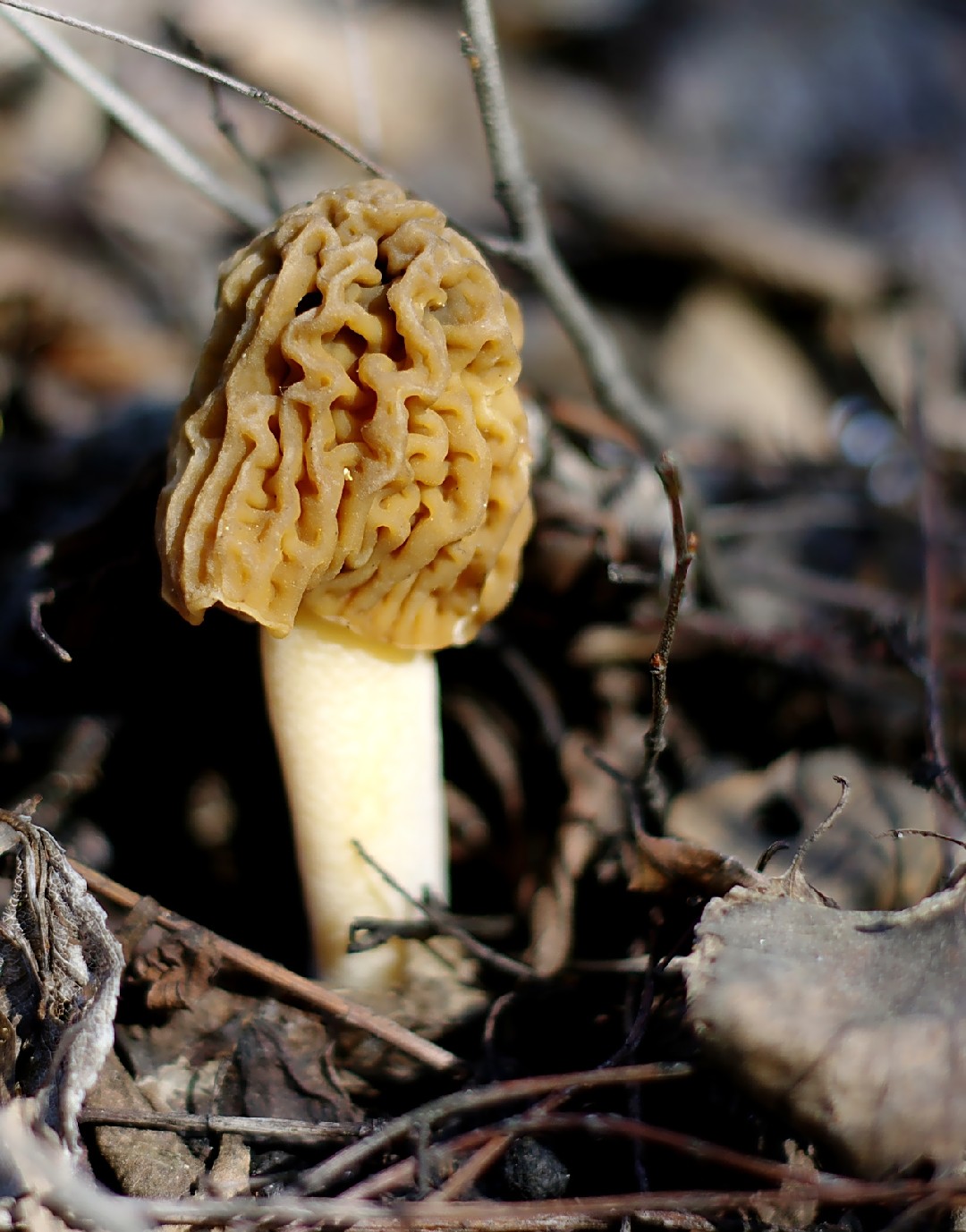
The bell morel can break easily to reveal a cotton-like pith inside. It forms mutually beneficial relationships with the roots of certain trees and is thus found primarily in forests. This species is sometimes known as an "early morel" because it appears in springtime.
5. Meadow mushroom
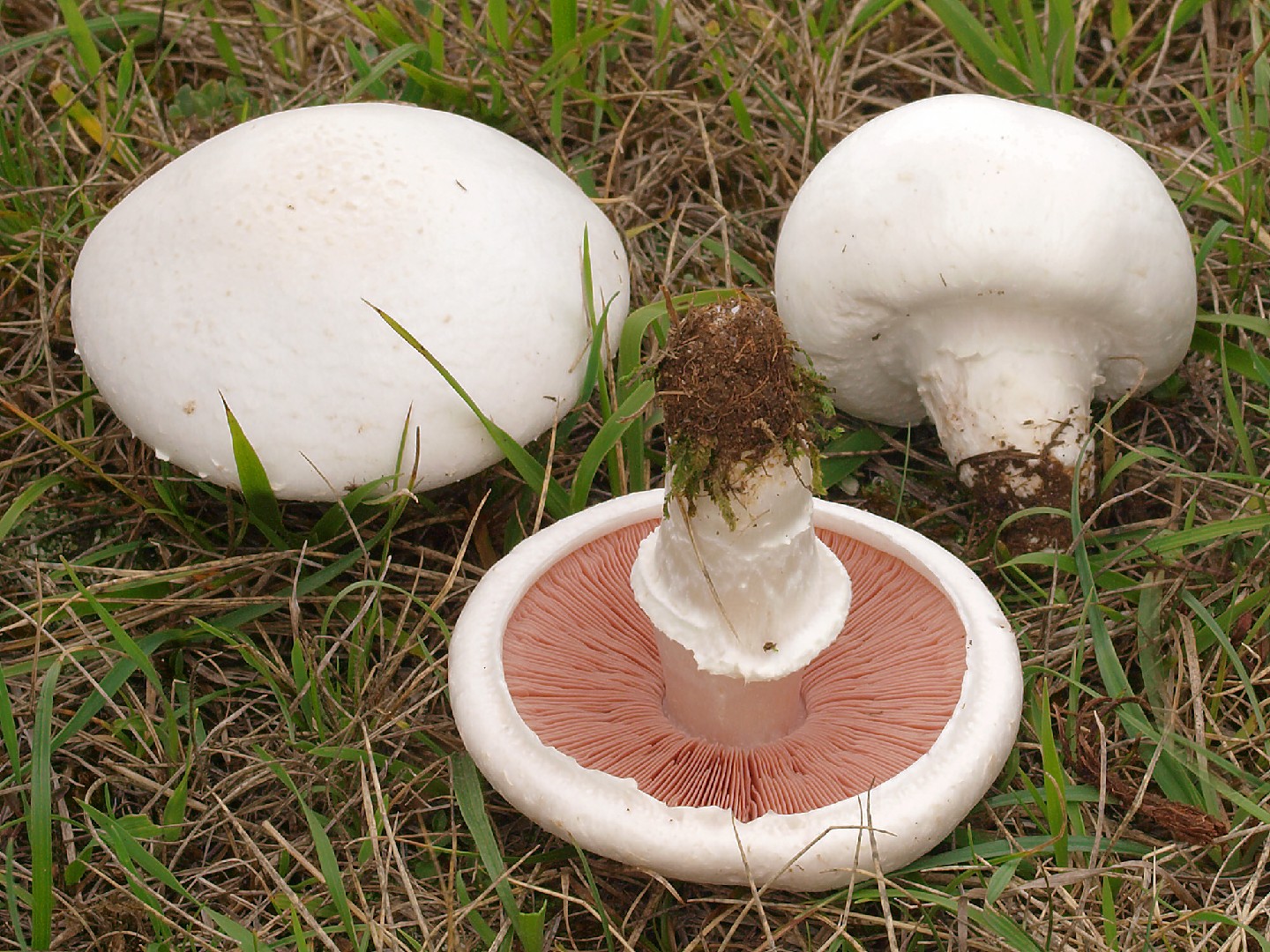
The meadow mushroom grows in meadows and pastures around the world—especially those rich in manure—when the weather is warm and wet. They are known to appear in “fairy ring” shapes. Originally identified in Europe, it is possible that North American specimens identified as meadow mushrooms may genetically belong to other species.
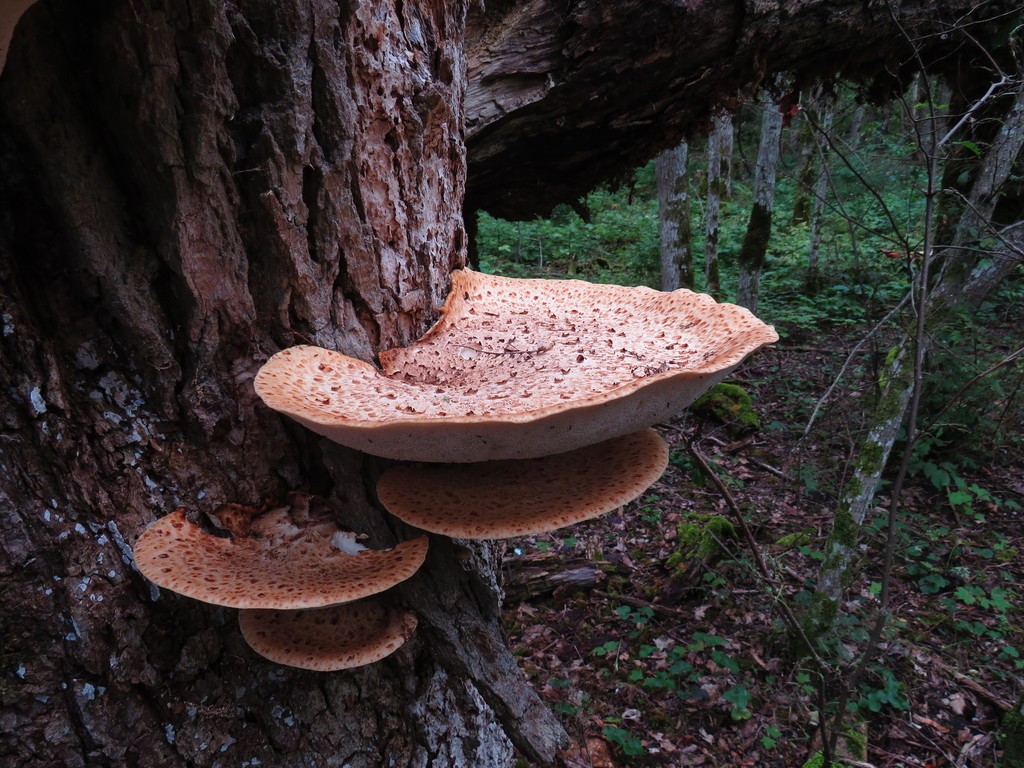
6. Dryad's saddle
A familiar sight to spring morel hunters, dryad's saddle is noteworthy for its large size, striking scales, and watermelon-like smell. Similar to other mushrooms in the bracket fungi family, dryad's saddle can be used to make paper. Younger mushrooms are better suited for this purpose due to their smaller and more consistent fibers.
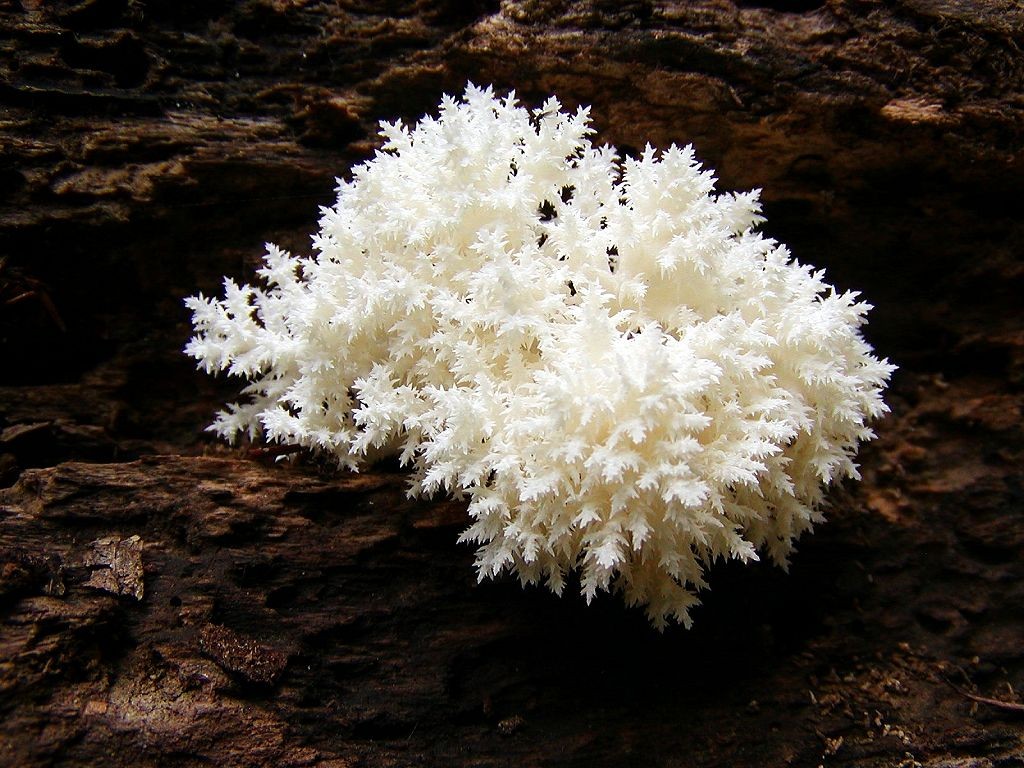
7. Coral tooth fungus
Coral tooth fungus (Hericium coralloides) is a species of coral mushroom most frequently sighted on dead or decaying hardwoods. Generally, younger specimens are white and become increasingly yellowish as they mature. Found around the world, the Māori refer to this species as pekepekekiore.
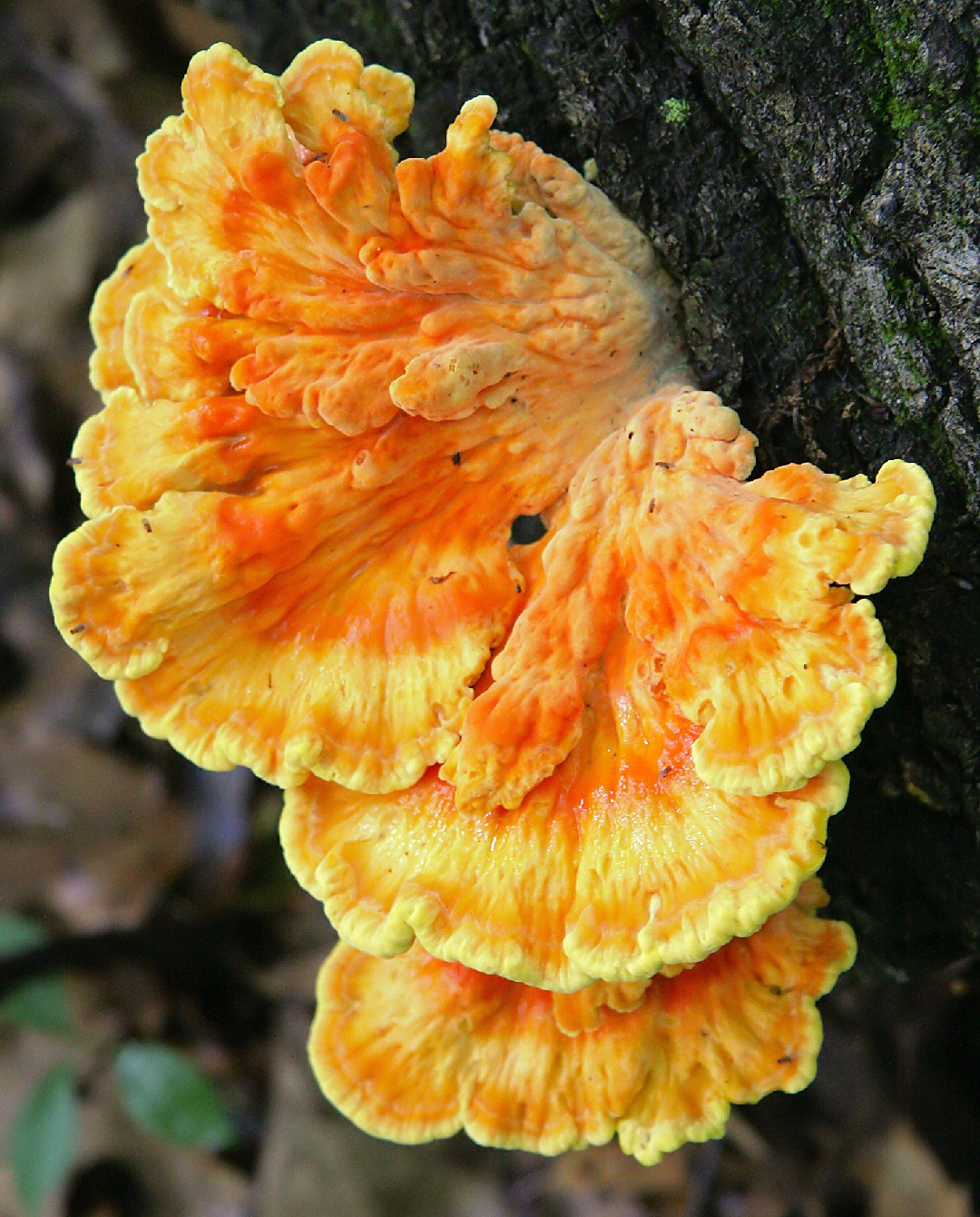
8. Chicken of the woods
Chicken of the woods is very noticeable in hardwood forests, appearing in clusters on standing tree trunks in bright orange and yellow hues that sometimes last through the entire winter. It is a parasite that causes an unfortunate brown heart rot, and is considered a particularly troublesome pest of Yew trees. If the fruitbodies can be seen, the tree is likely already beyond saving.
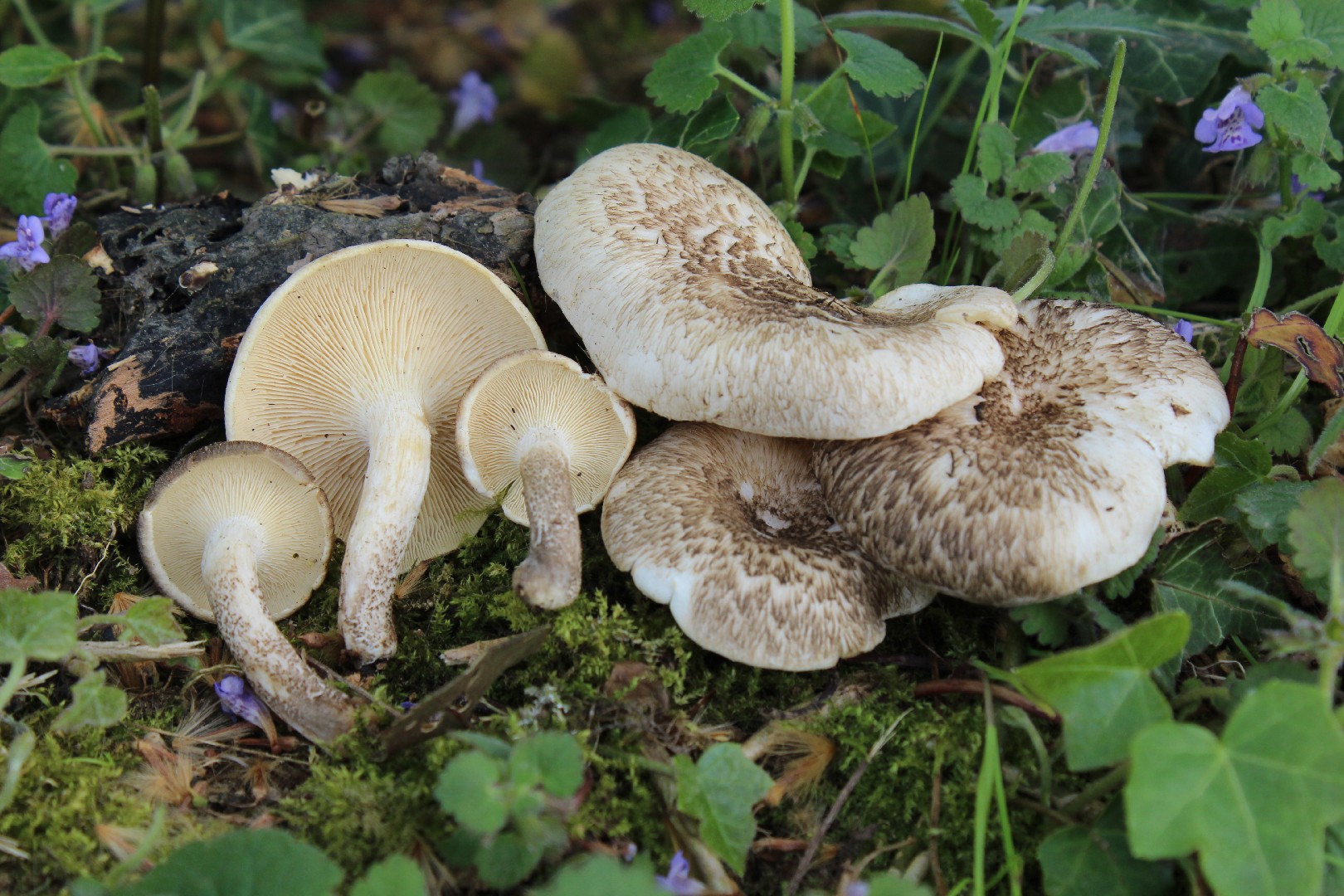
9. Tiger sawgill
The tiger sawgill (Lentinus tigrinus) is a small mushroom with a name that is not particularly accurate. Sporting neither the color nor the pattern that we commonly associate with the tiger, it has a subdued, pale cap that is usually covered in brown patches. The eighteenth-century European that named the species may have been thinking of a leopard.

10. Blewit
The blewit mushroom grows in fallen leaves in autumn and winter, sometimes appearing in ‘fairy ring’ circles. It can be used to make a green dye when chopped and boiled in an iron pot. The scientific name, Lepista nuda, derives from Latin words meaning “bare goblet,” a reference to the shape and texture of the mushroom.

More







