




Top 20 Edible Mushrooms Popular in Saumur
Nestled amidst the serene Loire Valley, Saumur boasts an enchanting landscape, ideal for the growth of diverse mushroom varieties. Discover the top 20 common edible mushrooms thriving in Saumur's unique climate and terrain. We will delve into their distinguishing characteristics, including their appearance, savory gastronomic profiles, preferred habitats, and culinary versatility. This comprehensive guide fosters an enriching educational journey into the world of mycology, positioned within the scenic panorama of Saumur.
* Disclaimer: Content feedback CAN NOT be used as any basis for EATING ANY PLANTS. Some plants can be VERY POISONOUS, please purchase edible plants through regular channels.

Most Popular Edible Mushrooms
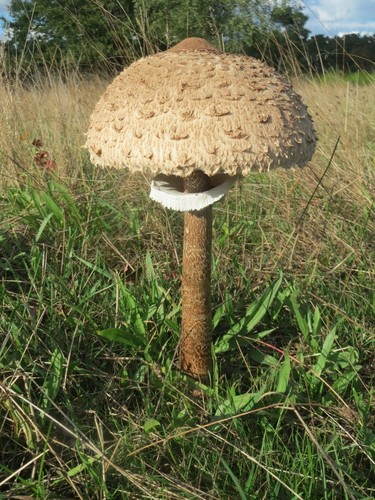
1. Parasol
Found in clearings and grassy areas in late summer, the wild parasol mushroom has a snakeskin-patterned stem. The brown spots on its cap make it look a bit shaggy, but that name is reserved for its poisonous counterpart, the Shaggy Parasol (Chlorophyllum rhacodes). You can distinguish the two by the stems: the latter has a smooth stem and red flesh inside.
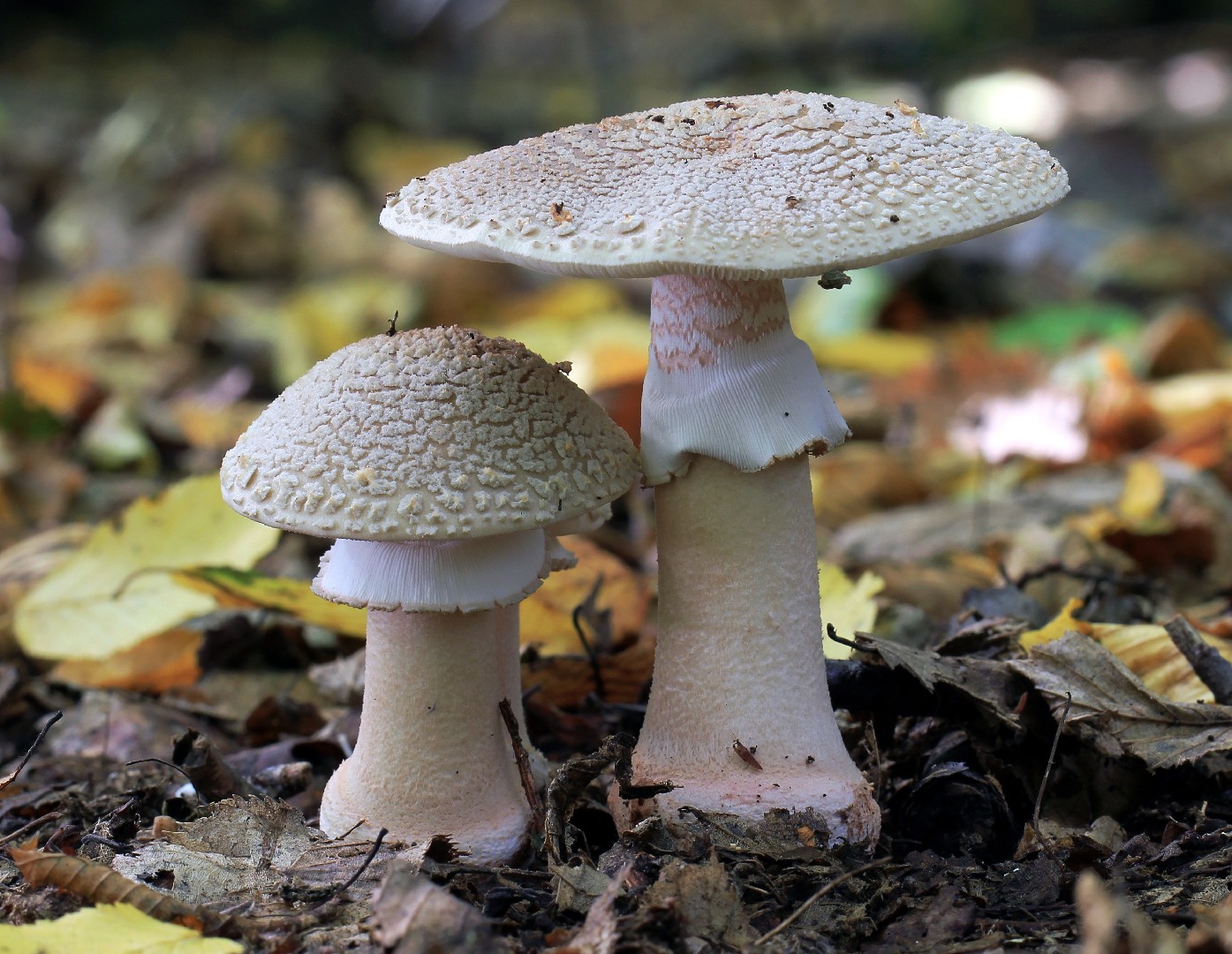
2. Blusher
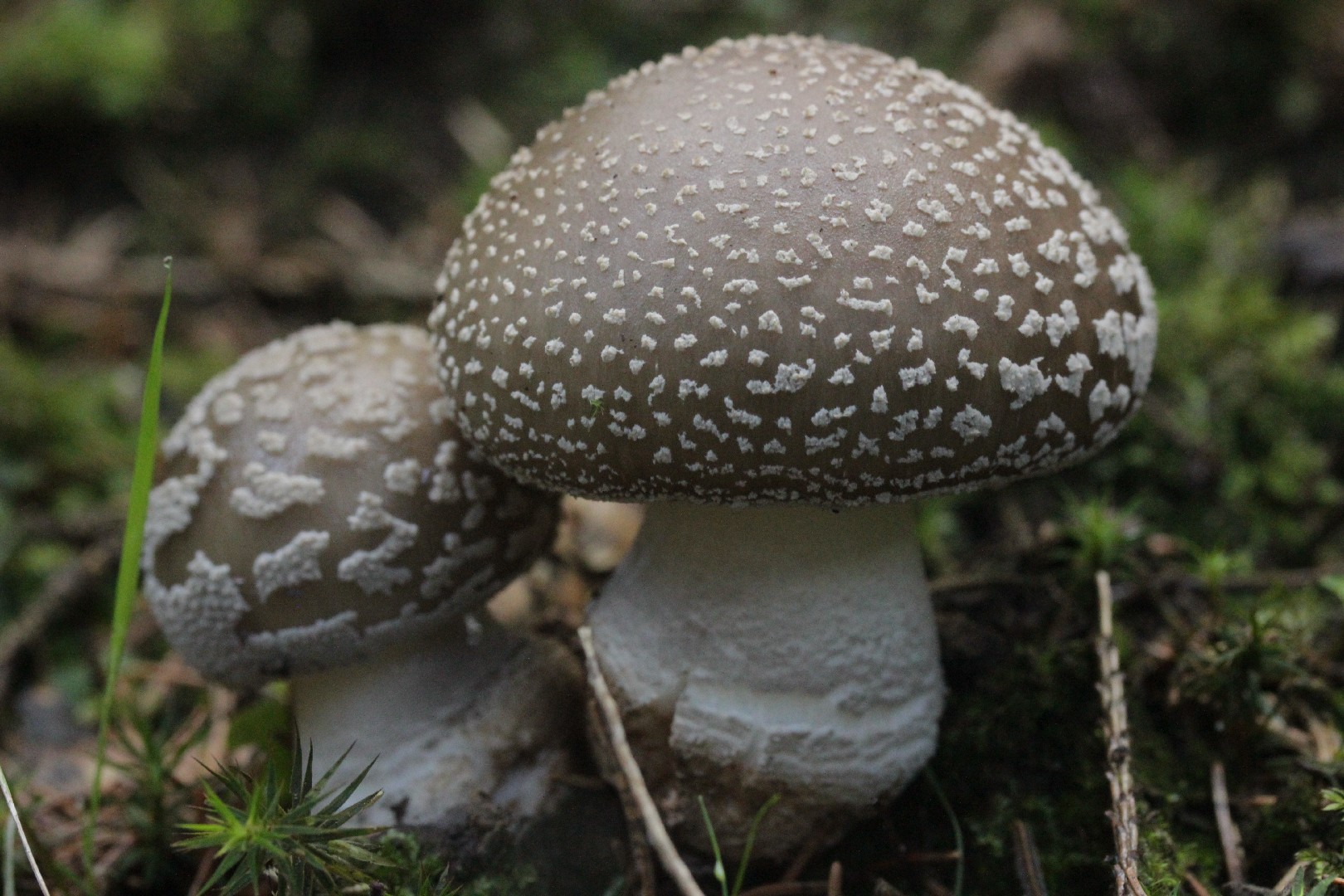
The blusher mushroom is so named because it “blushes” to a pinkish red color when cut or bruised. It is found in many countries around the world, although it may not be native to the southern hemisphere. It contains a hemolytic toxin that can cause anemia if eaten.
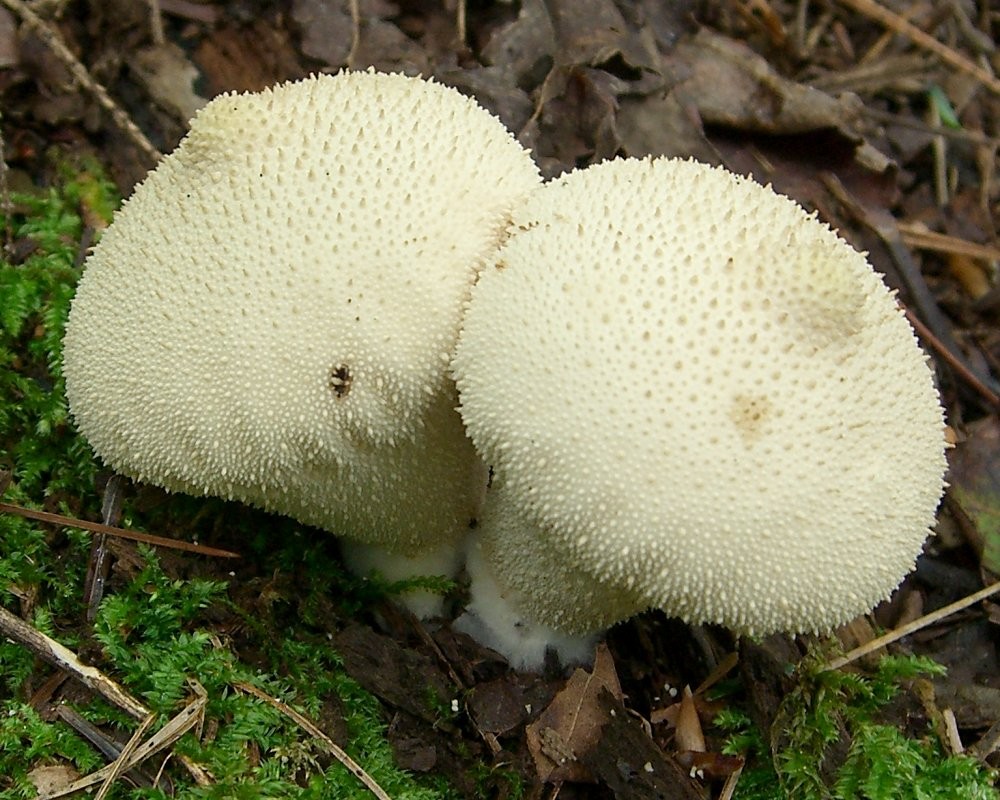
3. Common puffball
These puffy mushrooms grow in small groups on the forest floor. Once they're mature, common puffballs turn yellow and "puff out" smoke-like spore clouds when disturbed. Be very careful when identifying these mushrooms, as their young, immature form looks very similar to the lethal Deathcap.
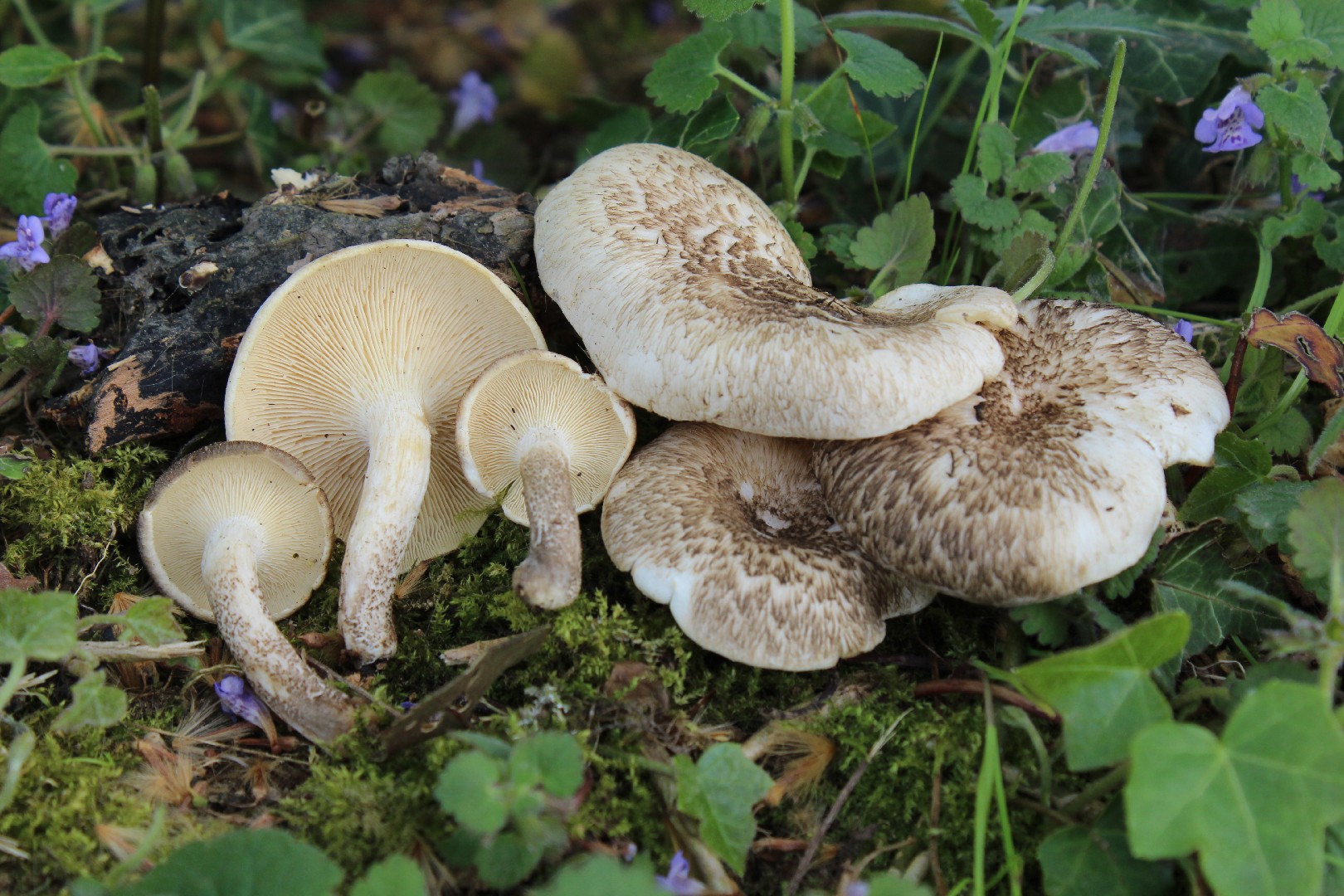
4. Tiger sawgill
The tiger sawgill (Lentinus tigrinus) is a small mushroom with a name that is not particularly accurate. Sporting neither the color nor the pattern that we commonly associate with the tiger, it has a subdued, pale cap that is usually covered in brown patches. The eighteenth-century European that named the species may have been thinking of a leopard.
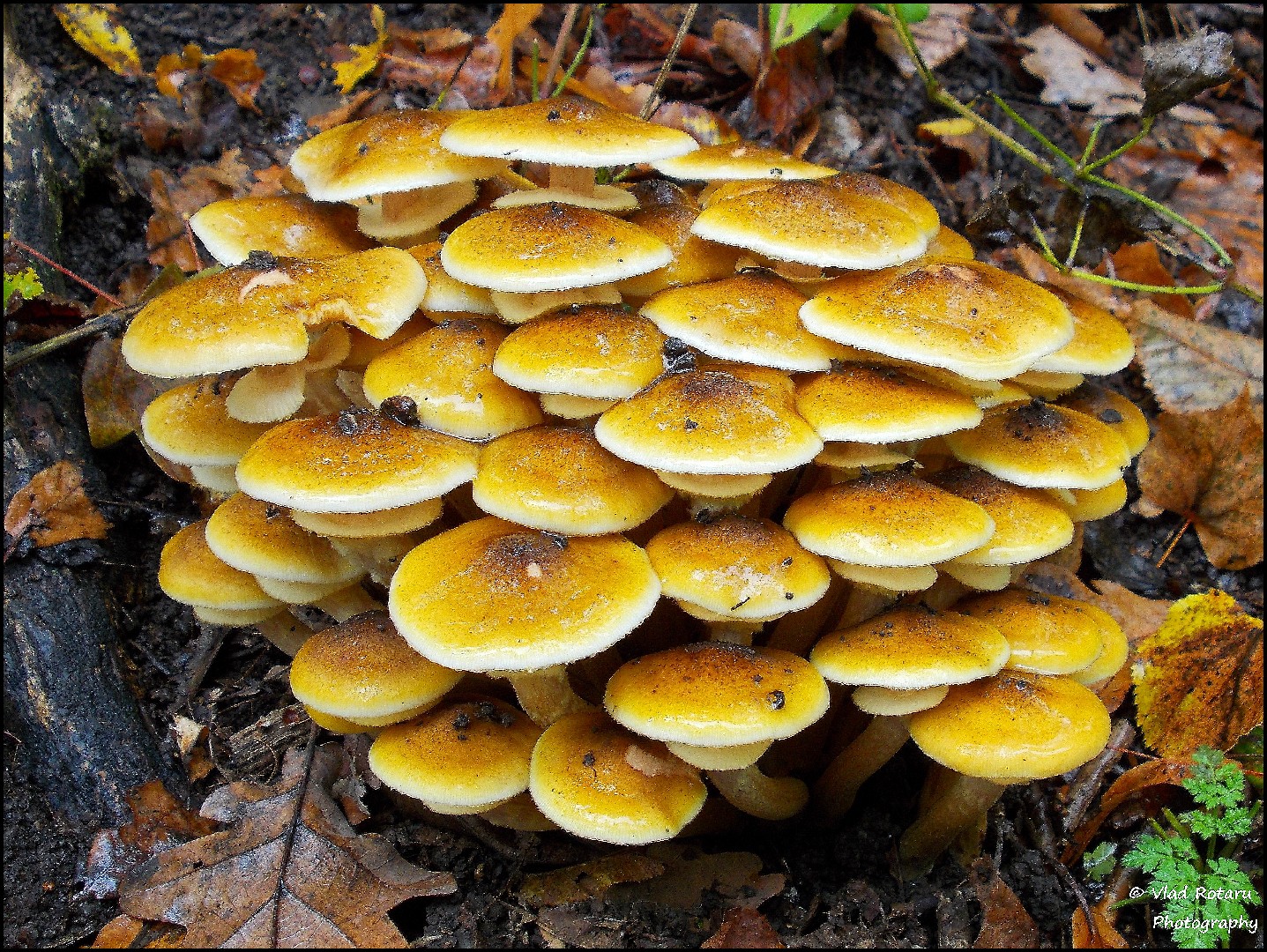
5. Honey fungus
The honey fungus is a parasitic fungus that grows on the roots of many woody and perennial plants, damaging and possibly killing its host. It spreads underground and is considered to be the most damaging fungal disease in gardens across the UK. The appearance of the mushrooms above-ground heralds a much more extensive infection below.
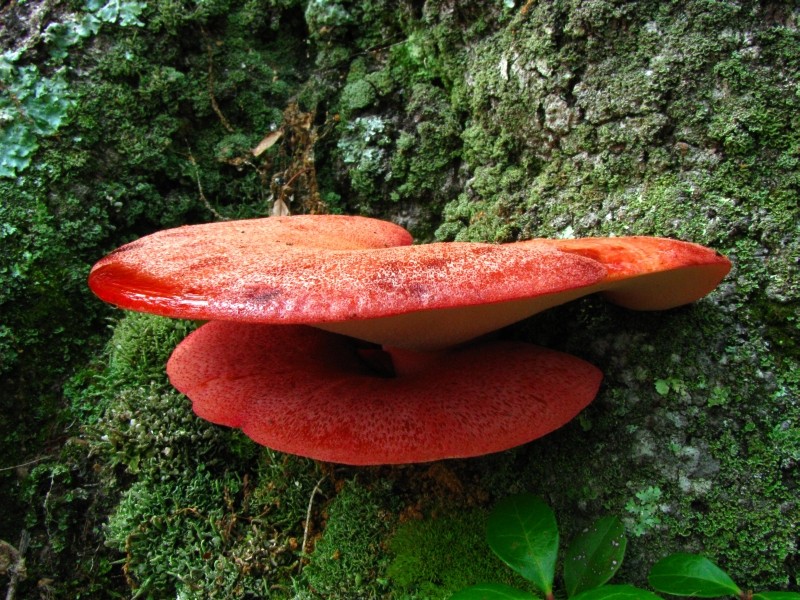
6. Beefsteak fungus
Beefsteak fungus(Fistulina hepatica) is an unusual fungus that visually resembles a slab of raw meat; cutting into it will cause a discharge of thick red liquid resembling blood, adding to this resemblance.

7. Orange-capped bolete
Orange-capped bolete (Leccinum aurantiacum) is easily recognizable for its thick stalk and colorful red-orange cap. Bruised skin may turn burgundy before becoming gray. It sprouts in summer and autumn throughout North America and Europe, where it is particularly associated with the poplar tree.
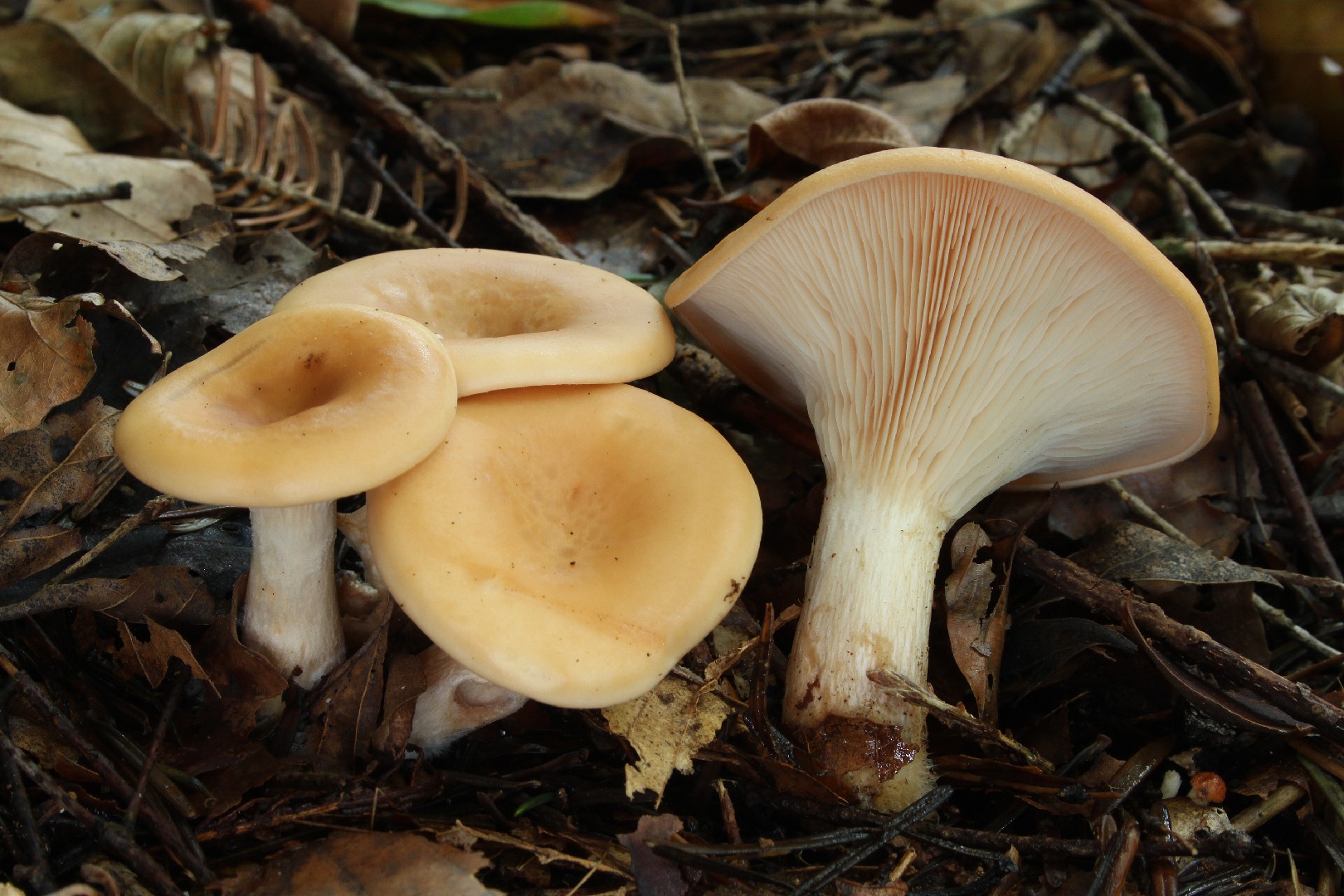
8. Tawny funnel cap
Tawny funnel cap grows in a variety of forest habitats, sometimes in fairy ring or line formations. Tawny funnel cap can have similar characteristics to a chanterelle but is lighter in color and has true gills instead of folded ridges underneath the cap.
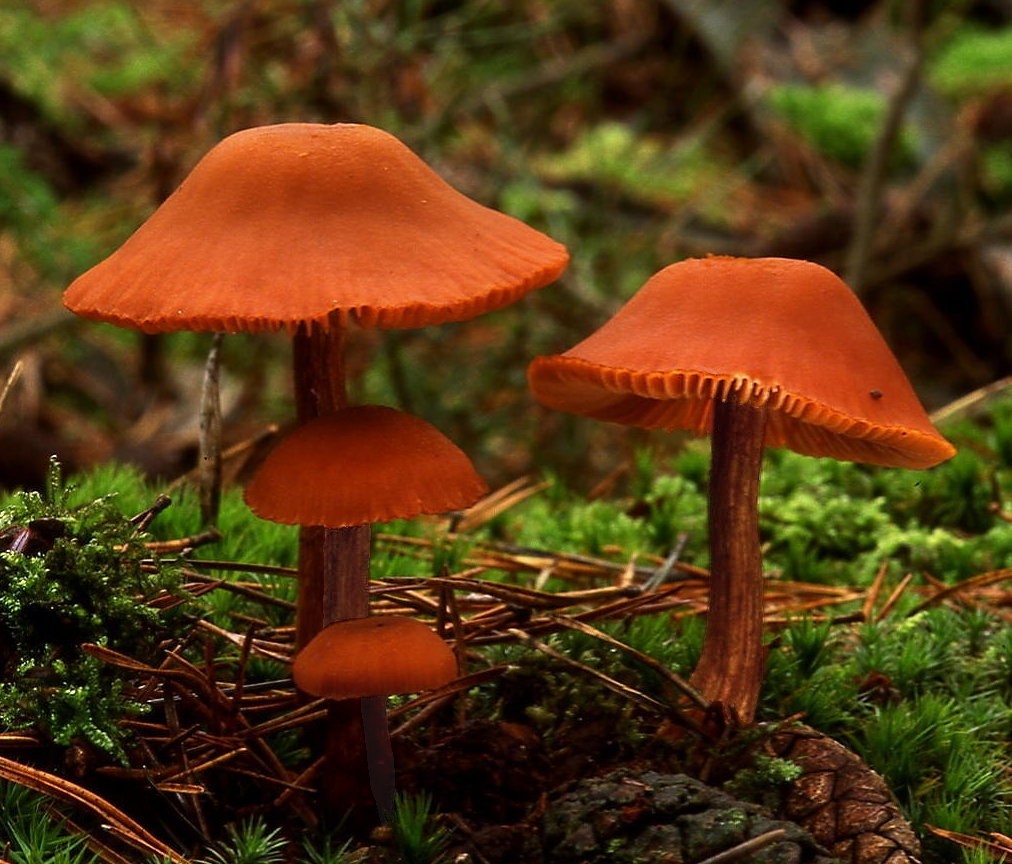
9. Common laccaria
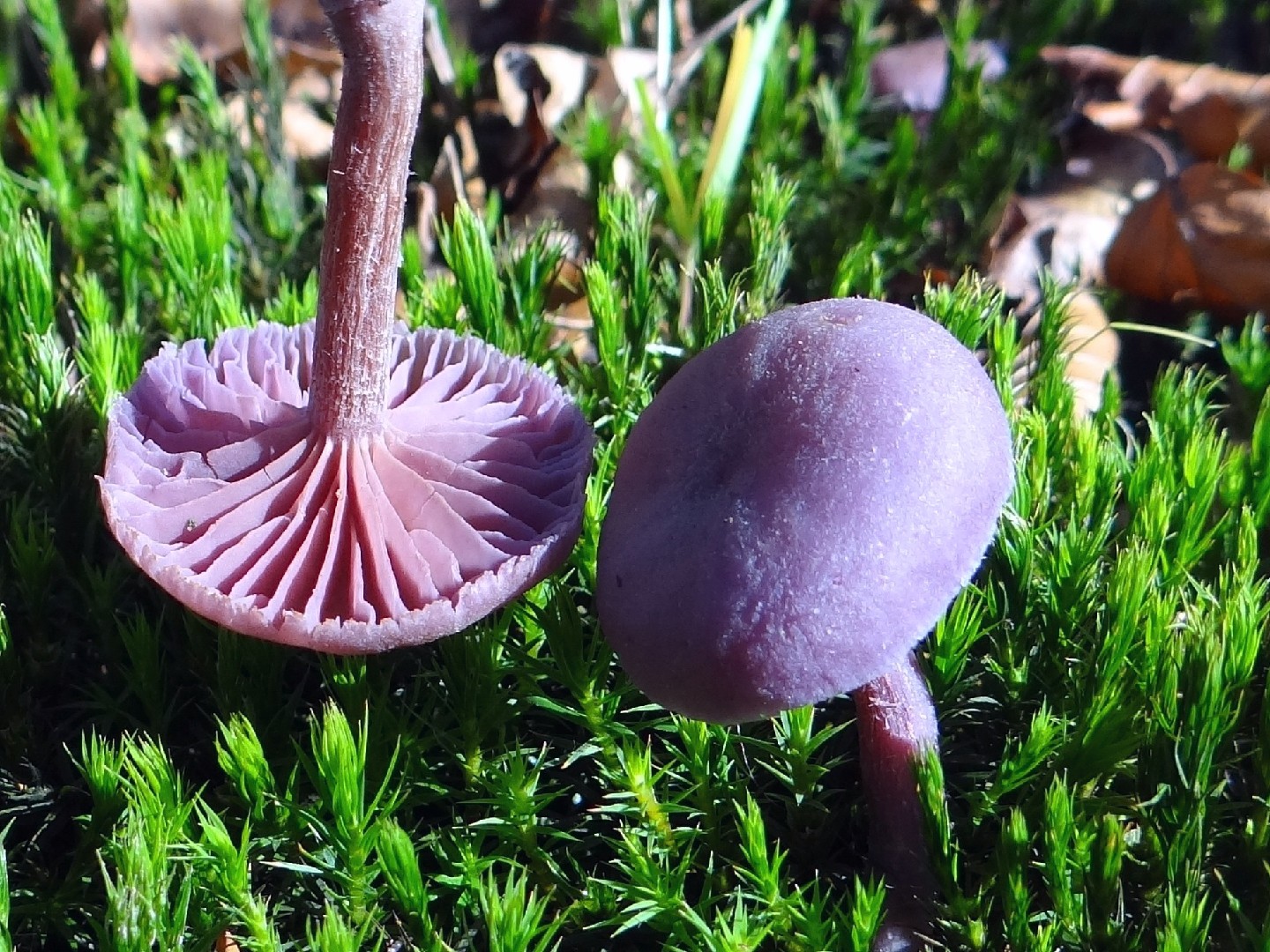
Common laccaria may sound like a malevolent name for a mushroom, but fret not! This species is so-called because its appearance is highly variable, with individual caps taking on a whole host of colors, from whitish to pinkish to dark brown.
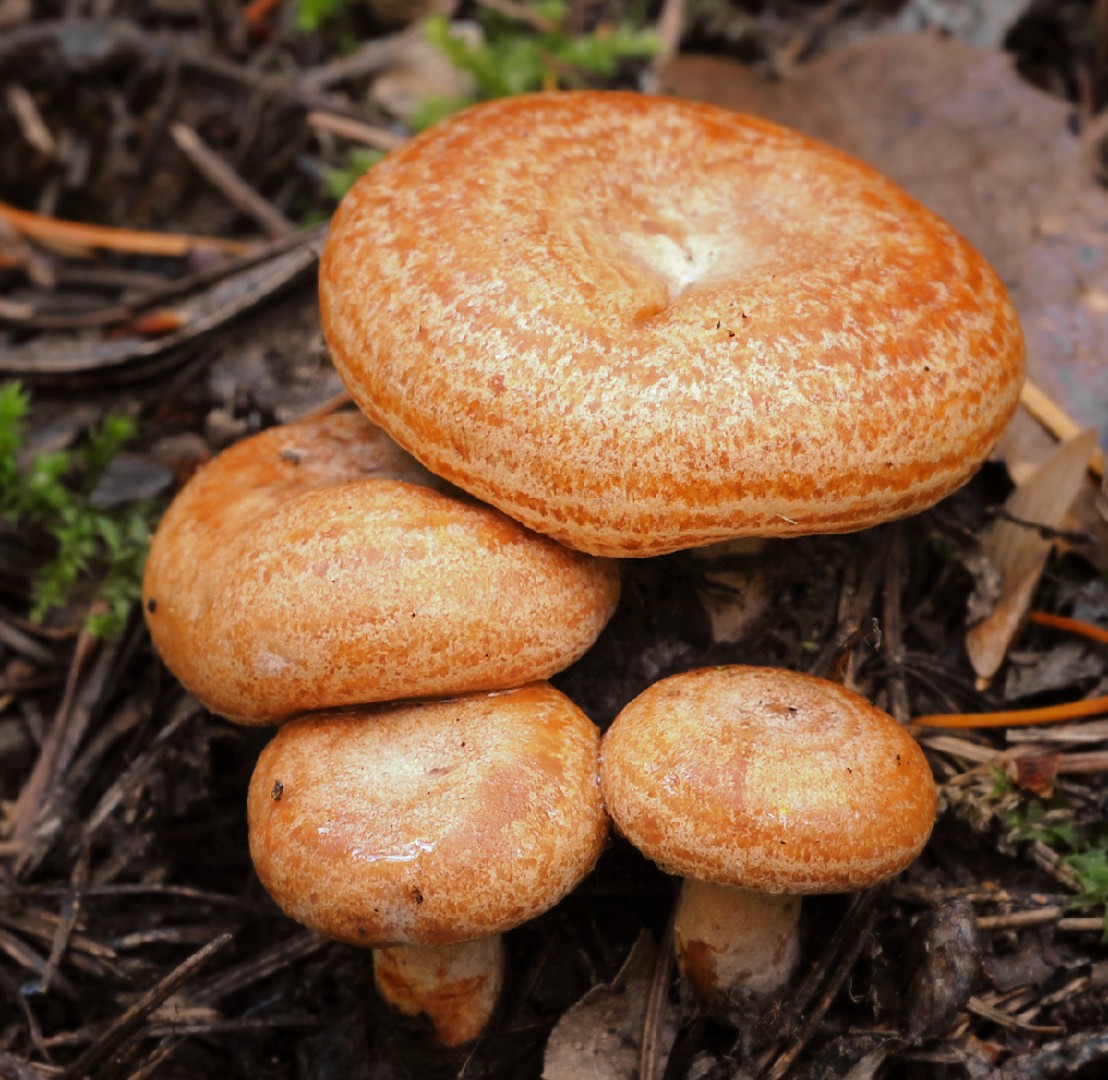
10. Saffron milk cap
Growing wild in the northern hemisphere and introduced to Australia, the saffron milk cap is found in pine forests during autumn. As the name implies, these mushrooms have been harvested for cooking for a long time. They have been known to cause stomach upset in some individuals, however, and carry a risk of being contaminated with heavy metals, so forage with caution.

More







