




Top 20 Edible Mushrooms Popular in Porto-Vecchio
Immerse yourself in the world of edible fungi from the diverse and enchanting landscapes of Porto-Vecchio. Blessed with varying micro-climates, this region provides a perfect habitat for an array of tantalizing mushroom species. This guide unveils the top 20 most common mushrooms found in Porto-Vecchio, trodding through their unique characteristics, mouth watering taste profiles, natural habitats, and the rich culinary traditions they passionately inspire.
* Disclaimer: Content feedback CAN NOT be used as any basis for EATING ANY PLANTS. Some plants can be VERY POISONOUS, please purchase edible plants through regular channels.

Most Popular Edible Mushrooms
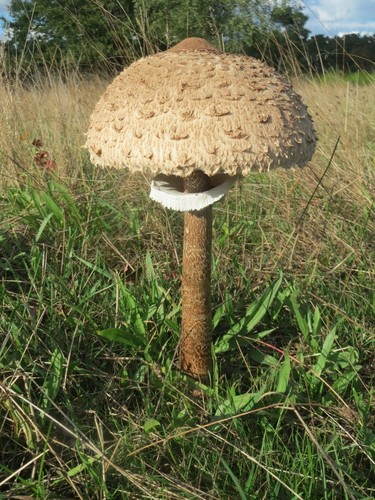
1. Parasol
Found in clearings and grassy areas in late summer, the wild parasol mushroom has a snakeskin-patterned stem. The brown spots on its cap make it look a bit shaggy, but that name is reserved for its poisonous counterpart, the Shaggy Parasol (Chlorophyllum rhacodes). You can distinguish the two by the stems: the latter has a smooth stem and red flesh inside.
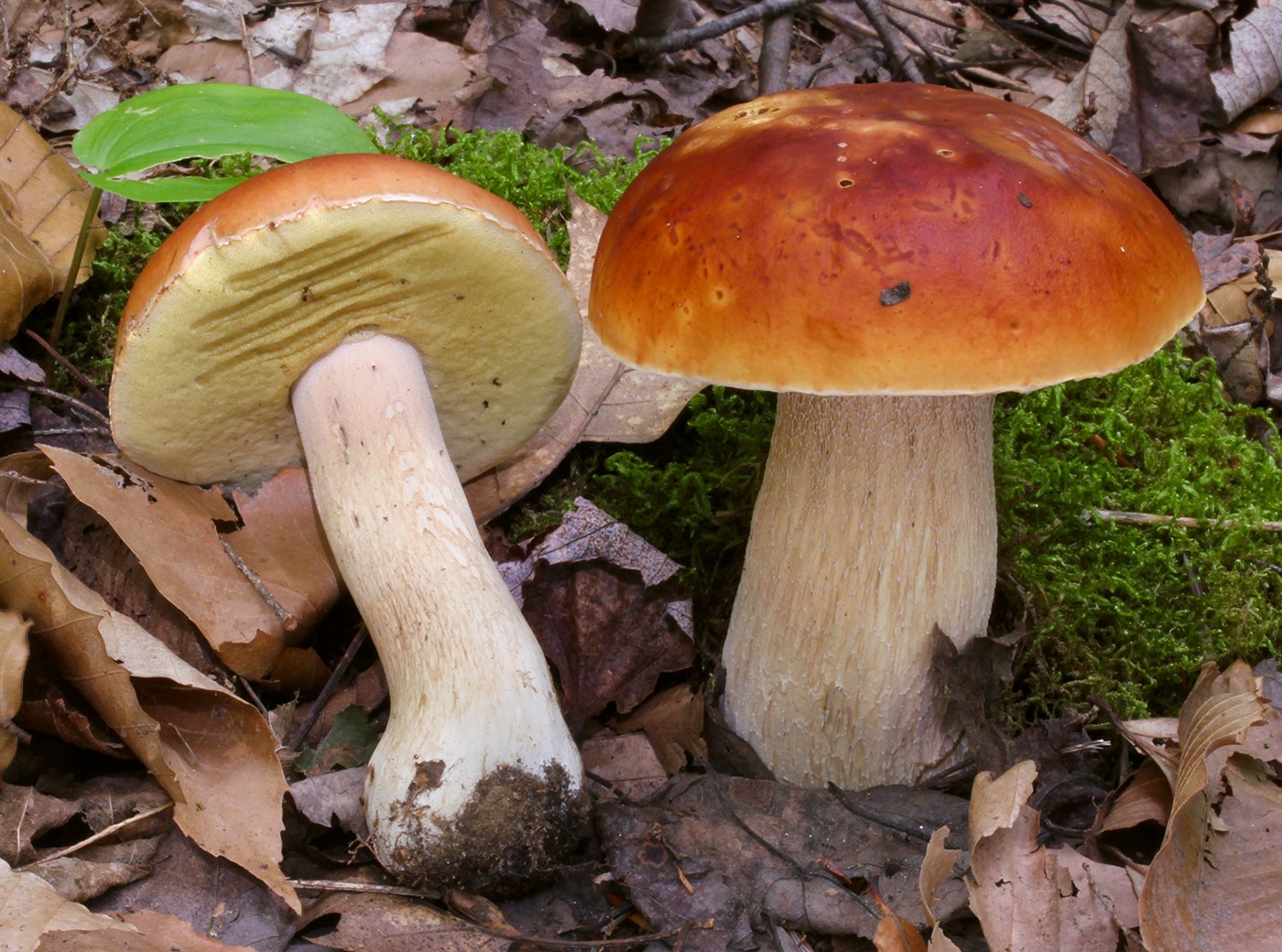
2. King bolete
Extremely popular in many cuisines, this edible wild mushroom grows around the world near the roots of forest trees. In some regions, king bolete mushrooms are collected in great enough volumes that their sale can support entire families during the harvest season. King boletes are reported to be high in fiber, vitamins B and C, calcium, potassium, magnesium, zinc, and several antioxidants.
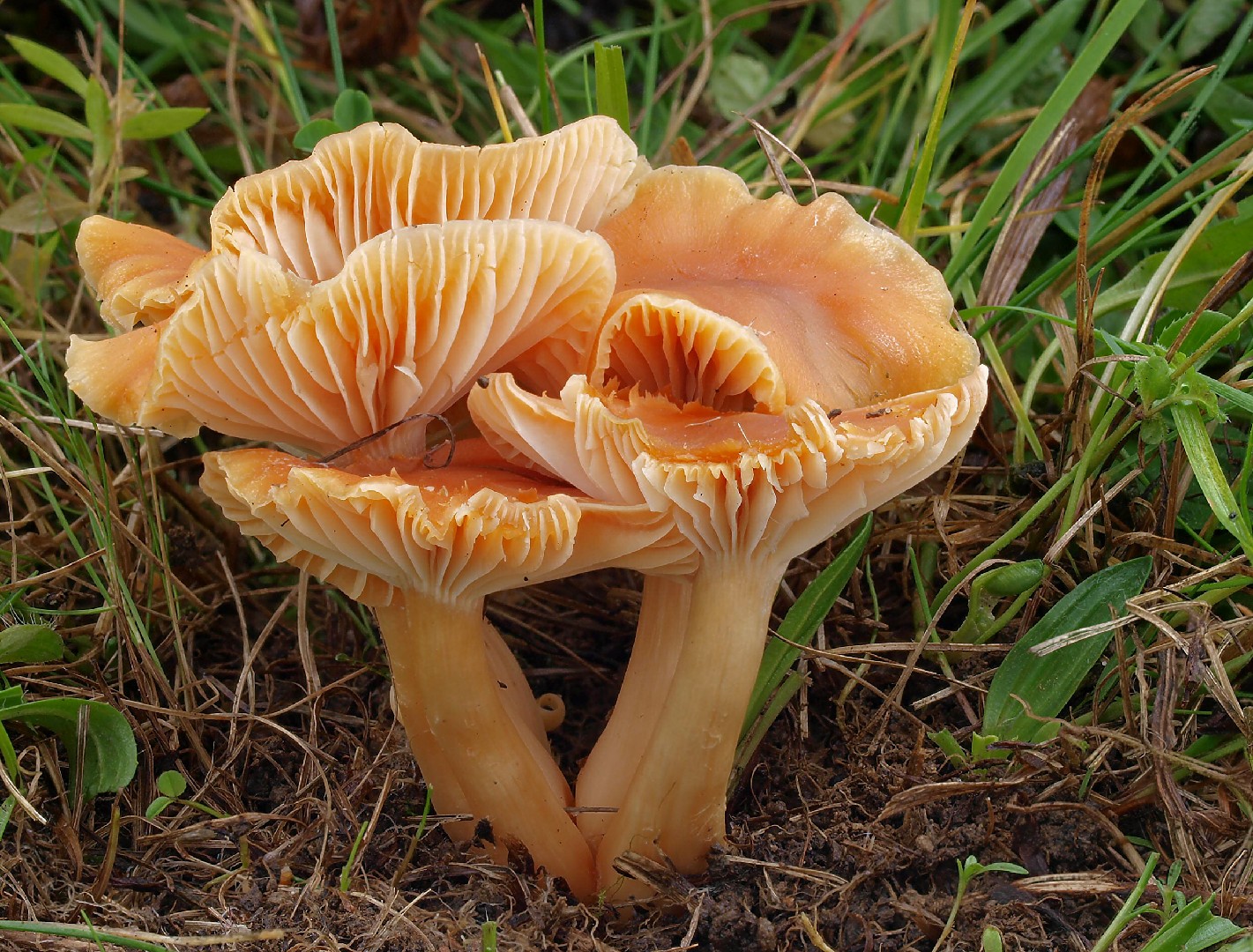
3. Meadow waxcap
The meadow waxcap is a medium-sized, salmon-colored species that can be found in temperate habitats around the world. The species has broad, thick gills and a relatively smooth (and not particularly waxy) cap.
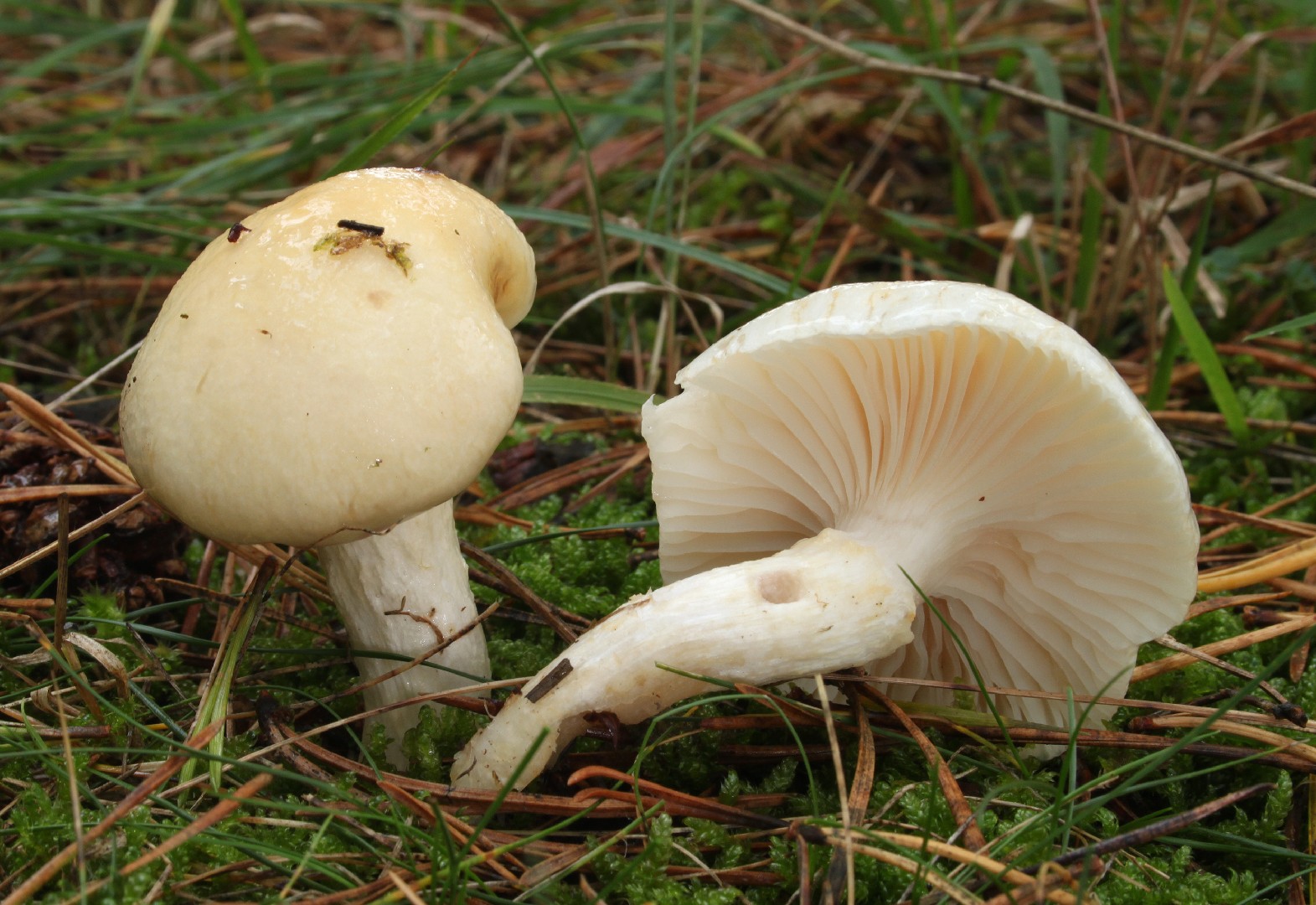
4. Matt woodwax
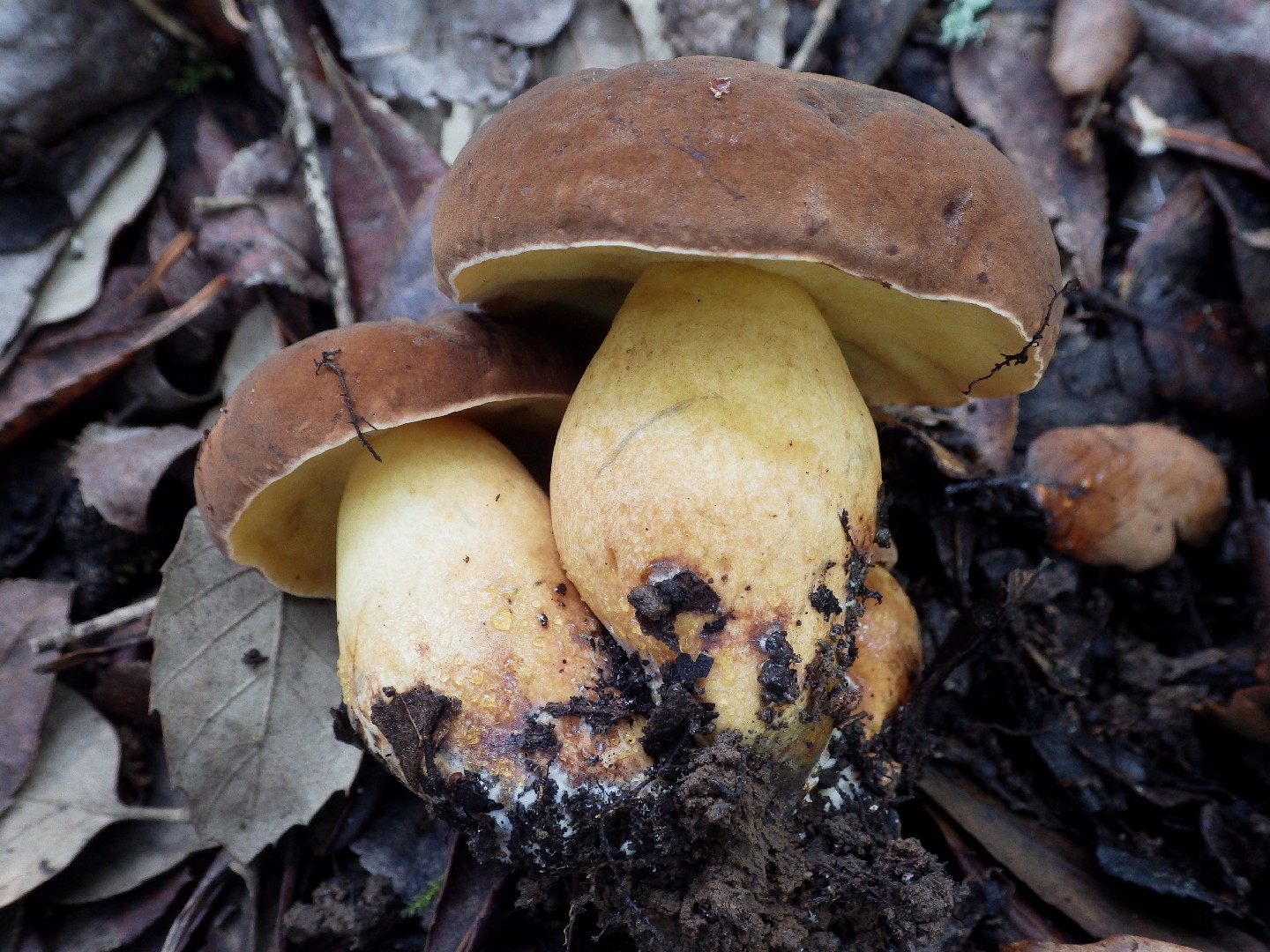
5. Lanmaoa fragrans
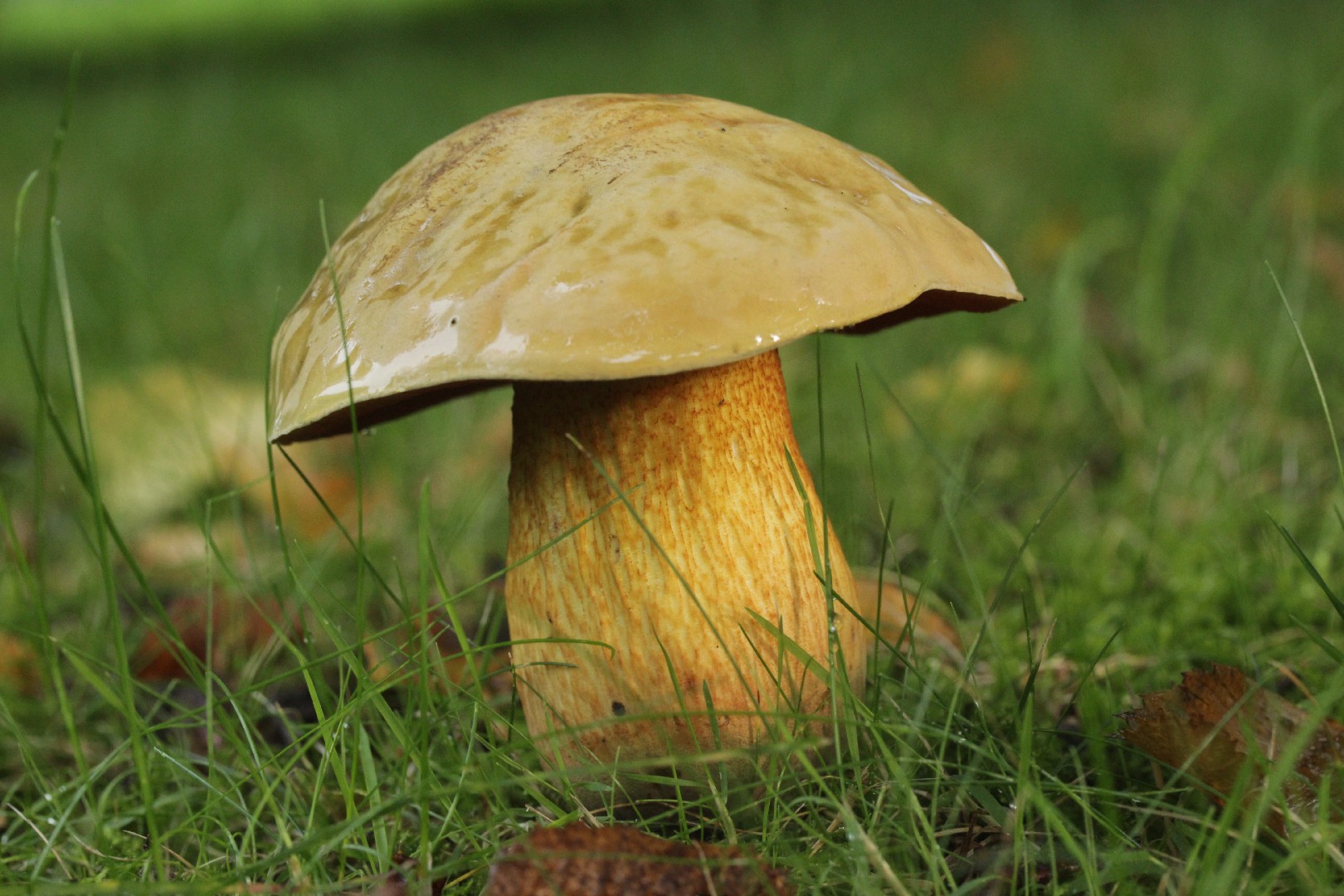
6. Lurid bolete
Once considered a member of the Boletus genus, the lurid bolete is a mushroom that is best avoided. Inexperienced mushroom hunters could easily confuse it with the severely poisonous European species Satan's bolete (Rubroboletus satanas) or its North American cousin Rubroboletus eastwoodiae. When cut, the stem of this bolete goes dark blue. Its smell is a bit sour.

7. Saffron ringless amanita
The saffron ringless amanita displays a orange-hued head. This coloring and the lack of a veil around its cap have given the fungus its name, saffron ringless amanita. This mushroom can be found in European hardwood forests from summer to fall. It has a sweet scent and, depending on location, can grow either in small or large groups.
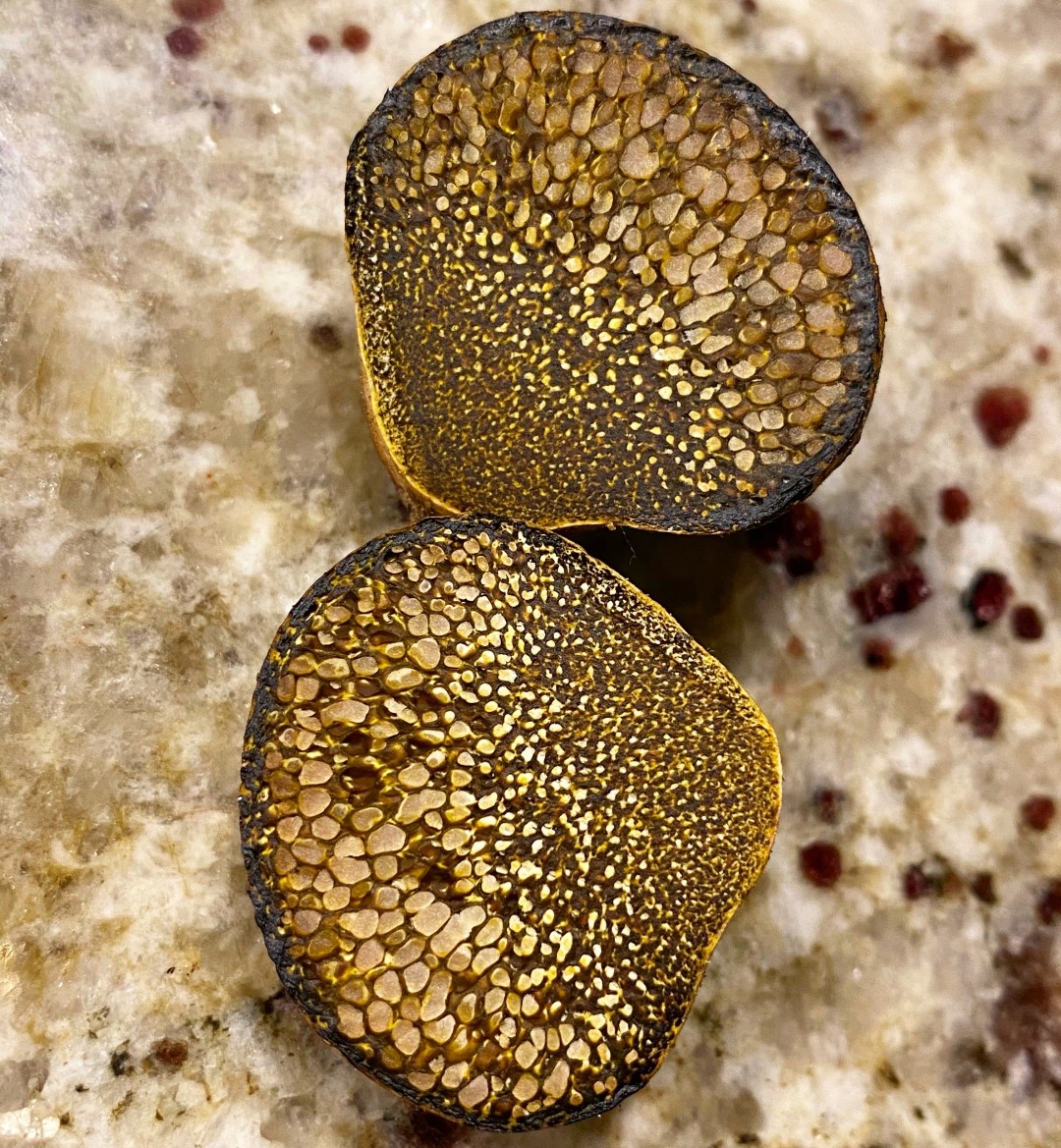
8. Dead man's foot
Dead man's foot (Pisolithus arhizus) actually bears a number of colorful names stemming from its unusual appearance, such as the horse dung fungus (Australia). It can be distilled into a viscous black gel, which is then used as a natural dye for clothing. It is considered to be inedible.
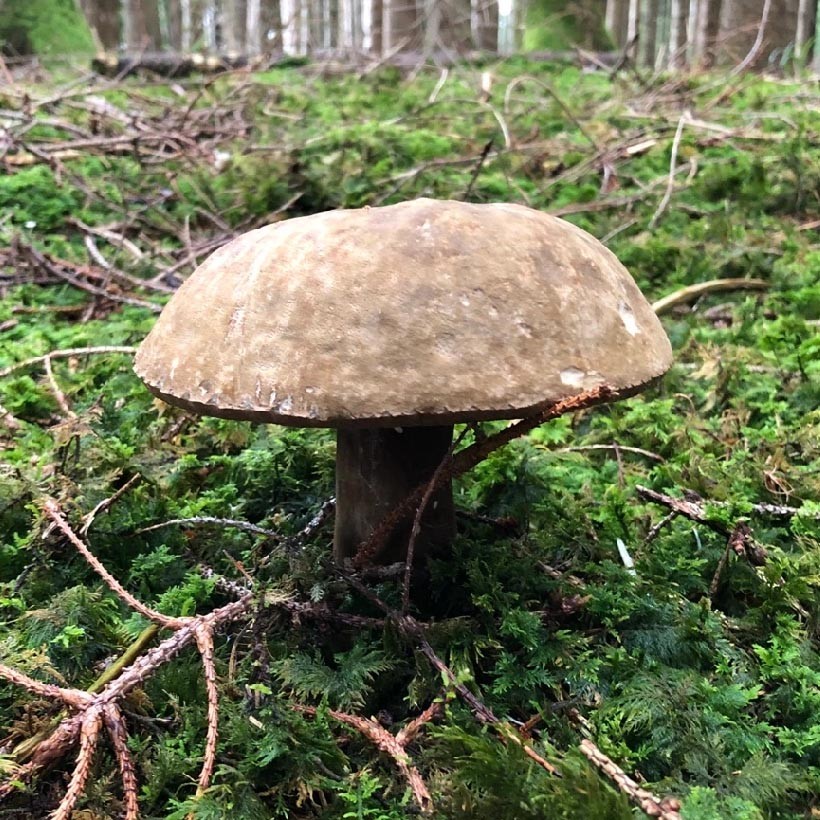
9. Dusky bolete
Dusky bolete (Porphyrellus porphyrosporus) may have a large cap, but its somewhat drab or dusky brown color makes it hard to spot on the forest floor. This mushroom typically grows under pines in low-elevation areas. It is known for its blue to blue-green staining reaction.
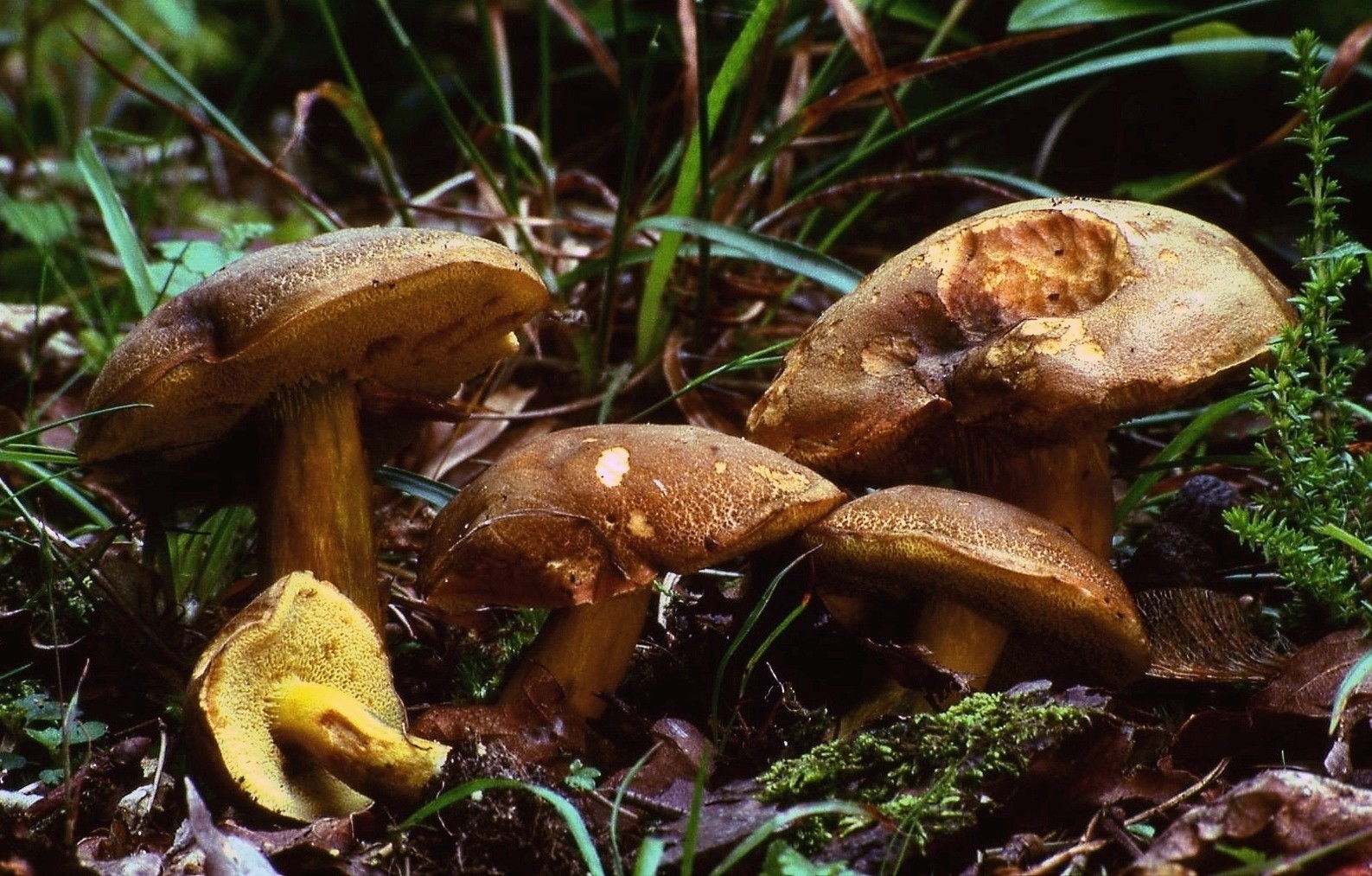
10. Sepia bolete


More







