




Top 20 Edible Mushrooms Popular in Chateauroux
Unveiling the abundant fungal treasures scattered throughout Chateauroux, a land rich in diverse terrains, from verdant meadows to lush forests, this write-up introduces you to the 20 most common edible mushrooms found in this region. You'll learn about their distinctive characteristics, including their unique tastes and the habitats they prefer, not to mention their celebrated roles in culinary delights. Take a plunge into the fascinating mycological mysteries that Chateauroux has to offer.
* Disclaimer: Content feedback CAN NOT be used as any basis for EATING ANY PLANTS. Some plants can be VERY POISONOUS, please purchase edible plants through regular channels.

Most Popular Edible Mushrooms
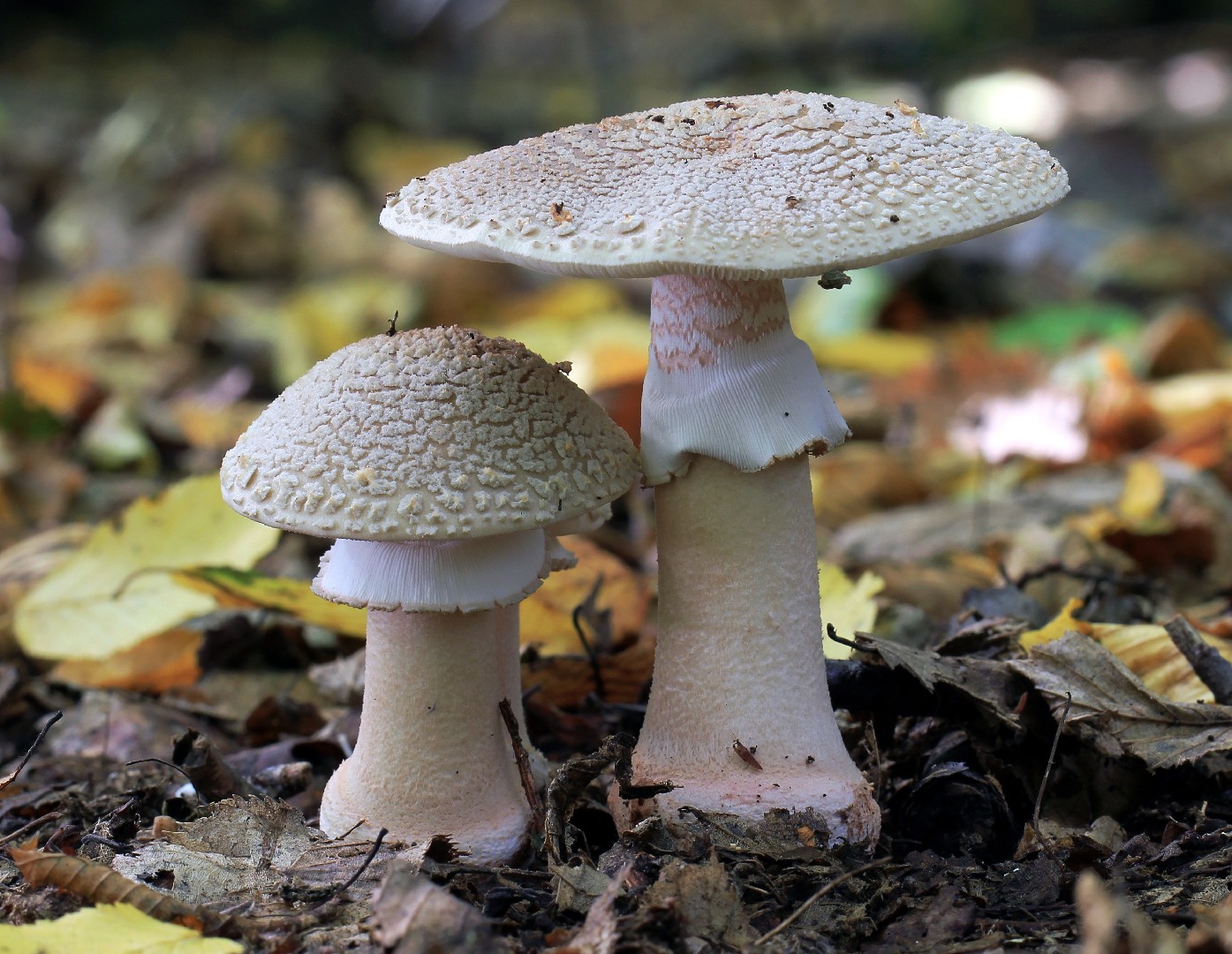
1. Blusher
The blusher mushroom is so named because it “blushes” to a pinkish red color when cut or bruised. It is found in many countries around the world, although it may not be native to the southern hemisphere. It contains a hemolytic toxin that can cause anemia if eaten.
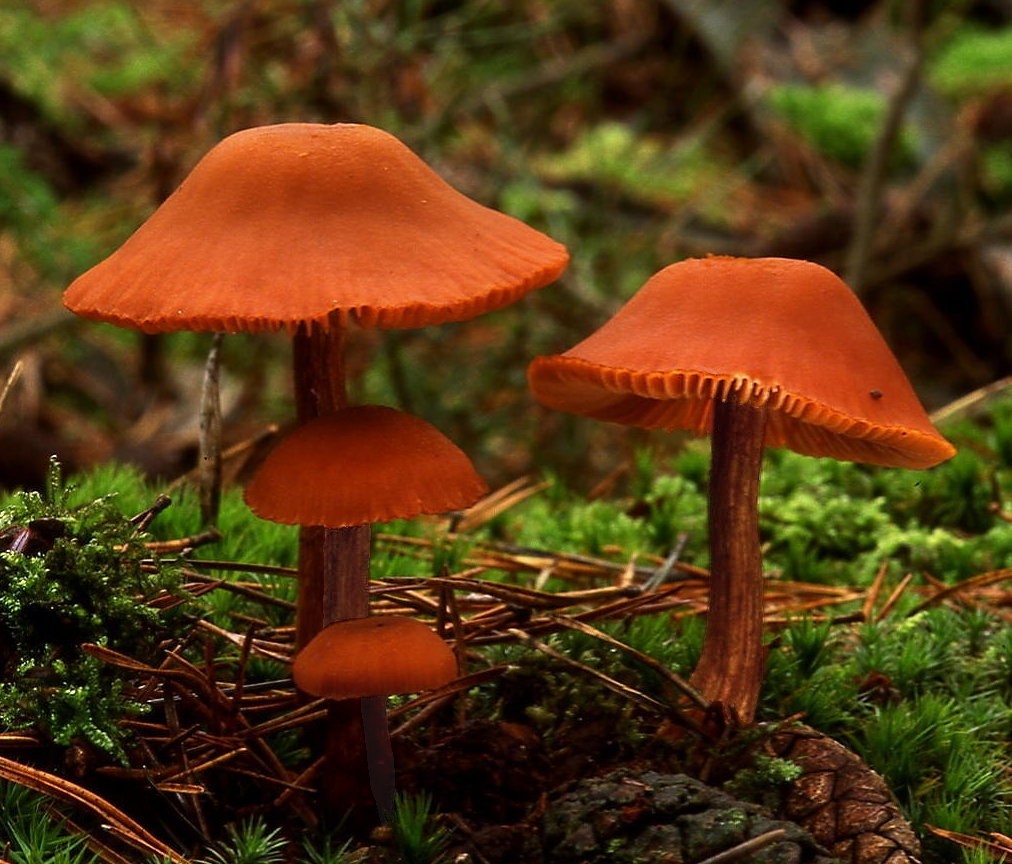
2. Common laccaria
Common laccaria may sound like a malevolent name for a mushroom, but fret not! This species is so-called because its appearance is highly variable, with individual caps taking on a whole host of colors, from whitish to pinkish to dark brown.
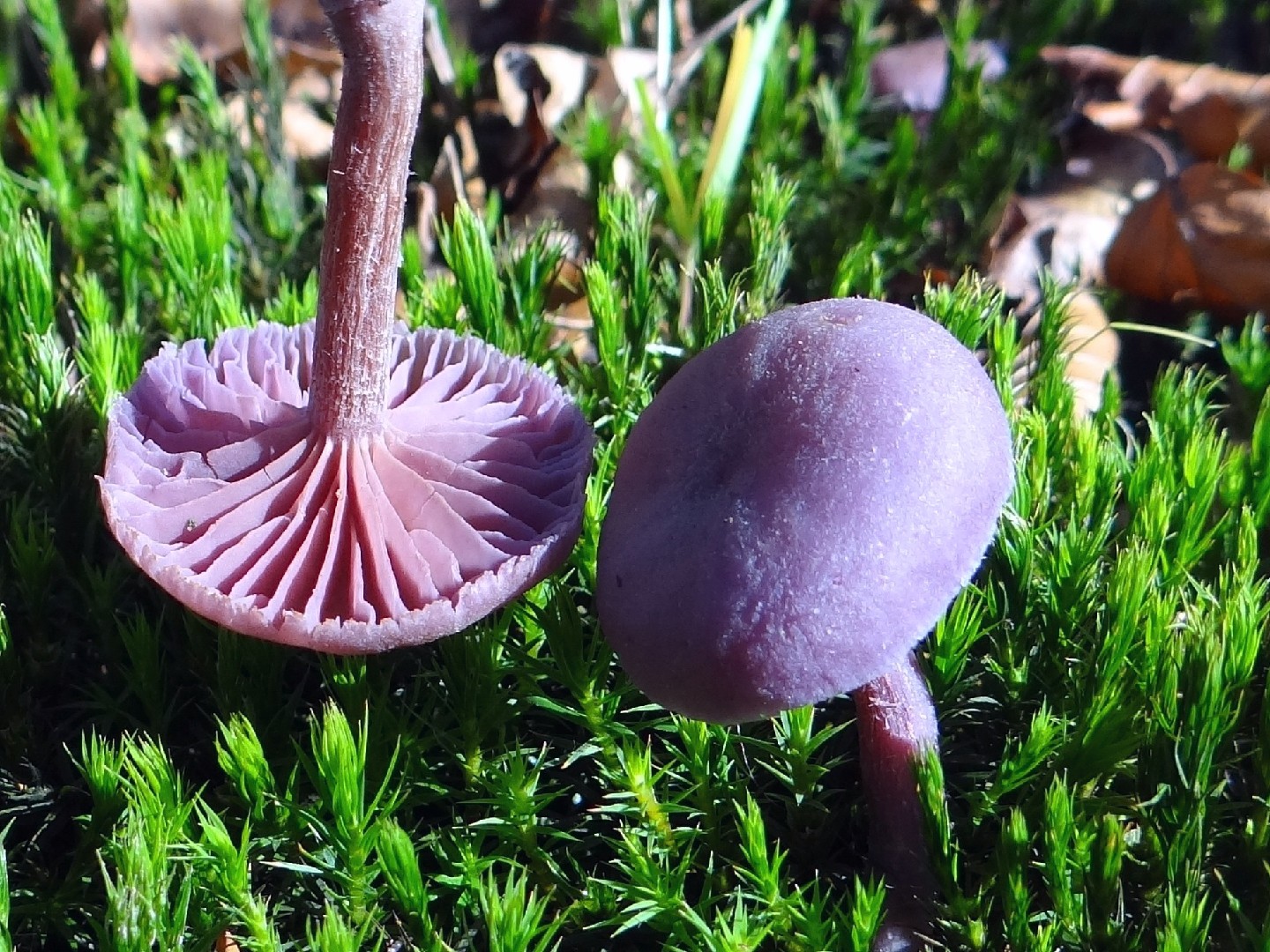
3. Amethyst deceiver
The amethyst deceiver (Laccaria amethystina) is a breathtaking mushroom that pops up from coniferous forest floors. The caps are a striking violet color in youth and are generally flat with a small indentation when the stem connects. As they mature, this violet color transforms to a less than breathtaking grey color, making it quite hard to identify after a certain age positively. Not edible.

4. Orange-capped bolete
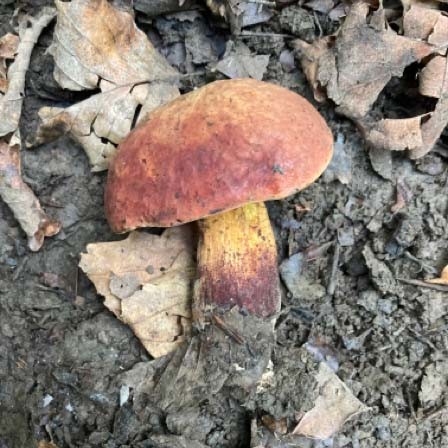
Orange-capped bolete (Leccinum aurantiacum) is easily recognizable for its thick stalk and colorful red-orange cap. Bruised skin may turn burgundy before becoming gray. It sprouts in summer and autumn throughout North America and Europe, where it is particularly associated with the poplar tree.
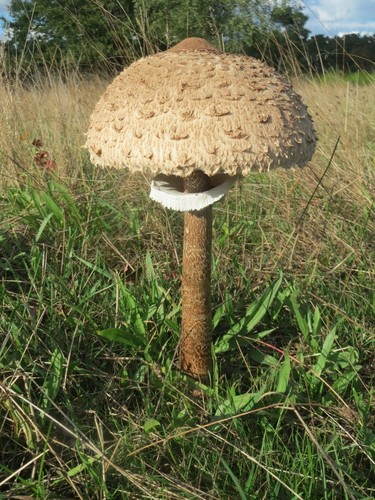
5. Parasol
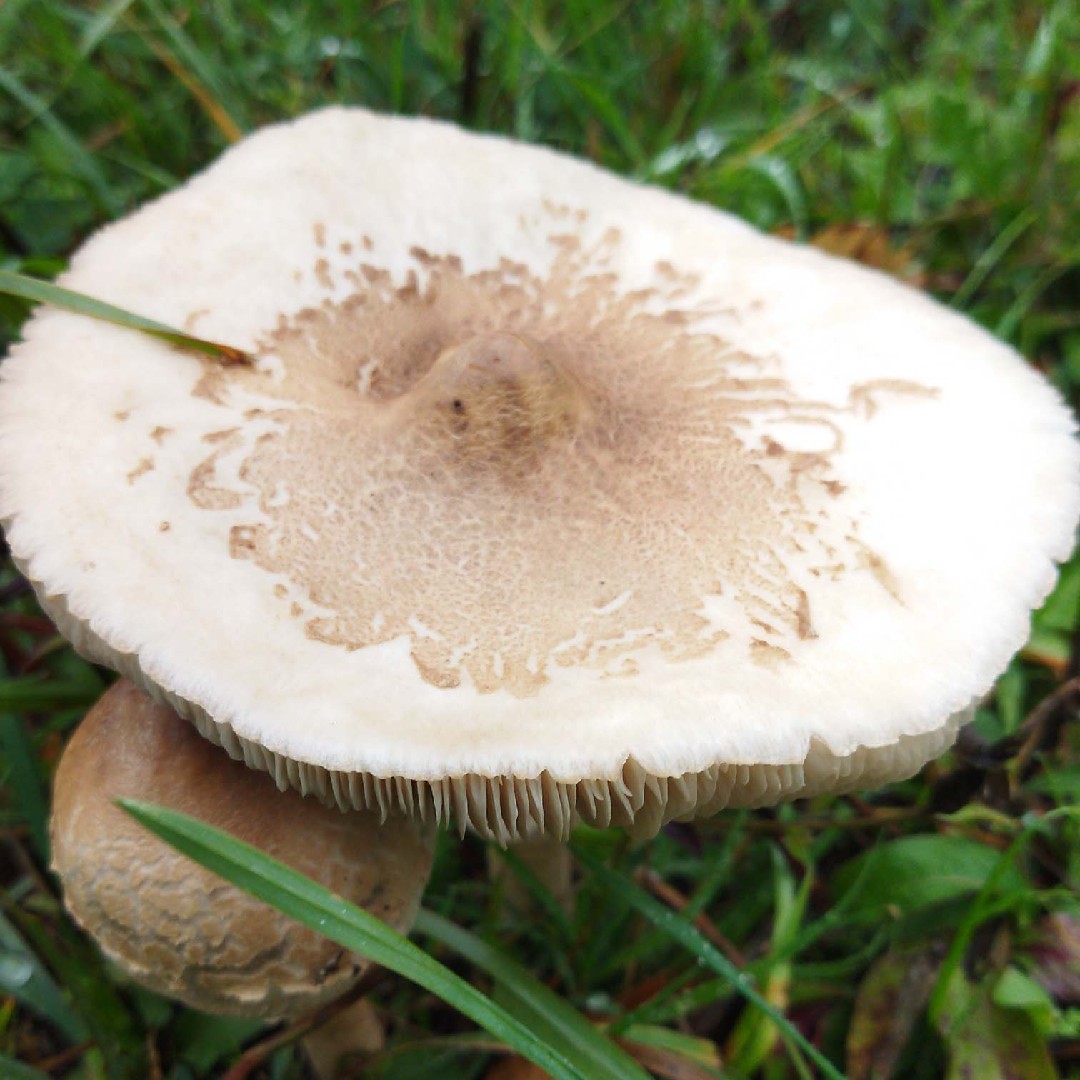
Found in clearings and grassy areas in late summer, the wild parasol mushroom has a snakeskin-patterned stem. The brown spots on its cap make it look a bit shaggy, but that name is reserved for its poisonous counterpart, the Shaggy Parasol (Chlorophyllum rhacodes). You can distinguish the two by the stems: the latter has a smooth stem and red flesh inside.
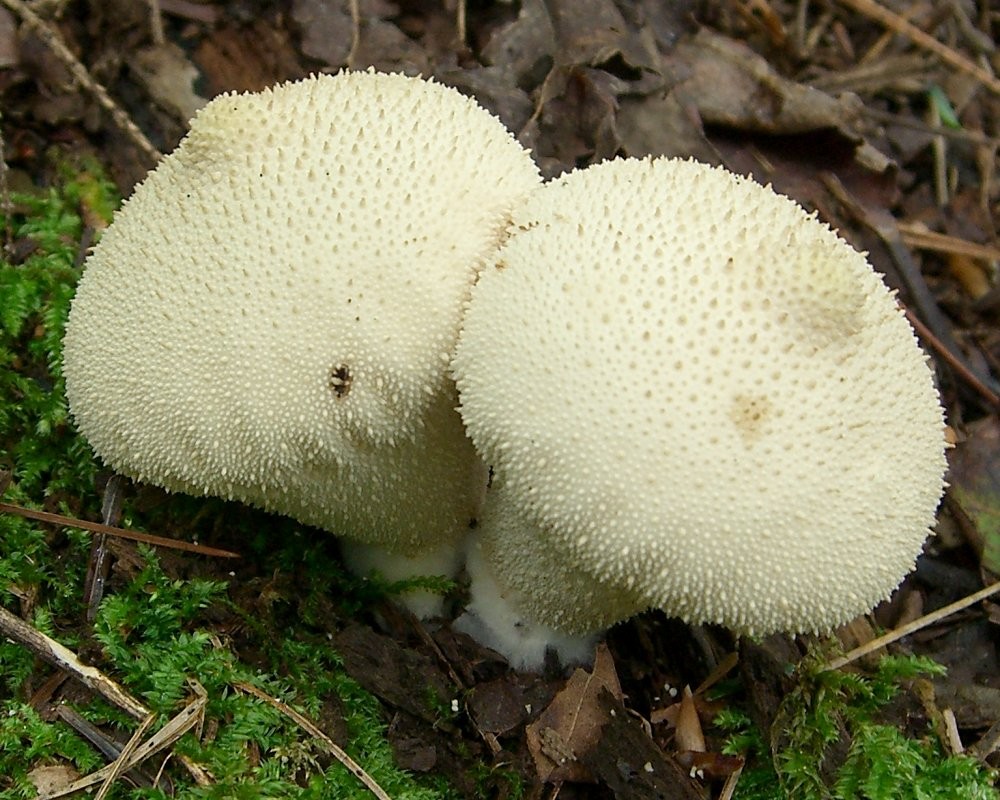
6. Common puffball
These puffy mushrooms grow in small groups on the forest floor. Once they're mature, common puffballs turn yellow and "puff out" smoke-like spore clouds when disturbed. Be very careful when identifying these mushrooms, as their young, immature form looks very similar to the lethal Deathcap.
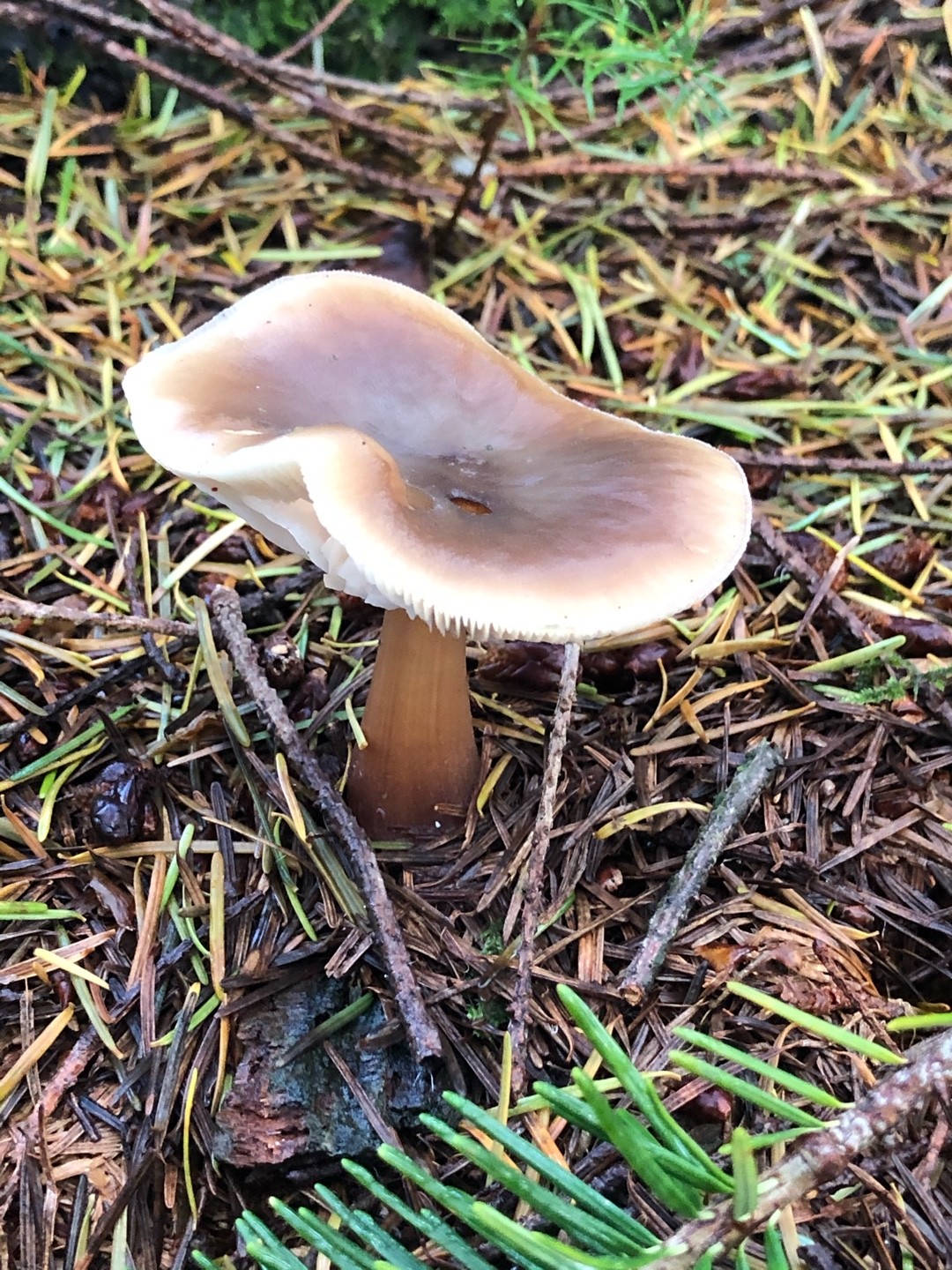
7. Buttery collybia
Buttery collybia mushrooms grow mainly on the floors of coniferous forests, from summer to winter across Europe and North America. This mushroom is called “buttery” not for its flavor, but rather the greasy texture of its surface. In the genus name, “rhodo” means pink, a reference to the shade of the gills beneath its cap.
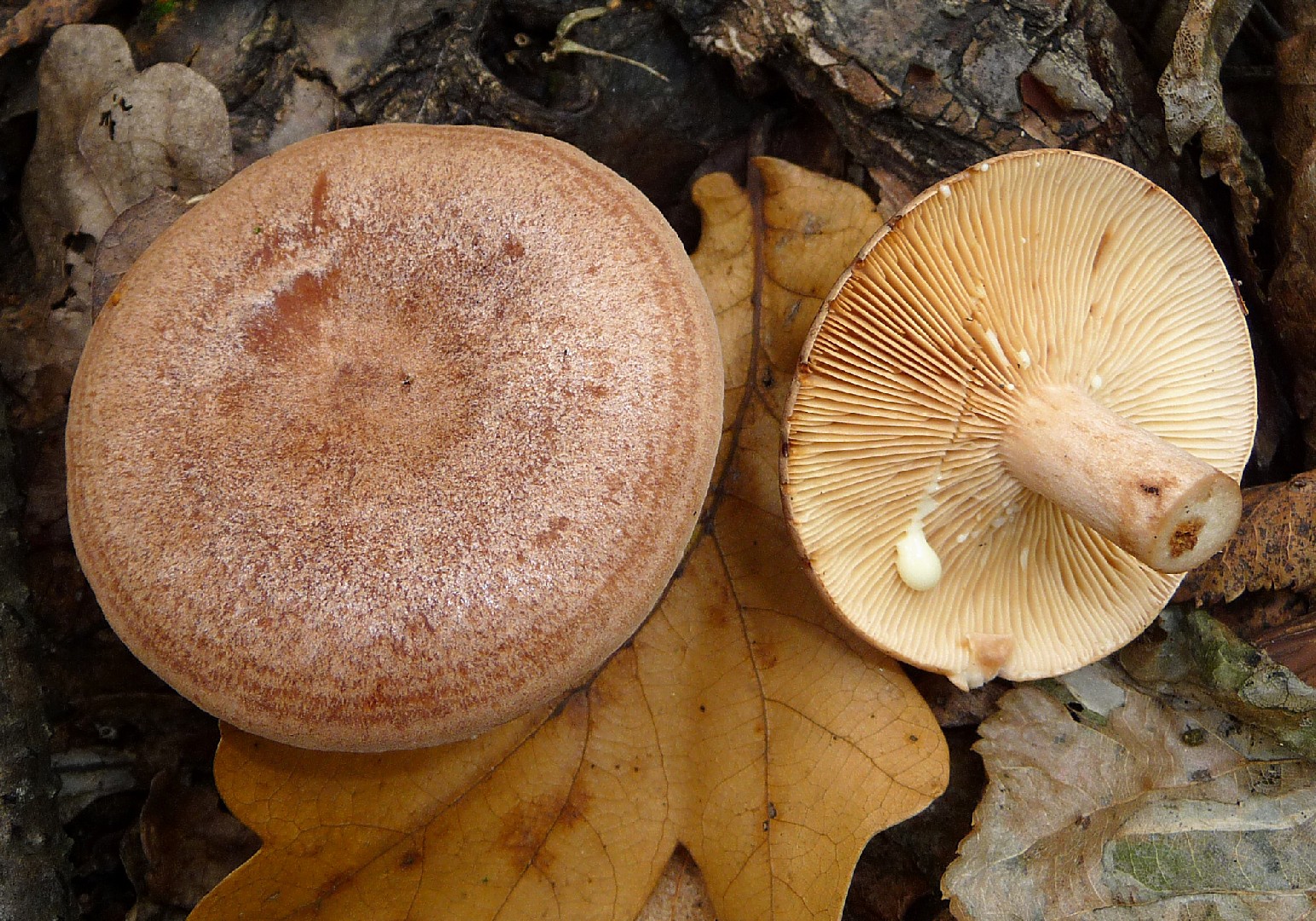
8. Oak milkcap
Oak milkcap (Lactarius quietus) is a mushroom known for its oily scent. It lives under oak trees, forming a mutually beneficial relationship with its host tree that helps both to thrive. When the gills are cut they produce a milky sap. This is referred to by the milkcap of its common name and Lactarius of its Latin name.
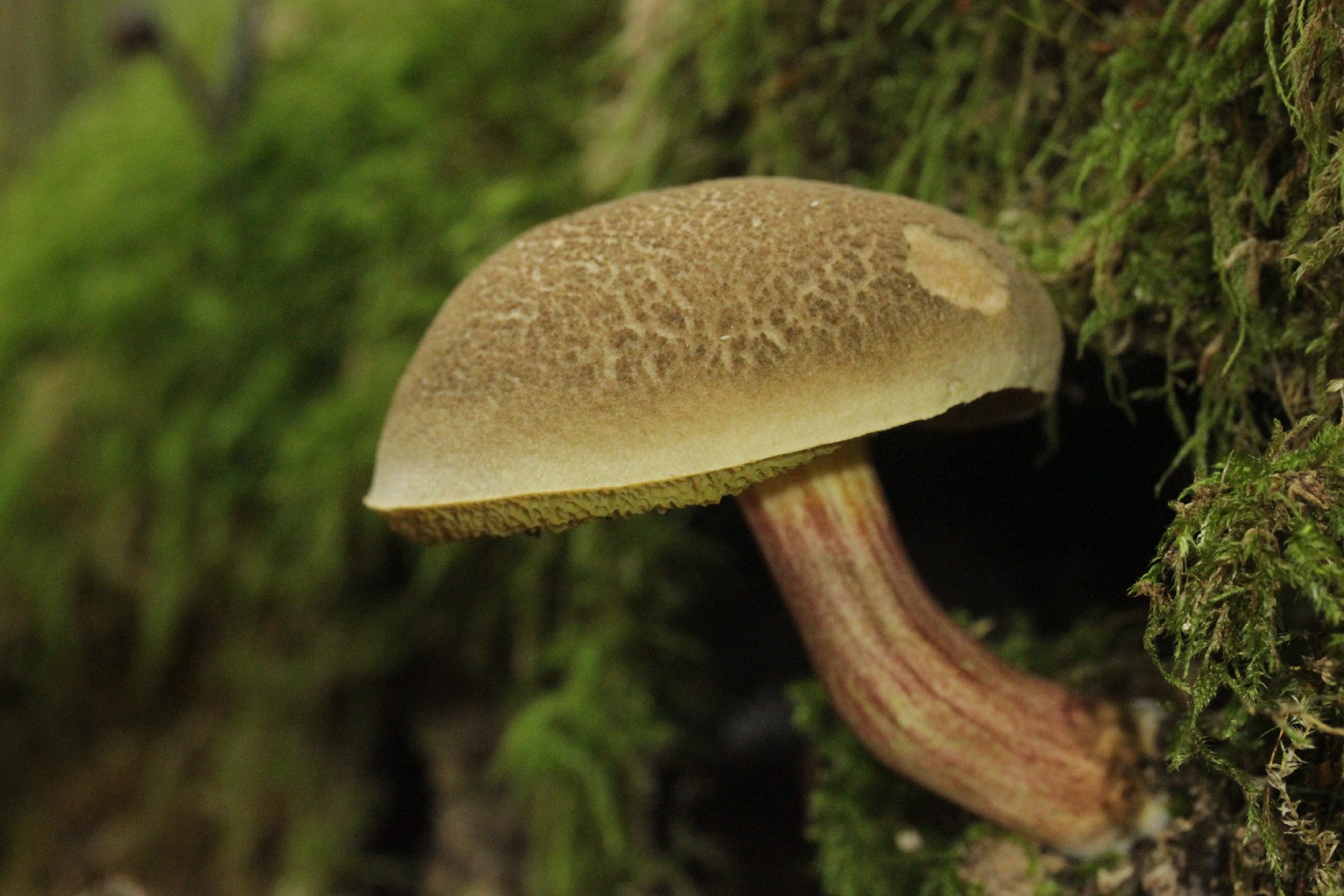
9. Red cracking bolete
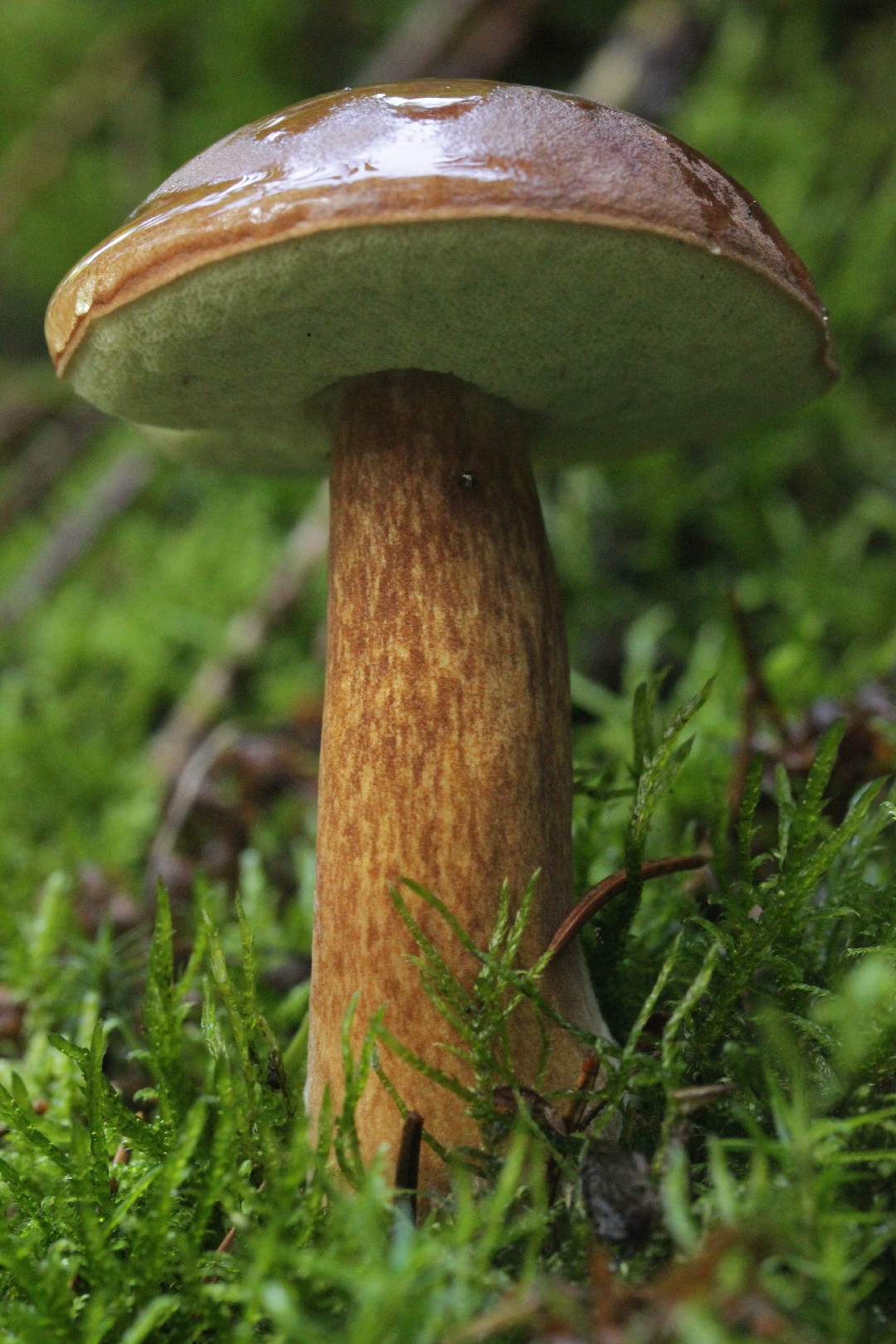
The red cracking bolete mushroom is considered difficult to accurately identify, due to its similarity in many ways to others of its genus. It seems to occur only rarely around the northern hemisphere, but it may have been misclassified in some sources. In spite of the name, the surface of the red cracking bolete's cap only rarely appears "cracked."
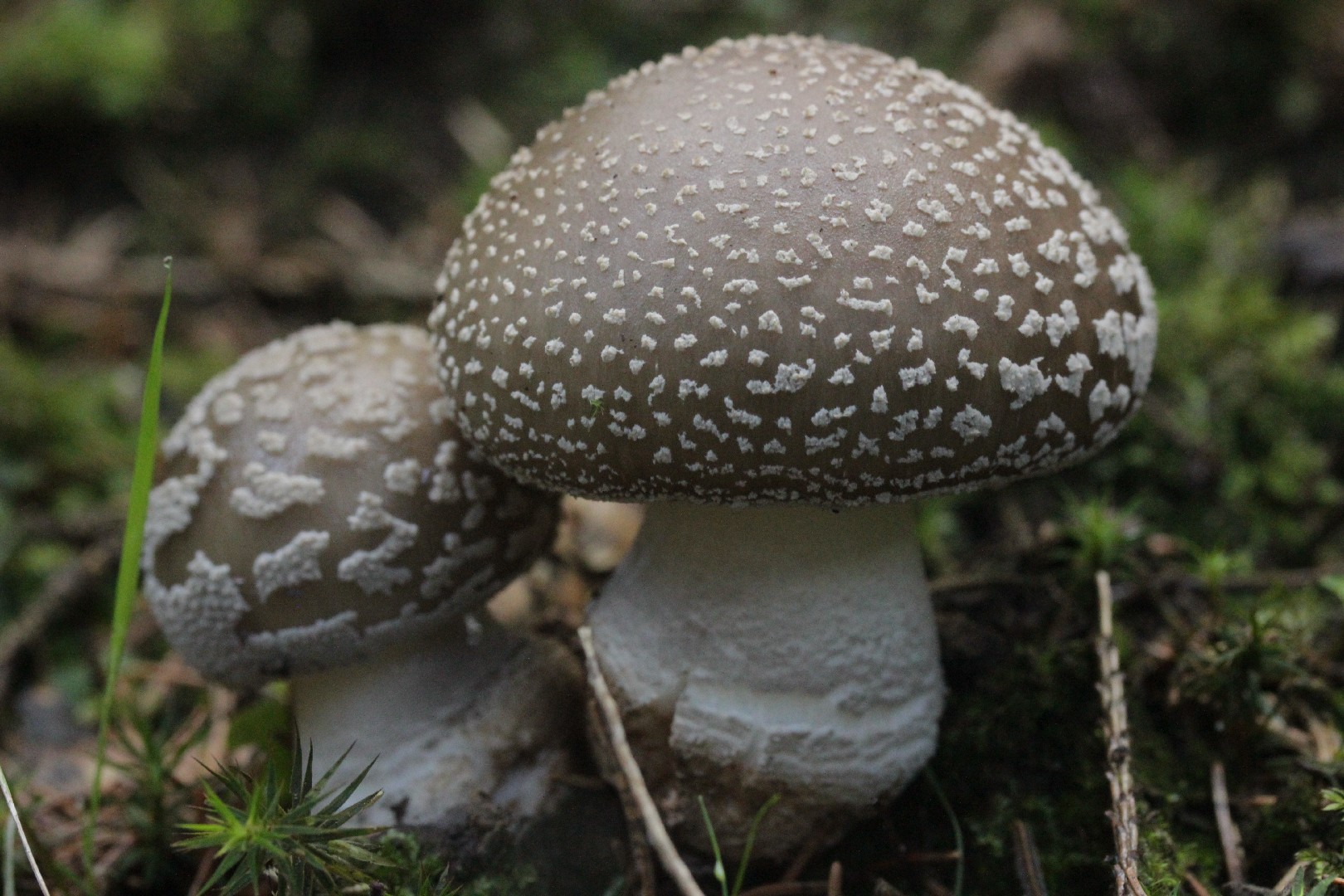
10. Grey spotted amanita
The cracked plaster appearance of grey spotted amanita (Amanita excelsa) caps is a common sight in Europe that also sporadically pops up in North America. This species has a long history and has been recorded and studied as far back as 1821. They contain a potent toxin called thermolabile, making those who consume it very sick if not cooked. This species is not recommended for consumption.


More







