




Top 20 Edible Mushrooms Popular in Concepcion
Immerse yourself in the world of Concepcion, a wonderland with a diverse ecosystem. It is here where 20 types of common edible mushrooms thrive, weaving a food culture that is imbued with their distinct appearances, palatable tastes, and unique culinary uses. Each species bursts with flavor, reflecting Concepcion's lush terrains and verdant landscapes. Get acquainted with these edible delights, their habitats and add an authentic Concepcion touch to your culinary adventures.
* Disclaimer: Content feedback CAN NOT be used as any basis for EATING ANY PLANTS. Some plants can be VERY POISONOUS, please purchase edible plants through regular channels.

Most Popular Edible Mushrooms
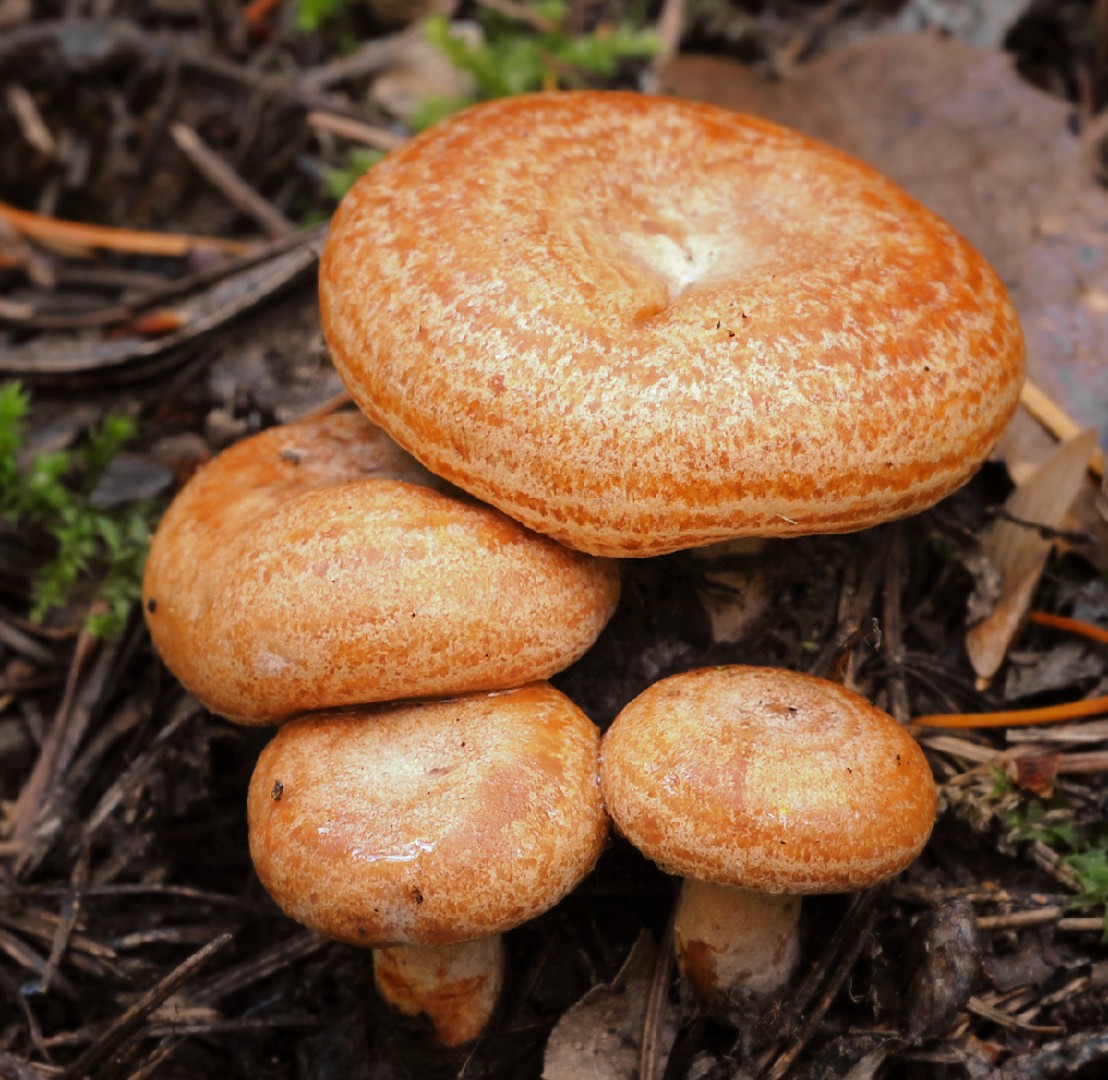
1. Saffron milk cap
Growing wild in the northern hemisphere and introduced to Australia, the saffron milk cap is found in pine forests during autumn. As the name implies, these mushrooms have been harvested for cooking for a long time. They have been known to cause stomach upset in some individuals, however, and carry a risk of being contaminated with heavy metals, so forage with caution.
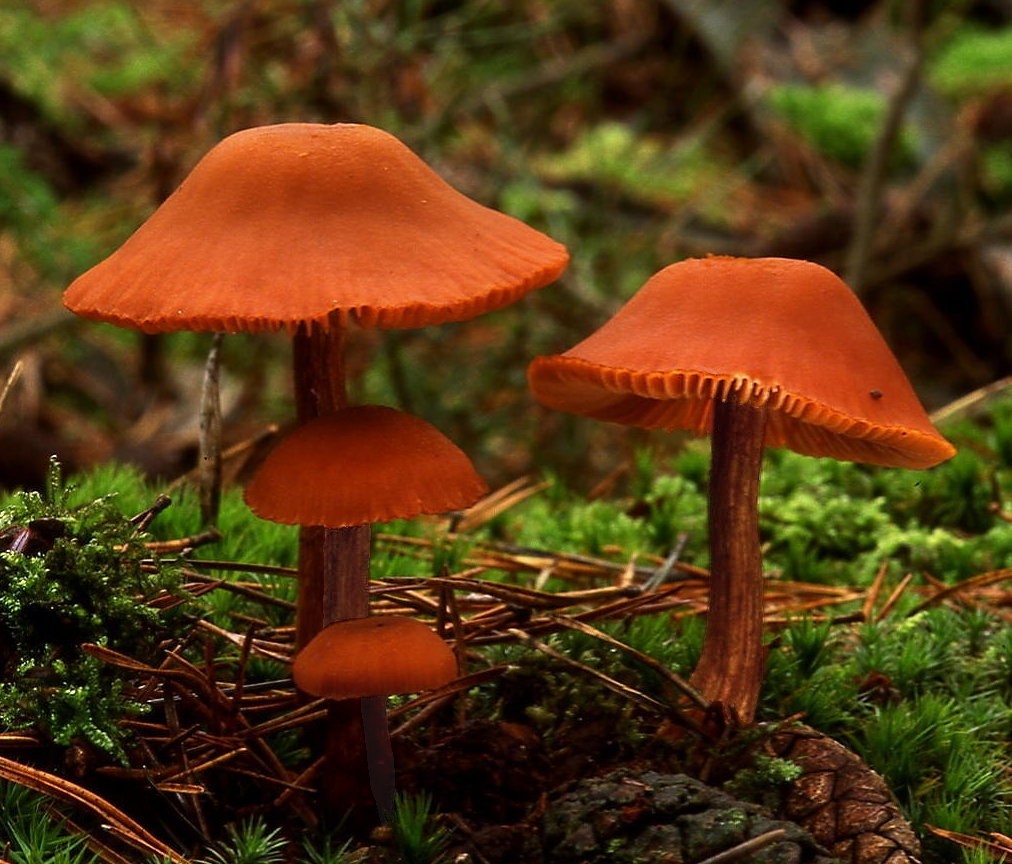
2. Common laccaria
Common laccaria may sound like a malevolent name for a mushroom, but fret not! This species is so-called because its appearance is highly variable, with individual caps taking on a whole host of colors, from whitish to pinkish to dark brown.

3. Shaggy mane
The shaggy mane mushroom is commonly found in North American and European grasslands. Some peoples foraged for its young egg-shaped caps, but it has more recently been found to be a bioaccumulator of heavy metals, meaning it pulls toxic metals up from the soil where it grows. As a result, shaggy manes should not be eaten. The mushrooms usually appear in clusters or “fairy rings.”
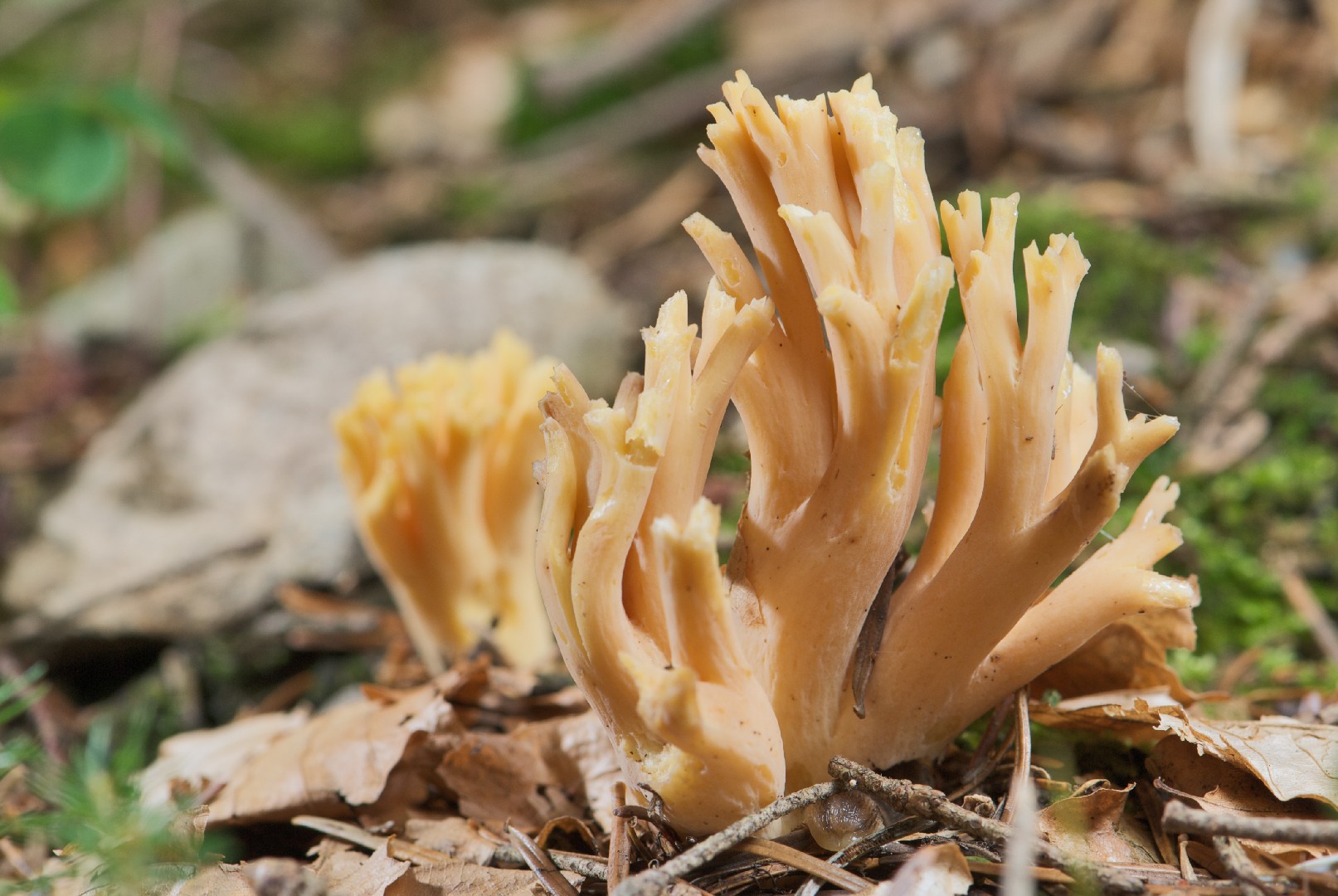
4. Changle
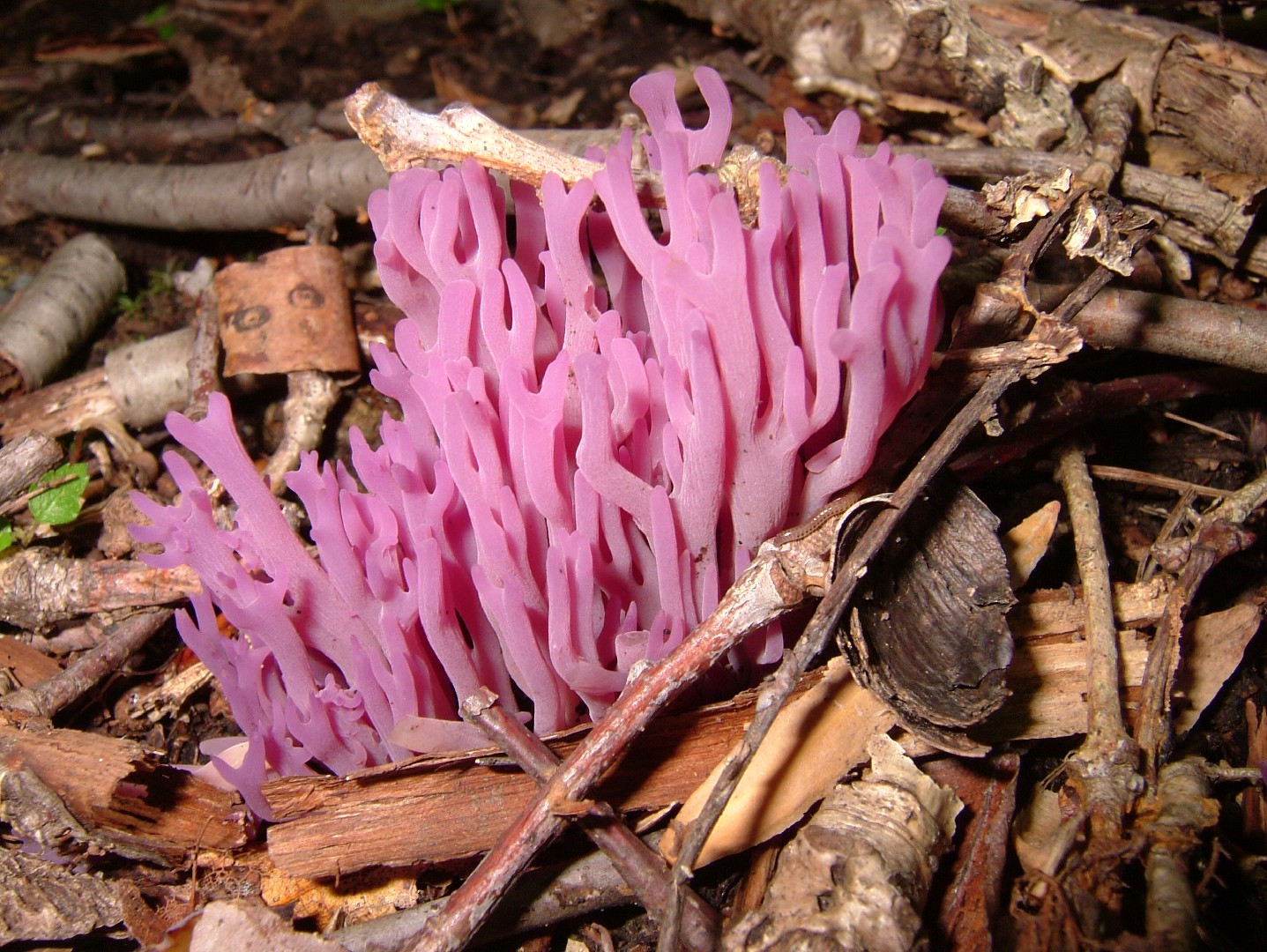
A beautiful fungus resembling undersea coral, the changle (Ramaria flava) appears as a bright tuft of lemony or sulfurous yellow when young. It fades into a deeper brown shade with age. The changle's cluster of branches is hard to distinguish from other coral species, some of which are quite poisonous.
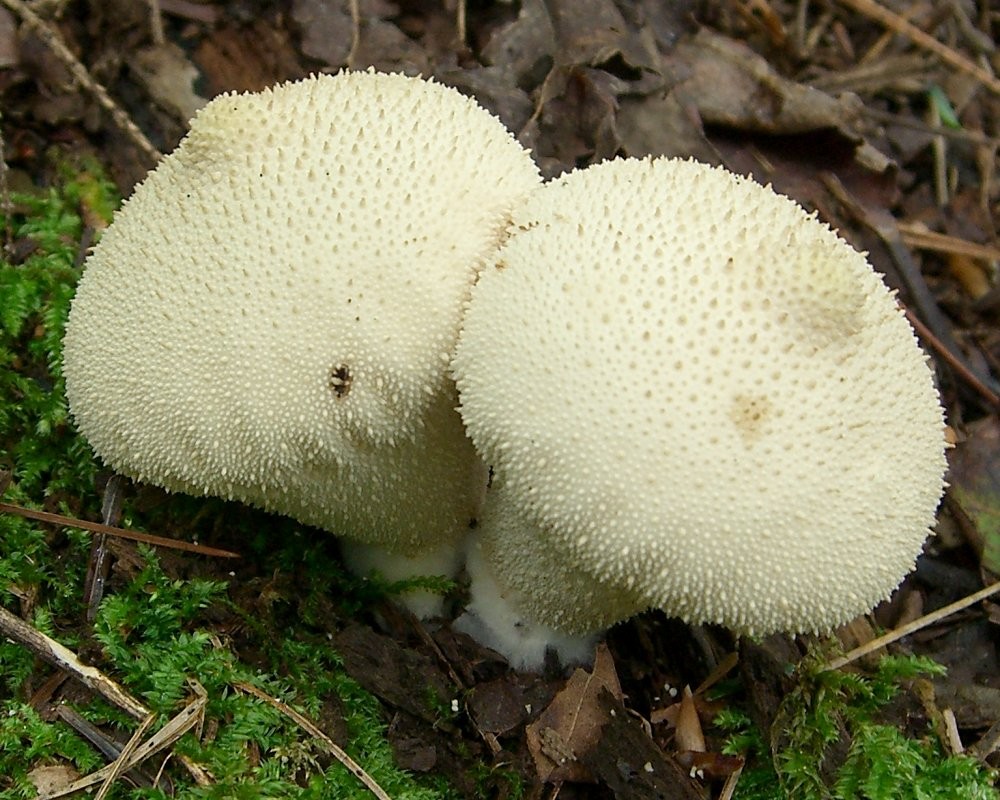
5. Common puffball
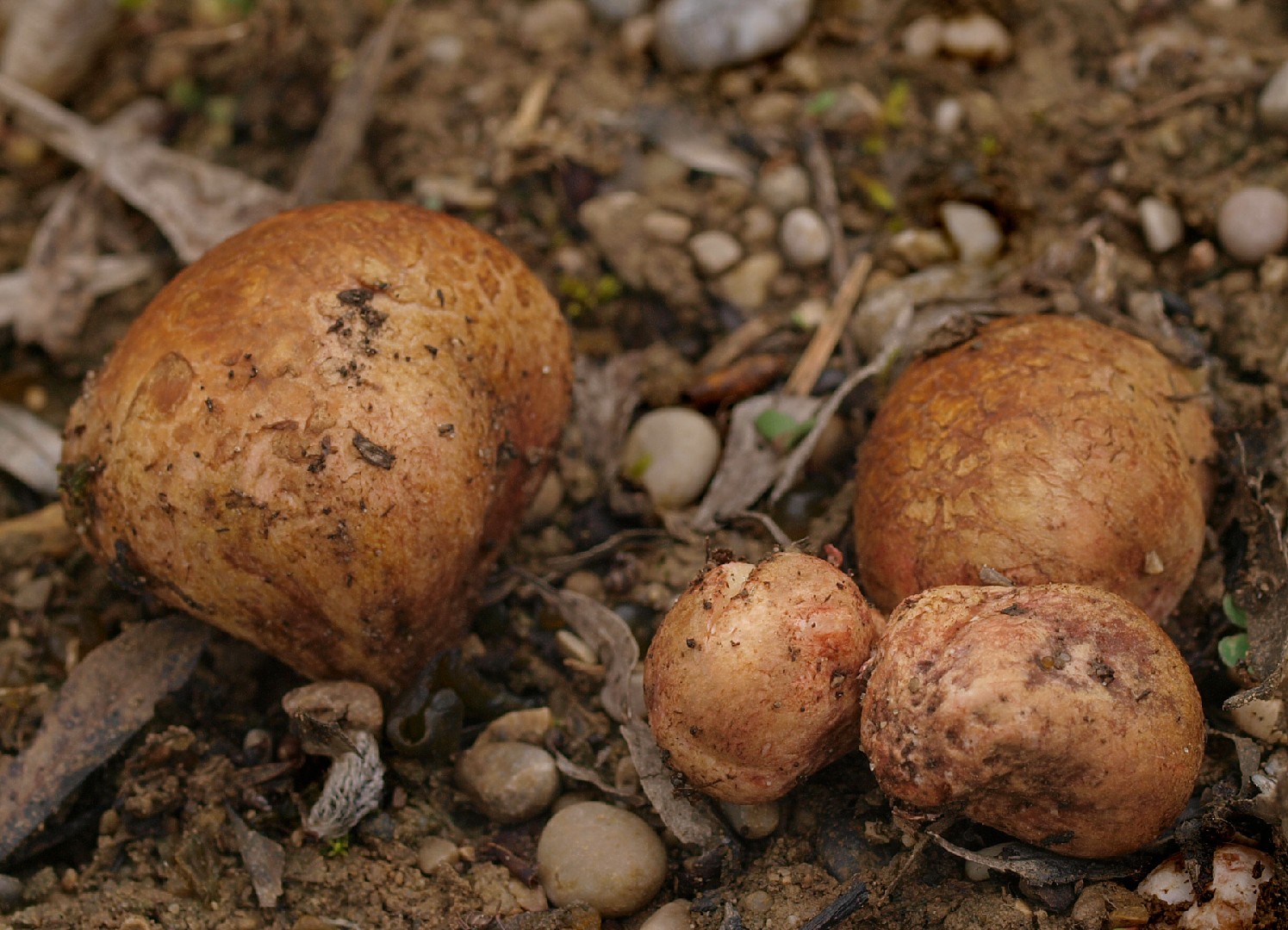
These puffy mushrooms grow in small groups on the forest floor. Once they're mature, common puffballs turn yellow and "puff out" smoke-like spore clouds when disturbed. Be very careful when identifying these mushrooms, as their young, immature form looks very similar to the lethal Deathcap.
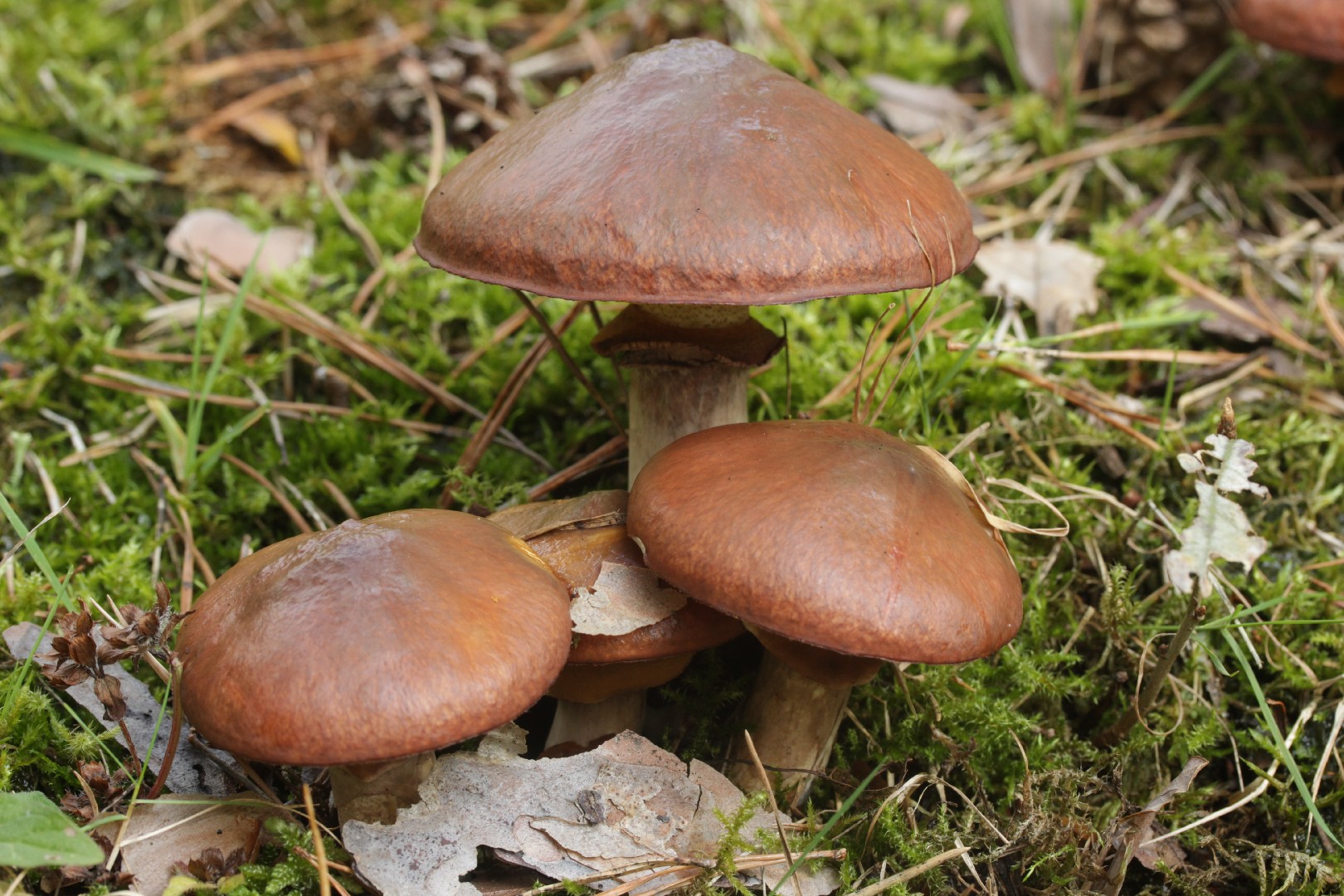
6. Slippery jack
This mushroom blooms in summer and autumn, usually near or beneath pine trees. It does well in cold climates, but can also be found further south all around the northern hemisphere. During moist weather, the slippery jack's caps become quite slimy, leading to their common name.
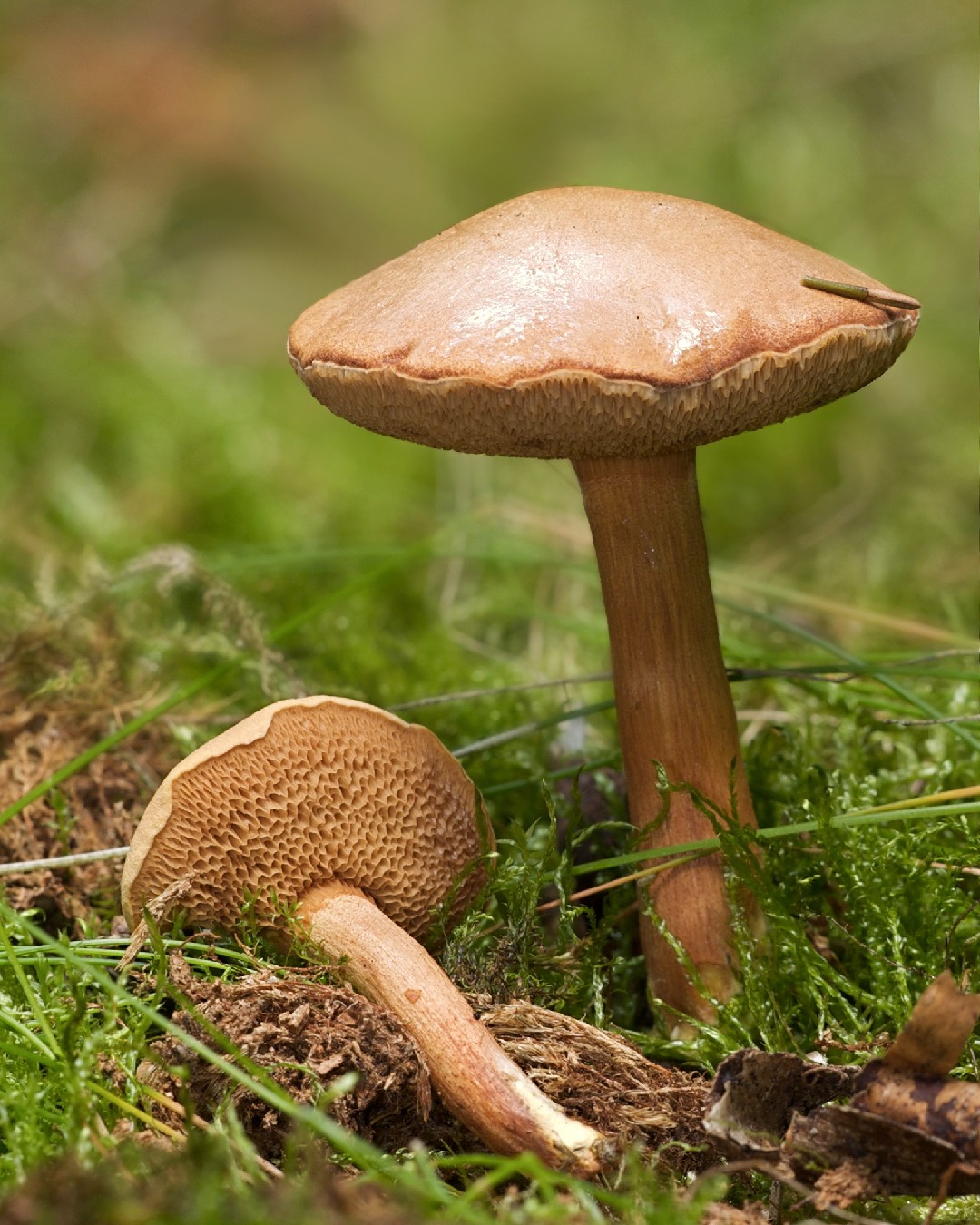
7. Peppery bolete
Peppery bolete(Chalciporus piperatus) has coloration ranging from browns to oranges, from pigments that lend themselves to the creation of natural dyes. Not only does peppery bolete prefer sandy soils and coniferous/beech trees, but it is also known to maintain parasitic relationships with certain other species of mushroom.
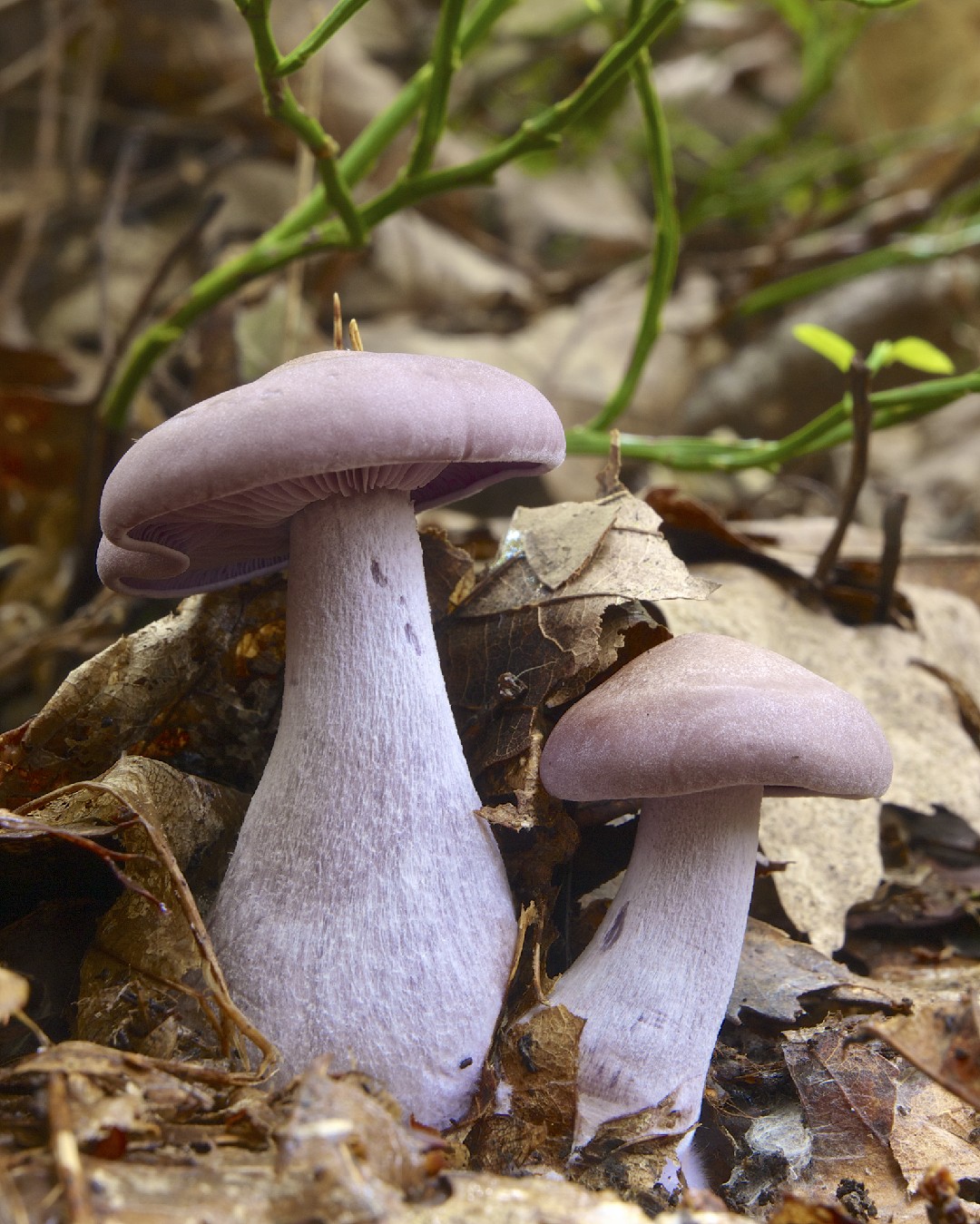
8. Blewit
The blewit mushroom grows in fallen leaves in autumn and winter, sometimes appearing in ‘fairy ring’ circles. It can be used to make a green dye when chopped and boiled in an iron pot. The scientific name, Lepista nuda, derives from Latin words meaning “bare goblet,” a reference to the shape and texture of the mushroom.
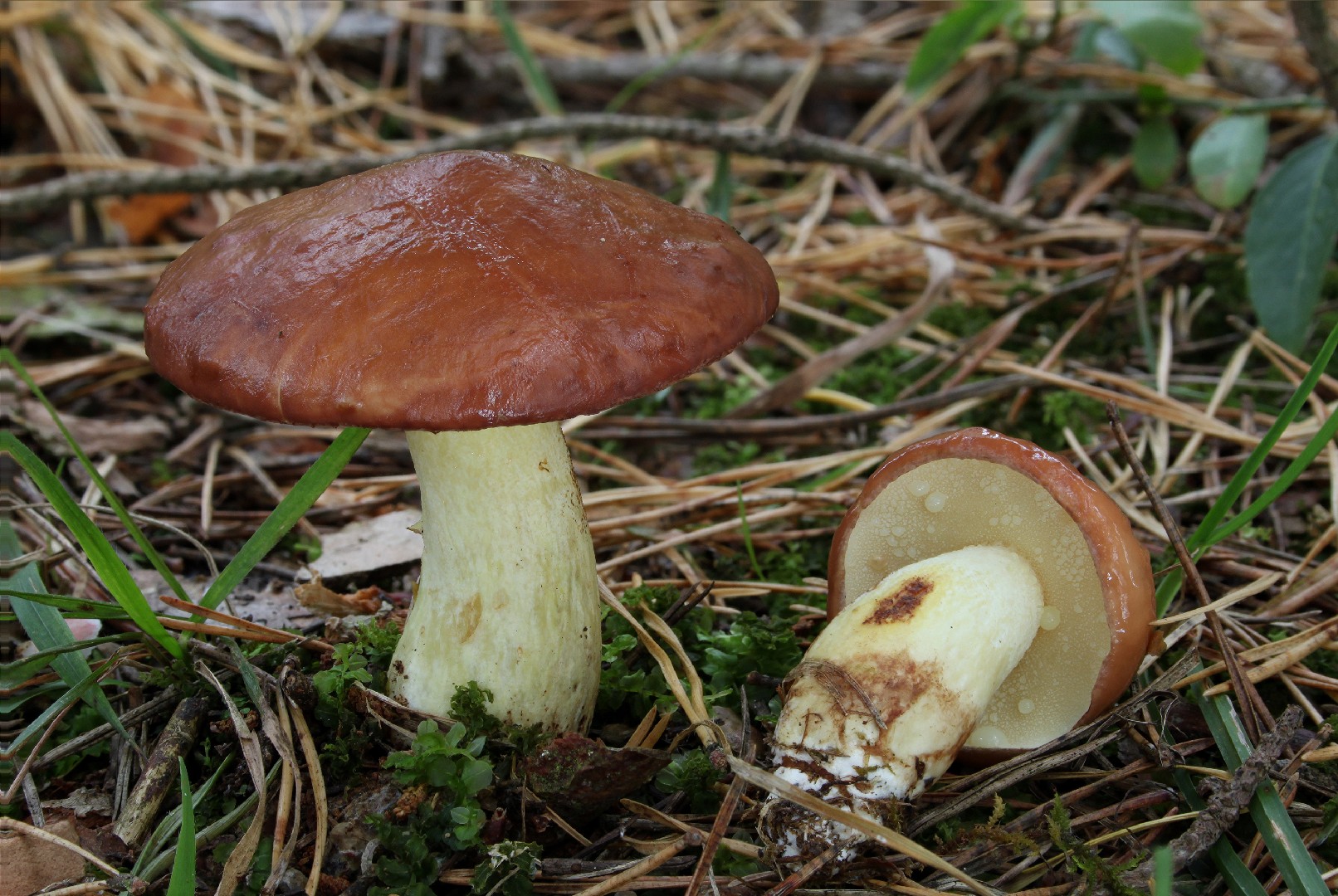
9. Weeping bolete
The weeping bolete features a greasy, sticky cap surface. When young, milky droplets are released through pores on its surface. It appears most commonly beneath Scots pine or other coniferous trees and forms a mutually beneficial relationship with its host.
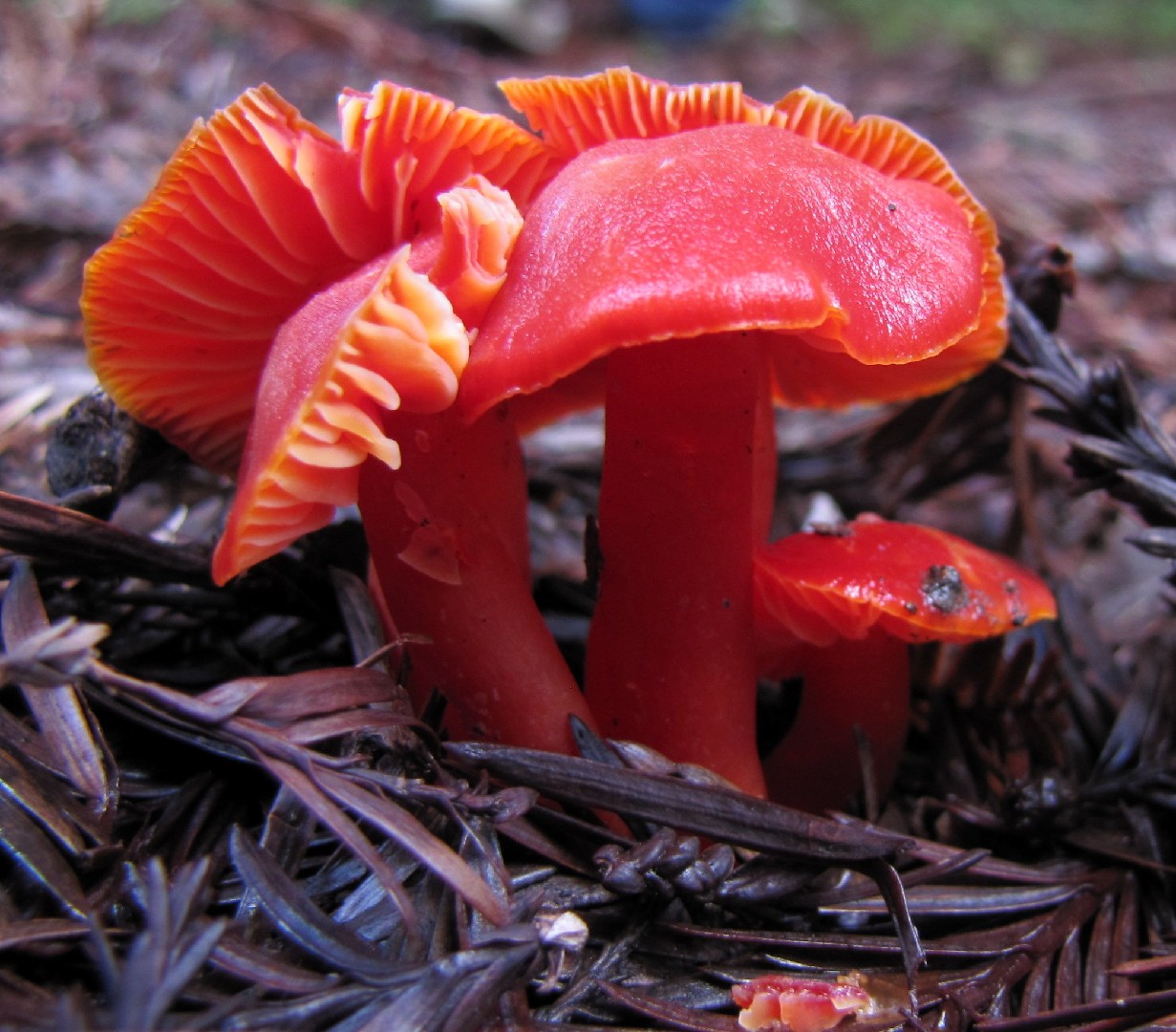
10. Scarlet hood
Scarlet hood(Hygrocybe coccinea) is named for its bright scarlet color, which renders it easy to spot among the grasses and woodlands among which it prefers to grow. Distributed across the Northern Hemisphere, it tends to be small and uncommon, making it of particular interest to photographers.
More







