




Top 20 Edible Mushrooms Popular in Prince Edward Island
Experience the charm of Prince Edward Island, known for its lush, damp forests and fertile soil - an ideal habitat for a diverse array of fungi. This guide will introduce you to the 20 most common edible mushrooms found in Prince Edward Island, providing details about their distinct appearances, unique tastes, preferred habitats, and culinary uses. This is an educational adventure into the world of mycology that promises to enhance your mushroom foraging knowledge and skills. Each described species is supported by reliable and highly referenced data.
* Disclaimer: Content feedback CAN NOT be used as any basis for EATING ANY PLANTS. Some plants can be VERY POISONOUS, please purchase edible plants through regular channels.

Most Popular Edible Mushrooms

1. Shaggy mane
The shaggy mane mushroom is commonly found in North American and European grasslands. Some peoples foraged for its young egg-shaped caps, but it has more recently been found to be a bioaccumulator of heavy metals, meaning it pulls toxic metals up from the soil where it grows. As a result, shaggy manes should not be eaten. The mushrooms usually appear in clusters or “fairy rings.”
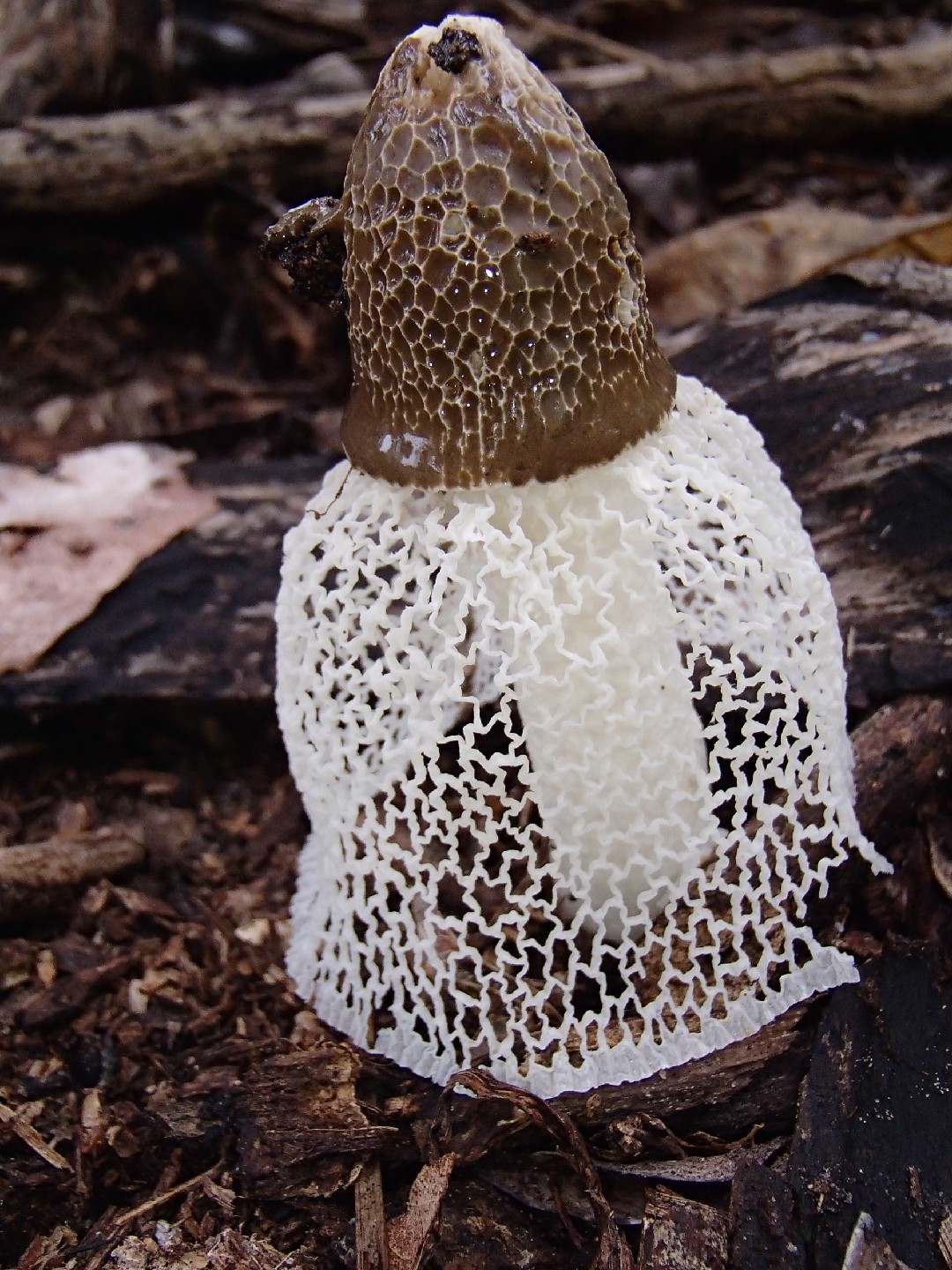
2. Bridal veil stinkhorn
Bridal veil stinkhorn (Phallus indusiatus) can be found rising up from the ground in tropical forests around the world. A distinctive netted fringe “skirt” descends from the cap along the length of the stalk. A type of “stinkhorn,” the fruitbodies of this species produce scents that vary between sickly-sweet to just plain unpleasant. The odor is meant to attract insects that usually lay their eggs in carrion.
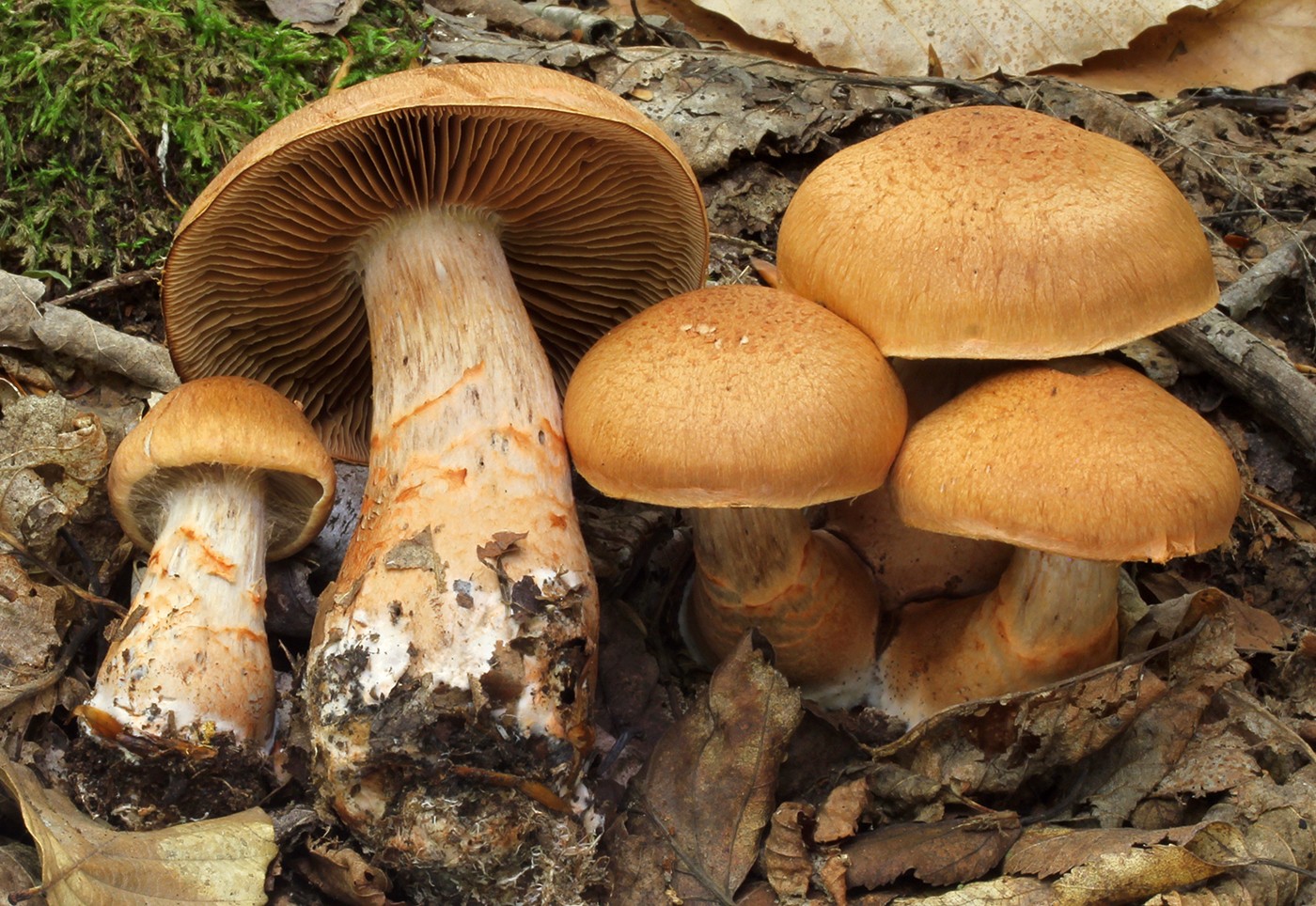
3. Red-banded cortinarius
Red-banded cortinarius (Cortinarius armillatus) usually sports a clear, red or reddish brown band at the base of its stalk. The species is found in temperate areas across Europe and eastern North America. It is often seen associating with conifers in the former area but birches in the latter area. While not edible, this species is sometimes used for dye-making.
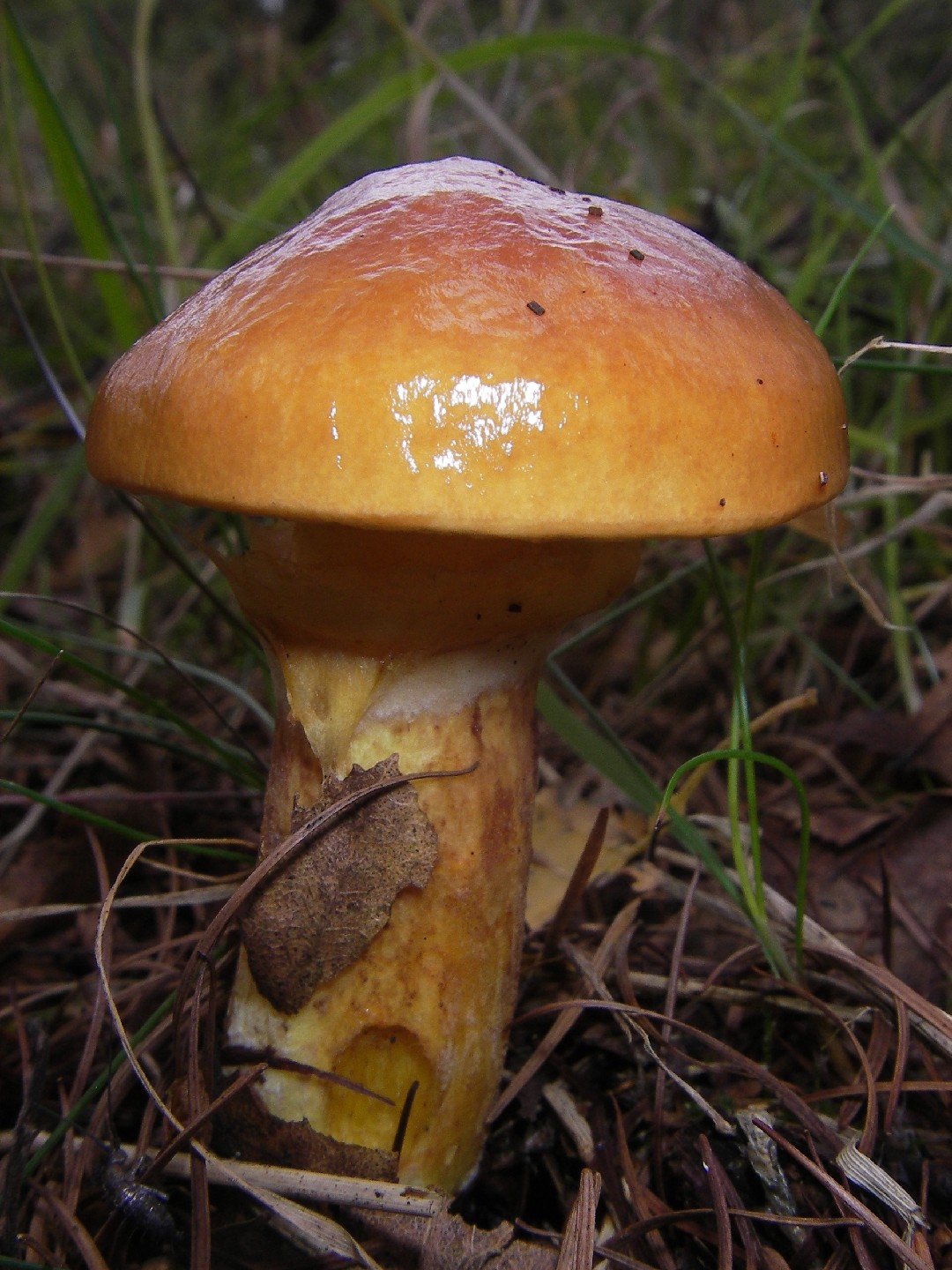
4. Larch bolete
Larch bolete is a vibrant member of the "slippery jack" genus. Like other members of that family, this species sports a slick or slimy cap and has a somewhat bulbous form. Suillus grevillei is also commonly called a "Larch Bolete" because it only associates with larch trees, with which it has a symbiotic relationship.
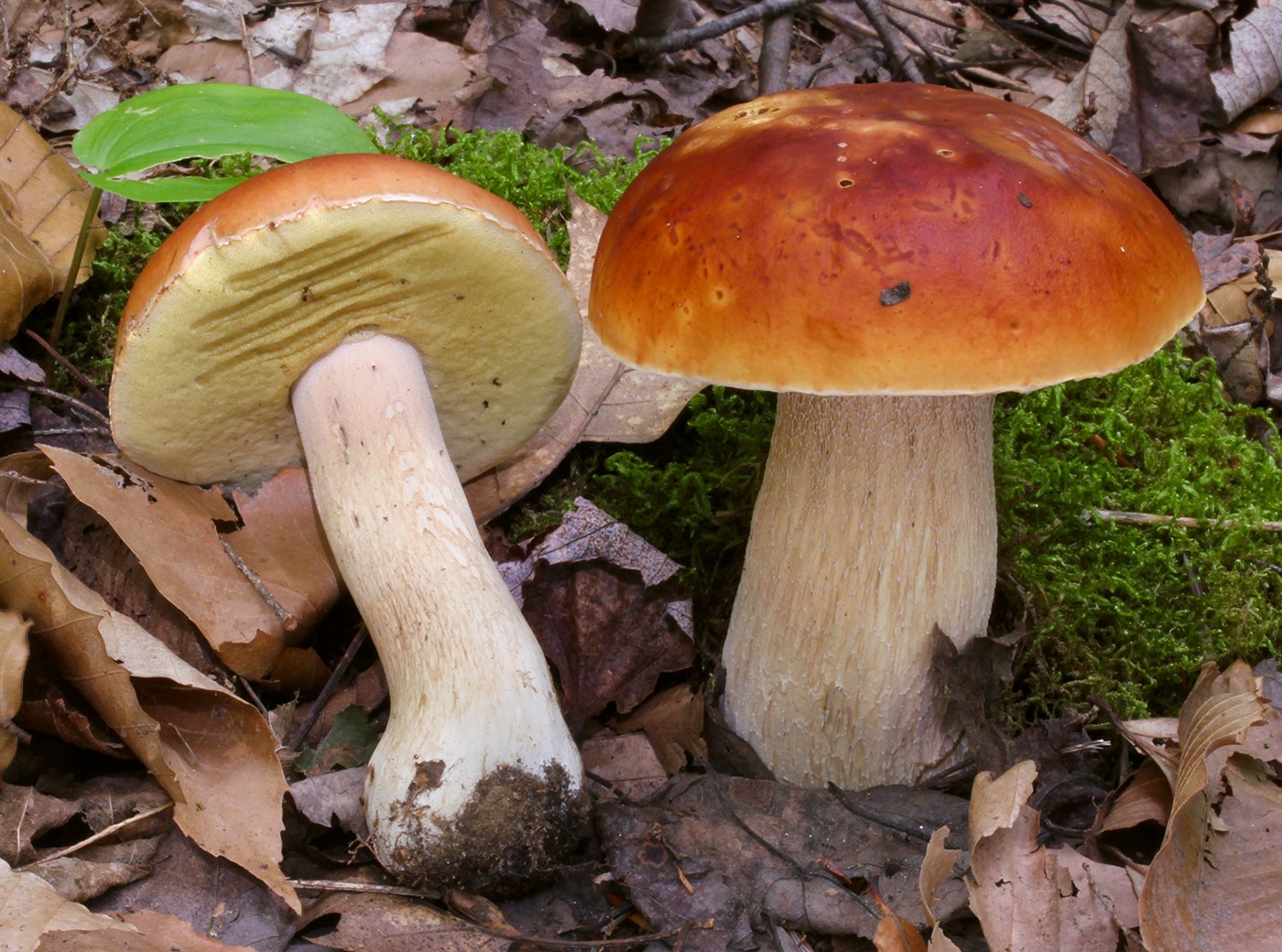
5. King bolete
Extremely popular in many cuisines, this edible wild mushroom grows around the world near the roots of forest trees. In some regions, king bolete mushrooms are collected in great enough volumes that their sale can support entire families during the harvest season. King boletes are reported to be high in fiber, vitamins B and C, calcium, potassium, magnesium, zinc, and several antioxidants.
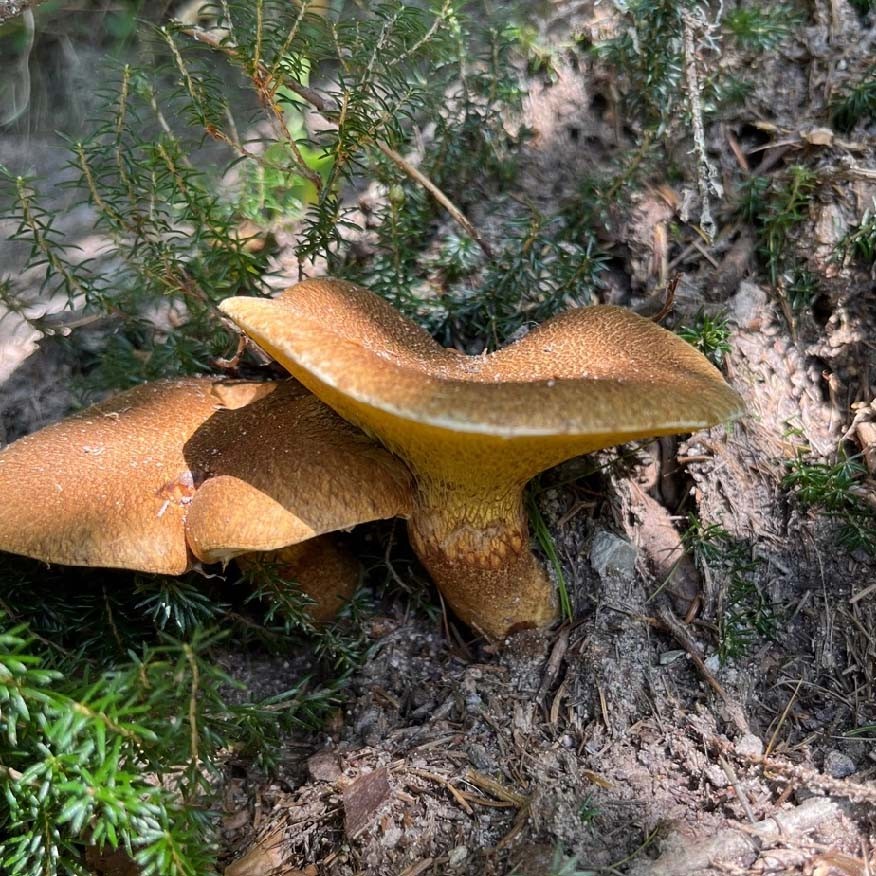
6. Hollow bolete
Hollow bolete (Suillus cavipes) gets its Latin name cavipes, which means hollow foot, from its hollow stem. It forms a mutually beneficial relationship with larch trees. This mushroom has an unusual scaly brown cap. It can grow alone or gregariously.
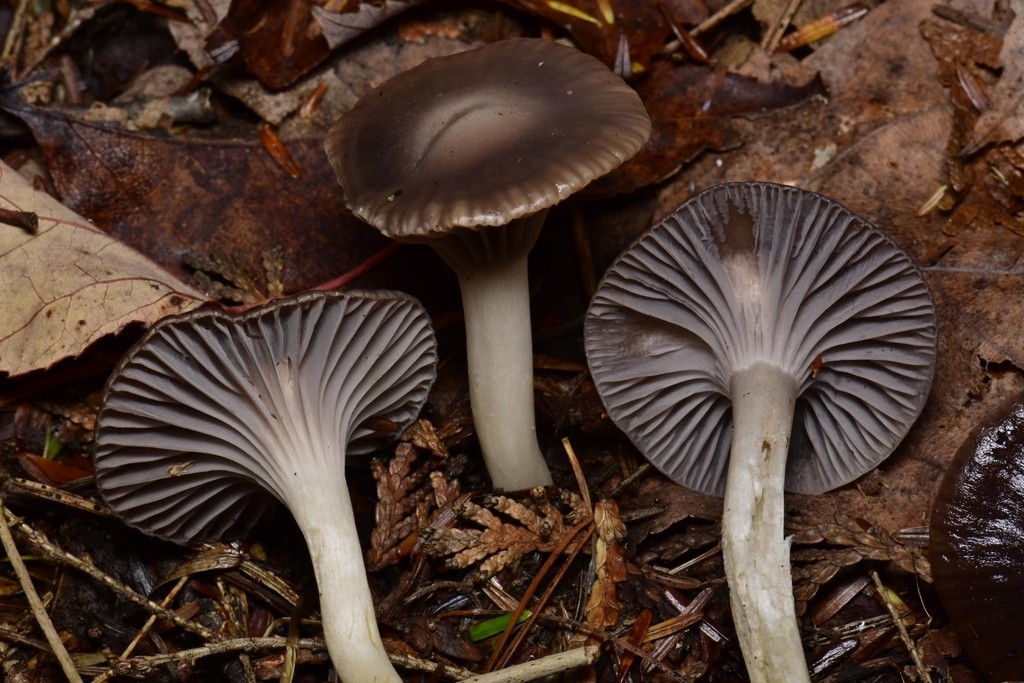
7. Grey waxcap
Grey waxcap grows in undisturbed grasslands where it has been exposed to livestock grazing and mowing, but can also be found in urban expansion. This has resulted in the grey waxcap being labeled as vulnerable under the Red List. It grows in Europe where it is considered very rare.
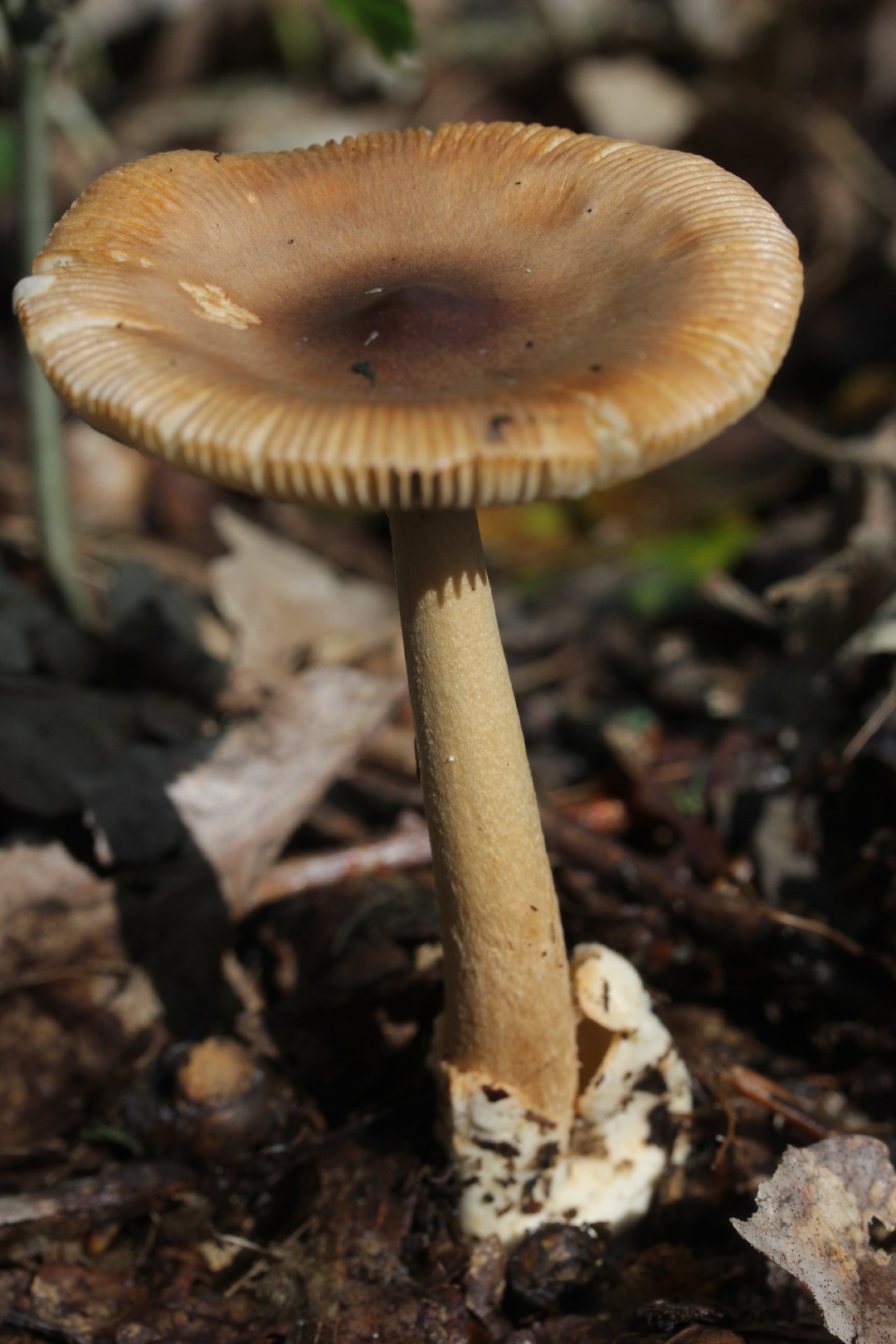
8. Tawny grisette
Tawny grisette (Amanita fulva) is a common species most commonly found in Europe's broadleaf and coniferous forests, with a potential but unverified range in North America. Its name comes from the burnished orange color of its cap, which sits atop a cream-colored stem.
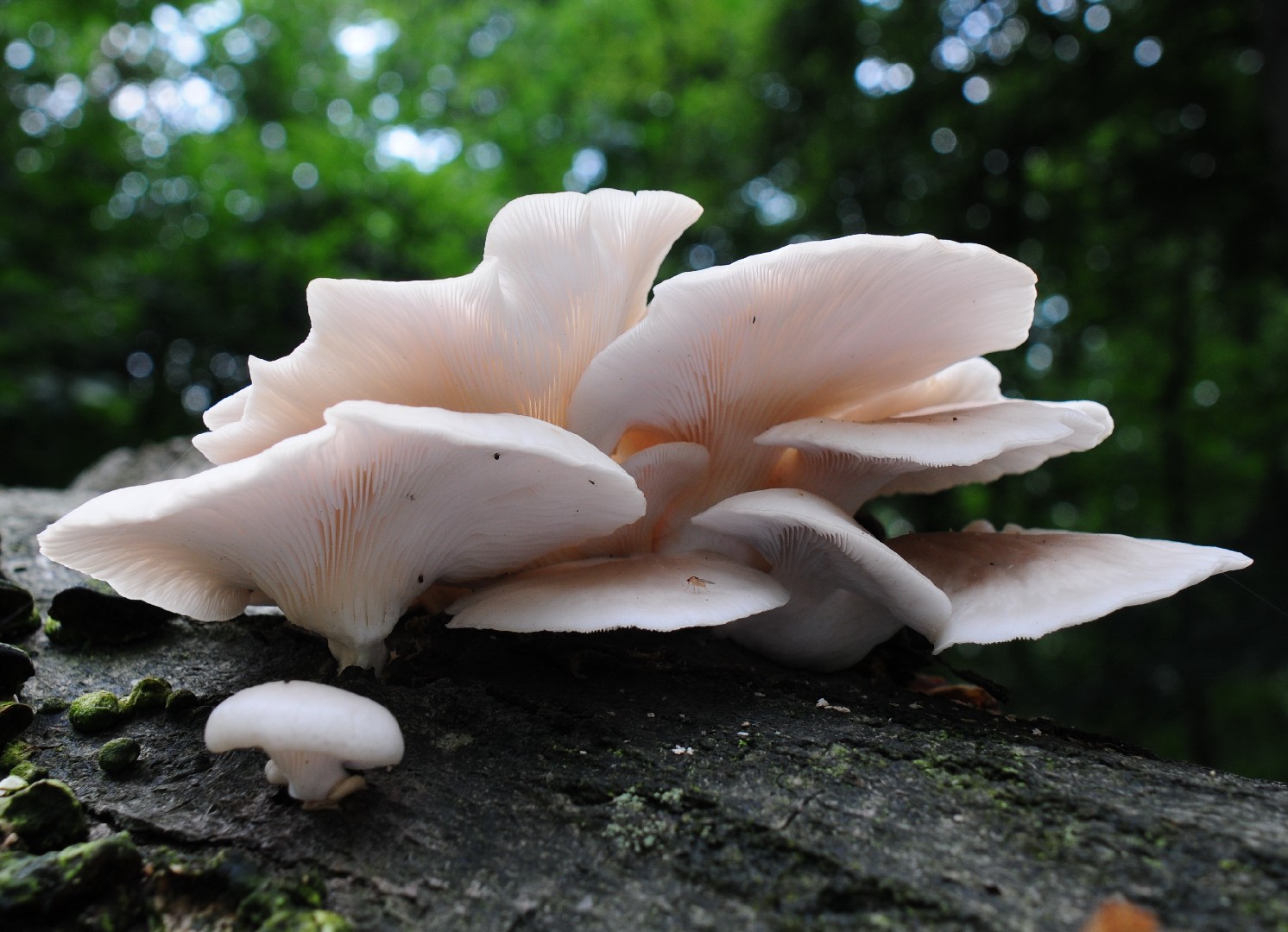
9. Lung oyster
Developing all around the northern hemisphere, lung oyster mushrooms grow in overlapping shelf-like clusters on deciduous branches, trunks, and fallen logs in the wild. They are easy to cultivate on other substrates, like spent coffee grounds and sawdust, for commercial production. They are generally considered safe to eat, although some people may develop allergies.

10. American slippery jack
A common sight underneath white pines in the summertime, the american slippery jack lives up to its name with its slimy cap, reminiscent of chicken fat's consistency. The subdued, yellow-brown hue is also the same color.


More







