




Top 20 Edible Mushrooms Popular in Neuquen
Dive into the exploration of the top 20 most commonly found edible mushrooms in the picturesque province of Neuquen. Renowned for its diverse terrains varying from semi-arid to lush forests, Neuquen creates an exceptional habitat for a variety of mushroom species. This in-depth guide presents each mushroom's distinguishing features, delectable flavors, preferred habitats, and culinary usages to ensure you can safely enjoy nature's humble delicacies. Gather your baskets and prepare for a fungi-filled adventure in Neuquen!
* Disclaimer: Content feedback CAN NOT be used as any basis for EATING ANY PLANTS. Some plants can be VERY POISONOUS, please purchase edible plants through regular channels.

Most Popular Edible Mushrooms

1. Shaggy mane
The shaggy mane mushroom is commonly found in North American and European grasslands. Some peoples foraged for its young egg-shaped caps, but it has more recently been found to be a bioaccumulator of heavy metals, meaning it pulls toxic metals up from the soil where it grows. As a result, shaggy manes should not be eaten. The mushrooms usually appear in clusters or “fairy rings.”
2. Changle
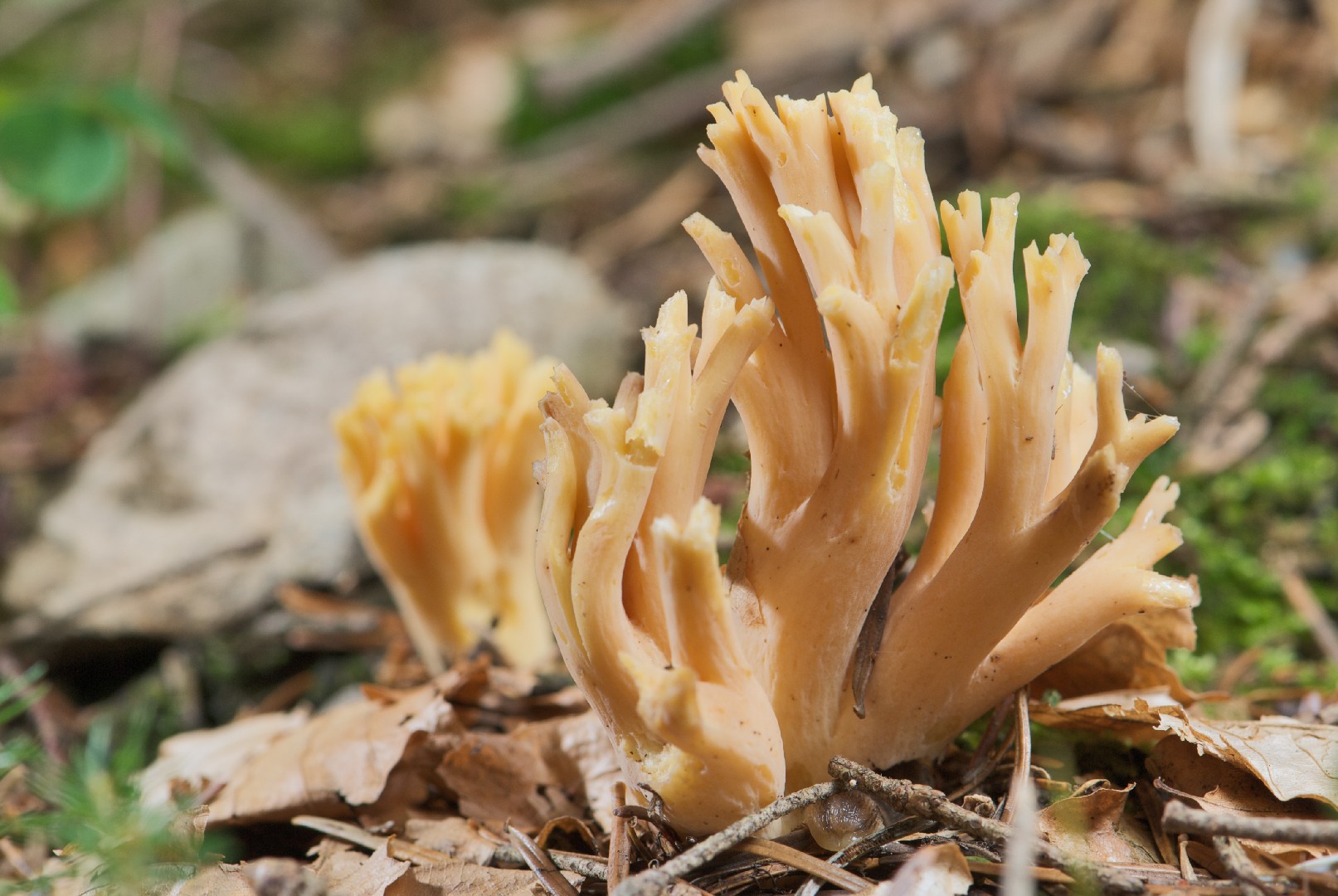
A beautiful fungus resembling undersea coral, the changle (Ramaria flava) appears as a bright tuft of lemony or sulfurous yellow when young. It fades into a deeper brown shade with age. The changle's cluster of branches is hard to distinguish from other coral species, some of which are quite poisonous.
3. Oyster mushroom
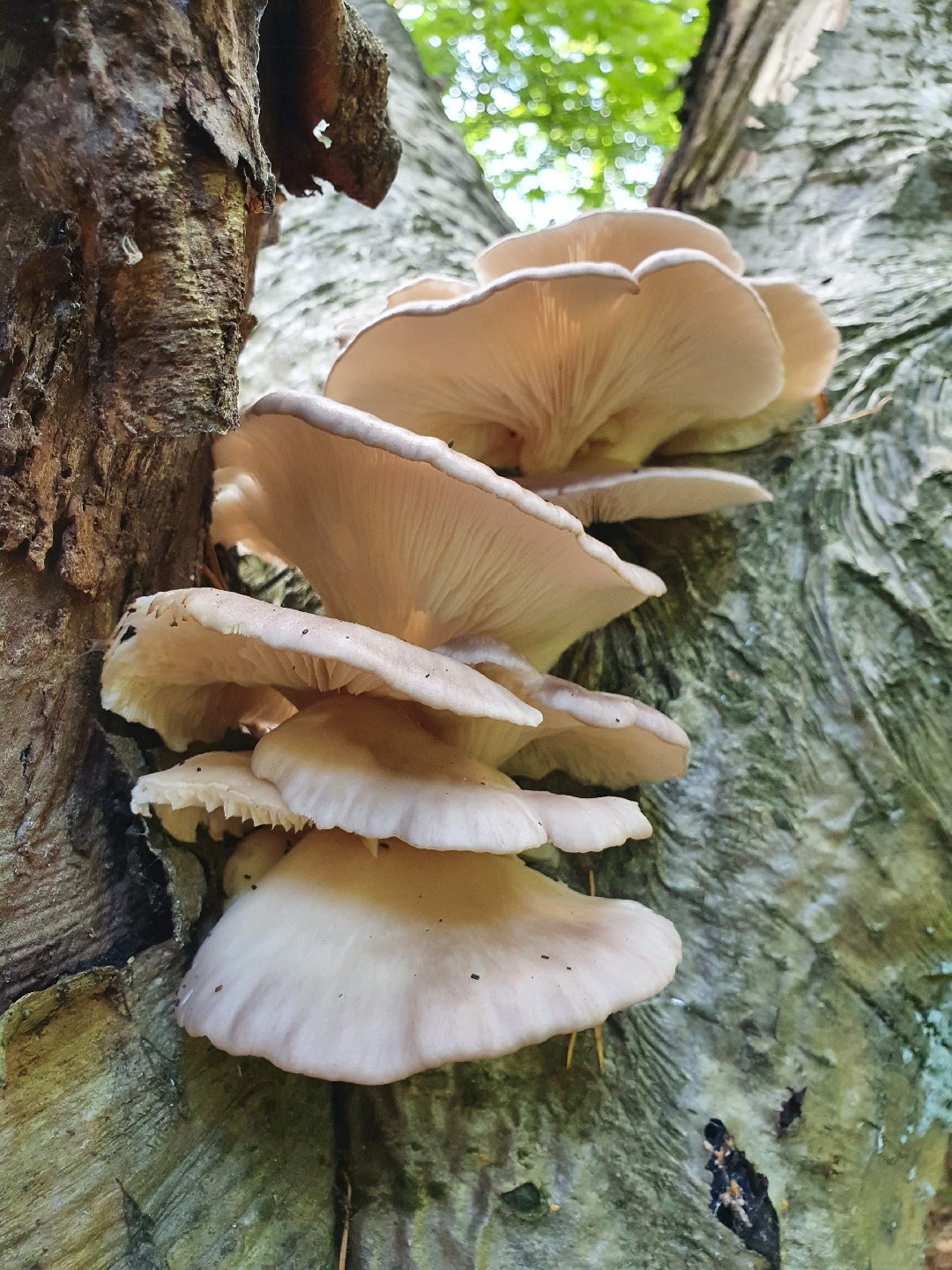
Oyster mushrooms grow wild but are also cultivated for sale in supermarkets. They can even be cultivated at home. They will grow on coffee grounds and spent grain, and are occasionally even fashioned into an environmentally-friendly substitute for styrofoam. There are several toxic look-alike species, so it is best to buy these mushrooms at the store.
4. Blusher
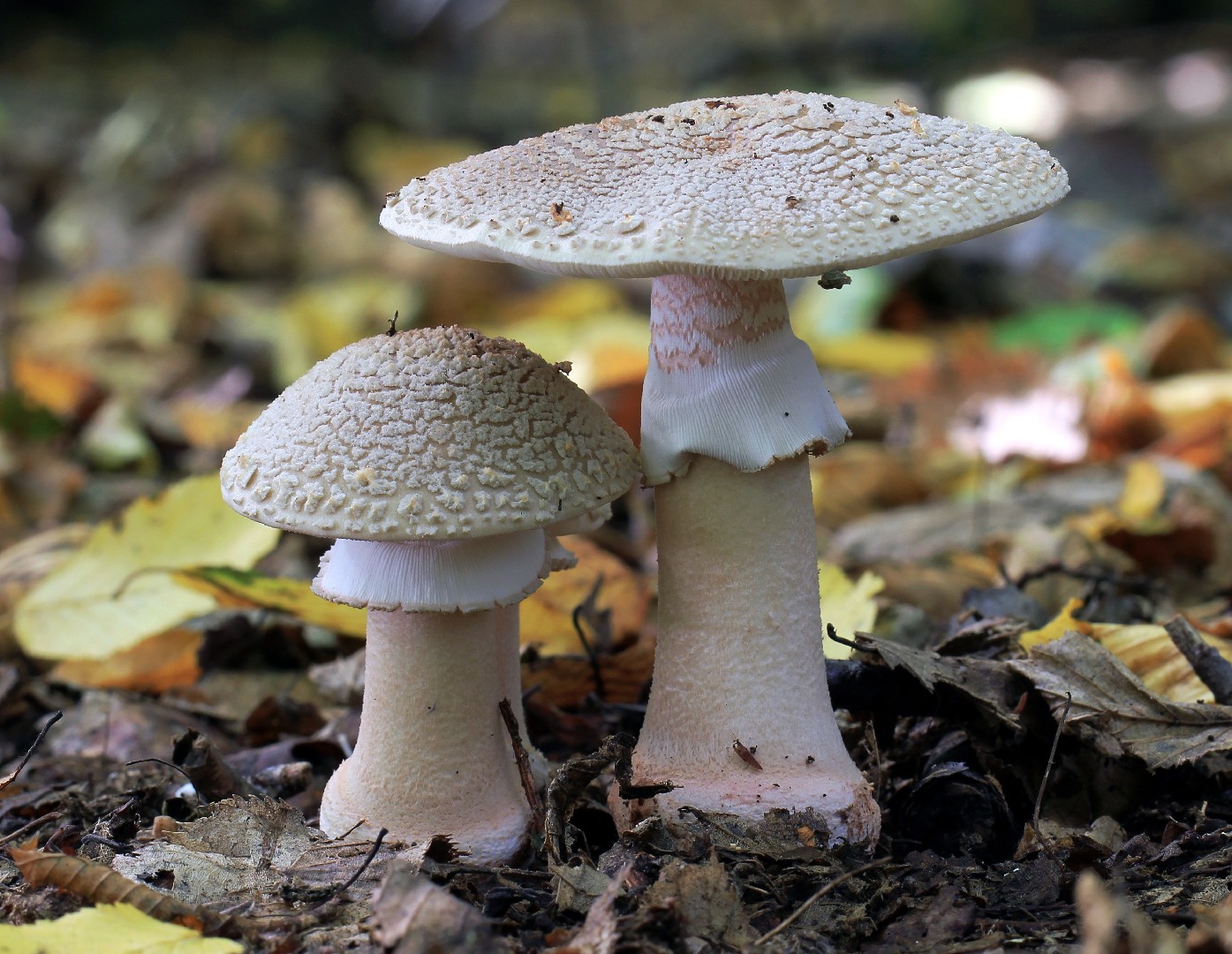
The blusher mushroom is so named because it “blushes” to a pinkish red color when cut or bruised. It is found in many countries around the world, although it may not be native to the southern hemisphere. It contains a hemolytic toxin that can cause anemia if eaten.
5. Orange peel fungus
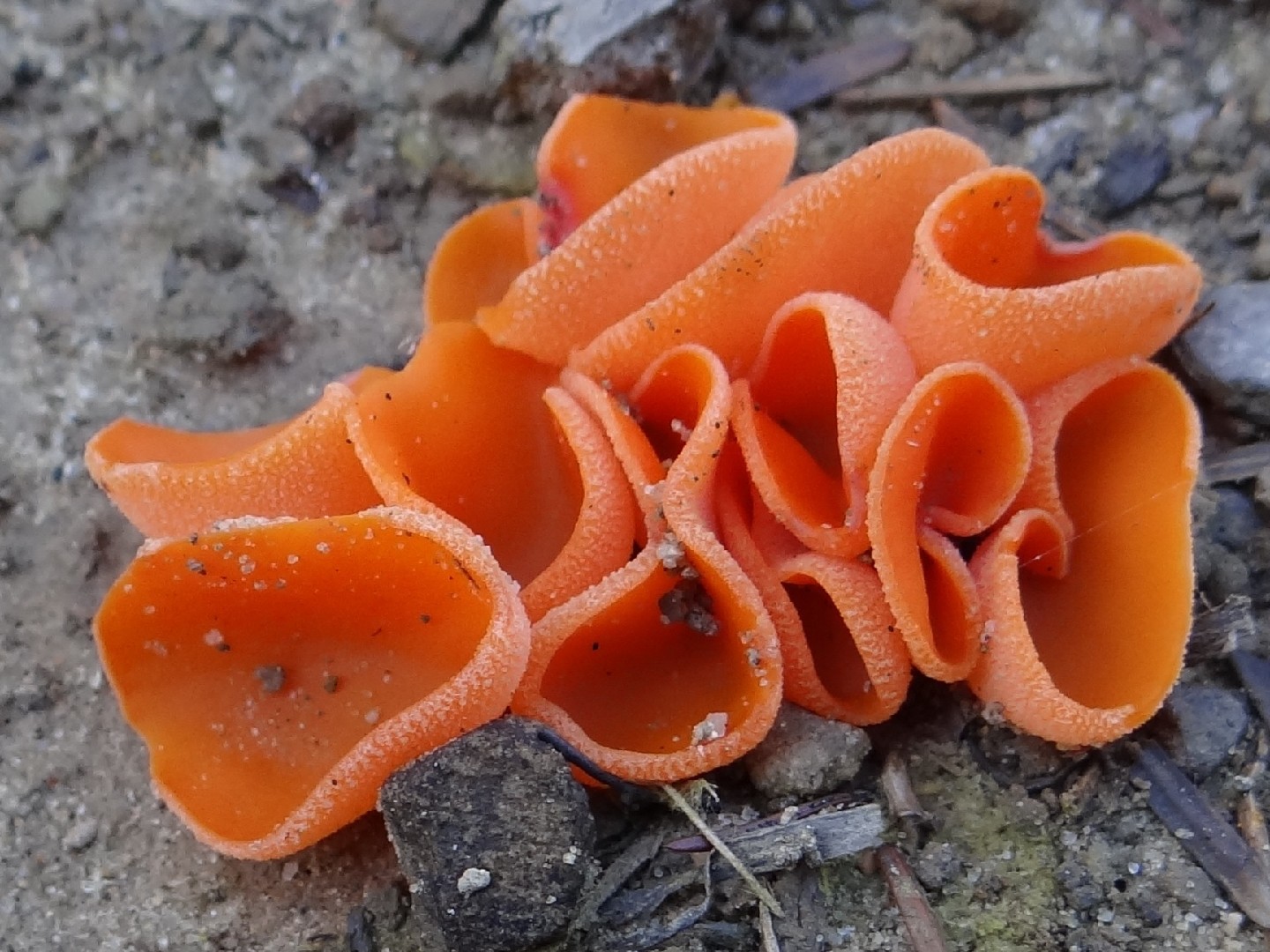
The aptly-titled orange peel fungus (Aleuria aurantia) forms fruitbodies that strongly resemble peeled-off rinds of oranges. The species has an irregular folded shape and boasts a bright orange hue. Orange peel fungus usually grows directly out of soil and can be found across temperate regions of North America, Europe, and a few parts of Chile.
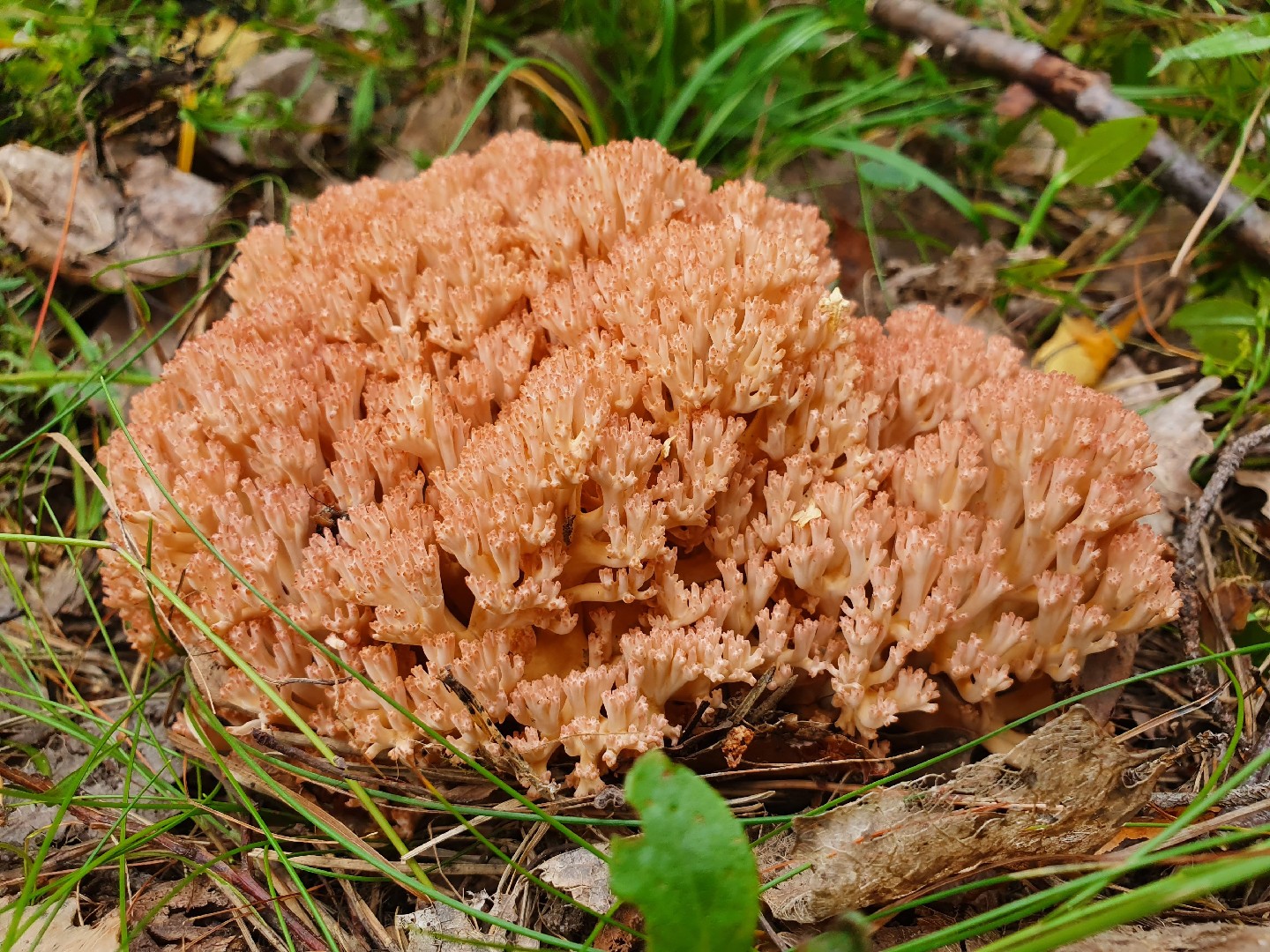
6. Rosso coral fungus
Rosso coral fungus's coral cap and short, white base makes it easy to distinguish from other species. It is often found either growing alone or in groups under conifers and hardwood trees. Its resemblance to coral also gives the mushroom its common name, "coral fungus."
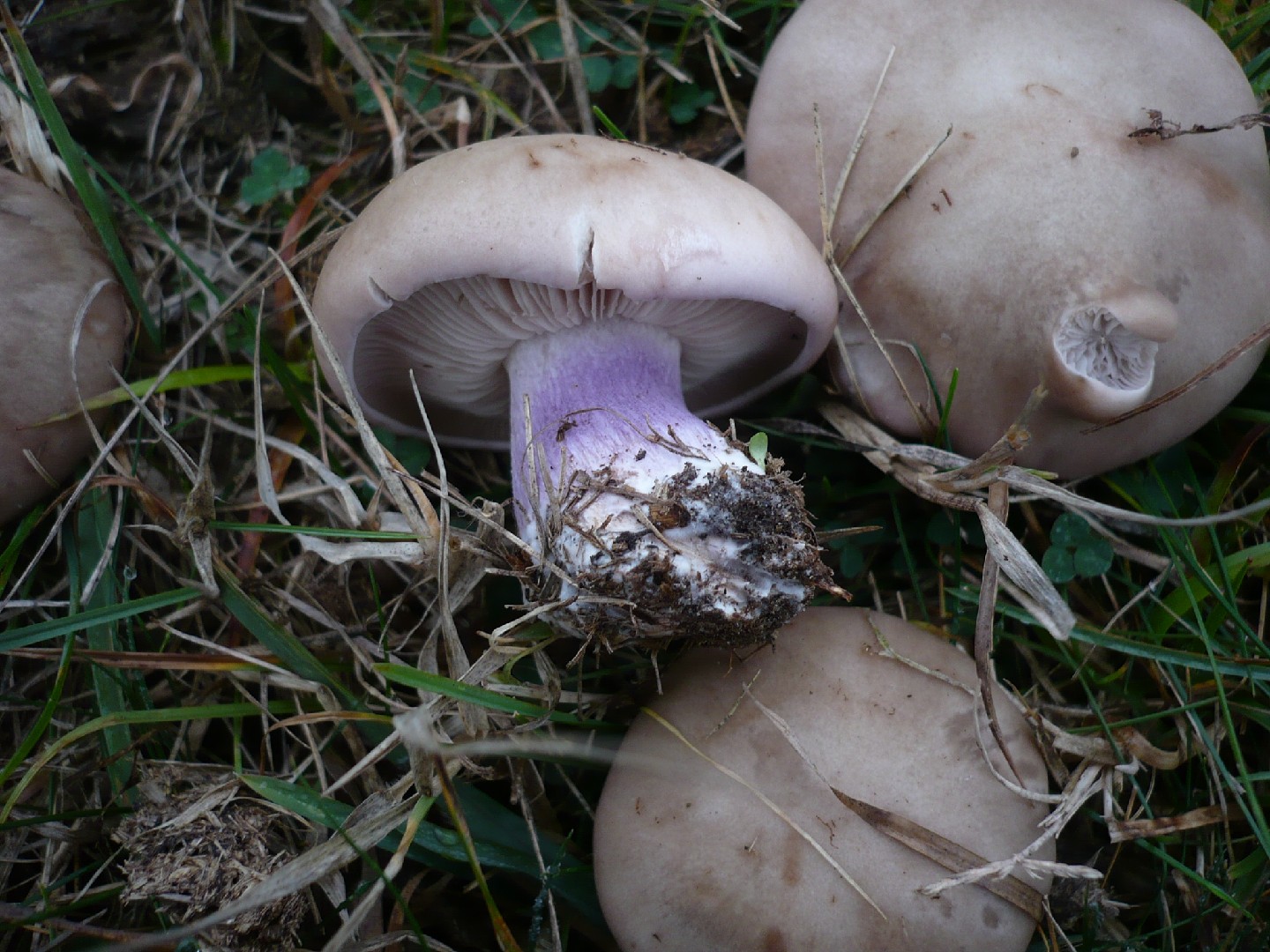
7. Field blewit
As the common name implies, fruitbodies of the field blewit (Lepista personata) can often be found in clusters or fairy rings in areas of open grassland. Their thick, creamy caps start off domed and morph into concave goblets as they age. Consumption of this mushroom has been reported to cause gastric distress.
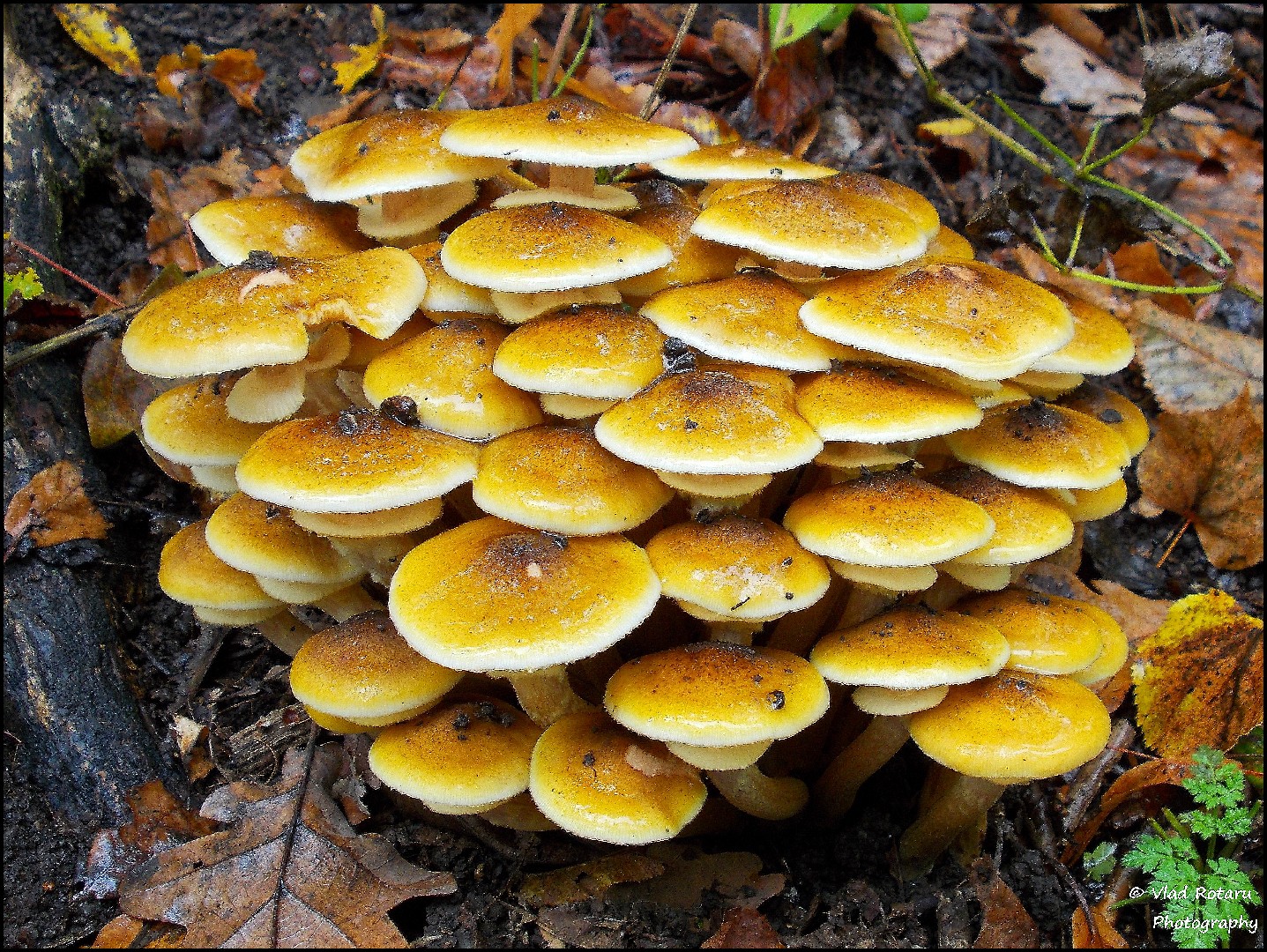
8. Honey fungus
The honey fungus is a parasitic fungus that grows on the roots of many woody and perennial plants, damaging and possibly killing its host. It spreads underground and is considered to be the most damaging fungal disease in gardens across the UK. The appearance of the mushrooms above-ground heralds a much more extensive infection below.
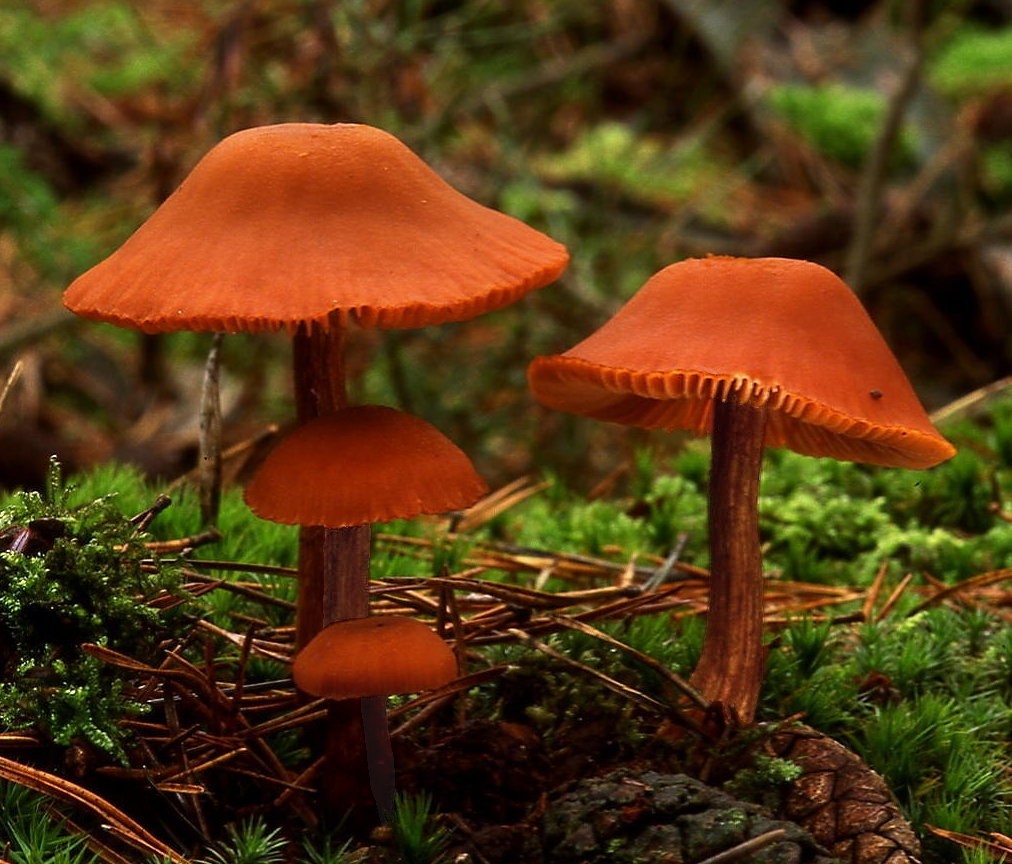
9. Common laccaria
Common laccaria may sound like a malevolent name for a mushroom, but fret not! This species is so-called because its appearance is highly variable, with individual caps taking on a whole host of colors, from whitish to pinkish to dark brown.
10. Bald knight
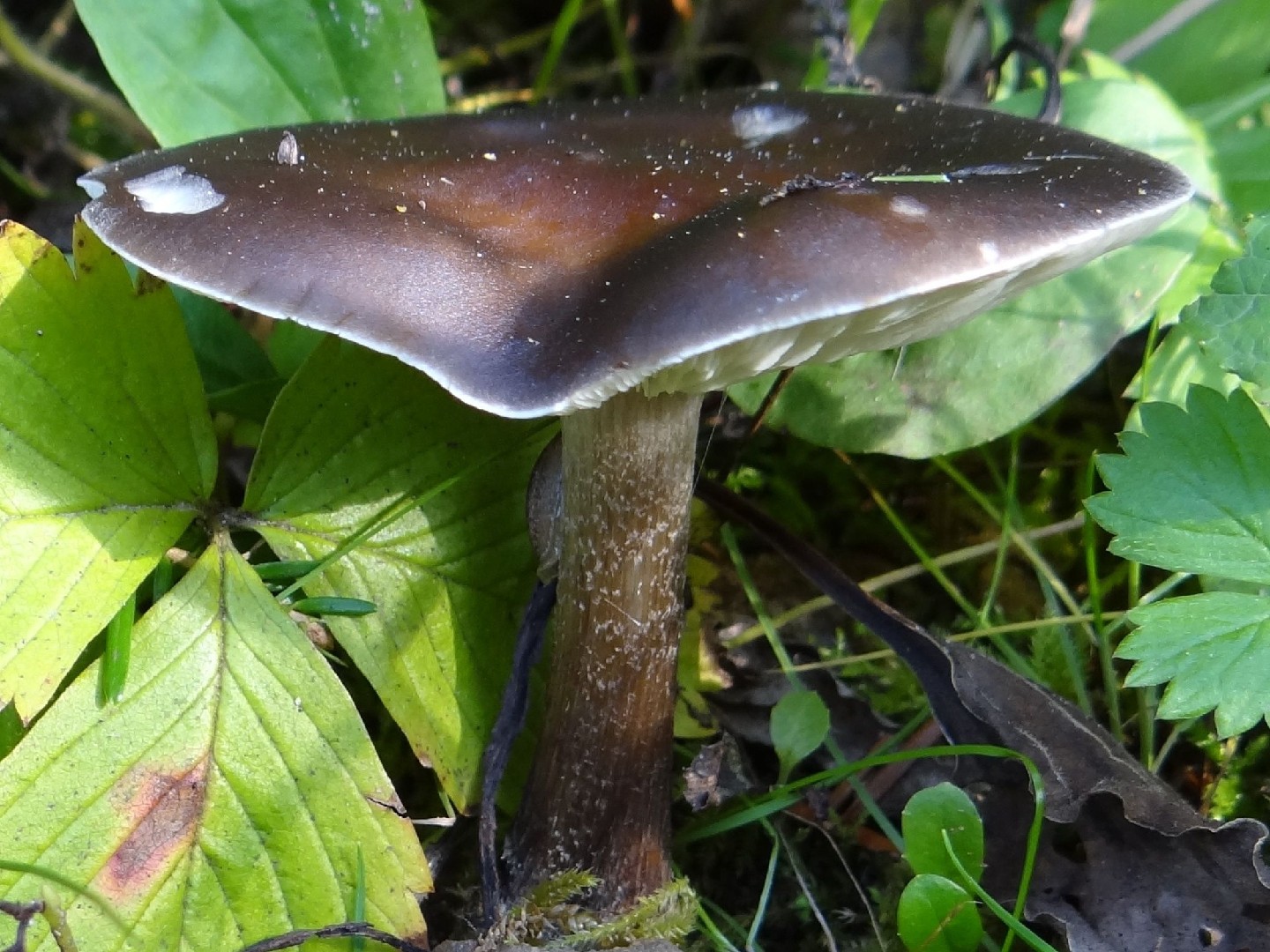
The bald knight is not easily identifiable due to its variable characteristics. This species is also not well defined and is often argued over by scholars. It can be found on open grassy ground and around woodland areas. It is widely distributed and has a mild scent.
More







