




Top 20 Most Common Mushrooms in Box Elder
Welcome to our guide on the top 20 common mushrooms in Box Elder. Boasting a diverse range of species, Box Elder offers a plethora of mycological wonders. Nestled beneath its varied landscape, you'll find an abundance of these fascinating fungi, reflecting the city's unique ecosystem. Our carefully researched and detailed guide will take you through the rich mycological tapestry of Box Elder, starting with the most common to the somewhat rare and elusive mushroom species.

Most Common Mushrooms
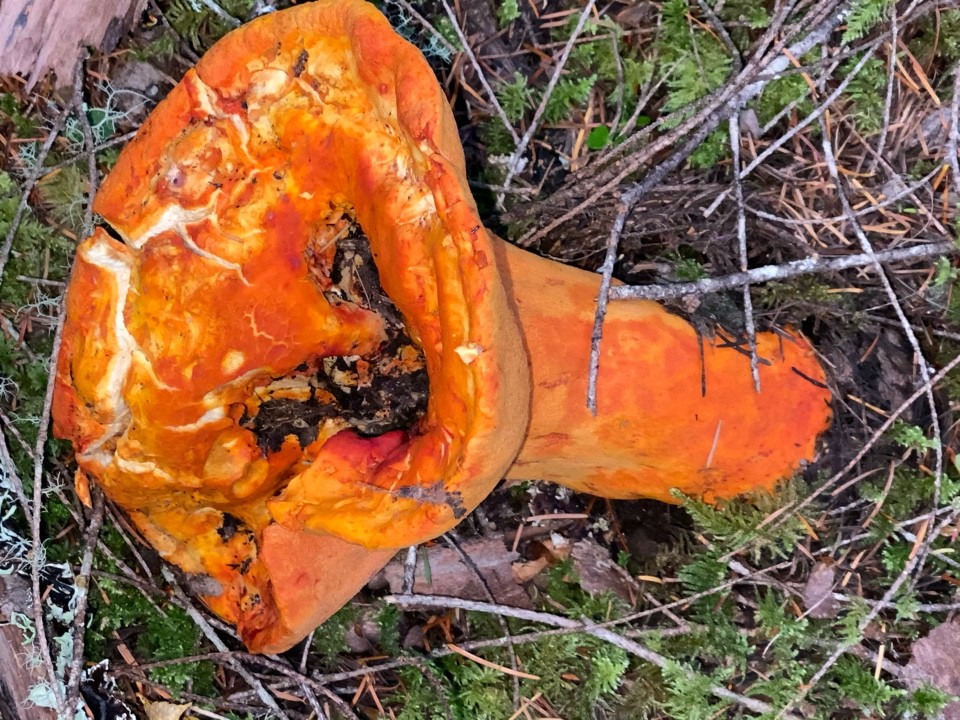
1. Lobster mushroom
The lobster mushroom is actually not a species of mushroom, per-se. When Hypomyces lactifluorum mold attacks one of several common species of Russula mushrooms, it transforms them into lobster mushrooms: they shrivel, harden slightly, and turn bright orange or vermillion. Surprisingly, this only makes them more flavorful. Lobster mushrooms are highly sought after for their distinctive, seafood-like flavor when cooked. Upset stomachs have been reported when eaten raw.
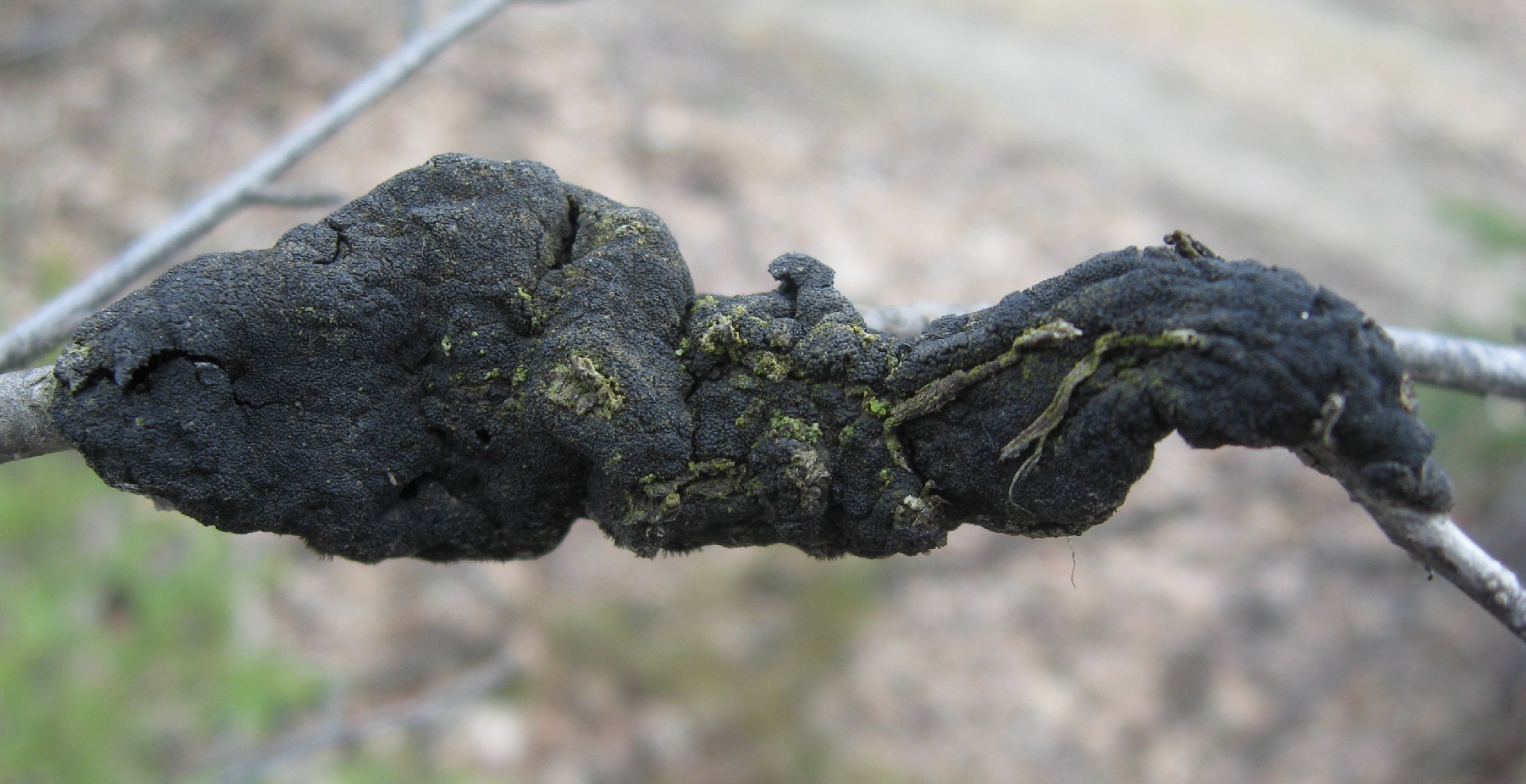
2. Black knot
The appearance of black knot (Apiosporina morbosa) is commonly found on various fruit-bearing trees and looks more like abnormally growing bark than it does a fungus. In youth, this bulbous growth is a lighter green but rapidly turns to dark brown and black. Black knot can kill trees and is not easily controllable using fungicides.
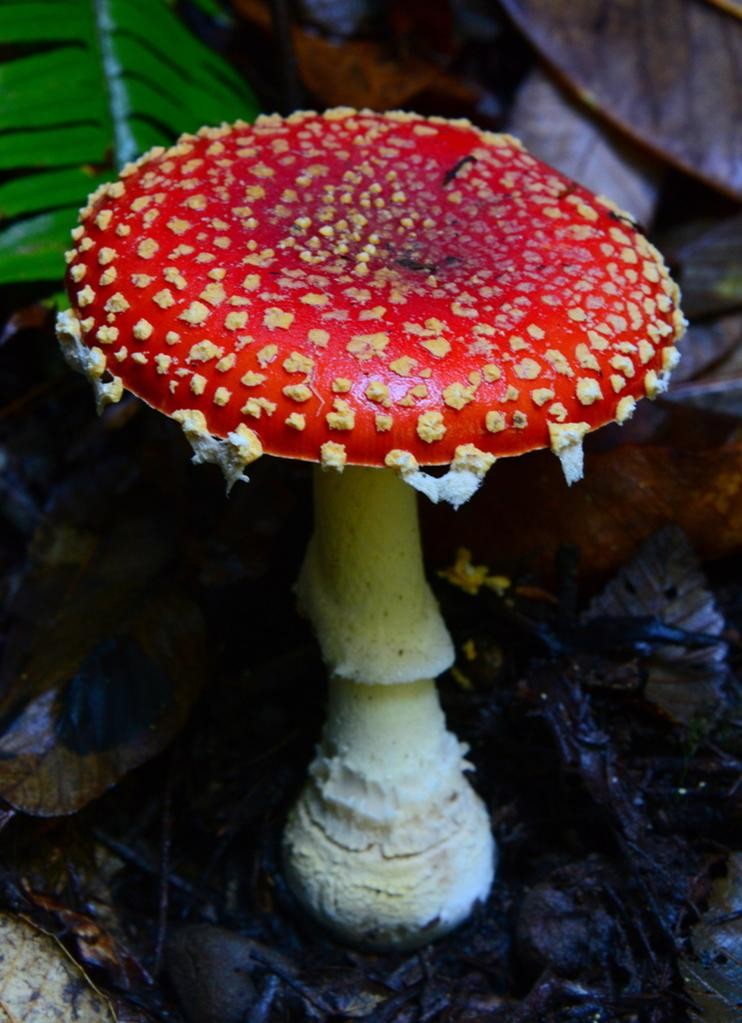
3. Fly agaric
In Northern Asia and Europe, fly agaric grows under trees near the winter solstice and is collected for ritual use tied to the season. Its characteristic shape and coloring are still ubiquitous in many European fairy tale illustrations and Christmas traditions. It is highly toxic.
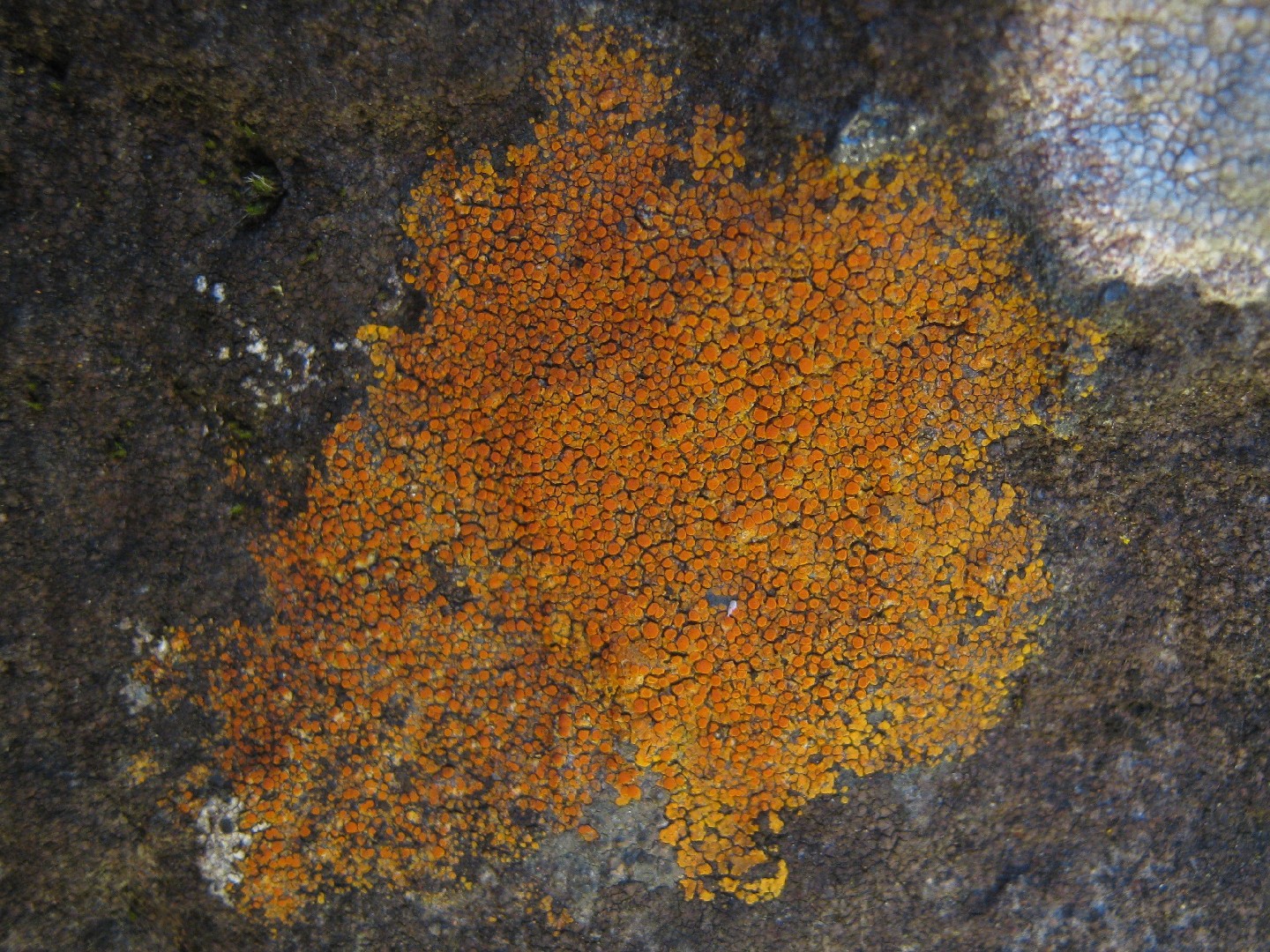
4. Orange lichen
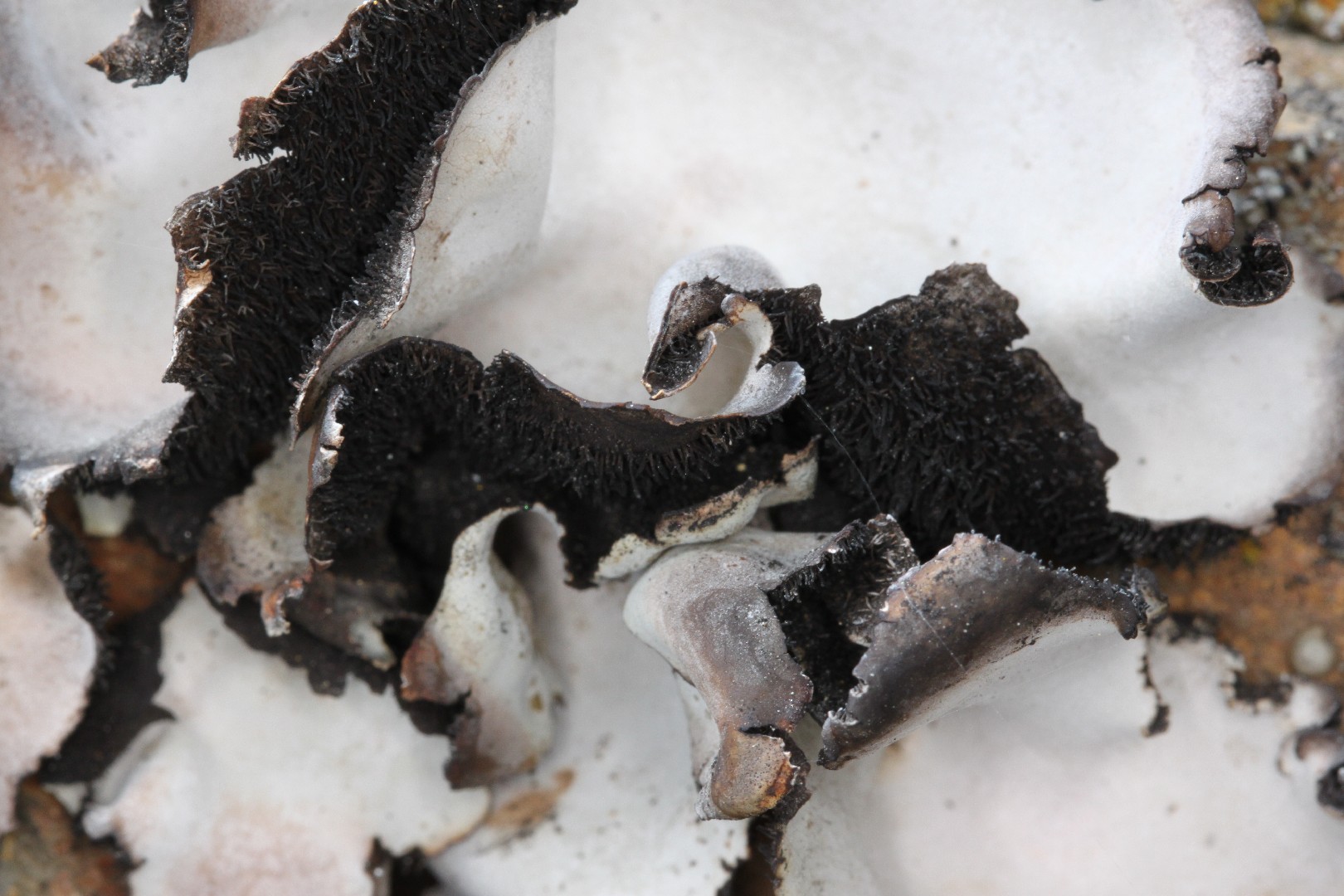
5. Frosted rock tripe
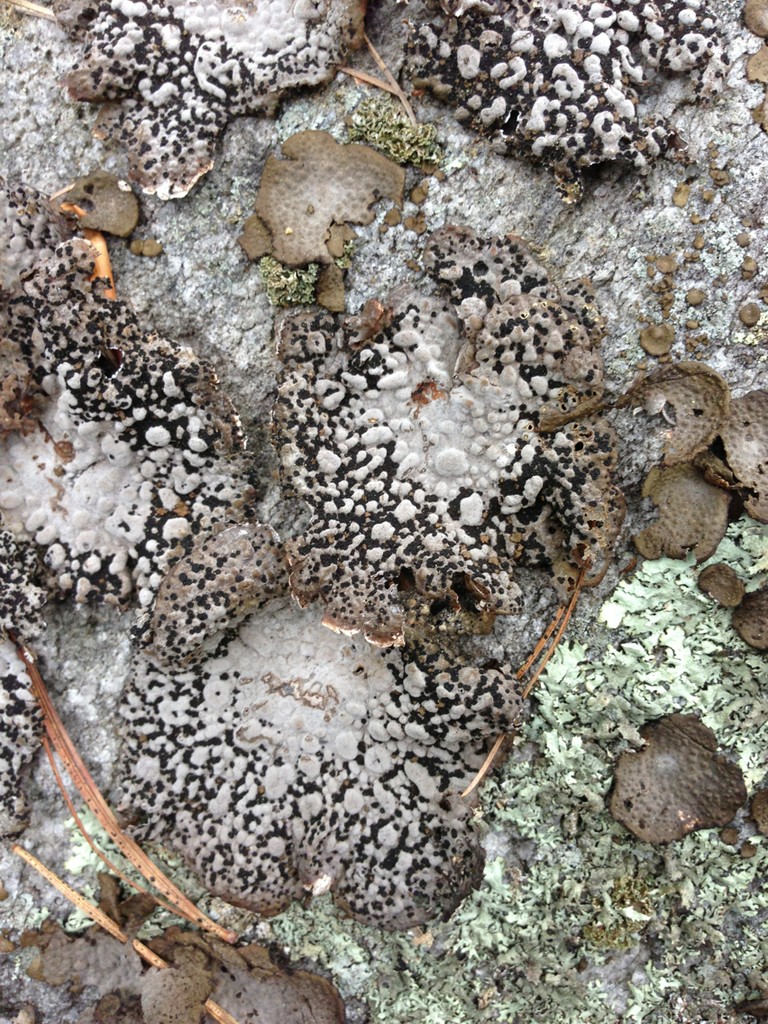
Umbilicaria americana has been described as looking like "grayish-white potato chips." The upper surface is gray with the appearance of white dusting. The lower surface is black. The lobes are 2 to 7 cm in diameter. 
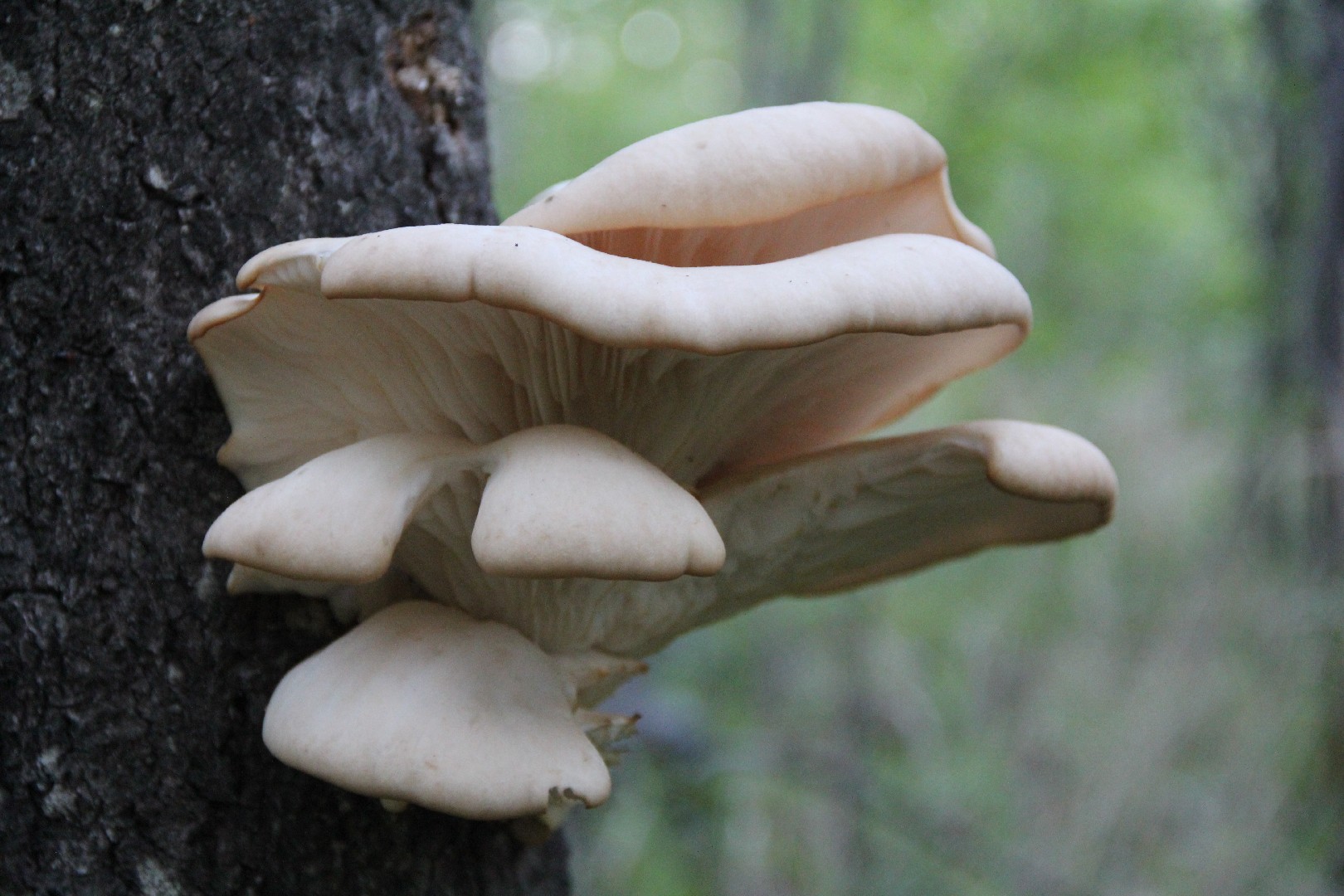
6. Aspen oyster mushroom
As 'Aspen' in its common name implies, the aspen oyster mushroom grows exclusively on dead aspen trees (the Populus genus). This oyster mushroom has a pleasant aroma, reminiscent of almond or anise. Like all oyster mushrooms, the aspen oyster mushroom can be used for dyeing wool, paper and fabrics.
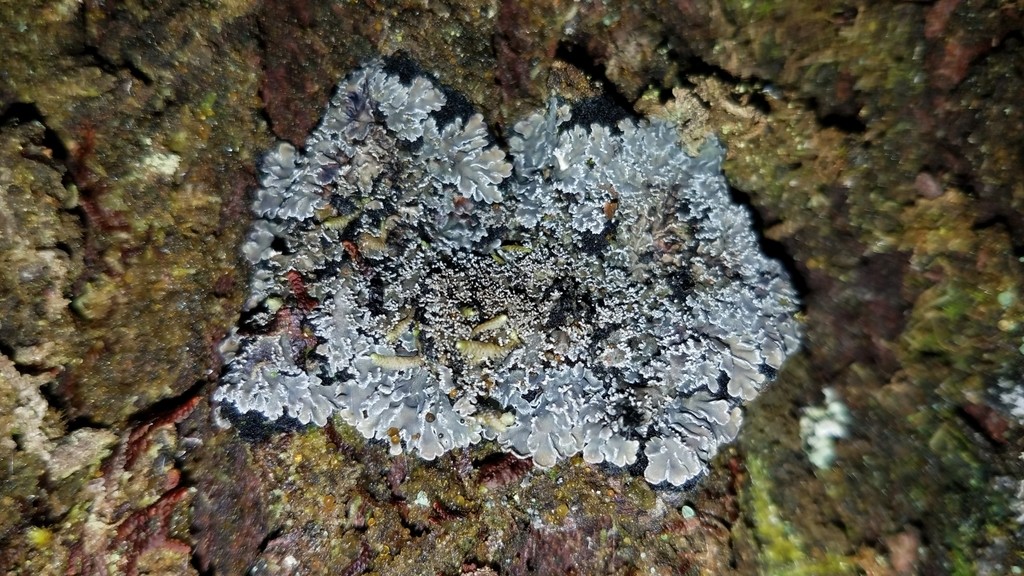
7. Tavares' matted lichen
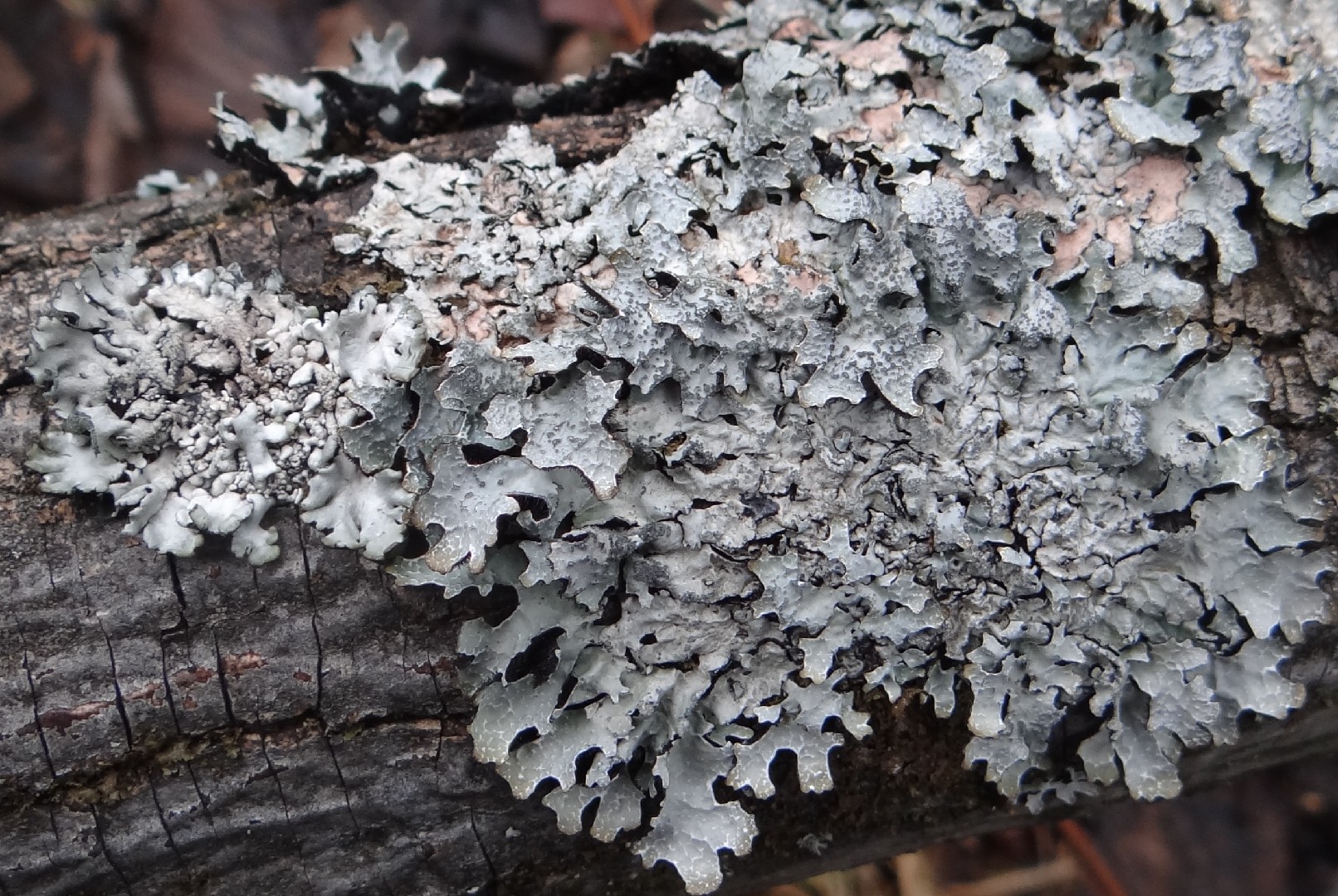
8. Hammered shield lichen
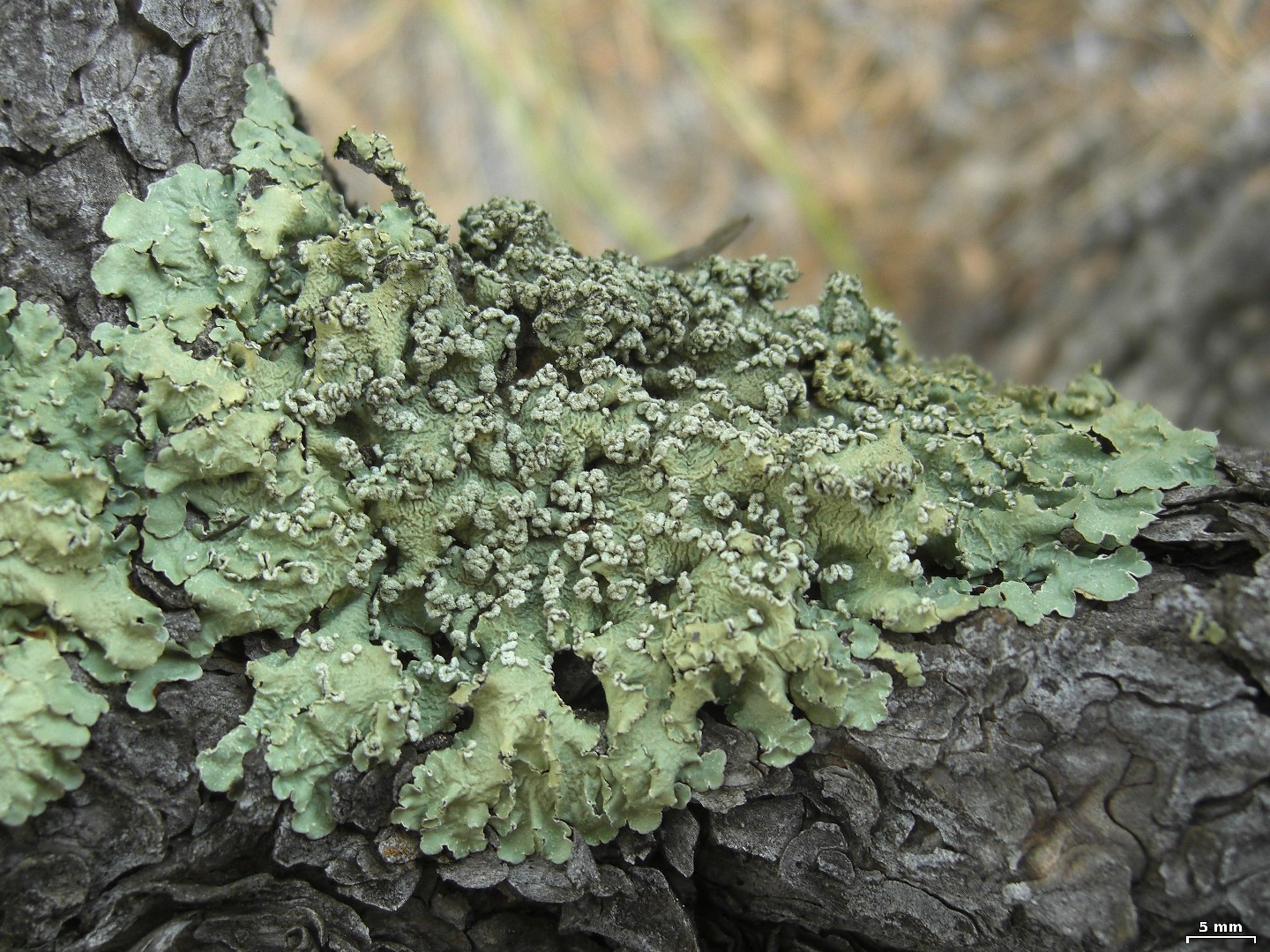
Hammered shield lichen is noted for its pollution tolerance. It is a widespread grey flat lichen that is mostly found upon tree bark and occasionally rocks. Hammered shield lichen is named for the depressions within the lobe which give it a hammered appearance.
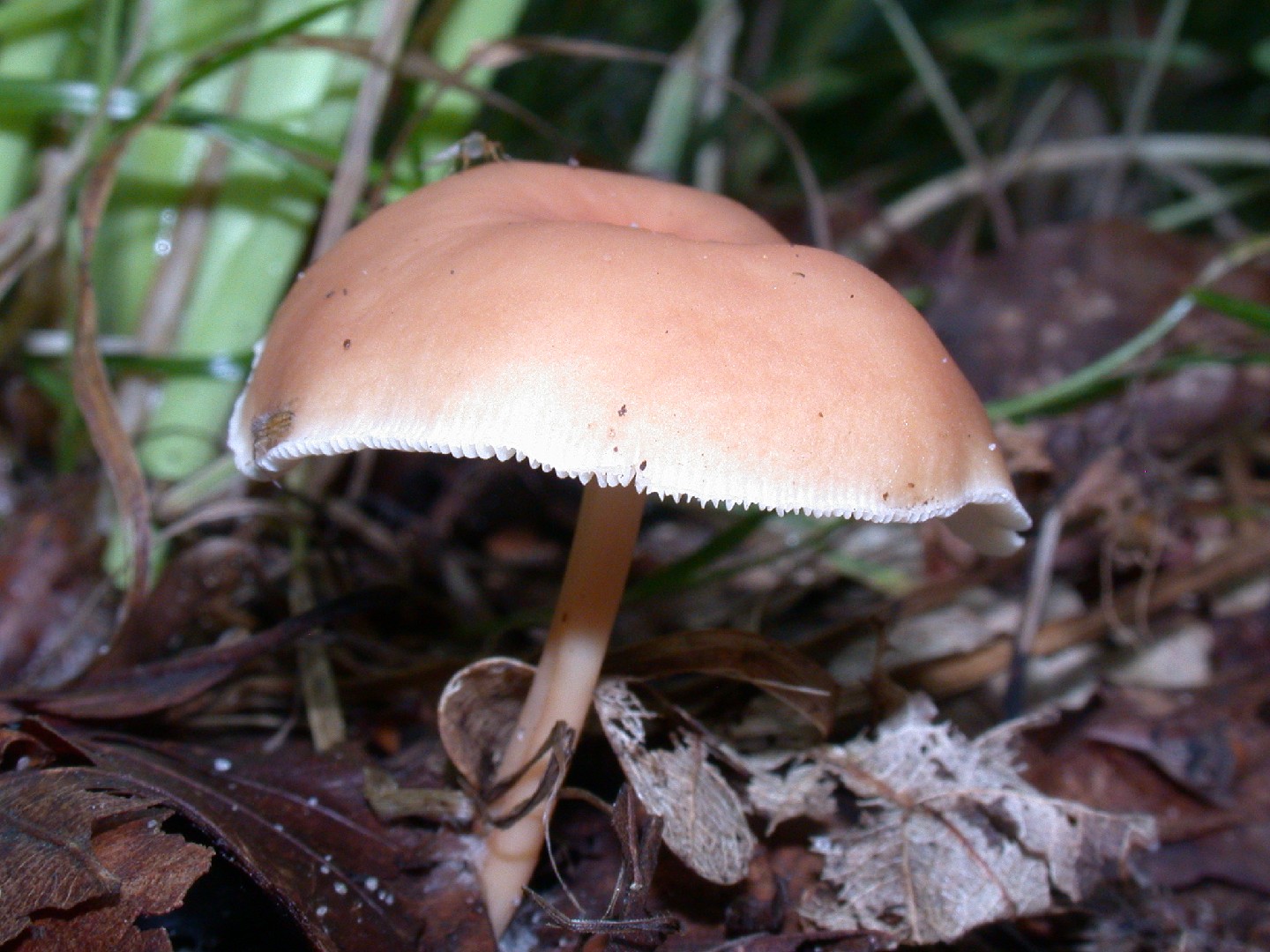
9. Oak-loving collybia
The oak-loving collybia mushroom is found in temperate climates around the world, often underneath oak trees. They are tough and not considered edible. The scientific name, Gymnopus dryophilus, comes from Greek words that roughly translate to “barefooted lover of oak leaves.”
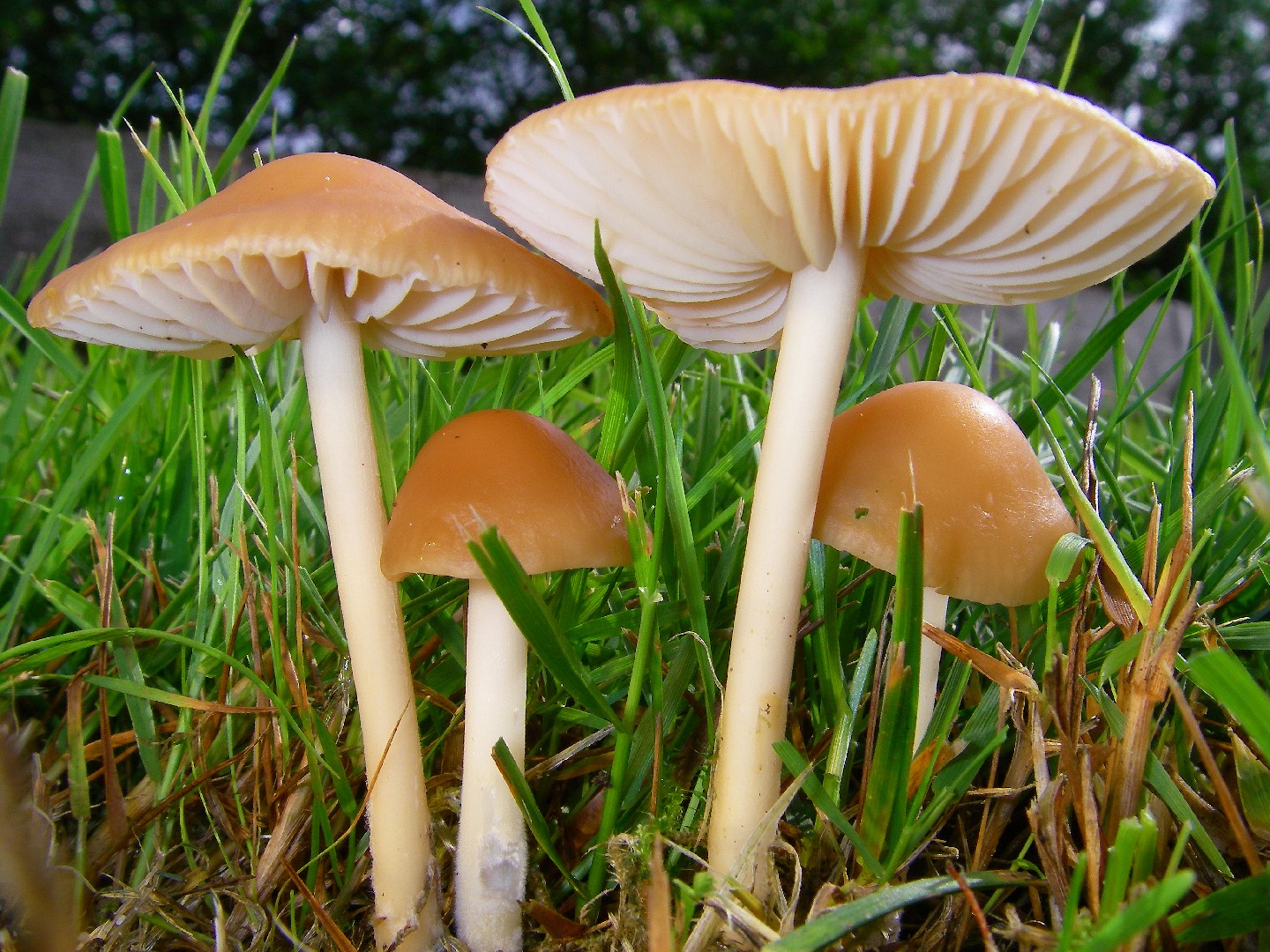
10. Fairy ring mushroom
Fairy ring mushrooms may dry out completely in the sun, but will “resurrect” during the next rain and regain their ability to make new spores. This is due to a sugar called trehalose which protects their cells. They appear in lawns and fields, sometimes in “fairy ring” configurations.
More







