




Top 20 Most Common Mushrooms in Hawaiian Paradise Park
Nestled within a lively landscape blessed by Mother Nature, Hawaiian Paradise Park is renowned for its distinct and rich fungal flora. Embraced by the tropical climate, this locale offers ample opportunities for mycology enthusiasts, being home to a wide variety of mushrooms. Among these, let's embark on an enchanting journey exploring the top 20 most common mushroom types flourishing in the fertile soils of Hawaiian Paradise Park.

Most Common Mushrooms
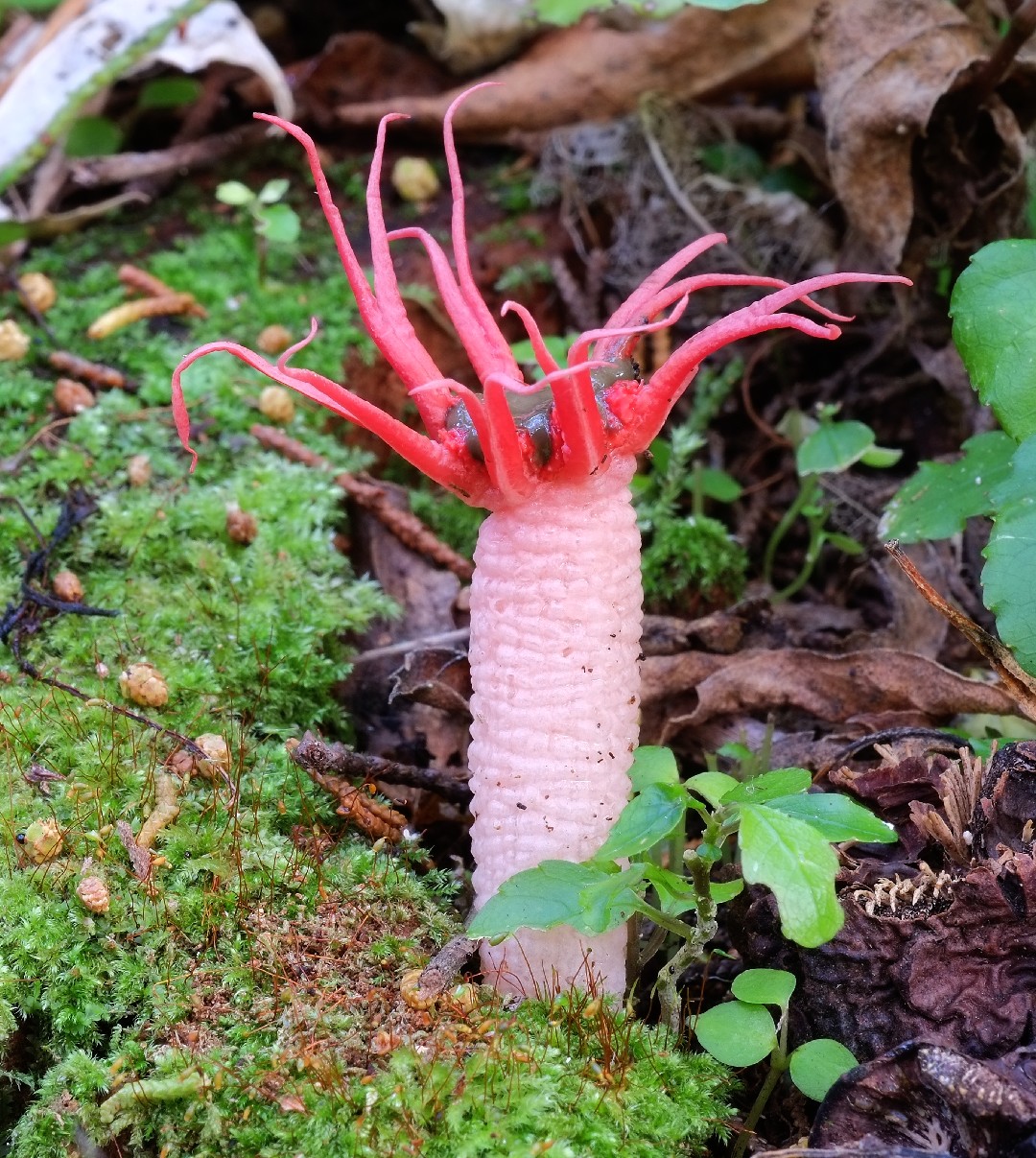
1. Anemone stinkhorn
The anemone stinkhorn (Aseroe rubra) looks like a creature straight from the depths of the ocean…or perhaps a horror movie! This Australian native starts fruiting with a white, egg-like ball that breaks open to reveal bright red tentacle-like fingers that spread toward the sky with radial symmetry and the odor of rotting meat. It has spread to tropical and sub-tropical areas around the world and is potentially poisonous.
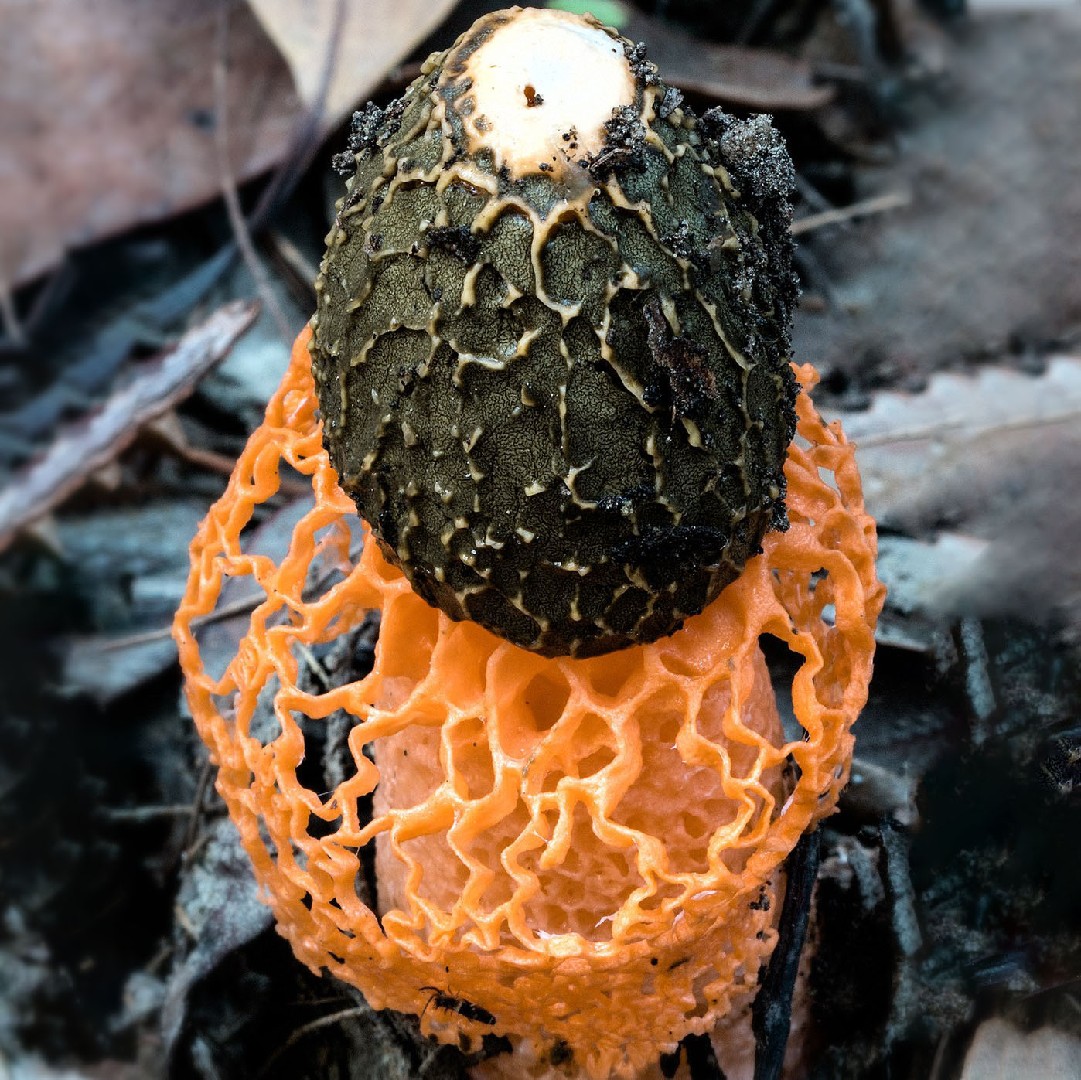
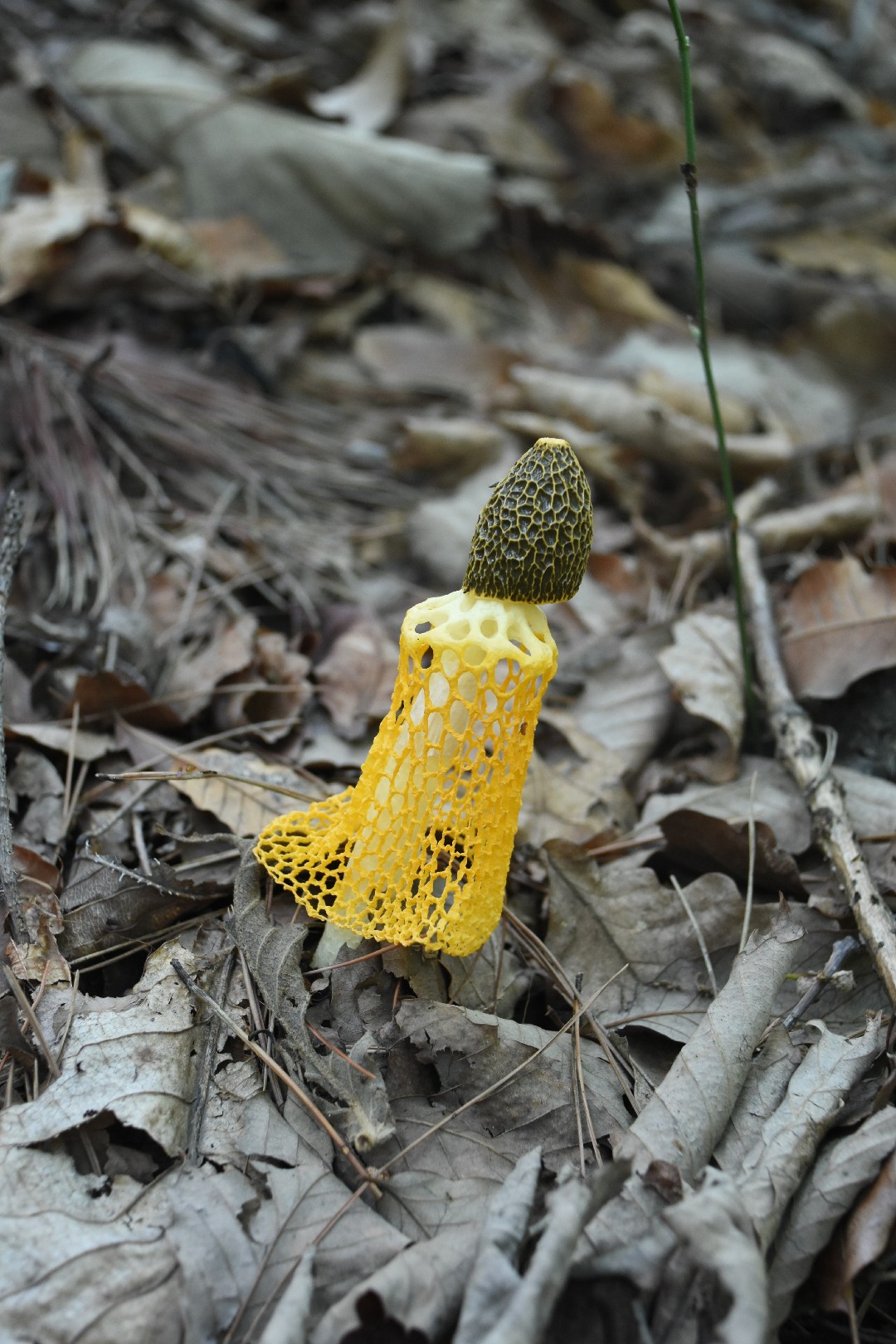
2. Yellow bridal veil stinkhorn
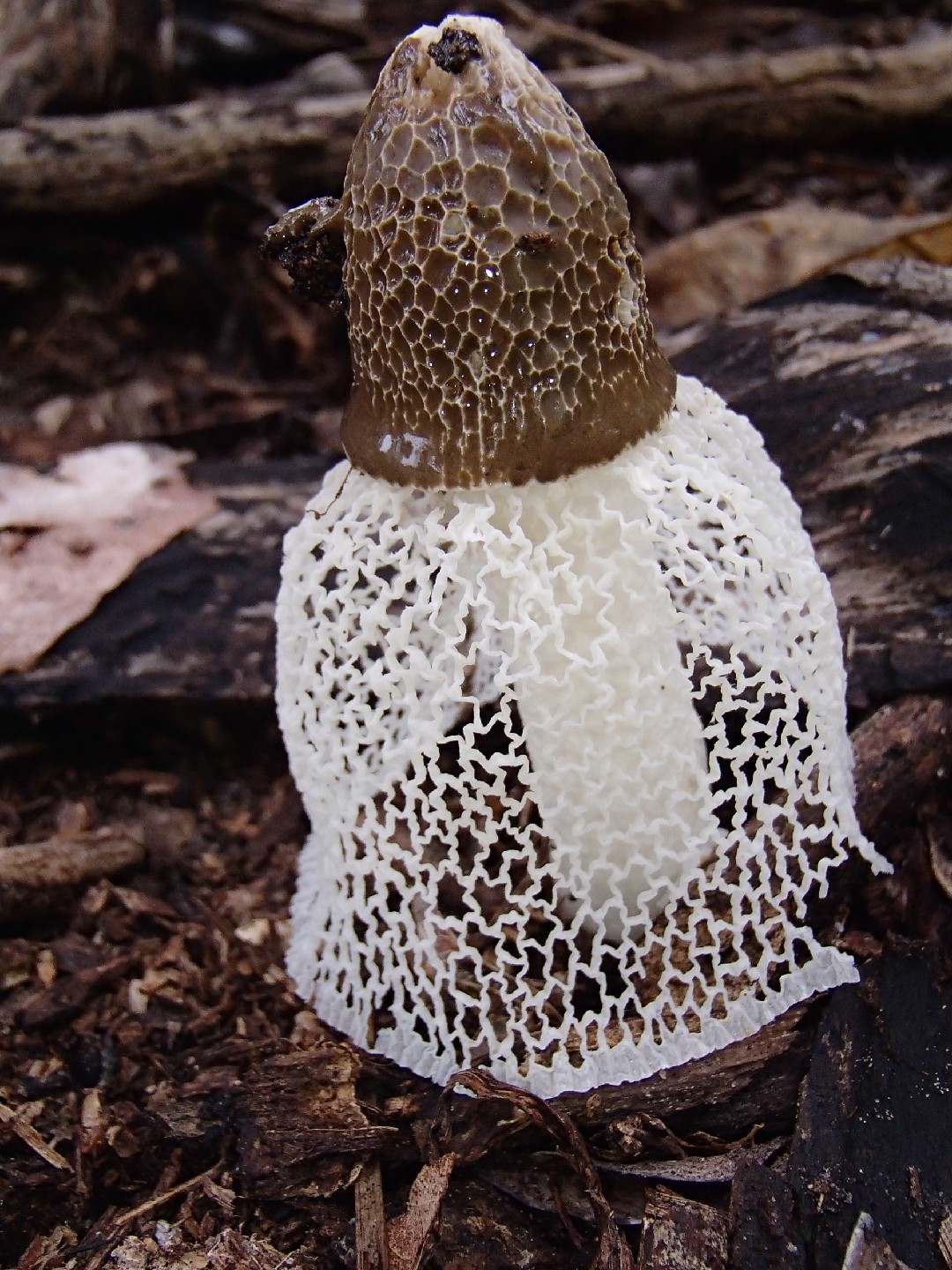
Yellow bridal veil stinkhorn is a species of stinkhorn that occurs in the tropics around the world. Its brownish slime releases a very distinctive and unpleasant smell that attracts flies and other insects. It can be found on the ground, growing among dead leaves and wood chips. 
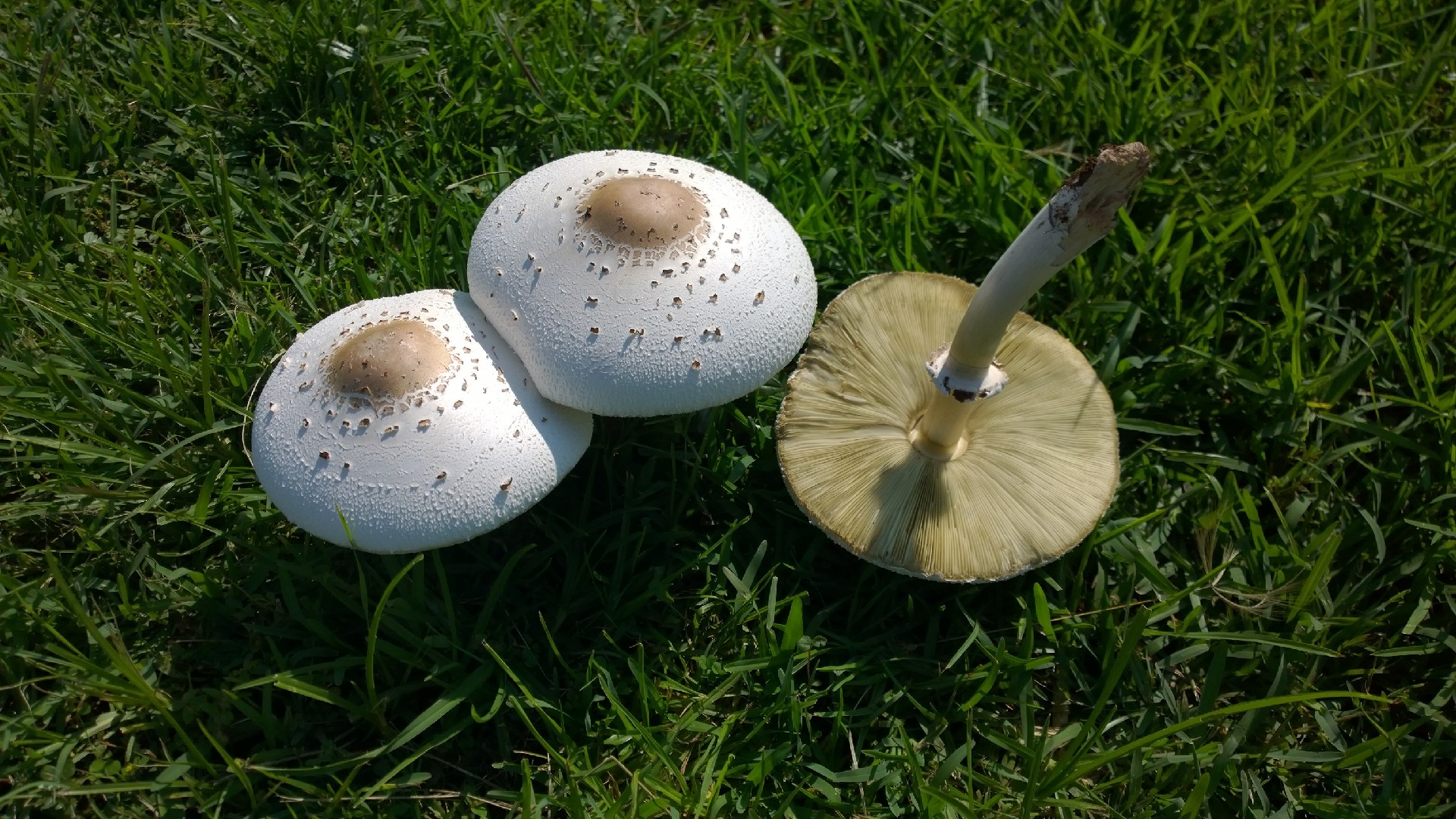
3. False parasol
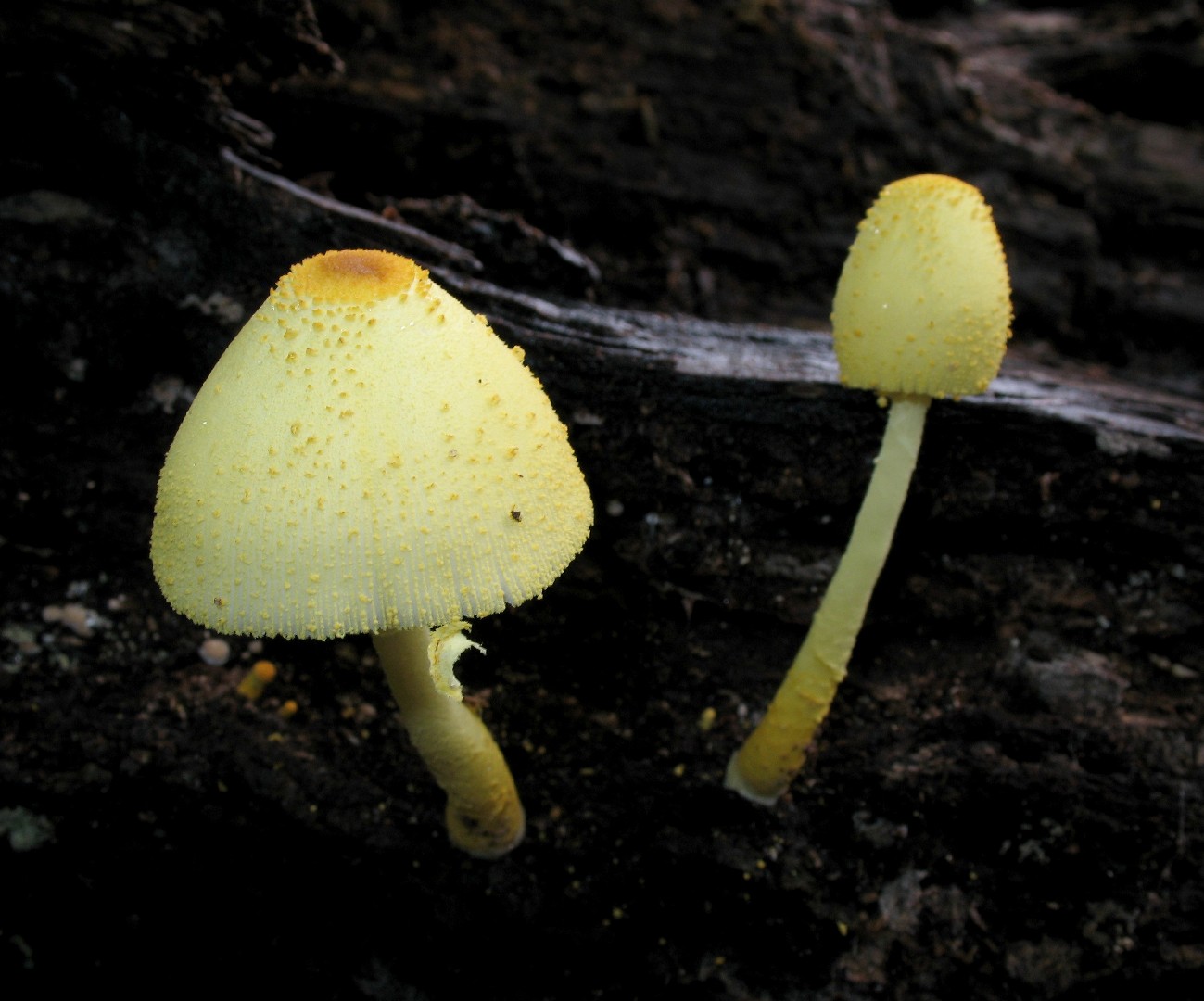
Though the false parasol appears unassuming, the species is famous—or, infamous—for its toxicity. It looks unfortunately similar to Agericus campestrus, a commonly eaten mushroom, but the false parasol can be distinguished by its highly unusual green spore print. Although they are no good to eat, they can be pretty to look at. The species may grow in ring-shaped groups in meadows and on forest floors in what are sometimes called "fairy circles."
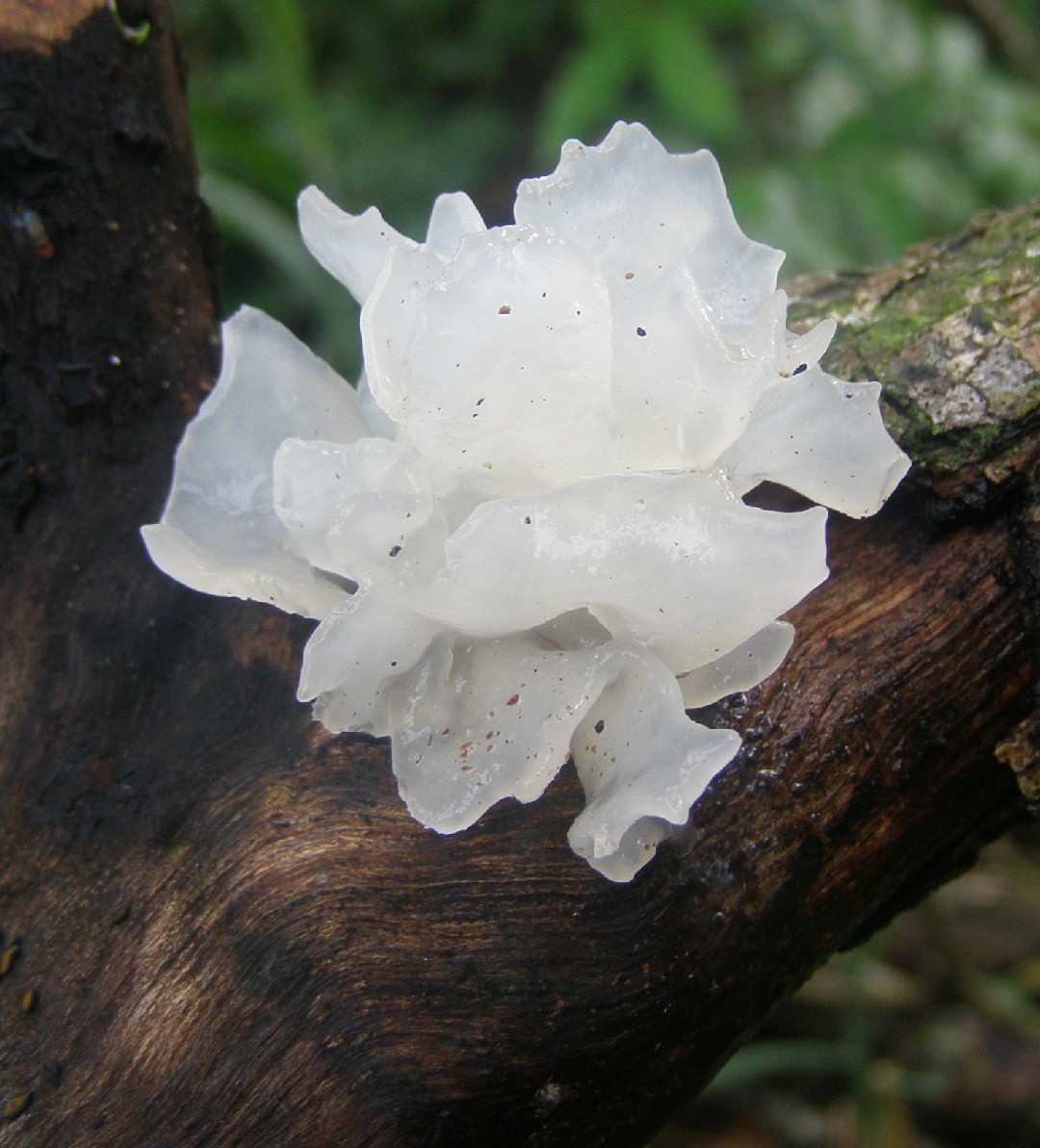
4. Snow fungus
Snow fungus (Tremella fuciformis) is so-named not because it is associated with winter, but, rather, because its fruitbodies look like little piles of snow fungus on the ground. This fungus actually inhabits very warm - tropical and subtropical - locations around the globe. Snow fungus does not have much taste, but it is cultivated for culinary use across East Asia, where it is often added to thicken soups and desserts.
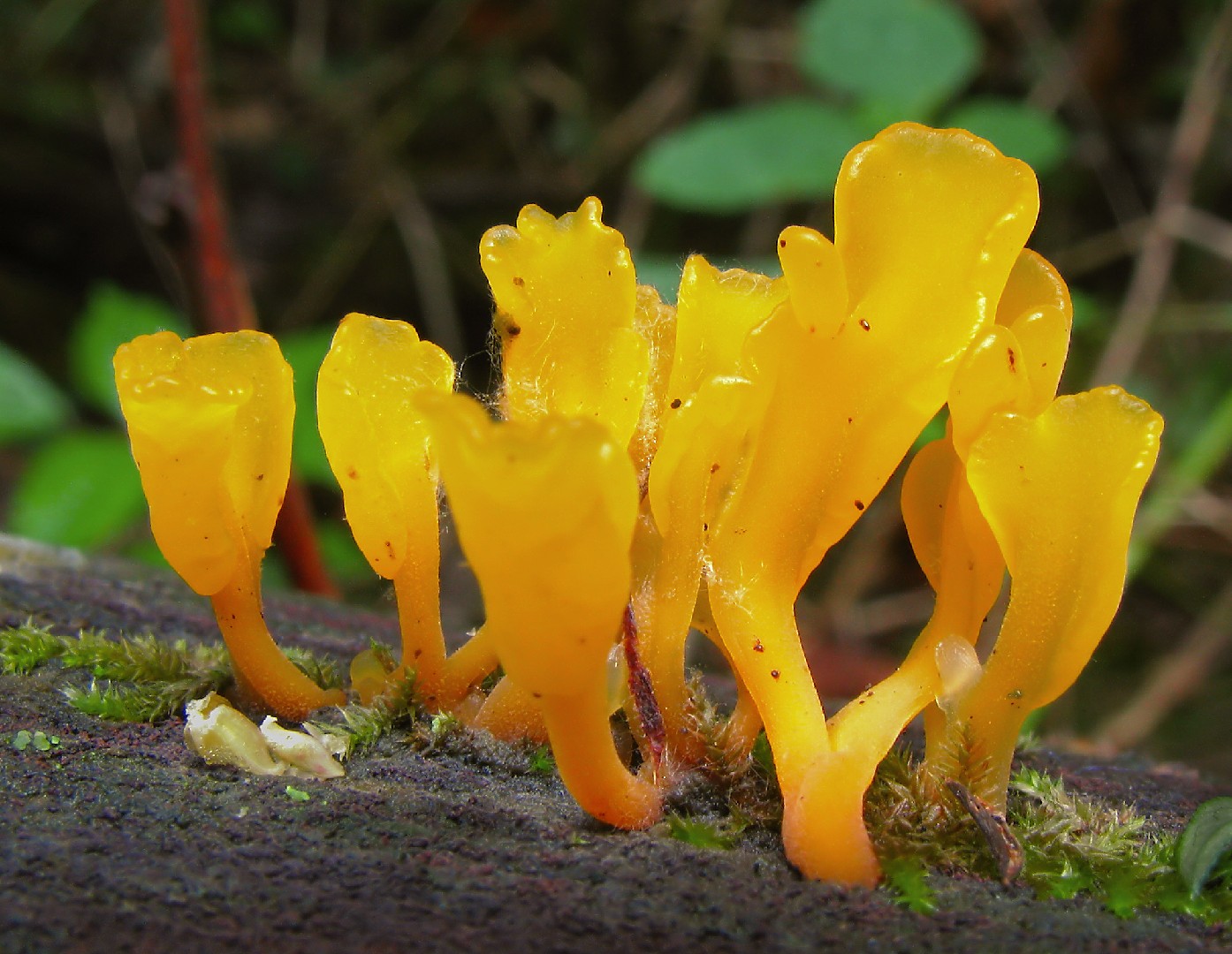
5. Fan-shaped jelly-fungus
Just as its Latin and the common English names suggest, the fan-shaped jelly-fungus (Dacryopinax spathularia) is a fan-shaped or spatula-shaped jelly-like mushroom. It commonly grows in wood cracks and it sometimes even appears in the cracks of the processed wood and lumber. Despite the word "jelly" in its name, the fan-shaped jelly-fungus is not considered edible.
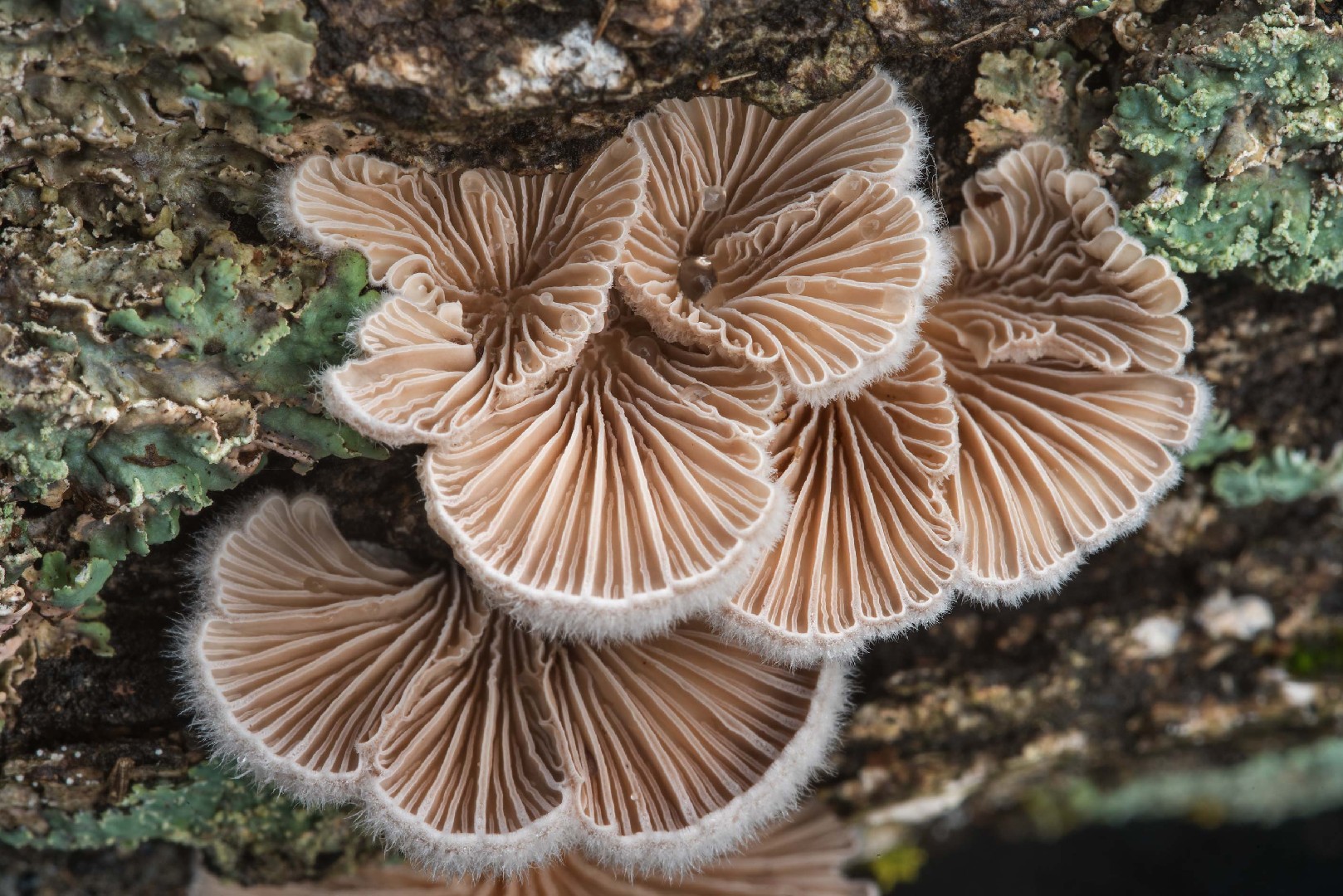
6. Split gill
Split gill(Schizophyllum commune) can be found across the globe. Uniquely, it is the only mushroom species known to display the capability to retract by movement. It is considered inedible, although not necessarily toxic. Furthermore, it is not recommended to smell this species, as the spores are capable of sprouting and growing in nasal passages.
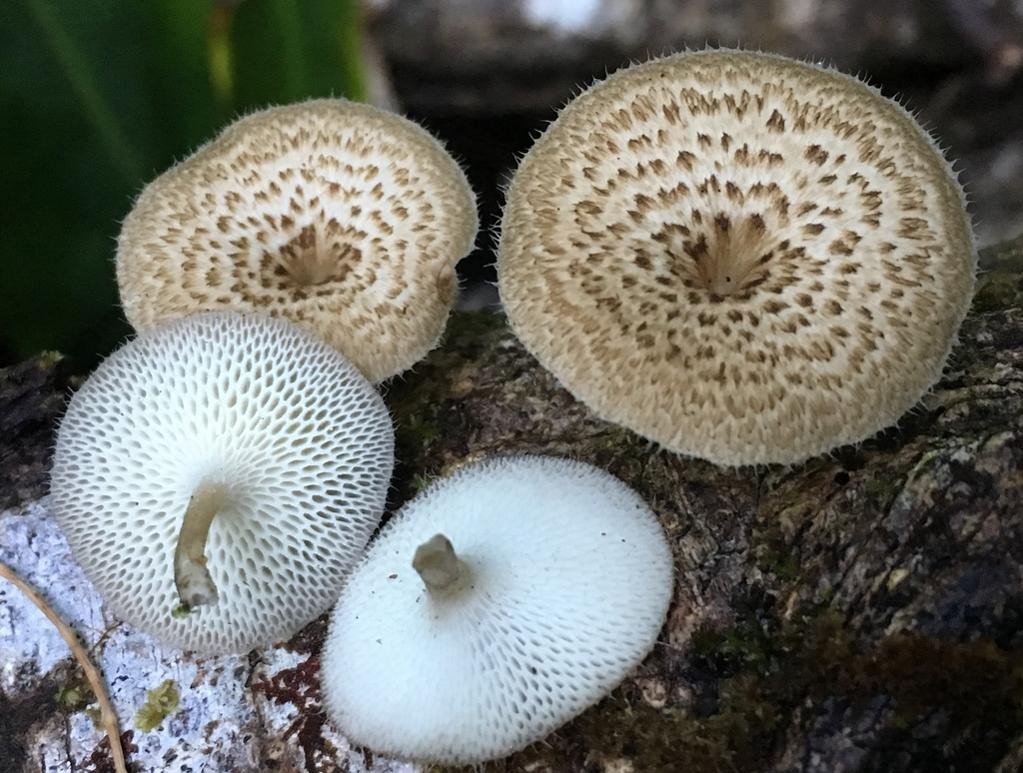
7. Spring polypore
Morel mushroom hunters may be most familiar with spring polypore since it is one of the earliest mushrooms to appear in the spring, as hinted by its name. Lentinus mushrooms typically have gills, but when investigated, this mushroom reveals surprising honeycomb-shaped pores.
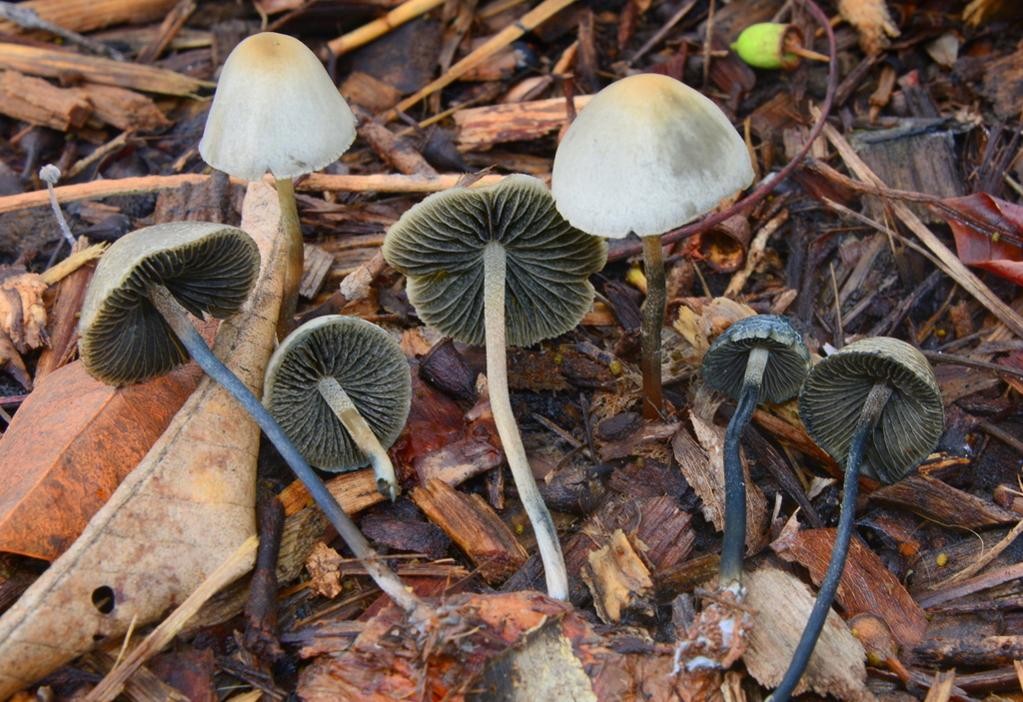
8. Blue meanies
The blue meanies (Panaeolus cyanescens) grows abundantly from composted dung in fields across the globe. They are small in size, with short, bell-shaped caps iridescent pale blue in color. The underside of the cap displays gills that are widely spread apart. This mushroom is a toxic poisoning risk. Consumption is not recommended.
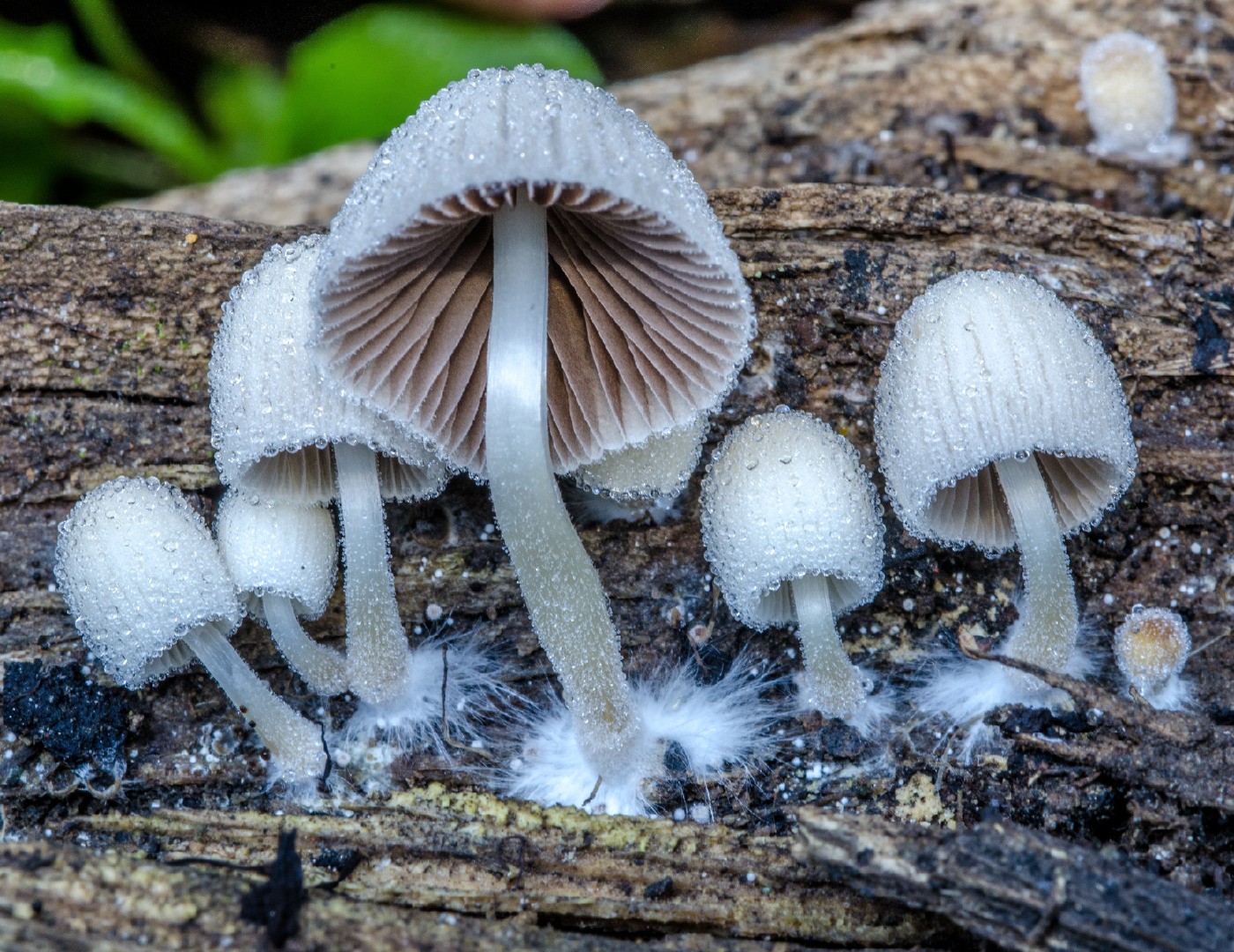
9. Fairy inkcap
The mushrooms of the fairy inkcap species have a tendency to congregate in large masses over dead tree stumps and decaying roots. They appear all around the world from early spring all the way to the first frosts, but each fruit only lasts a few days before turning black and distributing its spores.
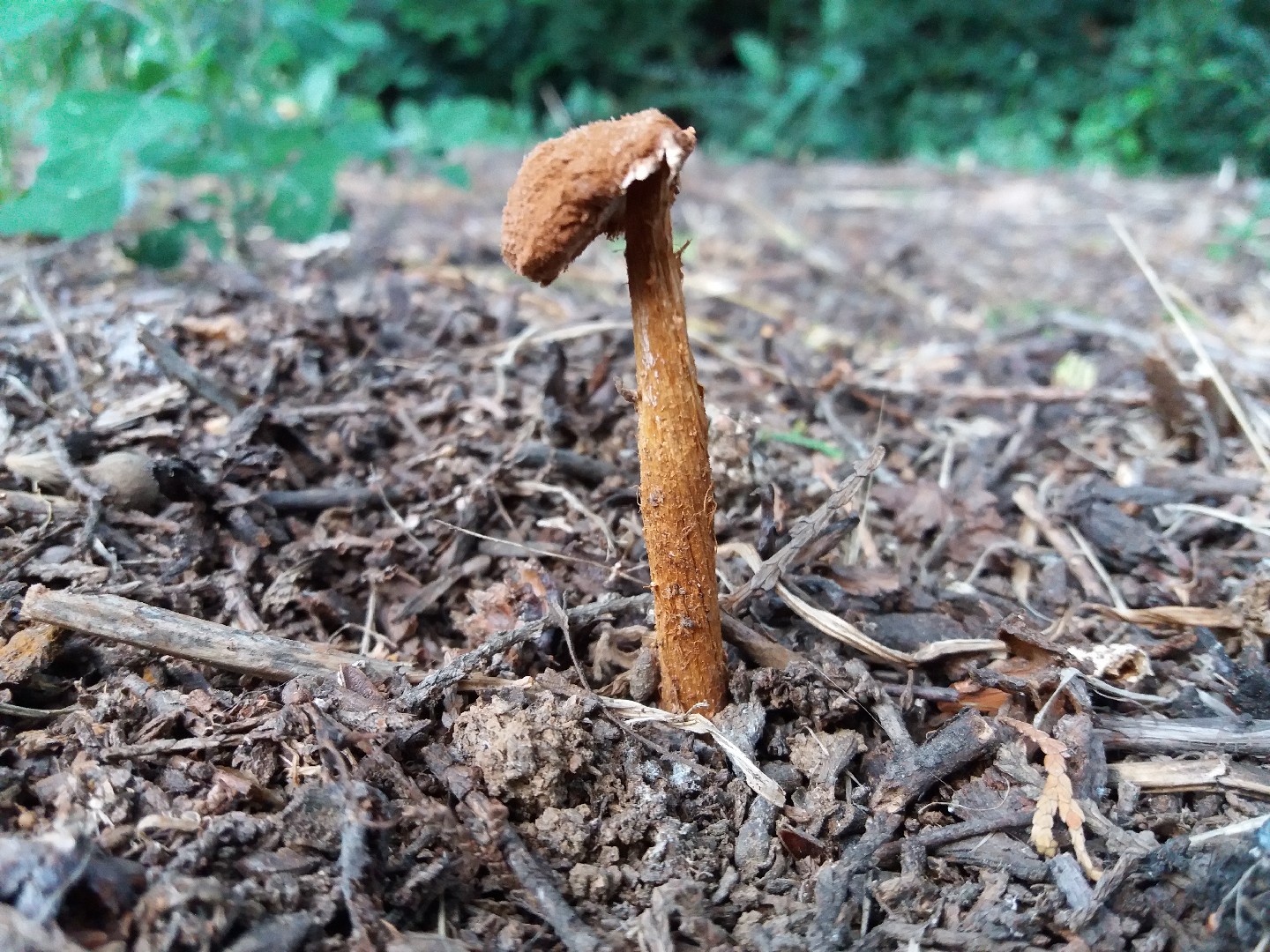
10. Sandy stiltball
Sandy stiltball(Battarrea phalloides) is an unusually tall species of puffball, a family of mushrooms that do not usually have noticeable stalks. Due to declining numbers in the wild, is illegal to pick in certain countries (including Hungary and the United Kingdom). Its edibility remains unstudied, and consumption is not advised.

More







