




Top 20 Most Common Mushrooms in Black Forest
Welcome to our exploration of the top 20 common mushrooms of the Black Forest. Known for its dense woodlands, Black Forest provides an ideal environment for a diverse array of fungi. It's not a mere coincidence that this woodland is nicknamed 'The Mushroom Capital'. Here, mushrooms thrive in abundance, making Black Forest a mushroom enthusiast's paradise. In this guide, we will delve into the fascinating world of Black Forest's most common mushrooms.

Most Common Mushrooms
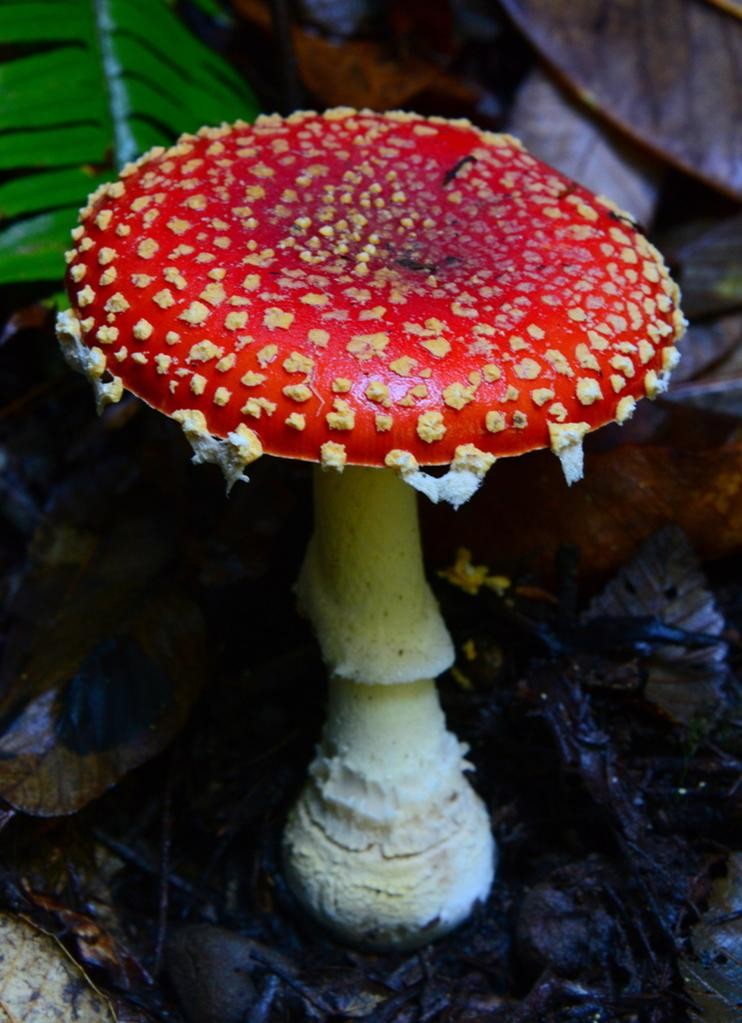
1. Fly agaric
In Northern Asia and Europe, fly agaric grows under trees near the winter solstice and is collected for ritual use tied to the season. Its characteristic shape and coloring are still ubiquitous in many European fairy tale illustrations and Christmas traditions. It is highly toxic.
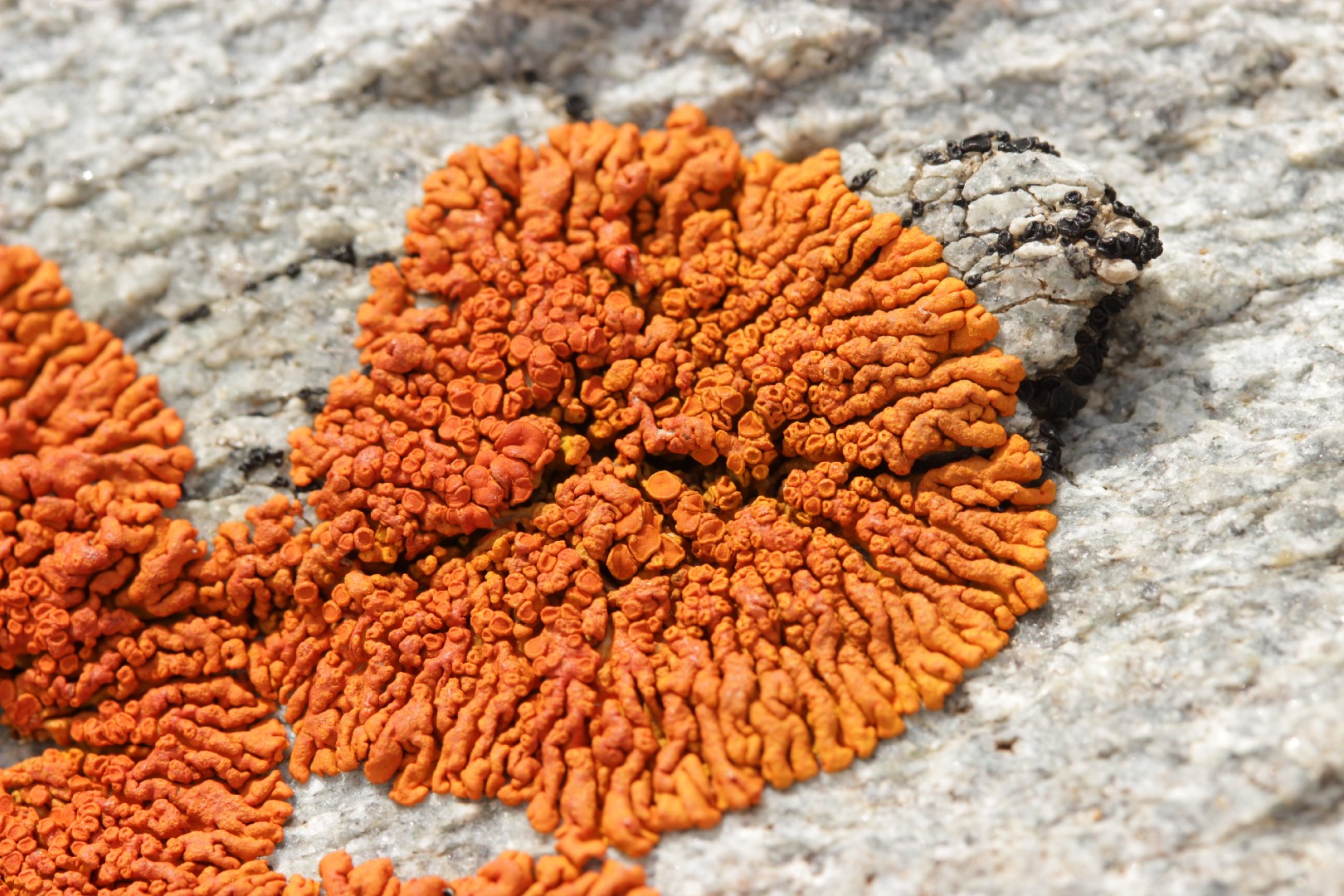
2. Elegant sunburst lichen
The thallus of this lichen is described as foliose, having the aspect of leaves, although the central portions of the thallus may appear nearly crustose. It is small, typically less than 5 cm (2 in) wide, with lobes less than 2 mm (0.08 in) broad, appressed to loosely appressed. The upper surface is some shade of orange while the lower surface is white, corticate, with short, sparse hapters (an attachment structure produced by some lichens). The vegetative propagules called soredia and isidia are absent, although apothecia are common. It has been described as possessing swollen, orange-yellow thalli (in streams), compact orange thalli (on boulders) or dark orange-red thalli on the driest rock faces. The variety X. elegans var. granulifera, characterized by having isidia-like vegetative propagules, has been reported from Greenland and Spitsbergen. 
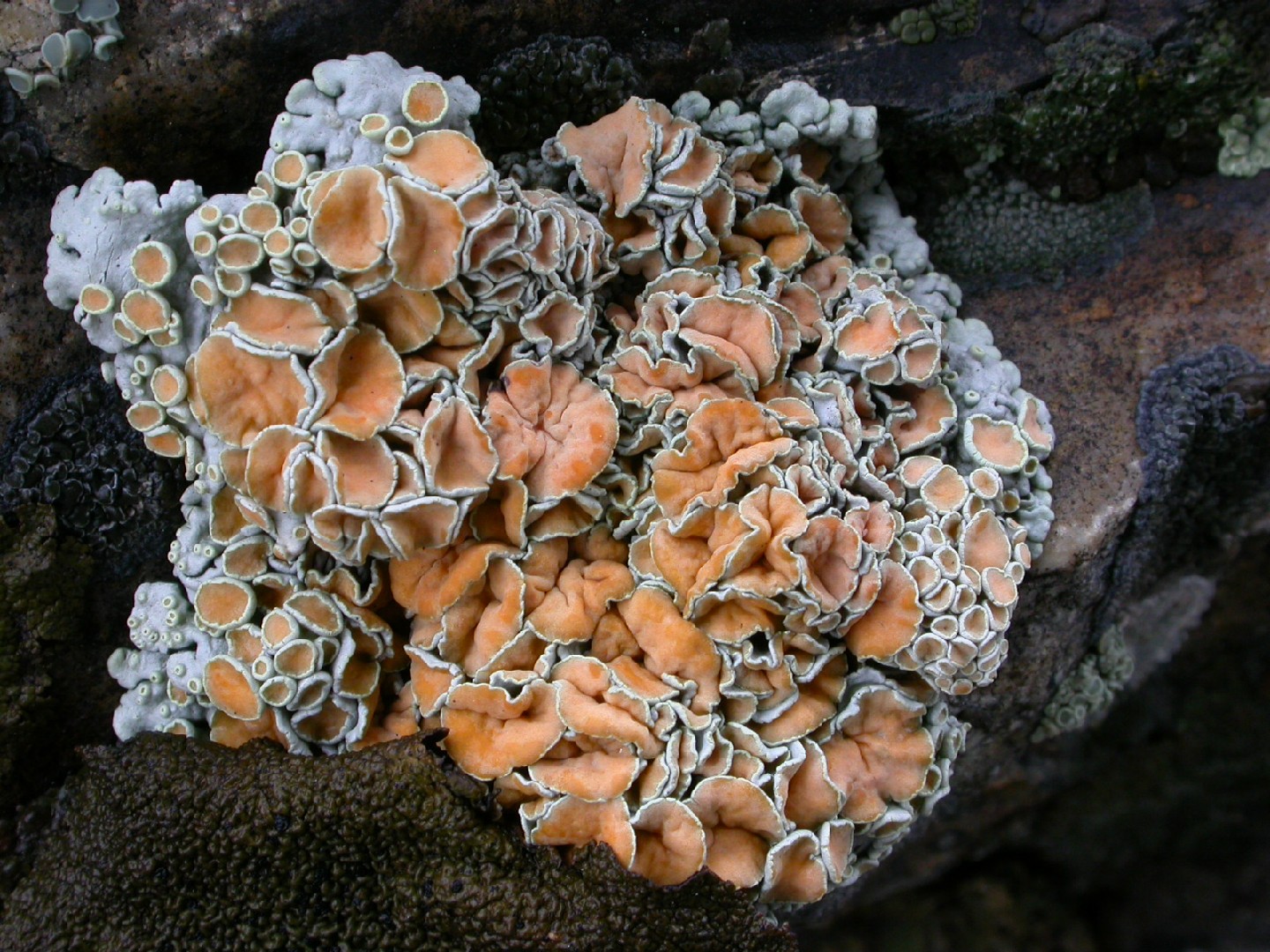
3. Rock-posy lichen
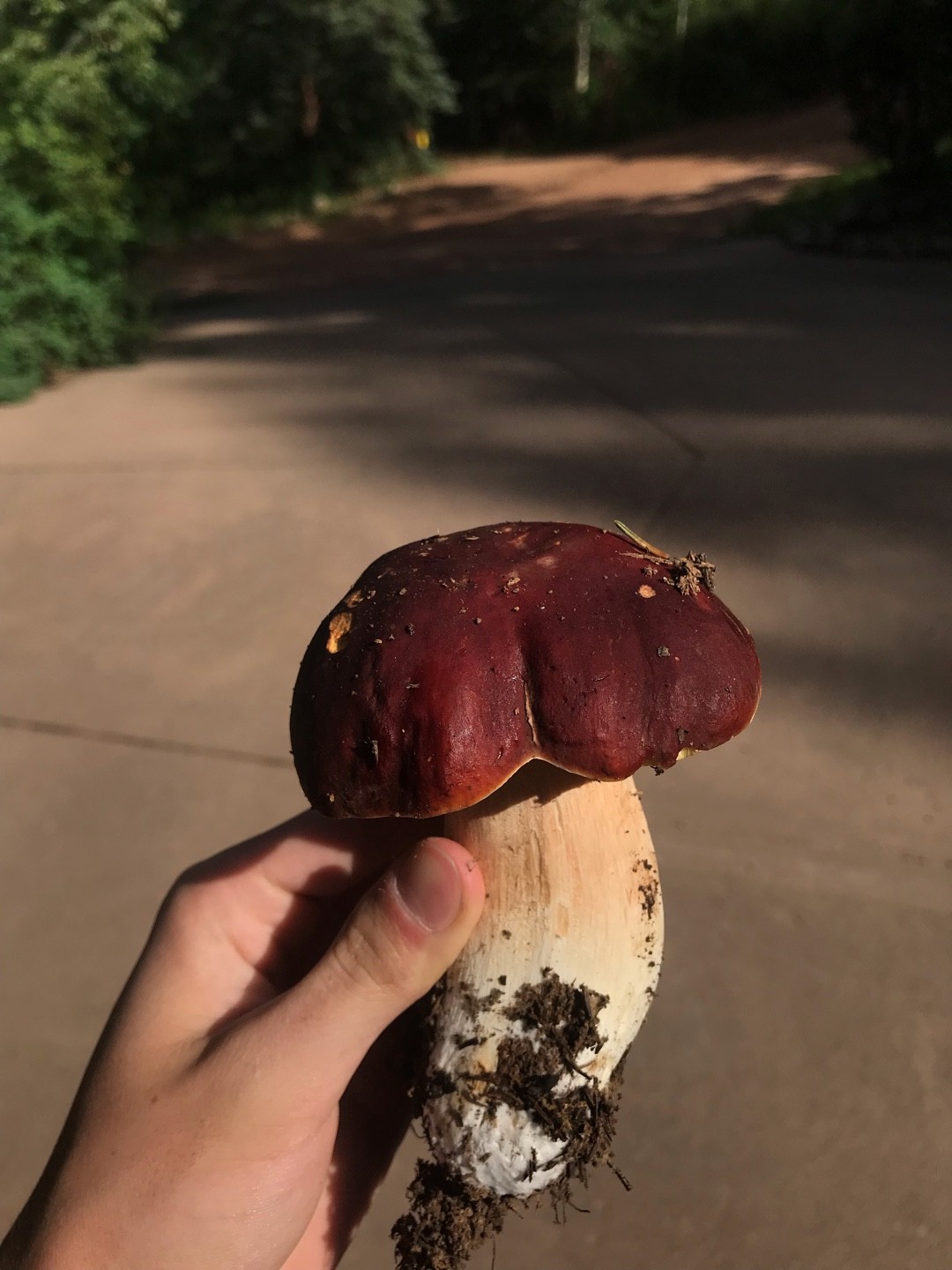
4. Rocky mountain red
Rocky mountain red is a bold mushroom that is easy to identify. Only recently classified in 2014, this reddish-brown capped bolete is found in the Rocky Mountains beneath spruces. It has been observed to have a symbiotic relationship with Engelmann Spruce. Rocky mountain red was previously classed under B. Edulis and mature specimens can host small fly larvae.
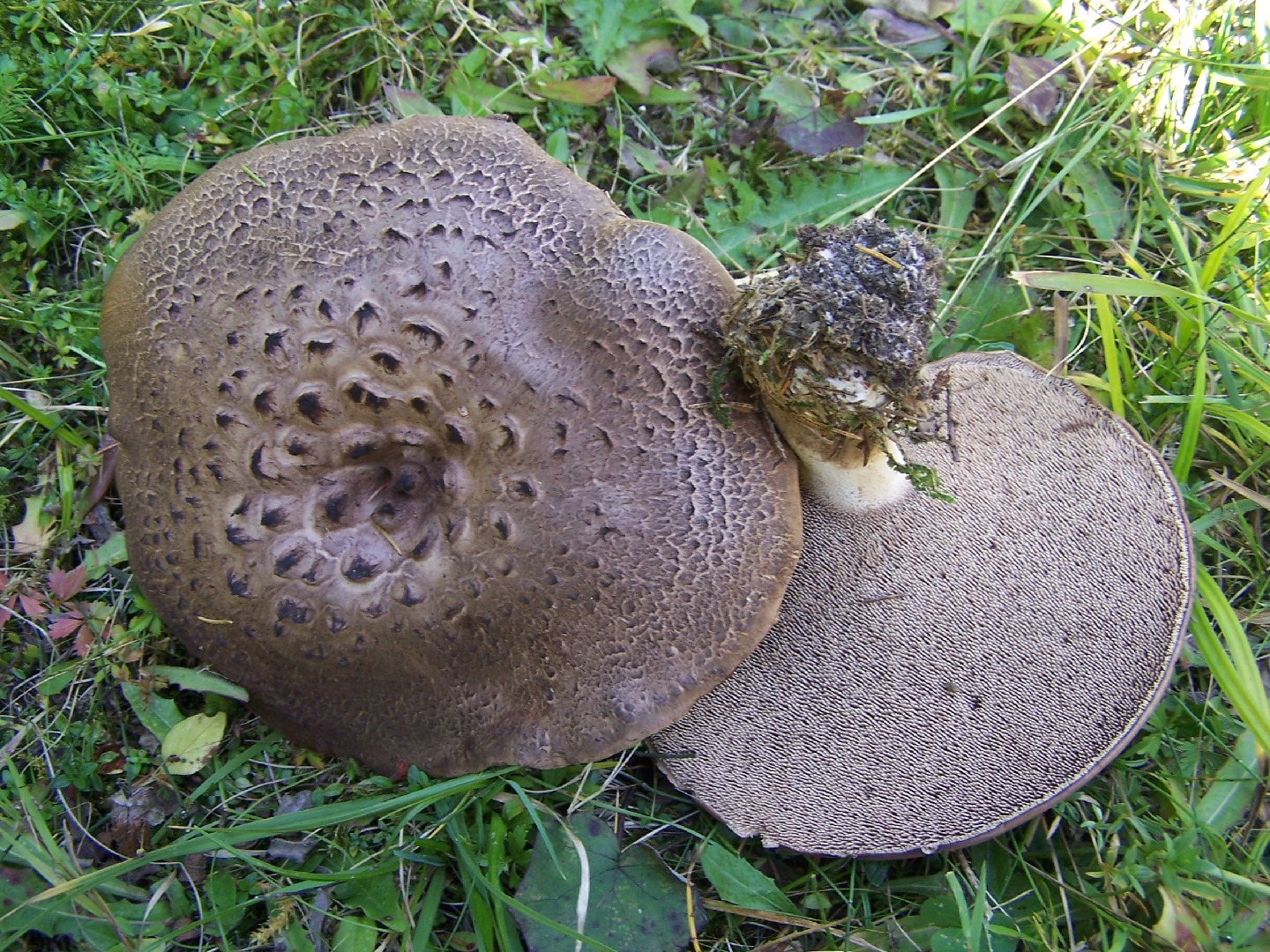
5. Shingled hedgehog
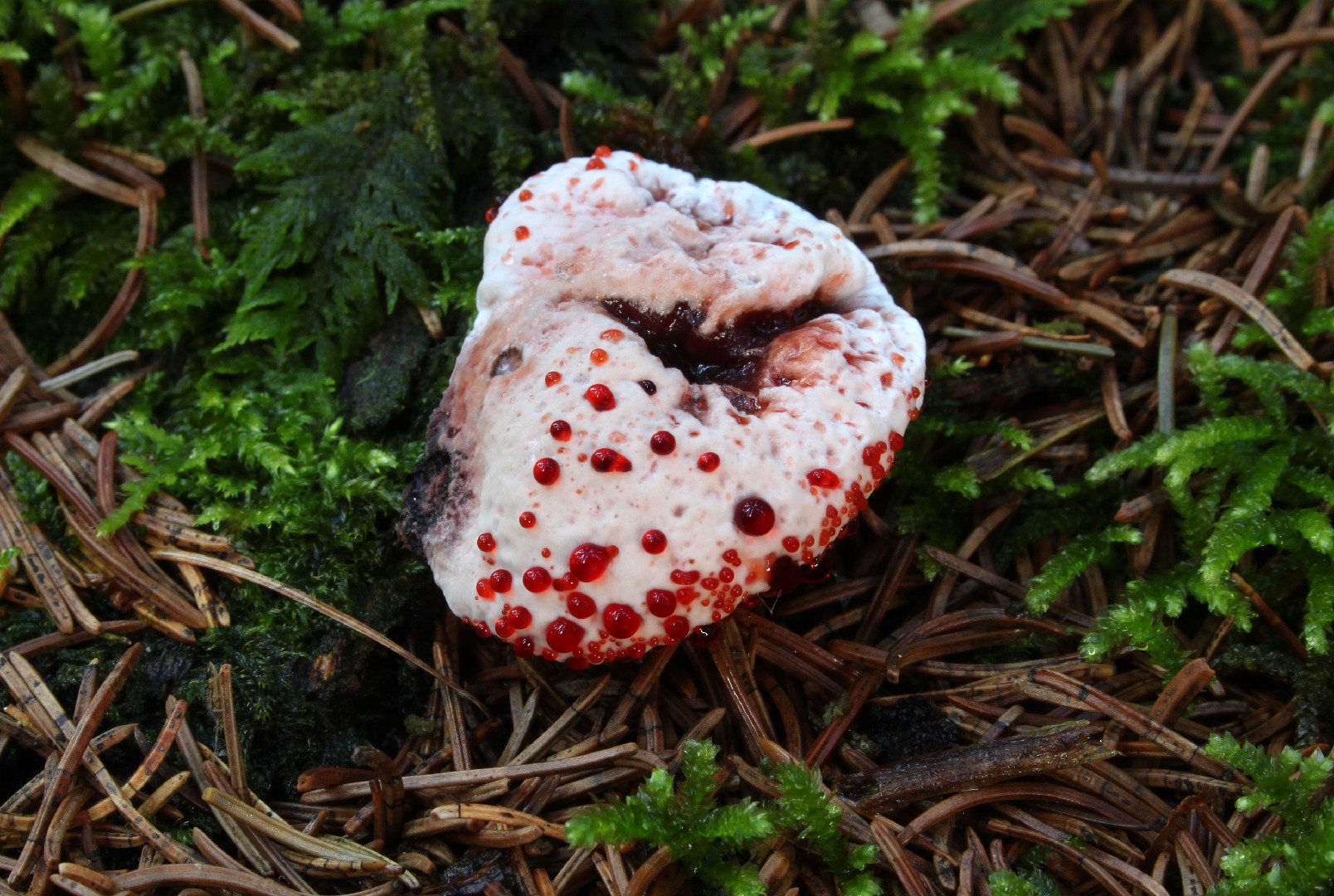
Shingled hedgehog(Sarcodon imbricatus) is often found in the company of fir trees, and it is therefore partial to mountainous or hilly regions. Endemic to Europe and North America, the species is prone to forming fairy rings. It fruits in early autumn.
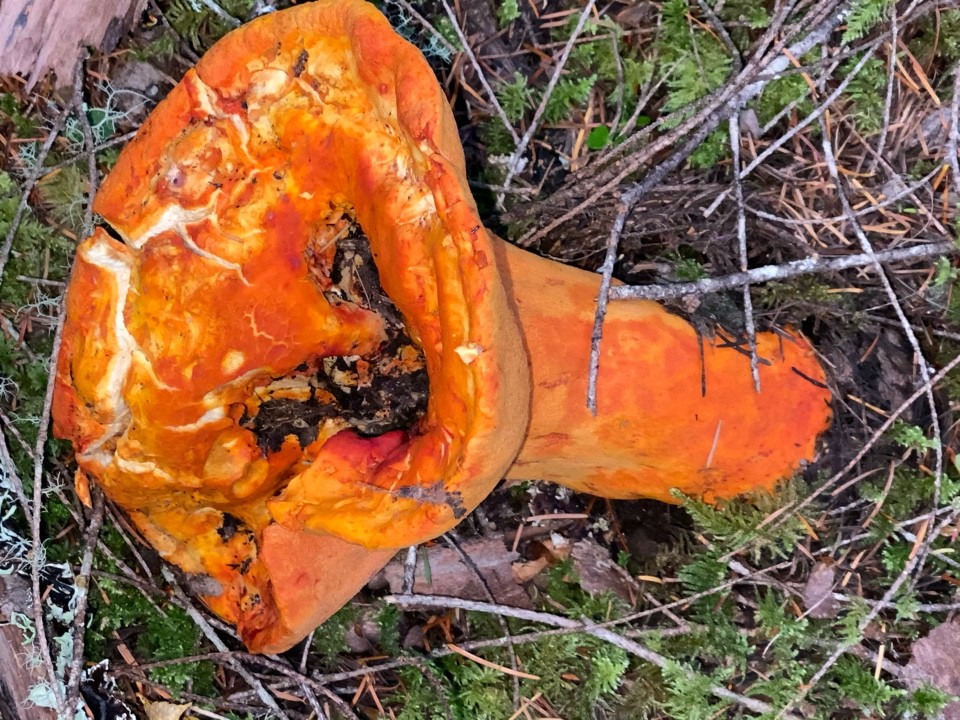
6. Lobster mushroom
The lobster mushroom is actually not a species of mushroom, per-se. When Hypomyces lactifluorum mold attacks one of several common species of Russula mushrooms, it transforms them into lobster mushrooms: they shrivel, harden slightly, and turn bright orange or vermillion. Surprisingly, this only makes them more flavorful. Lobster mushrooms are highly sought after for their distinctive, seafood-like flavor when cooked. Upset stomachs have been reported when eaten raw.
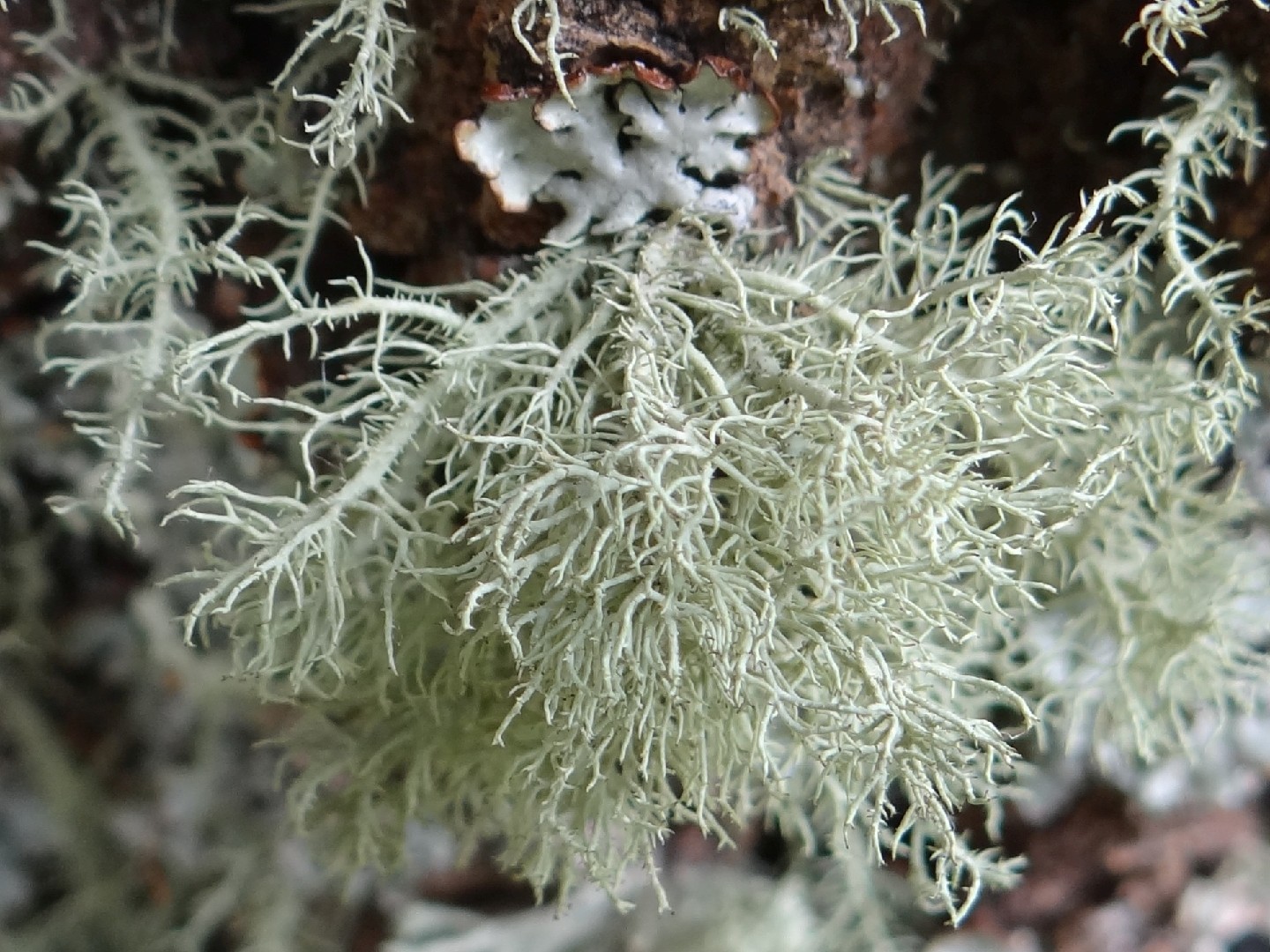
7. Beard lichen
The shrubby-bushy thallus of Grubigen bearded lichen is fused only in one place with the substrate, gray to yellowish greenish and reaches to about 5 cm in length and width. The branches are up to about 0.6 mm thick (rarely more), partially edged or slightly grubig and have inside a tough, white central strand. Characteristic are a bright base and numerous thorn-like protruding, long and thin isidia. Fruit bodies (Apothecia) are very rare.
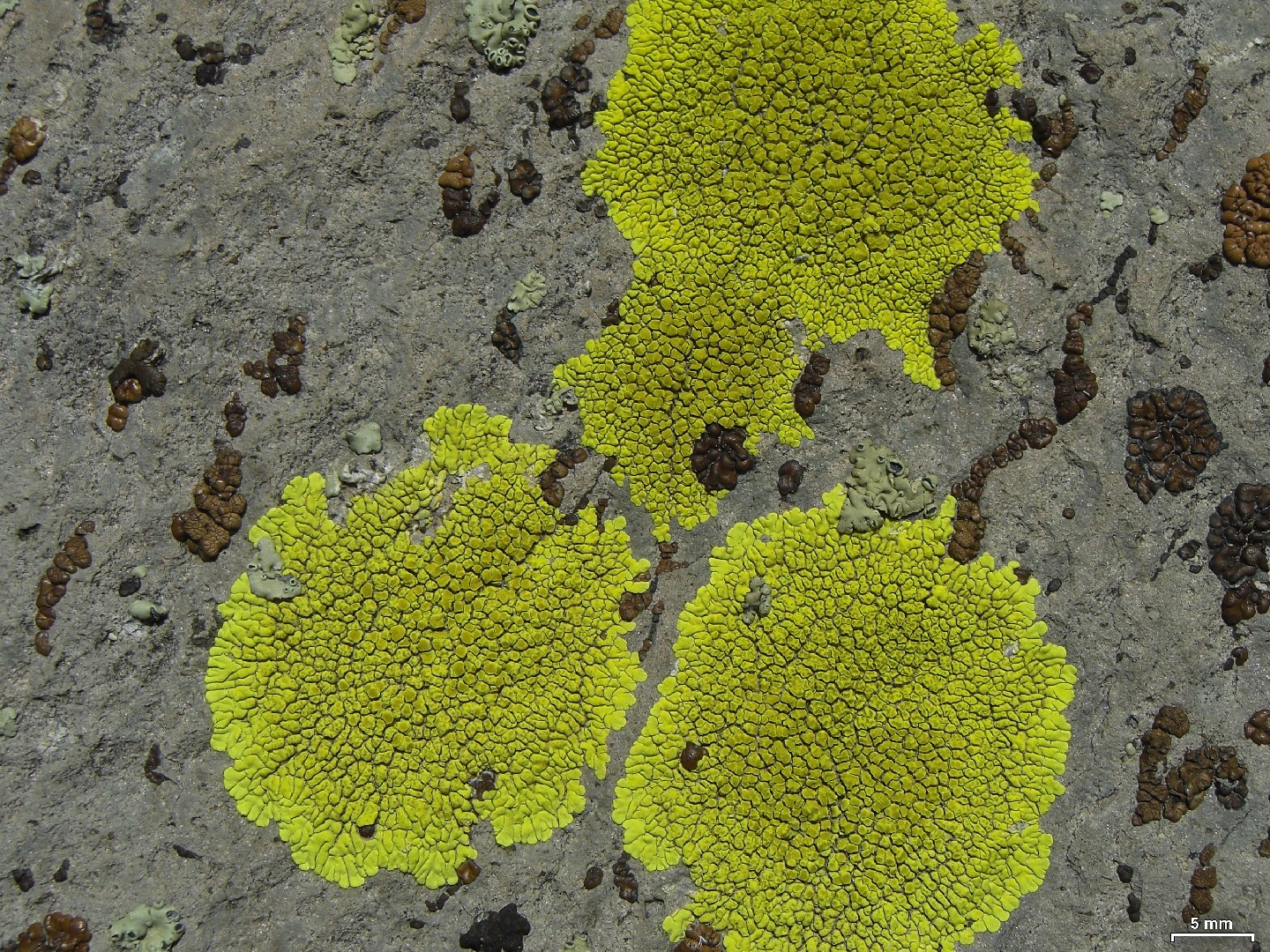
8. Gold cobblestone lichen
9. Frosted rock tripe
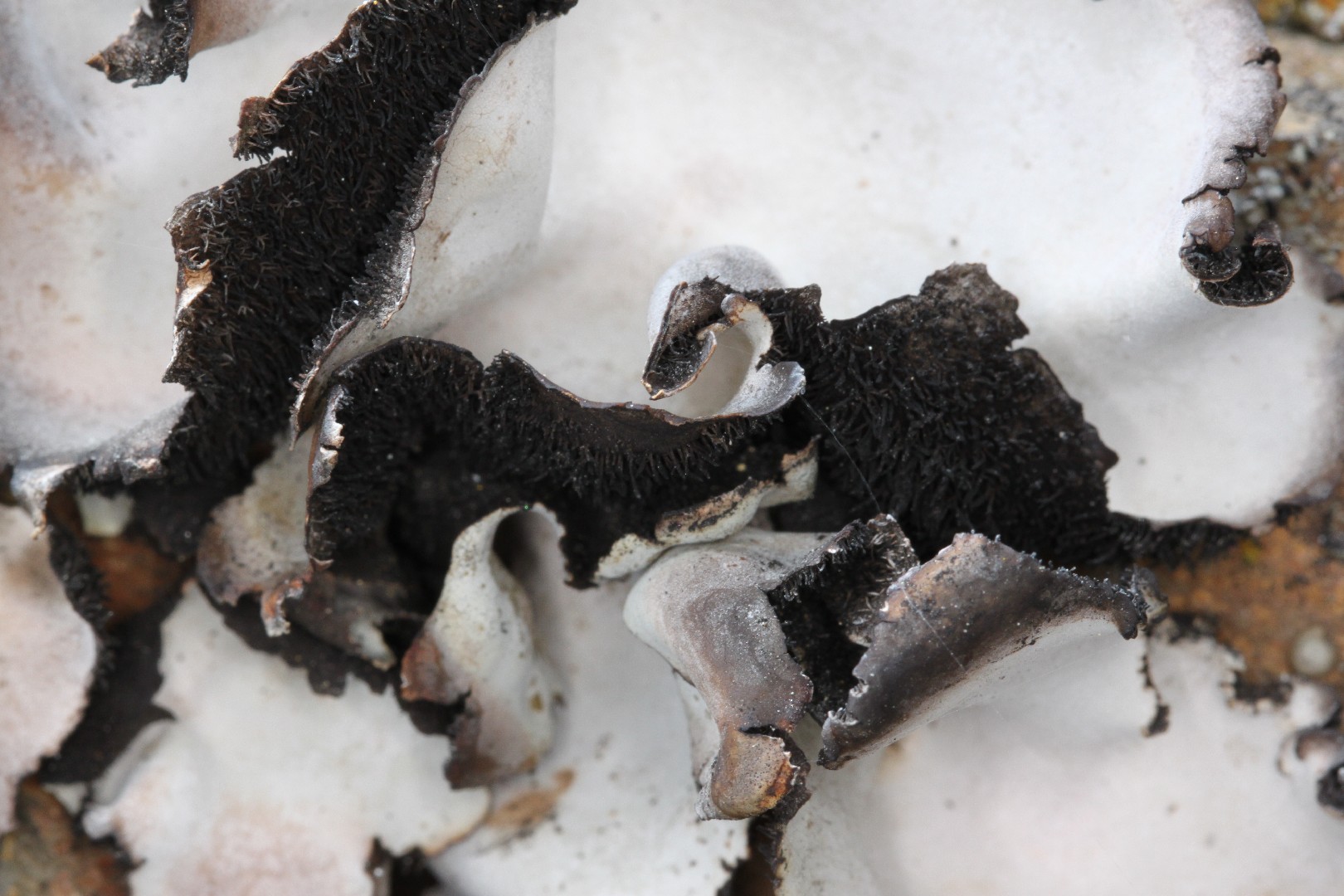
Umbilicaria americana has been described as looking like "grayish-white potato chips." The upper surface is gray with the appearance of white dusting. The lower surface is black. The lobes are 2 to 7 cm in diameter.
10. Aspen bracket
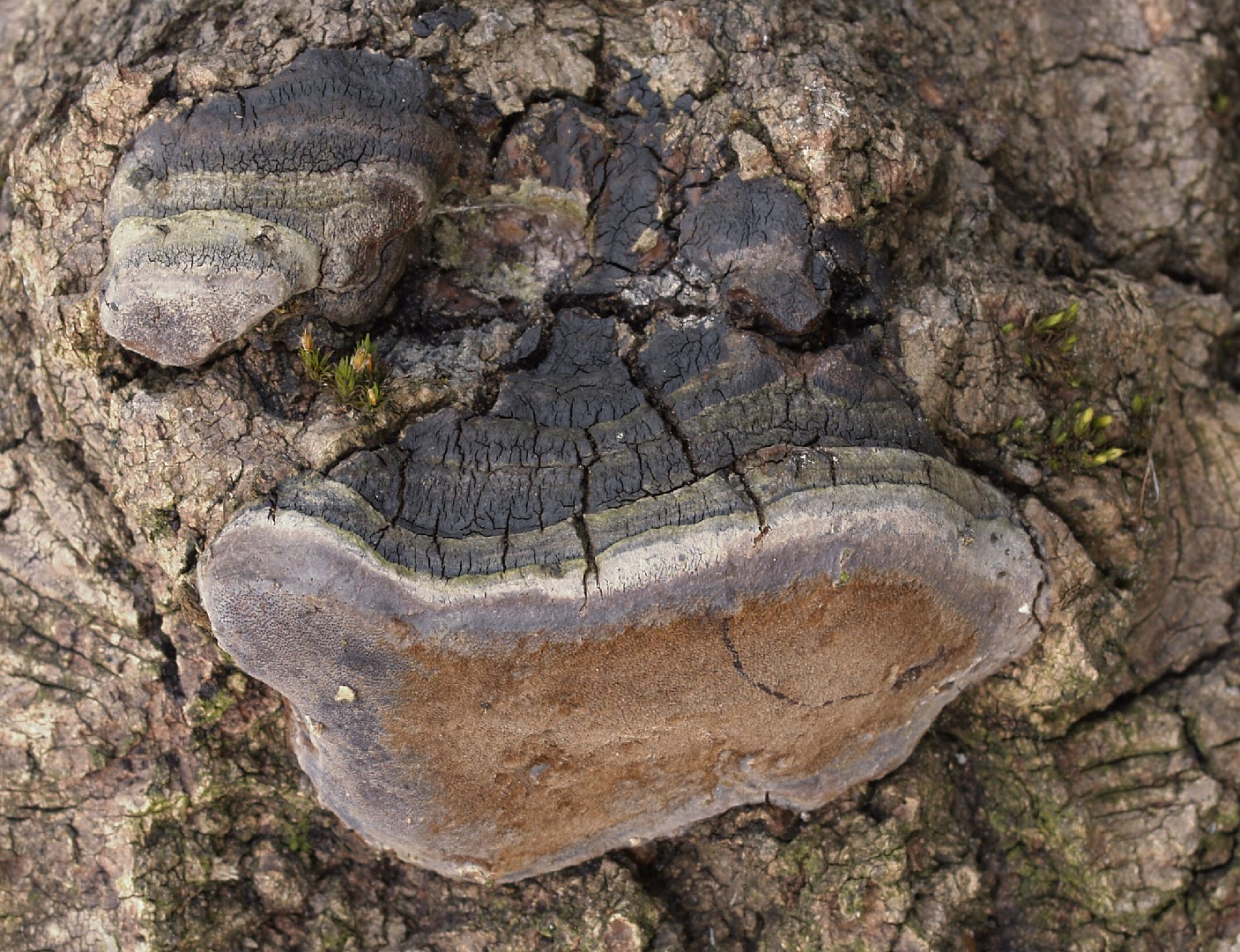
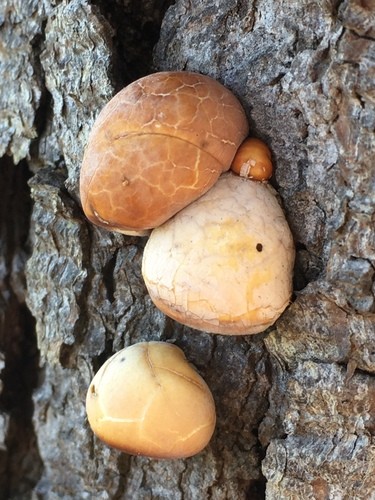
As hinted by its name, aspen bracket only grows on live aspen trees, causing trunk rot. Despite its negative reputation with aspen trees, this mushroom serves as nesting sites for some birds. The fruiting bodies of aspen bracket add on a new layer each growing season and can persist for several years.
More







