




Top 20 Most Common Mushrooms in Santa Cruz
Nestled along California's scenic coastline, Santa Cruz is blessed with a favorable climate and diverse ecosystems, the Eden for mushroom enthusiasts. Ranked as the 20 most common mushroom hub in the U.S., this verdant city boasts a rich variety of these fascinating fungi, making Santa Cruz a must-visit for every mycologist.

Most Common Mushrooms
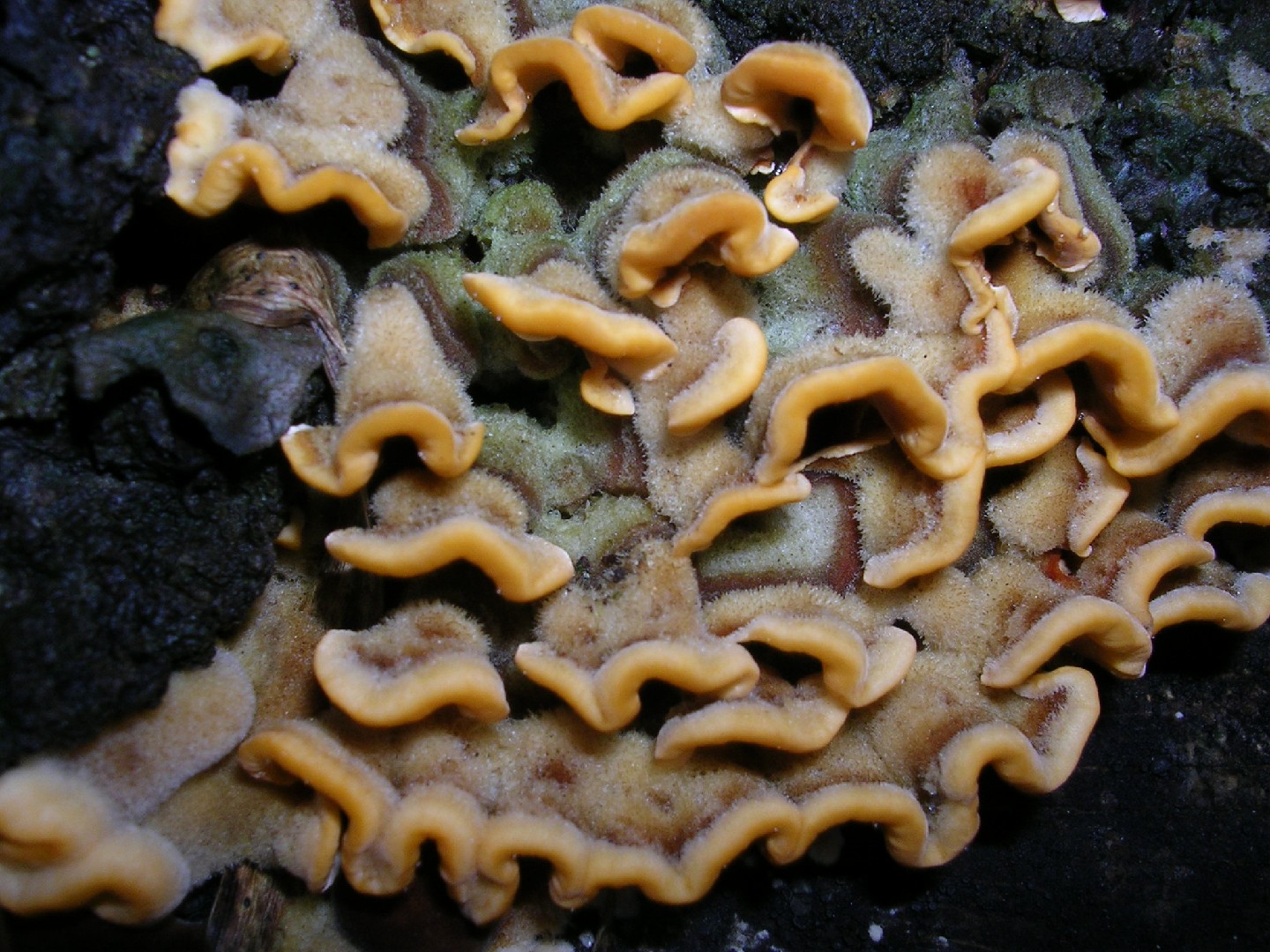
1. Hairy curtain crust
This clustered, overlapping fungus is found all over the world, and is considered native across both the northern and southern hemispheres. Both its common name, hairy curtain crust, and its scientific name, Stereum hirsutum, aptly describe its most obvious features: it is quite tough (stereum) and the younger fruitbodies are notably hairy (hirsutum).
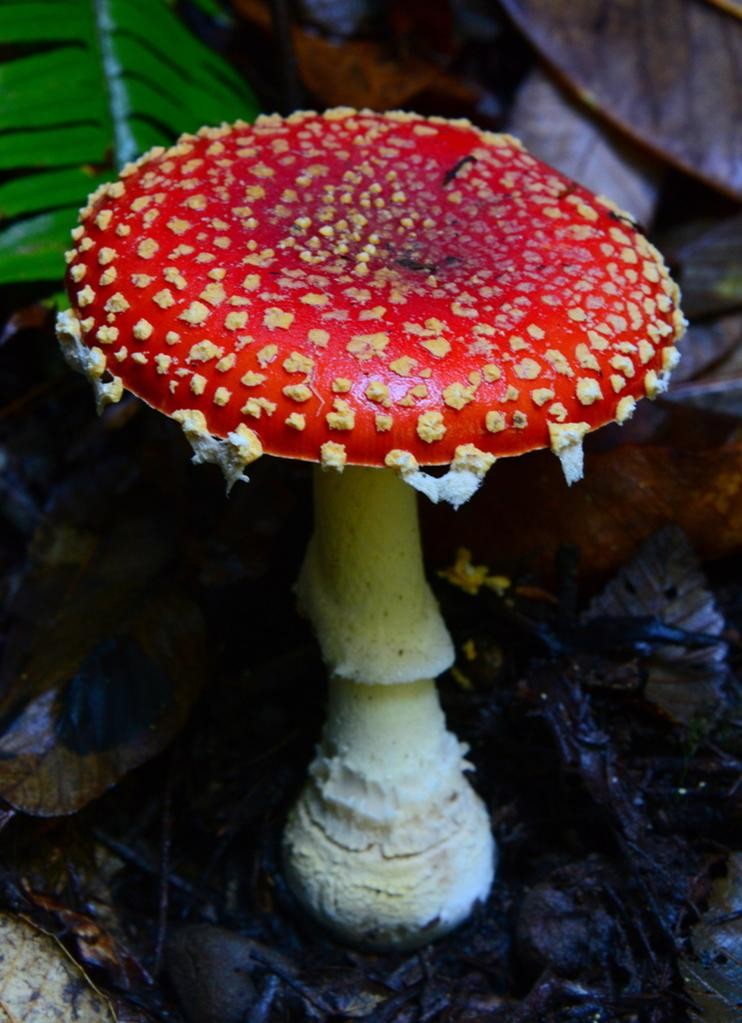
2. Fly agaric
In Northern Asia and Europe, fly agaric grows under trees near the winter solstice and is collected for ritual use tied to the season. Its characteristic shape and coloring are still ubiquitous in many European fairy tale illustrations and Christmas traditions. It is highly toxic.
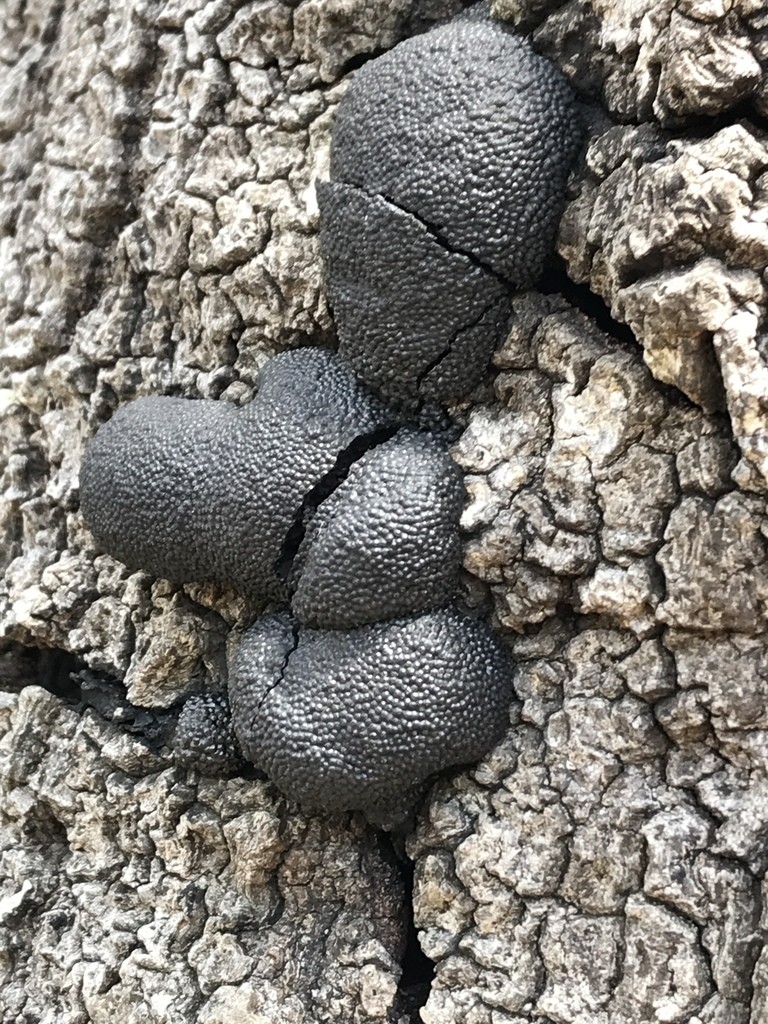
3. Cramp balls
Most commonly found on the surface of dead or dying oak trees, the pathogenic fungus cramp balls(Annulohypoxylon thouarsianum) is seen as an indicator of the health of any individual oak. The rapid proliferation of Sudden Oak Death, a blight increasingly common in the northwestern United States, has led to an increase in appearance of this fungus there.
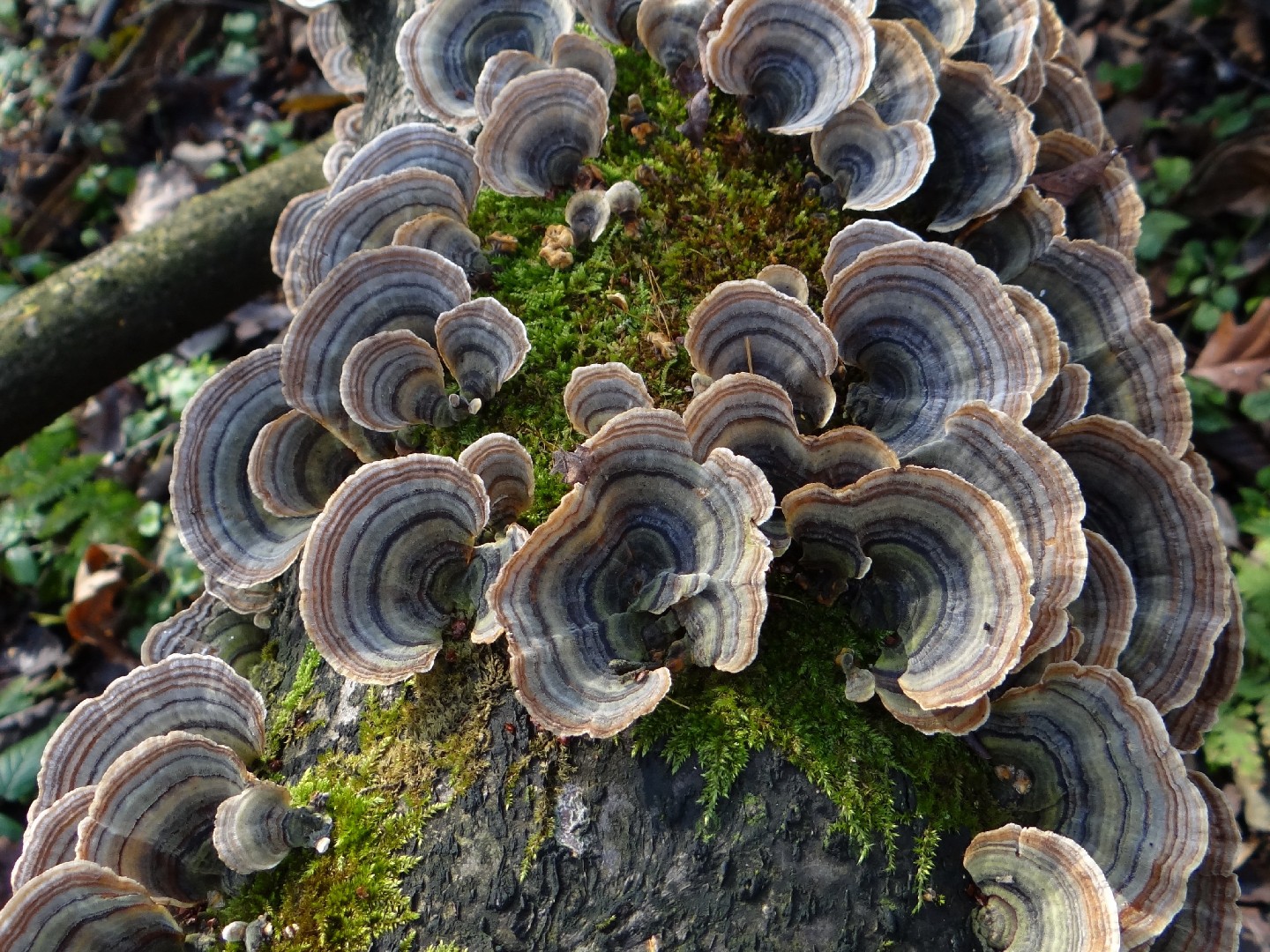
4. Turkey tail
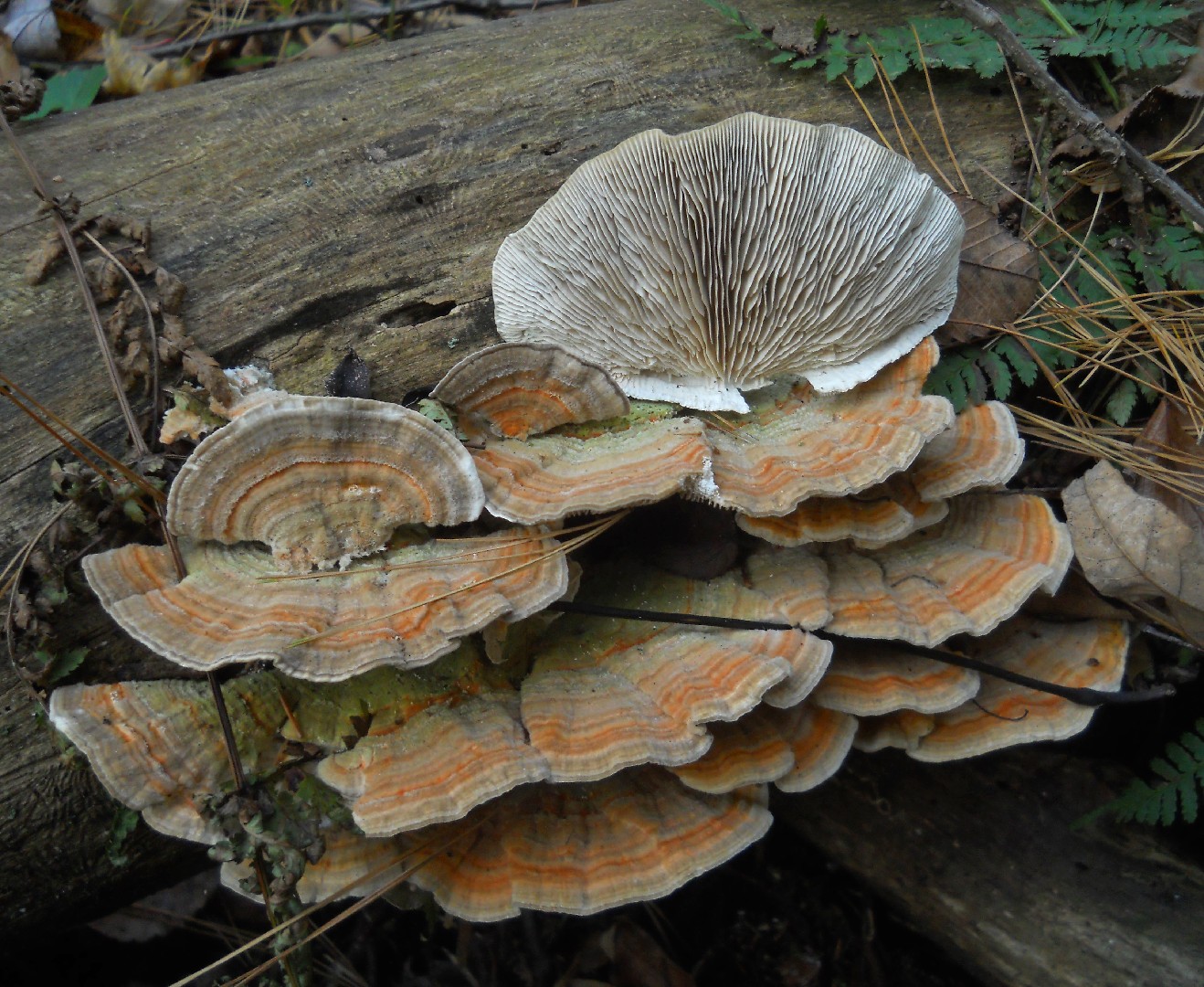
The distinctively-striped turkey tail fungus grows on stumps and logs all over the forests of the northern hemisphere. It is, in fact, probably the most common species you will find. That doesn't mean this mushroom is plain, however; each cap is uniquely patterned. Look for bands of alternating textures as well as color.
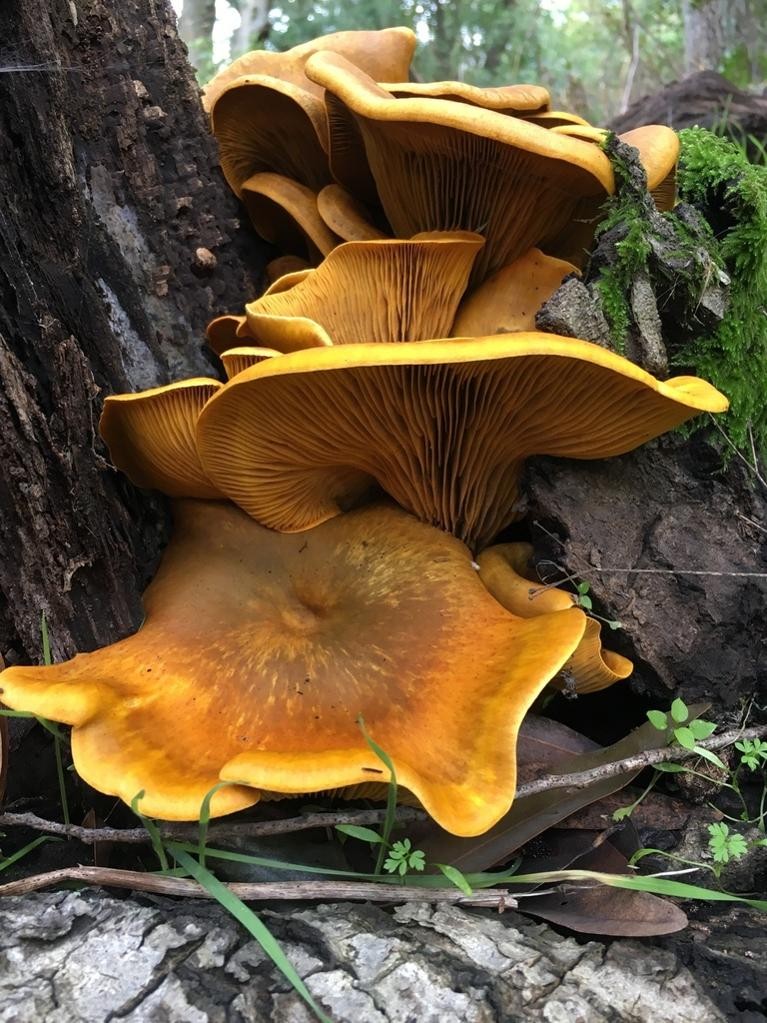
5. Western jack-o'-lantern mushroom
The western jack-o'-lantern mushroom (Omphalotus olivascens) may be the most visually striking mushroom of the forest during day and night. During the day, brilliant large orange flat caps grow from both the ground and decaying stumps. At night, these mushrooms may glow in the dark, depending on location and maturity.
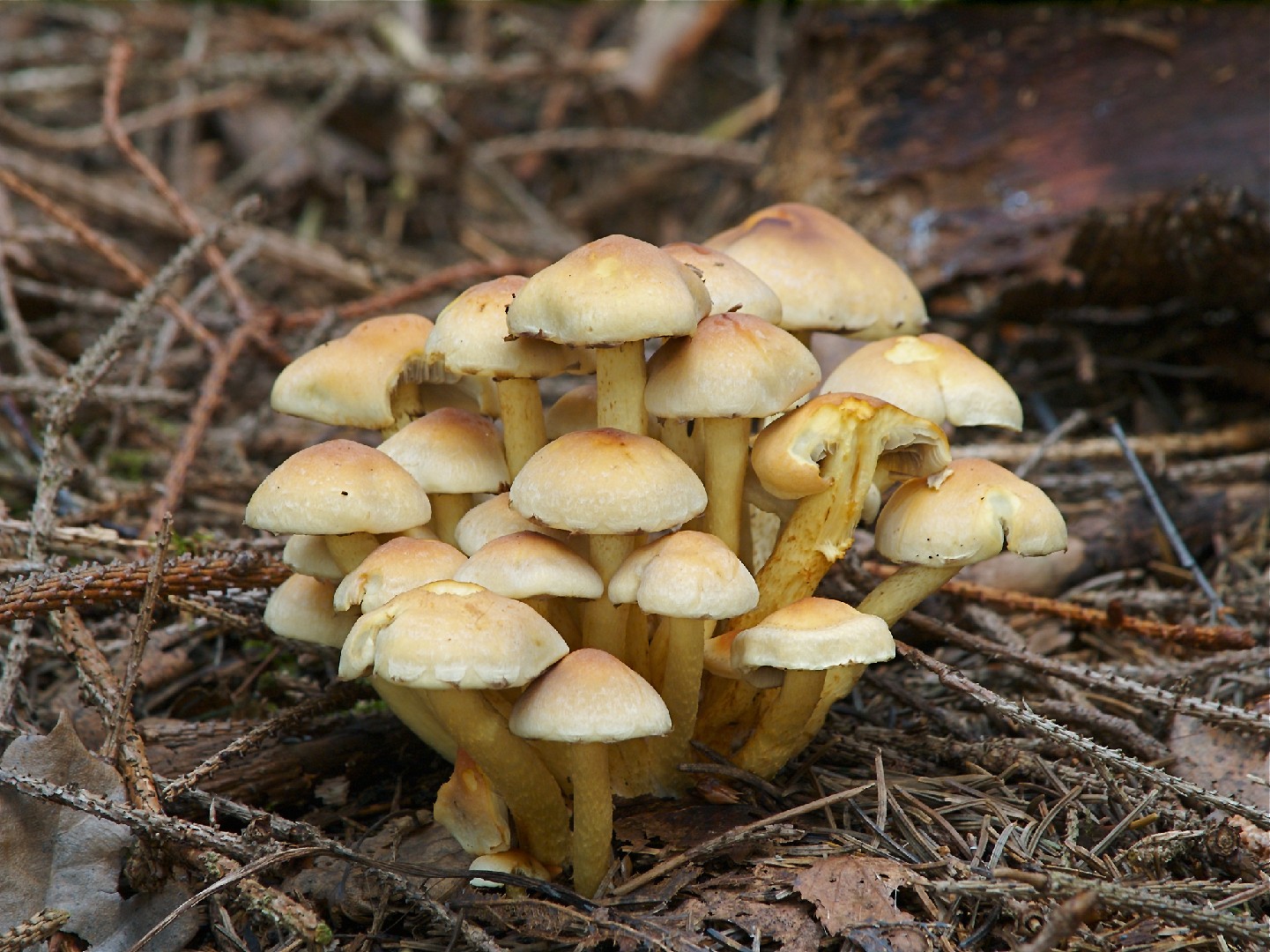
6. Sulphur tuft
The sulphur tuft grows on rotting wood of all types of trees; it is a particularly efficient decomposer of hardwoods. The mushrooms appear from spring to autumn and are often so tightly packed that they interfere with each other’s shape. This poisonous mushroom can cause temporary paralysis, distorted vision, and stomach pain if consumed.
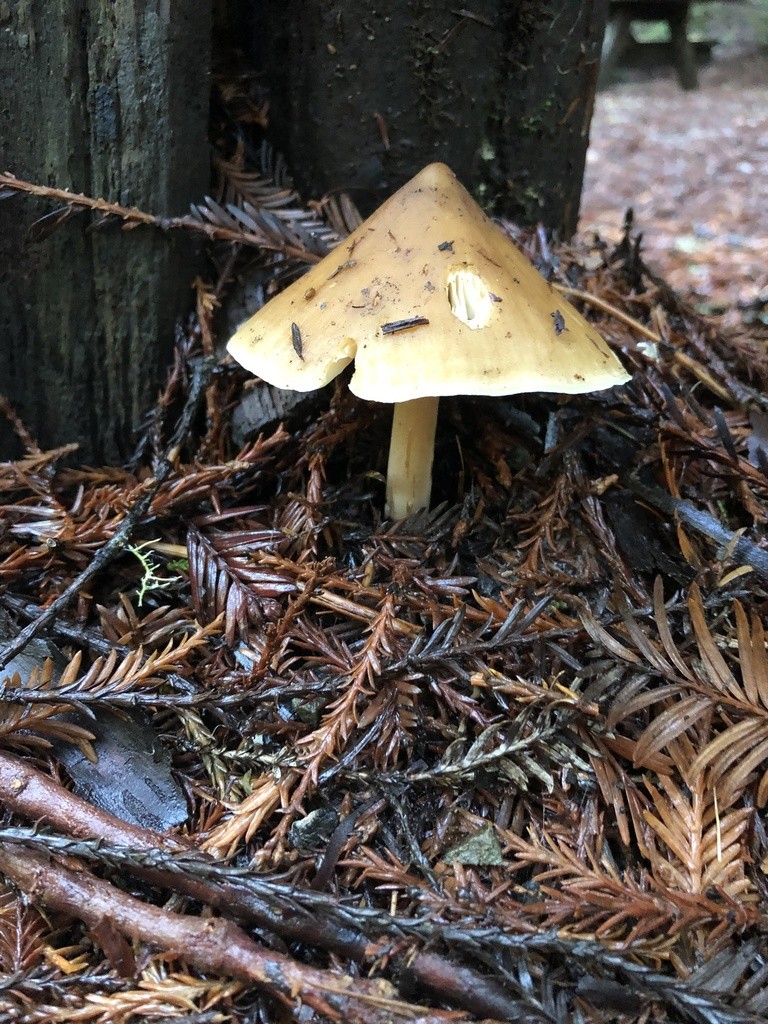
7. Redwood rooter
The redwood rooter's unusual name actually says a lot about the species' natural history. "Rooter" refers to one of this mushroom's fascinating traits - a long, taproot-like structure that extends downward from the stalk into the soil it grows out of. "Redwood" refers to the fact that this mushroom usually associates with Redwood trees. As such, the species' range does not extend past redwood country (i.e. Northern California). The species is not known to be edible.
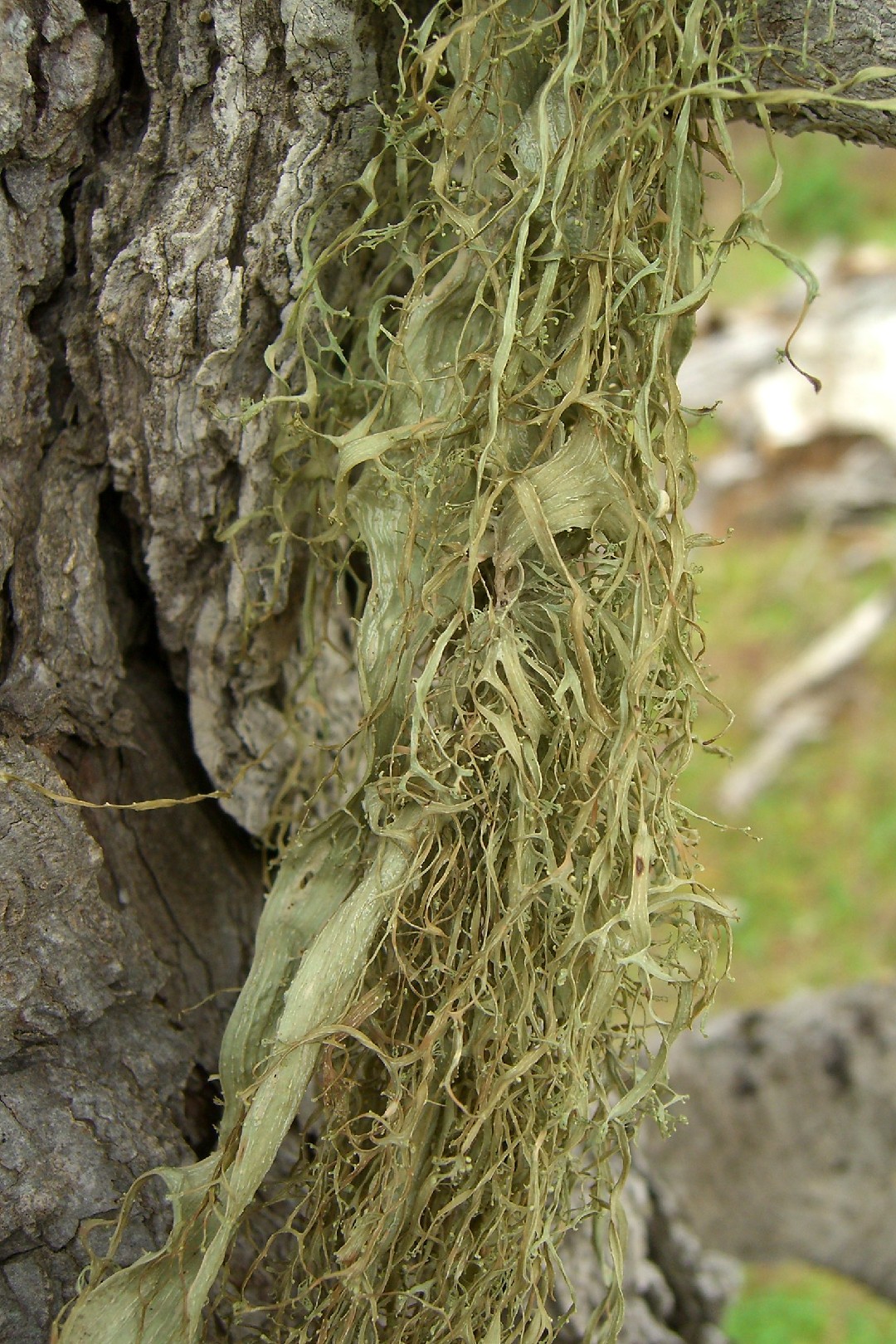
8. Lace lichen
Lace lichen stands out for its net-like, pendulous structure, making it easily distinguishable from others. It's not a mushroom but a lichen, a unique partnership between fungi and algae. Living mainly on oak trees, it's considered a sensitive air quality indicator. Its presence often indicates good air quality, since it's sensitive to pollutants. This lace lichen plays a vital role in its ecosystem, providing shelter and food for numerous species.
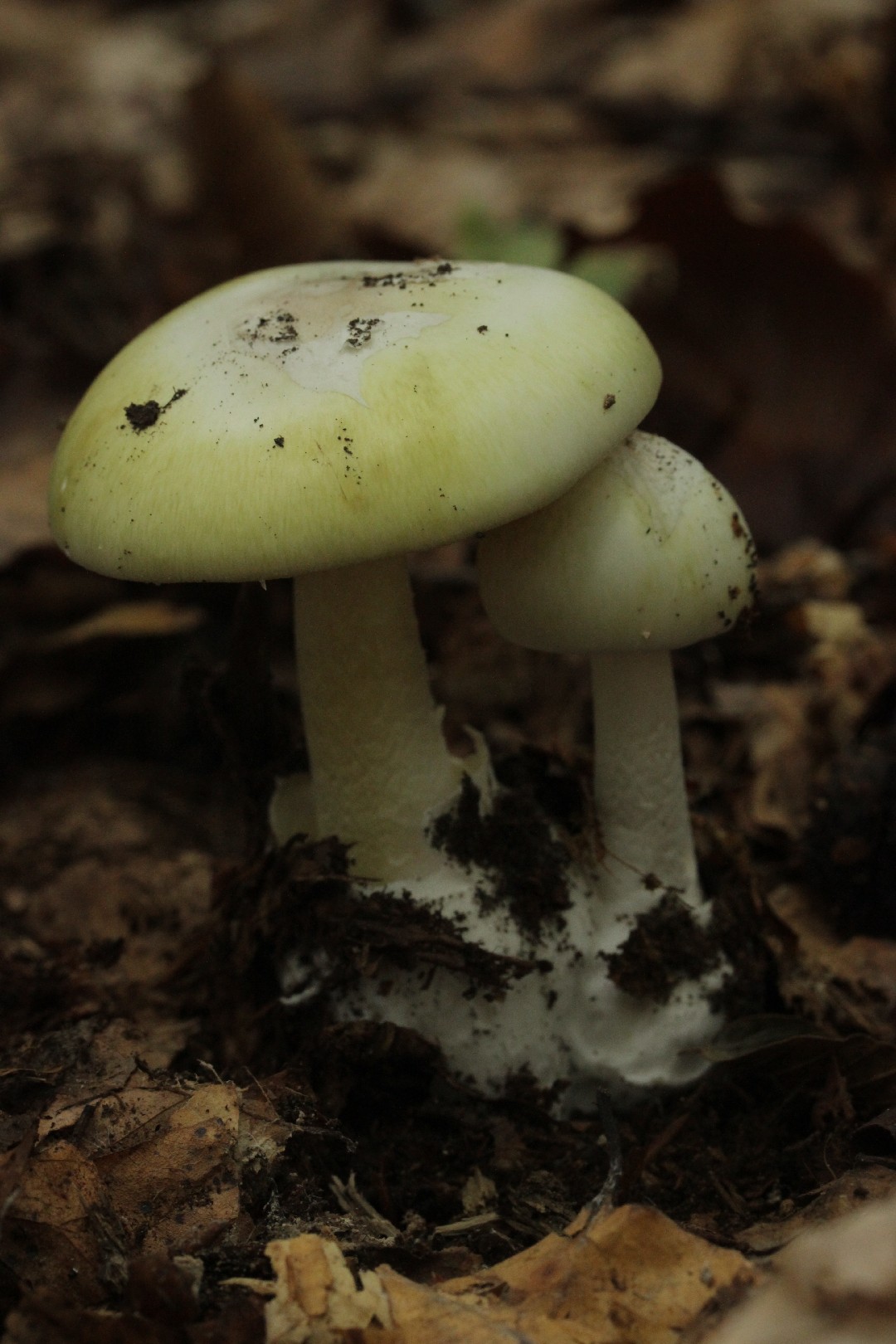
9. Death cap
The death cap is responsible for most of the mushroom-related fatalities around the world. Its toxin damages the liver and kidneys, creating symptoms that require hospitalization within hours of ingestion. It looks similar to many other mushrooms at varying stages of its development and has been used in assassinations since the days of the ancient Greeks.
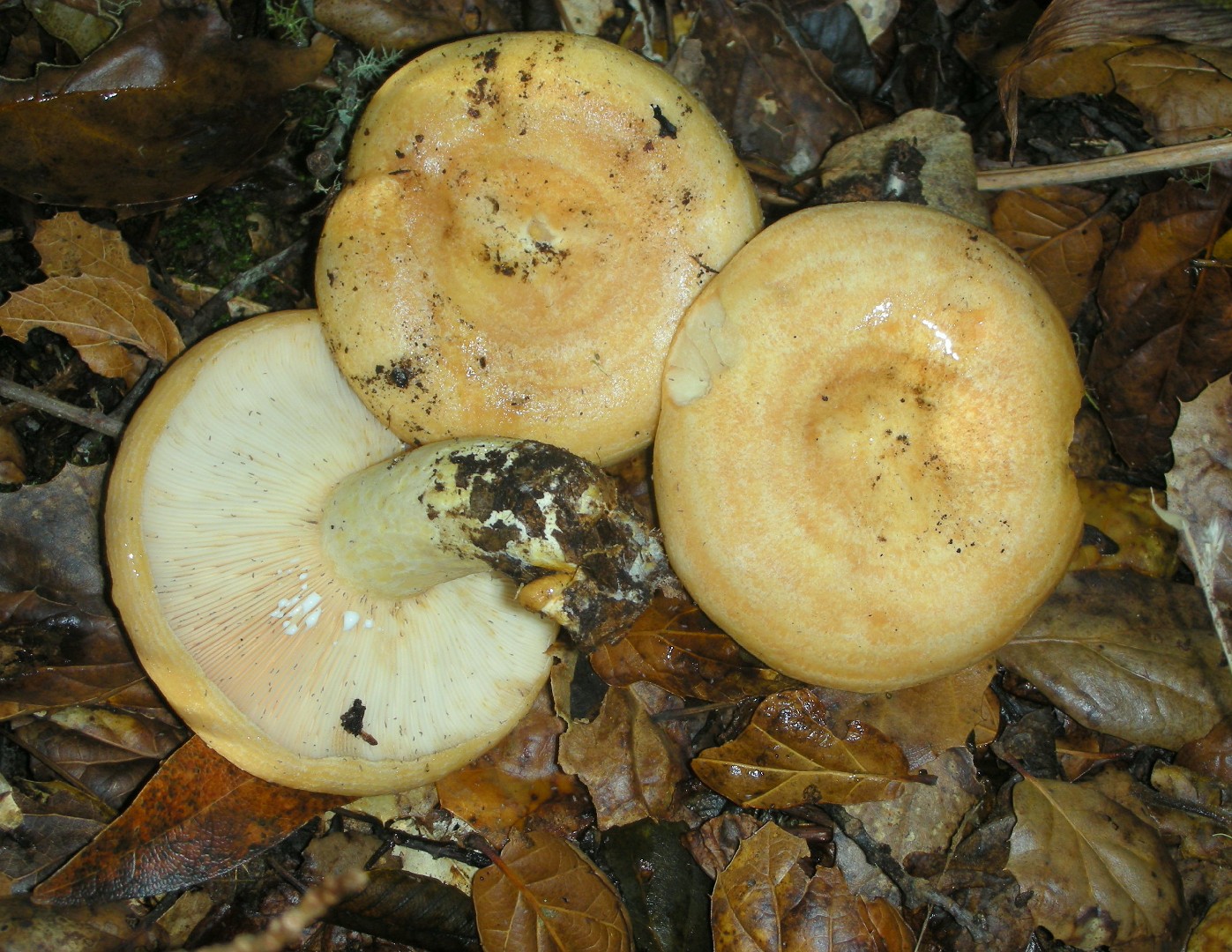
10. Golden milk-cap
Sporting a subdued yellow cap with an indentation in the center, the golden milk-cap is often found growing near oaks. They look similar to other milkcaps and russalas, but can be distinguished by a quirky characteristic: when cut, the species bleeds a thick, milky-white, latex-like substance. Golden milk-caps are not toxic but they are incredibly bitter and so are considered inedible.

More







