




Top 20 Most Common Mushrooms in San Jose
Welcome to our guide showcasing the top 20 most common mushrooms found in the heart of Silicon Valley, famed San Jose. Known for its Mediterranean climate and rich soil, an abundance of fungi thrive in San Jose's microclimates. Here is your chance to discover 20 of the most frequently encountered mushrooms species native to this biodiversity hotspot. Stay tuned as we delve into the fascinating world of San Jose's mushrooms.

Most Common Mushrooms
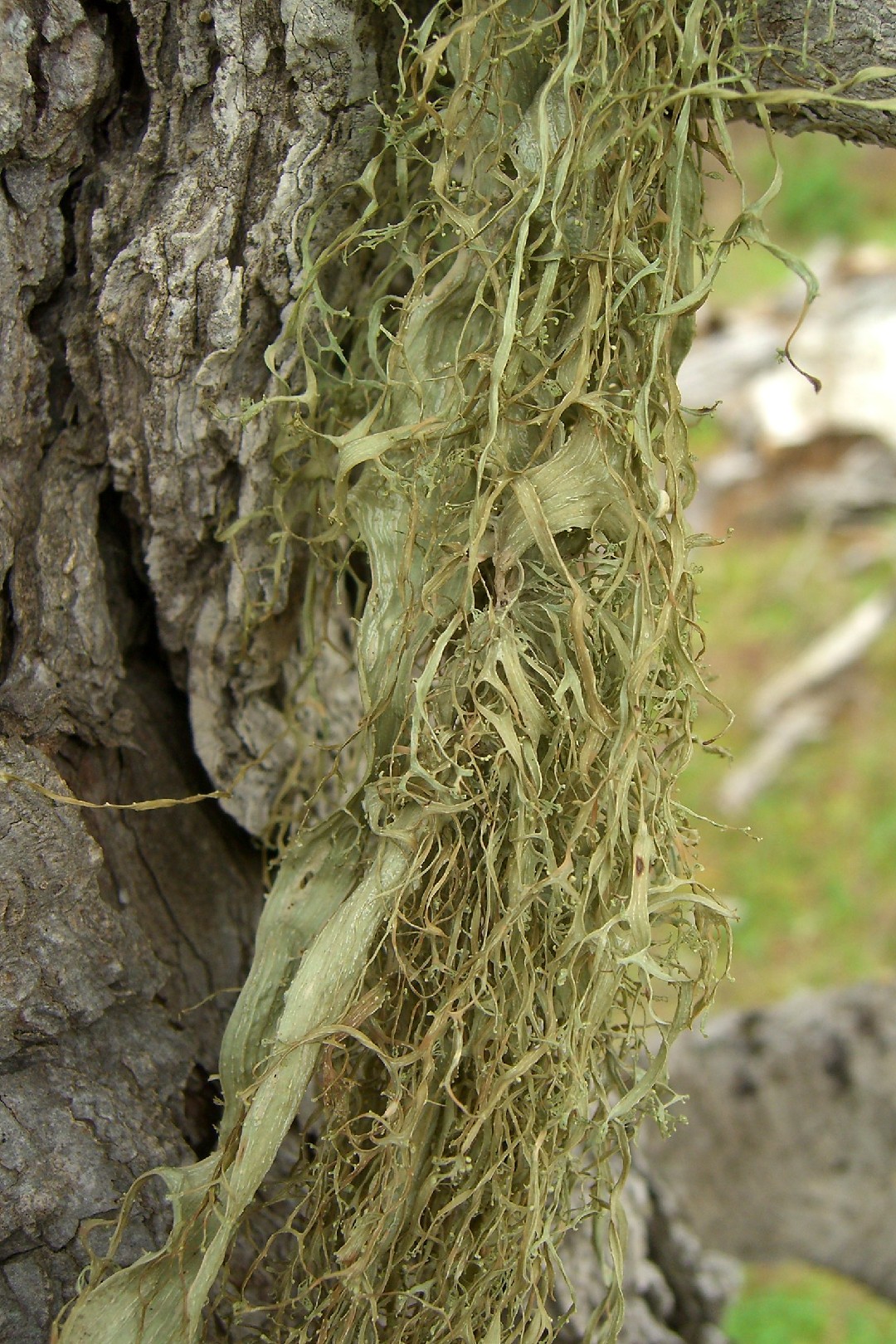
1. Lace lichen
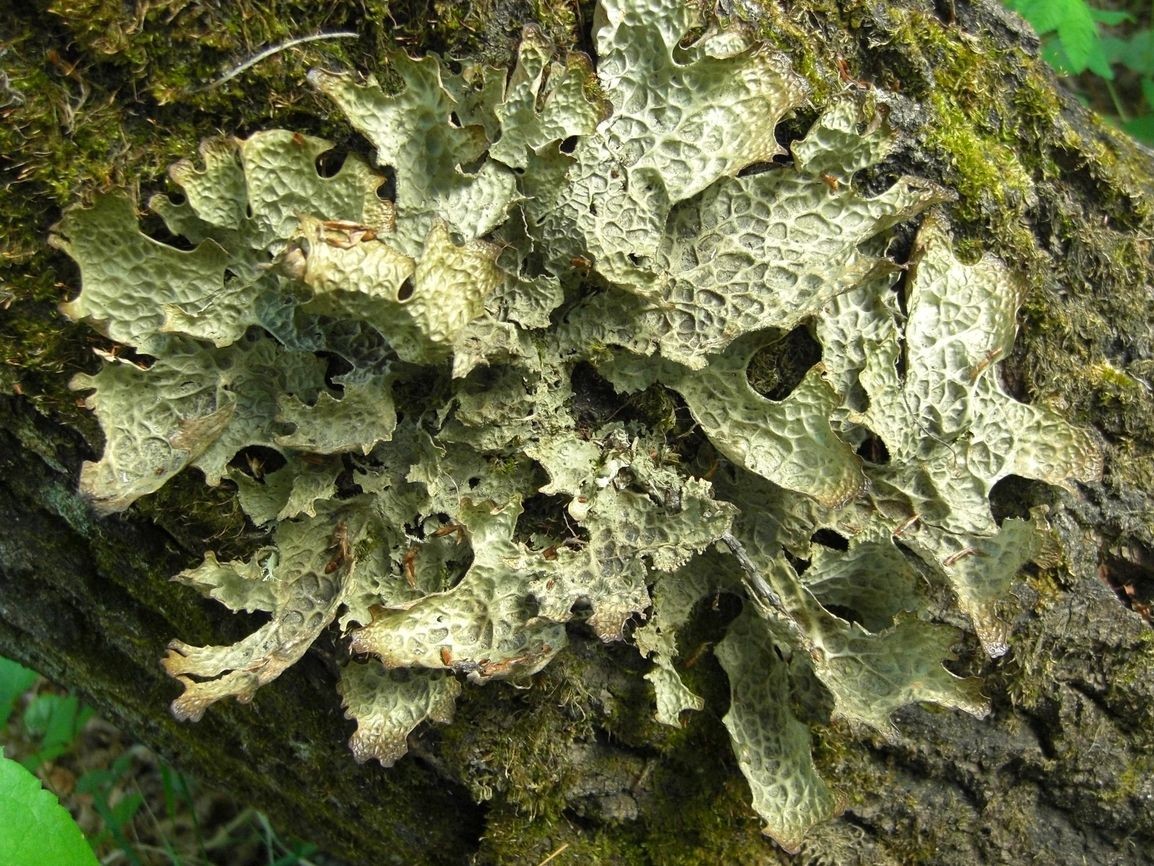
Lace lichen stands out for its net-like, pendulous structure, making it easily distinguishable from others. It's not a mushroom but a lichen, a unique partnership between fungi and algae. Living mainly on oak trees, it's considered a sensitive air quality indicator. Its presence often indicates good air quality, since it's sensitive to pollutants. This lace lichen plays a vital role in its ecosystem, providing shelter and food for numerous species.
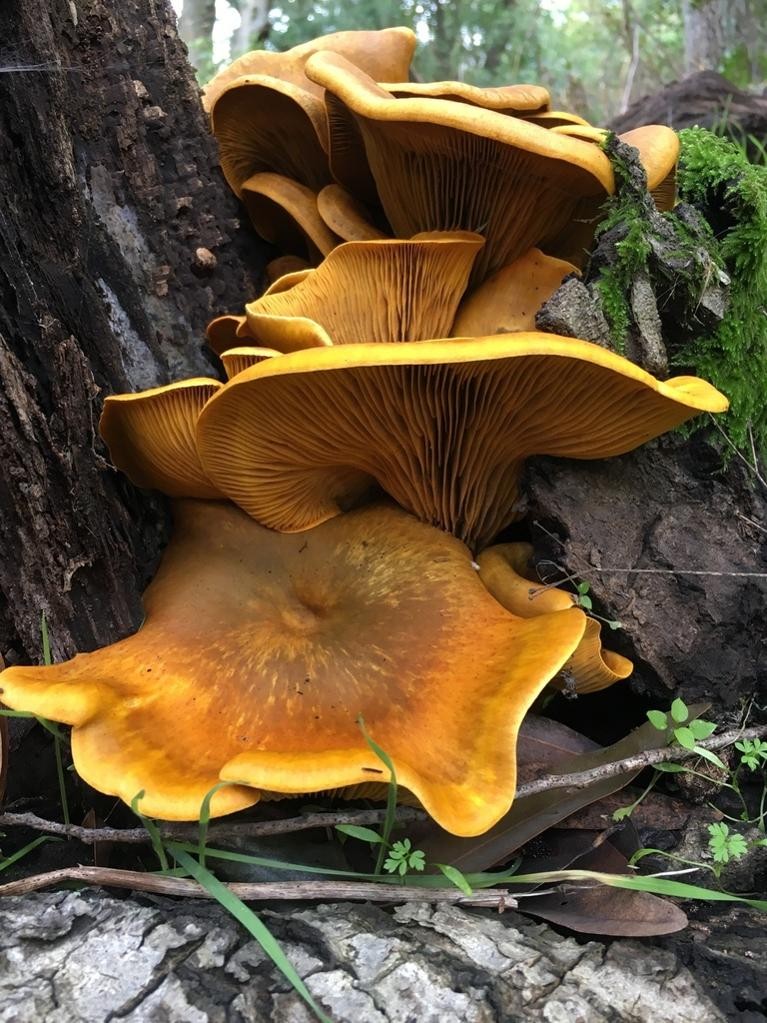
2. Western jack-o'-lantern mushroom
The western jack-o'-lantern mushroom (Omphalotus olivascens) may be the most visually striking mushroom of the forest during day and night. During the day, brilliant large orange flat caps grow from both the ground and decaying stumps. At night, these mushrooms may glow in the dark, depending on location and maturity.
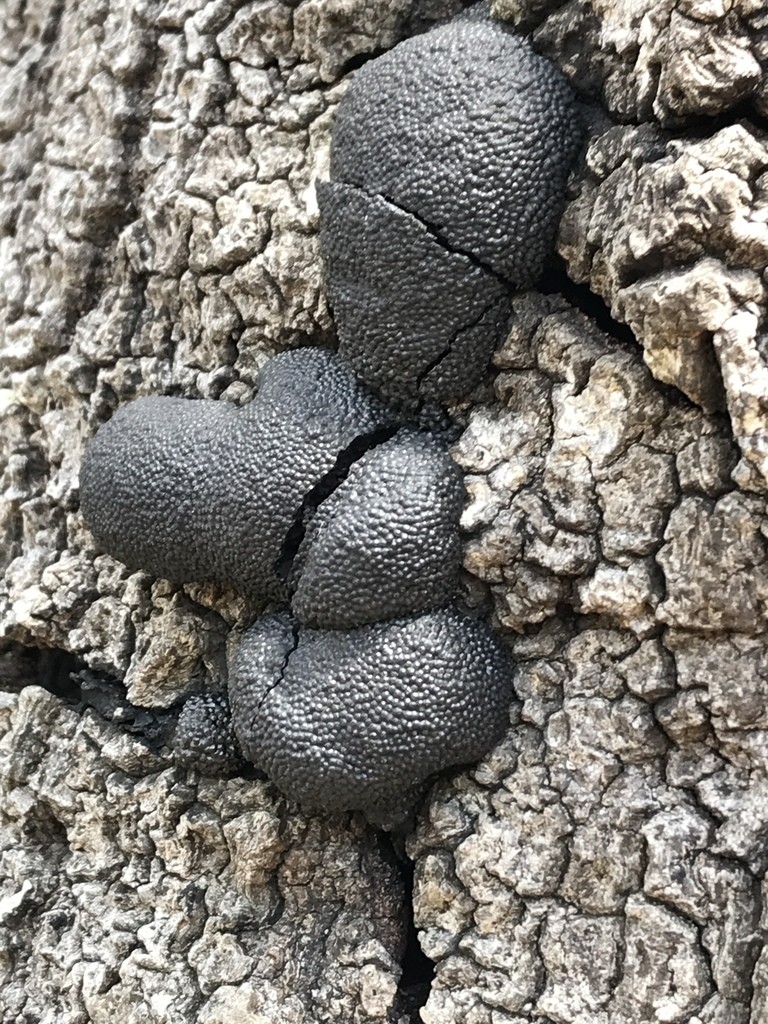
3. Cramp balls
Most commonly found on the surface of dead or dying oak trees, the pathogenic fungus cramp balls(Annulohypoxylon thouarsianum) is seen as an indicator of the health of any individual oak. The rapid proliferation of Sudden Oak Death, a blight increasingly common in the northwestern United States, has led to an increase in appearance of this fungus there.
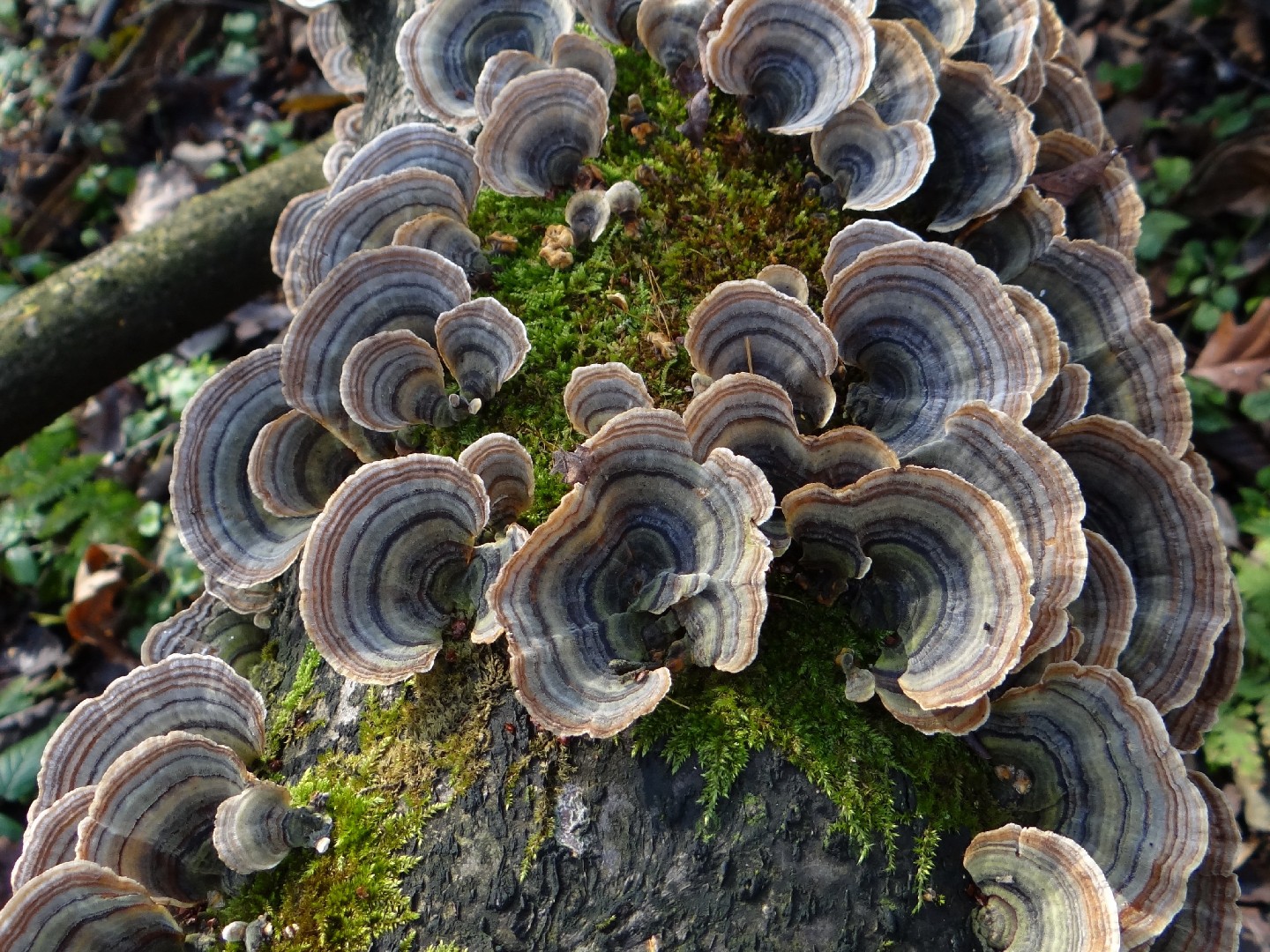
4. Turkey tail
The distinctively-striped turkey tail fungus grows on stumps and logs all over the forests of the northern hemisphere. It is, in fact, probably the most common species you will find. That doesn't mean this mushroom is plain, however; each cap is uniquely patterned. Look for bands of alternating textures as well as color.
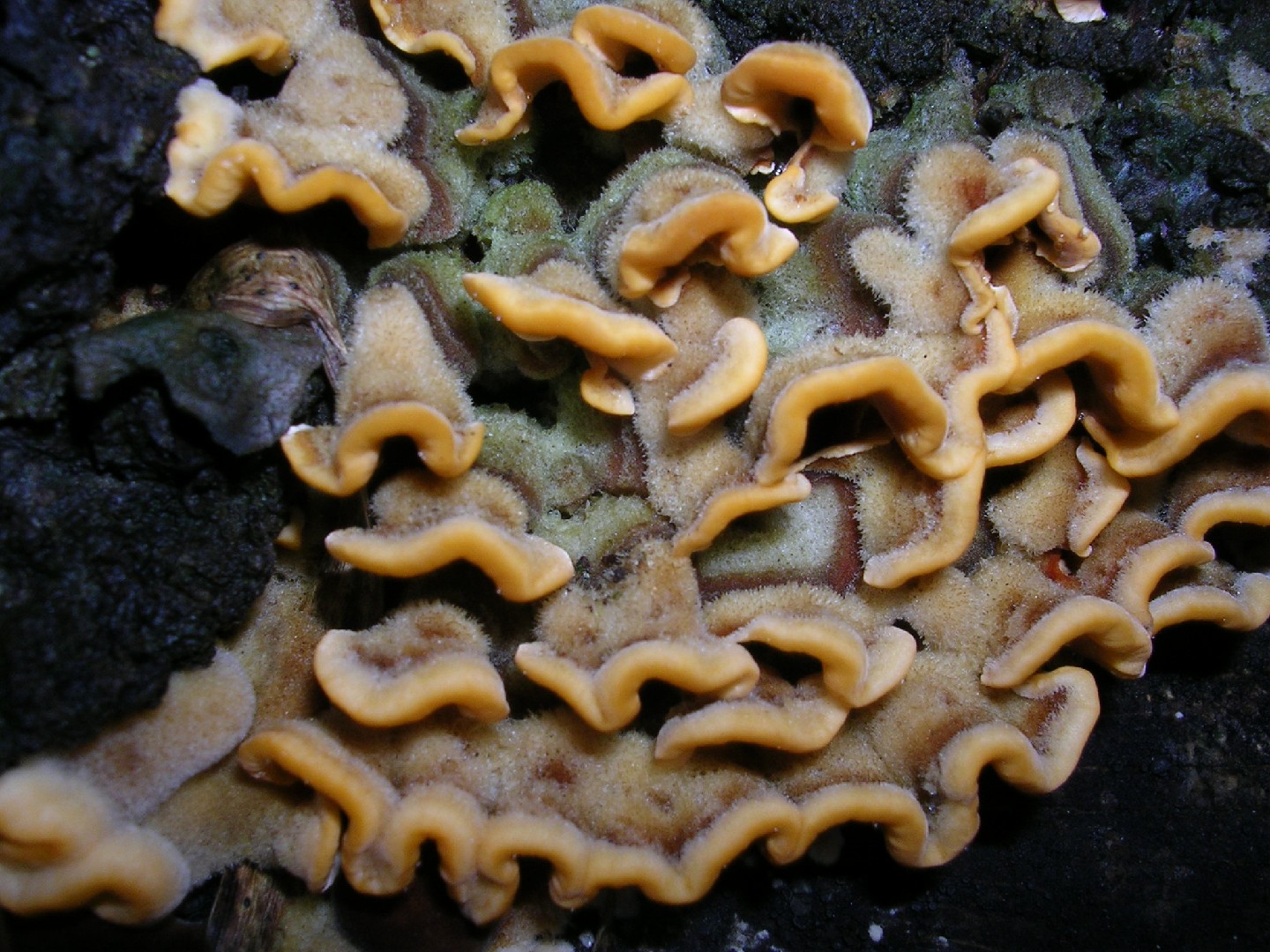
5. Hairy curtain crust
This clustered, overlapping fungus is found all over the world, and is considered native across both the northern and southern hemispheres. Both its common name, hairy curtain crust, and its scientific name, Stereum hirsutum, aptly describe its most obvious features: it is quite tough (stereum) and the younger fruitbodies are notably hairy (hirsutum).
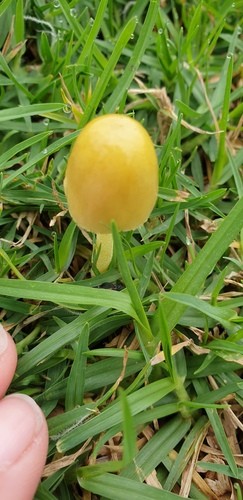
6. Yellow fieldcap
Yellow fieldcap can be found across Europe and North America, with dung patties or heavily-manured fields being its favorite fruiting habitat. The species sometimes goes by the common name Yellow Fieldcap because its young cap sports a bold yellow or golden hue (that color often fades as the mushroom cap matures and flattens). Yellow fieldcap is not know to be edible.
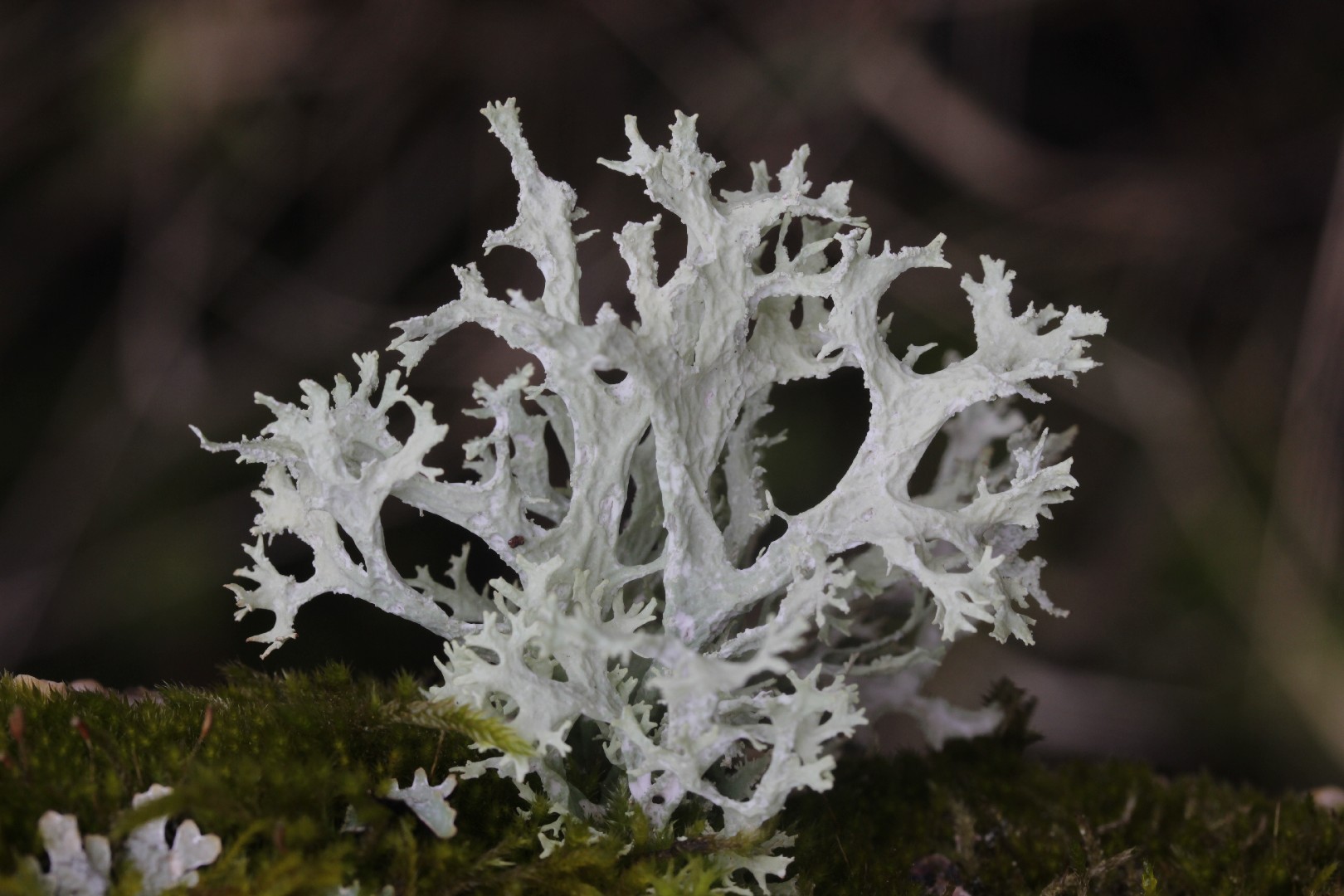
7. Oakmoss
Evernia prunastri grows shrubby on trees. The yellow-green lichen grows up to 10 cm. It consists of up to five millimeters wide shrubby branched bands with a light underside. At the edges of these open dusty (Sorale). Apothecias (with shiny brown disc) are rarely formed.
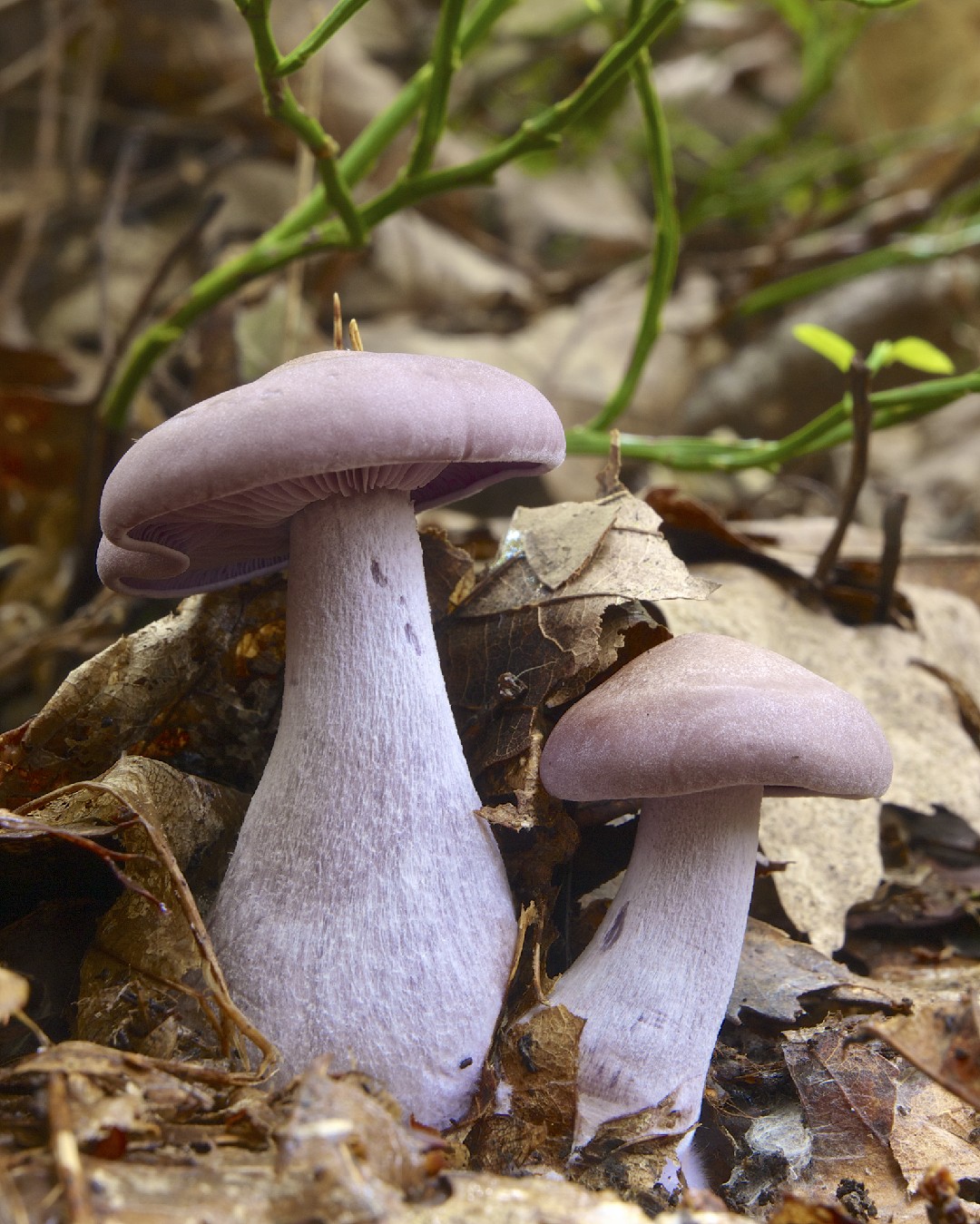
8. Blewit
The blewit mushroom grows in fallen leaves in autumn and winter, sometimes appearing in ‘fairy ring’ circles. It can be used to make a green dye when chopped and boiled in an iron pot. The scientific name, Lepista nuda, derives from Latin words meaning “bare goblet,” a reference to the shape and texture of the mushroom.
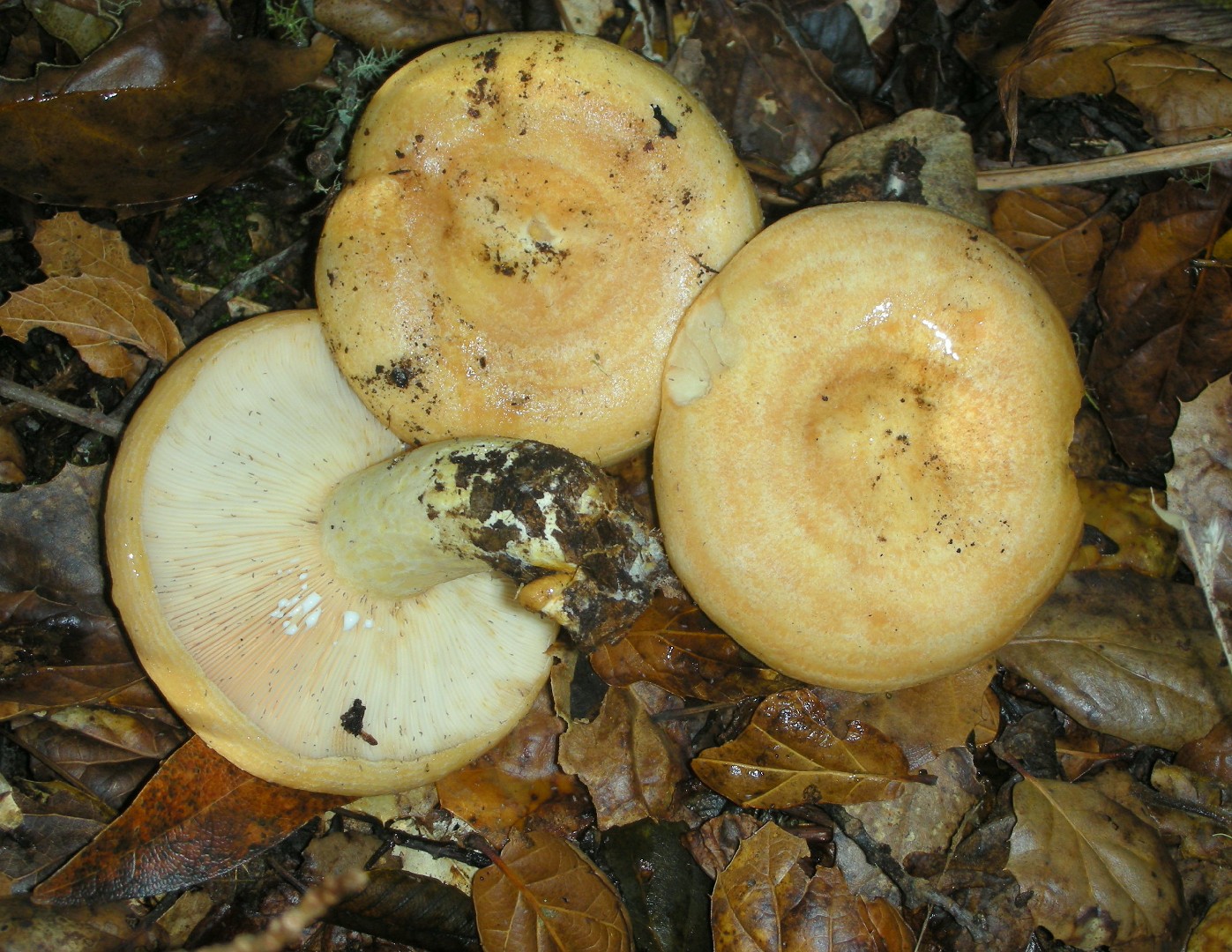
9. Golden milk-cap
Sporting a subdued yellow cap with an indentation in the center, the golden milk-cap is often found growing near oaks. They look similar to other milkcaps and russalas, but can be distinguished by a quirky characteristic: when cut, the species bleeds a thick, milky-white, latex-like substance. Golden milk-caps are not toxic but they are incredibly bitter and so are considered inedible.
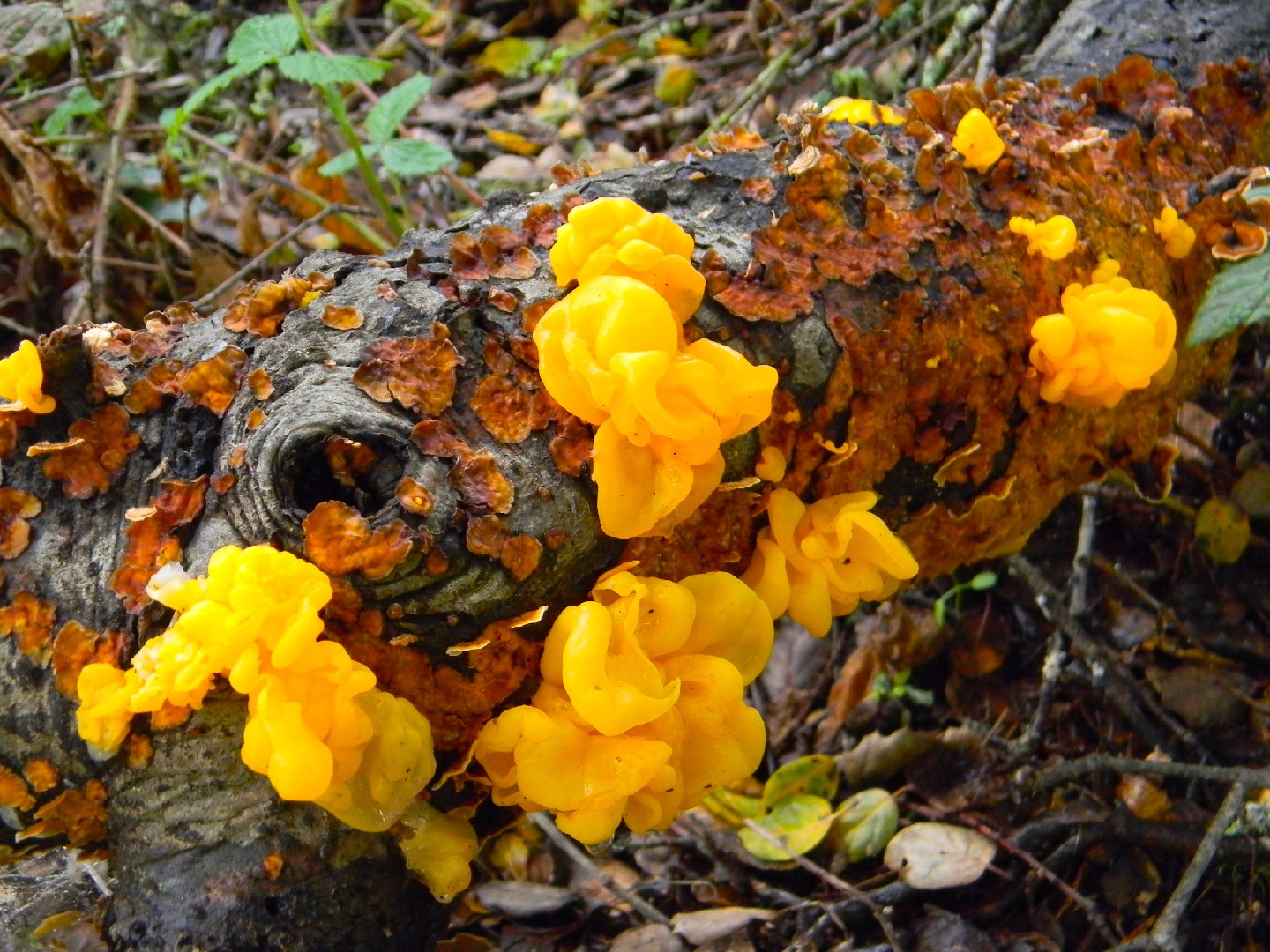
10. Golden ear
The golden ear can be encountered in an unusual time of the year – winter. It is considered a parasitic fungus, as it tends to grow on the fruiting body of other fungi, particularly the Hairy Curtain Crust (Stereum hirsutum). When wet, the golden ear has a gelatinous structure, but in dry weather, it becomes tougher and crust-like.

More







