




Top 20 Most Common Mushrooms in Ridgecrest
Welcome to our discussion of the top 20 most prolific mushroom species in Ridgecrest, revered not only for their quantity but also their captivating diversity. Situated in the heart of nature, Ridgecrest boasts an impressive array of fungal wonder, bearing a unique combination of climate and soil ideal for mycological richness. A surprise for the uninitiated, this multicultural hub is teeming with these fascinating organisms, painting a colorful picture of the city's natural heritage.

Most Common Mushrooms
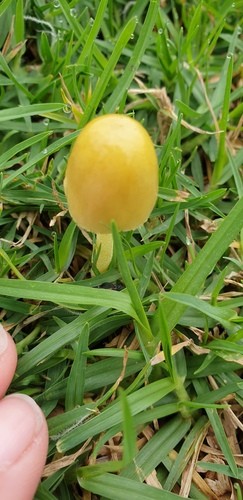
1. Yellow fieldcap
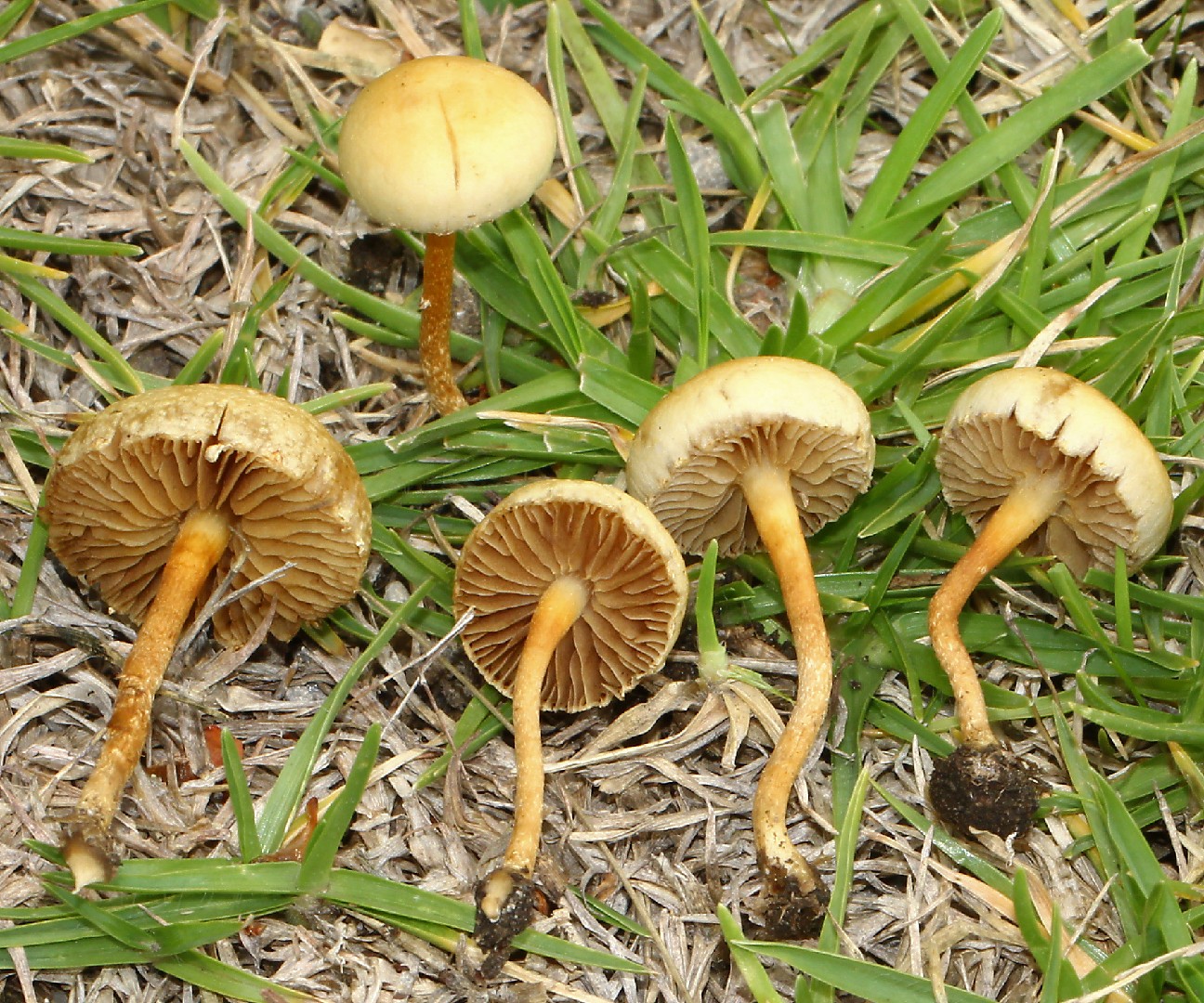
Yellow fieldcap can be found across Europe and North America, with dung patties or heavily-manured fields being its favorite fruiting habitat. The species sometimes goes by the common name Yellow Fieldcap because its young cap sports a bold yellow or golden hue (that color often fades as the mushroom cap matures and flattens). Yellow fieldcap is not know to be edible.
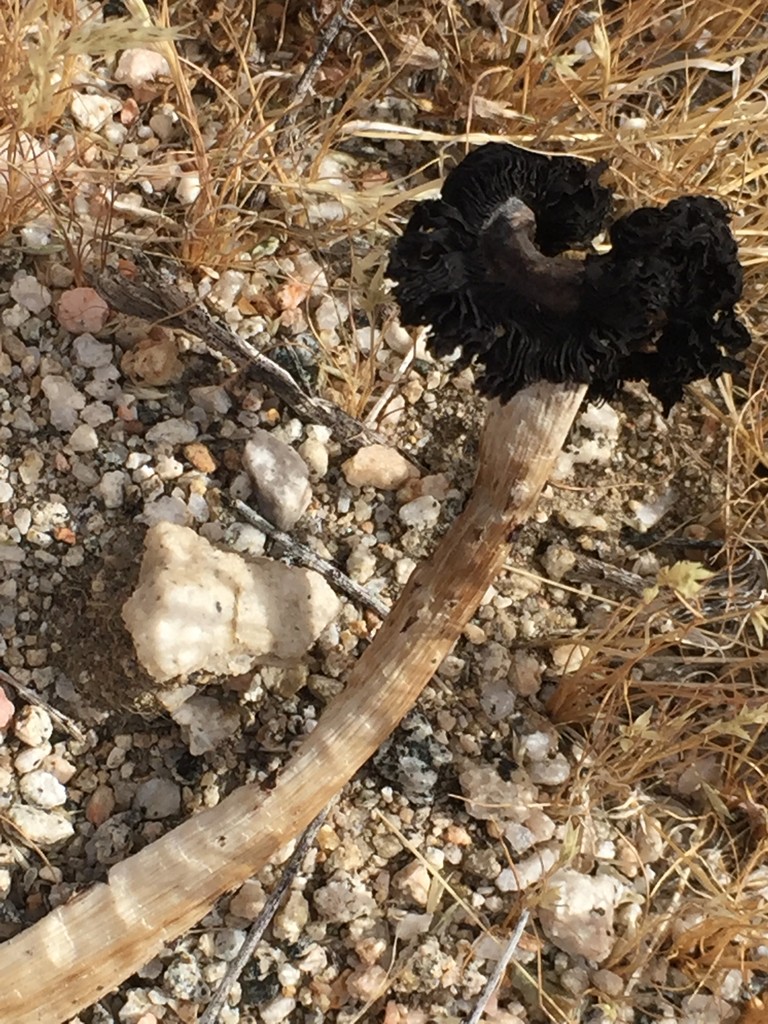
2. Montagnea arenaria
The cap of montagnea arenaria (Montagnea arenaria) has tough skin that acts as a shield to protect its dark spores until they are mature. Although the cap is rigid, it is commonly found looking tattered and weather-worn, almost fringe-like. Unlike many other mushrooms, they thrive in arid areas and are seen in deserts and other places with very little rainfall.
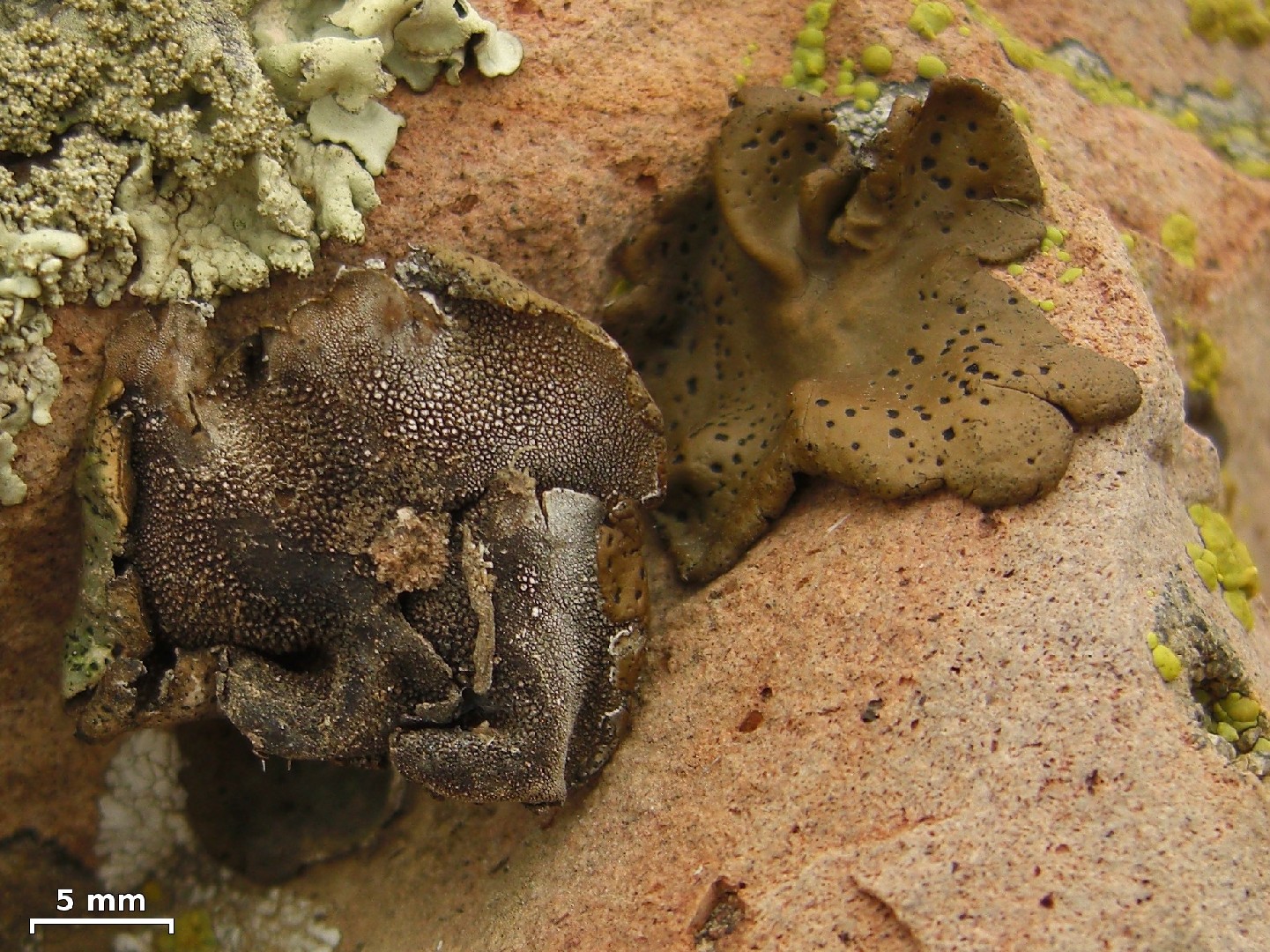
3. Emery rock tripe
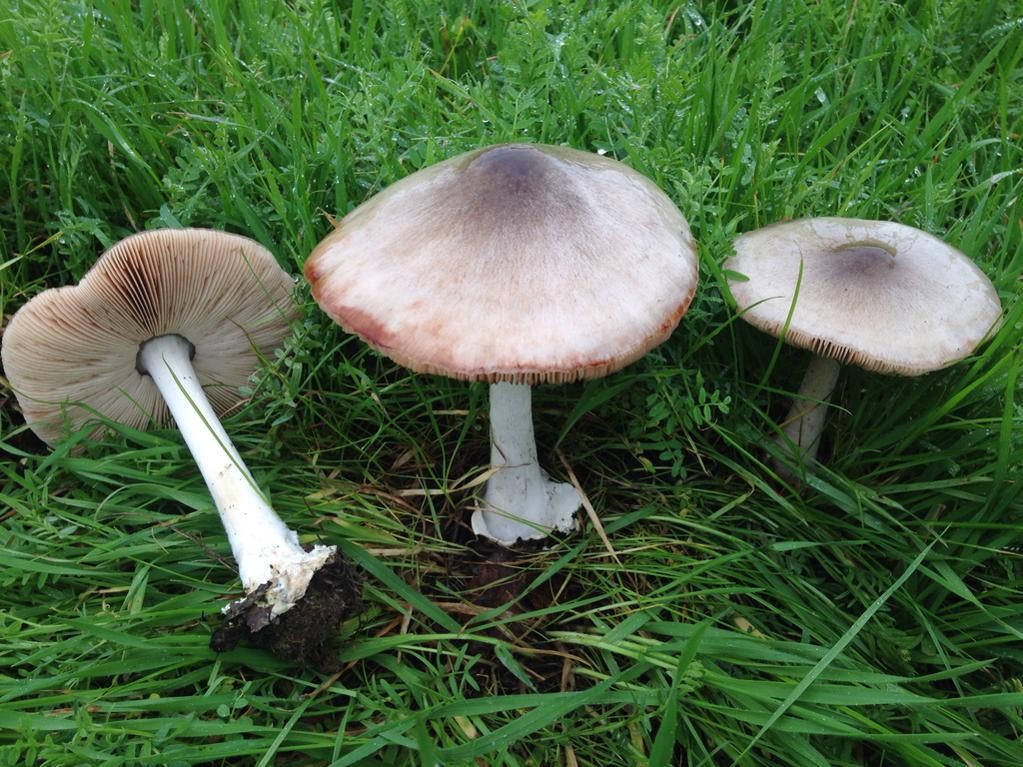
4. Big sheath mushroom
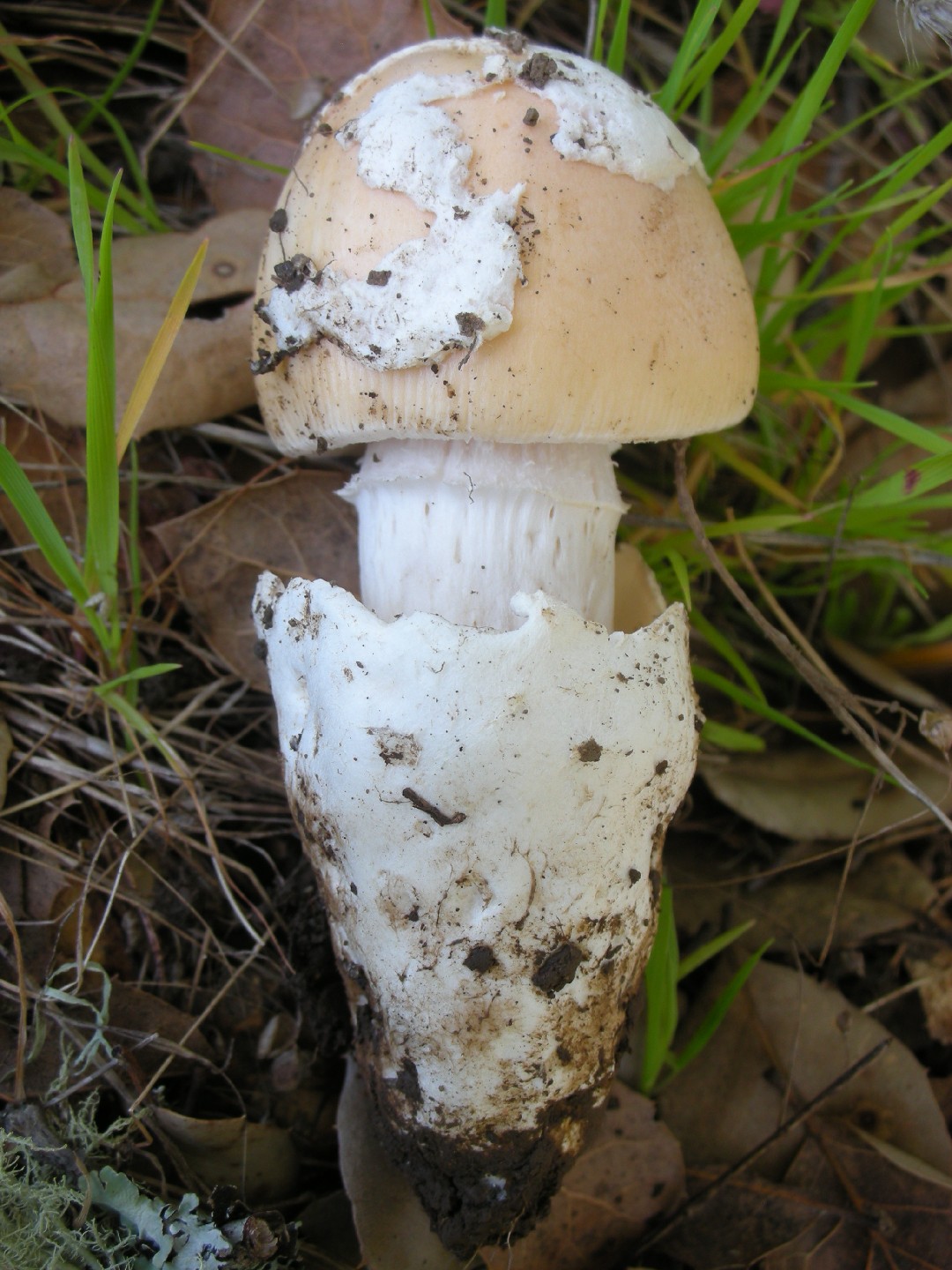
These large white mushrooms bloom all over cleared, harvested fields, as well as pastures and roadsides. The scientific species name comes from Greek words meaning “glue” (glioio) and “head” (cephalus), in reference to the sticky surface of this mushroom’s cap. The big sheath mushroom looks so similar to the poisonous Deathcap and Destroying Angel mushrooms that it should always be left alone.
5. Lace lichen
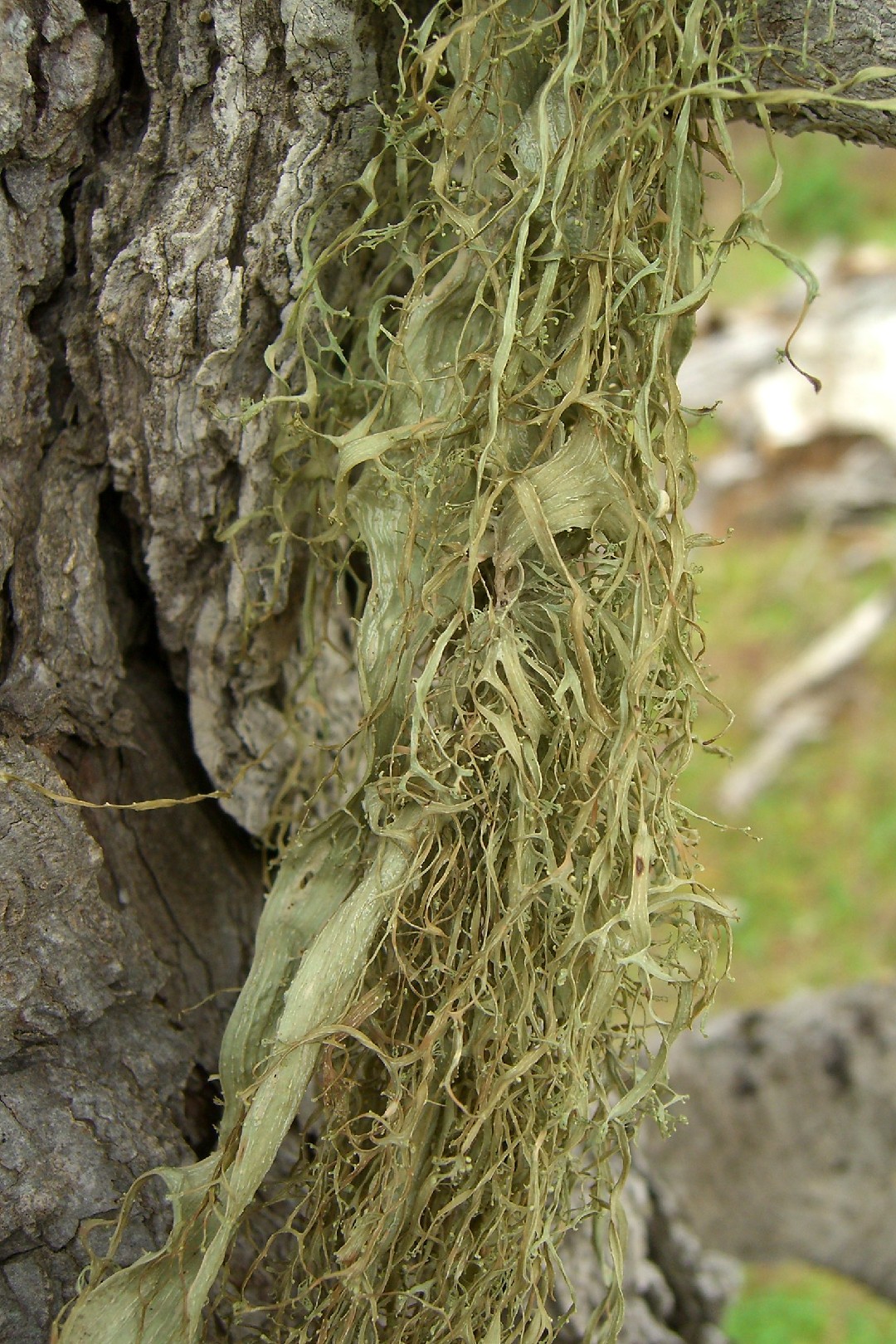
Lace lichen stands out for its net-like, pendulous structure, making it easily distinguishable from others. It's not a mushroom but a lichen, a unique partnership between fungi and algae. Living mainly on oak trees, it's considered a sensitive air quality indicator. Its presence often indicates good air quality, since it's sensitive to pollutants. This lace lichen plays a vital role in its ecosystem, providing shelter and food for numerous species.
6. False parasol
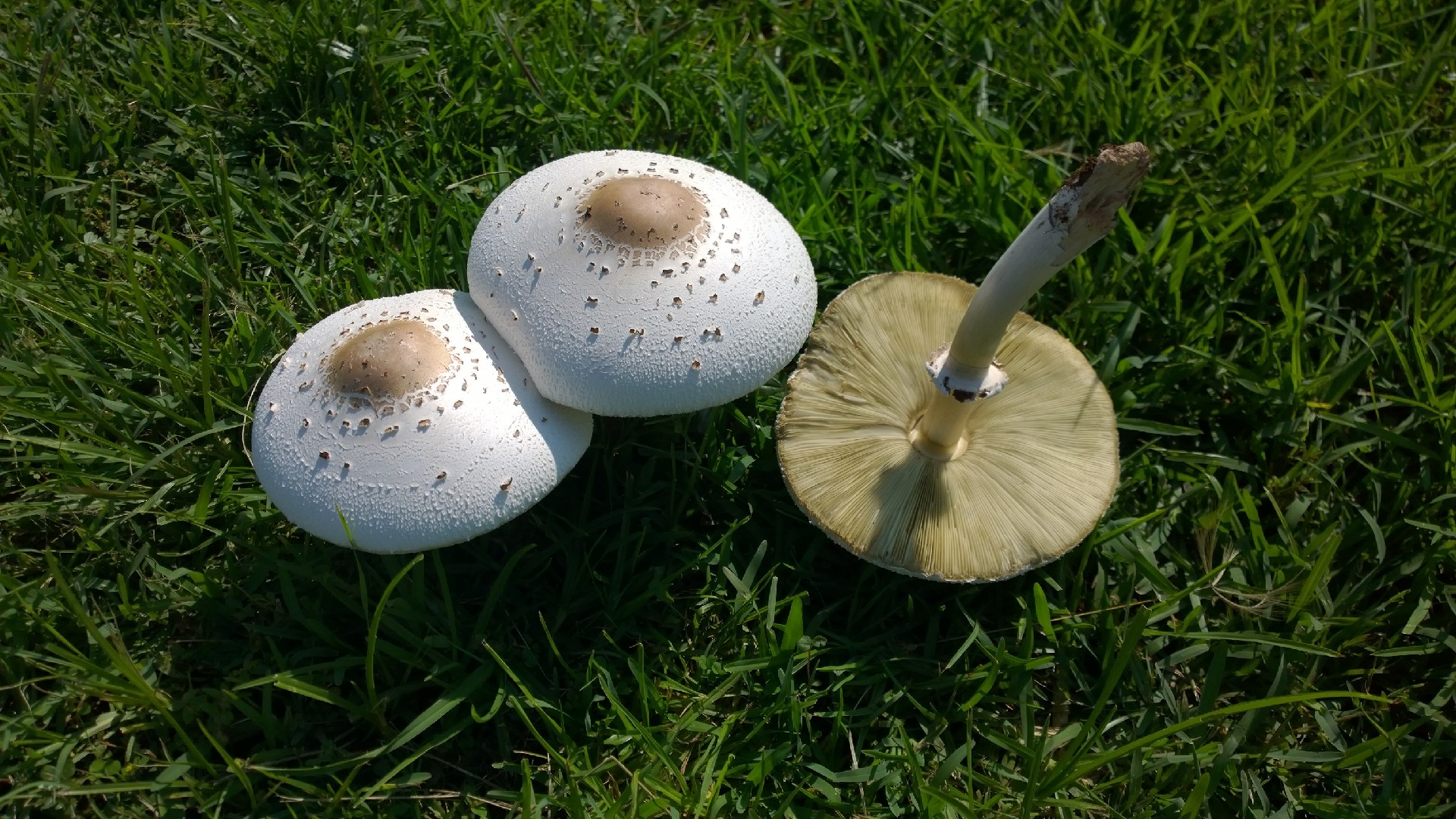
Though the false parasol appears unassuming, the species is famous—or, infamous—for its toxicity. It looks unfortunately similar to Agericus campestrus, a commonly eaten mushroom, but the false parasol can be distinguished by its highly unusual green spore print. Although they are no good to eat, they can be pretty to look at. The species may grow in ring-shaped groups in meadows and on forest floors in what are sometimes called "fairy circles."
7. Veiled polypore
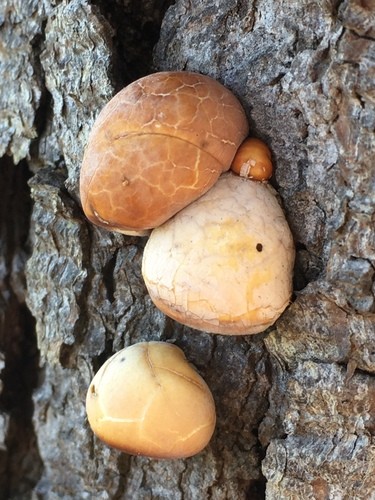
If you've ever gone on a walk through the woods where dead conifers are present, there's a good chance you've seen a veiled polypore. The fungus' name comes from the fact that it's pores are "veiled" by a rounded piece of tissue. Indeed, rather than growing in sheet-like formations like other polypores, the veiled polypore can be nearly spherical. These mushrooms are especially prevalent in pine stands that have been ravaged by fire or beetles.
8. Bright cobblestone lichen
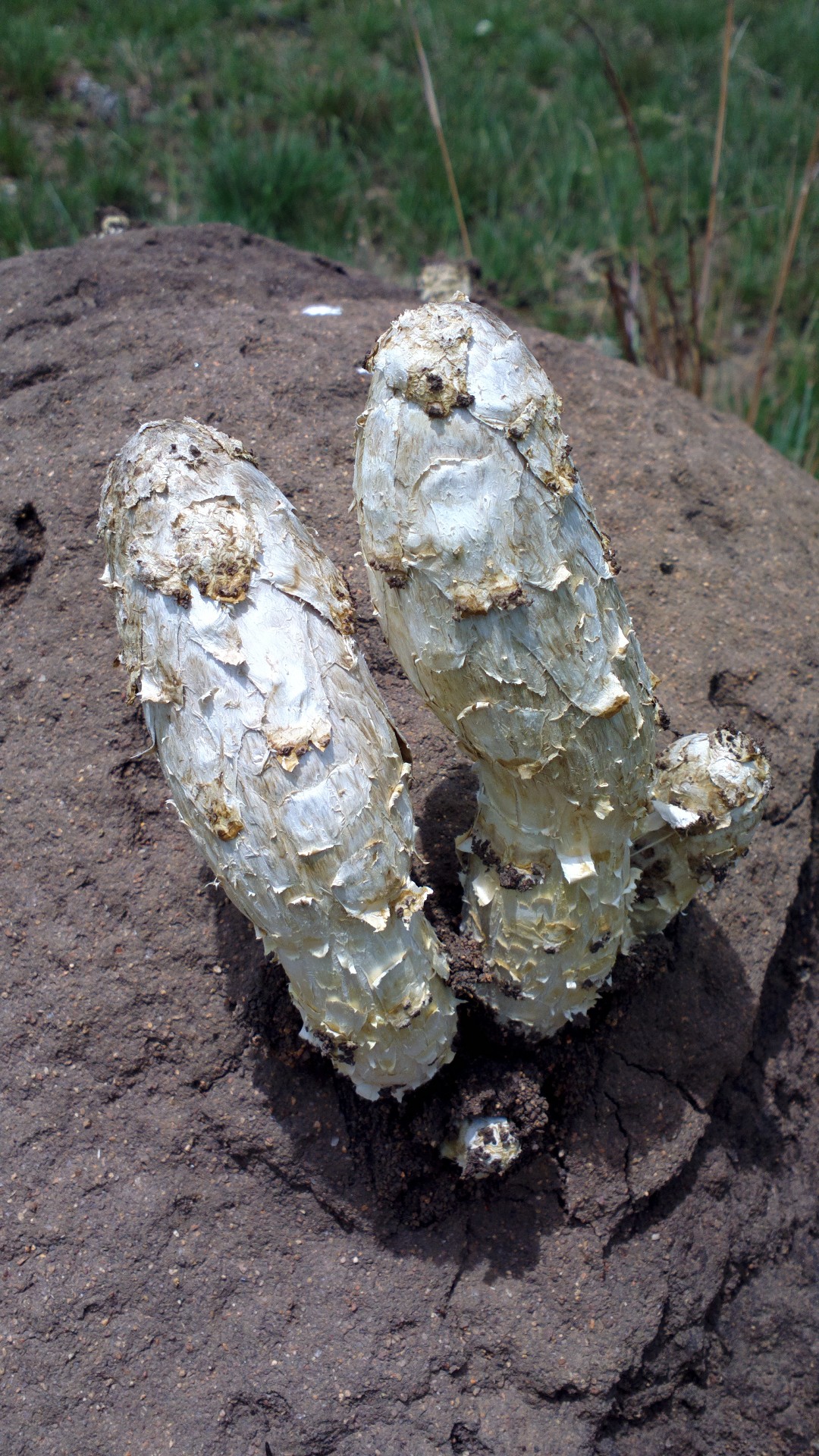
9. Desert shaggy mane
As its name suggests, the desert shaggy mane (Podaxis pistillaris) erupts from seemingly improbably conditions, out of the hot and arid ground in North American deserts. They are commonly found living harmoniously with colonies of termites in termite mounds. The desert shaggy mane is toxic and not safe to consume.
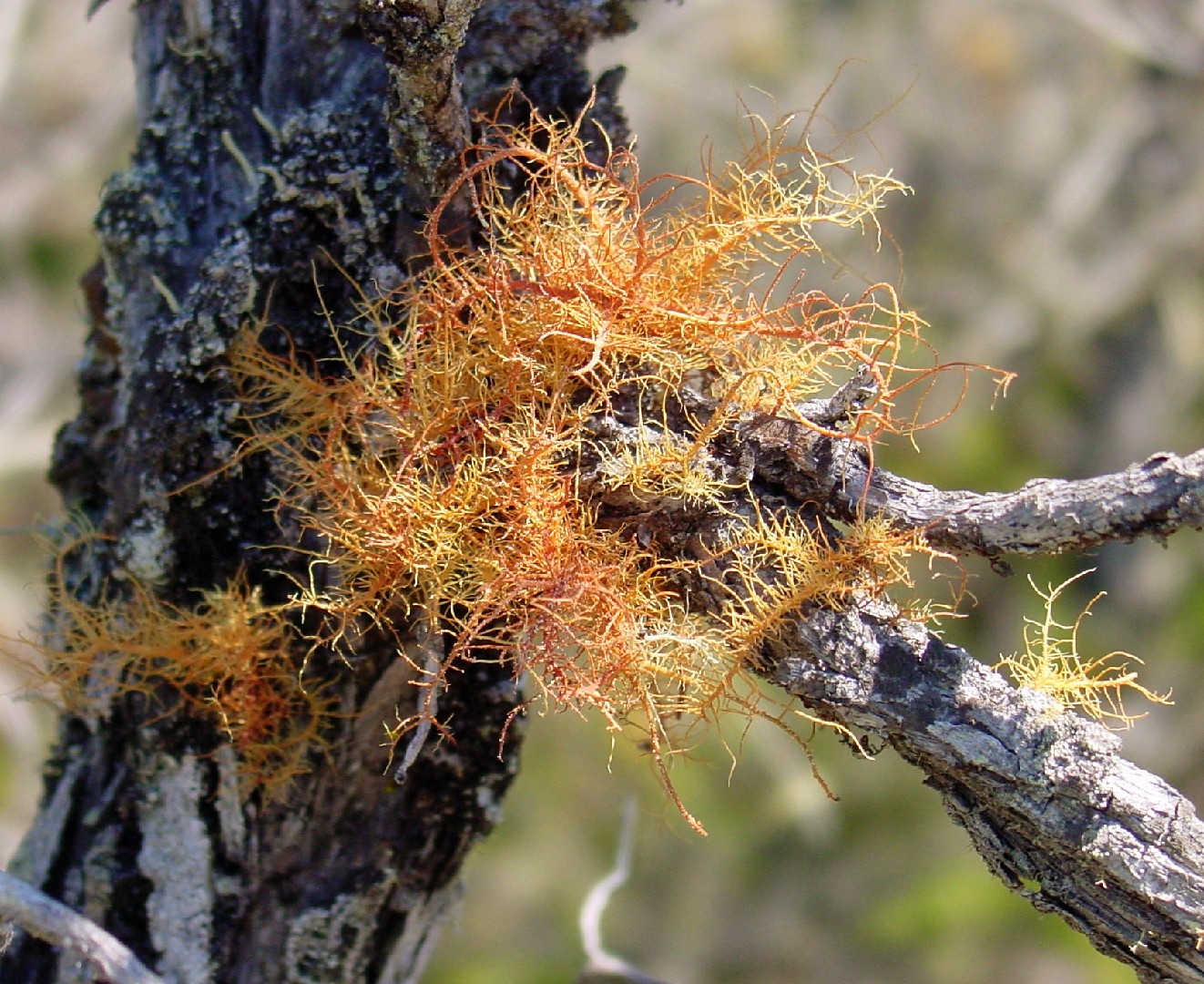
10. Red beard lichen
Usnea rubicunda (red beard lichen), is a type of tree lichen native to temperate regions of North, Central and South America, as well as Europe, East Asia, and North Africa. This sp. very foliosy form very dense hairy clusters of orange to reddish color

More







