




Top 20 Most Common Mushrooms in Show Low
Welcome to the world of Mushroom Foraging. Nestled in the heartland of Show Low, we find an impressive diversity of fungal flora. Given its unique climate and rich soil, Show Low stands as a haven for 20 popular mushroom species, ensuring a productive foraging experience. Explore, discover, and dig into the mycological wonders that Show Low has to offer.

Most Common Mushrooms
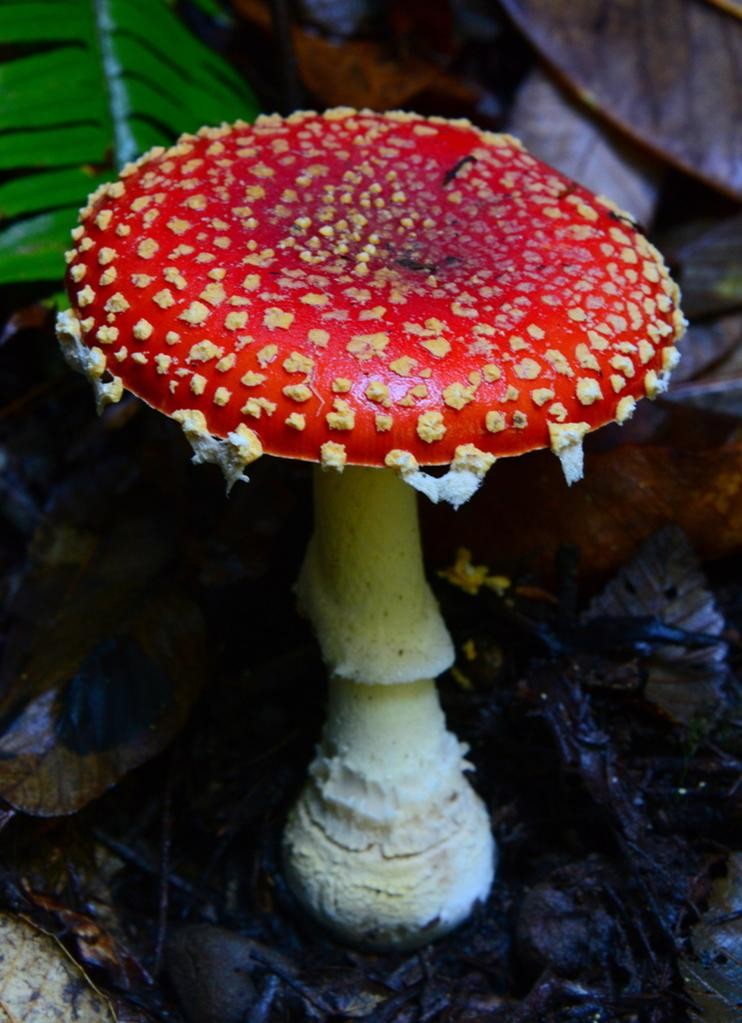
1. Fly agaric
In Northern Asia and Europe, fly agaric grows under trees near the winter solstice and is collected for ritual use tied to the season. Its characteristic shape and coloring are still ubiquitous in many European fairy tale illustrations and Christmas traditions. It is highly toxic.
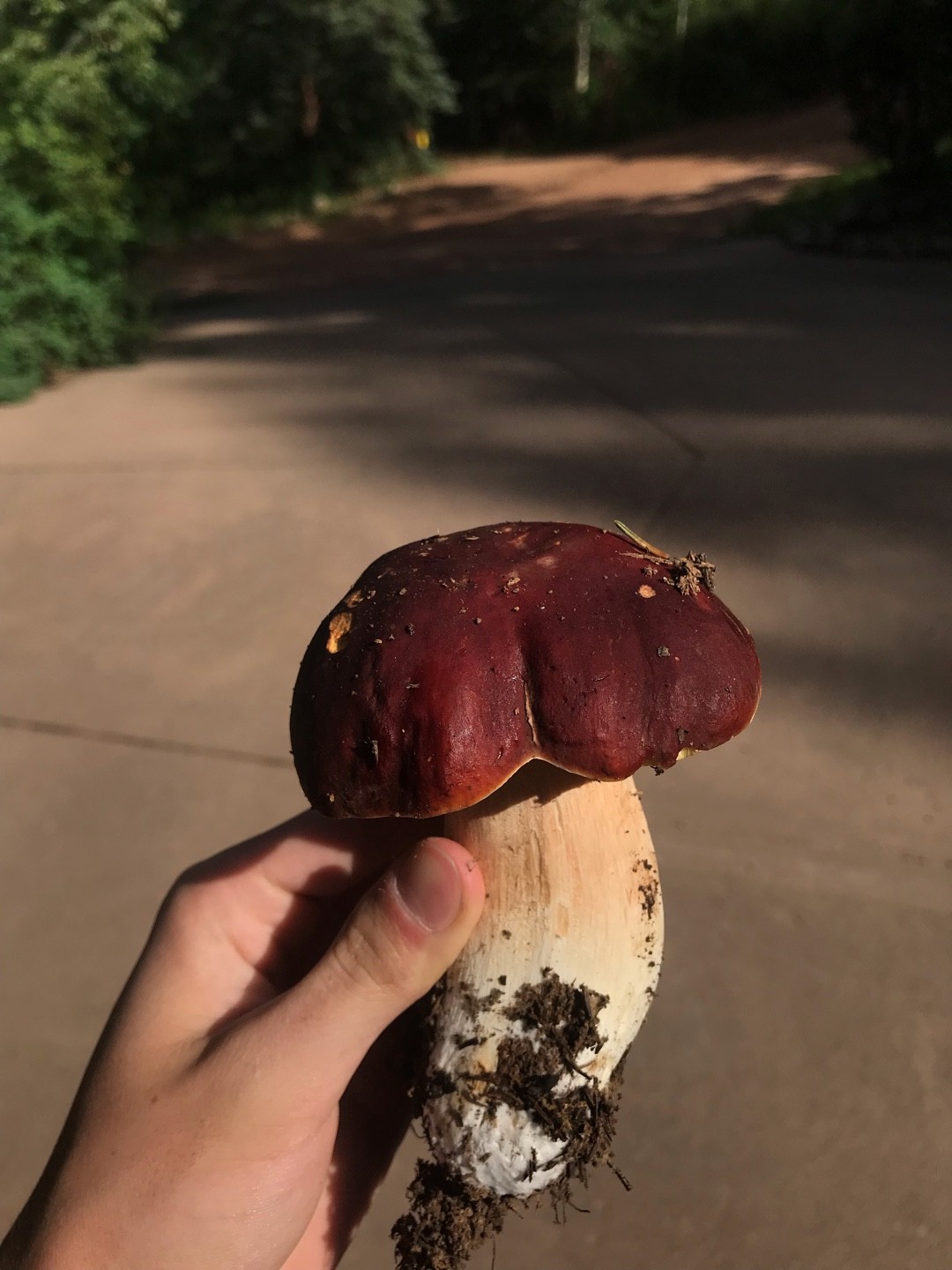
2. Rocky mountain red
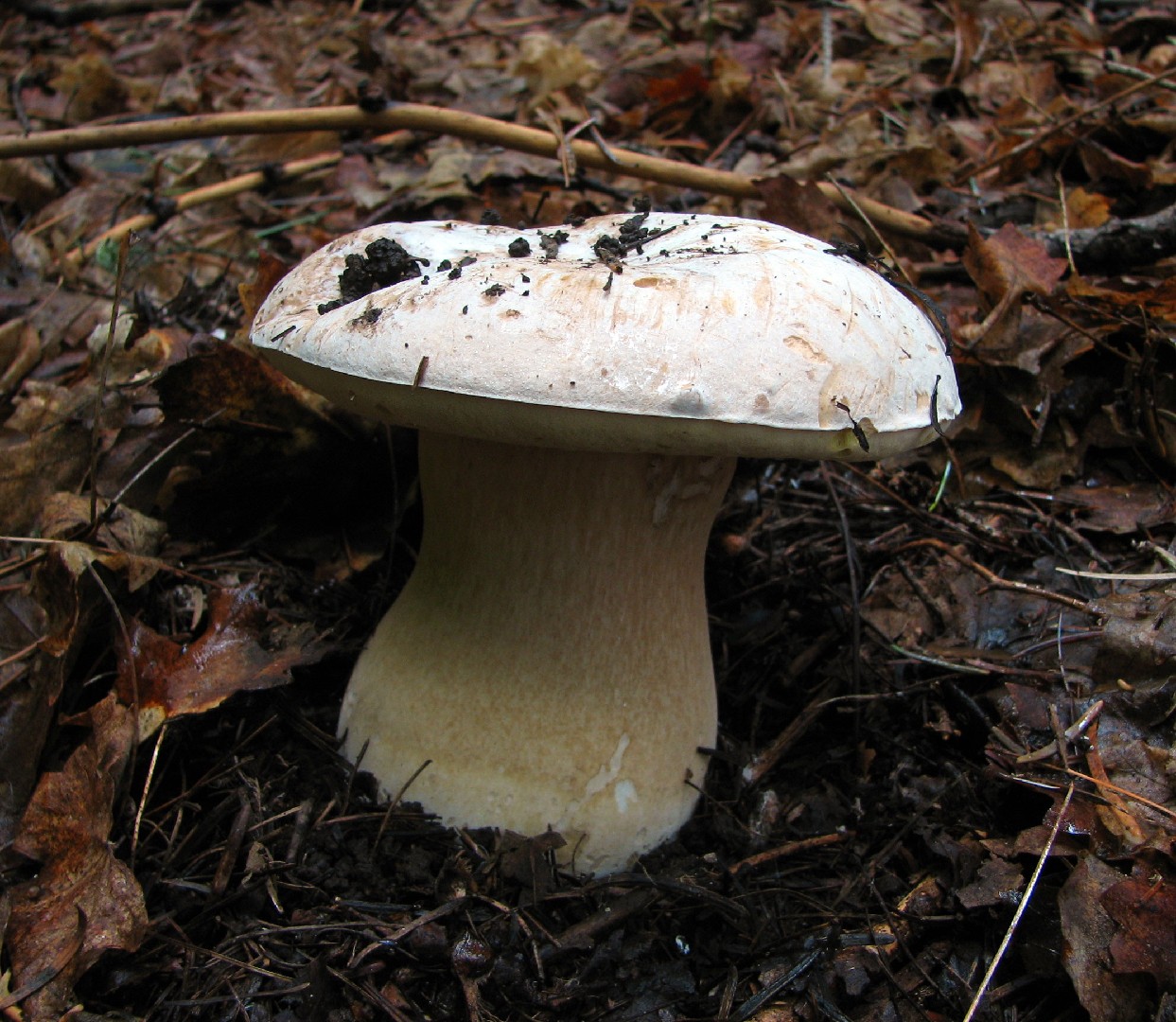
Rocky mountain red is a bold mushroom that is easy to identify. Only recently classified in 2014, this reddish-brown capped bolete is found in the Rocky Mountains beneath spruces. It has been observed to have a symbiotic relationship with Engelmann Spruce. Rocky mountain red was previously classed under B. Edulis and mature specimens can host small fly larvae.
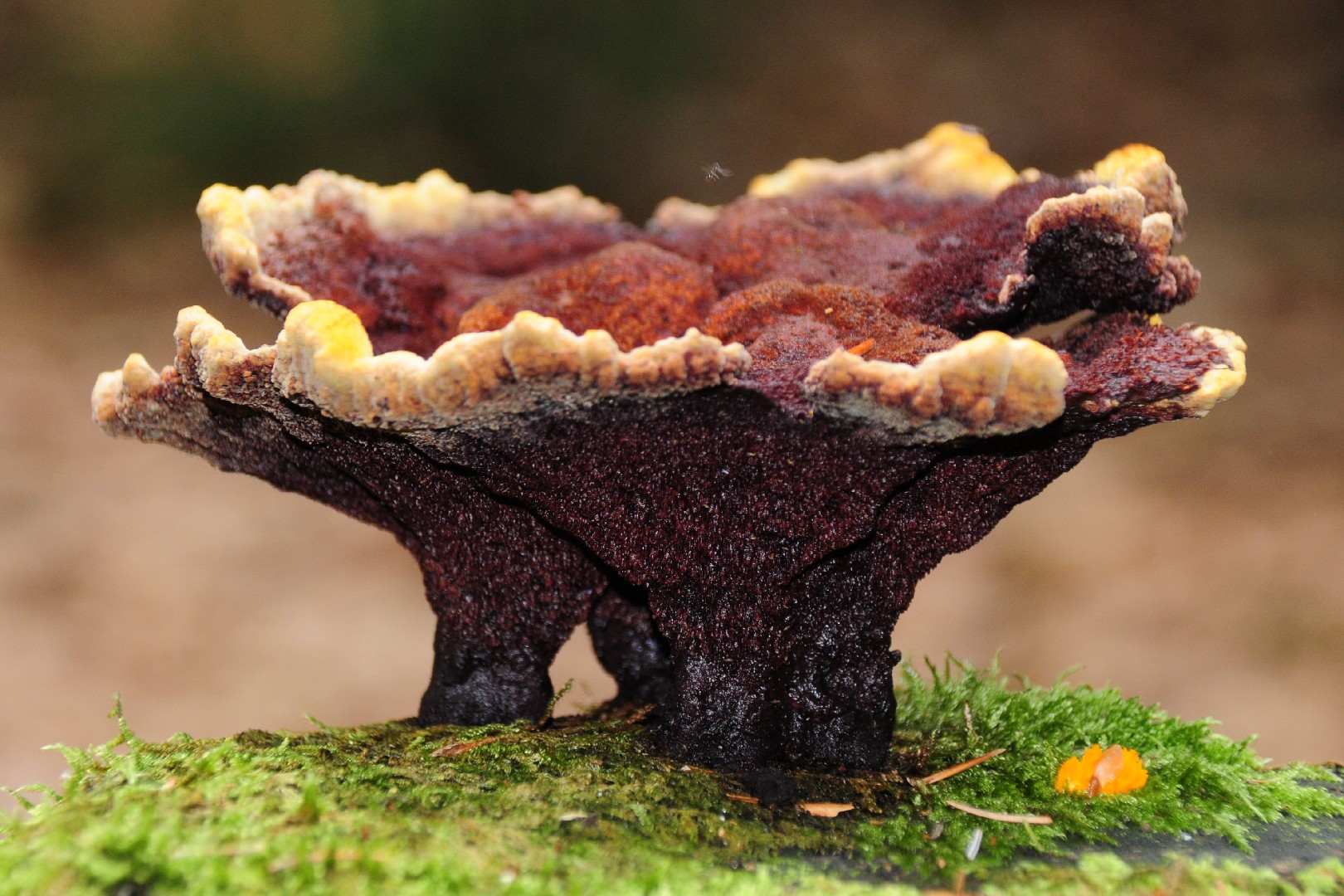
3. Dyer's polypore
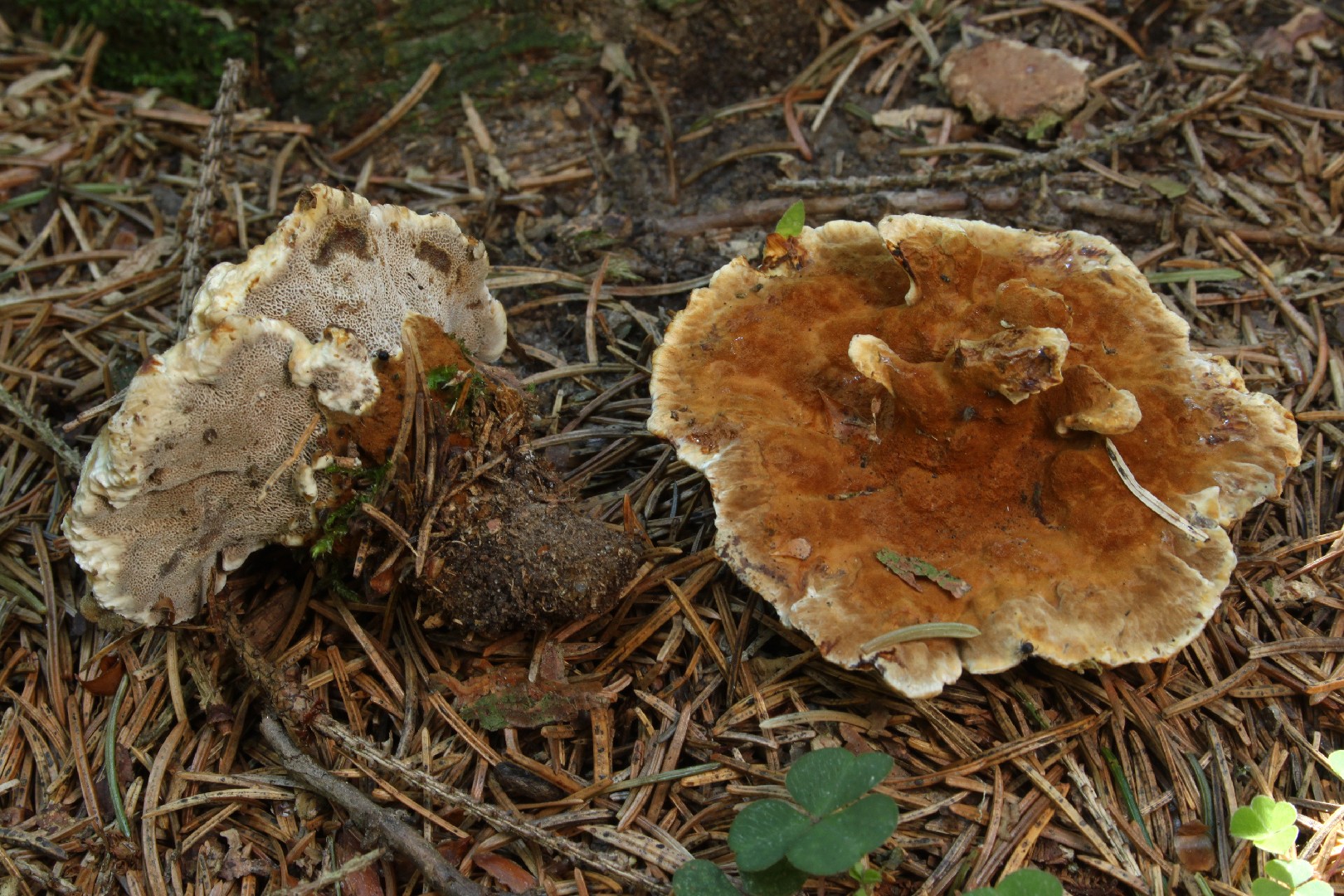
This shelf fungus grows annually on living coniferous trees and may kill its host if left untreated. As the name suggests, dyer's polypore can be used to produce dye for yarn in a variety of shades from yellow to orange to brown, depending on the age of the mushroom used and also the type of metal it’s processed in. It is not considered edible.
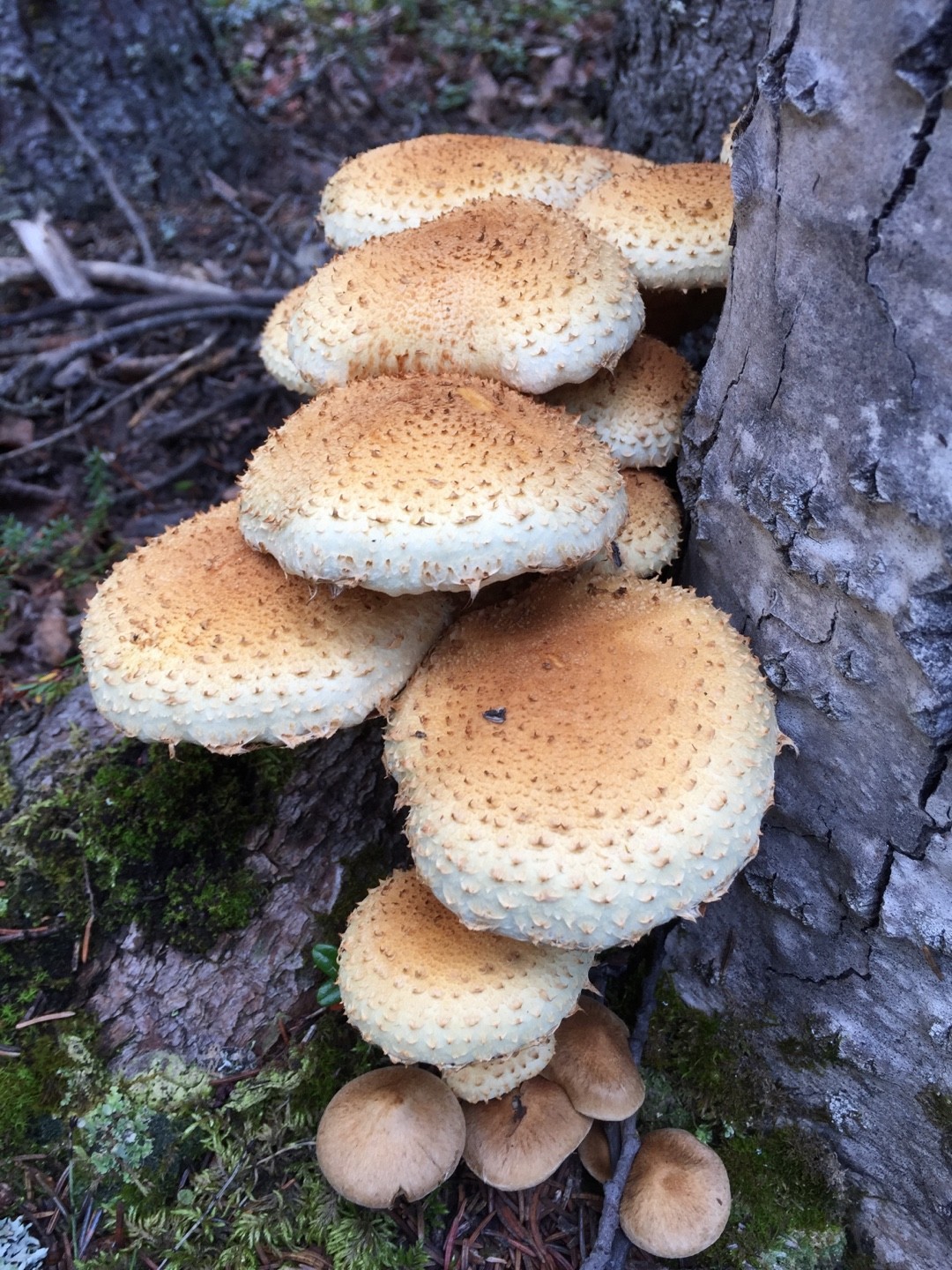
4. Shaggy scalycap
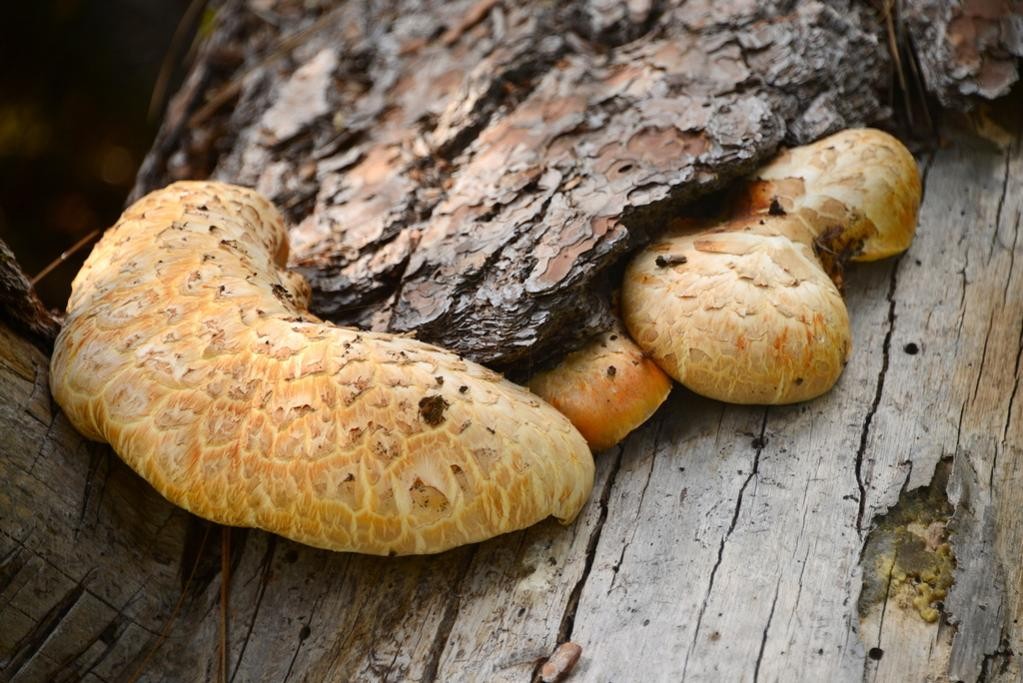
These mushrooms are most commonly found in clusters underneath old broadleaf trees and on their stumps. Their scientific name, Pholiota squarrosa, means “scaly with upright scales,” and that is exactly how the surface of the mushrooms appears. They are sometimes mistaken for honey fungus, as they share the same color, but the shaggy scalycap is definitely not edible.
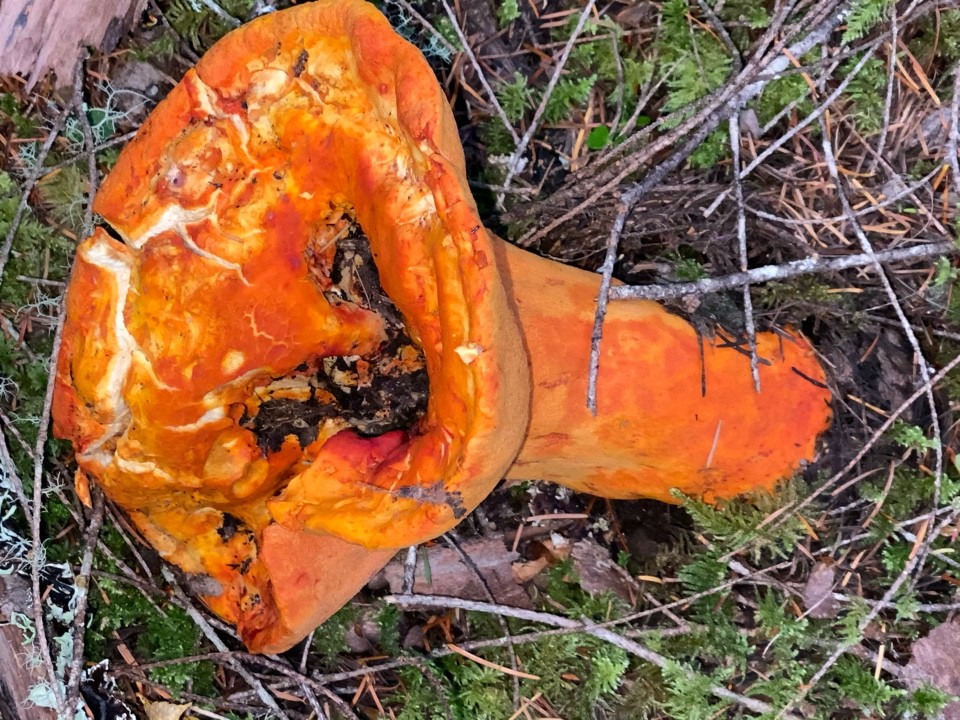
5. Lobster mushroom
The lobster mushroom is actually not a species of mushroom, per-se. When Hypomyces lactifluorum mold attacks one of several common species of Russula mushrooms, it transforms them into lobster mushrooms: they shrivel, harden slightly, and turn bright orange or vermillion. Surprisingly, this only makes them more flavorful. Lobster mushrooms are highly sought after for their distinctive, seafood-like flavor when cooked. Upset stomachs have been reported when eaten raw.
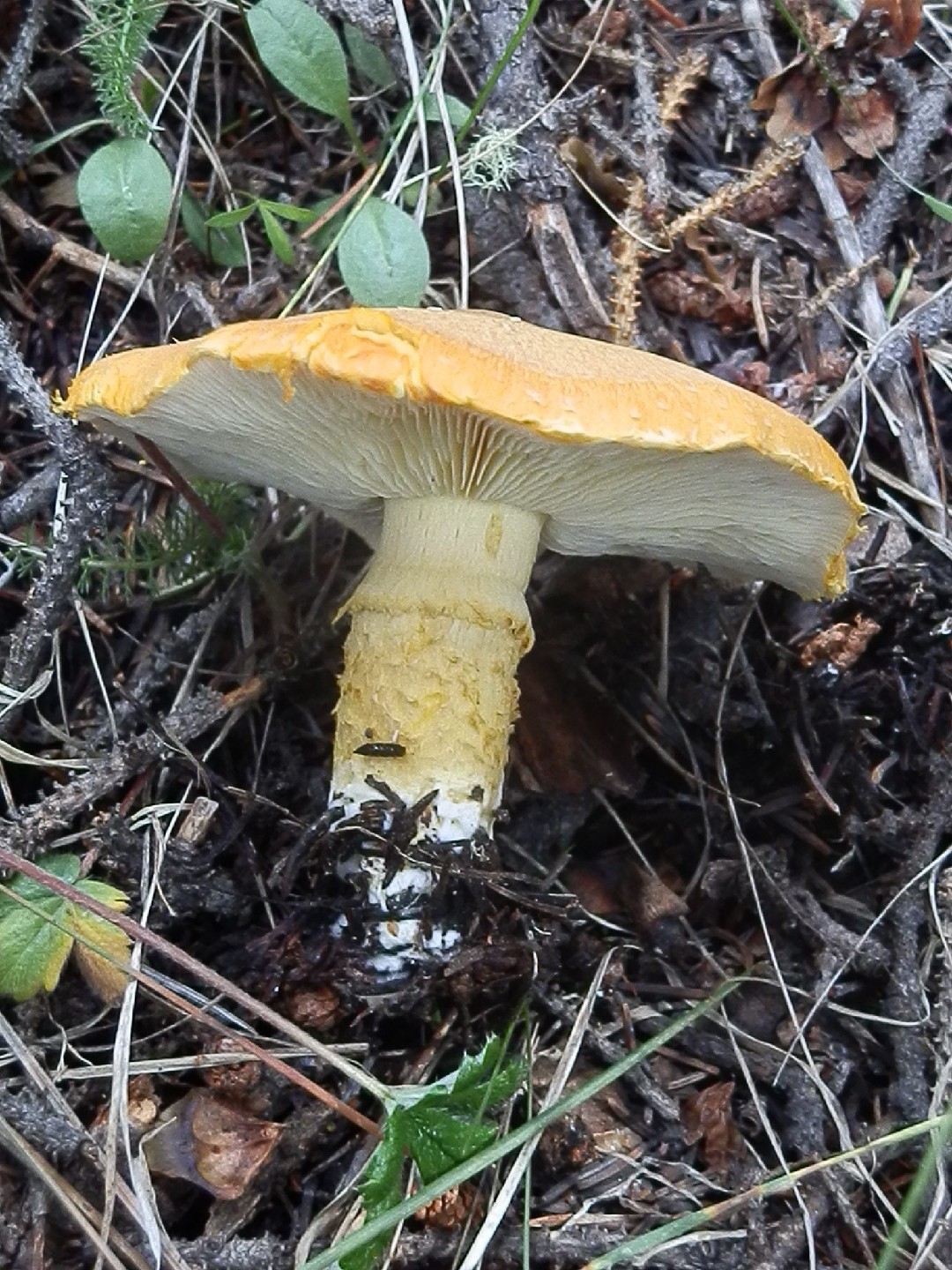
6. Floccularia Albolanaripes
Associated with conifers of the Rocky Mountains, the floccularia Albolanaripes can be found prominently during fall rains from fall to winter. It has a vibrant yellow orange-brown cap when young, developing into a drab yellowish-brown in its maturity.
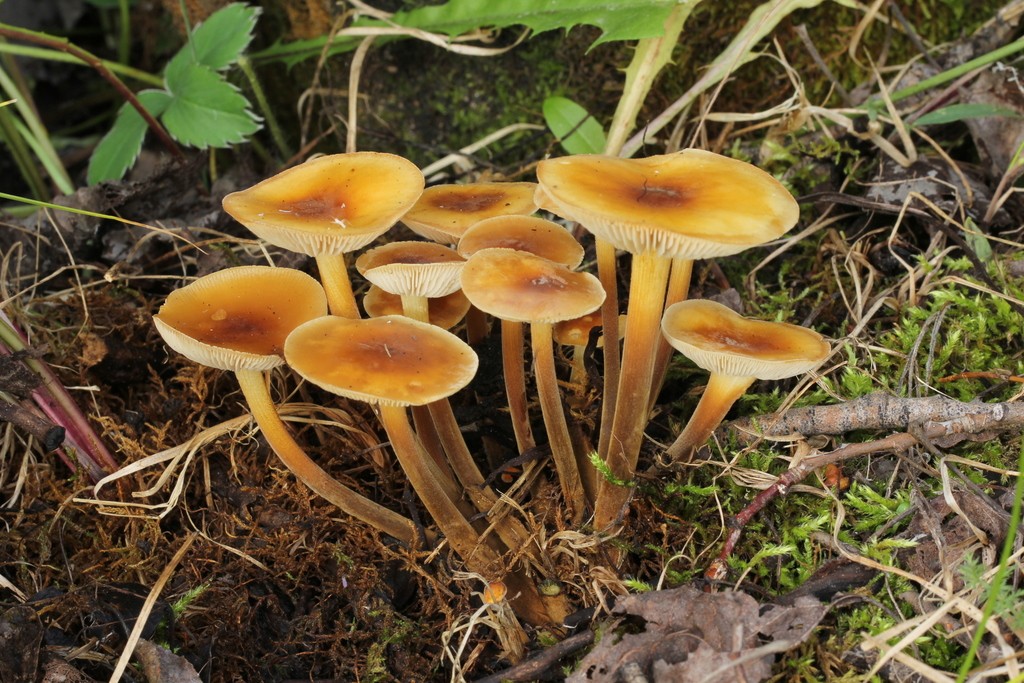
7. Poplar velvet shank
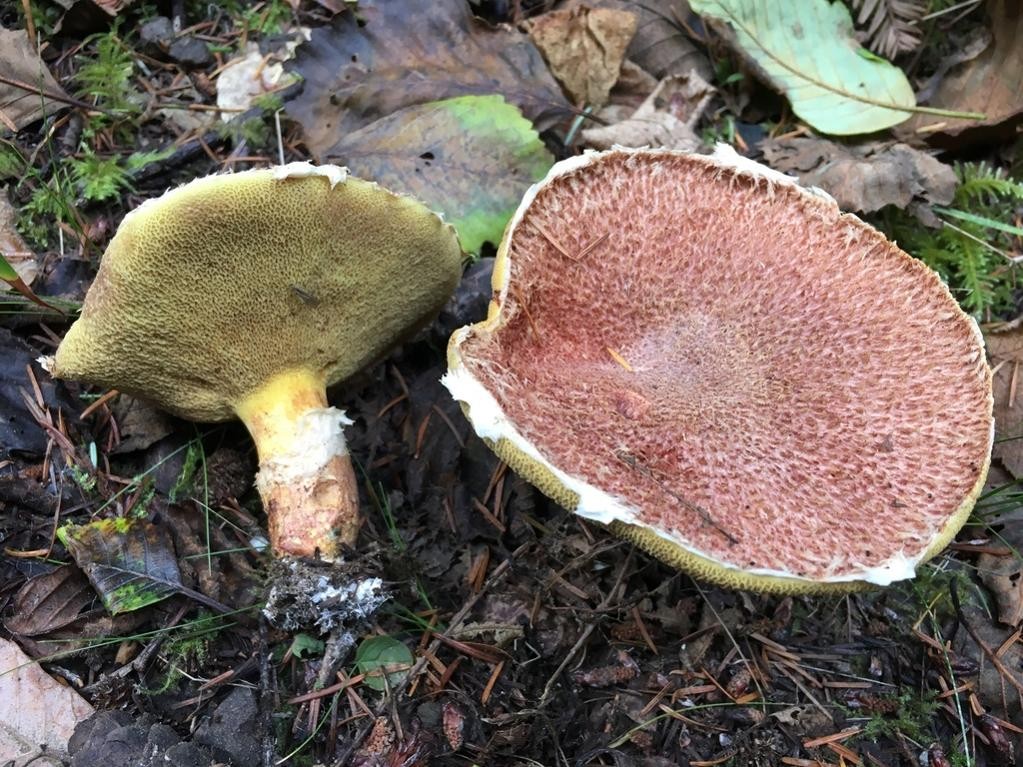
8. Matte Jack
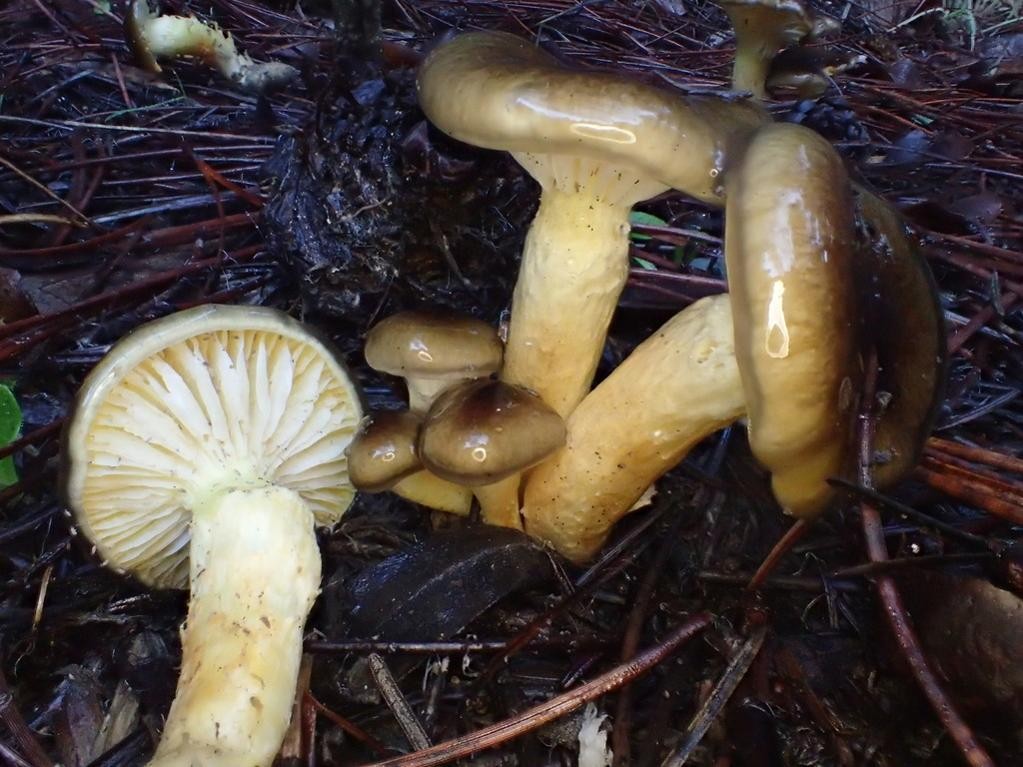
The caps of the matte Jack (Suillus lakei) are uniquely pocked and have a coral-like appearance and can grow up to 15 cm in width in a semi-bell shaped form. It is predominately cinnamon-colored, with the exception being the gill, which is pale yellow. These mushrooms are found exclusively under Douglas Fir.
9. Rusty gilled polypore
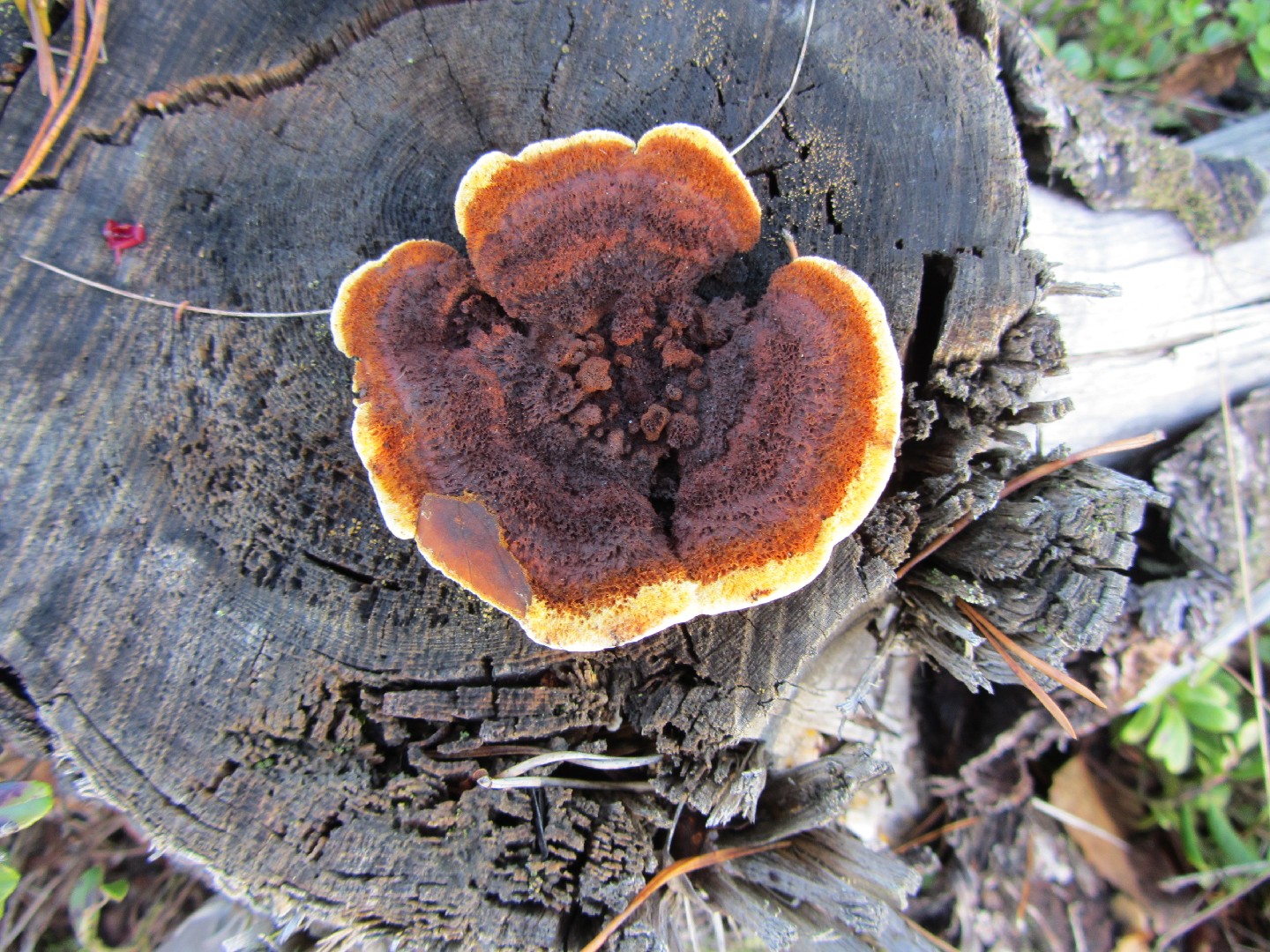
Rusty gilled polypore(Gloeophyllum sepiarium) is a fungus most commonly found on dead pieces of conifer wood, and it is a common visitor to lumberyards. The growing zone on the fruiting body is easily demarcated by its yellow, orange or white coloring, resembling a strip along the outside of the structure. This species is considered inedible.
10. Artist's conk
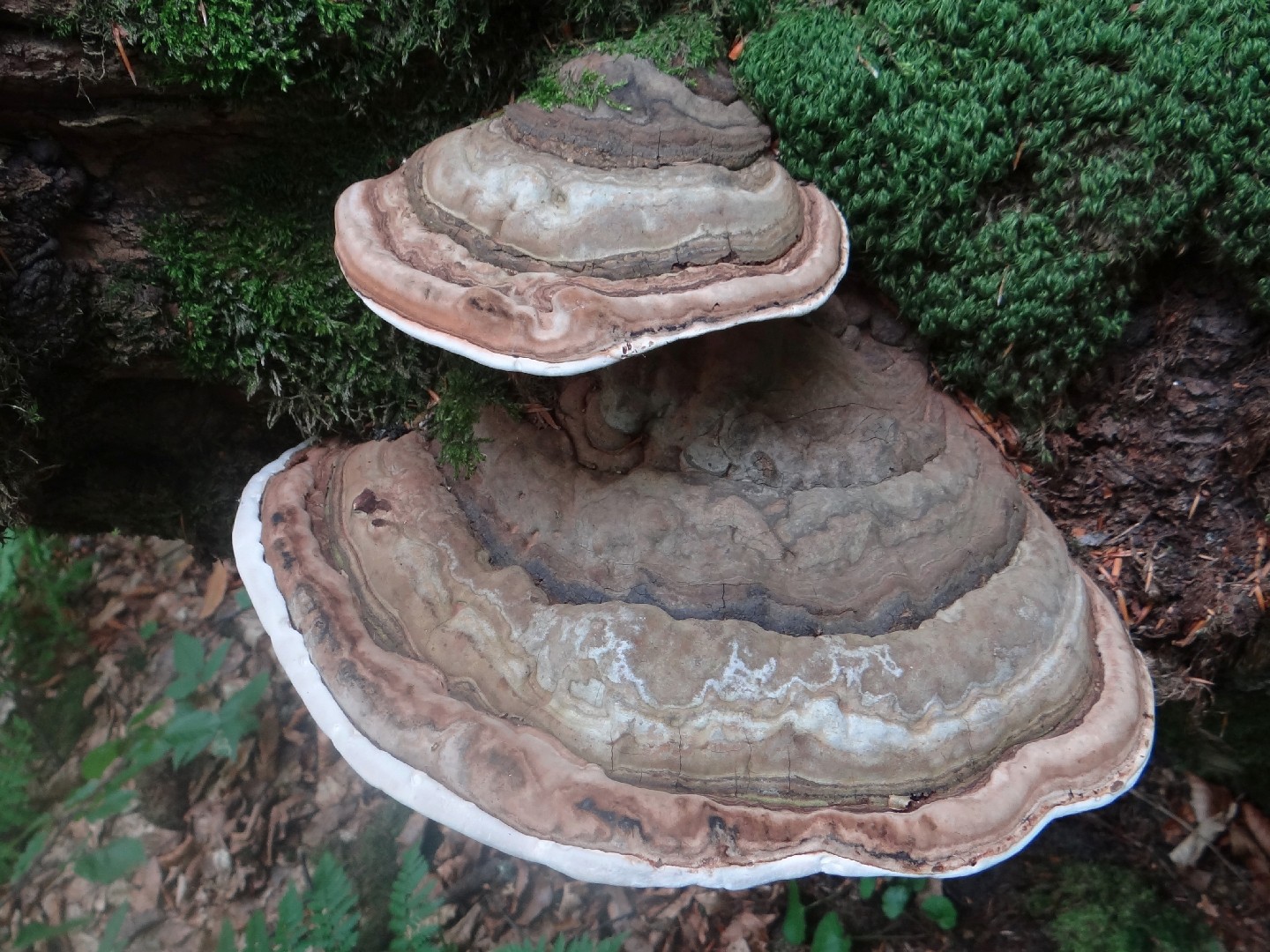
This shelf fungus can live for several consecutive years and can be dated by the growth ridges seen on its dark surface. Artist's conk grows in tiered groups at the bases of oak, beech, and conifers, as well as deadwood. When its spores release, they cover the area with visible brown dust. Scratches in the white undersurface create dark lines.



More







