




Top 20 Most Common Mushrooms in Southland

Most Common Mushrooms
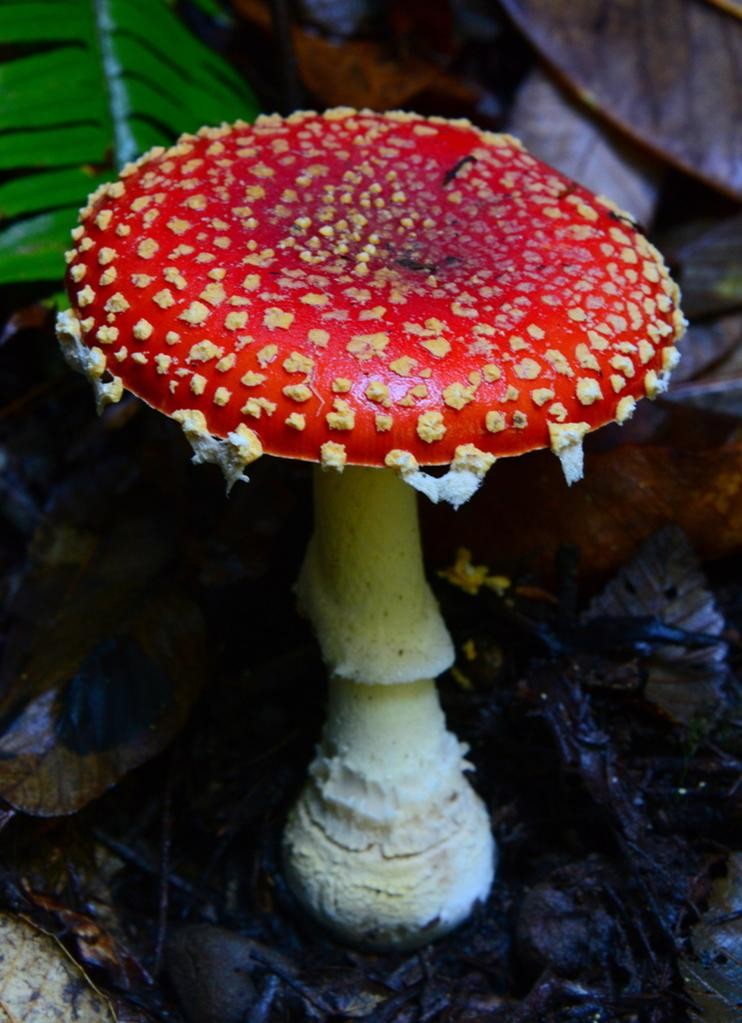
1. Fly agaric
In Northern Asia and Europe, fly agaric grows under trees near the winter solstice and is collected for ritual use tied to the season. Its characteristic shape and coloring are still ubiquitous in many European fairy tale illustrations and Christmas traditions. It is highly toxic.
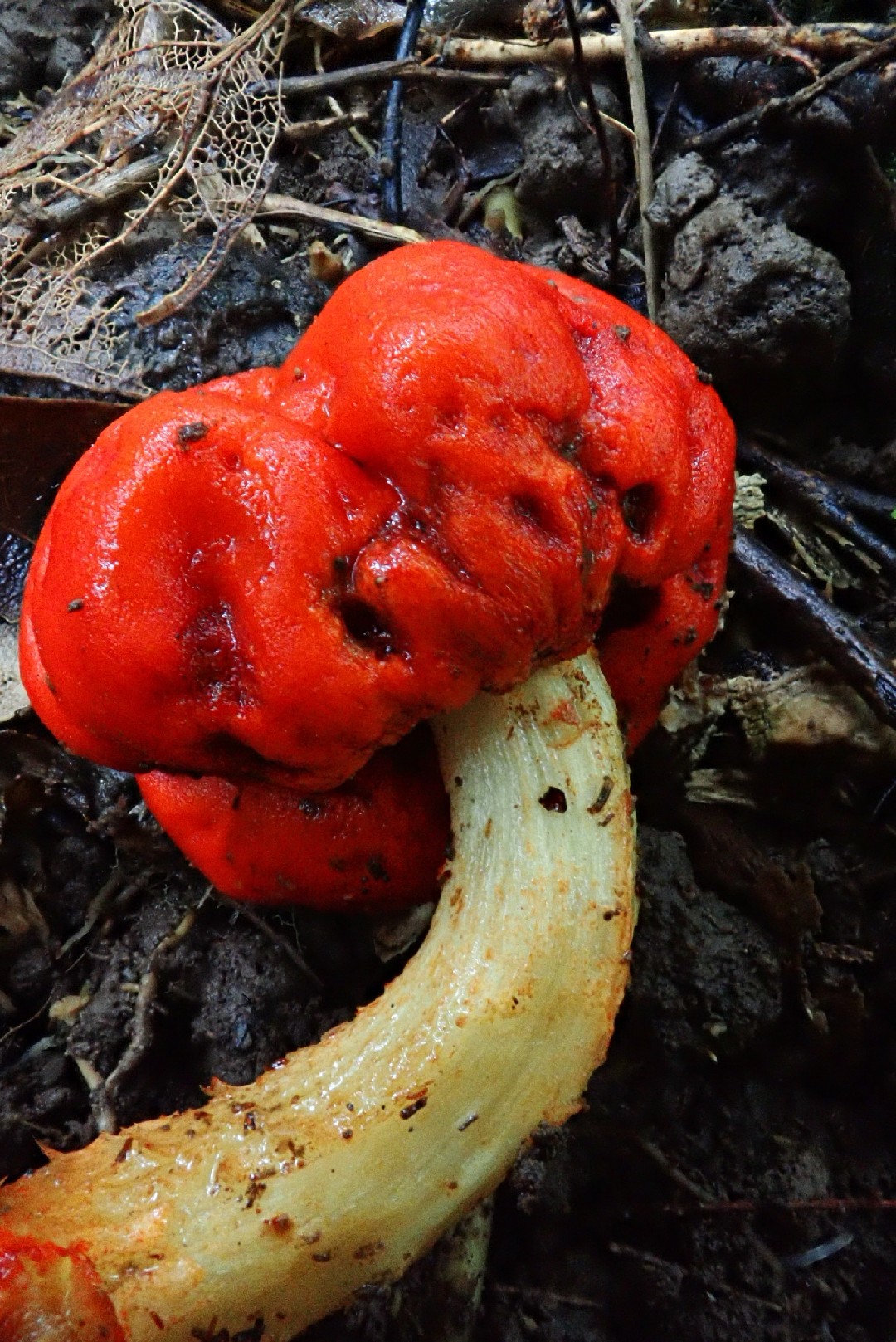
2. Red pouch fungus
The red pouch fungus is a mushroom species endemic to New Zealand and it's said to be one of their most iconic fungi. The species is commonly found in garden beds, particularly growing on wood chips. In forests, it appears on the ground where there's a lot of woody debris.
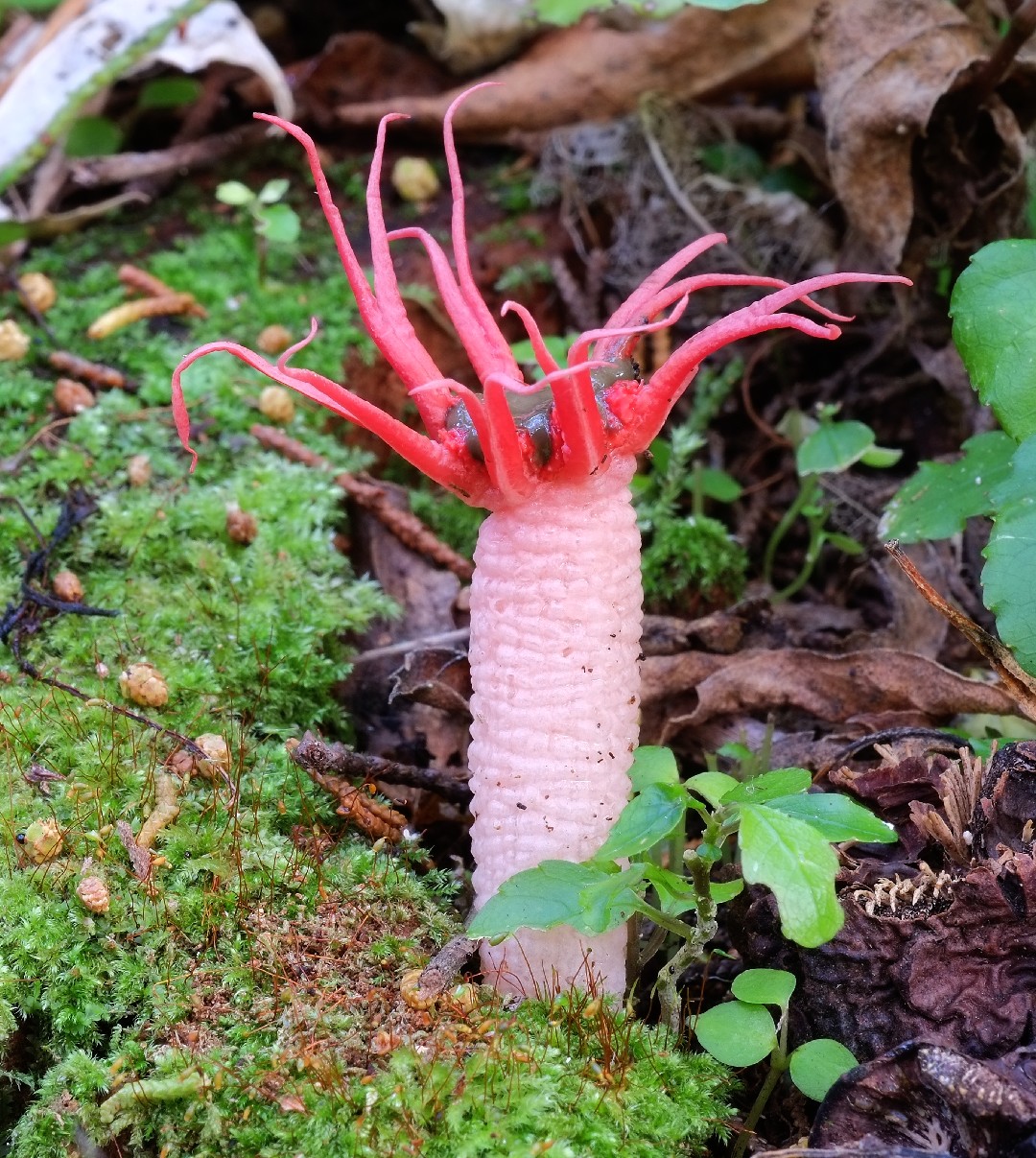
3. Anemone stinkhorn
The anemone stinkhorn (Aseroe rubra) looks like a creature straight from the depths of the ocean…or perhaps a horror movie! This Australian native starts fruiting with a white, egg-like ball that breaks open to reveal bright red tentacle-like fingers that spread toward the sky with radial symmetry and the odor of rotting meat. It has spread to tropical and sub-tropical areas around the world and is potentially poisonous.
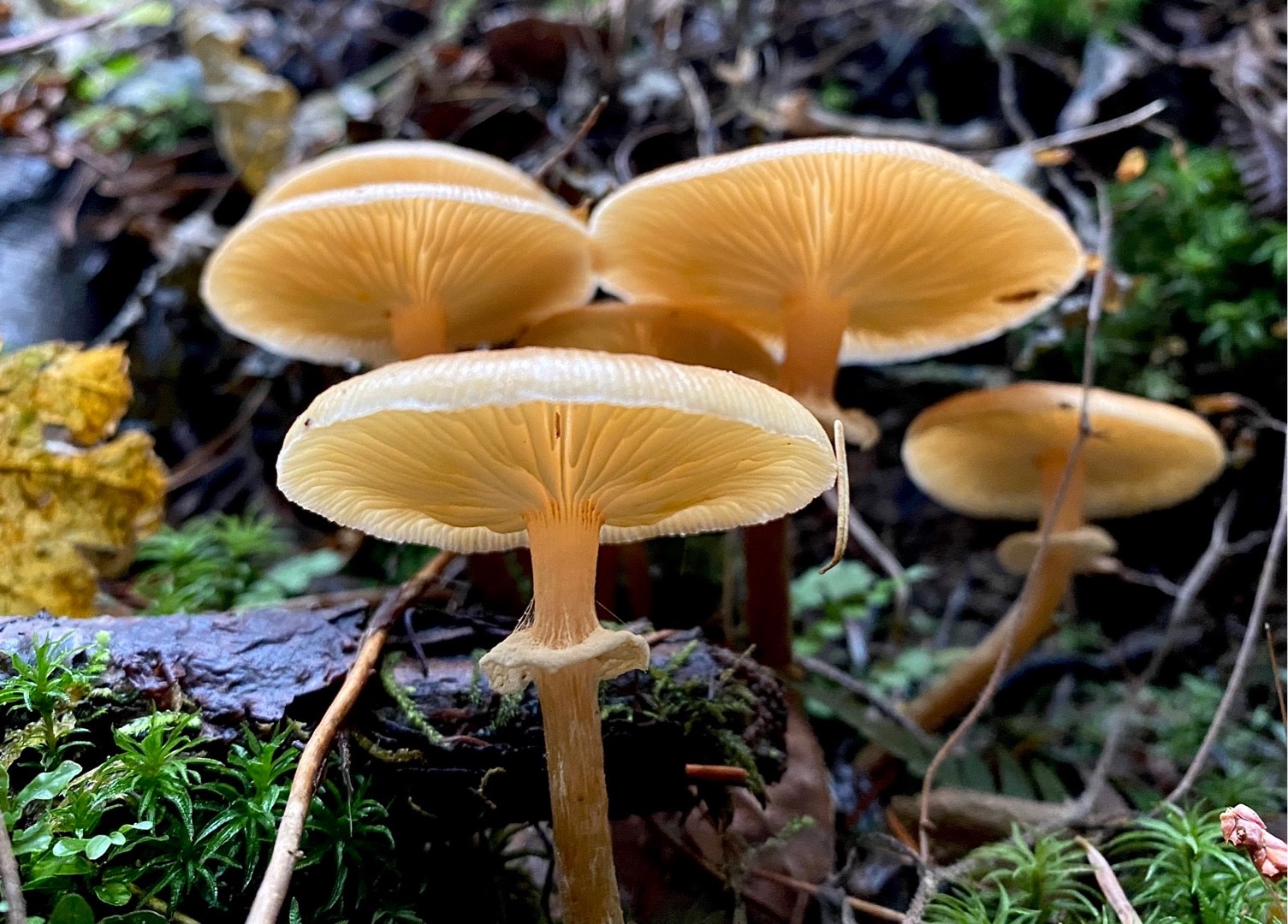
4. Armillaria root disease
Armillaria root disease (Armillaria novae-zelandiae) is a pathogen fungus of trees that causes great damage to forests of New Zealand. The species is also found in South America and DNA data suggest that the armillaria root disease was initially a Gondwana species.
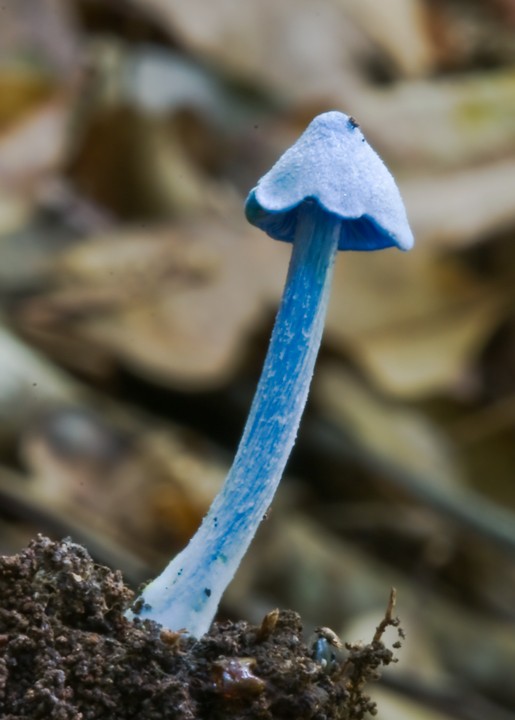
5. Blue entoloma
This breathtaking mushroom is one of the few organisms in the natural world that appears blue because of a true pigment created by its body. Blue entoloma (Entoloma hochstetteri) is native to India and New Zealand, and in the latter nation, it is even depicted on their fifty-dollar bill. This eye-catching species is not considered edible.
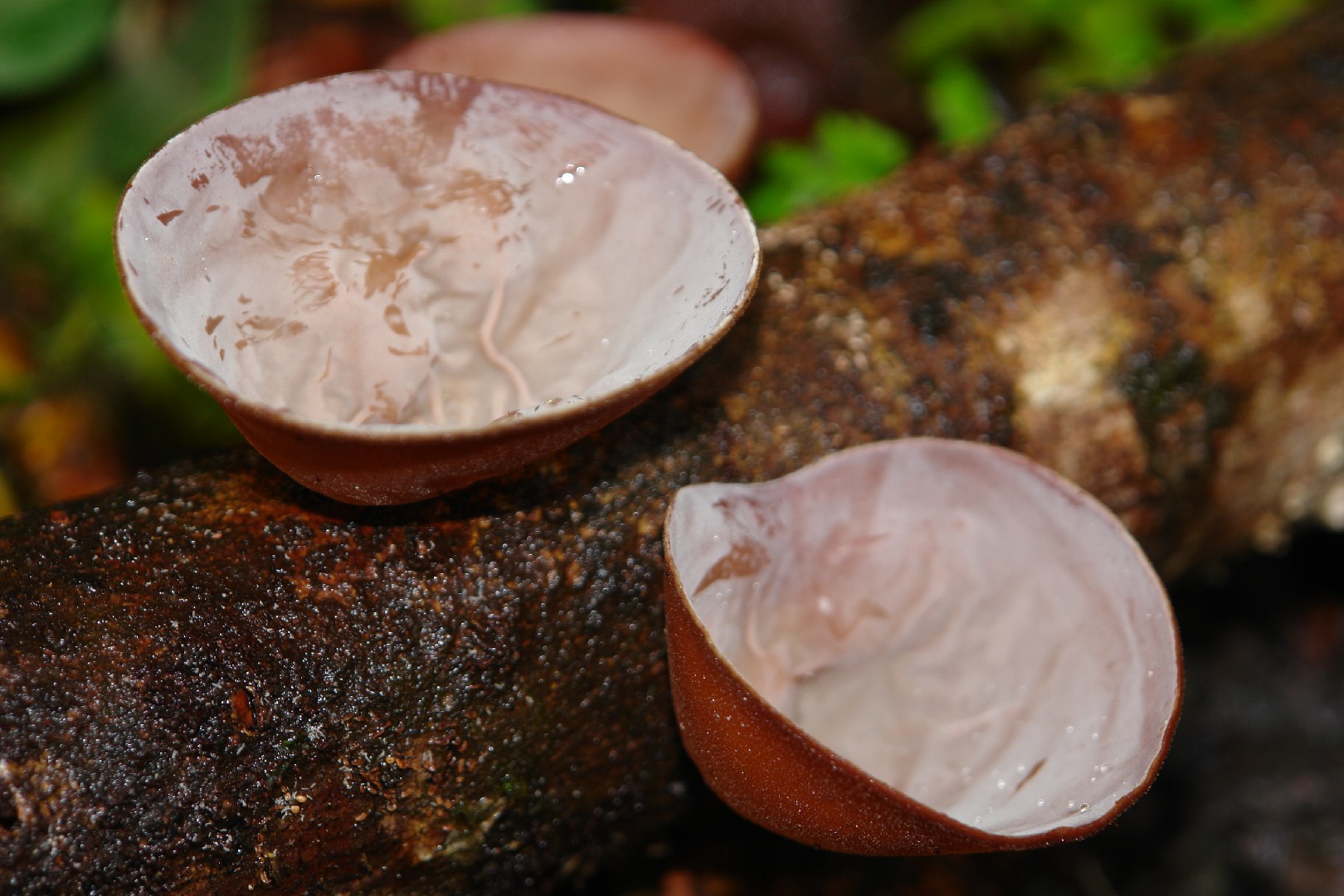
6. Wood ear
The fuzzy surface of the wood ear (Auricularia cornea) is a distinguishable characteristic of this wood-loving mushroom. The hairy, ear-shaped body transforms in color when exposed to moisture and can range from chocolate brown to dull gray.
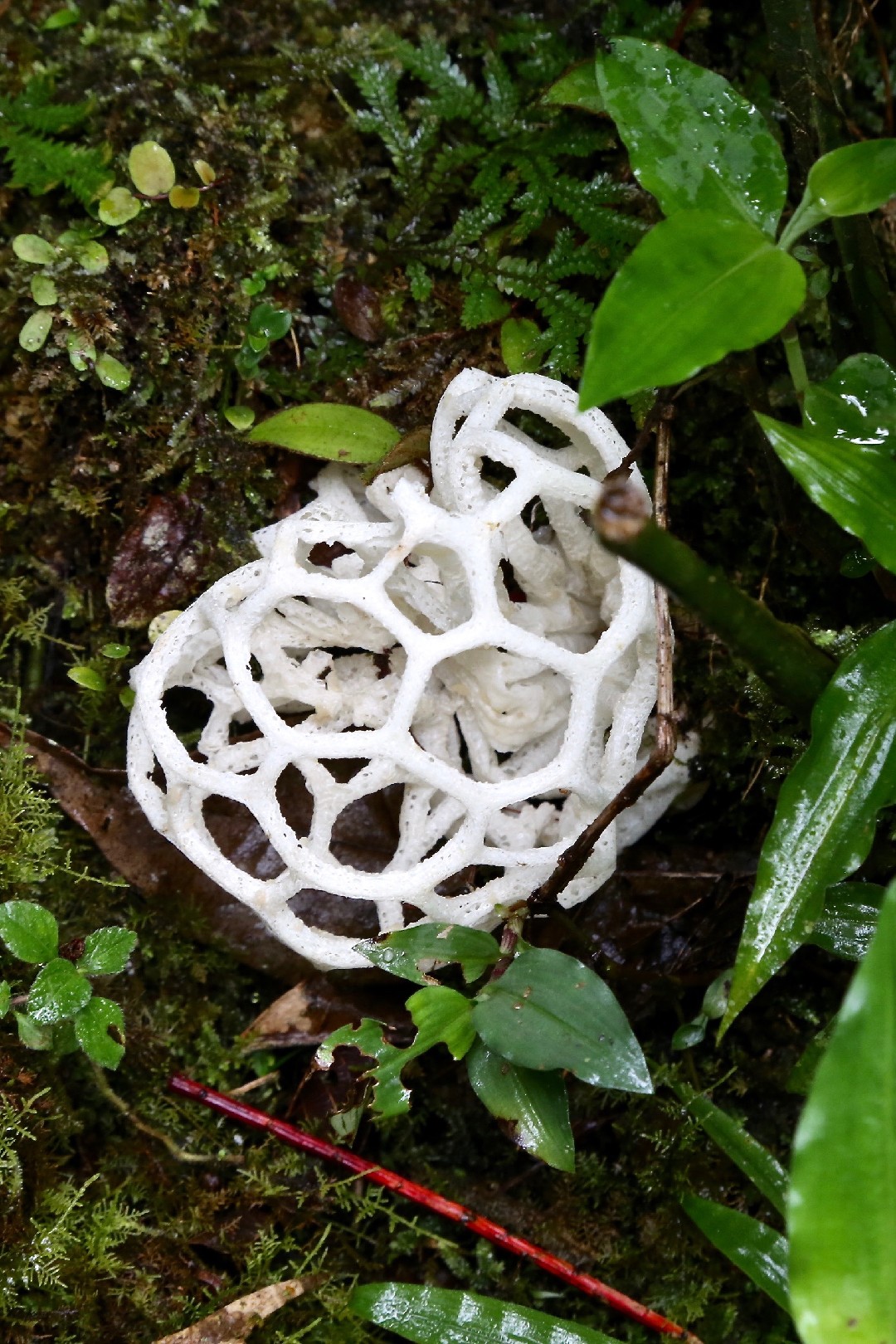
7. Basket fungus
Basket fungus(Ileodictyon cibarium) is easily recognized by its interlaced and latticed structure. The white branches emit a smelly odor that attracts flies, which then spread the spores and enable the proliferation of the species.

8. Entoloma canoconicum
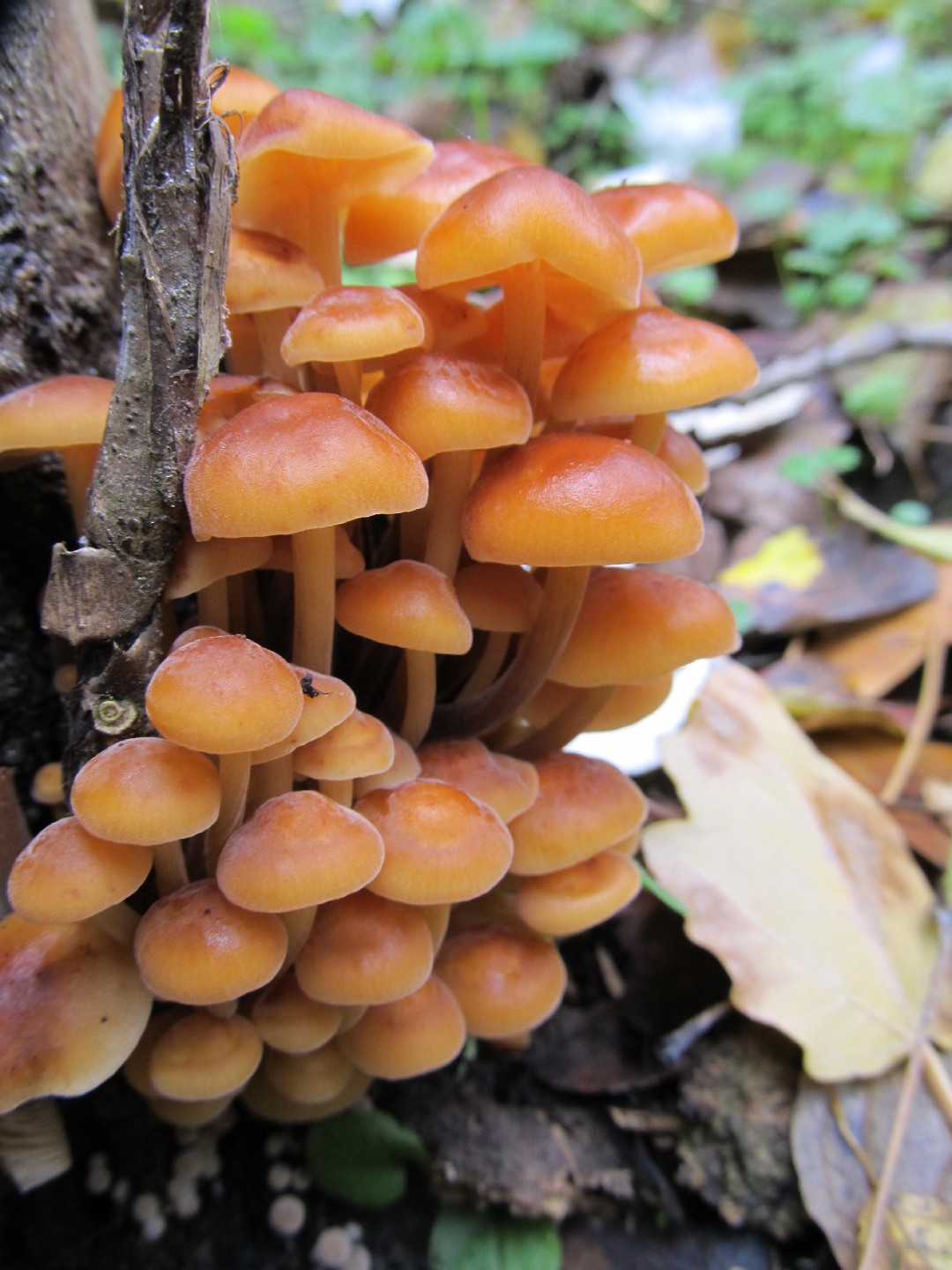
9. Enoki
The enoki grows wild on dead elm trees, and is also cultivated for human use. This flavorful species (Flammulina velutipes) has been used in dishes around the world for generations, being particularly high in nutrients. Though store-bought enoki are often plain white, wild ones can be found in a range of colors.
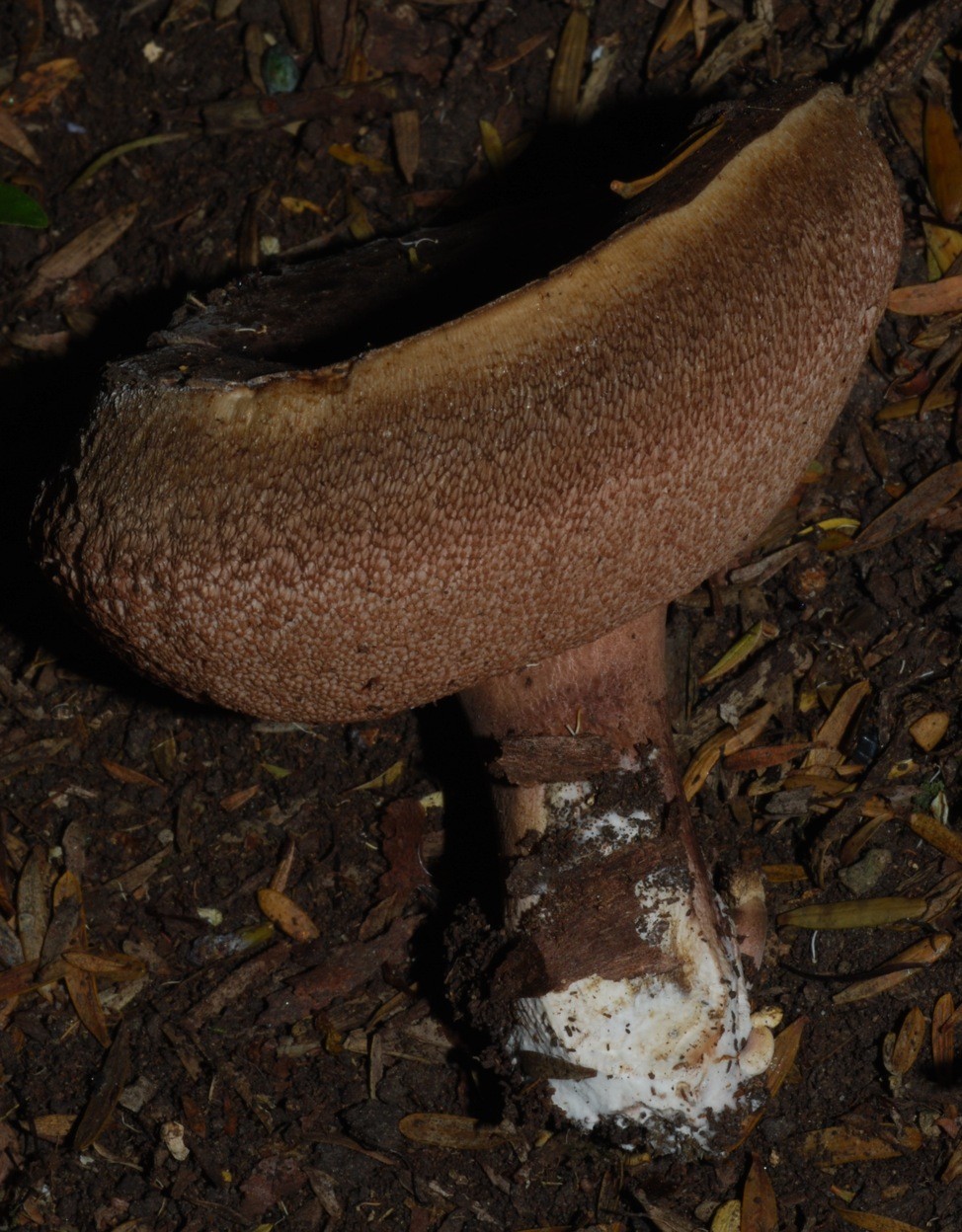
10. Dark velvet bolete
The dark velvet bolete(Porphyrellus formosus) is one of the largest boletes found on New Zealand. It was recently renamed after some extensive research that found it is a unique mushroom, not of the genus Porphyrellus at all. Its wide, chocolate-brown caps can be found flourishing on the forest floors under beech trees.
More







