




Top 20 Most Common Mushrooms in Jalisco

Most Common Mushrooms
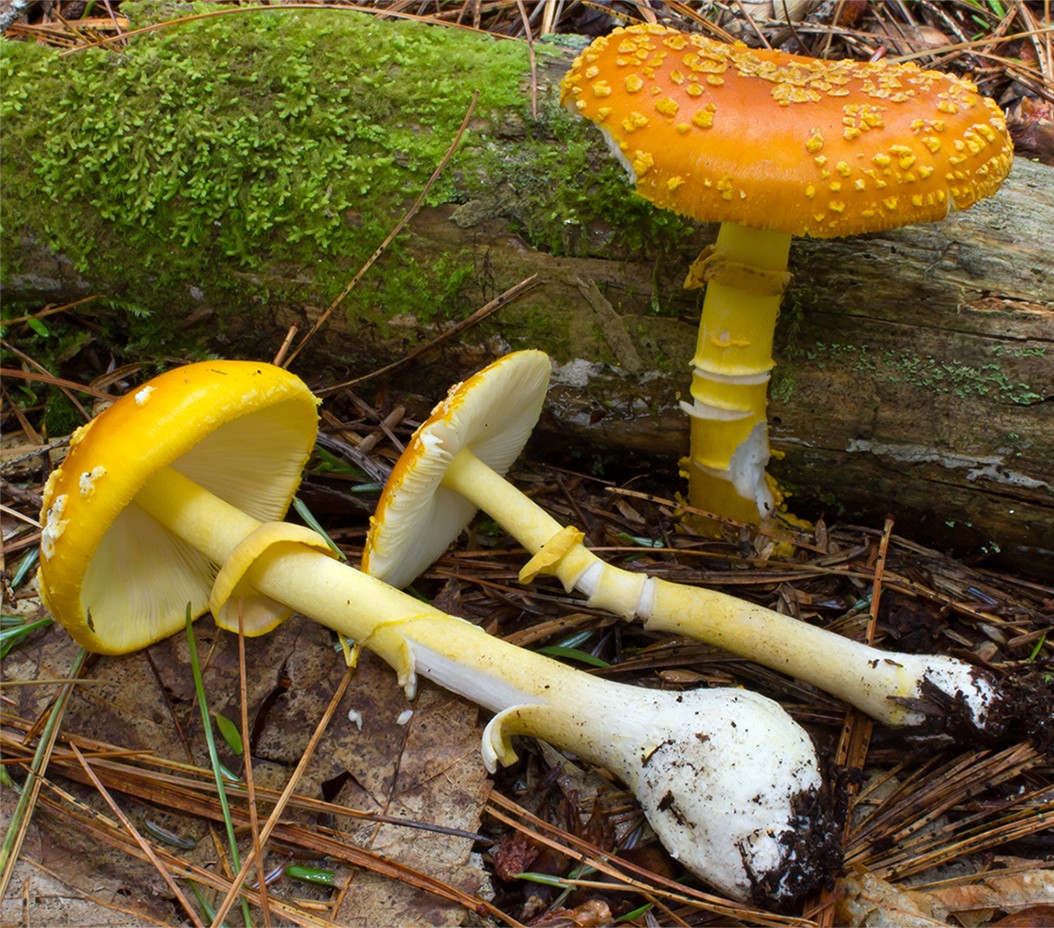
1. Yellow patches
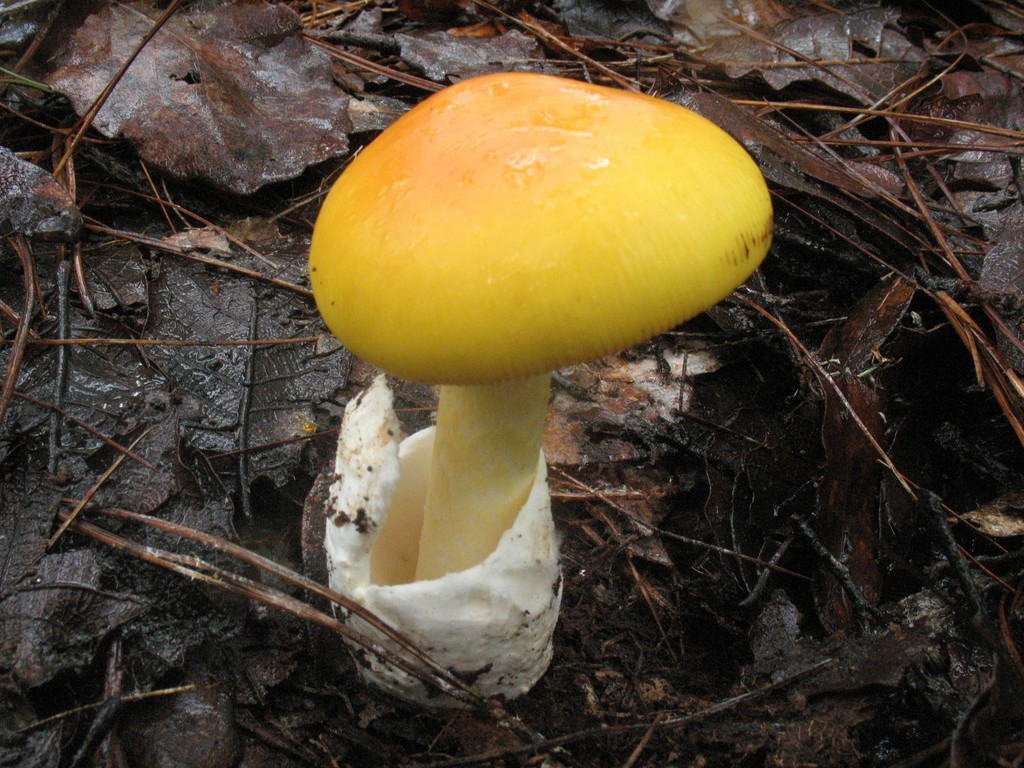
The yellow patches is a gorgeous, striking species with a deep marigold or vermillion cap that sometimes appears as a blend of the two. Like some other members of the Amanita genus, it also sports patchy white worts - when it's cap is still very convex, it somewhat resembles the famous white and red mushrooms from the Mario Bros video games. While beautiful to look at, this species is toxic and should not be harvested.
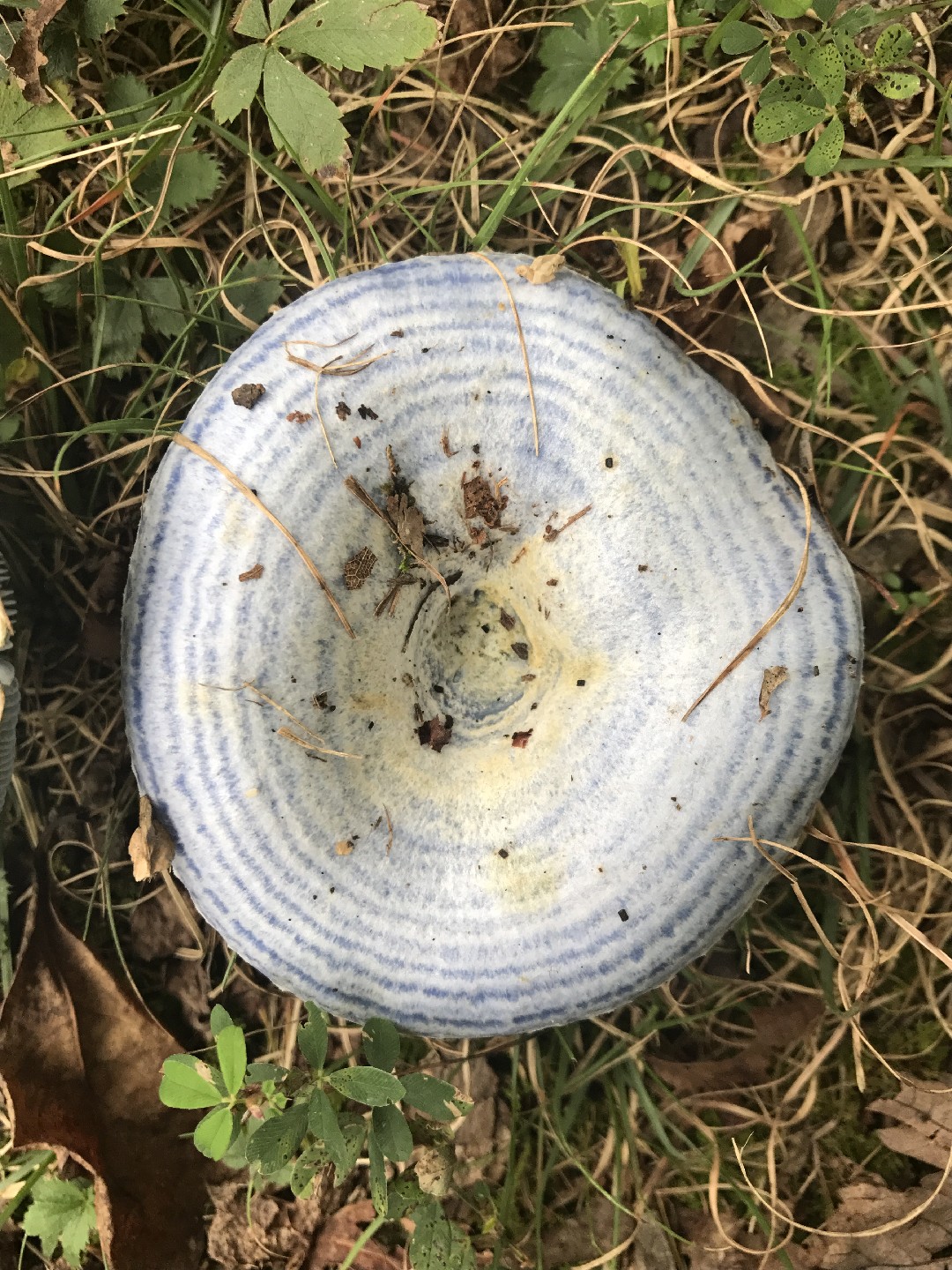
2. Indigo milk cap
This gorgeous species is unlike any other. The indigo milk cap, a member of the often-drab russula family, is deep blue in color. Like other milk caps, it bleeds a latex-like substance when cut or damaged, but instead of the usual white this species bleeds deep blue.
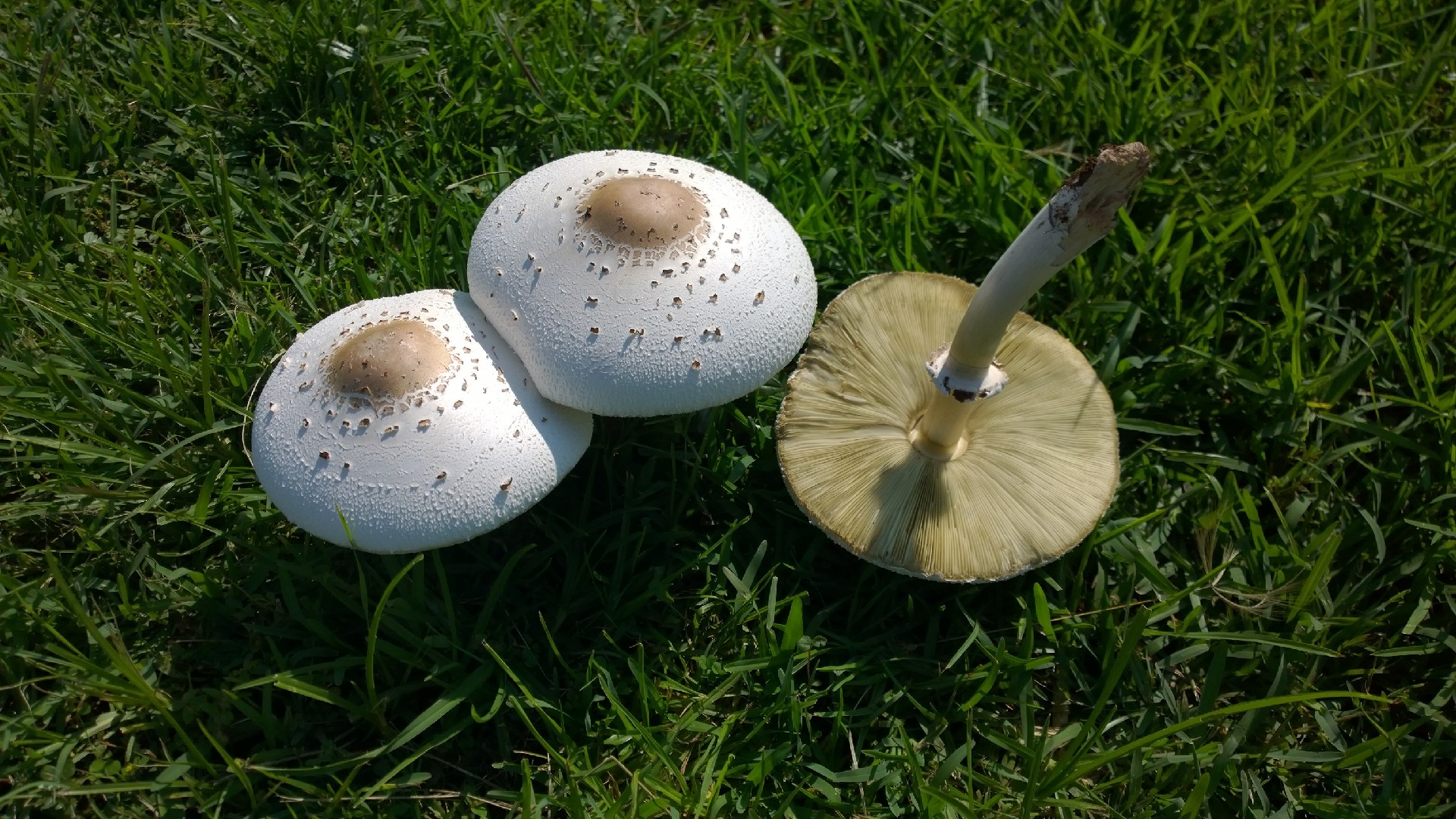
3. False parasol
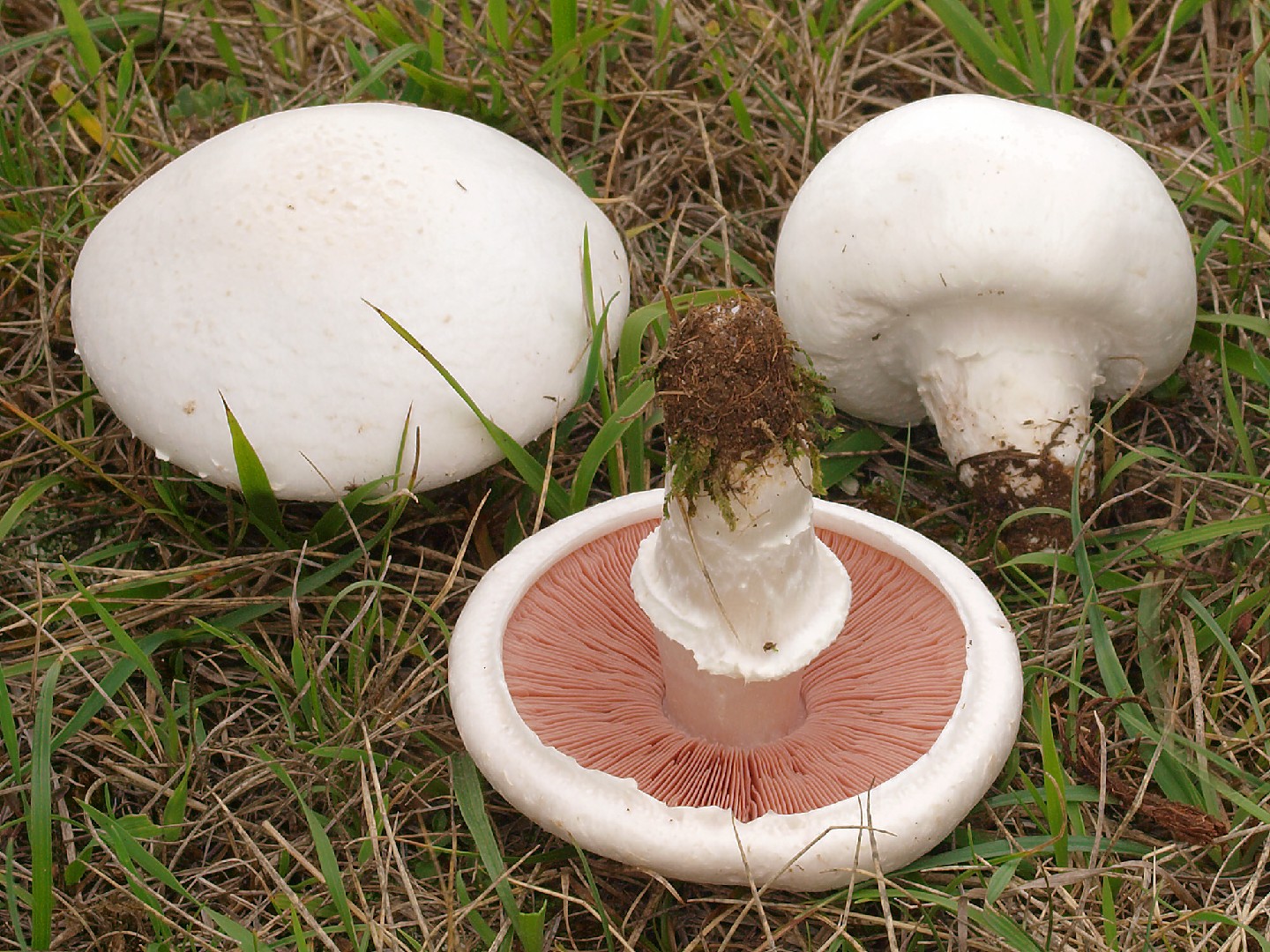
Though the false parasol appears unassuming, the species is famous—or, infamous—for its toxicity. It looks unfortunately similar to Agericus campestrus, a commonly eaten mushroom, but the false parasol can be distinguished by its highly unusual green spore print. Although they are no good to eat, they can be pretty to look at. The species may grow in ring-shaped groups in meadows and on forest floors in what are sometimes called "fairy circles."
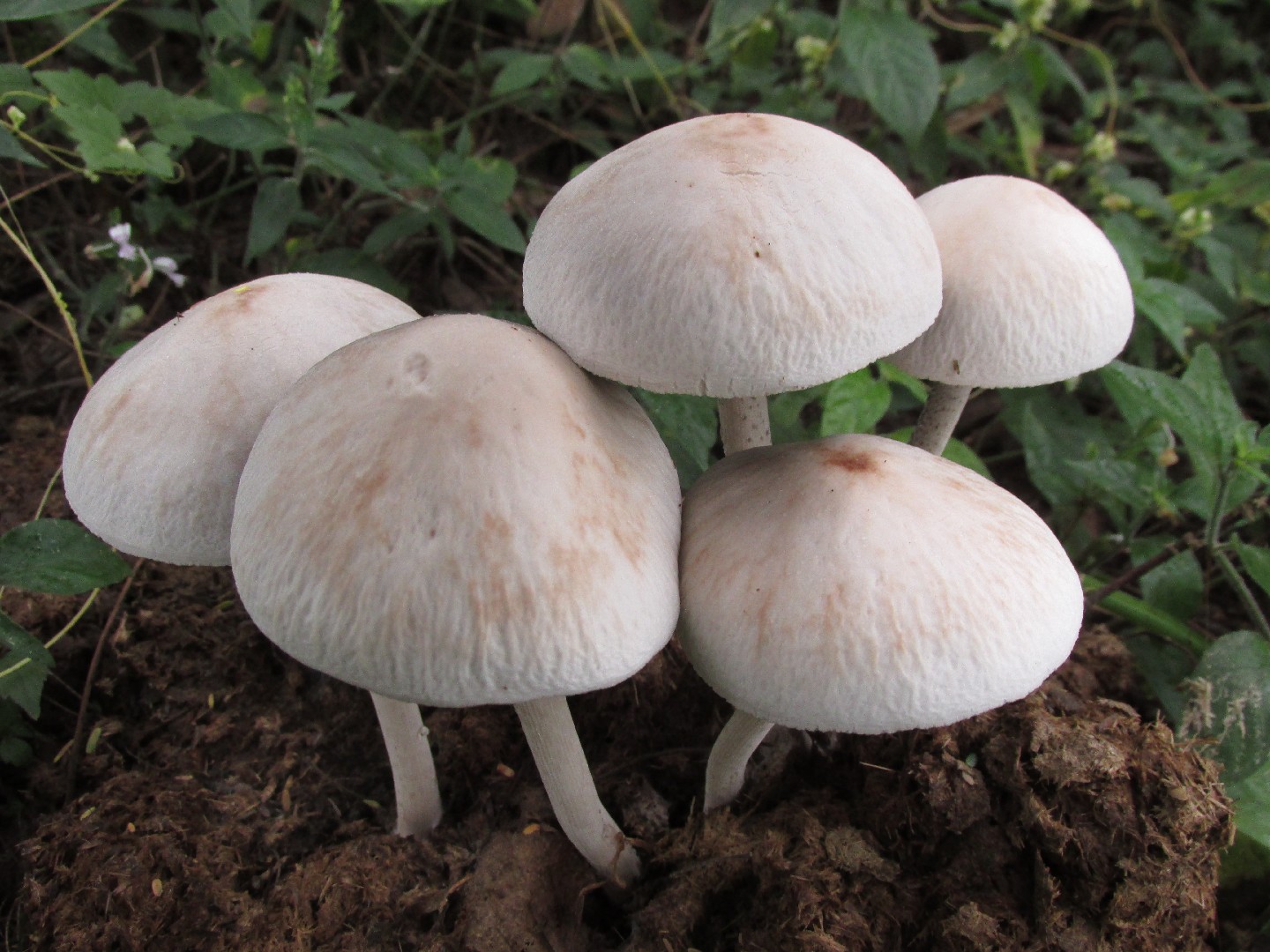
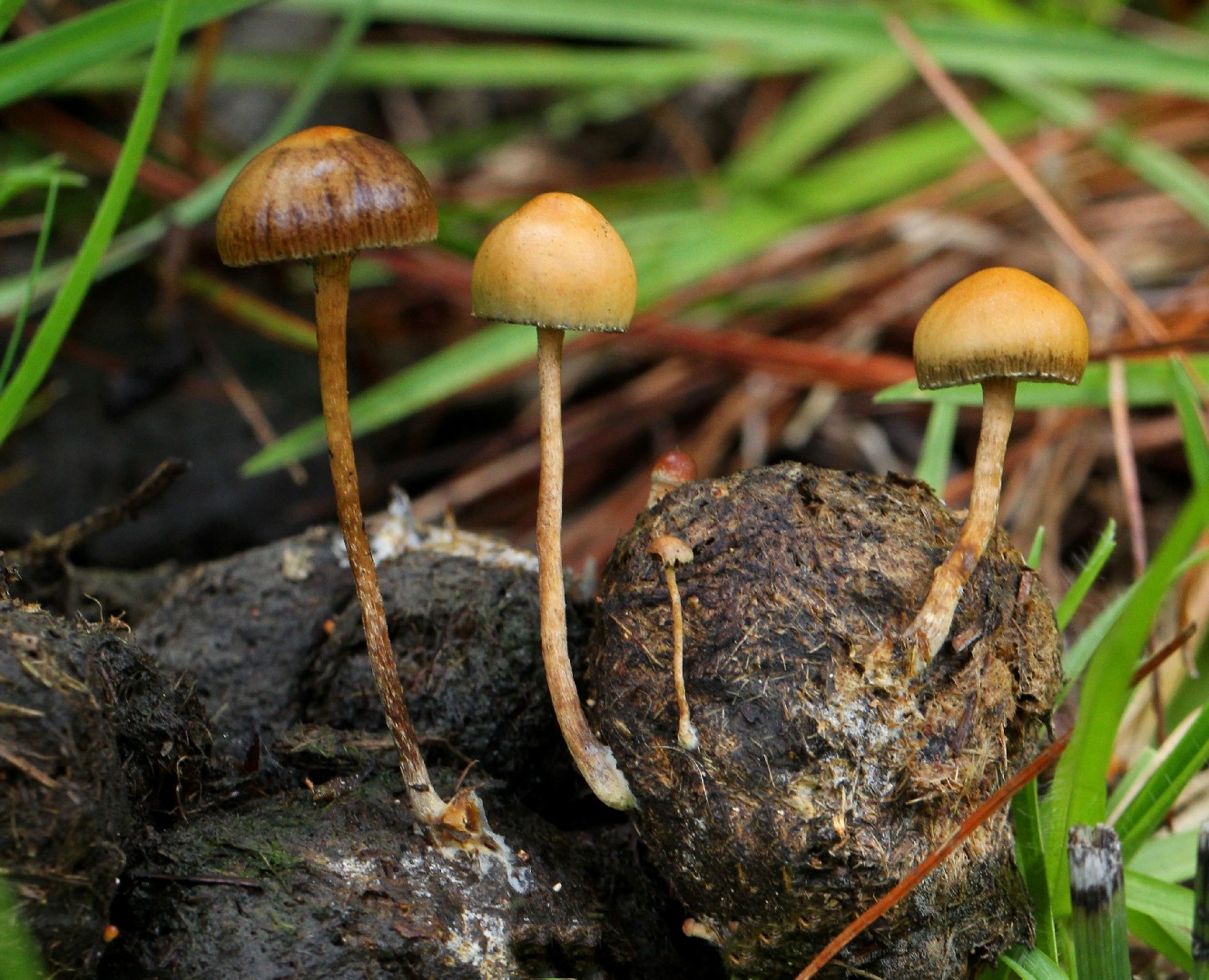
4. Panaeolus antillarum
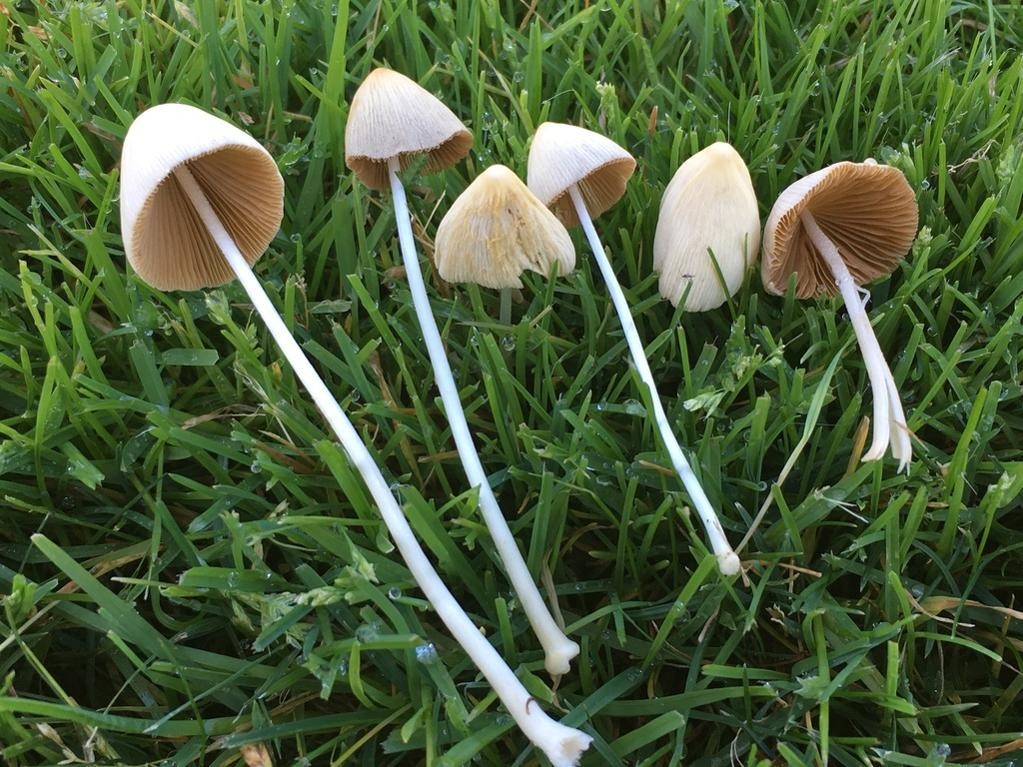
The panaeolus antillarum is a small, nondescript mushroom that, like other members of the Panaeolus genus, favors fruiting in animal dung, though it may also be found in wet meadows or even lawns. Though its stalk and cap don't offer any quick or easy identifying characteristics, one distinguishing feature of this species is its spore print, which is jet black.
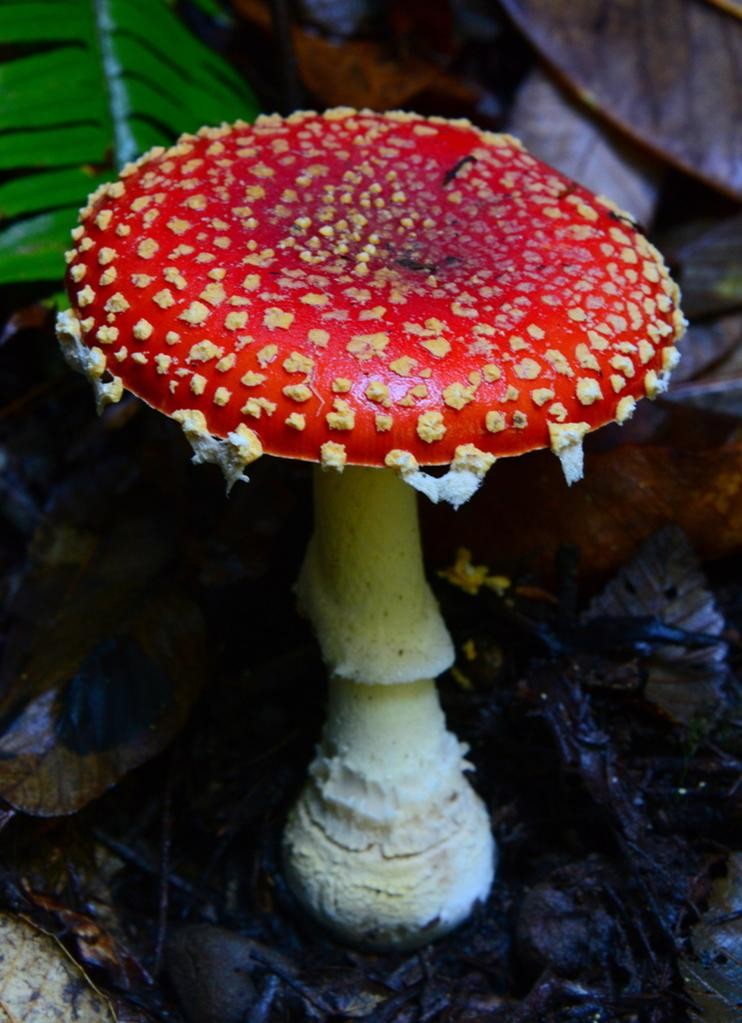
5. Fly agaric
In Northern Asia and Europe, fly agaric grows under trees near the winter solstice and is collected for ritual use tied to the season. Its characteristic shape and coloring are still ubiquitous in many European fairy tale illustrations and Christmas traditions. It is highly toxic.
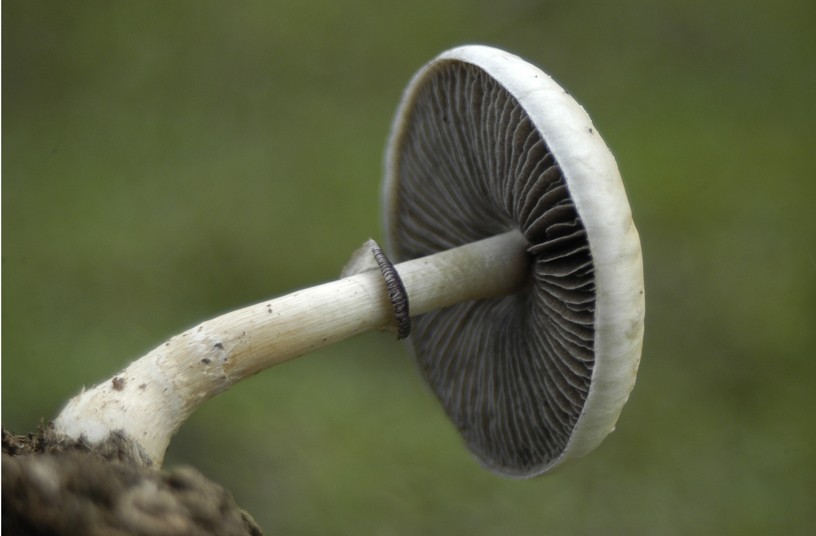
6. Magic mushroom
Psilocybe cubensis, known informally as magic mushroom, are a globally distributed species that can be found growing in tropical or subtropical areas across the Americas, Africa, India, Southeast Asia, and Australia. Particularly fond of growing in cattle dung, the magic mushroom may be found in larger quantities in ranching areas.
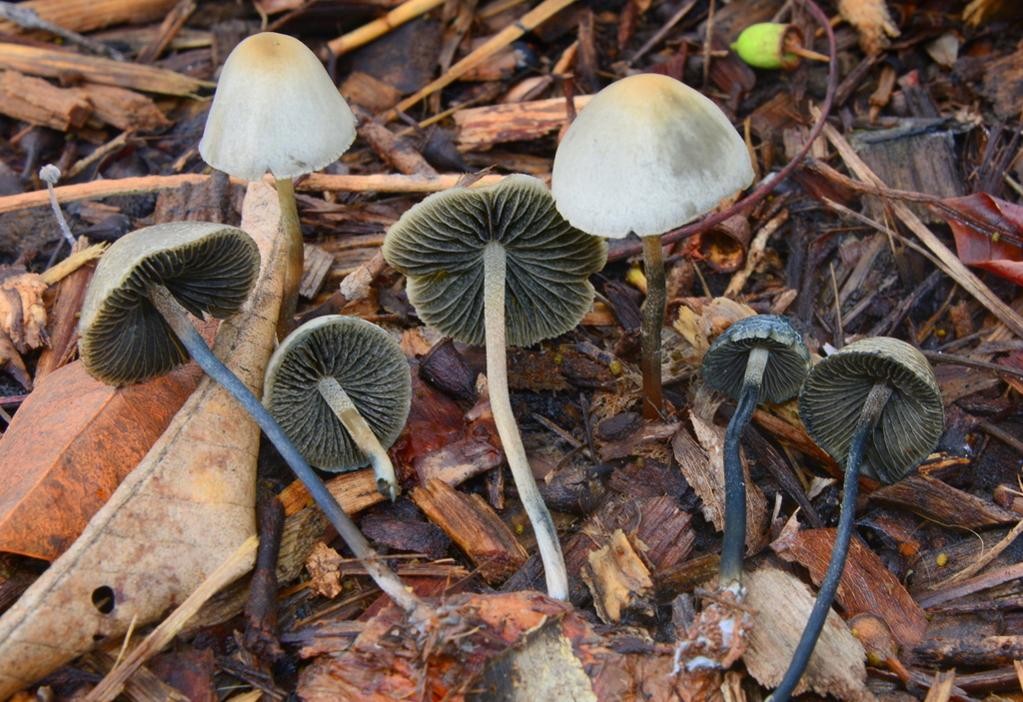
7. Blue meanies
The blue meanies (Panaeolus cyanescens) grows abundantly from composted dung in fields across the globe. They are small in size, with short, bell-shaped caps iridescent pale blue in color. The underside of the cap displays gills that are widely spread apart. This mushroom is a toxic poisoning risk. Consumption is not recommended.

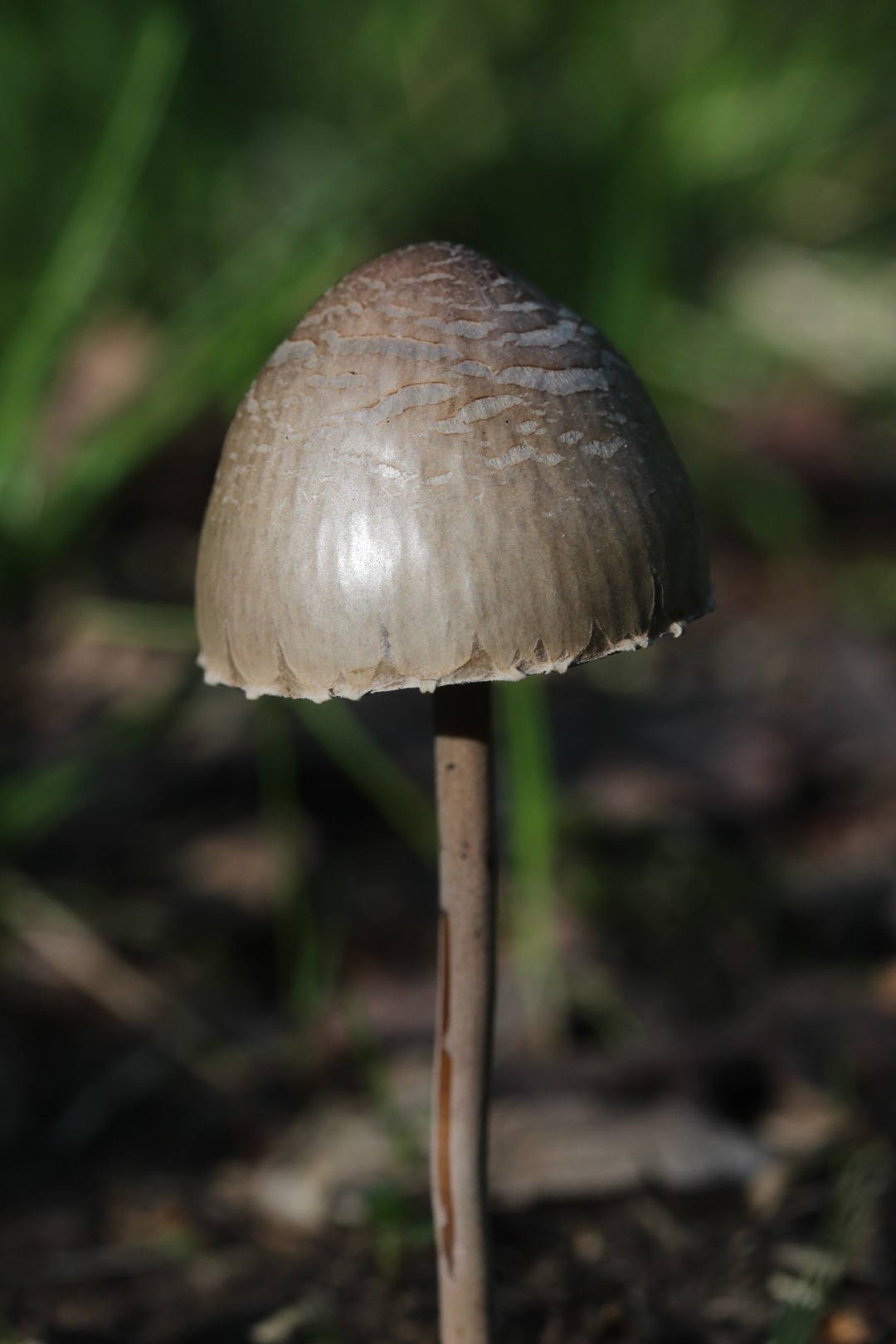
8. Shaggy mane
The shaggy mane mushroom is commonly found in North American and European grasslands. Some peoples foraged for its young egg-shaped caps, but it has more recently been found to be a bioaccumulator of heavy metals, meaning it pulls toxic metals up from the soil where it grows. As a result, shaggy manes should not be eaten. The mushrooms usually appear in clusters or “fairy rings.”
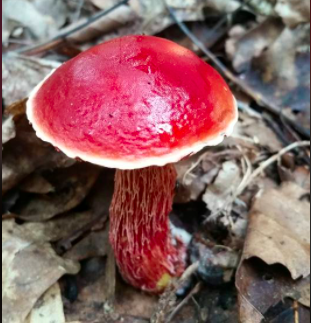
9. Frost's bolete
Frost's bolete is a favorite among photographers thanks to its photogenic apple-red color and bark-like stem. These characteristics mean that frost's bolete is rarely confused for other mushrooms, though the color can fade in older mushrooms. Additionally, this mushroom often bruises blue when touched and may have small drops of yellow water on its pore surface.
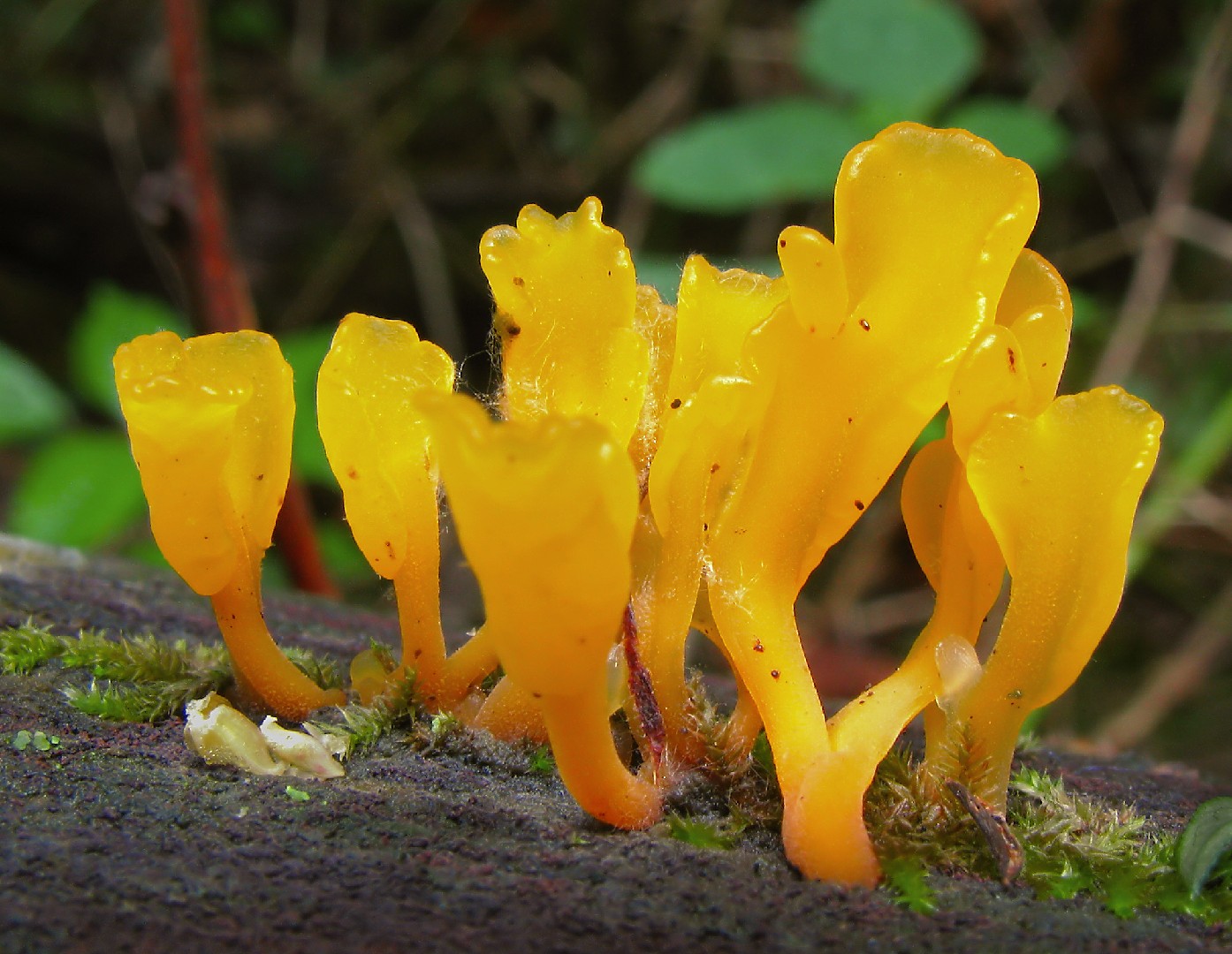
10. Fan-shaped jelly-fungus
Just as its Latin and the common English names suggest, the fan-shaped jelly-fungus (Dacryopinax spathularia) is a fan-shaped or spatula-shaped jelly-like mushroom. It commonly grows in wood cracks and it sometimes even appears in the cracks of the processed wood and lumber. Despite the word "jelly" in its name, the fan-shaped jelly-fungus is not considered edible.
More







