




Top 20 Most Common Mushrooms in Albino
Immerse yourself in the fascinating world of the Albino mushroom, a rarity among the top 20 common mushrooms observed in Albino. Distinguished by its unique white color and smooth texture, it grows abundantly in the nutrient-rich, moist environment of Albino. Explore Albino's delightfully diverse mushroom ecosystem as it boasts an unexpectedly wealthy variety of species. Cultivated or wild, these Albino mushrooms are gems hidden within Albino's enchanting verdant landscape.

Most Common Mushrooms
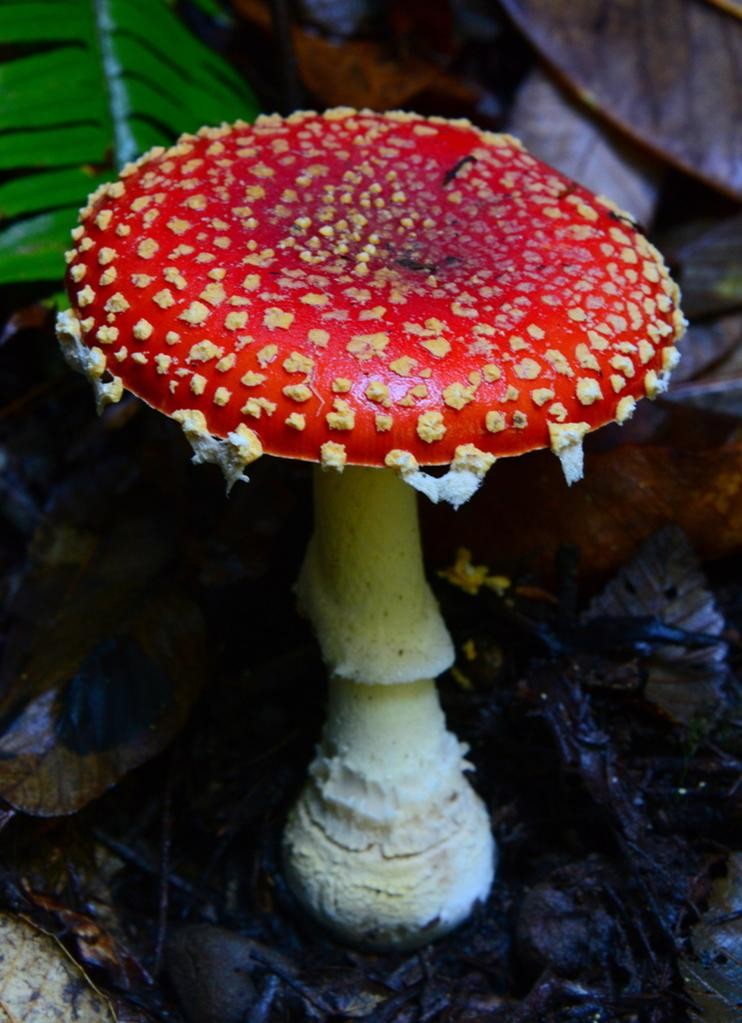
1. Fly agaric
In Northern Asia and Europe, fly agaric grows under trees near the winter solstice and is collected for ritual use tied to the season. Its characteristic shape and coloring are still ubiquitous in many European fairy tale illustrations and Christmas traditions. It is highly toxic.
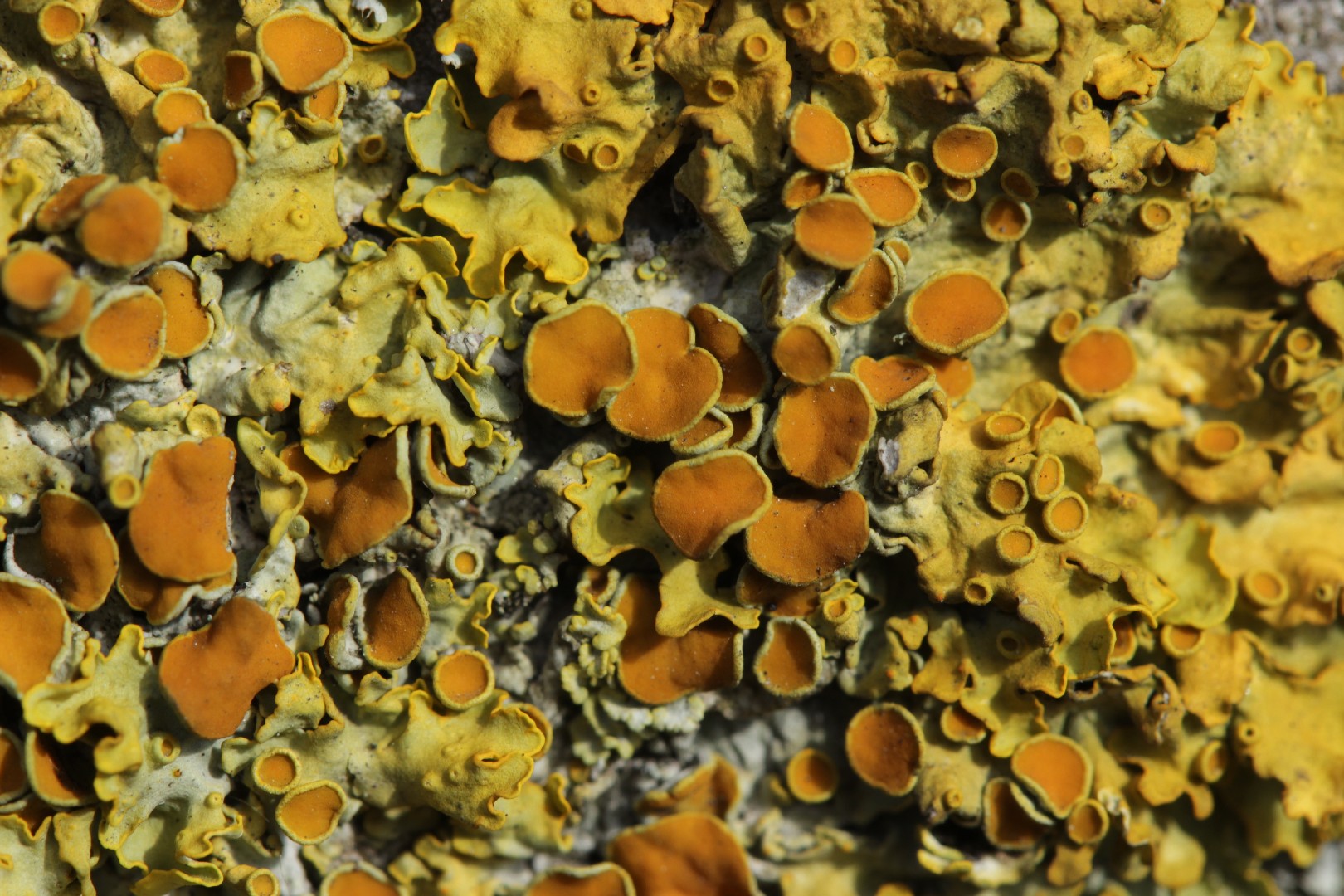
2. Common orange lichen
Common orange lichen was selected in 2006 by the United States Department of Energy as a model for genomic sequencing. Its widespread dispersal and bright yellow-orange color give the lichen its common name. It is primarily found growing on rocks, walls, and tree bark.
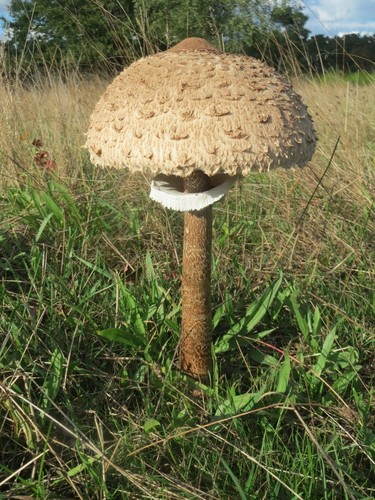
3. Parasol
Found in clearings and grassy areas in late summer, the wild parasol mushroom has a snakeskin-patterned stem. The brown spots on its cap make it look a bit shaggy, but that name is reserved for its poisonous counterpart, the Shaggy Parasol (Chlorophyllum rhacodes). You can distinguish the two by the stems: the latter has a smooth stem and red flesh inside.
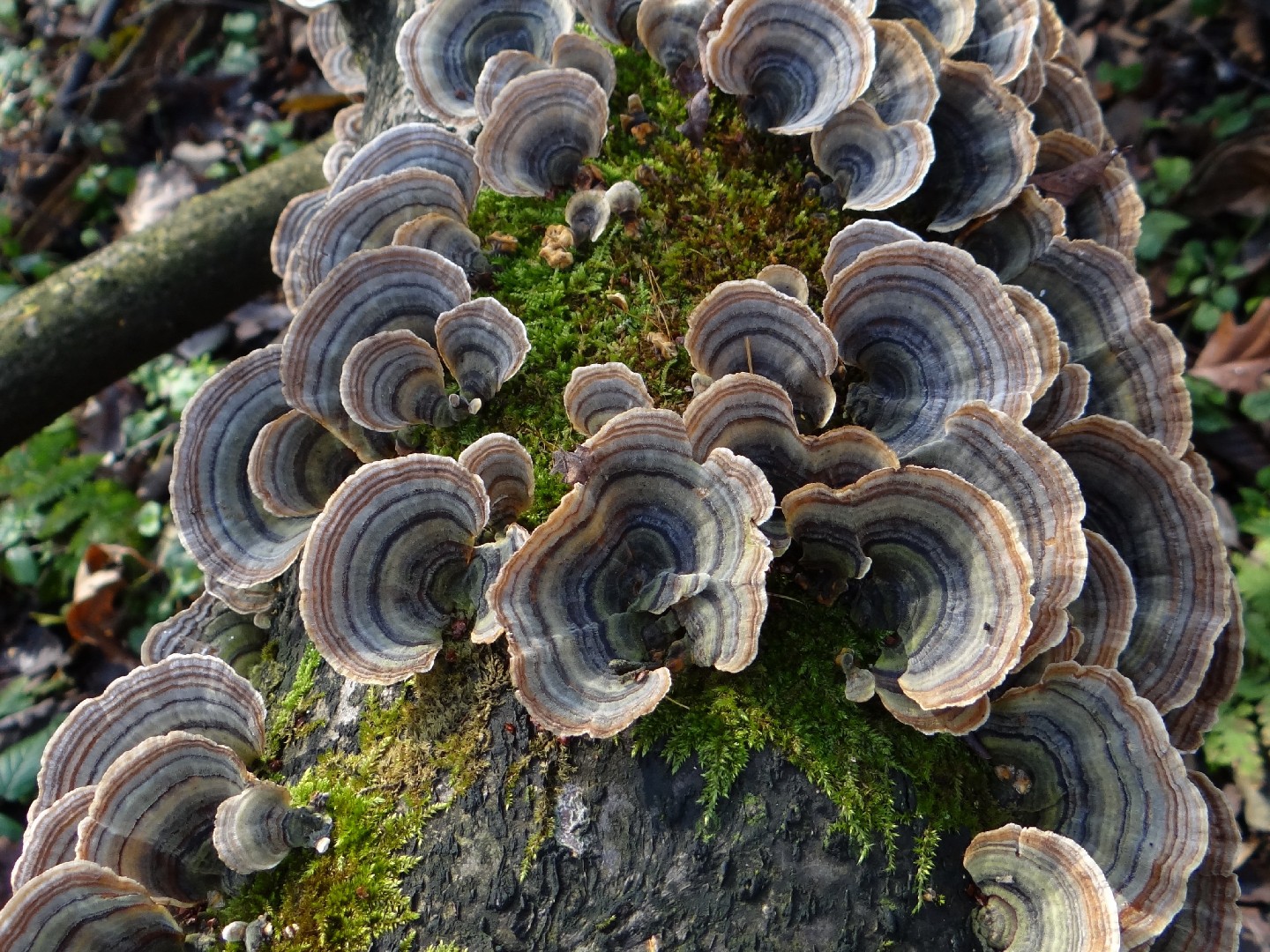
4. Turkey tail
The distinctively-striped turkey tail fungus grows on stumps and logs all over the forests of the northern hemisphere. It is, in fact, probably the most common species you will find. That doesn't mean this mushroom is plain, however; each cap is uniquely patterned. Look for bands of alternating textures as well as color.
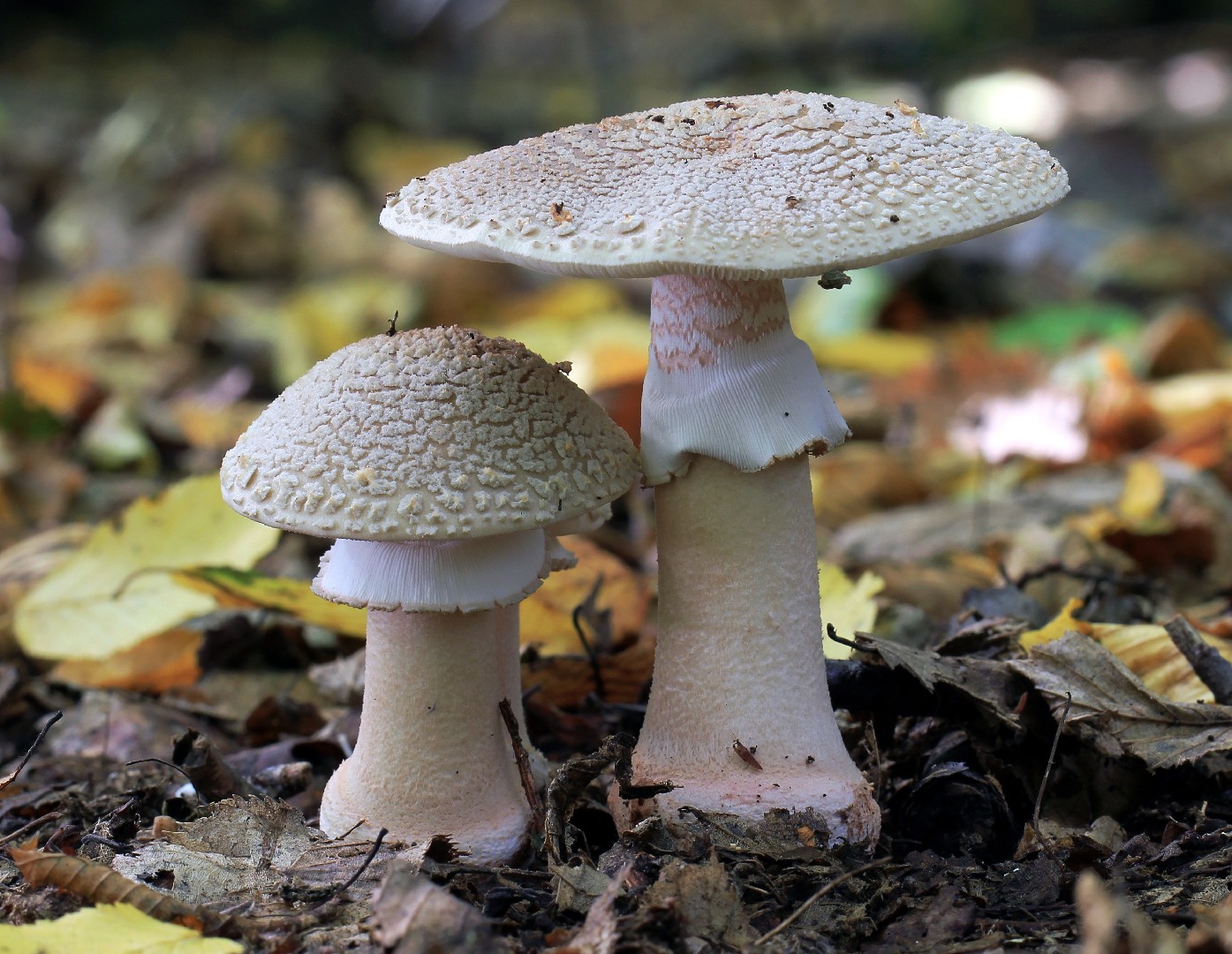
5. Blusher
The blusher mushroom is so named because it “blushes” to a pinkish red color when cut or bruised. It is found in many countries around the world, although it may not be native to the southern hemisphere. It contains a hemolytic toxin that can cause anemia if eaten.
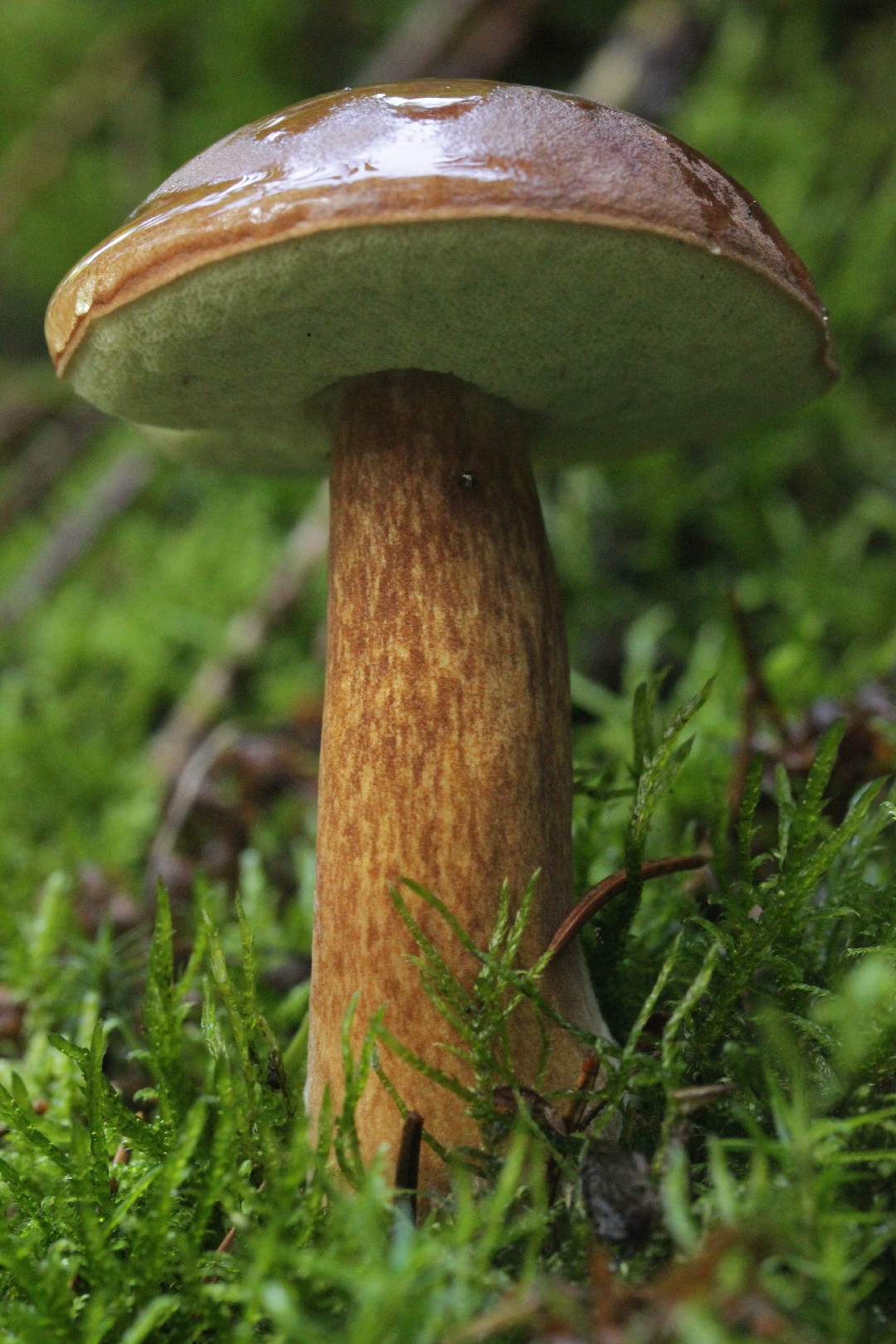
6. Bay bolete
The common bay bolete is found across the northern hemisphere, often in spruce and pine forests and occasionally under deciduous trees. While it lives in a symbiotic relationship with a living tree, the mushrooms are most often found near well-decayed, mossy stumps, usually singly or in very small groups.
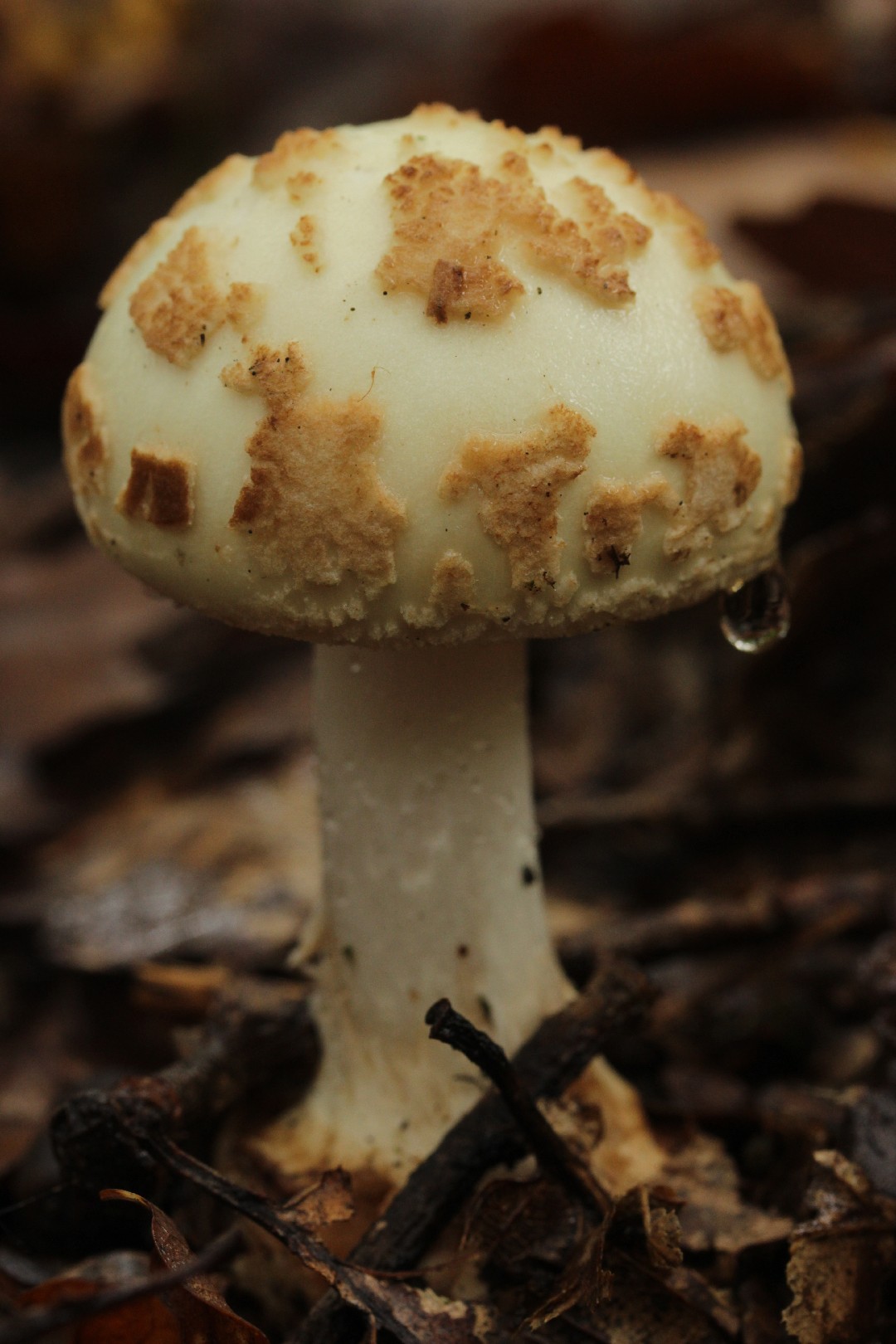
7. False death cap
A close cousin to the more deadly Amanitas such as Destroying Angel and Deathcap, the false death cap is an inedible mushroom that regularly grows on forest floors across the northern hemisphere. It consumes both hardwood and soft, and fruits from late summer to autumn.
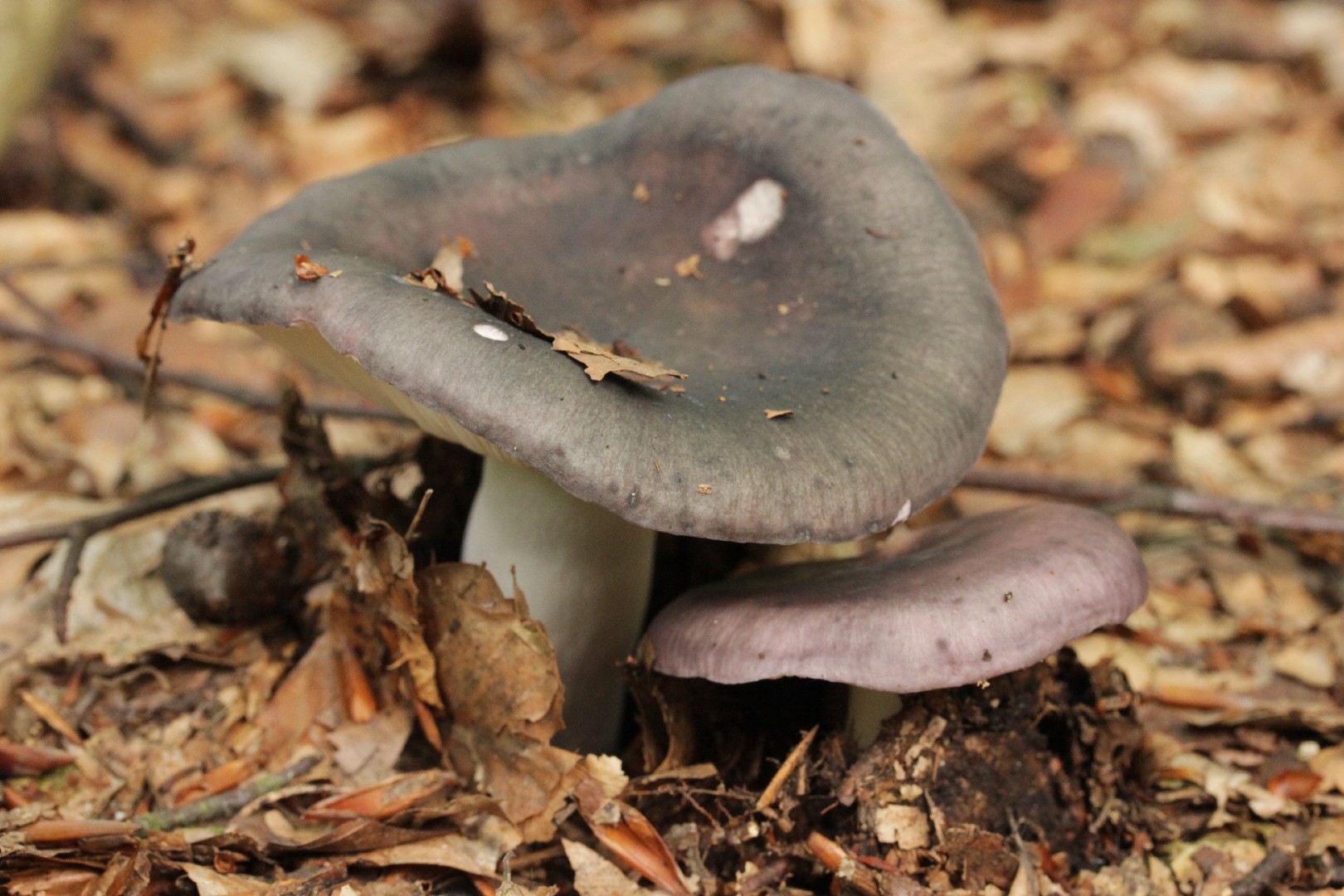
8. Charcoal burner
Most commonly found under beeches in forests or parks, this crumbly mushroom can appear in colors ranging from red and yellow to violet, blue-grey, or even green. Its scientific name represents this variability: Russula cyanoxantha means “reddish blue-blonde.”
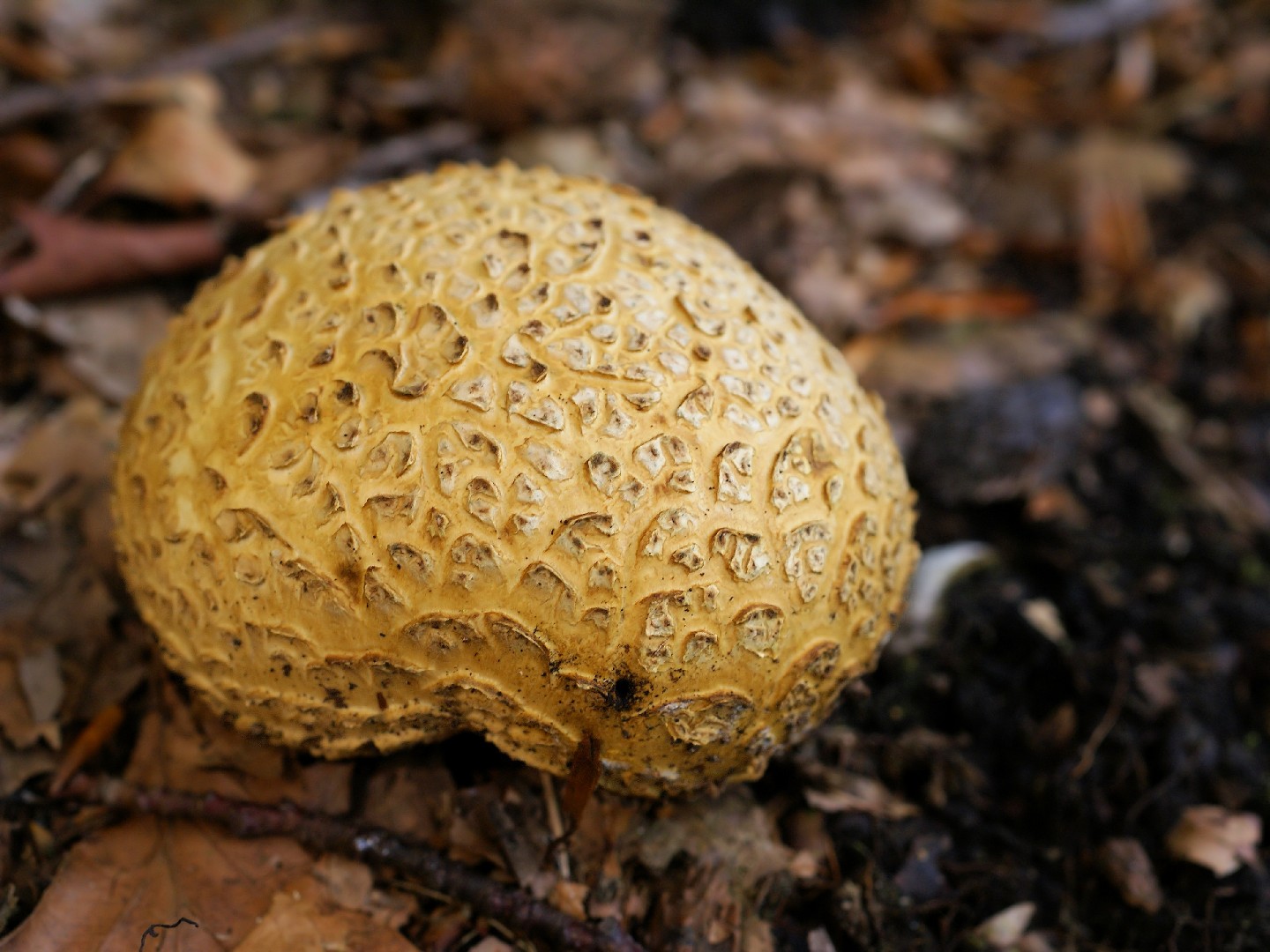
9. Common earthball
With an appearance similar to a crusty potato, the common earthball blooms from acidic soils, including compacted paths on the forest floor. It matures to a yellowish tinge and is found across the northern hemisphere. It is a close cousin to bolete mushrooms but is considered to be poisonous and is never eaten.
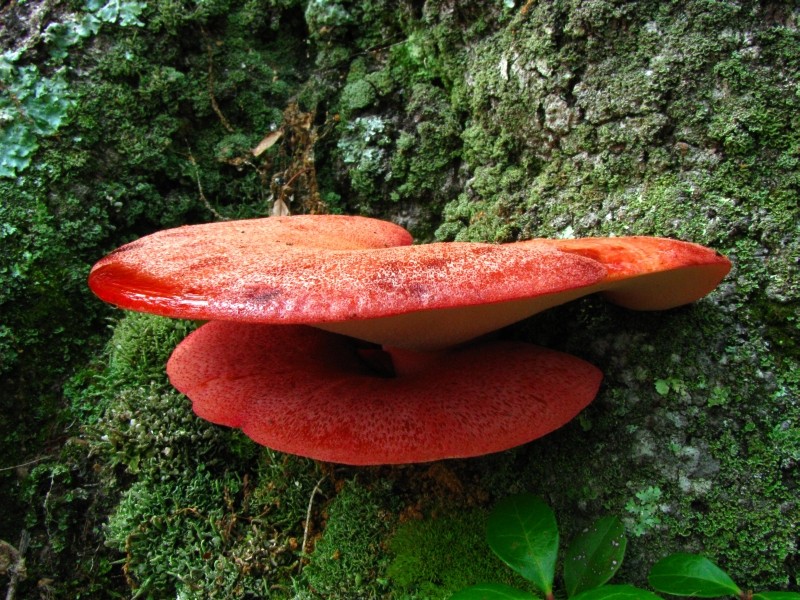
10. Beefsteak fungus
Beefsteak fungus(Fistulina hepatica) is an unusual fungus that visually resembles a slab of raw meat; cutting into it will cause a discharge of thick red liquid resembling blood, adding to this resemblance.
More







