




Top 20 Most Common Mushrooms in Finland
Dive into a world thriving with the beauty and mystery of fungi, as we delve into the top 20 most common mushrooms in Finland. Renowned for its pristine, diverse ecosystems driven by its unique climate and fertile soil, Finland serves as a fertile harbor for a plethora of mushroom species. This northern kingdom, encrusted with lush forests, idyllic lakes, and free-flowing rivers, is a paradise for mushroom hunters, nourishing an astonishing range of fungi that embellish its landscape annually. The richness of mushroom species in Finland is a testament to the nation's ecological wealth, promising a fascinating journey for mycology enthusiasts.

Most Common Mushrooms
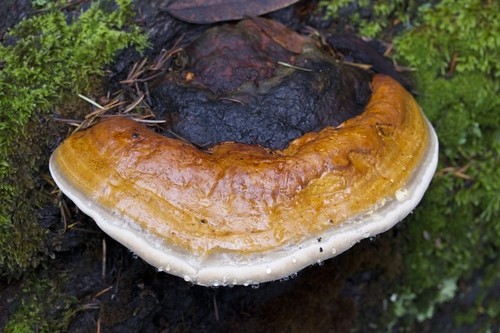
1. Red-belted conk
This bracket or shelf fungus grows for years on both living and dead conifer trees. Its annual growth creates distinctive rings or ridges, with a bright red or orange band separating the old layers from the current growth. Red-belted conk is only a danger to living trees if it colonizes a very deep cut or broken top.
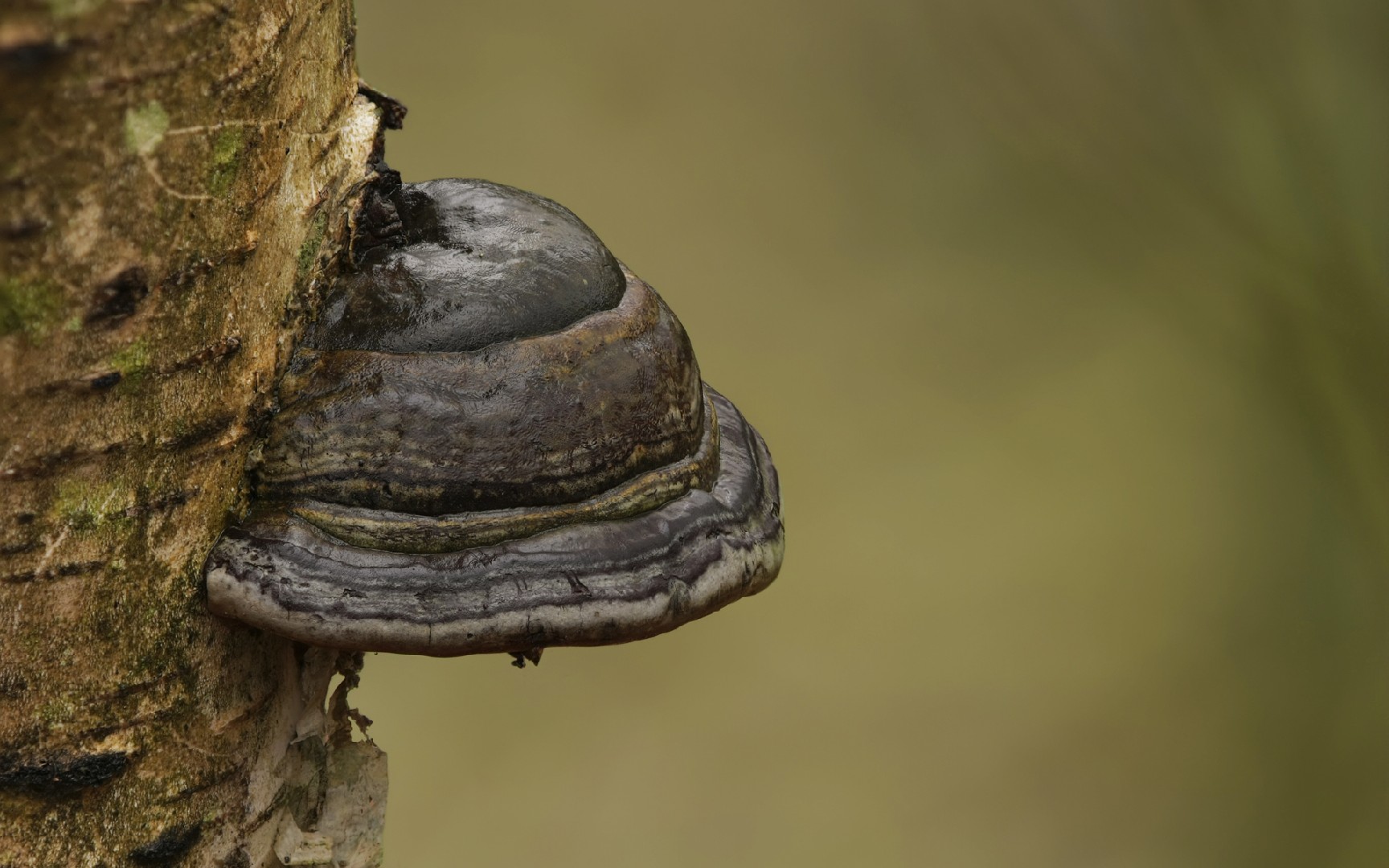
2. Tinder fungus
This large, tough shelf fungus can be found attached to birch, beech, and sycamore trees. It gets its common name, tinder fungus, from the fact that it burns quite slowly and can thus be used effectively for lighting fires. Dried pieces can also be a useful desiccant. A piece of this fungus was found in the possession of Otzi the Iceman, indicating that its usefulness has been known for millenia.
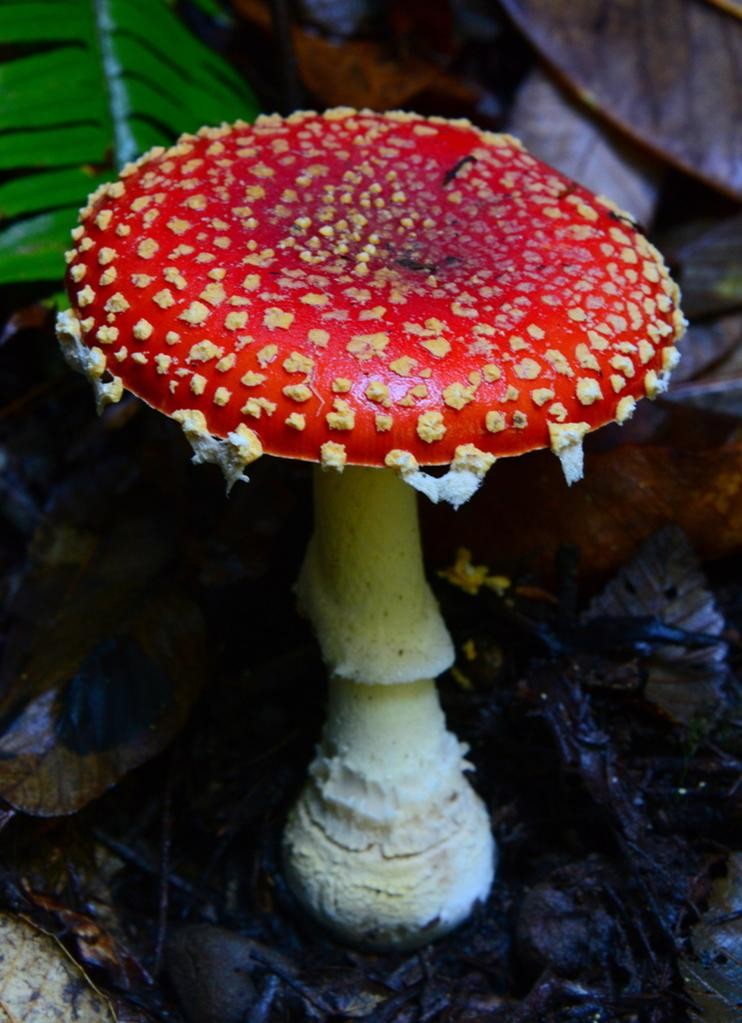
3. Fly agaric
In Northern Asia and Europe, fly agaric grows under trees near the winter solstice and is collected for ritual use tied to the season. Its characteristic shape and coloring are still ubiquitous in many European fairy tale illustrations and Christmas traditions. It is highly toxic.
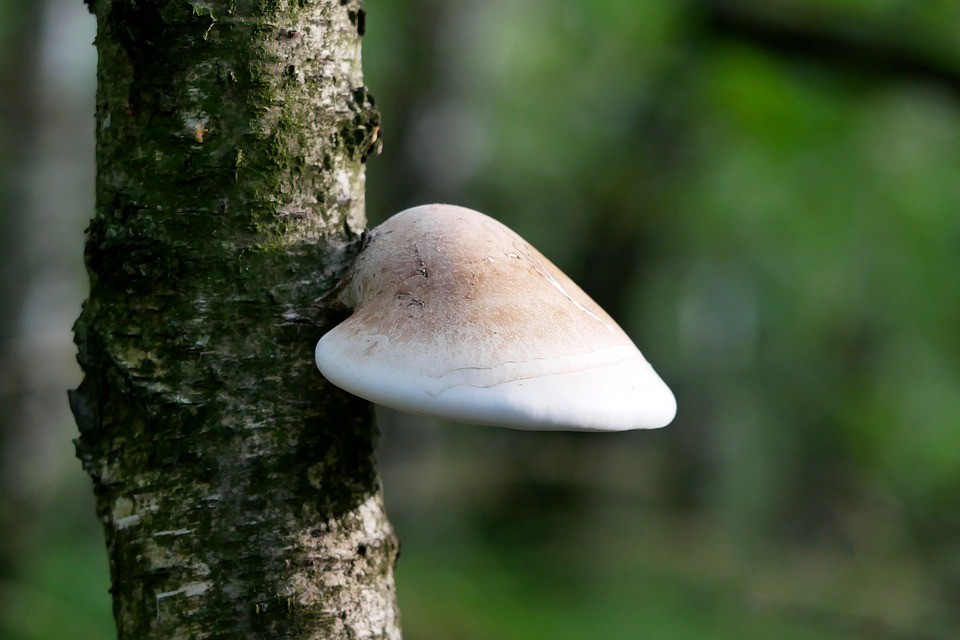
4. Birch polypore
The birch polypore has a variety of applications. Its thick skin has been used by barbers as a razor sharpener and as a mount for insect collectors. When dried, this mushroom was also used to carry fire over long distances because it burns slowly. The historical use of birch polypore doesn't stop there; pieces of this mushroom were found being carried by the five-thousand-year-old mummy Ötzi the Iceman.
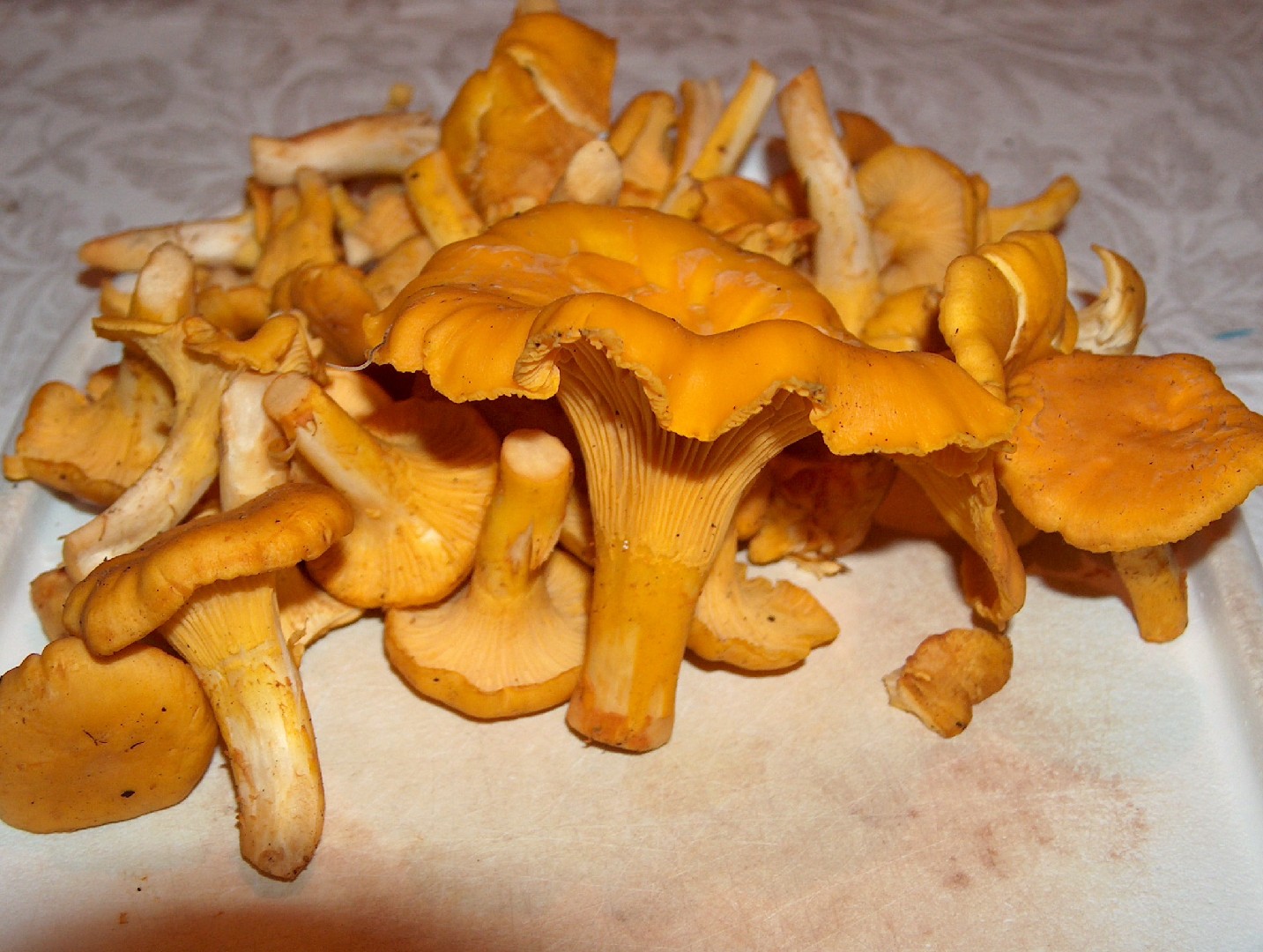
5. Golden chanterelle
Golden chanterelle mushrooms are popular in gourmet cuisine across Europe, where they grow wild during the warm (but not too hot) months. Similar species grow in other countries. Extremely popular with foragers, the golden chanterelle emits an apricot-like scent and contains an array of nutrients that benefit the human body. Several studies suggest consuming extremely large amounts may have detrimental effects on the eyes and muscles.
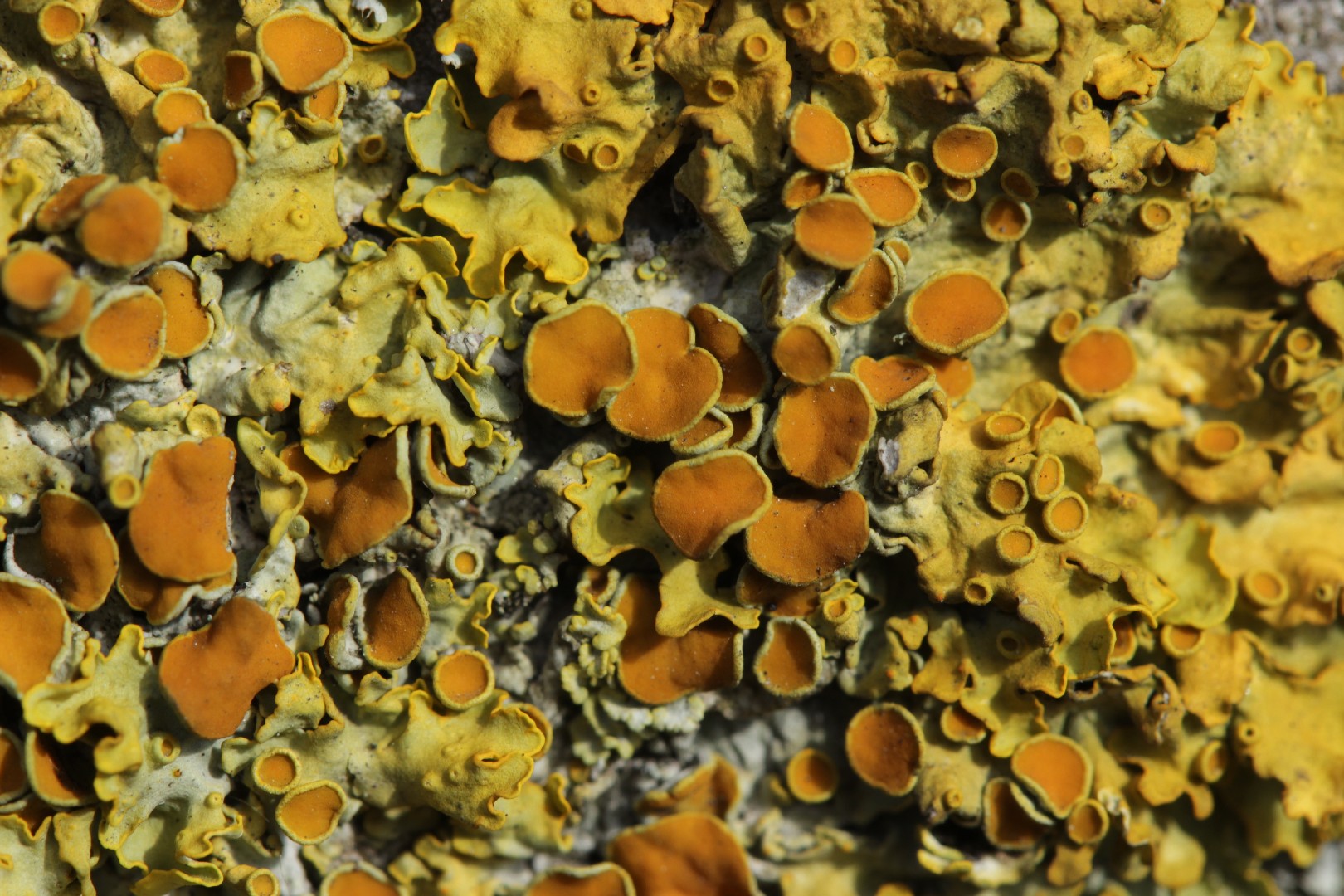
6. Common orange lichen
Common orange lichen was selected in 2006 by the United States Department of Energy as a model for genomic sequencing. Its widespread dispersal and bright yellow-orange color give the lichen its common name. It is primarily found growing on rocks, walls, and tree bark.
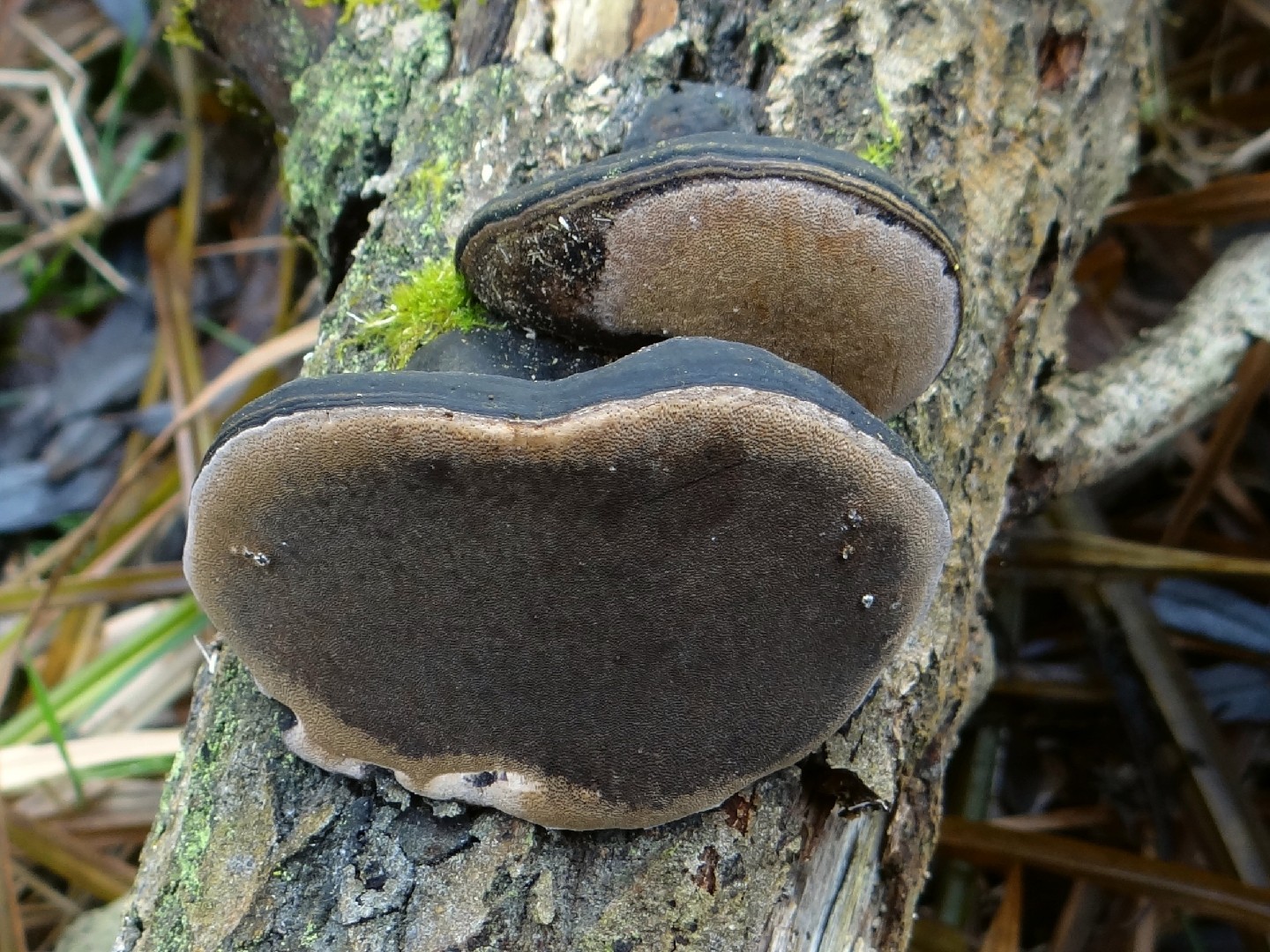
7. Willow bracket
A tough, woody, conk-like fungus, the willow bracket can be found sprouting from either dead or live hardwood trees, with willow trees (unsurprisingly), being a favorite host. While totally inedible, this fungus is not without usefulness. Another common name for the species is the "fire sponge", and this is because the willow bracket, when shredded, makes fantastic kindling.
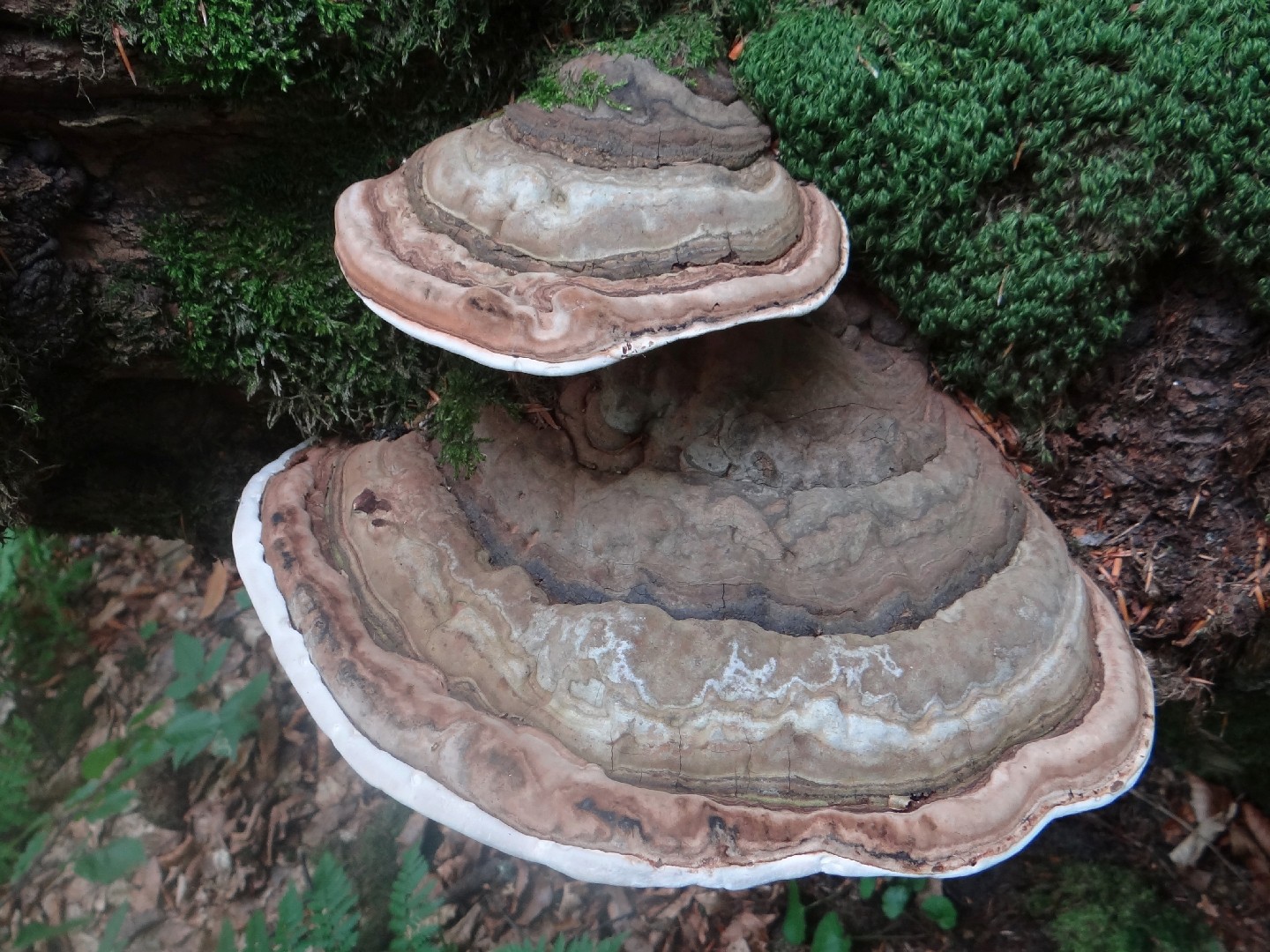
8. Artist's conk
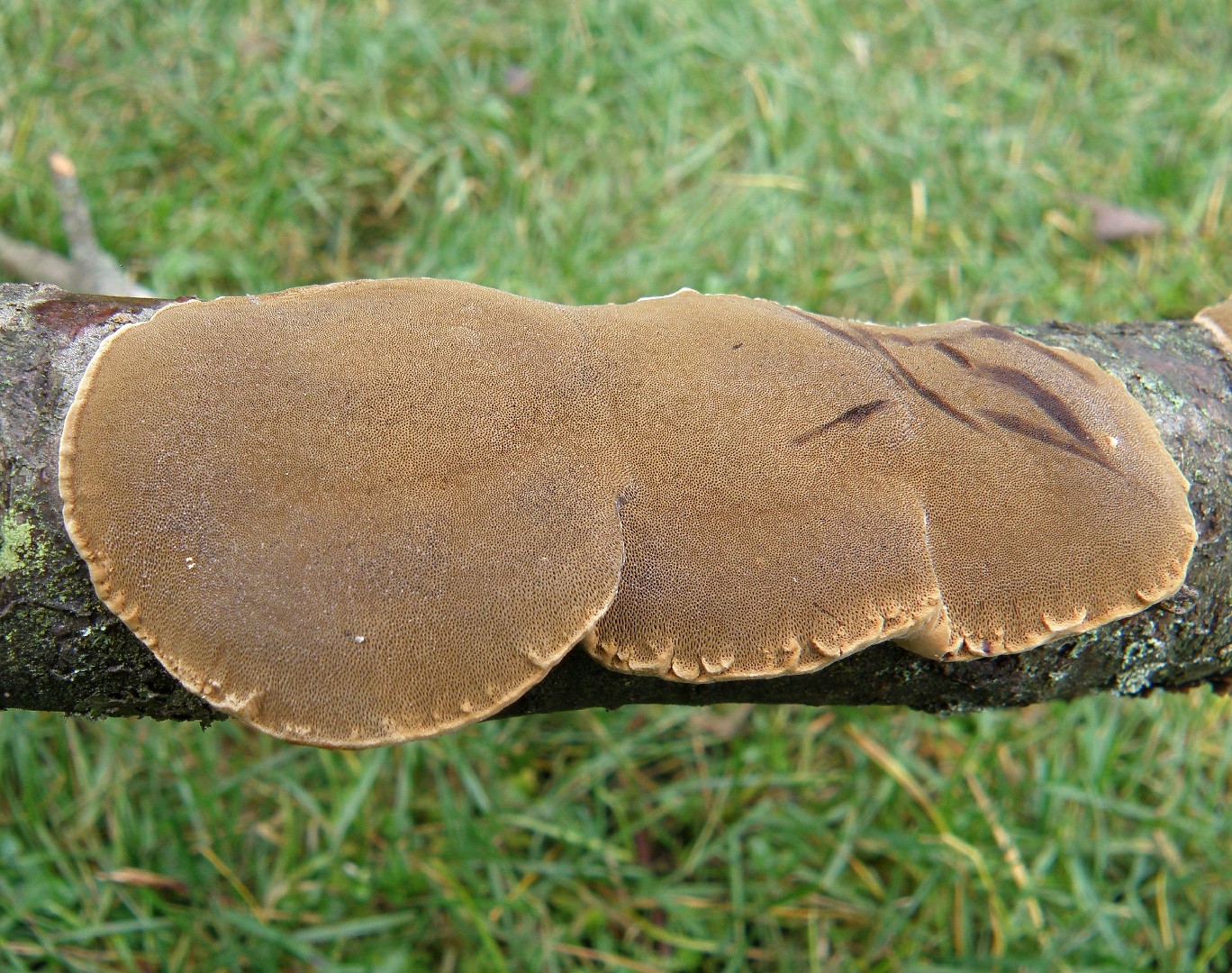
This shelf fungus can live for several consecutive years and can be dated by the growth ridges seen on its dark surface. Artist's conk grows in tiered groups at the bases of oak, beech, and conifers, as well as deadwood. When its spores release, they cover the area with visible brown dust. Scratches in the white undersurface create dark lines.
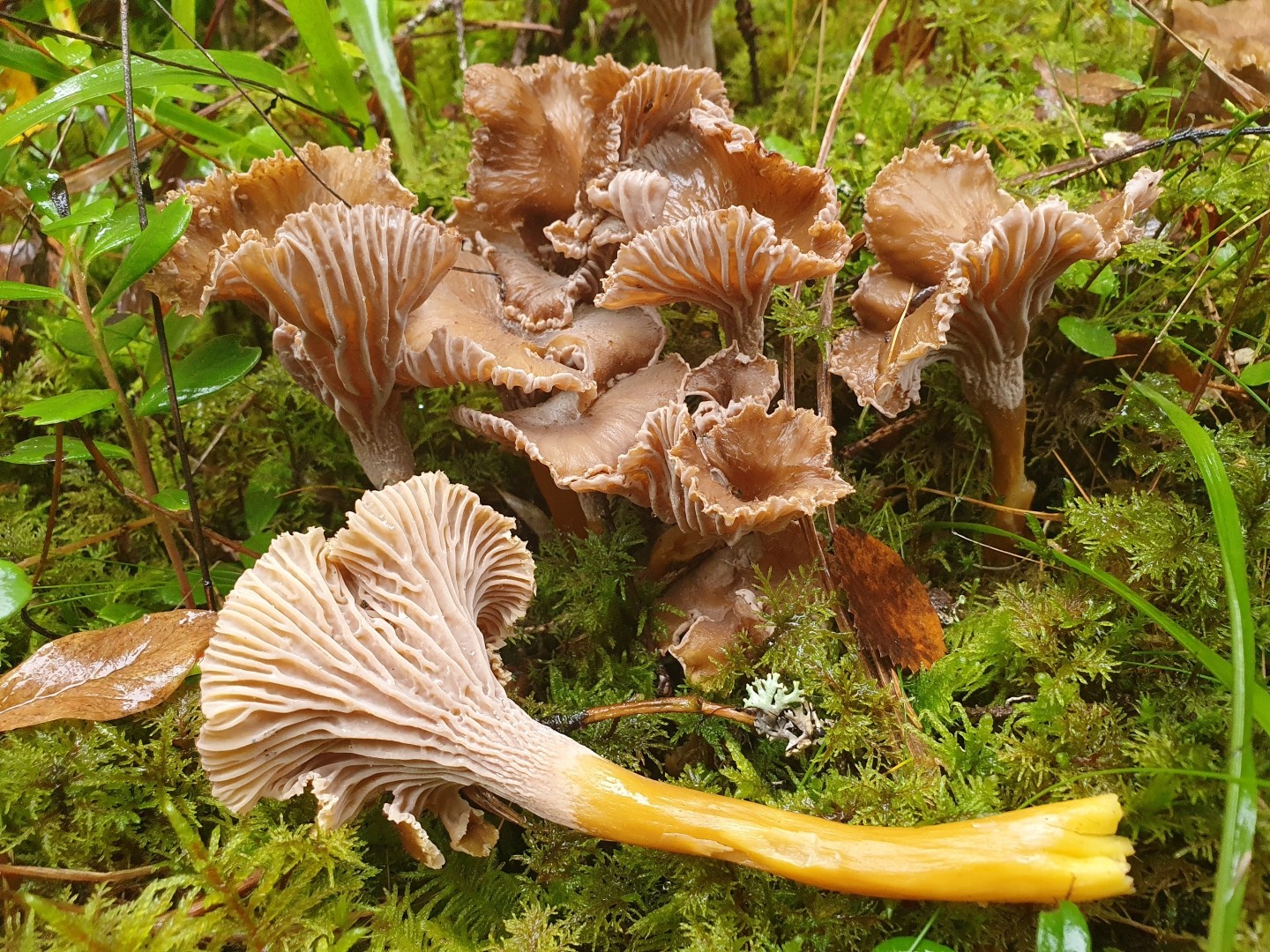
9. Yellowfoot
Found in temperate forests, wetlands, and bogs across the northern hemisphere, the yellowfoot is a highly sought after member of the chanterelle family. Considered a choice edible, it boasts a lovely, complex flavor (though it is somewhat less fruity and sweet then some of its more popular cousins). Yellowfoots are sometimes called "winter mushrooms", as they tend to be very late-season fruiters.
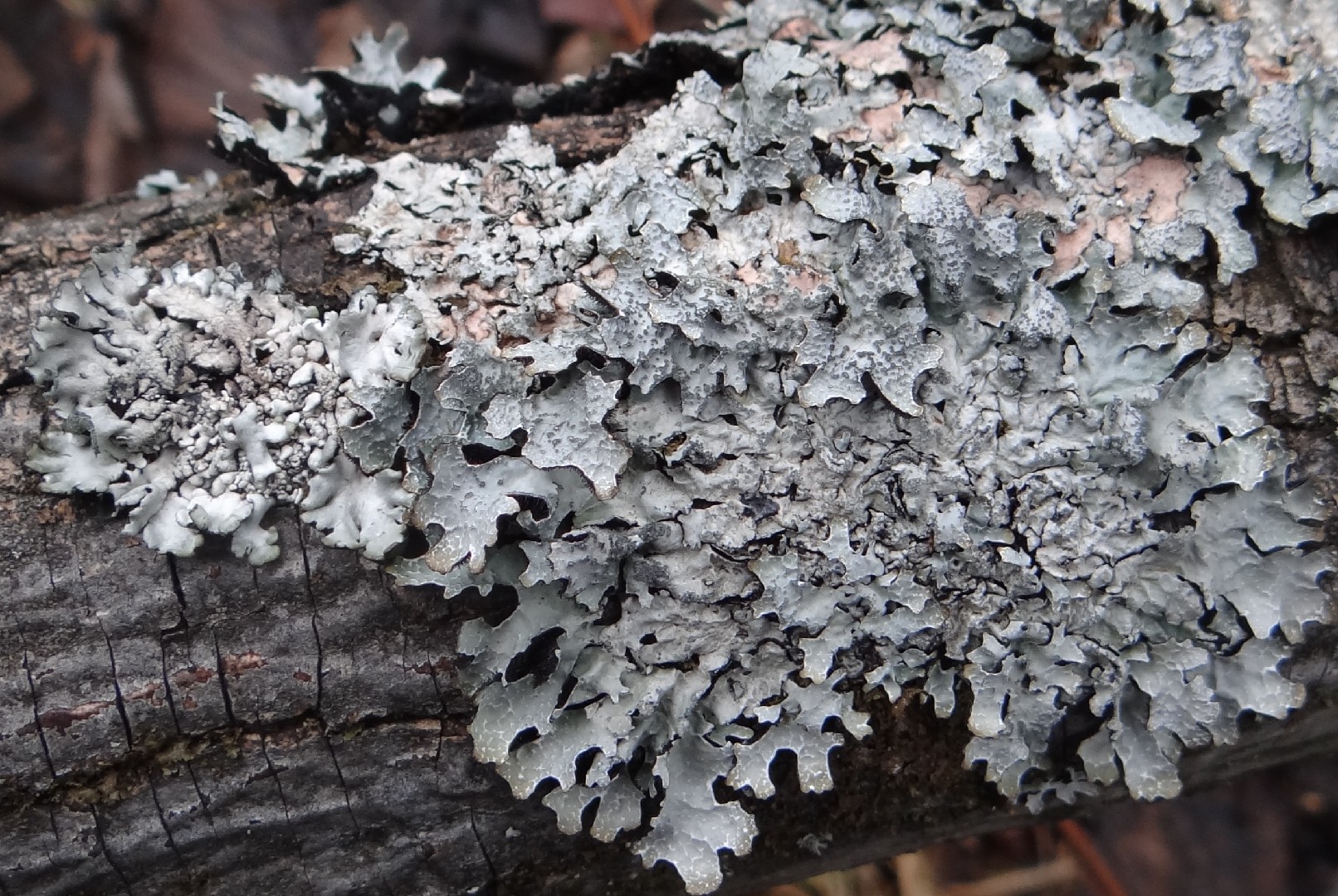
10. Hammered shield lichen
Hammered shield lichen is noted for its pollution tolerance. It is a widespread grey flat lichen that is mostly found upon tree bark and occasionally rocks. Hammered shield lichen is named for the depressions within the lobe which give it a hammered appearance.

More







