




Top 20 Most Common Mushrooms in Whistler

Most Common Mushrooms
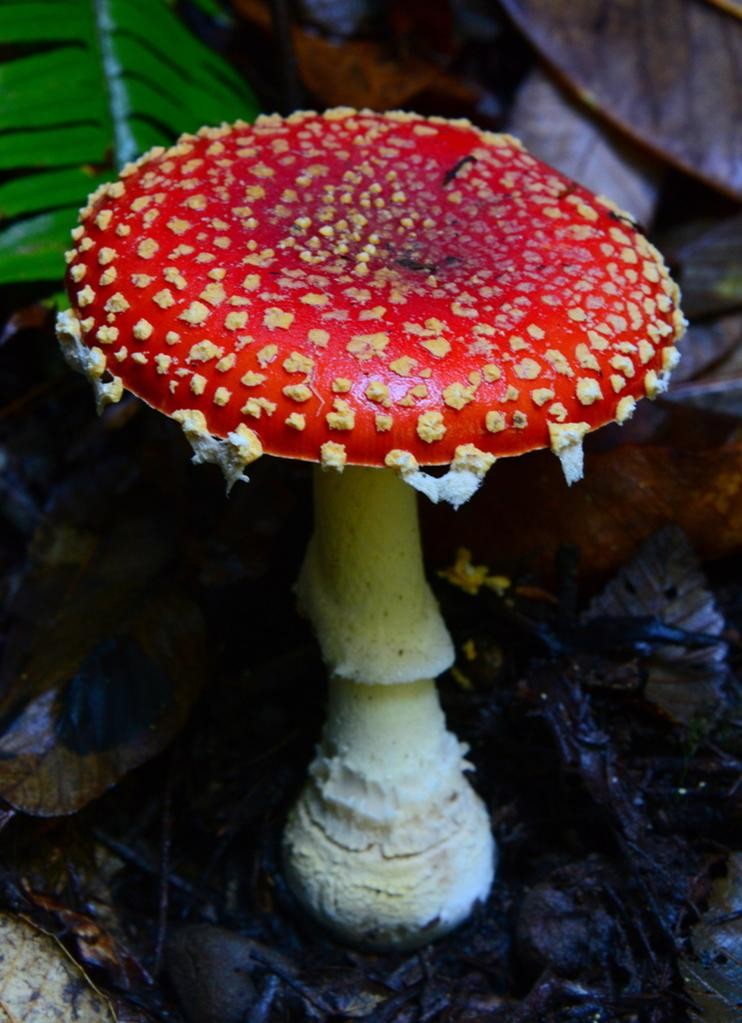
1. Fly agaric
In Northern Asia and Europe, fly agaric grows under trees near the winter solstice and is collected for ritual use tied to the season. Its characteristic shape and coloring are still ubiquitous in many European fairy tale illustrations and Christmas traditions. It is highly toxic.
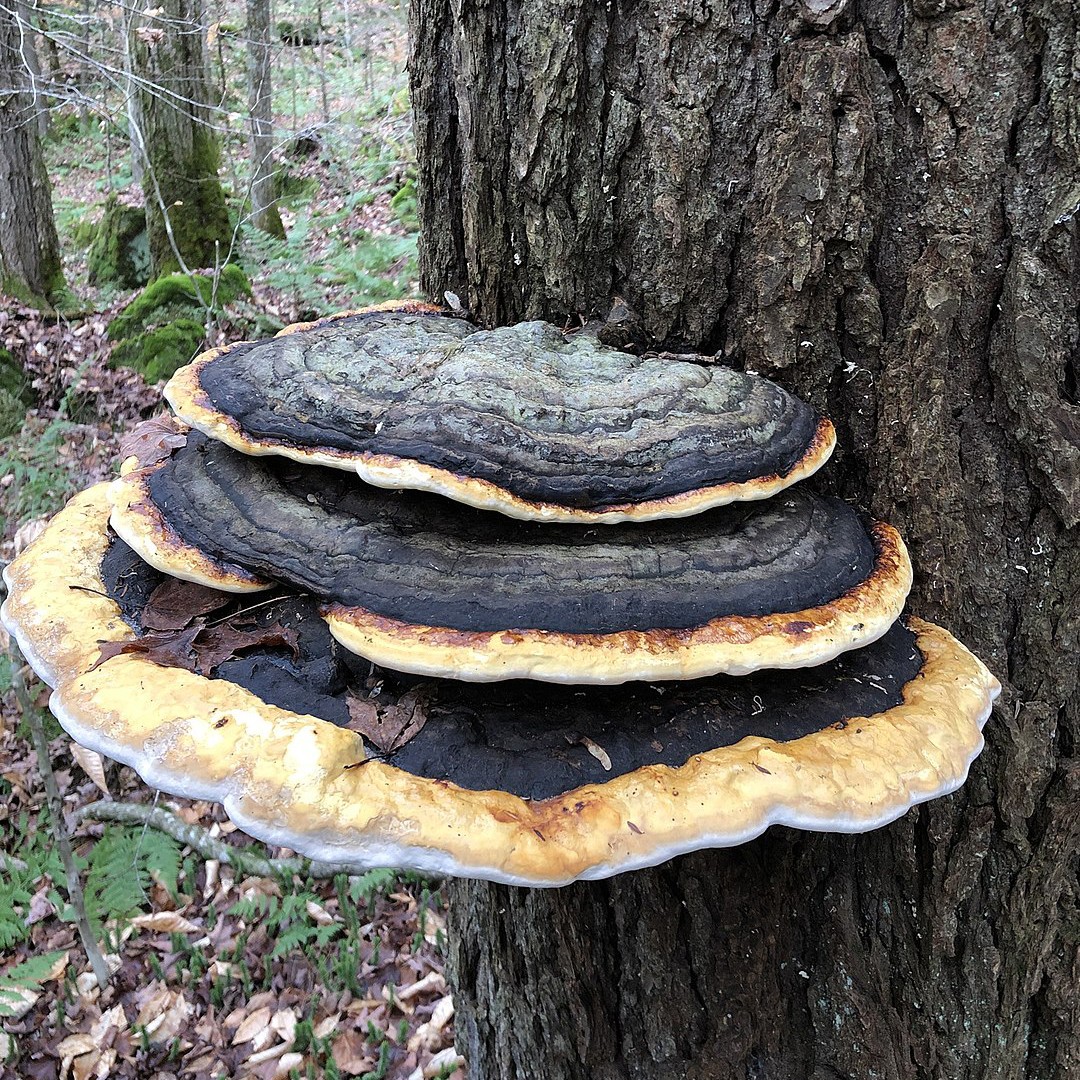
2. Red-belted polypore
Red-belted polypore is a shelf fungus that's usually seen on aspen, birch, and various conifer trees. This perennial mushroom is known to cause the cubical brown rot in host trees. A species new to science, it was named in honor of Irene Mounce, a Canadian mycologist. 
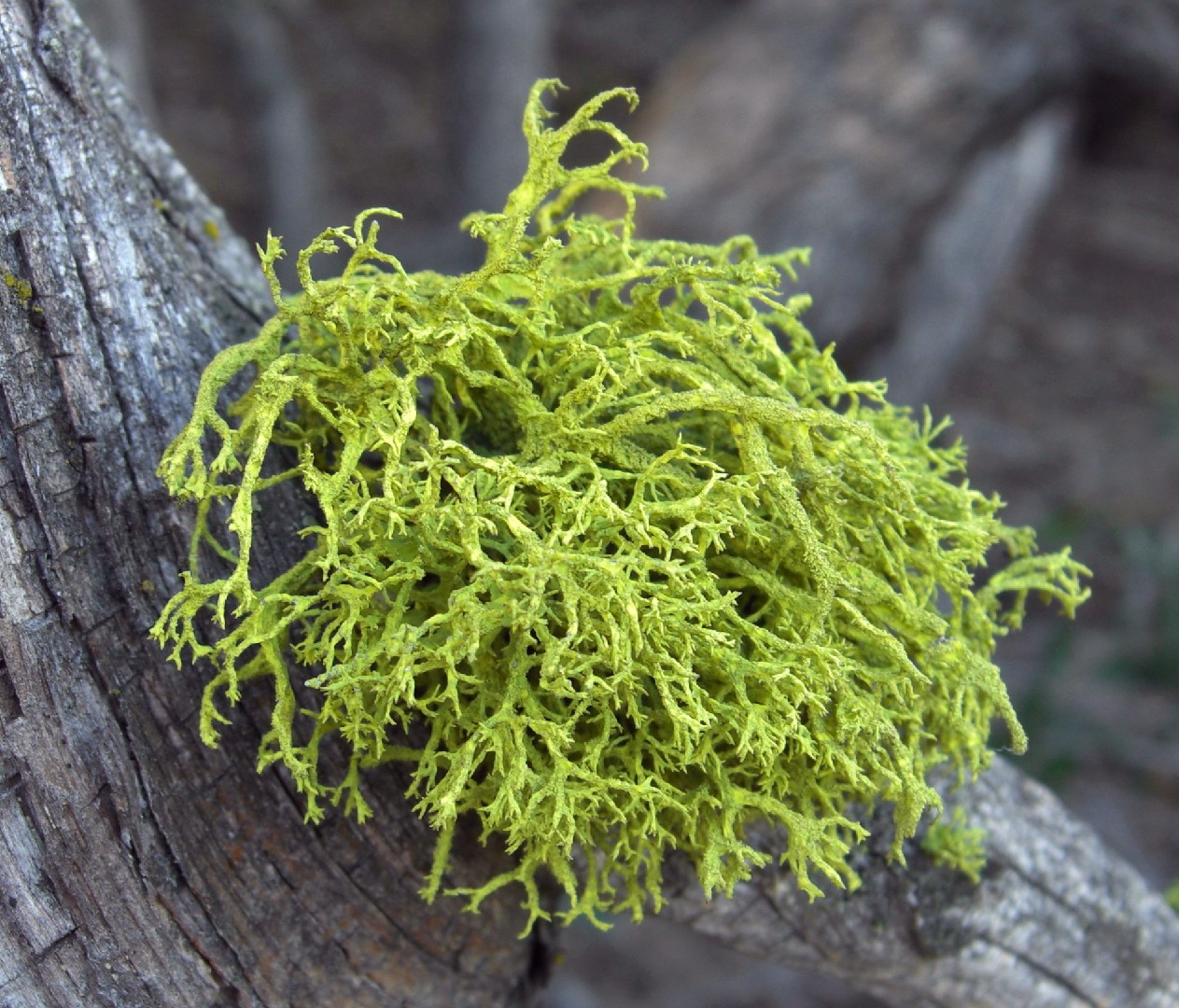
3. Wolf lichen
The thallus, or vegetative body, has a fructicose shape — that is, shrubby and densely branched — and a bright yellow to yellow-green, or chartreuse color, although the color will fade in drier specimens. Its dimensions are typically 2 to 7 cm (0.8 to 3 in) in diameter. The vegetative reproductive structures soredia and isidia are present on the surface of the thalli, often abundantly.
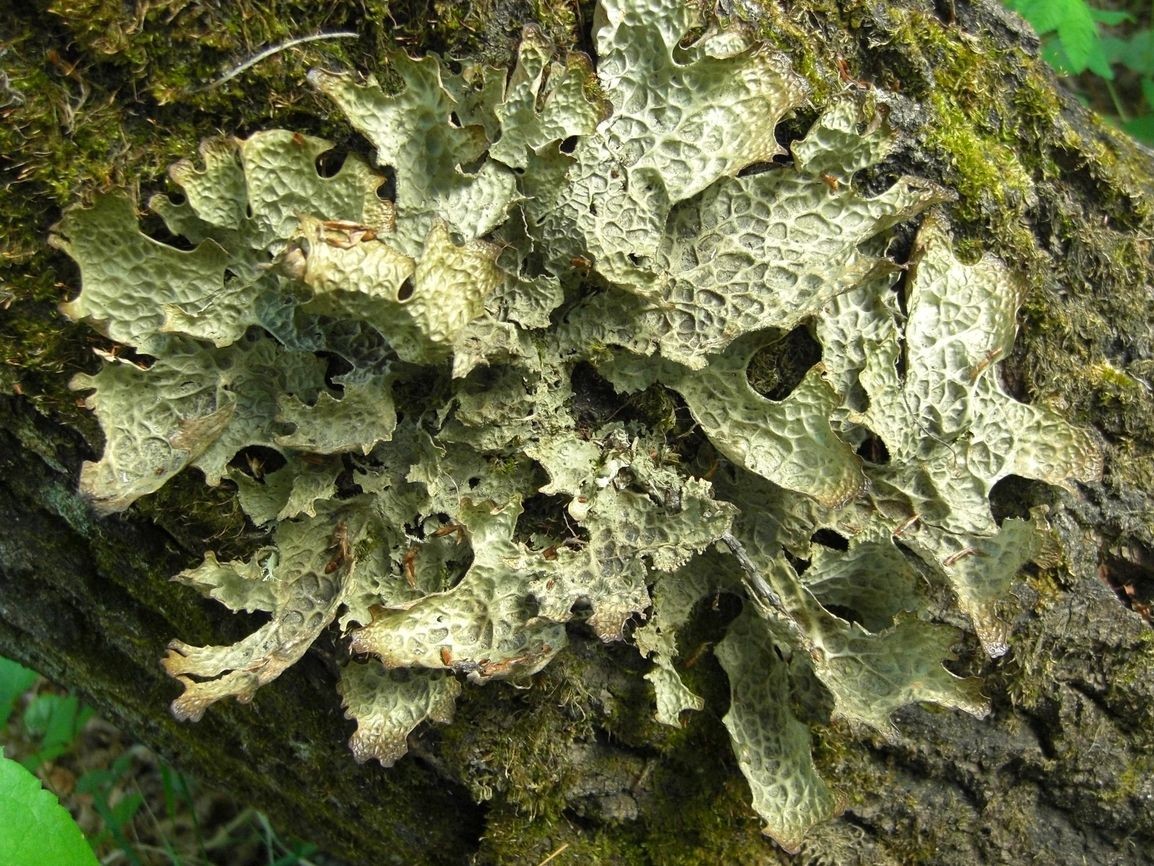
4. Tree lungwort
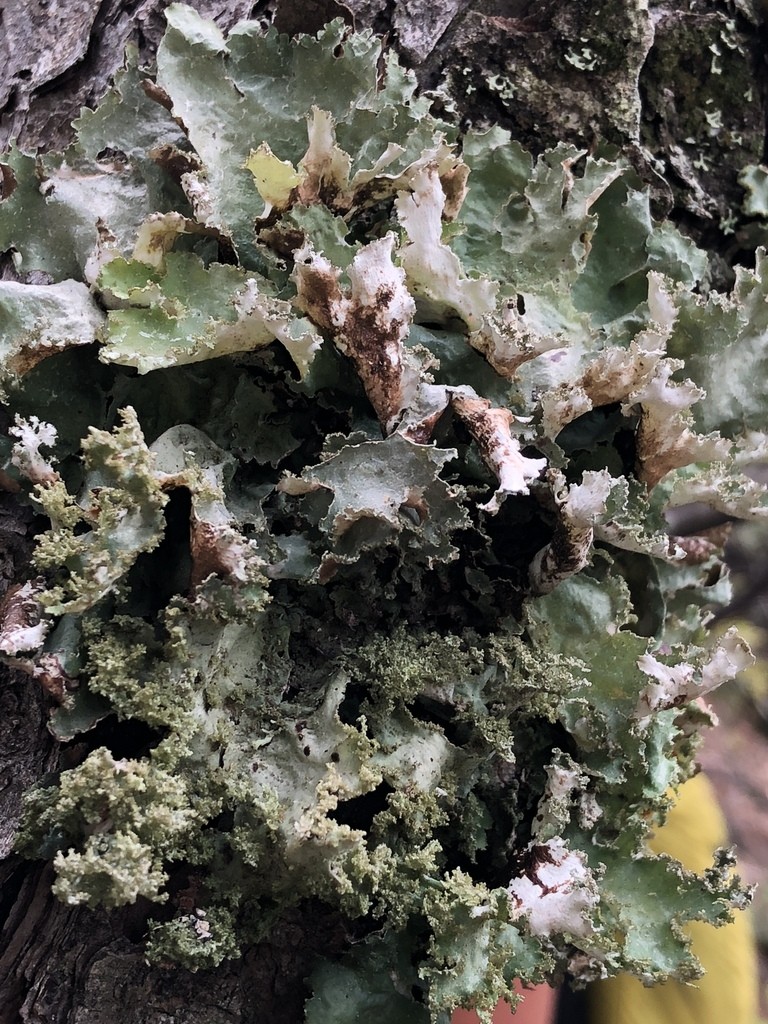
Tree lungwort is a green lichen that can be found in humid areas of North America, Europe, and Asia. It grows regularly on trees, rocks, and in urban areas rich with moss. It can be used as a dye. Animals may consume tree lungwort or use it as nesting material.
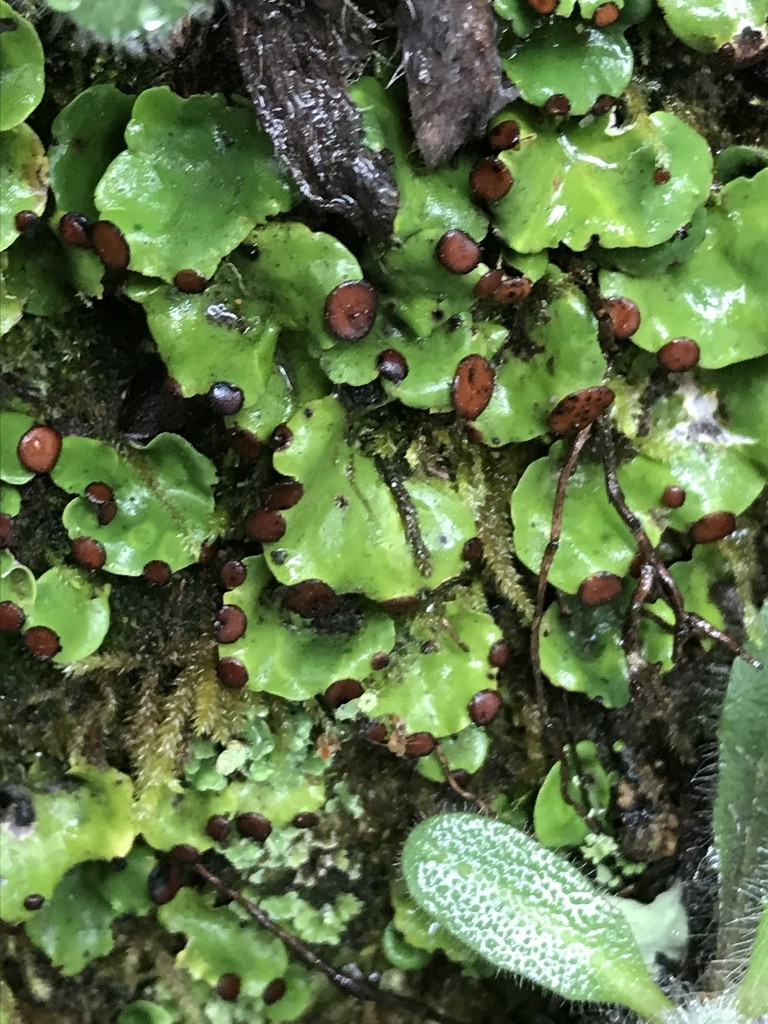
5. Fan pelt lichen
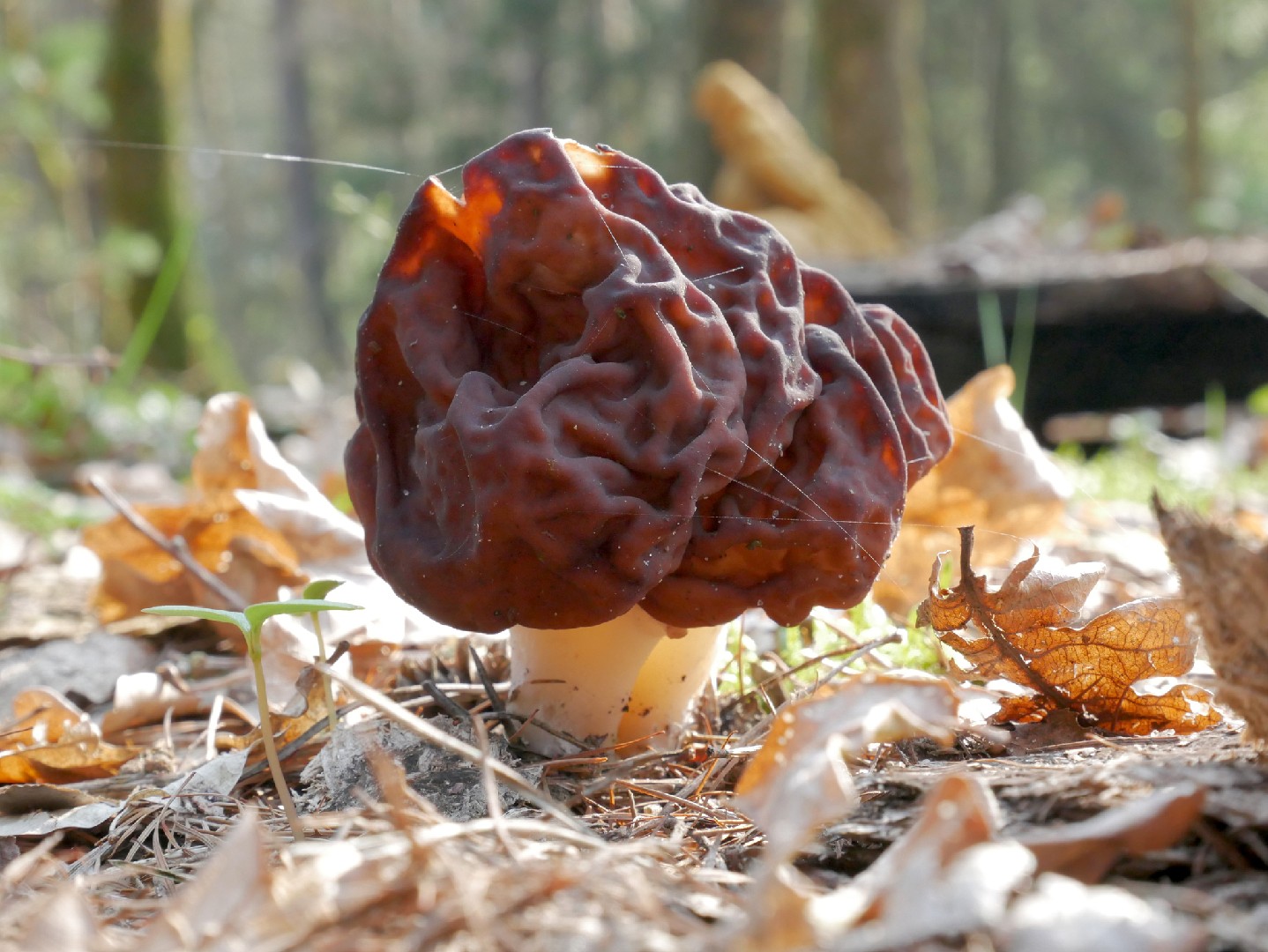
6. False morel
Though the delicious common morel (Morchella esculenta) has few look-alikes, this species perhaps comes the closest. Caps of the false morel (Gyromitra esculenta) may fool foragers looking for a tasty treat, but this species is toxic. To distinguish, note that the conical caps of the false morel are folded, appearing brain-like, while morels have holes in their caps, with a honeycomb appearance. When cut open, morels have hollow stems and caps, whereas those of false morels are usually filled in or stringy, at the least.
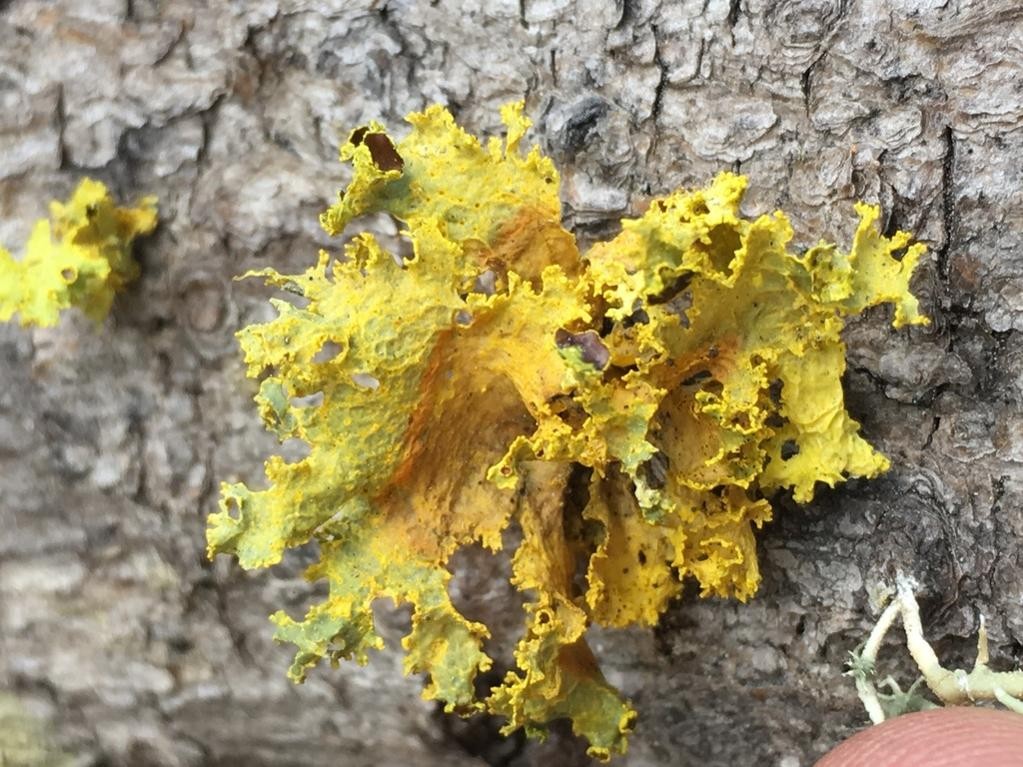
7. Brown-eyed sunshine lichen
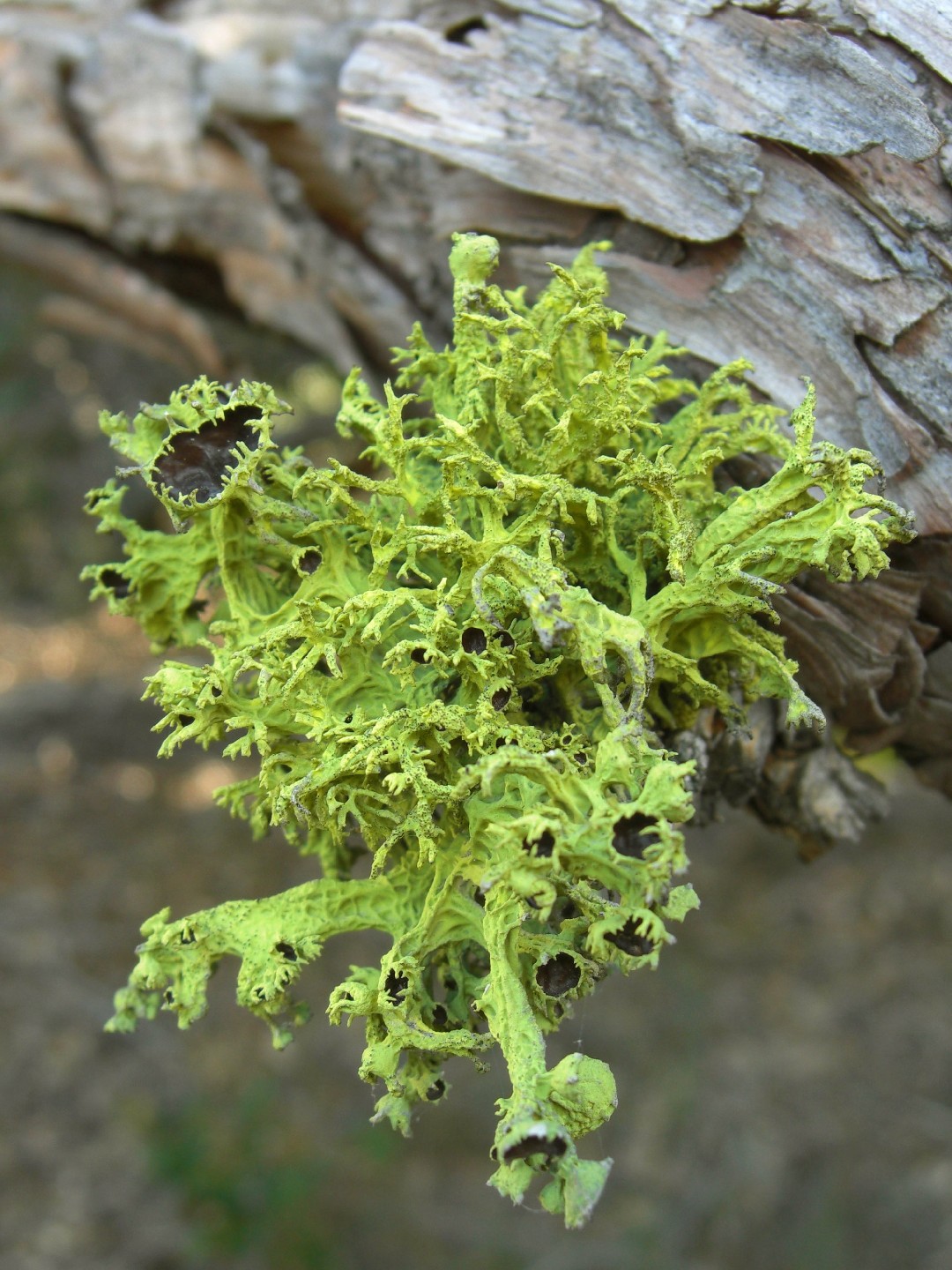
8. Brown-eyed wolf lichen
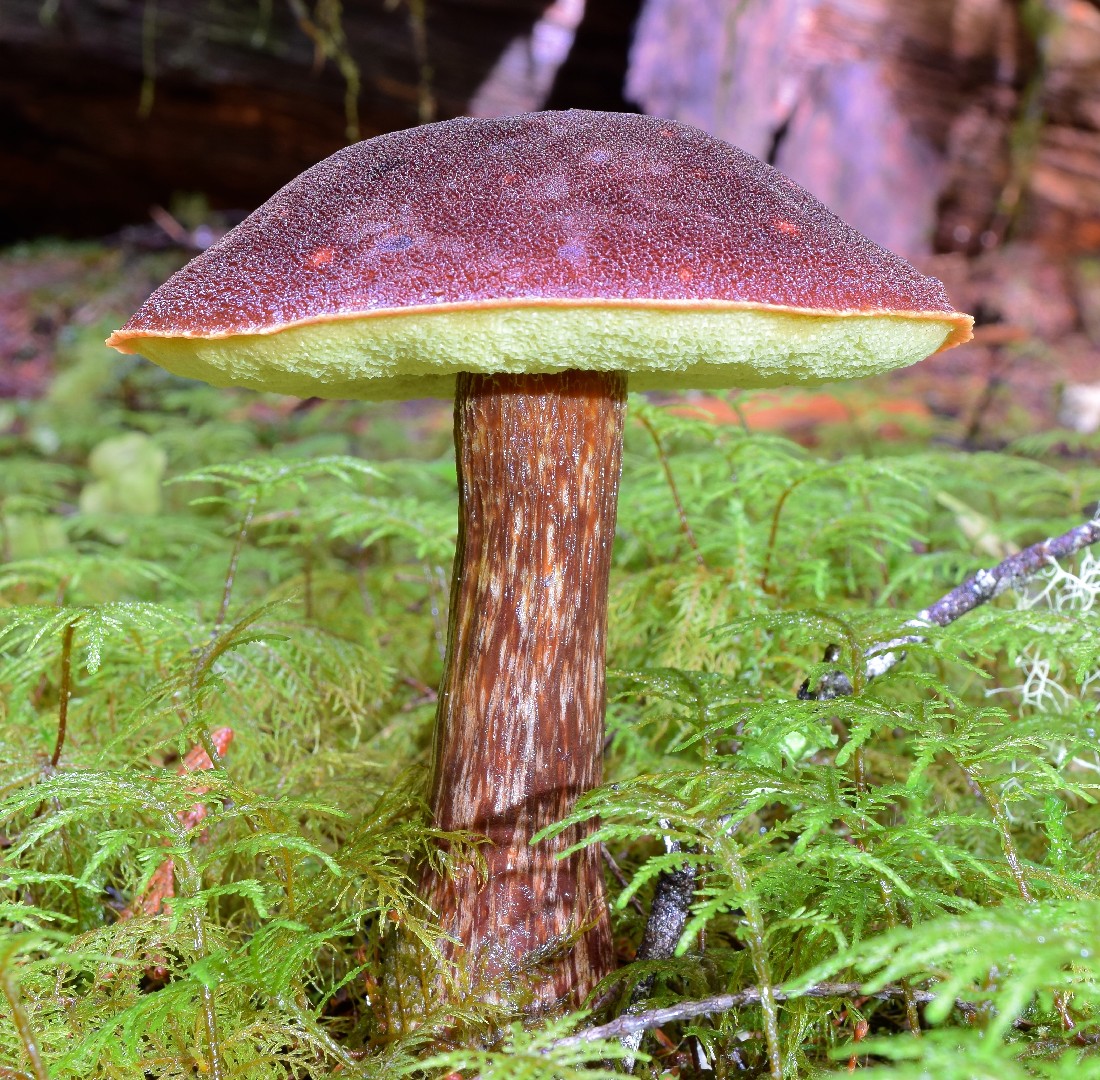
9. Admirable bolete
The admirable bolete (Aureoboletus mirabilis) is one of many mushrooms that have recently been reclassified; it was given its own taxonomy after rigorous DNA testing. They thrive exclusively in the fallen needles from the majestic hemlocks of the Pacific Northwest. The cap is a favorite snack for insects of the forest floor and is often found riddled with worms!
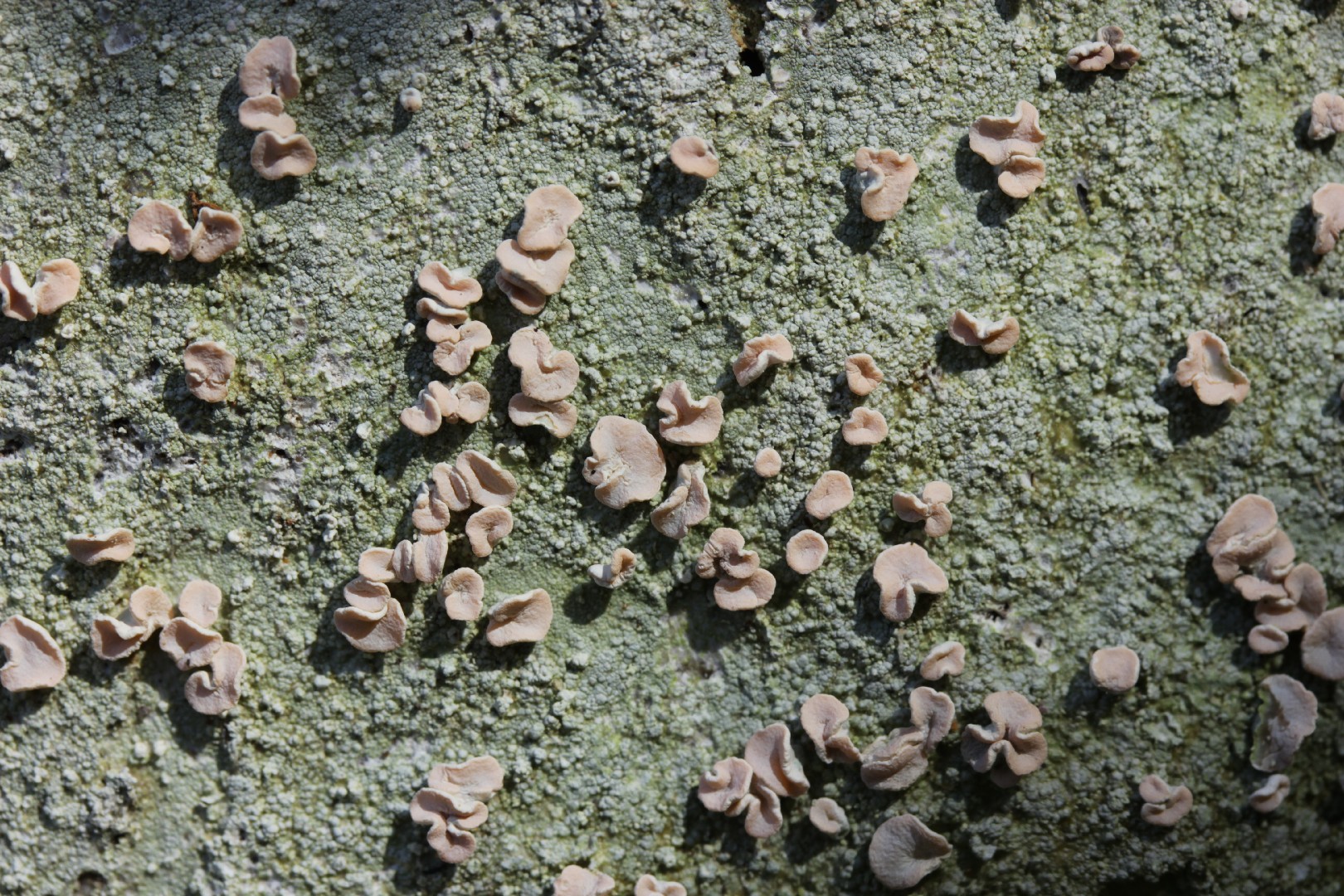
10. Candy lichen
The lichen camp is crusty, light gray to greenish and toxic green when wet. Striking are the pink-colored fruit bodies (Apothecia), which sit with a narrowed base or short-stalked. Likelihood of confusion exist in particular with the Rosa Kopfchenflechte (Dibaeis baeomyces, fruiting body also pink, but clearly stalked).

More







