




Top 20 Most Common Toxic or Poisonous Mushrooms in Rochester
Discover the enigmatic world of fungal flora thriving in the unique topographies and climatic conditions of Rochester. Our comprehensive guide 'Top 20 most common poisonous mushrooms in Rochester' explores the city's distinctive mushroom biodome, which flourishes owing to its varying terrain and moderate climate. As fascinating as local mushroom hunting can be, it carries potential risks; hence, this guide strategically addresses that by helping enthusiasts differentiate between poisonous and non-poisonous varieties, ensuring a safe and enriching experience for all.
* Disclaimer: Content feedback CAN NOT be used as any basis for EATING ANY PLANTS. Some plants can be VERY POISONOUS, please purchase edible plants through regular channels.

Most Common Toxic or Poisonous Mushrooms
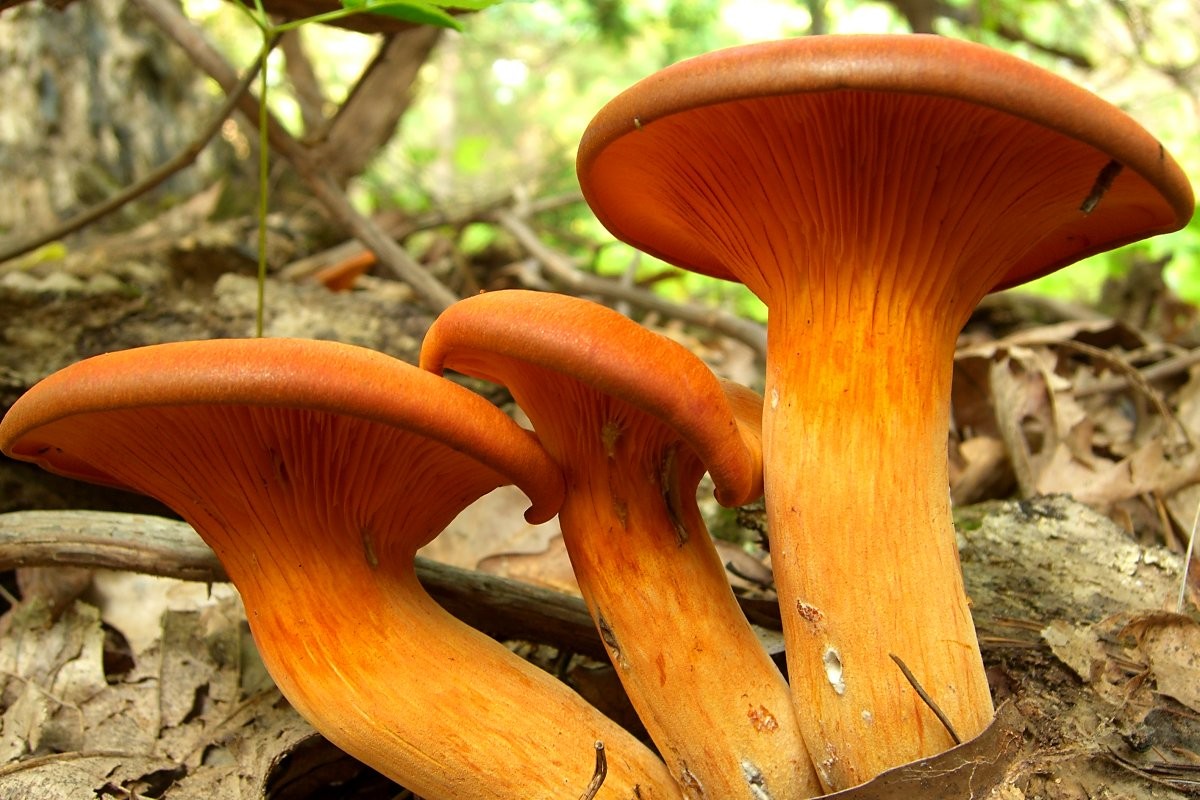
1. Jack-o'lantern mushroom
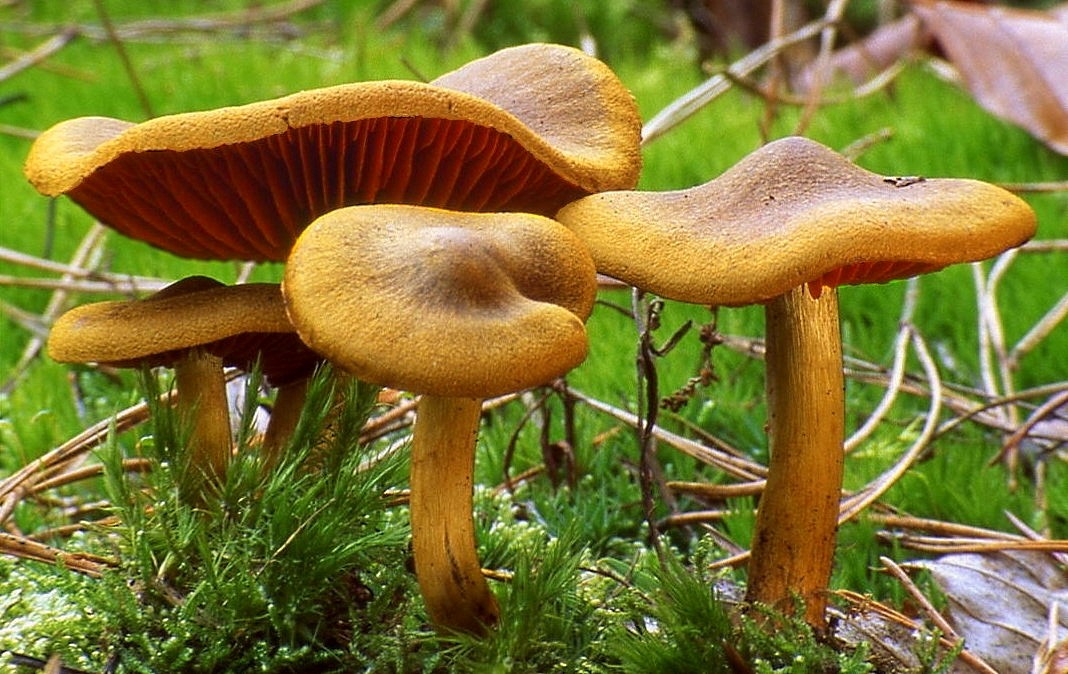
The jack-o'lantern mushroom is so-called because of its bright orange color, and because it often appears in the fall (usually before Halloween, though). This vibrant little mushroom can be found growing on decaying hardwood stumps and logs. The species does have some superficial resemblances to the highly edible chanterelle (Cantharellus cibarius), but it is toxic and should be avoided!
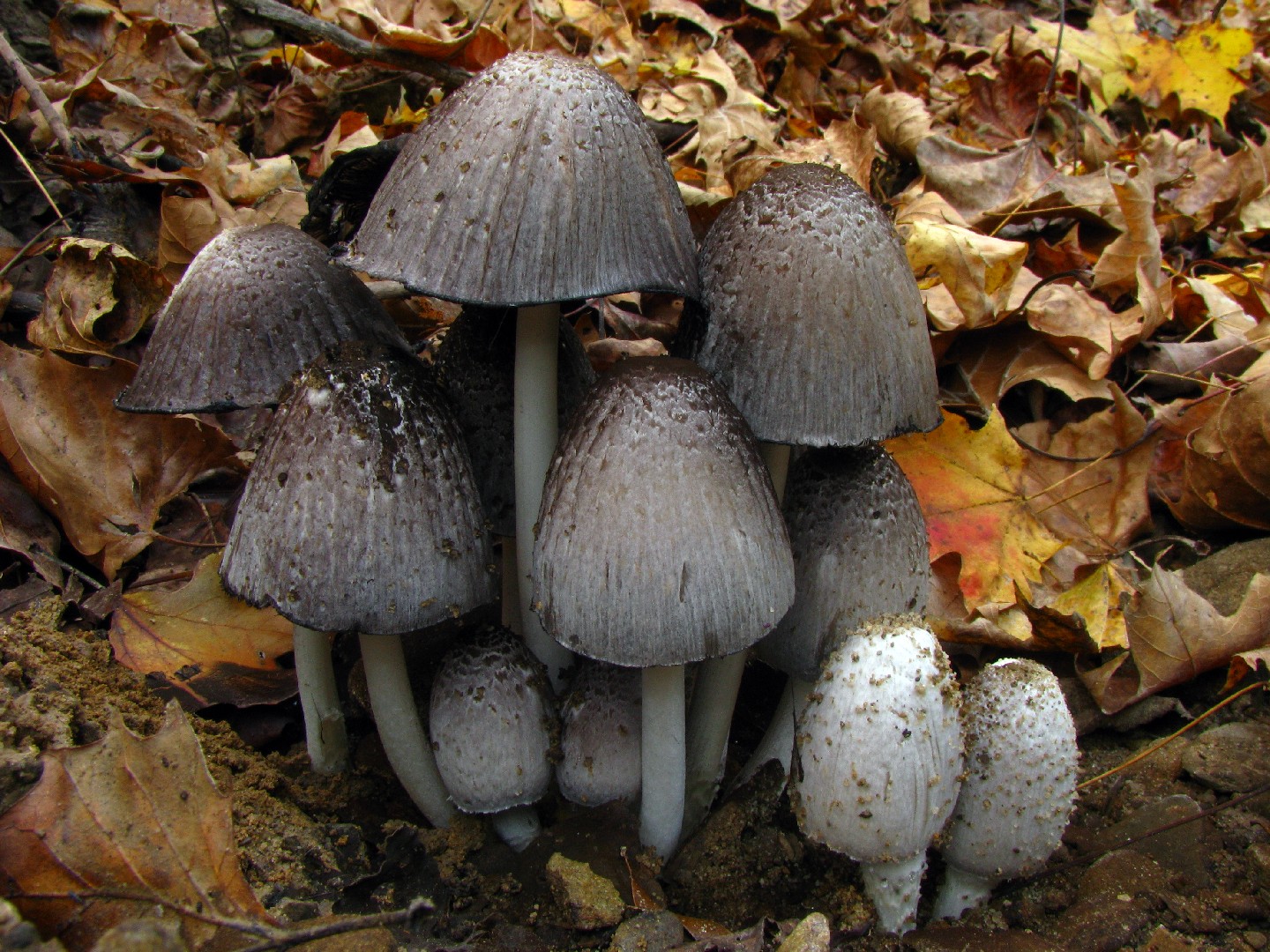
2. Common ink cap
Common ink cap mushrooms grow in clumps from buried wood or tree stumps. They come up with such strength that they have been known to lift pavement or break through asphalt. As they age, their gills will turn black and liquefy, creating the "inky" substance for which they are named.
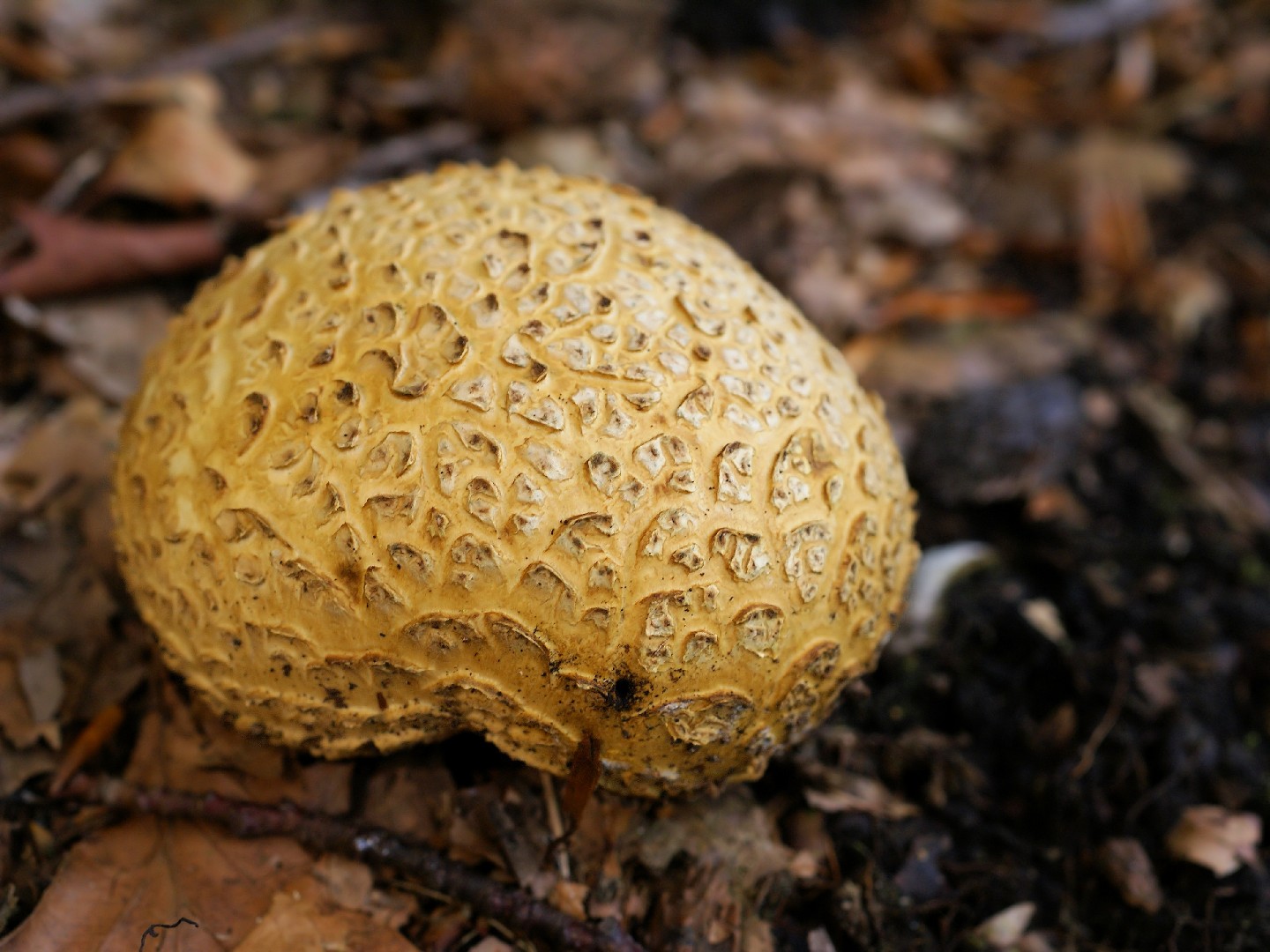
3. Common earthball
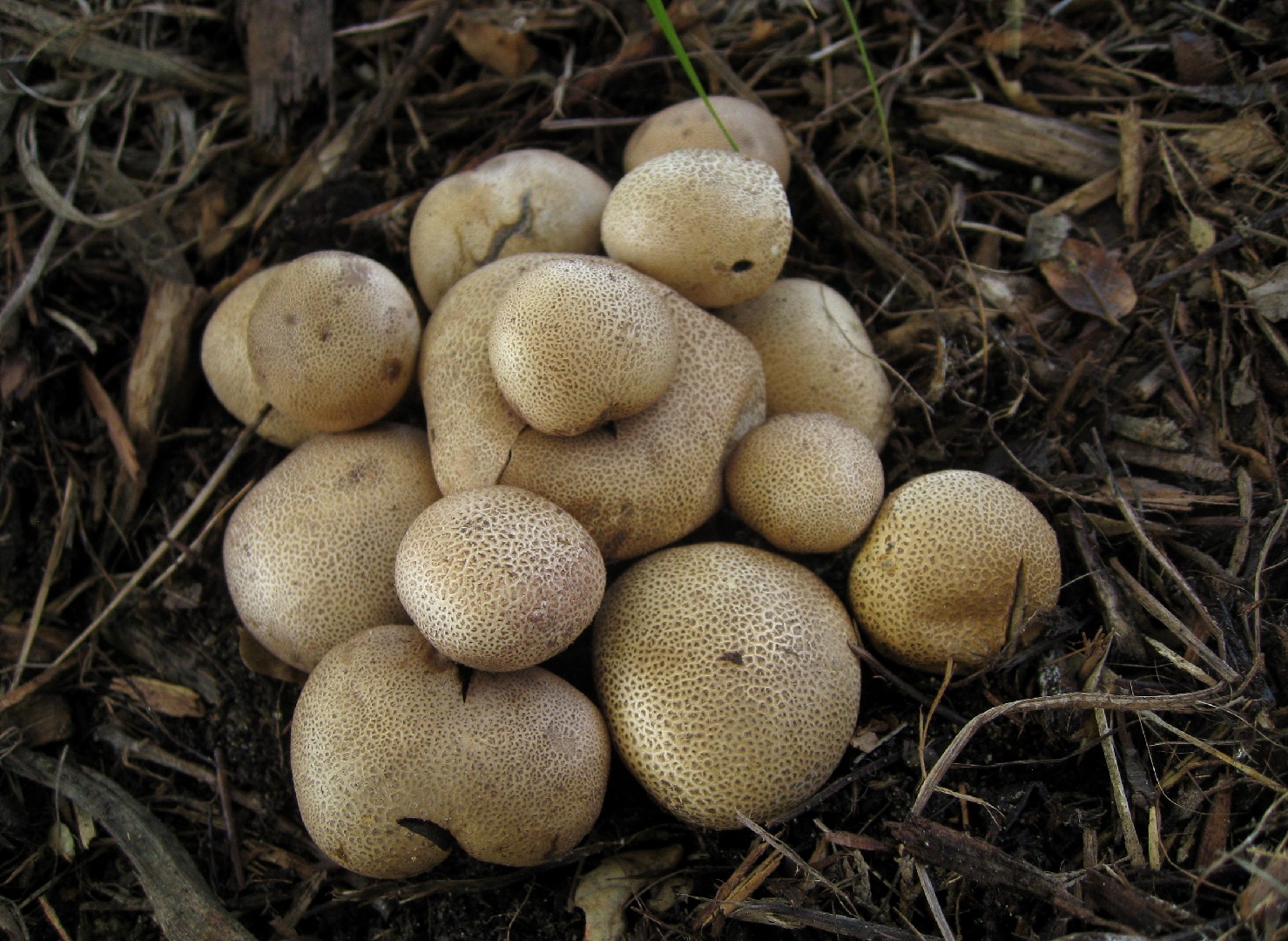
With an appearance similar to a crusty potato, the common earthball blooms from acidic soils, including compacted paths on the forest floor. It matures to a yellowish tinge and is found across the northern hemisphere. It is a close cousin to bolete mushrooms but is considered to be poisonous and is never eaten.
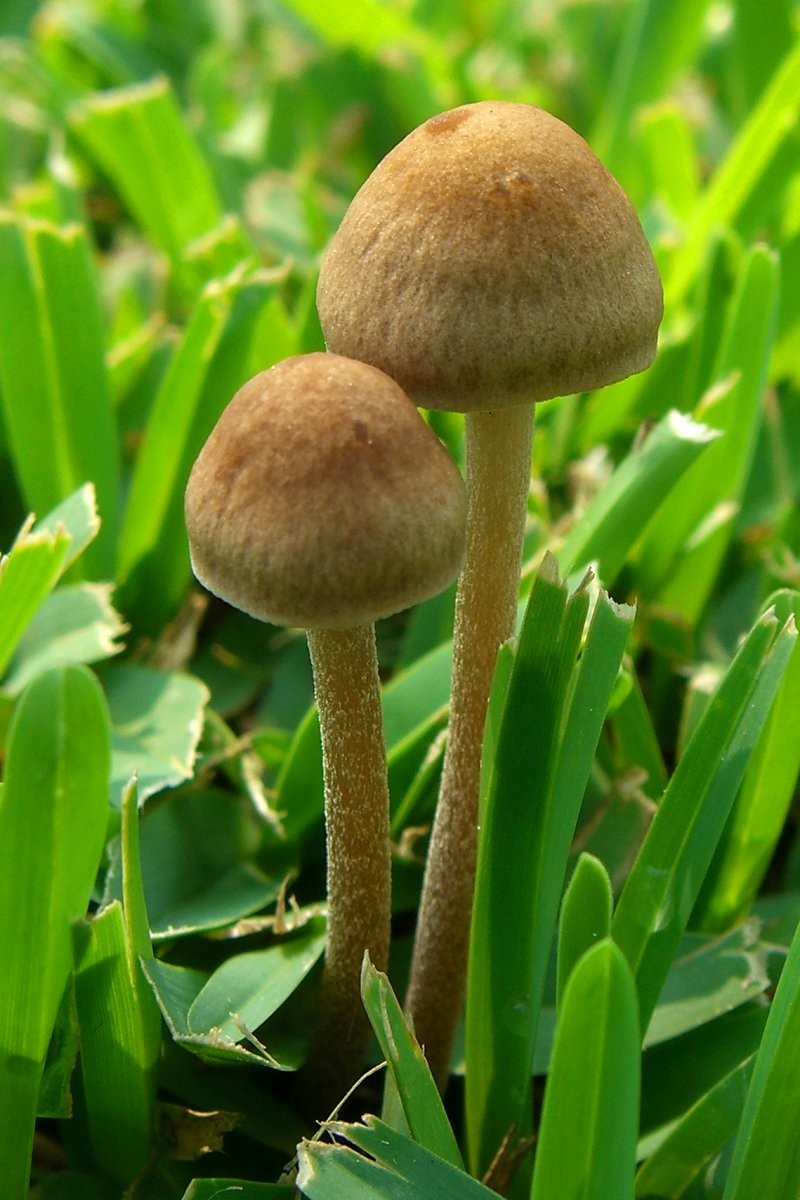
4. Mower's mushroom
The mower's mushroom, also referred to as the lawnmower's mushroom, is so named because it frequently crops up in lawns. The species is rather nondescript, and it is considered a member of the infamously hard-to-distinguish "Little Brown Mushroom" (LBM) family. While the mower's mushroom is not known to be toxic to humans or dogs, several of these close look-alikes are.
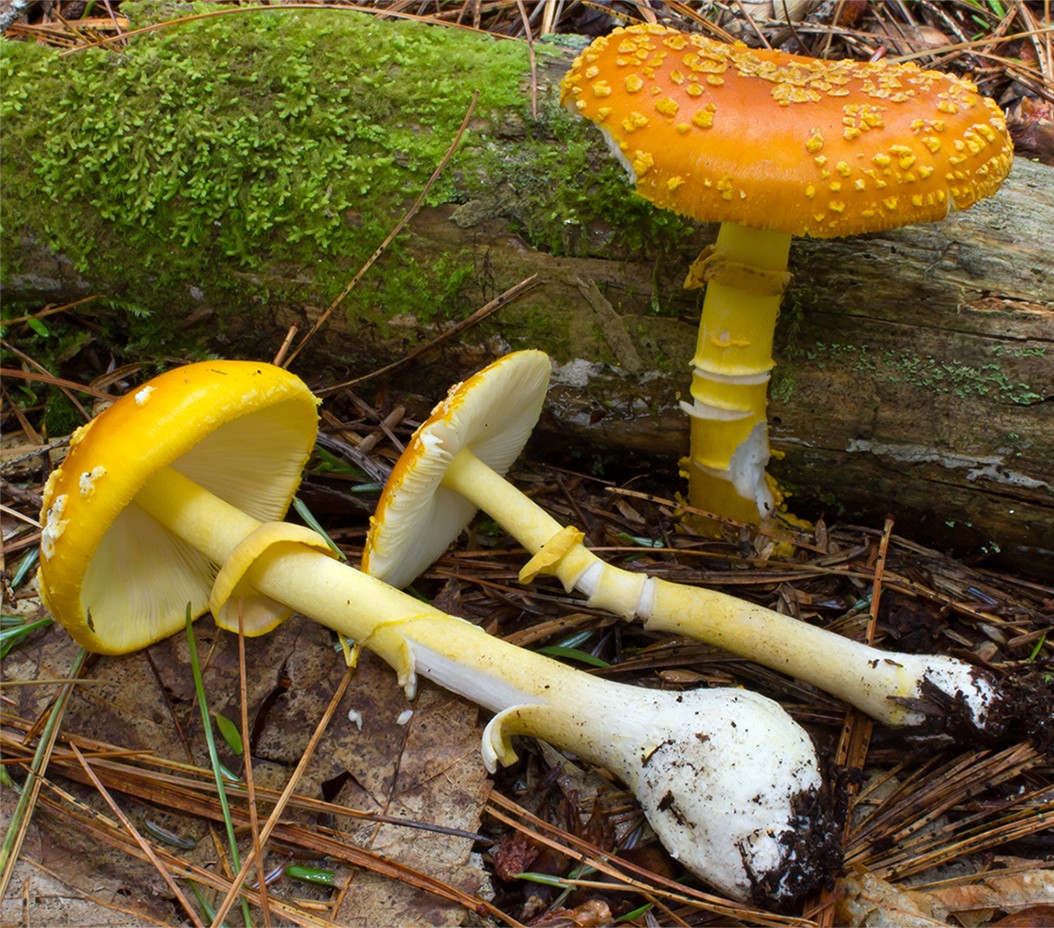
5. Yellow patches
The yellow patches is a gorgeous, striking species with a deep marigold or vermillion cap that sometimes appears as a blend of the two. Like some other members of the Amanita genus, it also sports patchy white worts - when it's cap is still very convex, it somewhat resembles the famous white and red mushrooms from the Mario Bros video games. While beautiful to look at, this species is toxic and should not be harvested.
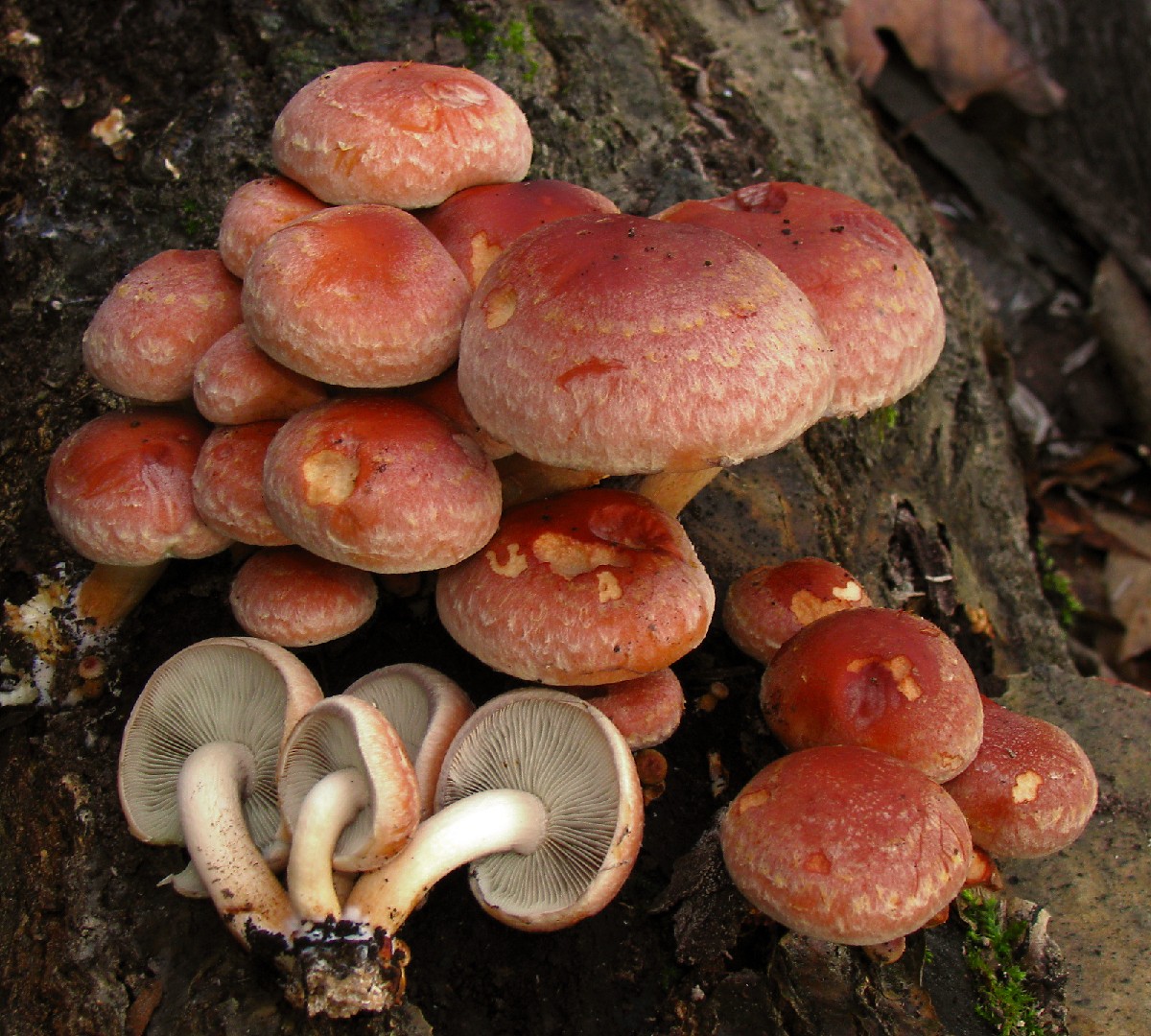
6. Brick cap
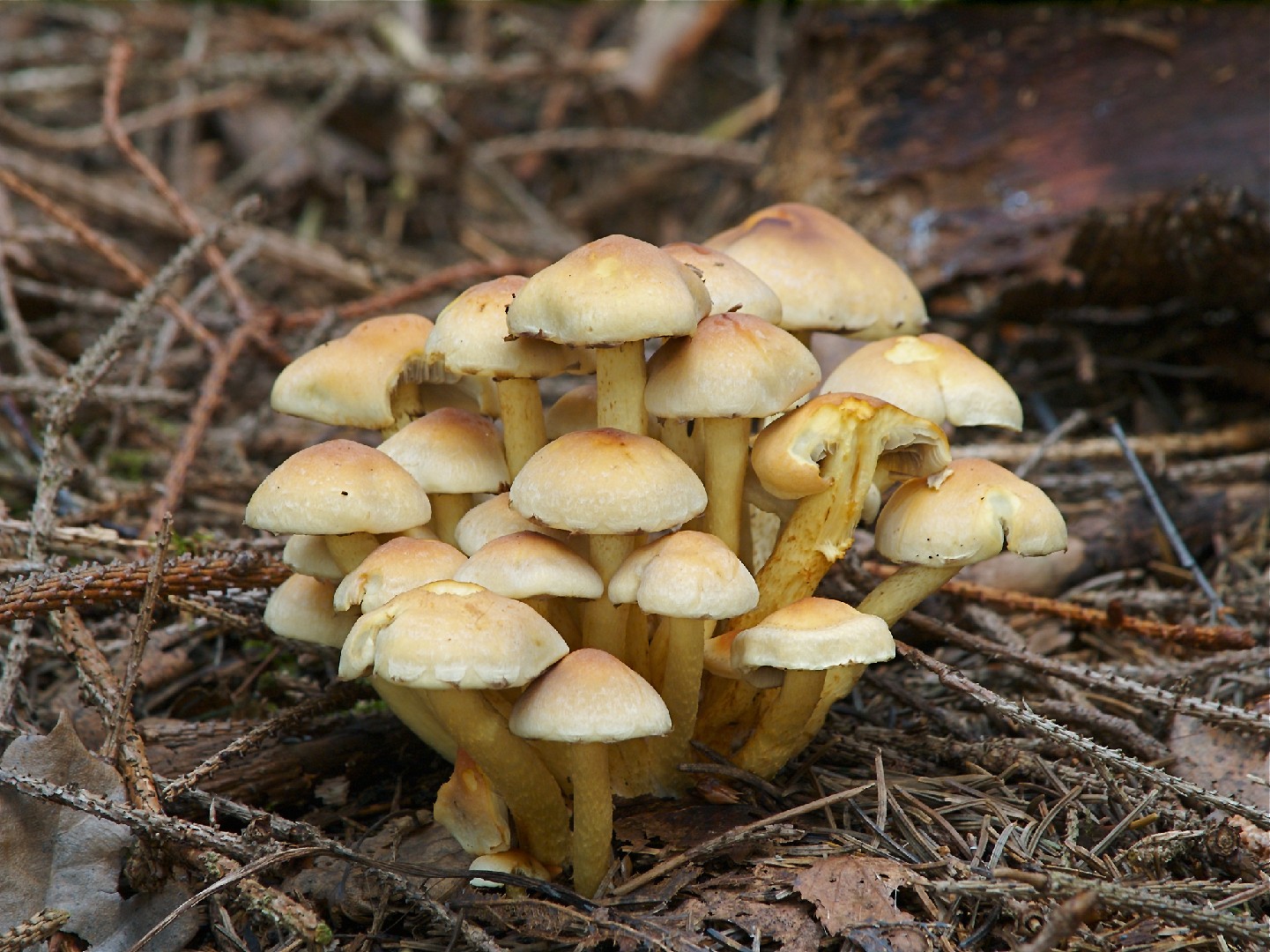
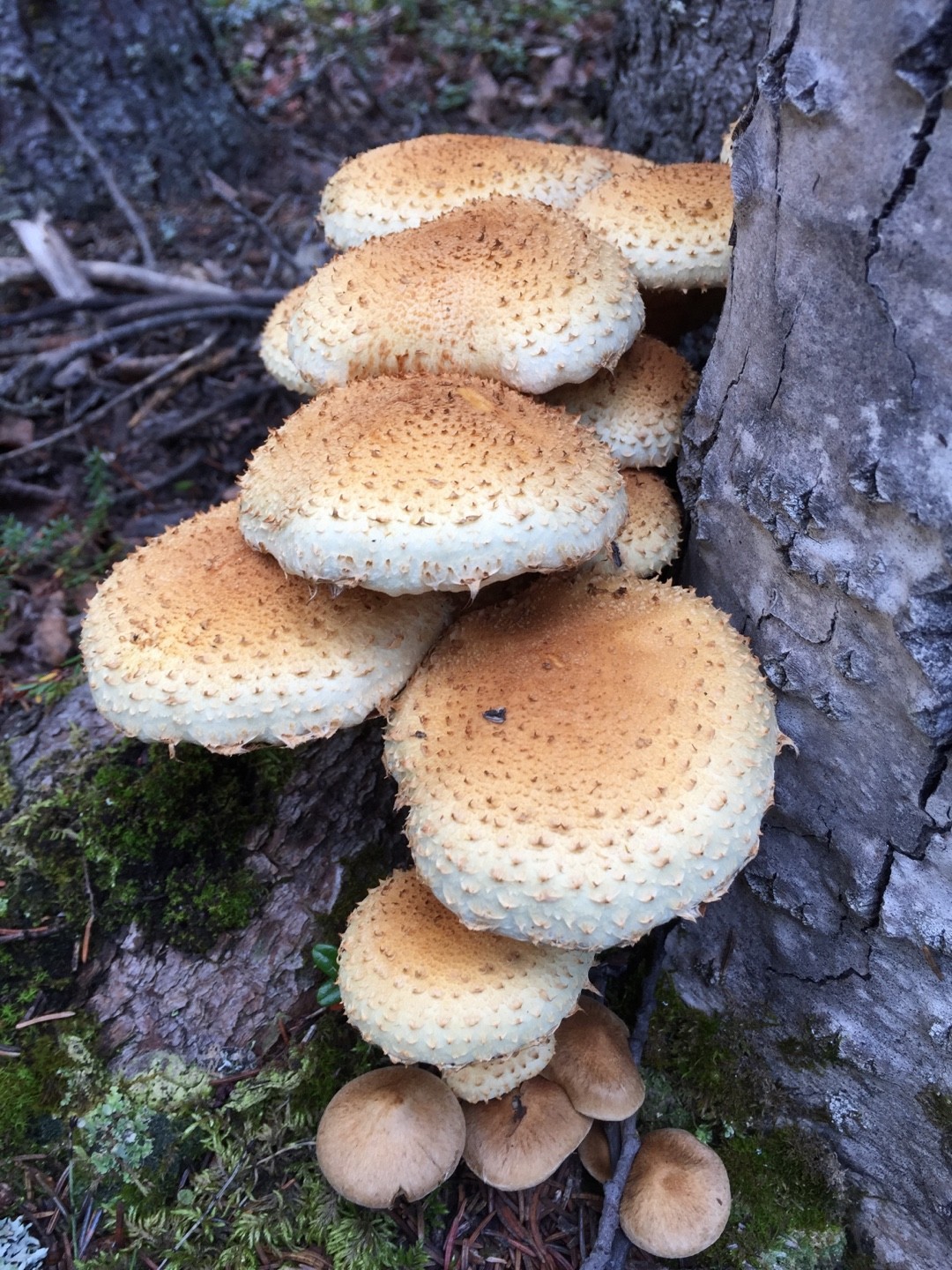
This tufting mushroom grows on hardwood stumps and deadwood. The brick cap seems particularly fond of oak wood. It is similar in most respects to the Sulfur Tuft or Conifer Tuft, except that its cap is a brick red color. Brick caps should be regarded as inedible and are likely to cause stomach problems if consumed.
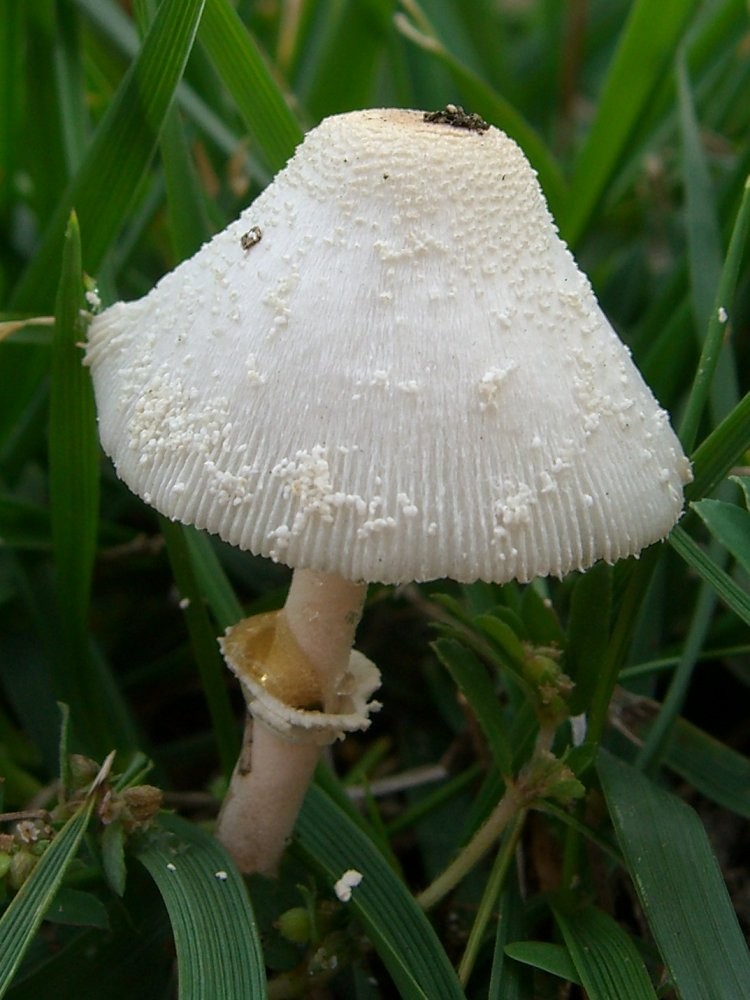
7. Onion-stalk parasol mushroom
This generalist mushroom, found across North America, can be found in all sorts of moist woodland settings. The species appears to be particularly fond of wood chips or mulch, and so it is often found in garden or park settings. The onion-stalk parasol mushroom, despite the word "onion" in its name, is inedible.
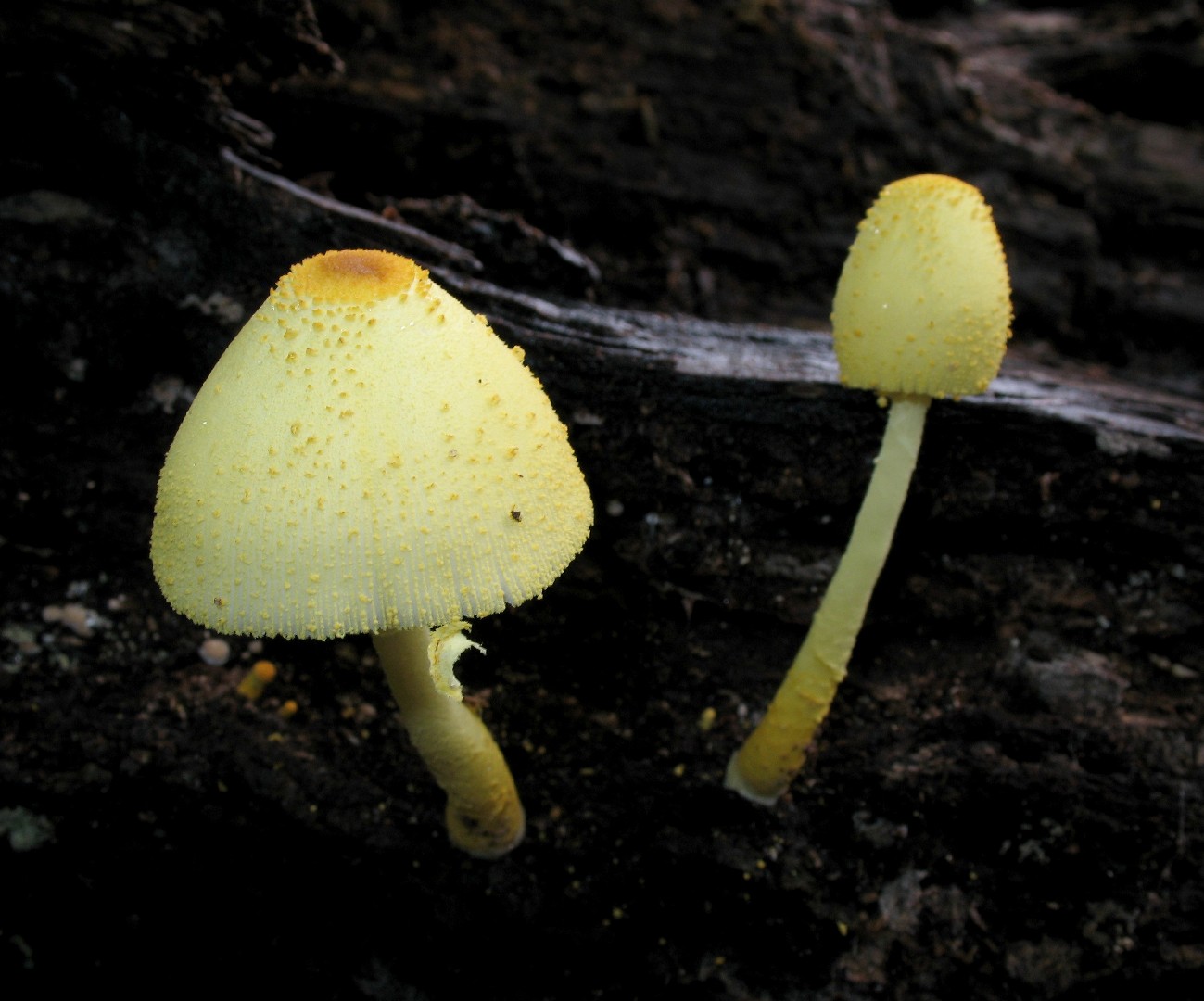
8. Flowerpot parasol
This tropical/subtropical mushroom is known to be toxic. If eaten it causes a very unpleasant stomachache with the risk of fatal complications. In temperate zones, flowerpot parasol is only found in hothouses and greenhouses, so the risk of accidental foraging is low, but it may occur with potted plants and indoor landscaping and pose a risk to curious children.
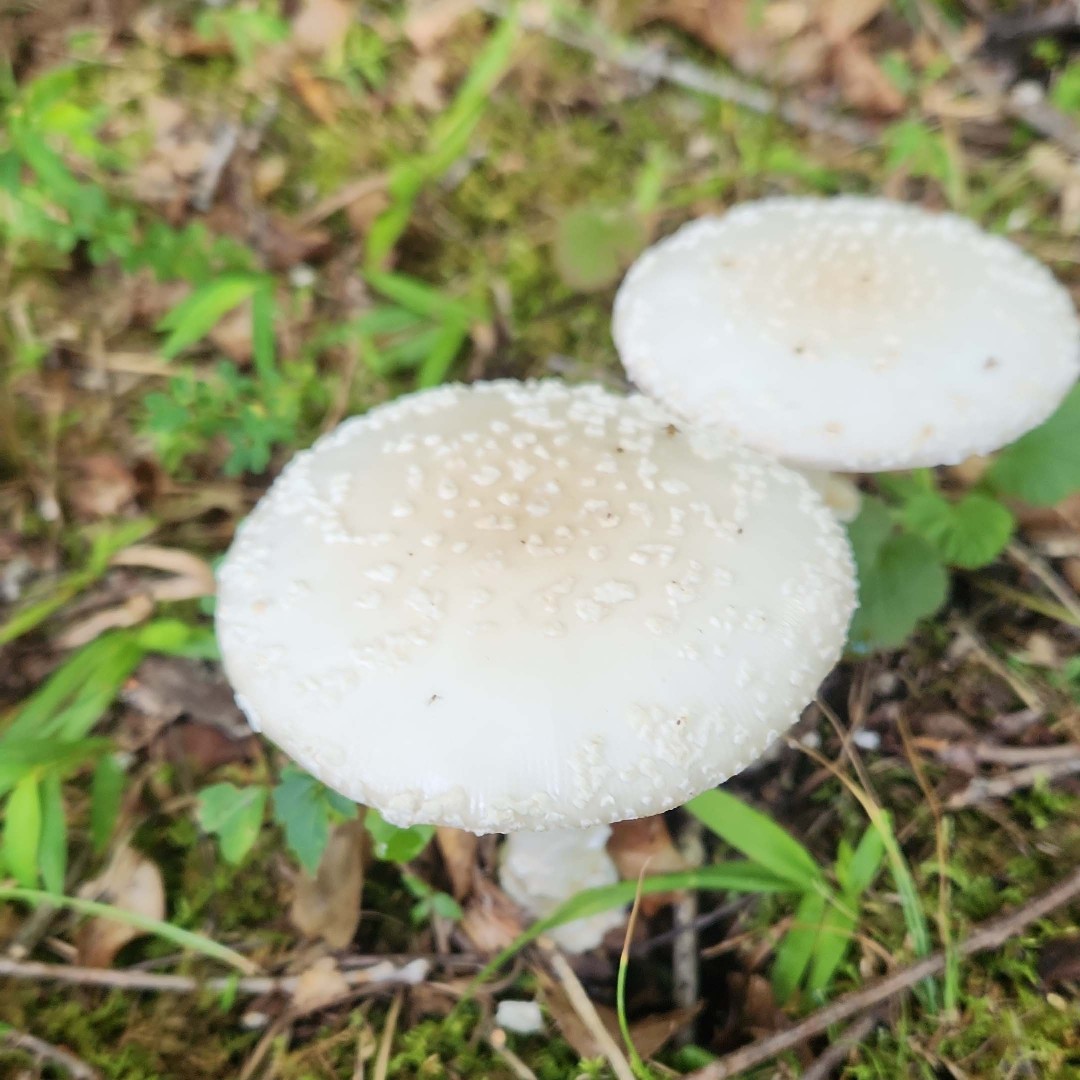
9. Small funnel-veil amanita
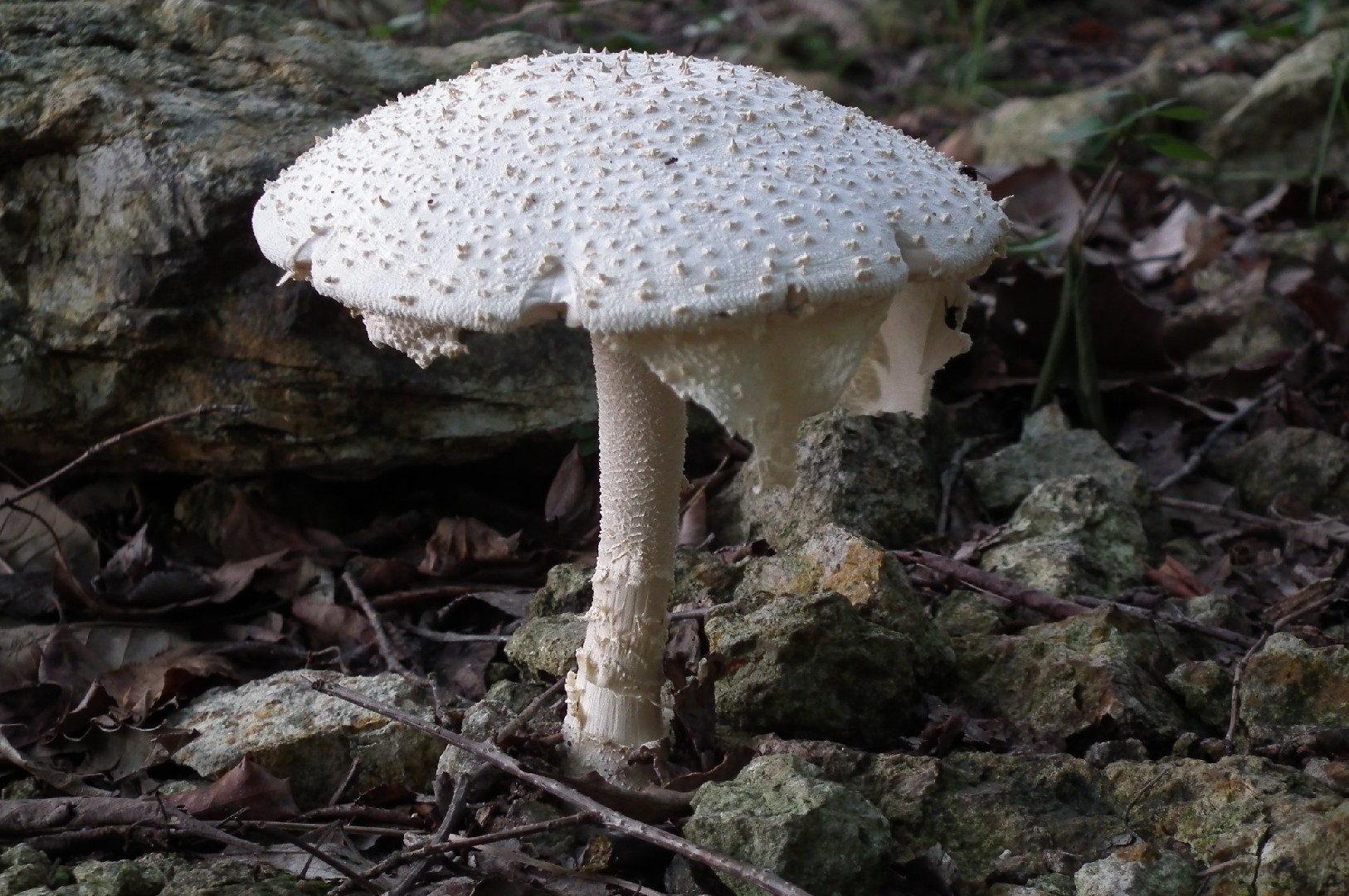
Small funnel-veil amanita thrives primarily in deciduous forests but is also found growing underneath conifers. Its umbrella-shaped cap covered with small warts makes it easy to spot, along with its cream-colored stem.
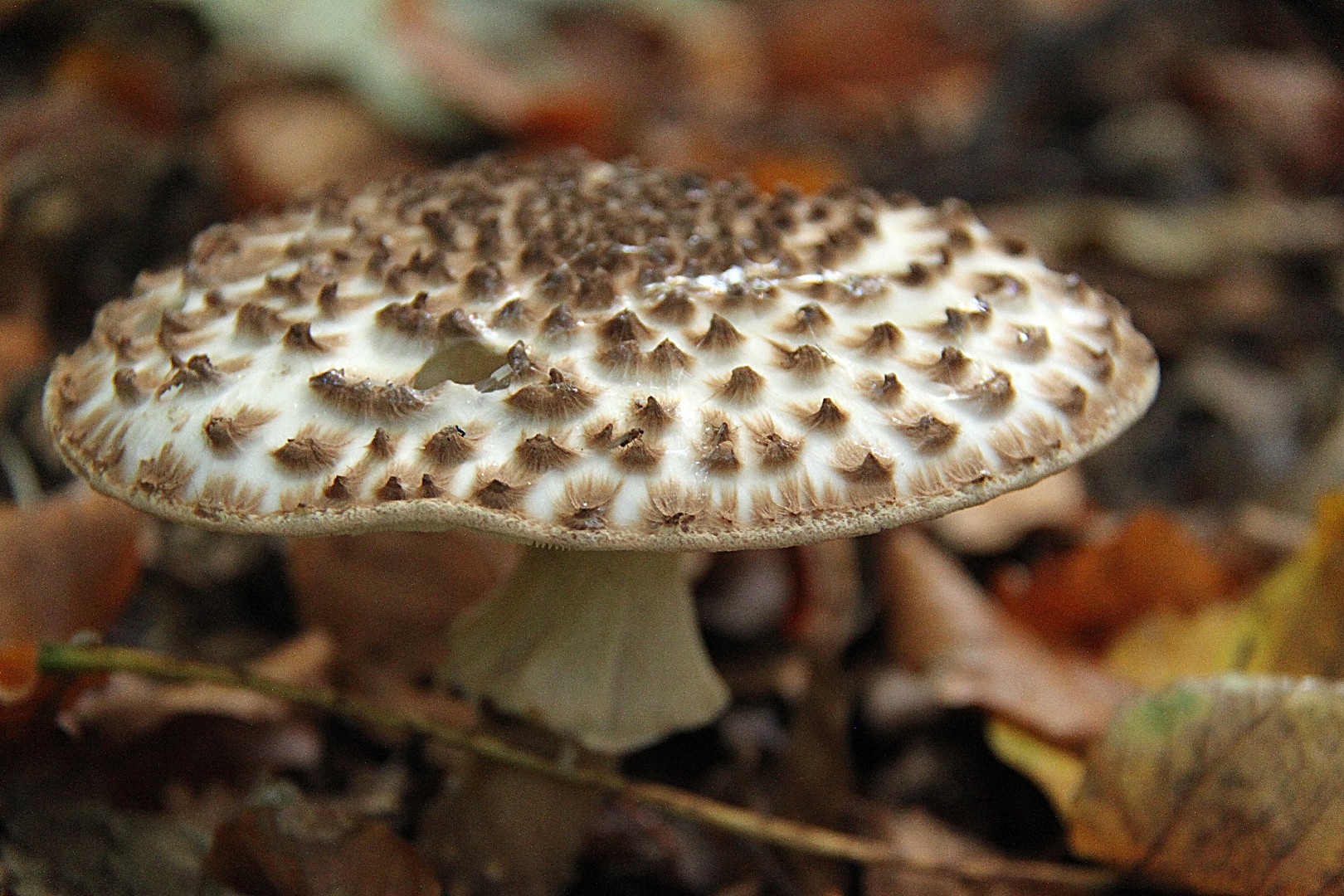
10. Freckled dapperling
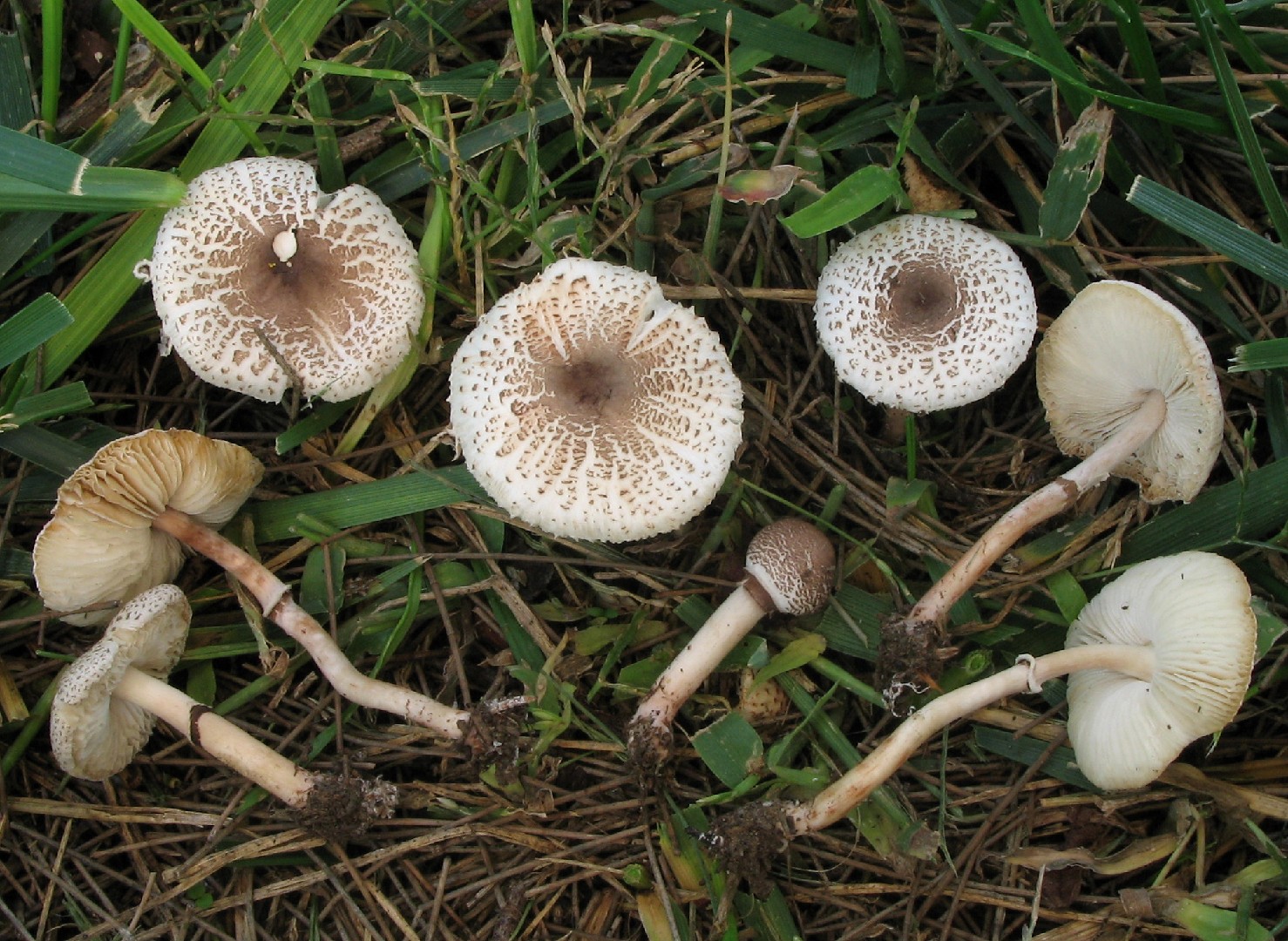
Freckled dapperling grows on decaying wood most commonly in woodlands but also on mulch or in gardens. Unfortunately, this mushroom may be indistinguishable from other species in the same genus, Echinoderma, without close inspection. However, its pyramid-shaped scales, as referenced by its name, are one aspect that can help differentiate freckled dapperling.
More







