




Top 20 Most Common Toxic or Poisonous Mushrooms in Canton
Nestled in the tapestry of Canton's diverse landforms and climatic nuances thrives an array of mushrooom species. Our guide explores the top 20 most harmful ones to equip novice foragers with essential knowledge for safe mushroom hunting. As Canton's weather ranges from humid summers to chilled winters alongside its alternating terrain of flatlands and hilly forests, it creates an ideal habitat for numerous, potentially dangerous, fungi. Let's illuminate the identity of these deceptive species, ensuring your foraging adventure remains delightfully gourmet and away from a toxic encounter.
* Disclaimer: Content feedback CAN NOT be used as any basis for EATING ANY PLANTS. Some plants can be VERY POISONOUS, please purchase edible plants through regular channels.

Most Common Toxic or Poisonous Mushrooms
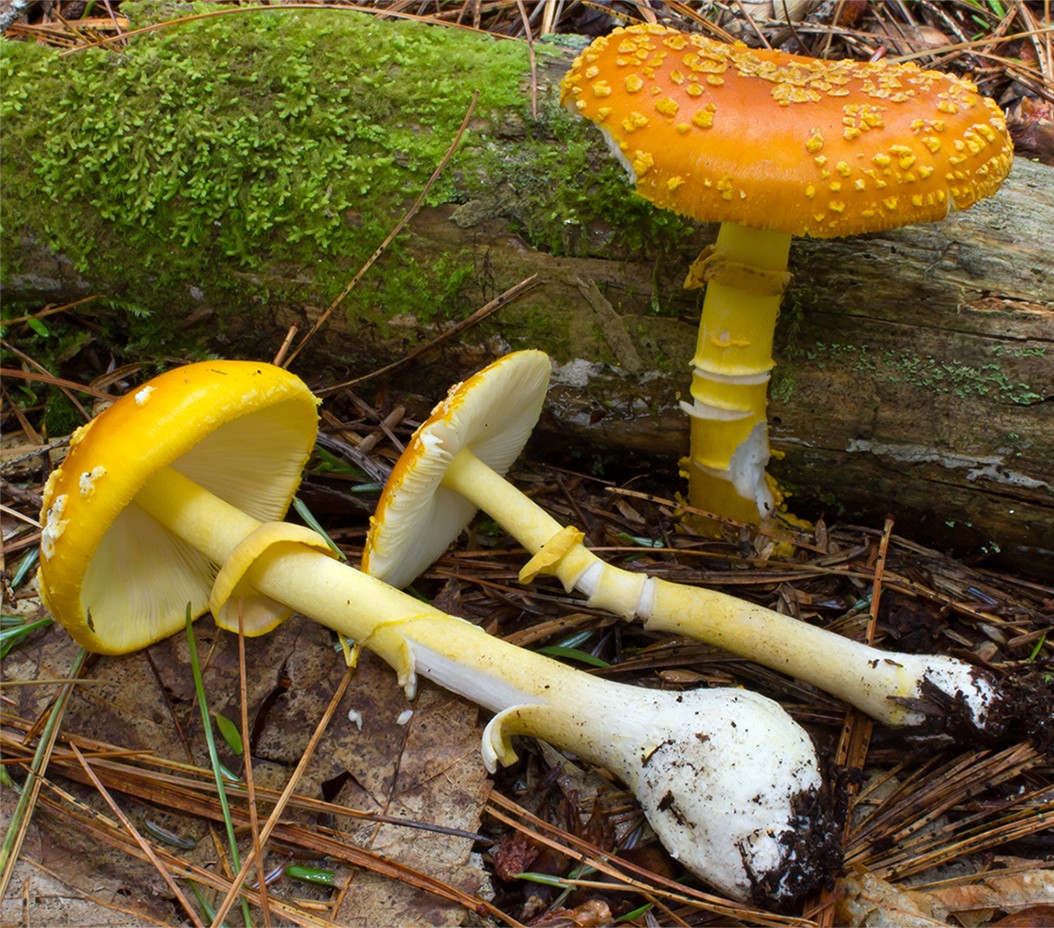
1. Yellow patches
The yellow patches is a gorgeous, striking species with a deep marigold or vermillion cap that sometimes appears as a blend of the two. Like some other members of the Amanita genus, it also sports patchy white worts - when it's cap is still very convex, it somewhat resembles the famous white and red mushrooms from the Mario Bros video games. While beautiful to look at, this species is toxic and should not be harvested.
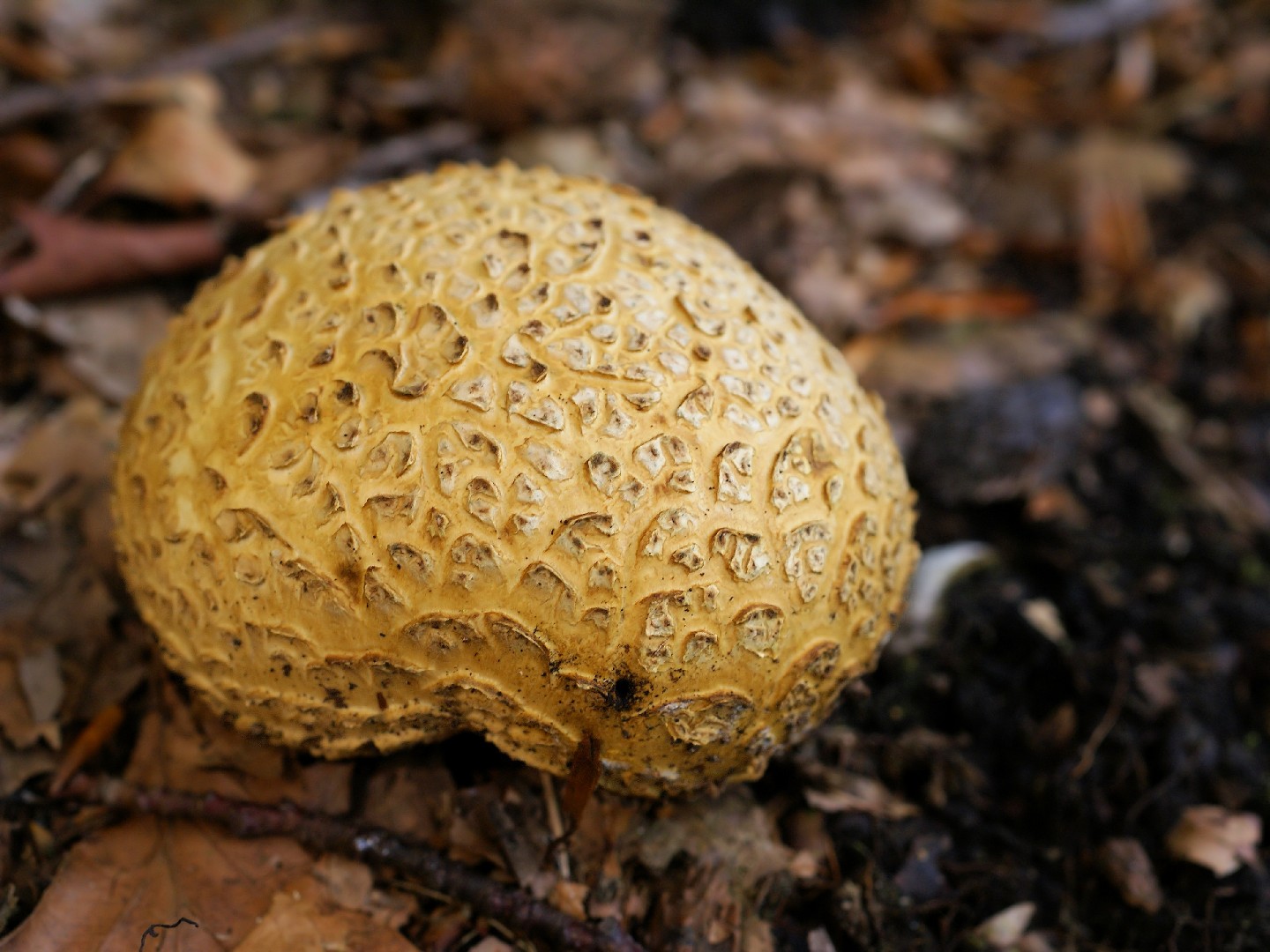
2. Common earthball
With an appearance similar to a crusty potato, the common earthball blooms from acidic soils, including compacted paths on the forest floor. It matures to a yellowish tinge and is found across the northern hemisphere. It is a close cousin to bolete mushrooms but is considered to be poisonous and is never eaten.
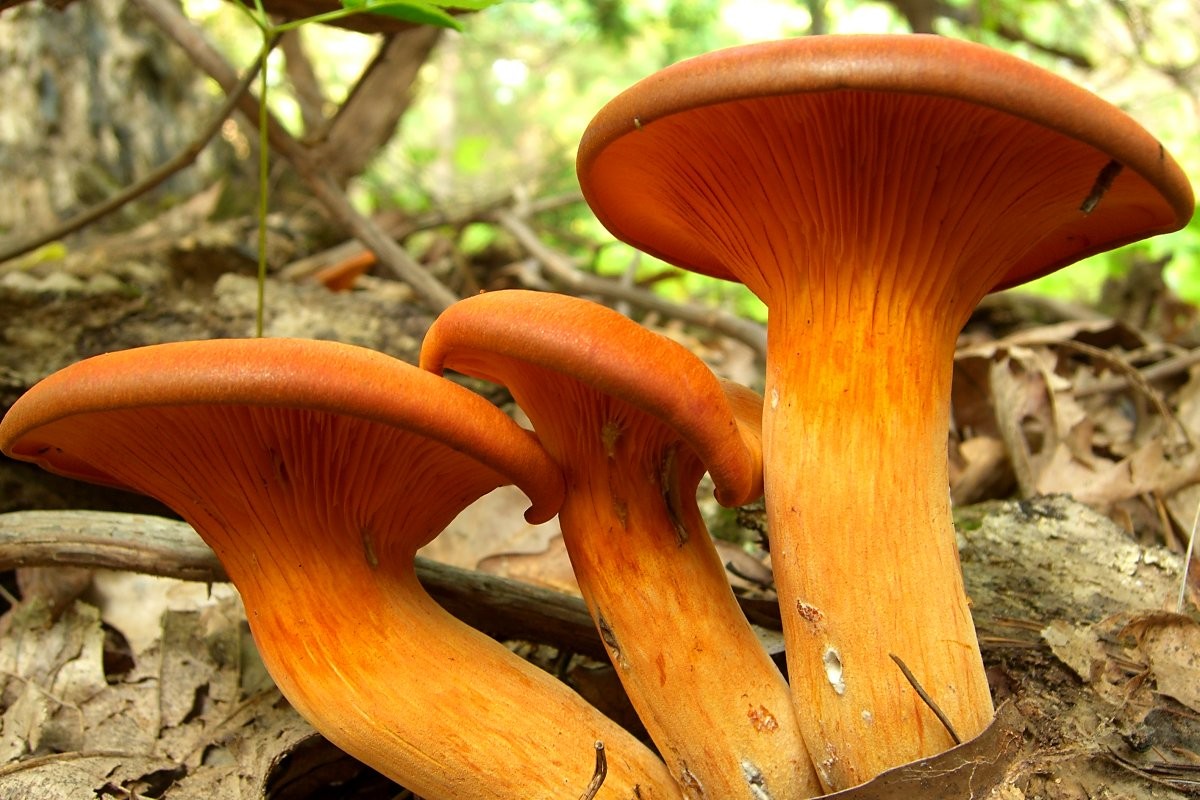
3. Jack-o'lantern mushroom
The jack-o'lantern mushroom is so-called because of its bright orange color, and because it often appears in the fall (usually before Halloween, though). This vibrant little mushroom can be found growing on decaying hardwood stumps and logs. The species does have some superficial resemblances to the highly edible chanterelle (Cantharellus cibarius), but it is toxic and should be avoided!
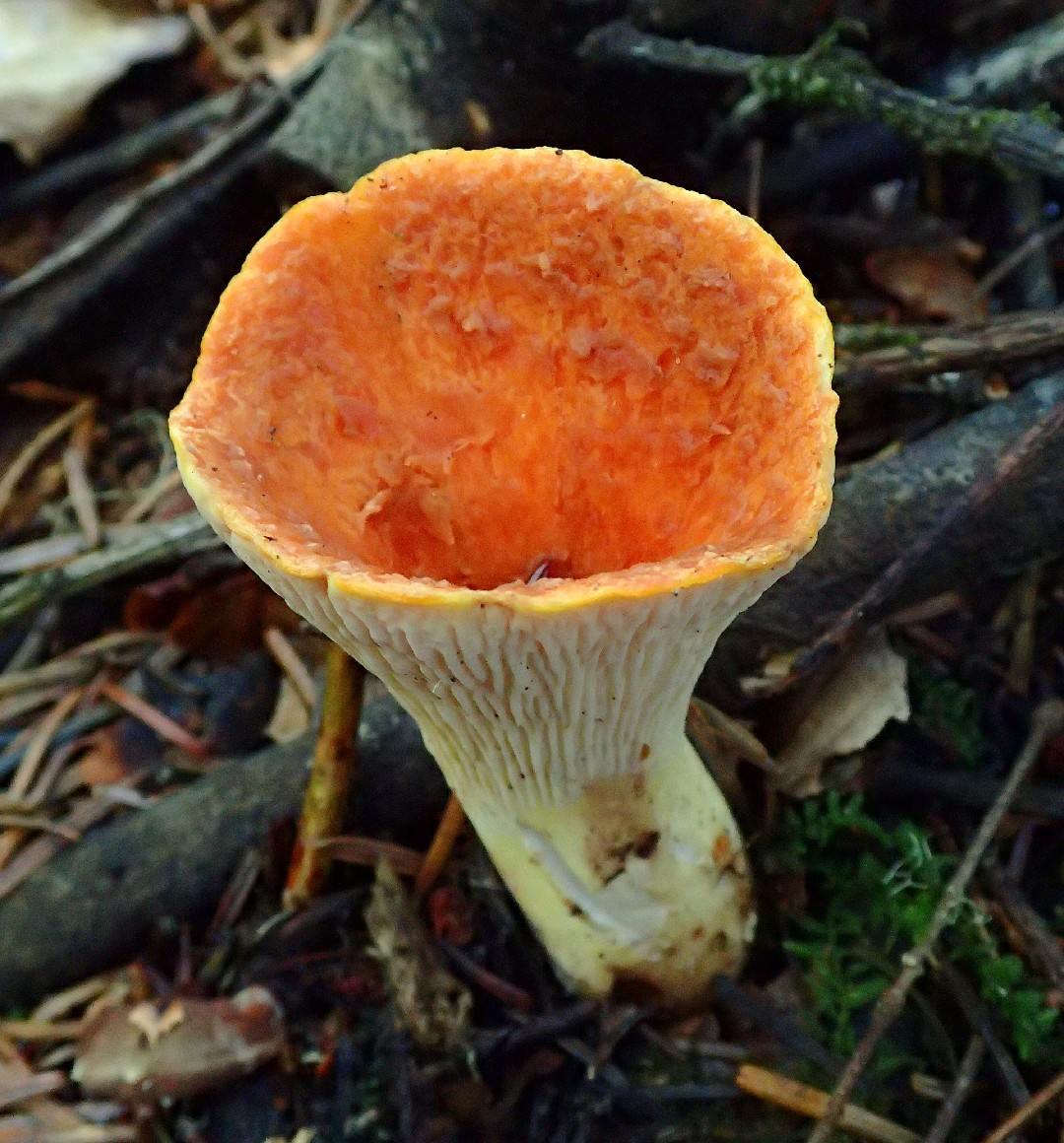
4. Woolly chanterelle
The woolly chanterelle, which looks only vaguely similar to its famed, edible chanterelle cousins, is vase-shaped and has large, pale folds and wrinkles on its underside (as opposed to having gills, like those of more sought-after chanterelles). Woolly chanterelles can cause upset stomach, vomiting, and diarrhea in some who eat them, while leaving others completely unaffected. Needless to say, the species is not considered a "choice edible".
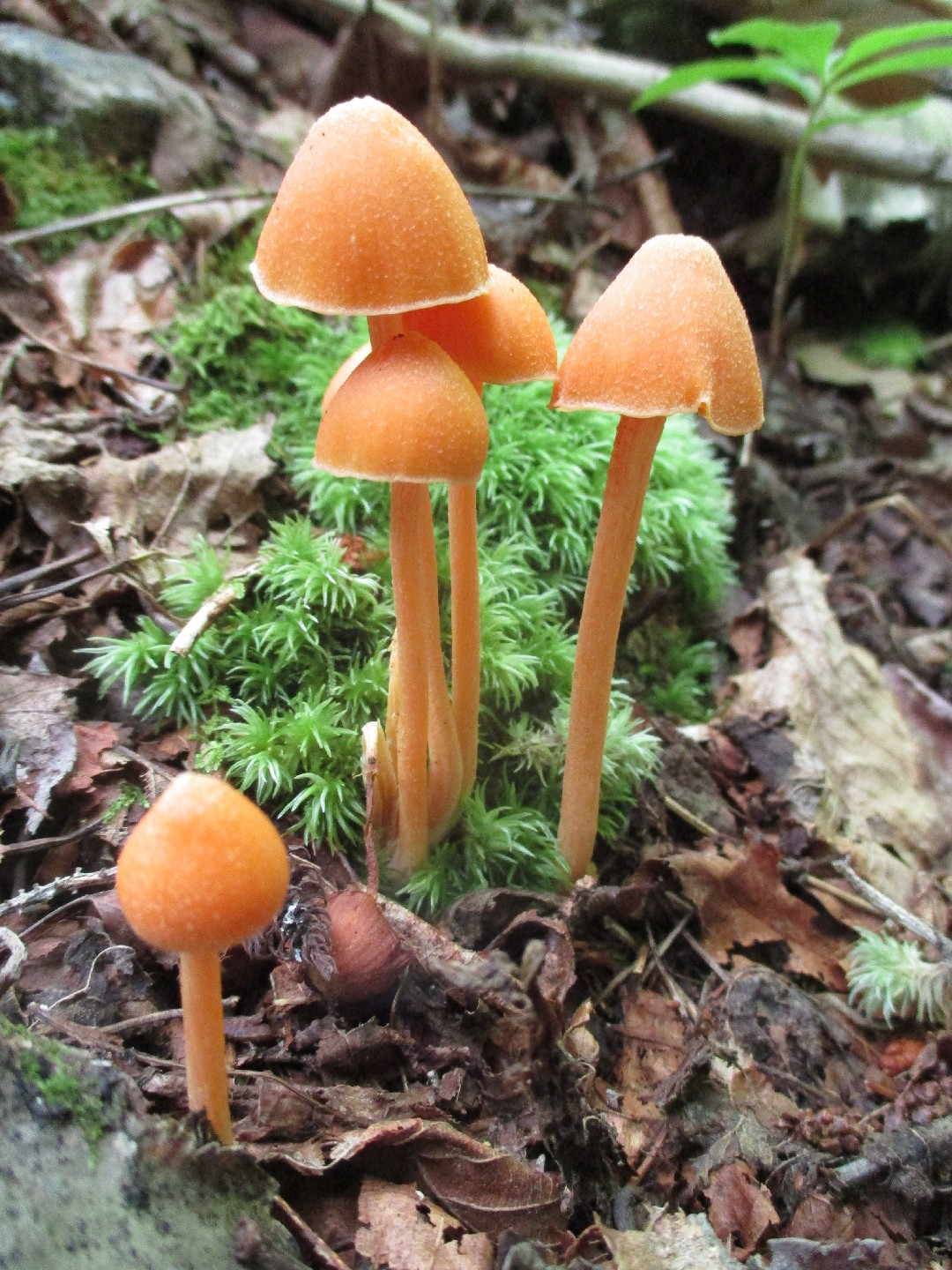
5. Salmon pinkgill
Entoloma quadratum is easily recognized by its pointed salmon pink cap. As the mushroom matures, the color fades. Despite its attractive look, the salmon pinkgill is considered a toxic species and should not be collected and consumed.
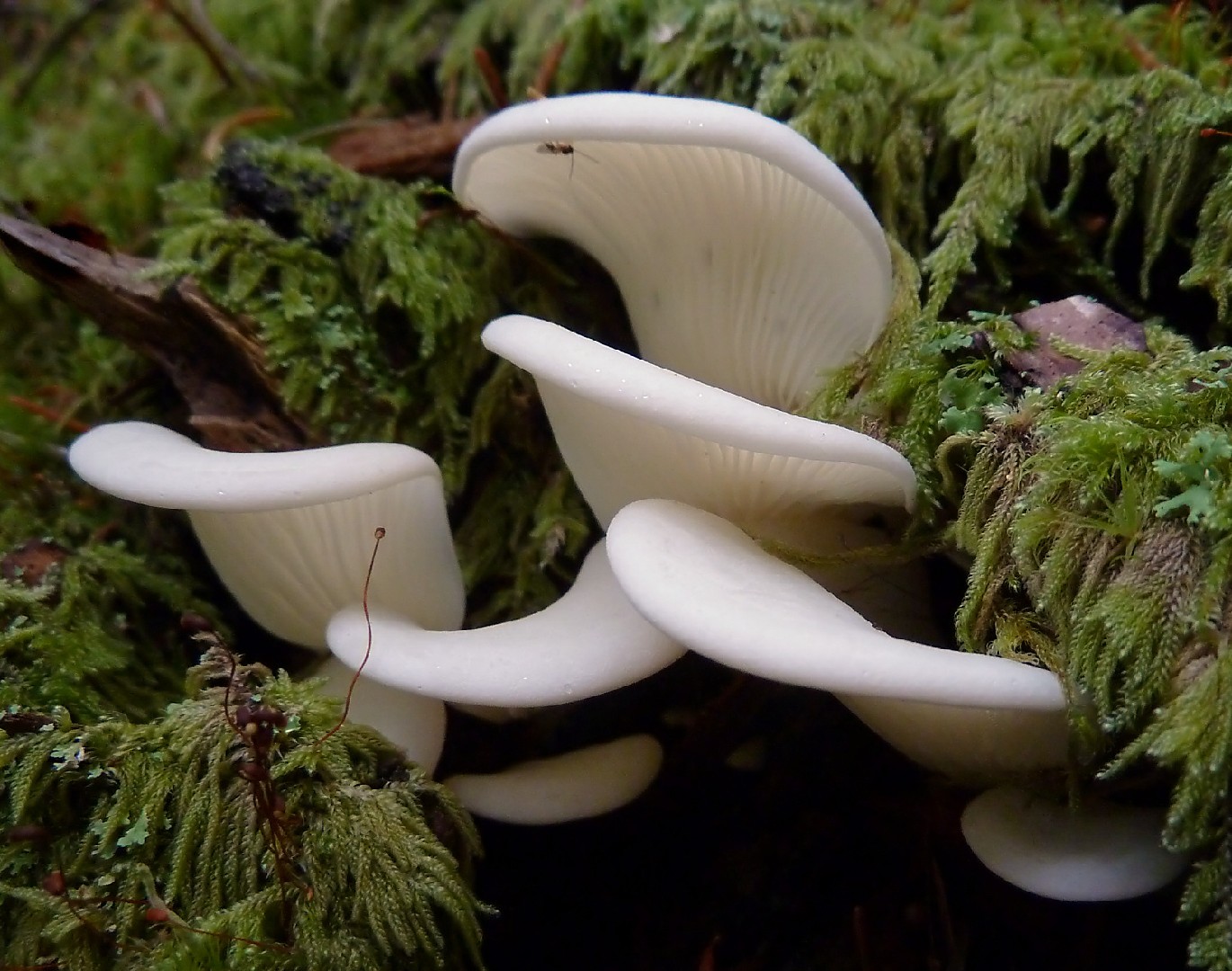
6. Angel wings
Angel wings(Pleurocybella porrigens) is a delicate, almost ethereal mushroom most commonly found on decaying conifer logs and stumps. In spite of its disarming name, this species is highly toxic and should not be consumed under any circumstances; once considered edible, it has been responsible for numerous deaths in Japan.
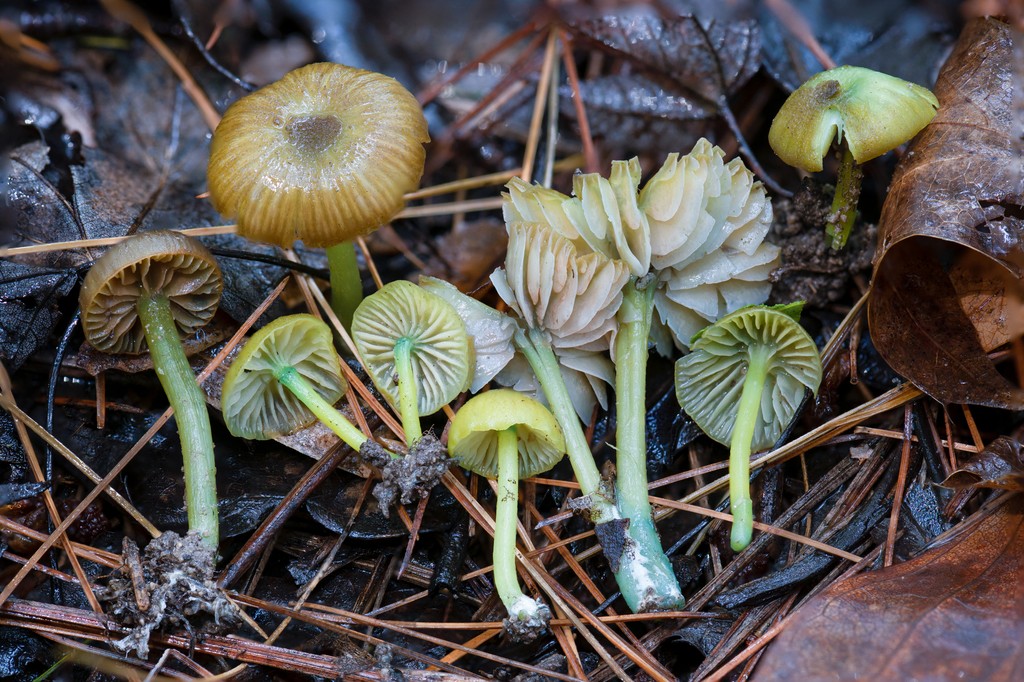
7. Mousepee pinkgill
Mousepee pinkgill is noted for having an odor that is reminiscent of caged mice, which aids identification. Unusually green, mousepee pinkgill can usually be found amongst the leaf litter of mixed forests. Seemingly liking disturbed areas, it can be visually mistaken for the licorice scented Clitocybe Odora. It has been reported as potentially toxic and should not be consumed.
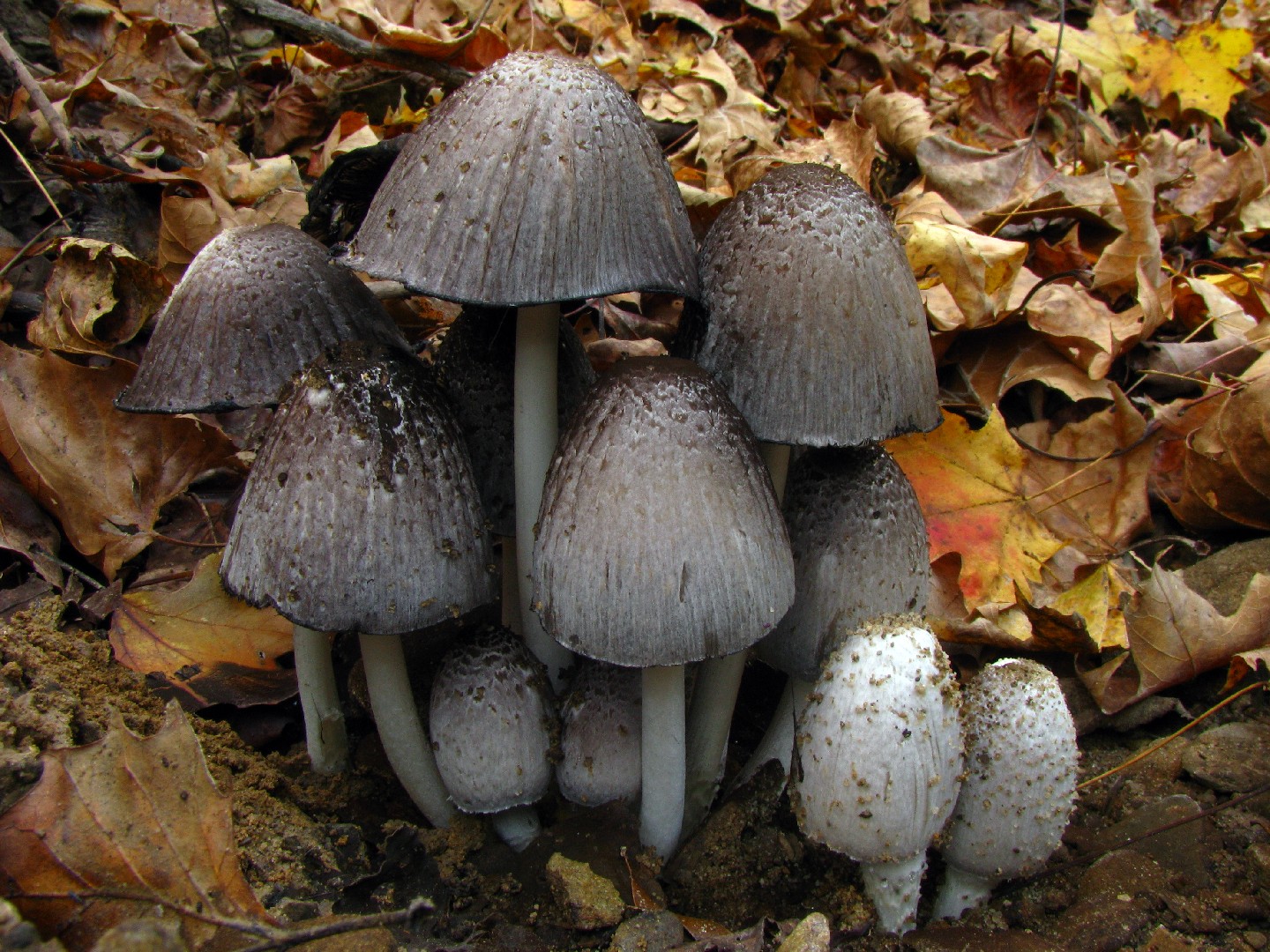
8. Common ink cap
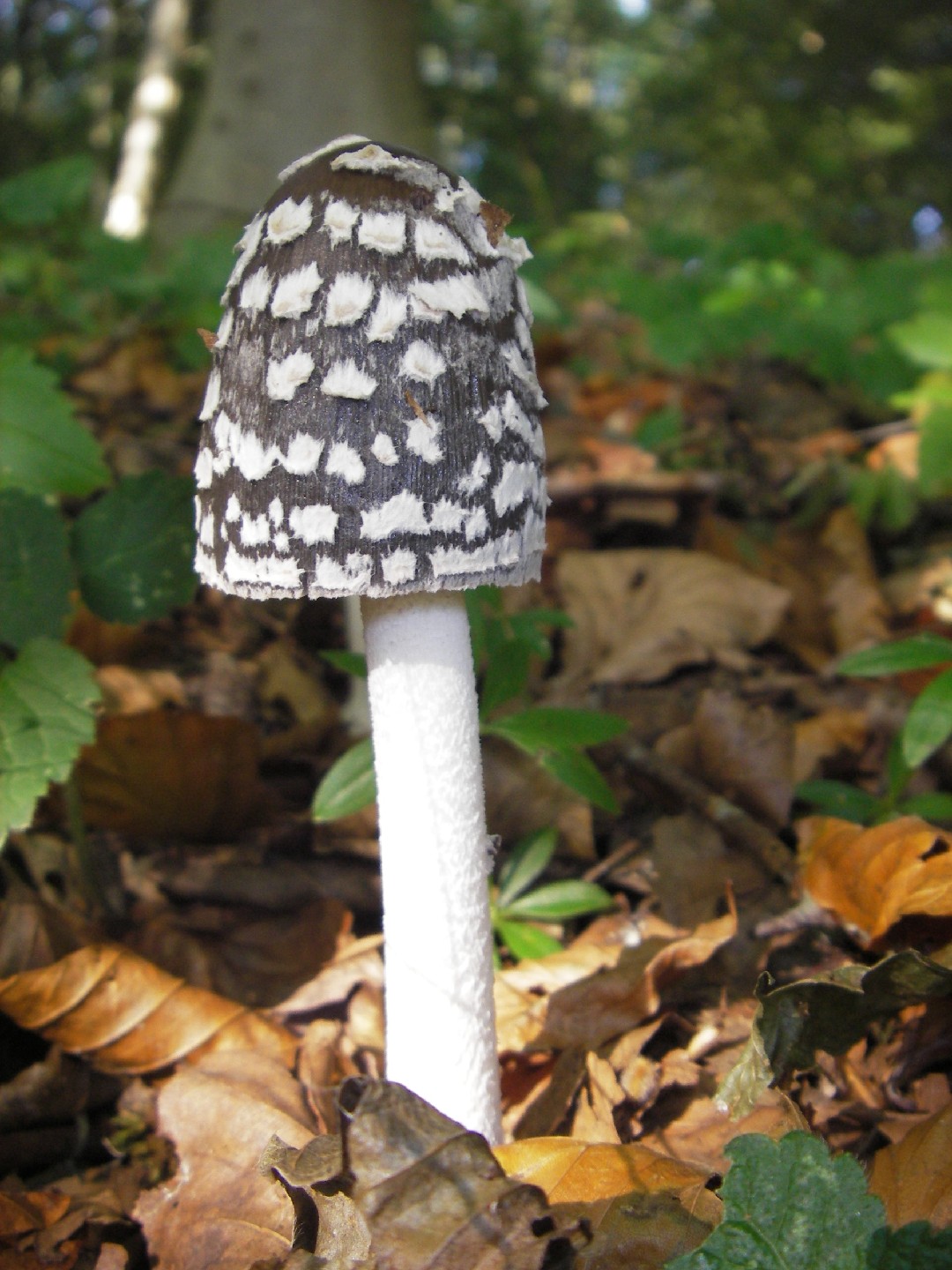
Common ink cap mushrooms grow in clumps from buried wood or tree stumps. They come up with such strength that they have been known to lift pavement or break through asphalt. As they age, their gills will turn black and liquefy, creating the "inky" substance for which they are named.
9. False chanterelle
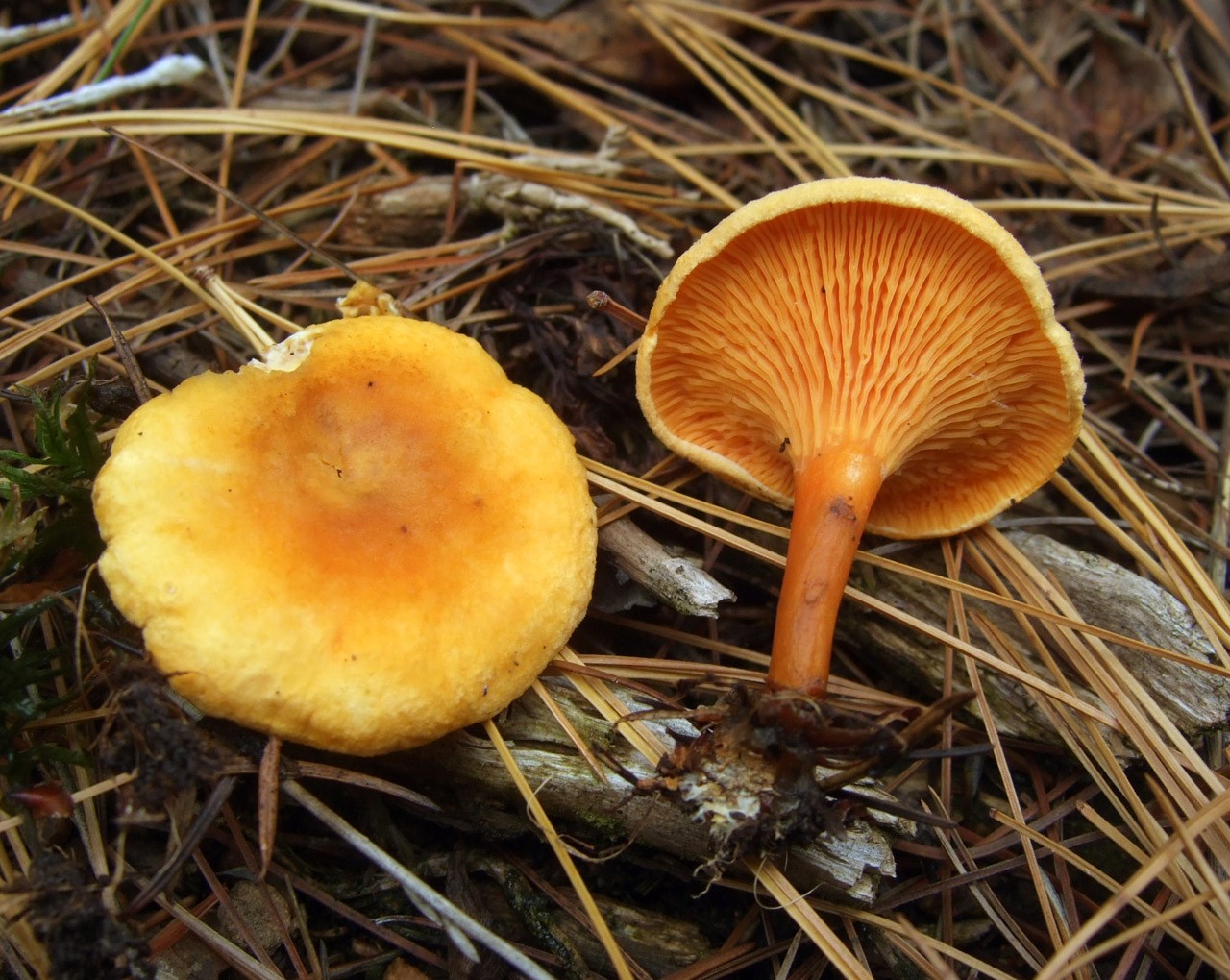
The common name of this mushroom refers to the fact that it looks very similar to the edible and highly prized Chanterelle. This species, however, tastes bitter and may cause poisoning symptoms. False chanterelle occurs around the northern hemisphere in autumn and winter, growing on coniferous detritus, and is more likely to fruit in dry conditions rather than the usual wet.
10. Stinking dapperling
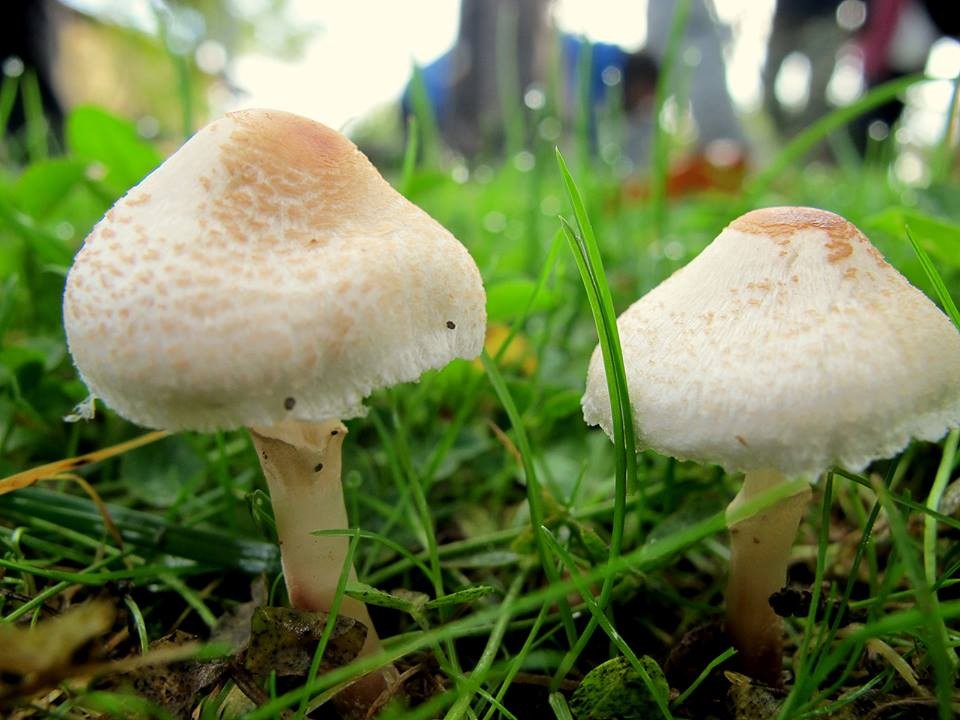
The stinking dapperling is a small, delicate mushroom that is relatively nondescript in appearance - however, as its name suggests, it does have a powerful odor. The species is a habitat generalist, popping up in woodlands, gardens, lawns, and abandoned lots. The stinking dapperling also boasts a global distribution, being found across temperate areas of North America, Europe, Asia and the Antipodes.
More







