




Top 20 Most Common Toxic or Poisonous Mushrooms in Lebanon
Explore the fascinating world of fungi amidst the unique scenery of Lebanon, home to diverse climates ideal for numerous mushroom species. Our guide illuminates the top 20 most commonly encountered poisonous mushrooms in Lebanon, dramatically aiding your efforts to forage safely. We emphasize a commitment to data-based accuracy and reliability for a sound mushroom-hunting adventure, prioritizing your safety alongside enhancing your understanding of these captivating yet potentially lethal inhabitants of Lebanon.
* Disclaimer: Content feedback CAN NOT be used as any basis for EATING ANY PLANTS. Some plants can be VERY POISONOUS, please purchase edible plants through regular channels.

Most Common Toxic or Poisonous Mushrooms
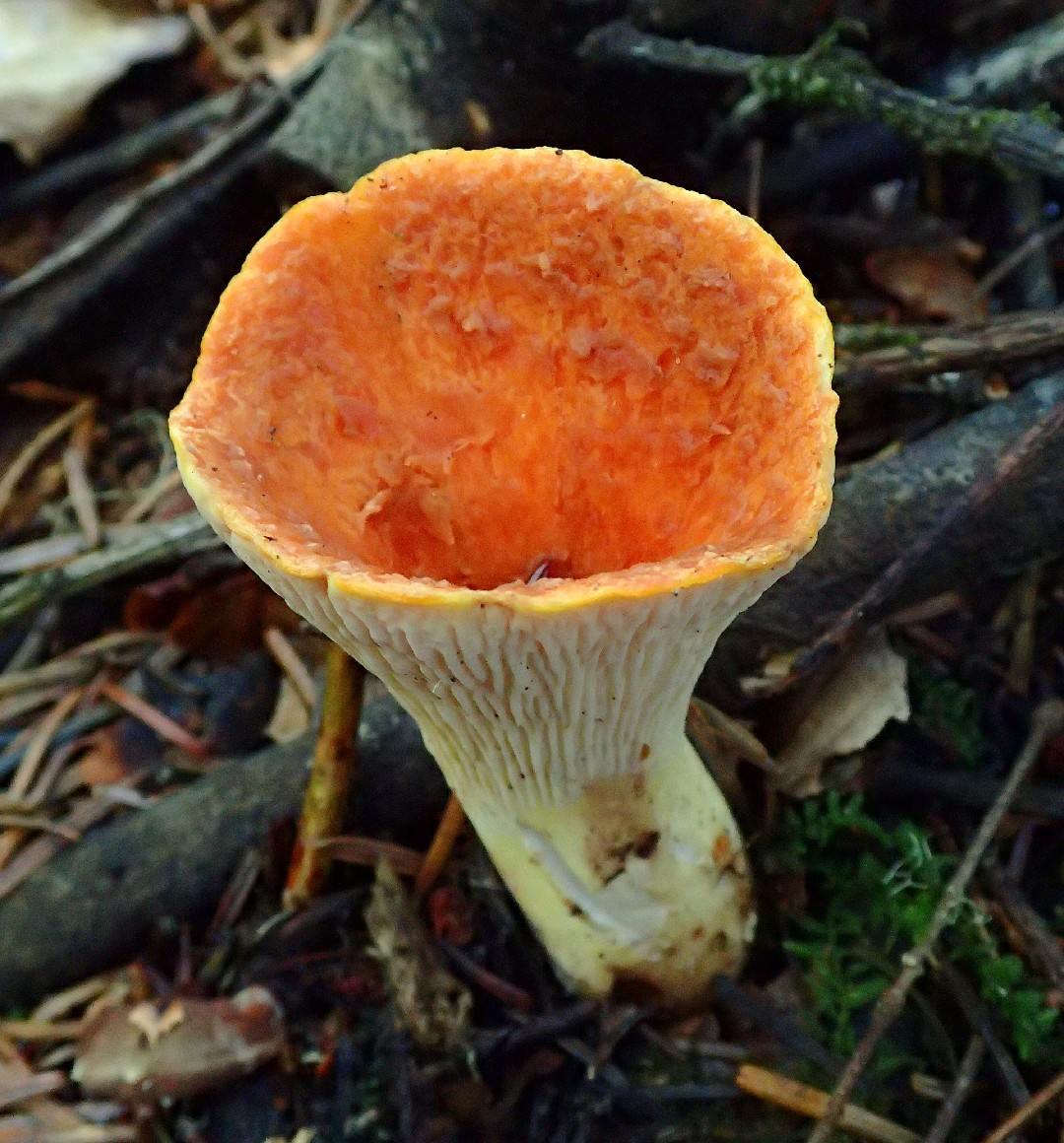
1. Woolly chanterelle
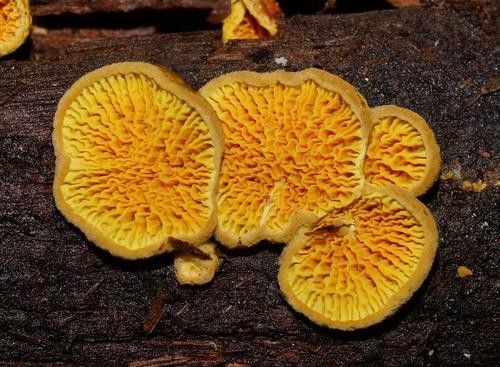
The woolly chanterelle, which looks only vaguely similar to its famed, edible chanterelle cousins, is vase-shaped and has large, pale folds and wrinkles on its underside (as opposed to having gills, like those of more sought-after chanterelles). Woolly chanterelles can cause upset stomach, vomiting, and diarrhea in some who eat them, while leaving others completely unaffected. Needless to say, the species is not considered a "choice edible".
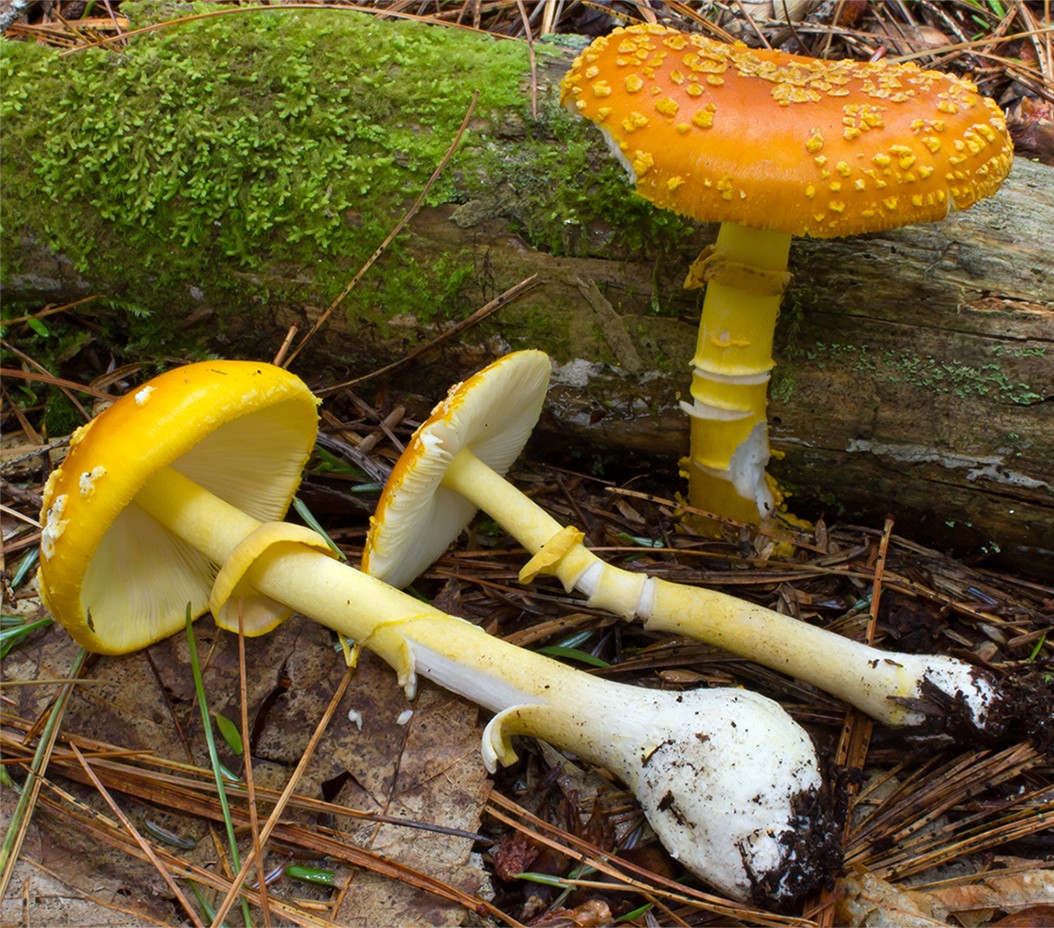
2. Yellow patches
The yellow patches is a gorgeous, striking species with a deep marigold or vermillion cap that sometimes appears as a blend of the two. Like some other members of the Amanita genus, it also sports patchy white worts - when it's cap is still very convex, it somewhat resembles the famous white and red mushrooms from the Mario Bros video games. While beautiful to look at, this species is toxic and should not be harvested.
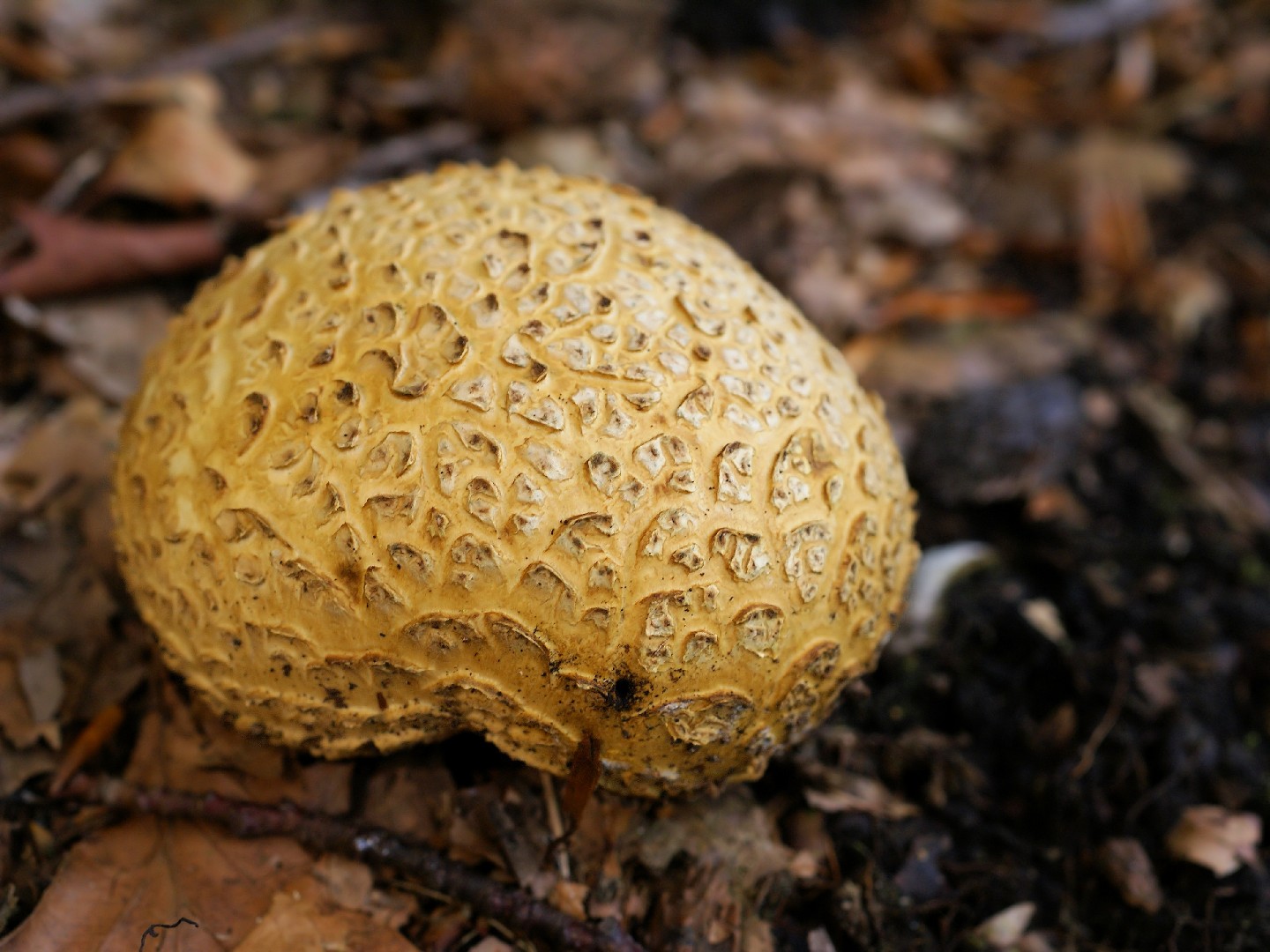
3. Common earthball
With an appearance similar to a crusty potato, the common earthball blooms from acidic soils, including compacted paths on the forest floor. It matures to a yellowish tinge and is found across the northern hemisphere. It is a close cousin to bolete mushrooms but is considered to be poisonous and is never eaten.
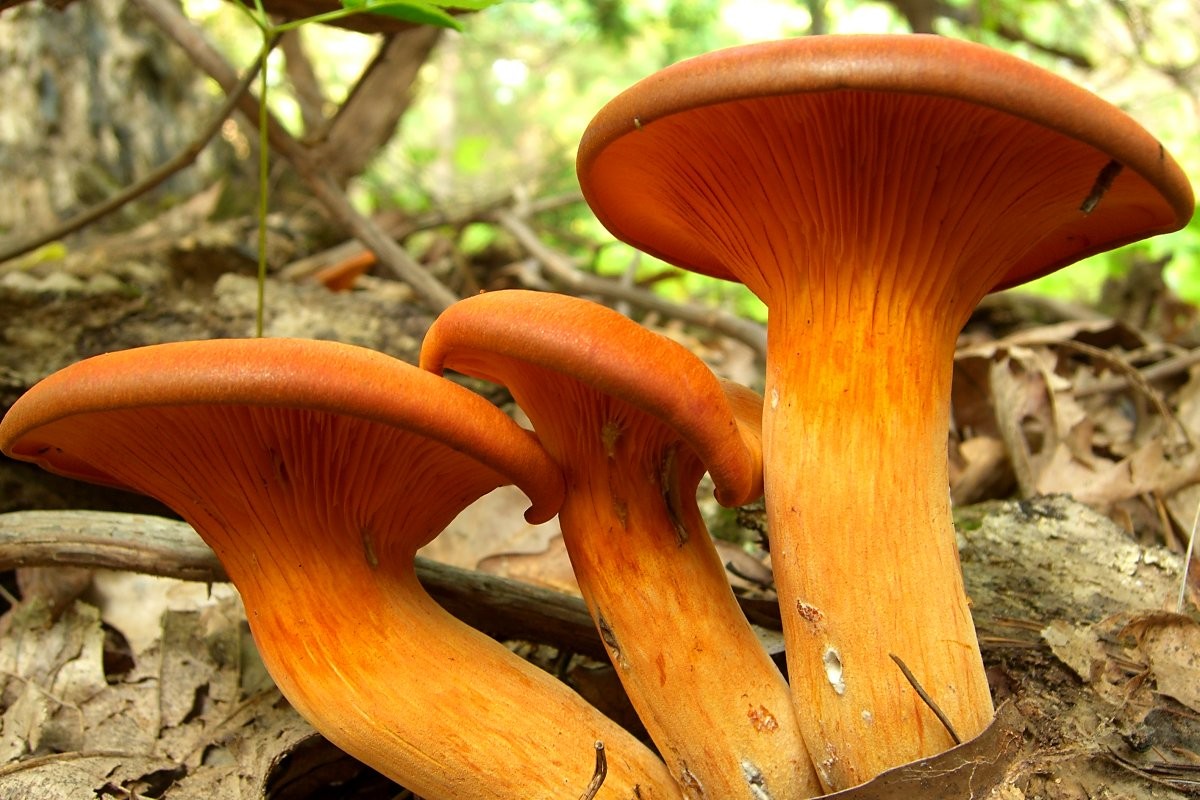
4. Jack-o'lantern mushroom
The jack-o'lantern mushroom is so-called because of its bright orange color, and because it often appears in the fall (usually before Halloween, though). This vibrant little mushroom can be found growing on decaying hardwood stumps and logs. The species does have some superficial resemblances to the highly edible chanterelle (Cantharellus cibarius), but it is toxic and should be avoided!
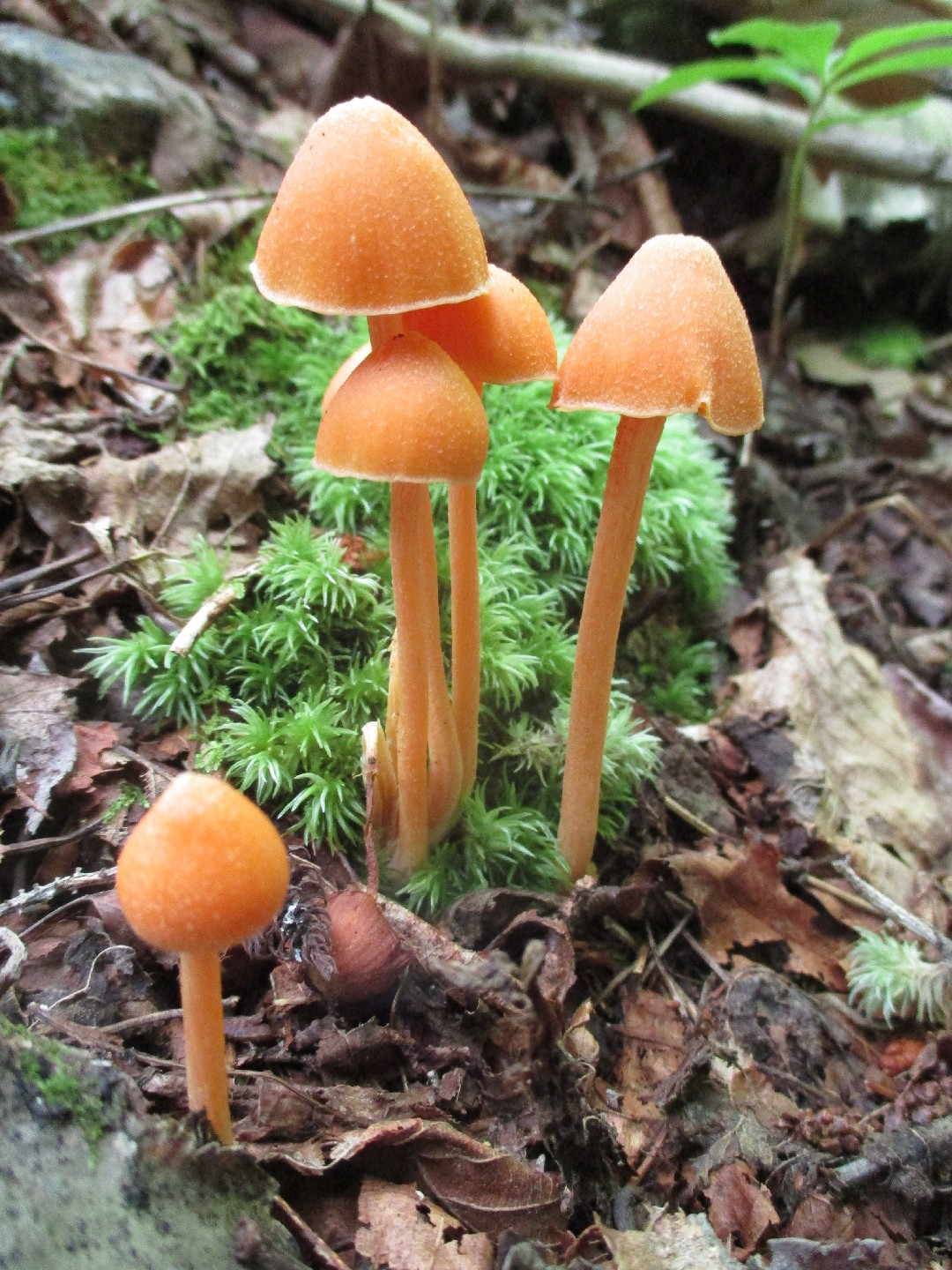
5. Salmon pinkgill
Entoloma quadratum is easily recognized by its pointed salmon pink cap. As the mushroom matures, the color fades. Despite its attractive look, the salmon pinkgill is considered a toxic species and should not be collected and consumed.
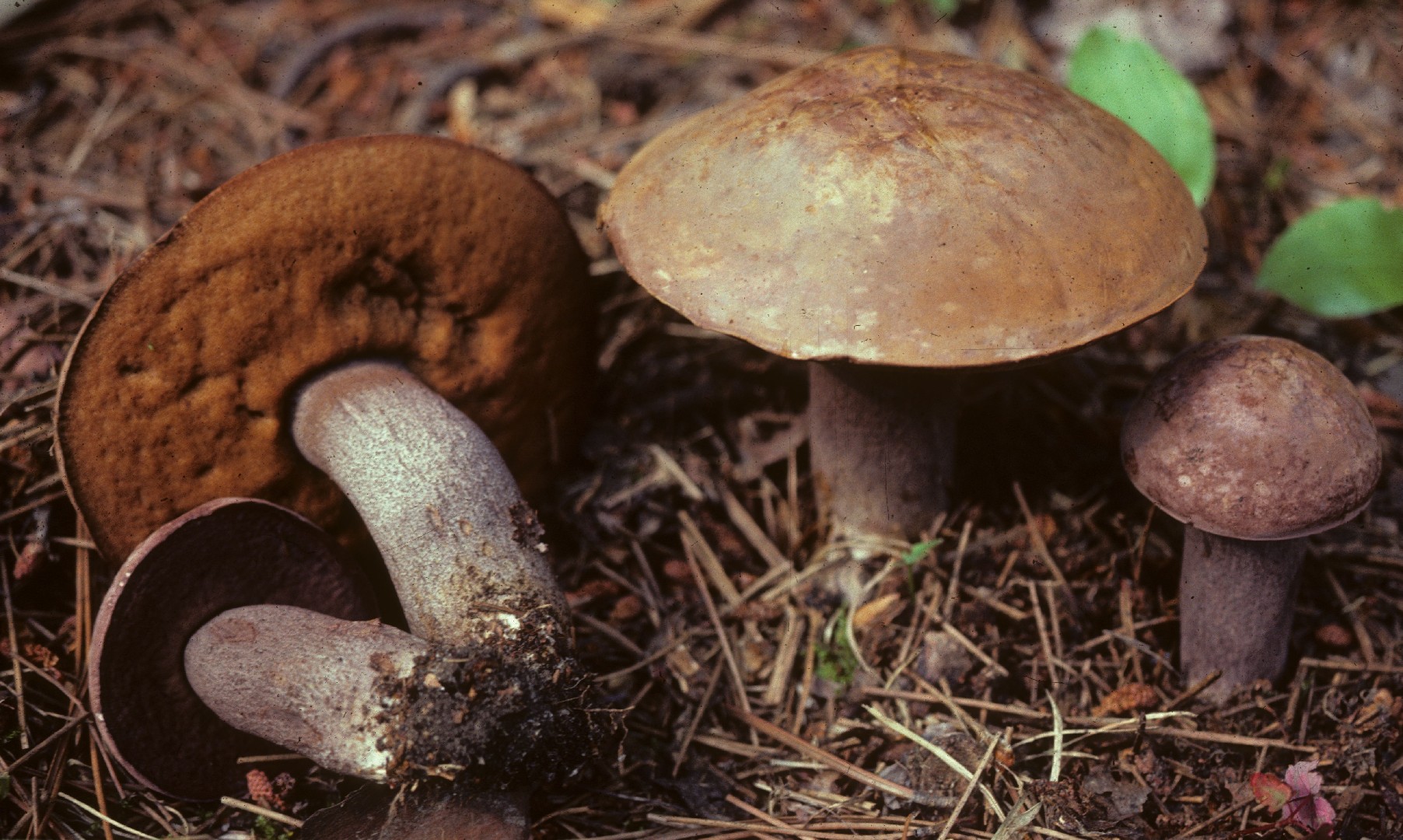
6. Lilac-brown bolete
Lilac-brown bolete is an attractive species with purple and brown spores that gradually color the white cap. When the mushroom is cut, its color can change to pink, red, brown, or blue. Lilac-brown bolete thrives in mixed forests preferring to grow under spruce and hemlock trees.
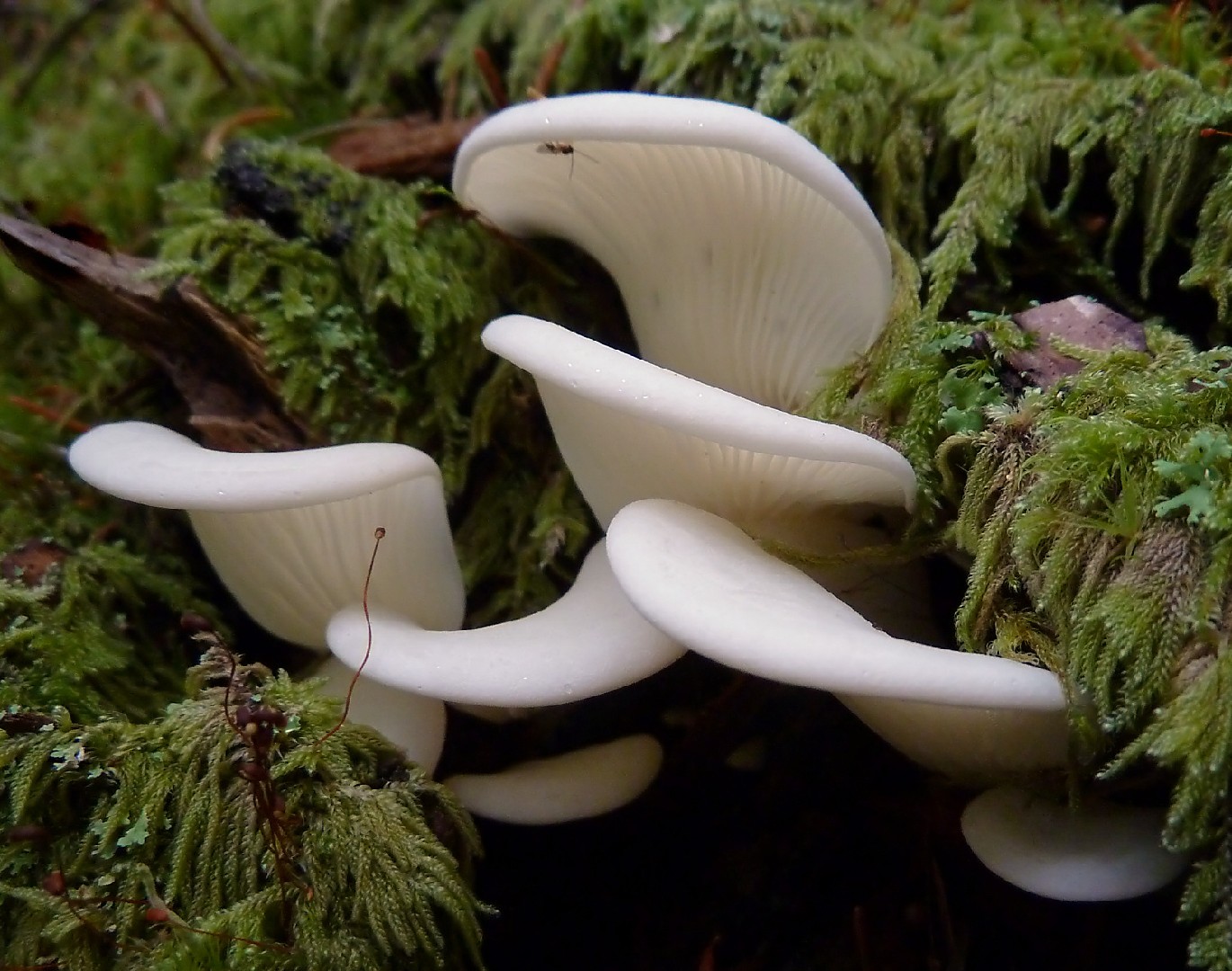
7. Angel wings
Angel wings(Pleurocybella porrigens) is a delicate, almost ethereal mushroom most commonly found on decaying conifer logs and stumps. In spite of its disarming name, this species is highly toxic and should not be consumed under any circumstances; once considered edible, it has been responsible for numerous deaths in Japan.
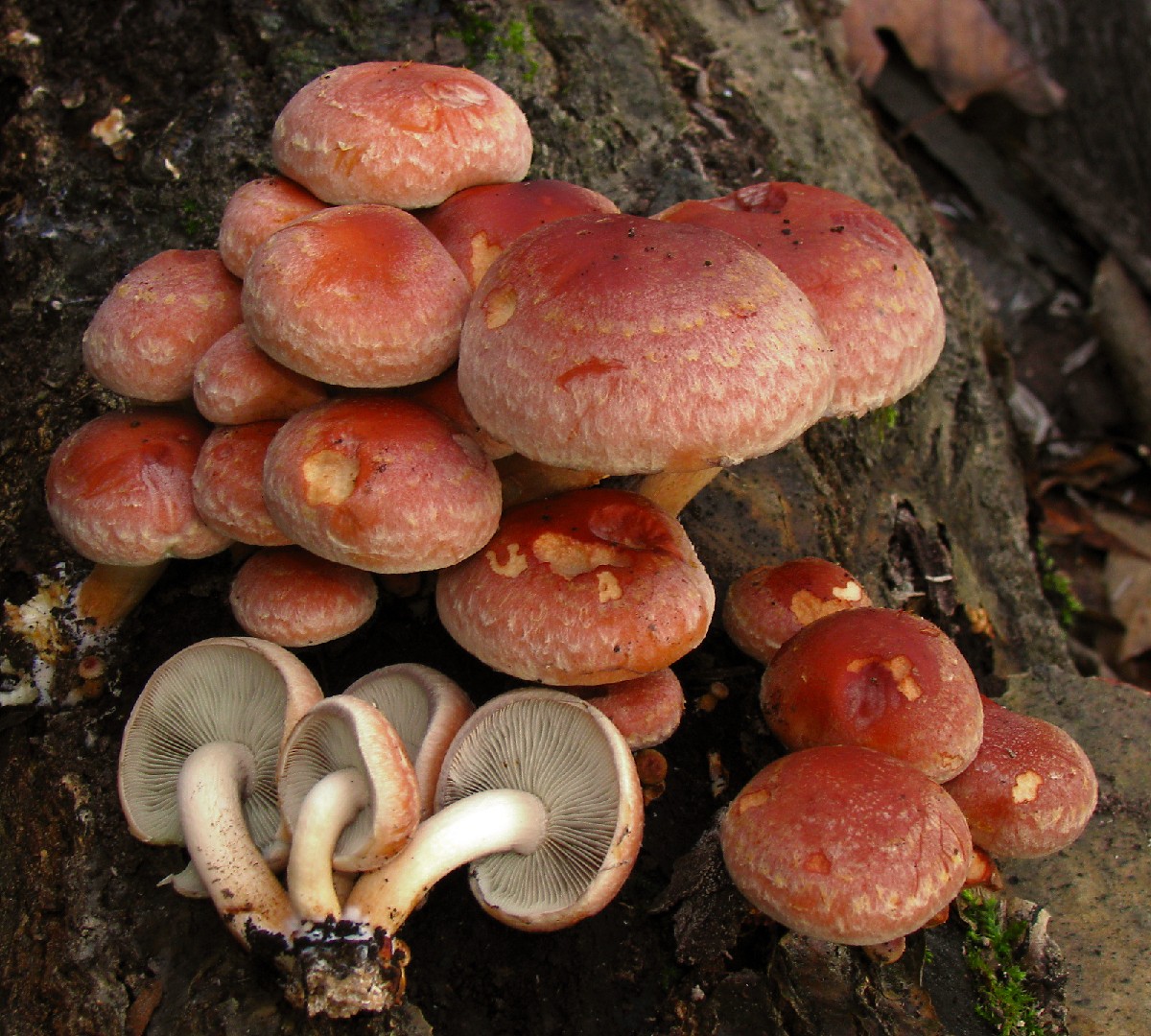
8. Brick cap
This tufting mushroom grows on hardwood stumps and deadwood. The brick cap seems particularly fond of oak wood. It is similar in most respects to the Sulfur Tuft or Conifer Tuft, except that its cap is a brick red color. Brick caps should be regarded as inedible and are likely to cause stomach problems if consumed.
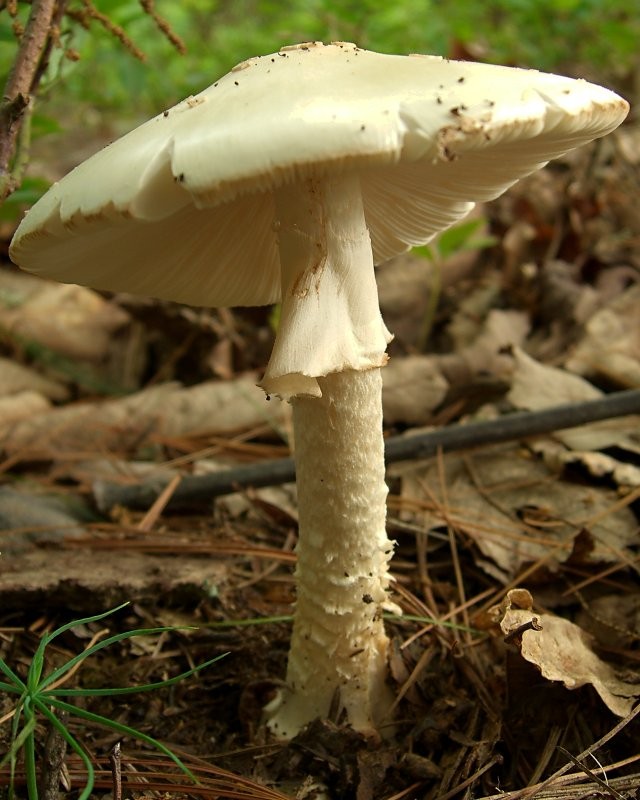
9. Cleft-footed amanita
The cleft-footed amanita is a North American mushroom species that was once classified as the notorious Amanita phalloides (the Death cap). Although later found to be less deadly, the cleft-footed amanita is a highly variable species that is not considered safe to forage for consumption.
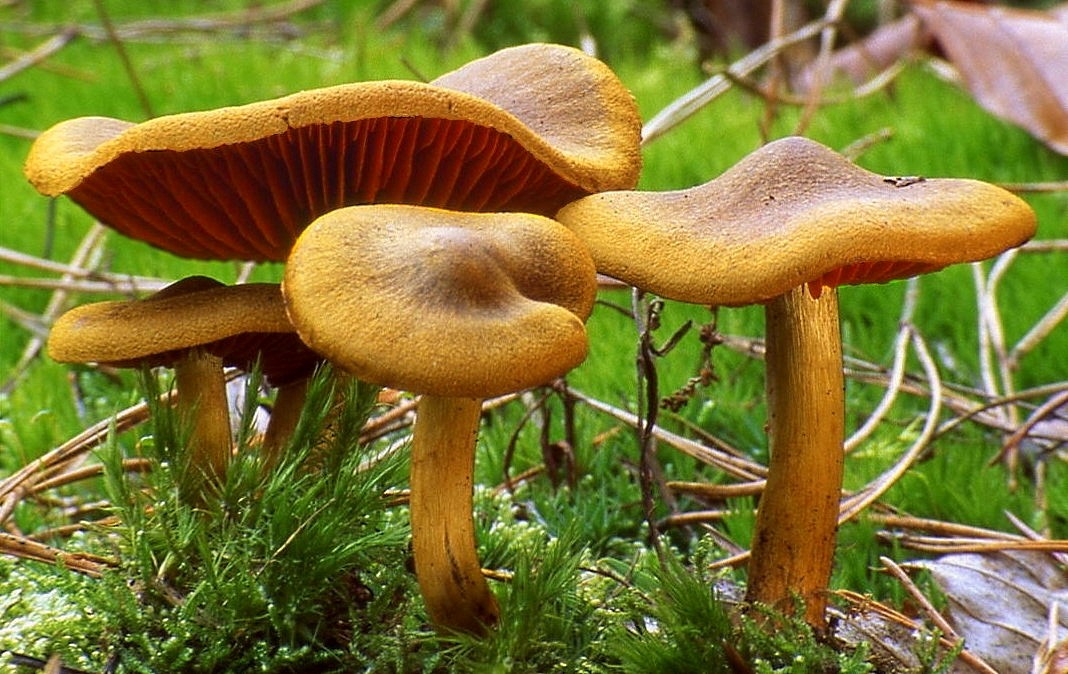
10. Surprise webcap
The subdued yellow or beige caps of the surprise webcap (Cortinarius semisanguineus) do indeed hide a surprise - underneath the cap, this mushroom boasts gorgeous, ruby or maroon-red gills. While not considered edible, the surprise webcap is still sought-after - it can be used to produce a deep and lovely red-brown dye.
More







