




Top 18 Most Common Toxic or Poisonous Mushrooms in Payson
Embracing the beauty of Payson's diverse landscapes, where thriving forests meet robust vegetations, our website brings you the 'Top 18 most common poisonous mushrooms in Payson'. Here, the idyllic conditions enable a vast array of mushrooms to flourish. As we explore the joys of mushroom hunting in this region, let us also focus on safety by introducing you to 18 poisonous mushrooms commonly encountered. Our aim? To enrich your/mycological endeavors while safeguarding you from hazardous varieties. Let's embark on this revealing journey together.
* Disclaimer: Content feedback CAN NOT be used as any basis for EATING ANY PLANTS. Some plants can be VERY POISONOUS, please purchase edible plants through regular channels.

Most Common Toxic or Poisonous Mushrooms
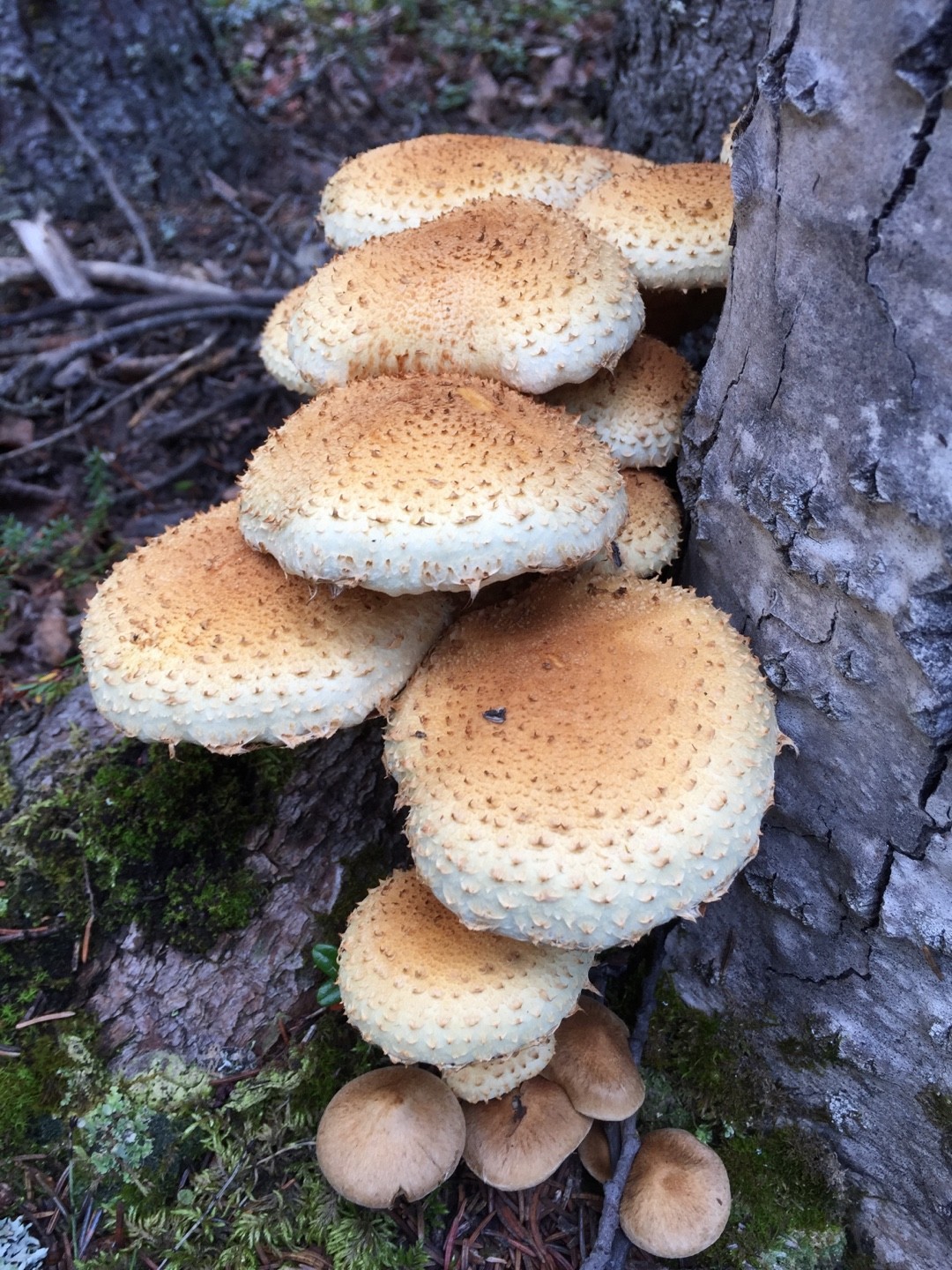
1. Shaggy scalycap
These mushrooms are most commonly found in clusters underneath old broadleaf trees and on their stumps. Their scientific name, Pholiota squarrosa, means “scaly with upright scales,” and that is exactly how the surface of the mushrooms appears. They are sometimes mistaken for honey fungus, as they share the same color, but the shaggy scalycap is definitely not edible.
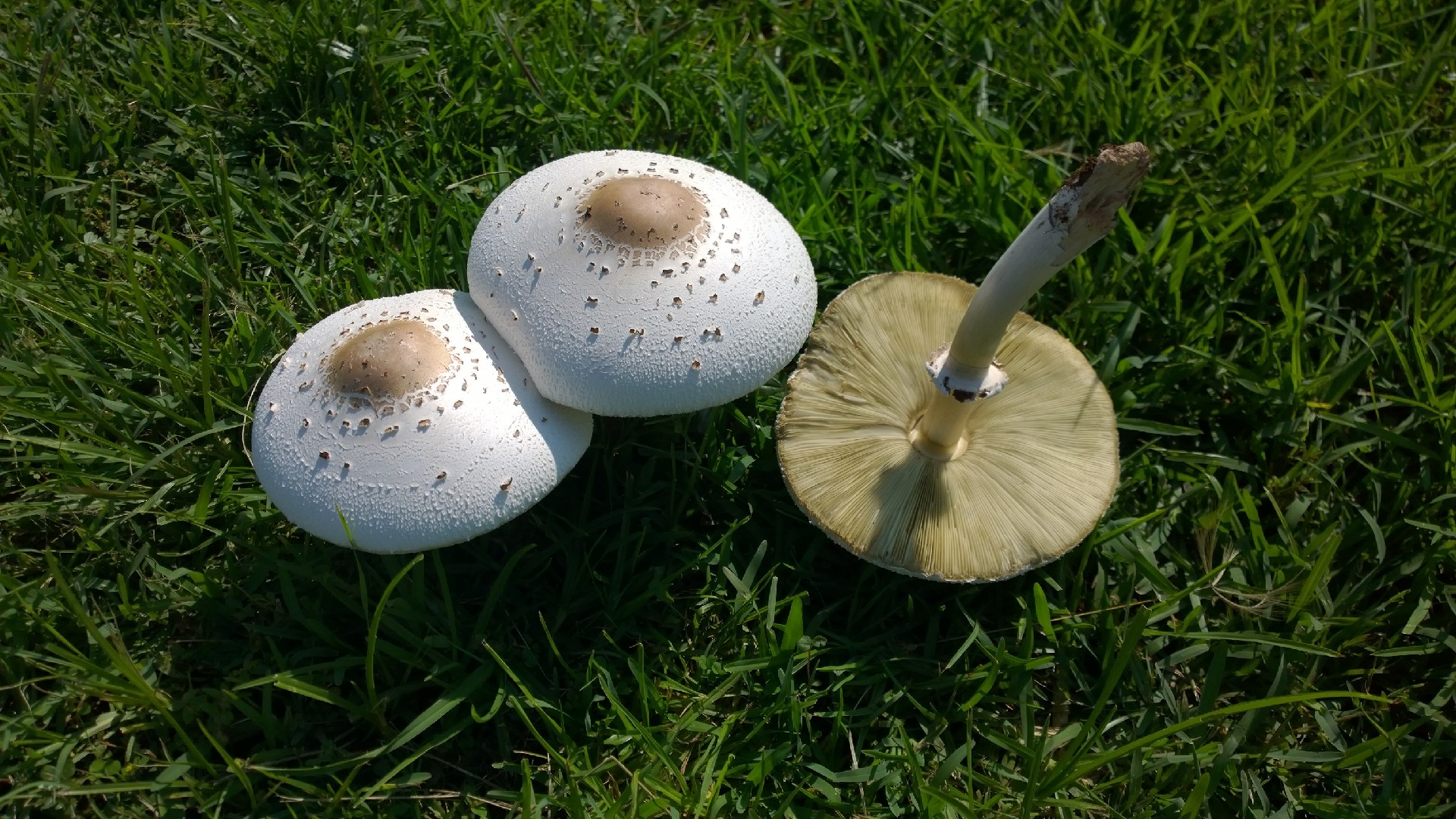
2. False parasol
Though the false parasol appears unassuming, the species is famous—or, infamous—for its toxicity. It looks unfortunately similar to Agericus campestrus, a commonly eaten mushroom, but the false parasol can be distinguished by its highly unusual green spore print. Although they are no good to eat, they can be pretty to look at. The species may grow in ring-shaped groups in meadows and on forest floors in what are sometimes called "fairy circles."
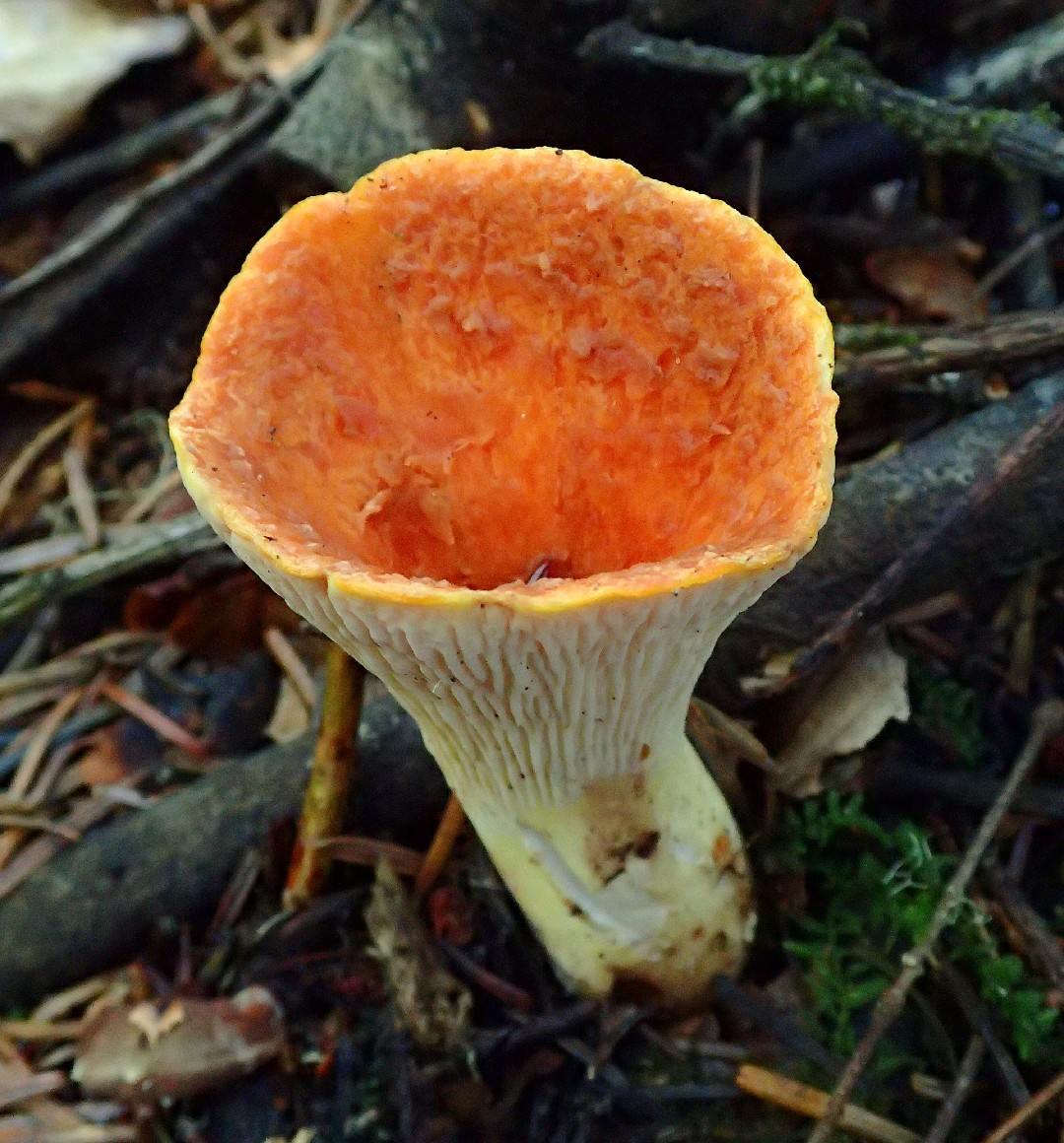
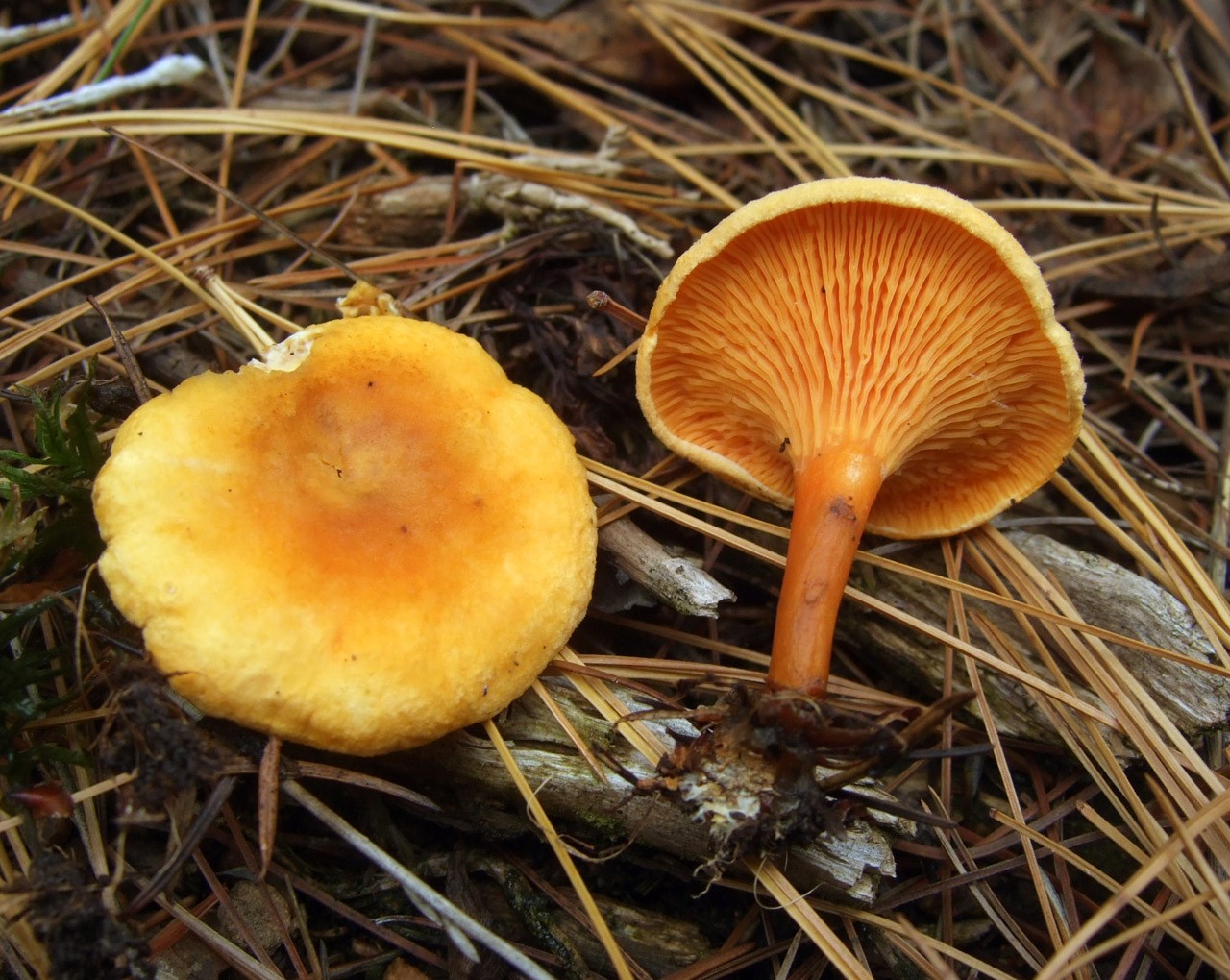
3. Woolly chanterelle
The woolly chanterelle, which looks only vaguely similar to its famed, edible chanterelle cousins, is vase-shaped and has large, pale folds and wrinkles on its underside (as opposed to having gills, like those of more sought-after chanterelles). Woolly chanterelles can cause upset stomach, vomiting, and diarrhea in some who eat them, while leaving others completely unaffected. Needless to say, the species is not considered a "choice edible".
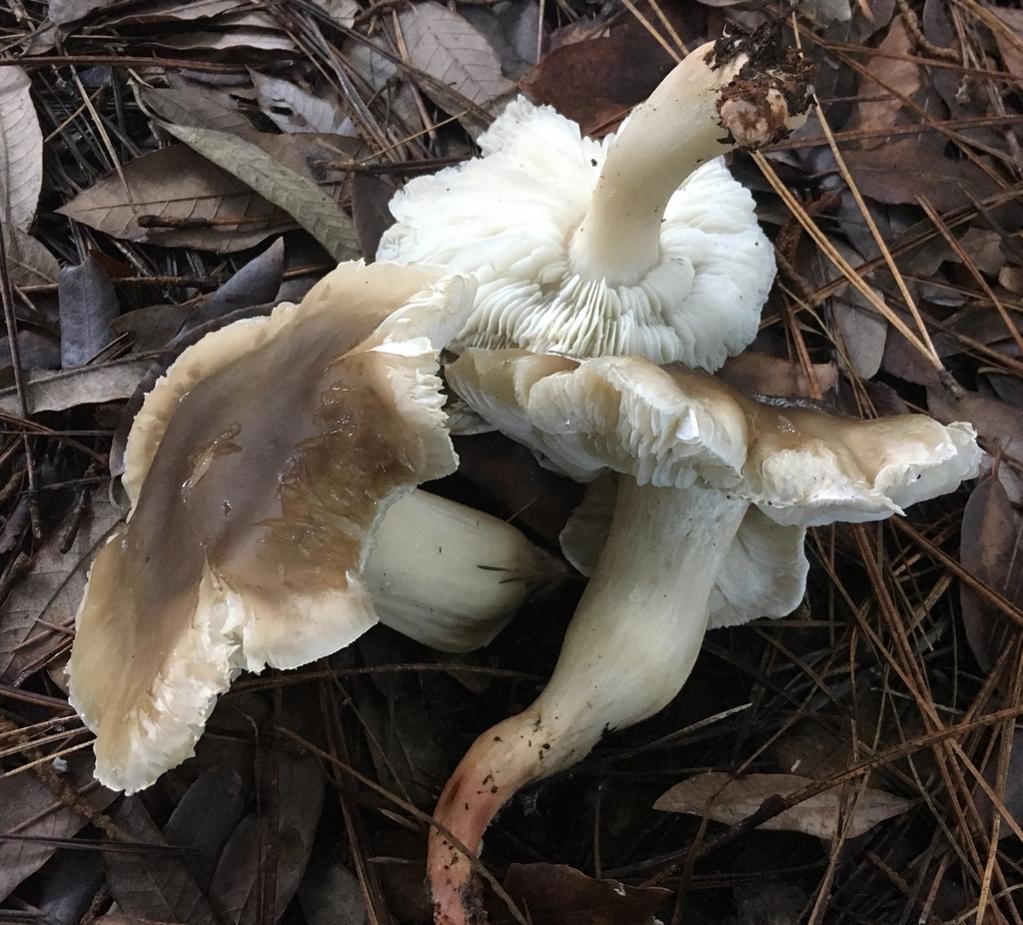
4. Soapy knight
The main distinguishing feature of the soapy knight (Tricholoma saponaceum) is its immediately apparent smell – the same as unperfumed soap. As the color of this mushroom may vary all the way from white to black on the surface of the caps, this distinctive sign is a real boon for identification. The unappetizing smell may be a warning, as this common mushroom is regarded as poisonous.
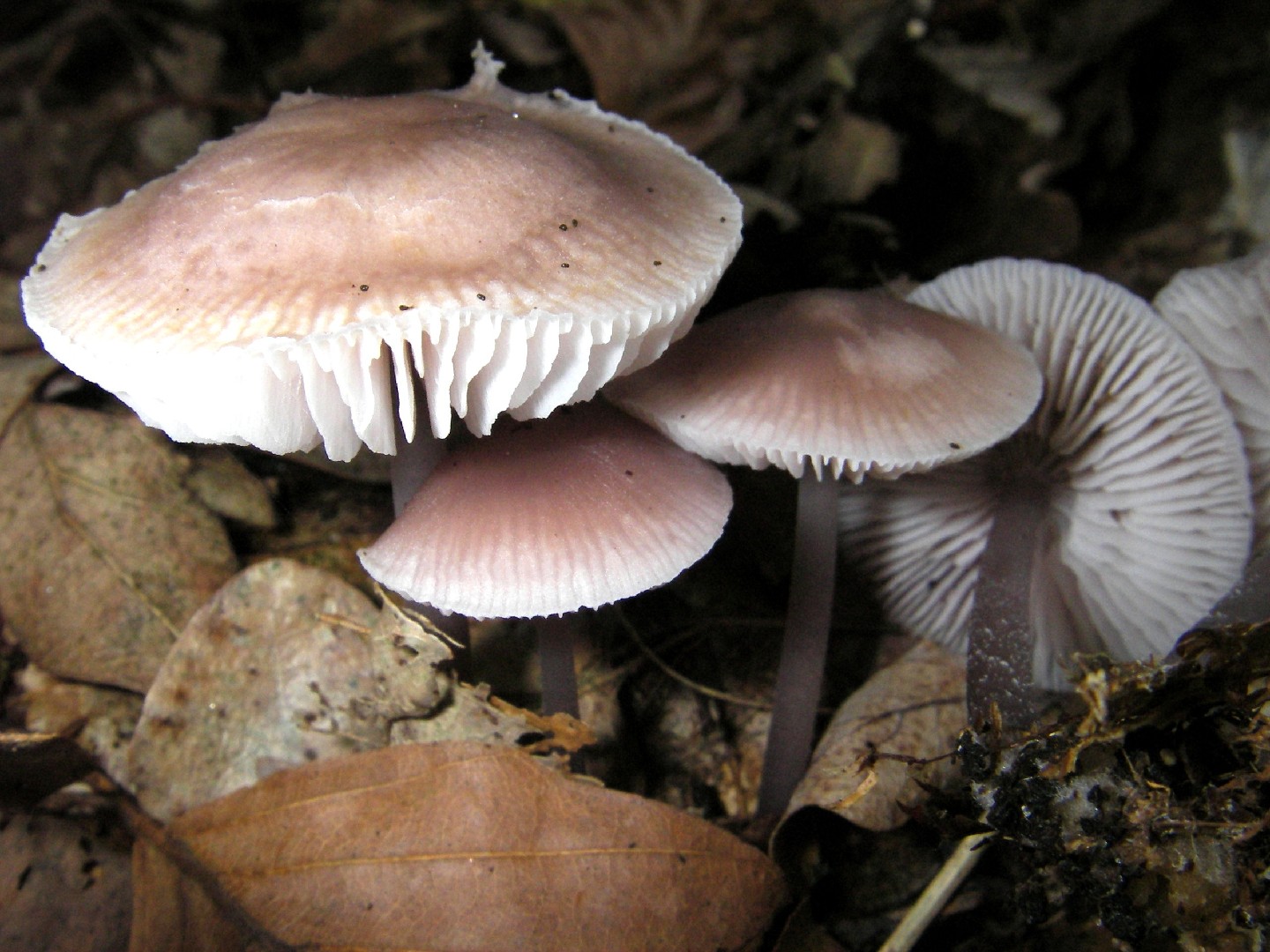
5. Lilac bonnet
The lilac bonnet is common around the northern hemisphere in woodlands of all types, and can sometimes also be seen in grasslands. It is toxic to humans due to its muscarine content, a poison that can cause convulsions and death after ingestion.
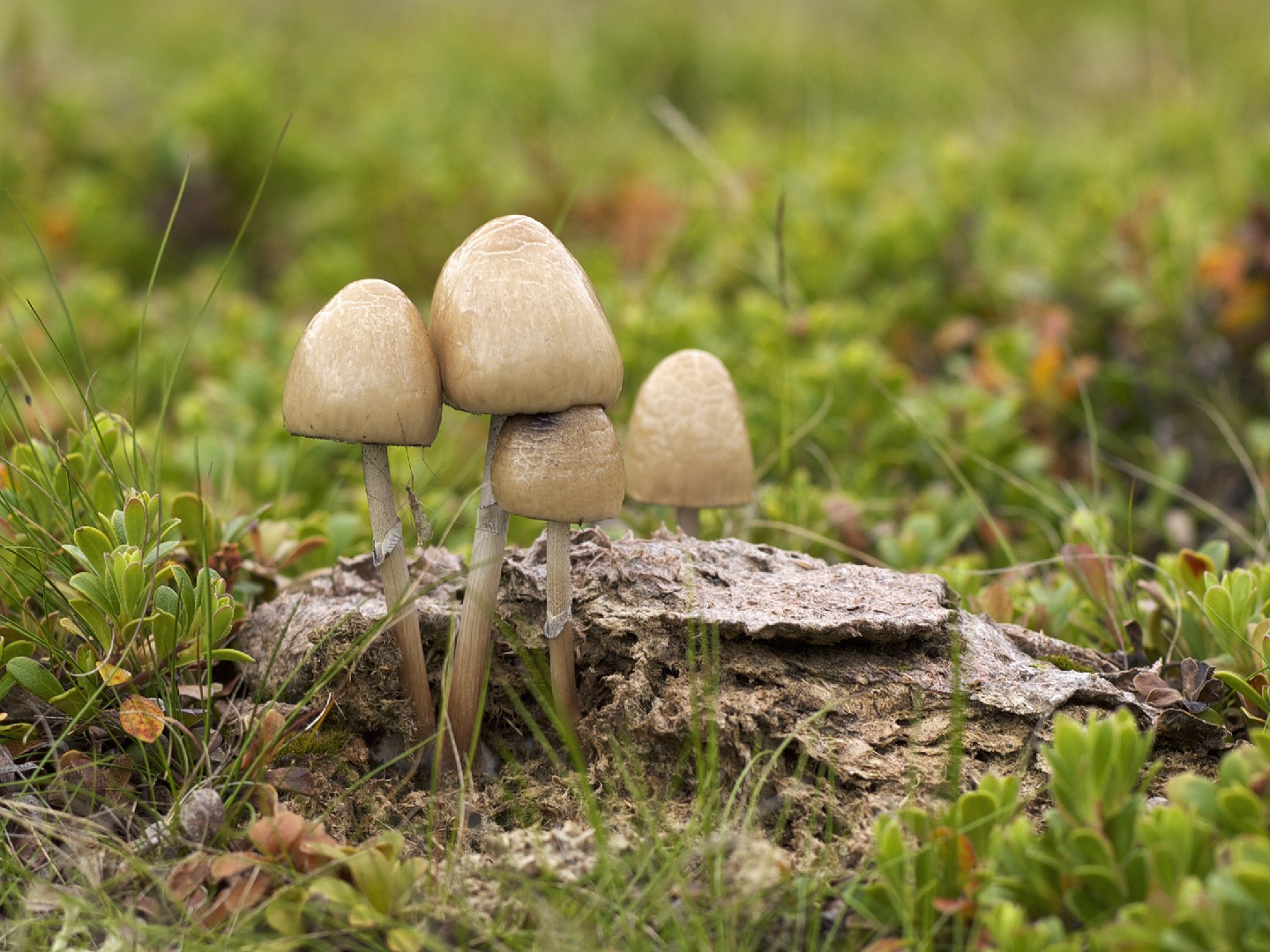
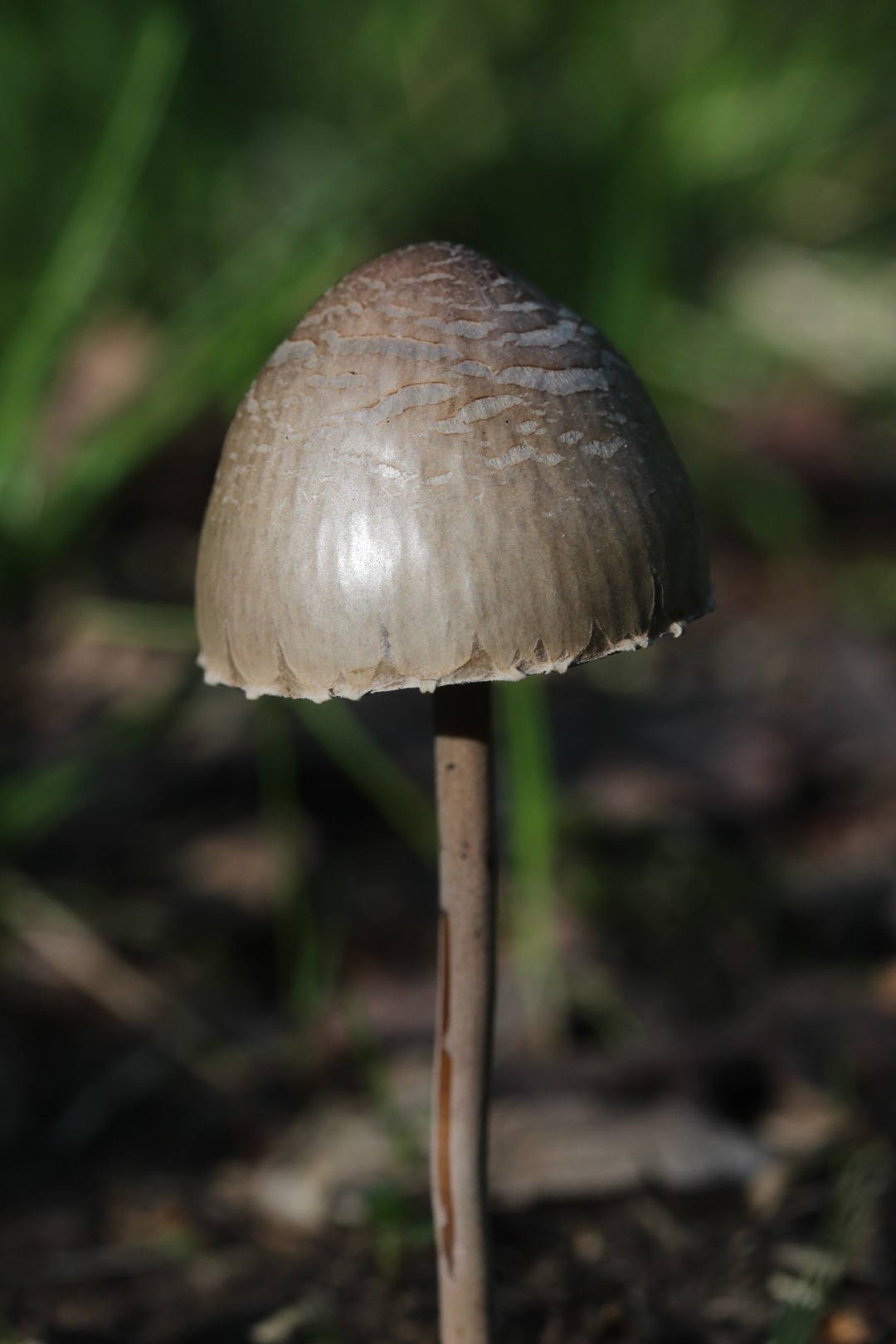
6. Egghead mottlegill
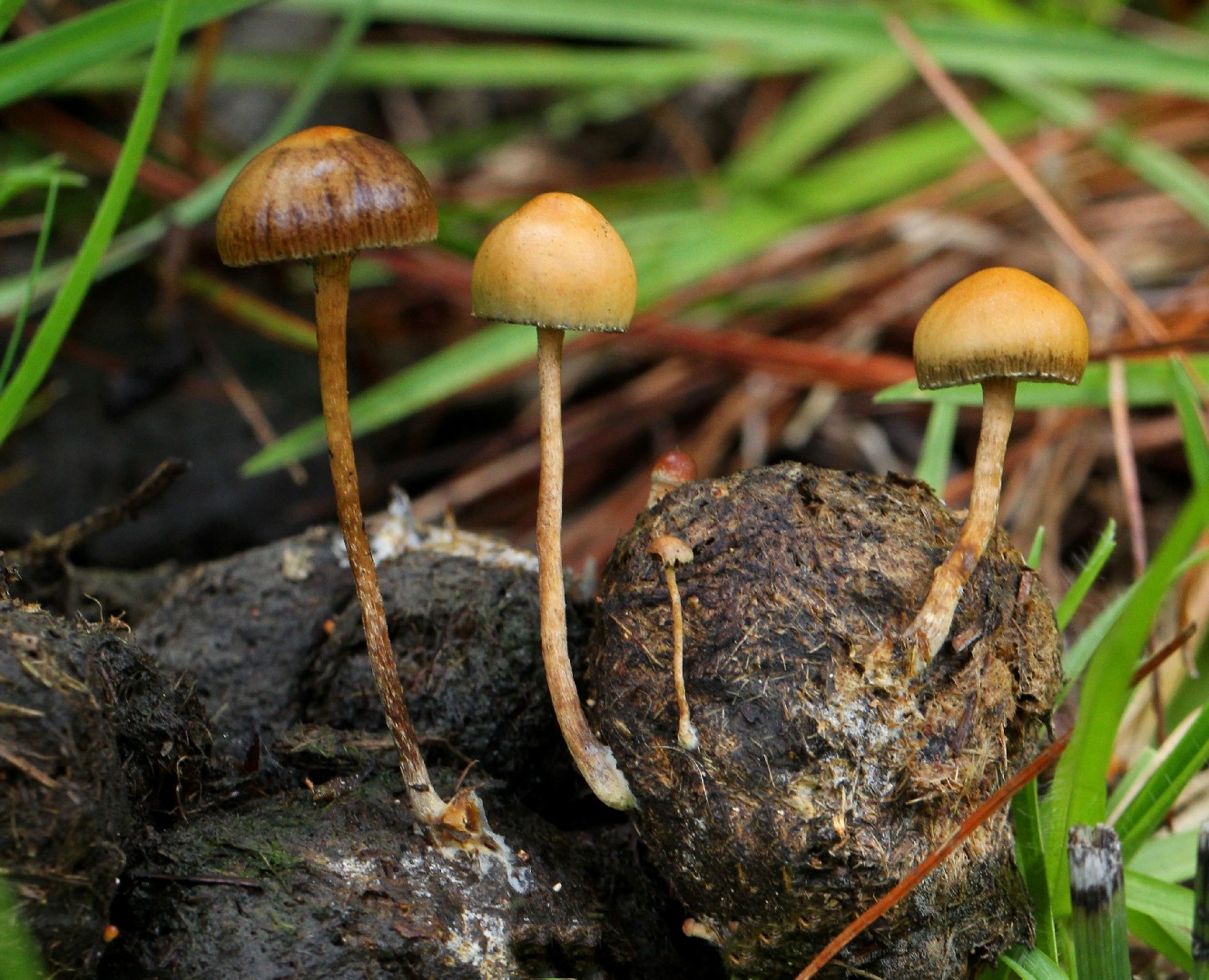
The egghead mottlegill is a common, inedible mushroom that grows on horse dung. It's known by the name "egghead mottlegill" because its distinctive, curving cap resembles a miniature egg. It varies in color from white to brown a yellowish buff but always has black spores.
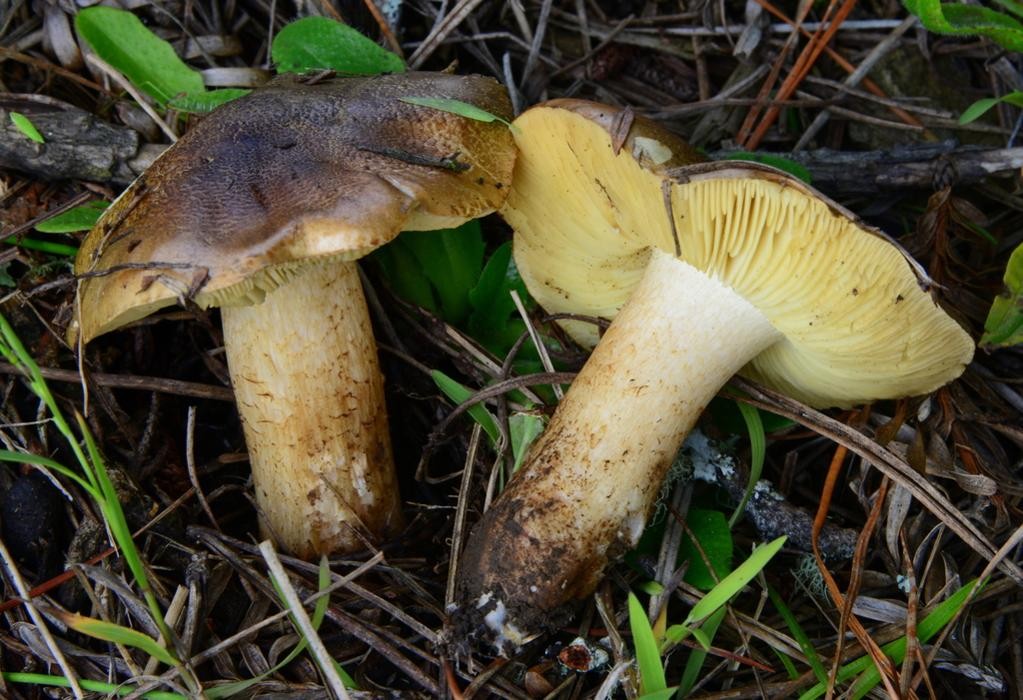
7. Yellow knight
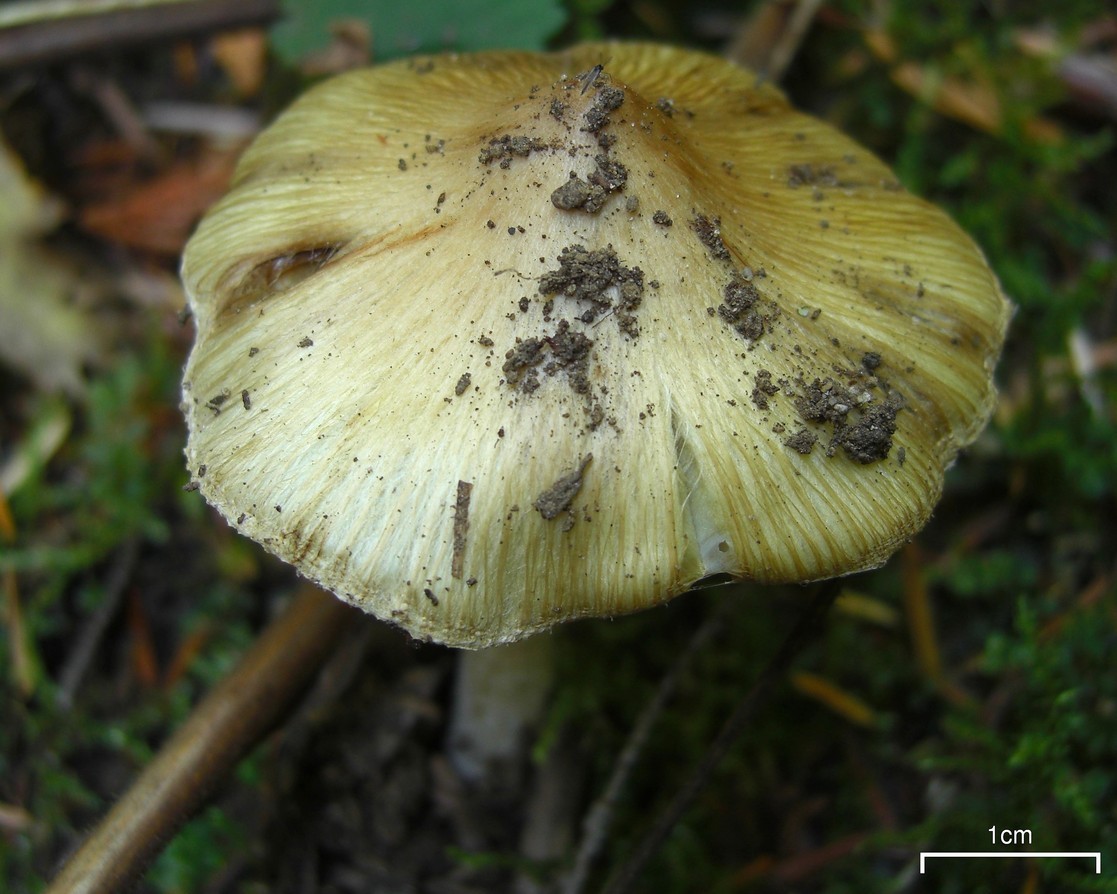
The thick, squat yellow knight mushroom sometimes grows into a saddle-shaped cap. This species is distinguished in the field from the Sulphur Knight mainly by its own lack of a distinctive smell. Older guides may list these mushrooms as edible, but they have been linked to several confirmed poisoning cases in which their toxins had caused painful muscle damage.
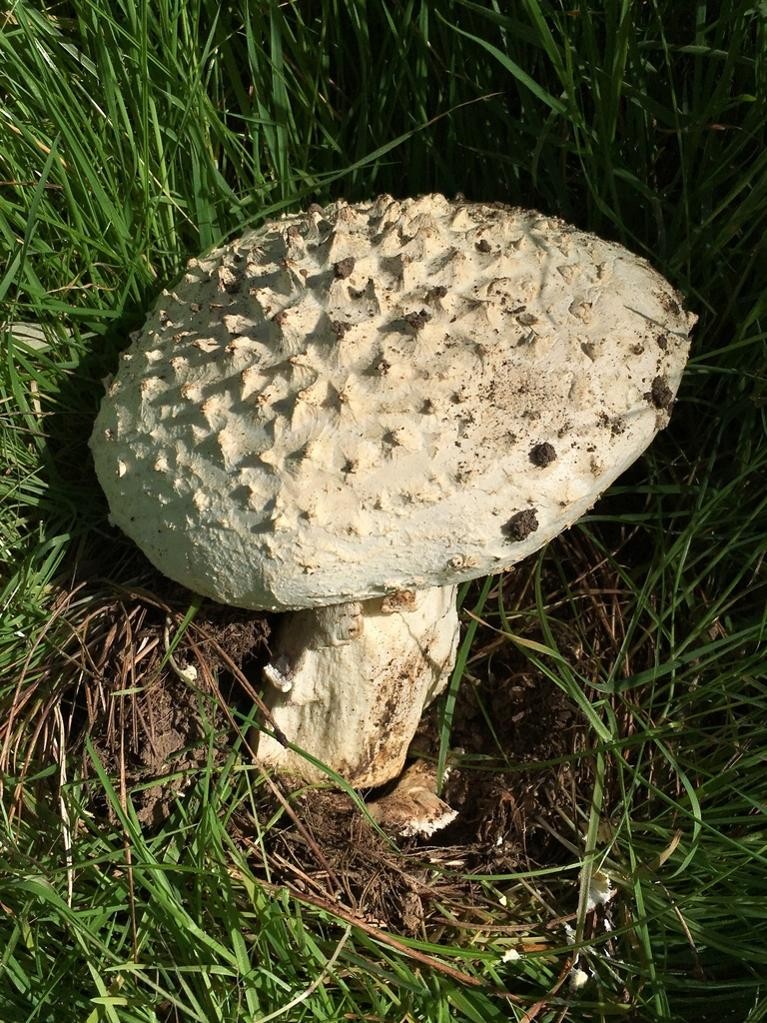
8. Pine cone Amanita
The elongated cap of the pine cone Amanita (Amanita magniverrucata) is smothered in a warty surface, with the peaks of those warts appearing darker in color. It has a very pungent odor, and although it is not toxic, this makes it quite unpalatable. The tell-tale fragrance is not present during all growth stages, so this should not be relied upon alone for identification.
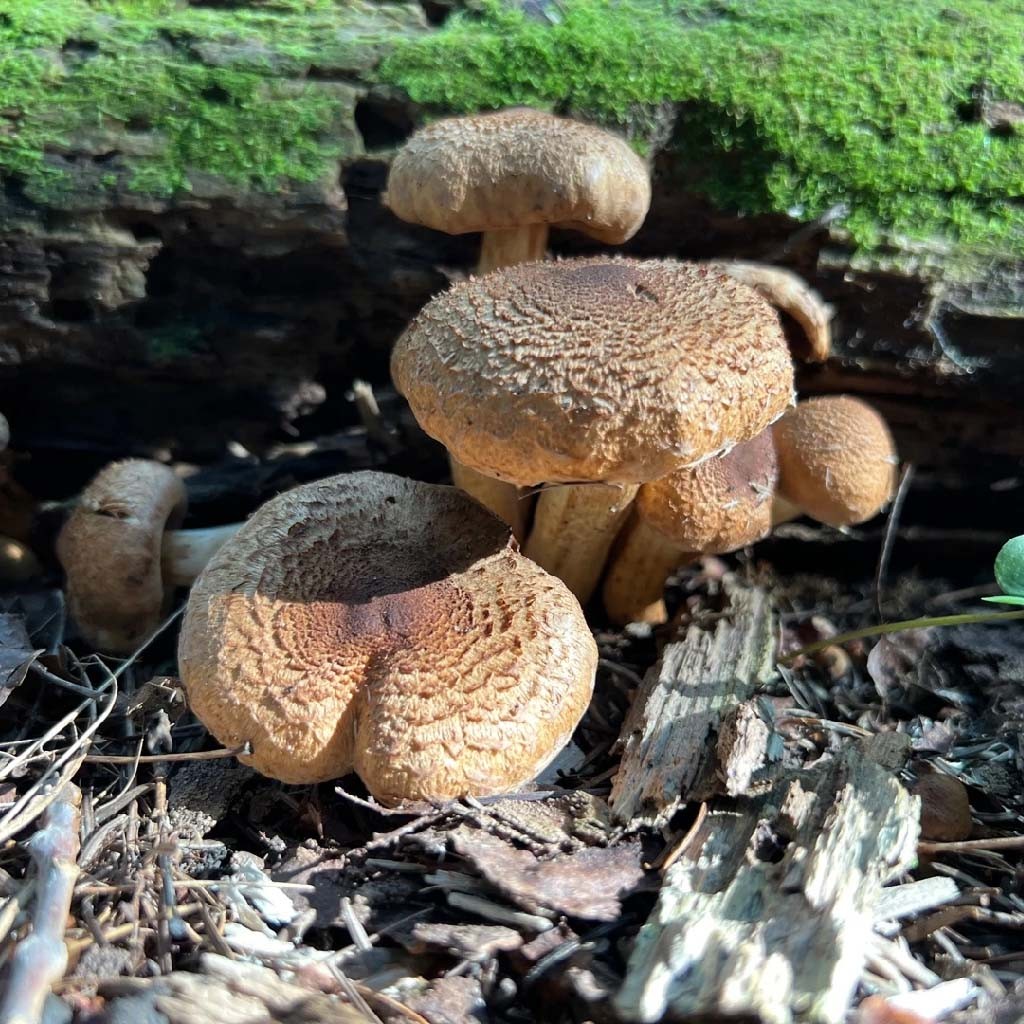
9. Russet scaly tricholoma
Russet scaly tricholoma has a hairy brownish-red cap that sets it apart from other species in the genus. It thrives in pine and spruce forests, either growing singularly or in small clumps underneath the trees. The odor from the fungus is often not distinctive, but some specimens can have a slightly fruity or mealy aroma.
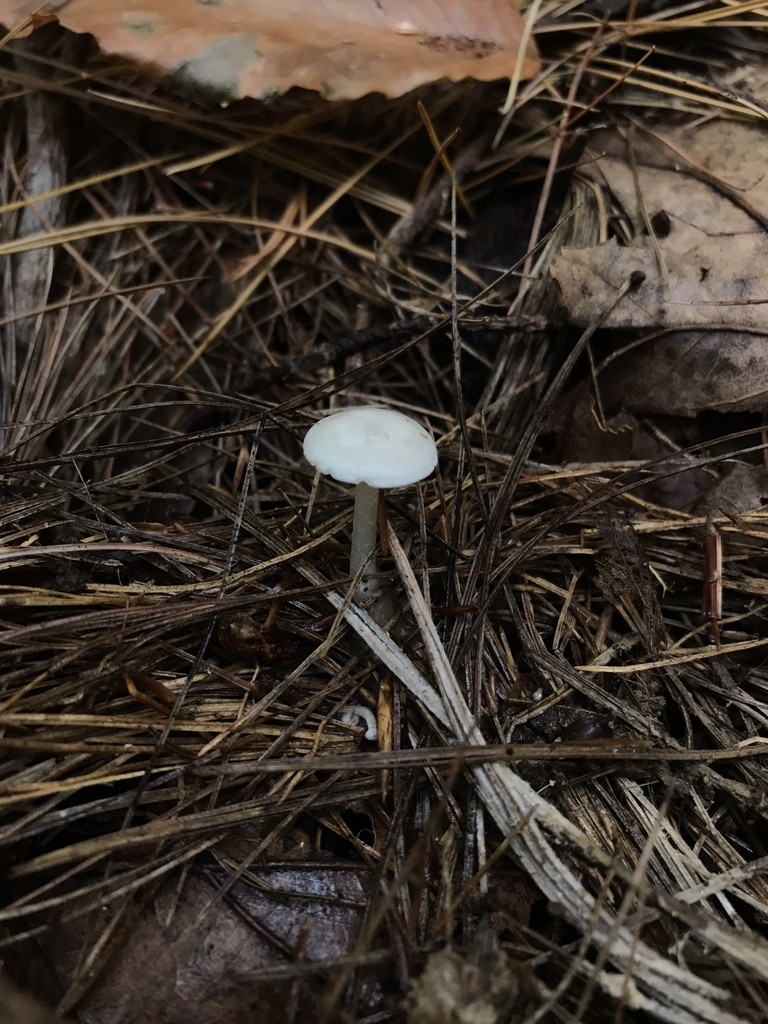
10. Leucocybe candicans


More







