




Top 20 Edible Mushrooms Popular in Texas
Boasting a diverse landscape and a humid climate, Texas provides an ideal habitat for a variety of fascinating fungi. Our comprehensive guide on the 'Top 20 most common mushrooms' details each mushroom's unique characteristics, including their distinct appearances, robust taste profiles, preferred habitats, and potential culinary uses. Let's explore the culinary worl of the edible fungi indigenous to Texas, and cultivate new-found appreciation for their ecological importance.
* Disclaimer: Content feedback CAN NOT be used as any basis for EATING ANY PLANTS. Some plants can be VERY POISONOUS, please purchase edible plants through regular channels.

Most Popular Edible Mushrooms
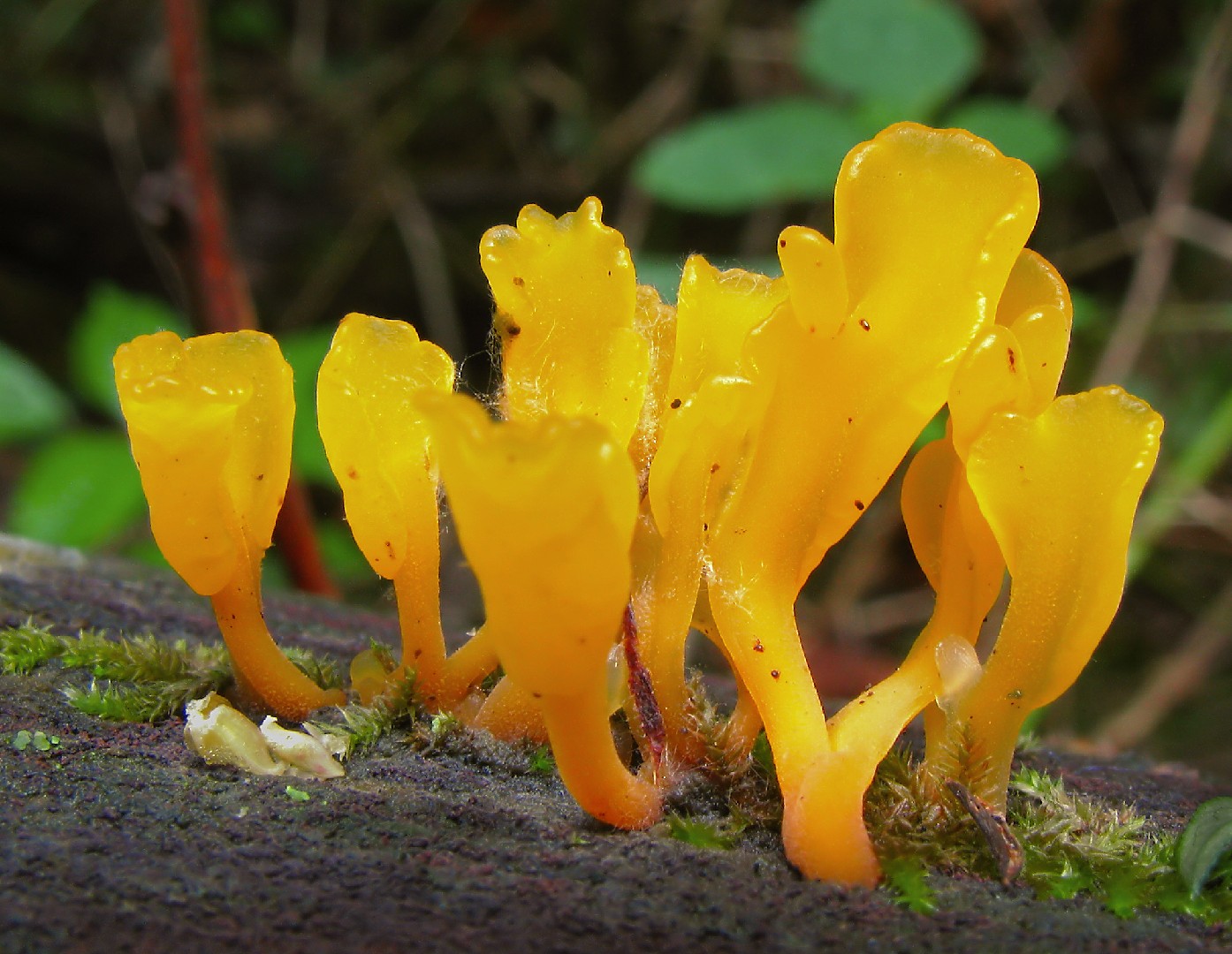
1. Fan-shaped jelly-fungus
Just as its Latin and the common English names suggest, the fan-shaped jelly-fungus (Dacryopinax spathularia) is a fan-shaped or spatula-shaped jelly-like mushroom. It commonly grows in wood cracks and it sometimes even appears in the cracks of the processed wood and lumber. Despite the word "jelly" in its name, the fan-shaped jelly-fungus is not considered edible.
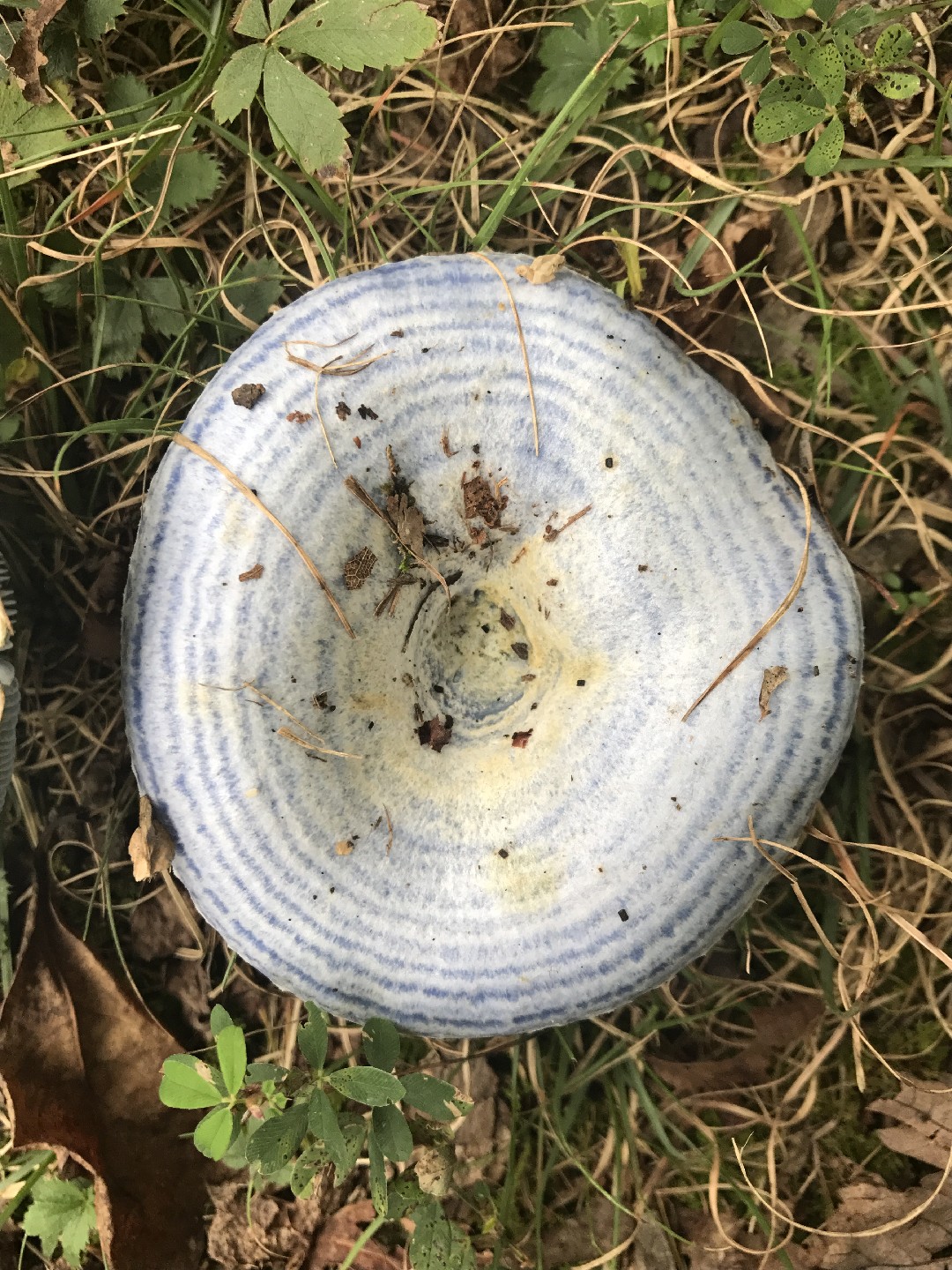
2. Indigo milk cap
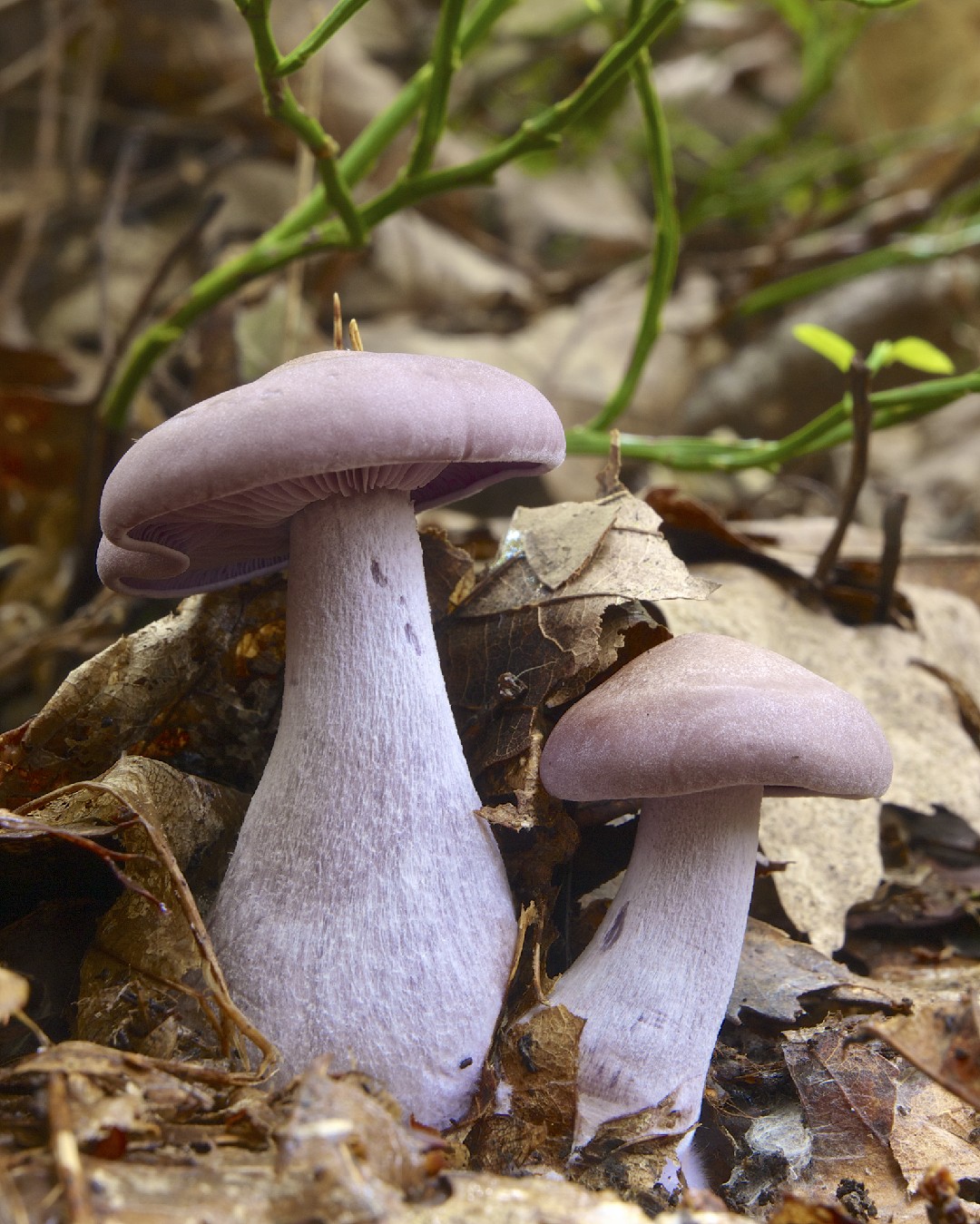
This gorgeous species is unlike any other. The indigo milk cap, a member of the often-drab russula family, is deep blue in color. Like other milk caps, it bleeds a latex-like substance when cut or damaged, but instead of the usual white this species bleeds deep blue.
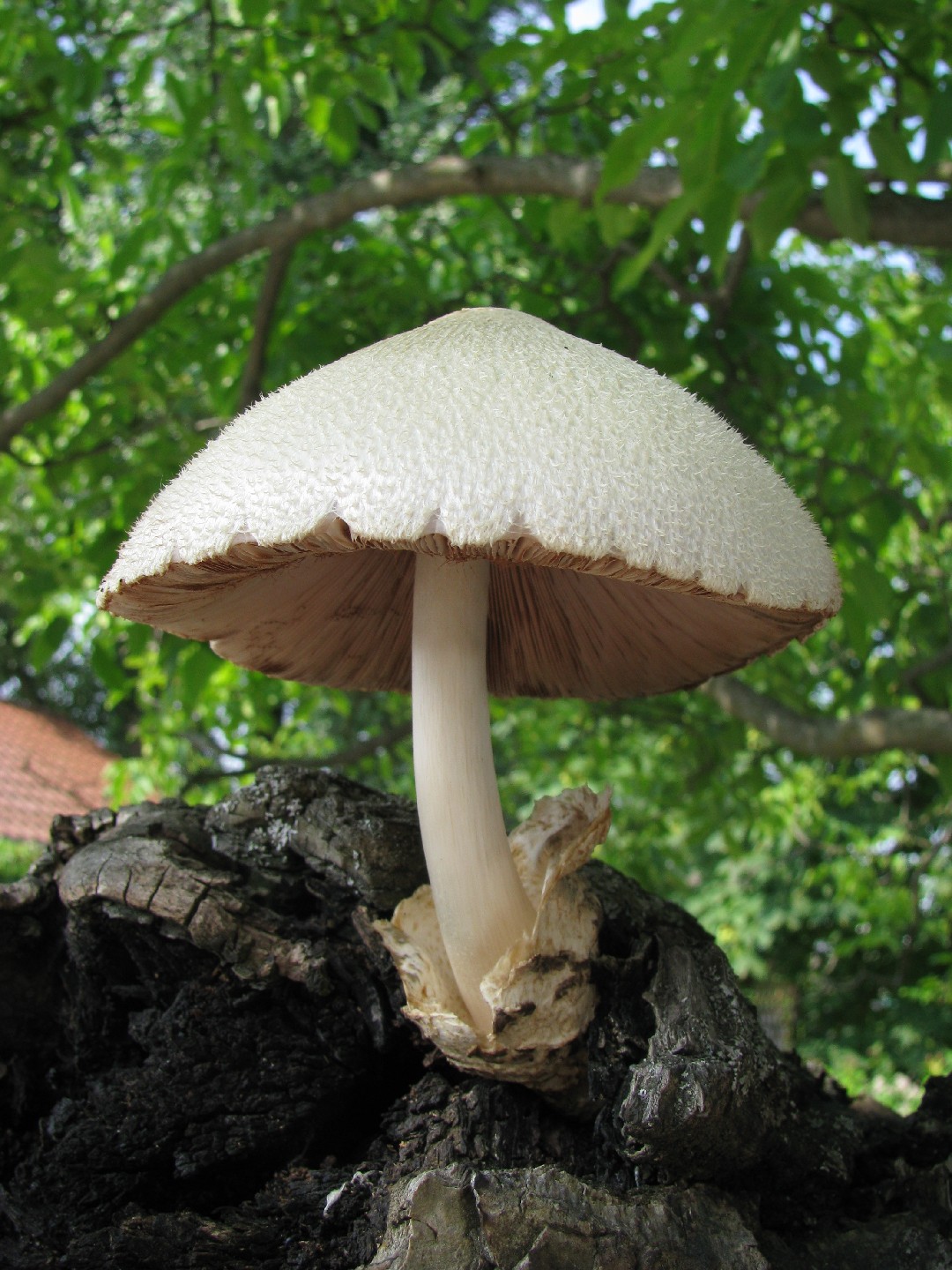
3. Silky sheath
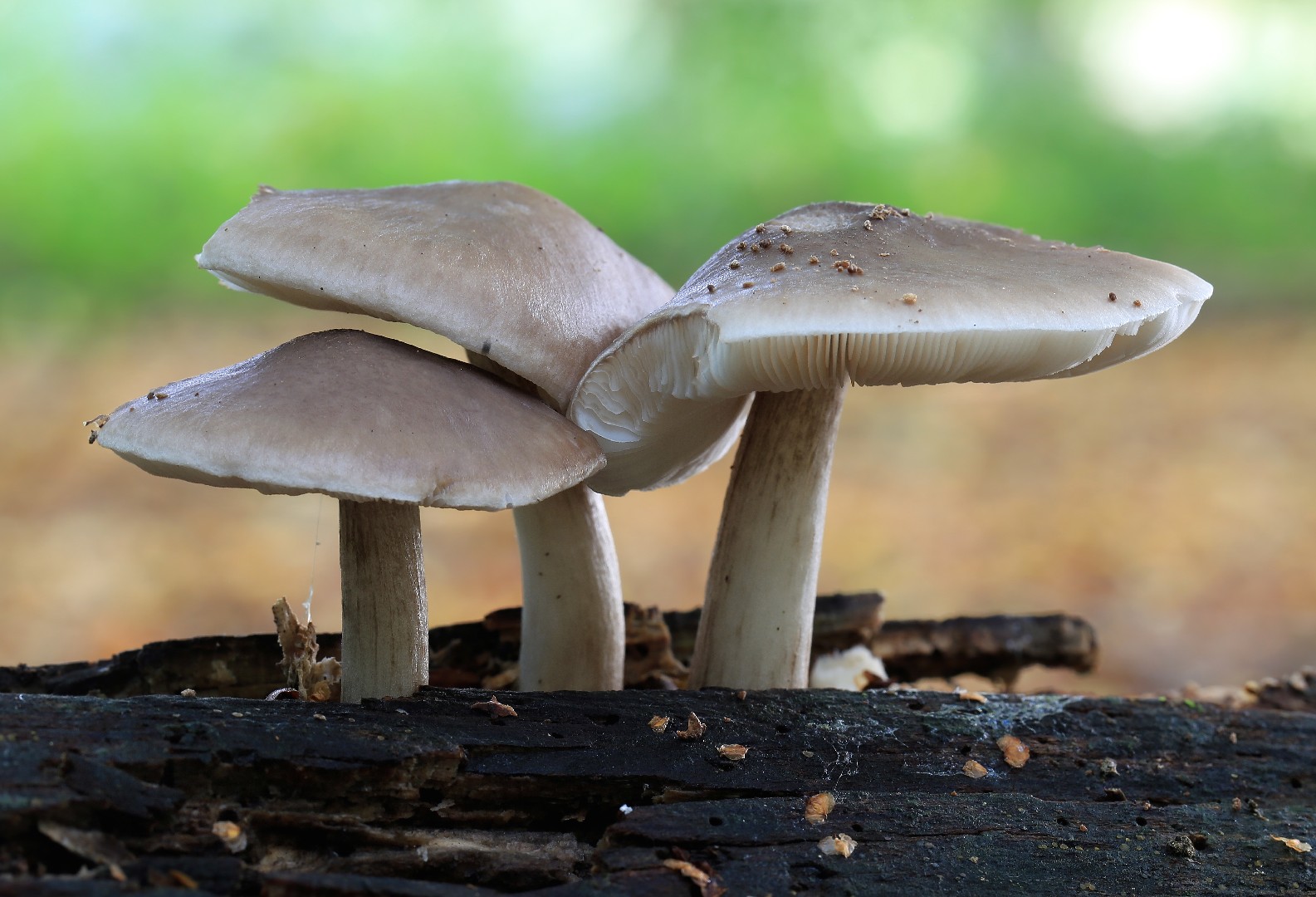
Silky sheaths (Volvariella bombycina) are widely distributed, being found in temperate and sub-tropical forests around the world, but rare. The fruitbody emerges from a silky-textured volva, and the mushroom's white or off-white cap is usually quite smooth as well. One of this species' favored microhabitats is the rotted knotholes of mature maples, elms, oaks, or beeches.
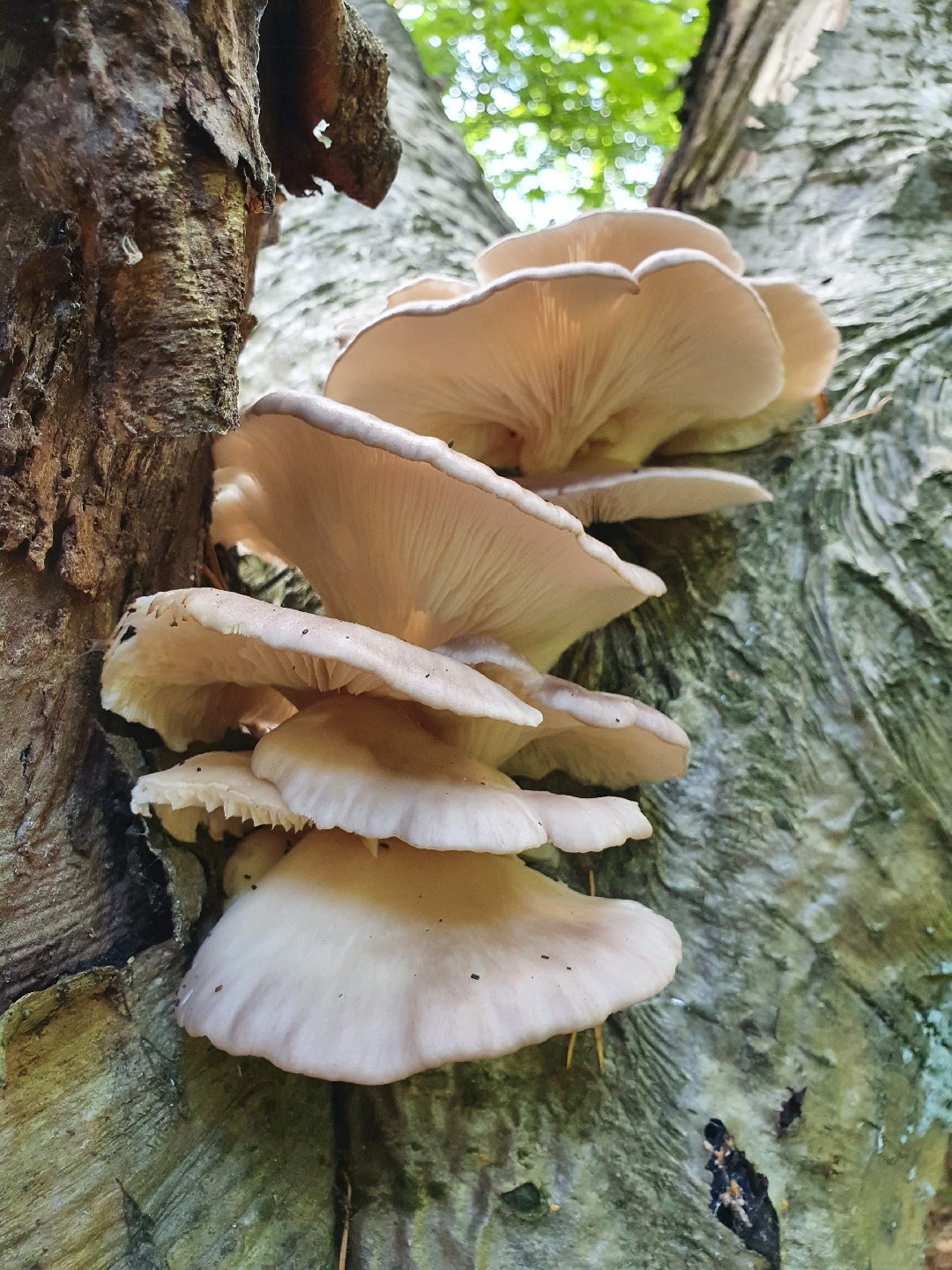
4. Oyster mushroom
Oyster mushrooms grow wild but are also cultivated for sale in supermarkets. They can even be cultivated at home. They will grow on coffee grounds and spent grain, and are occasionally even fashioned into an environmentally-friendly substitute for styrofoam. There are several toxic look-alike species, so it is best to buy these mushrooms at the store.
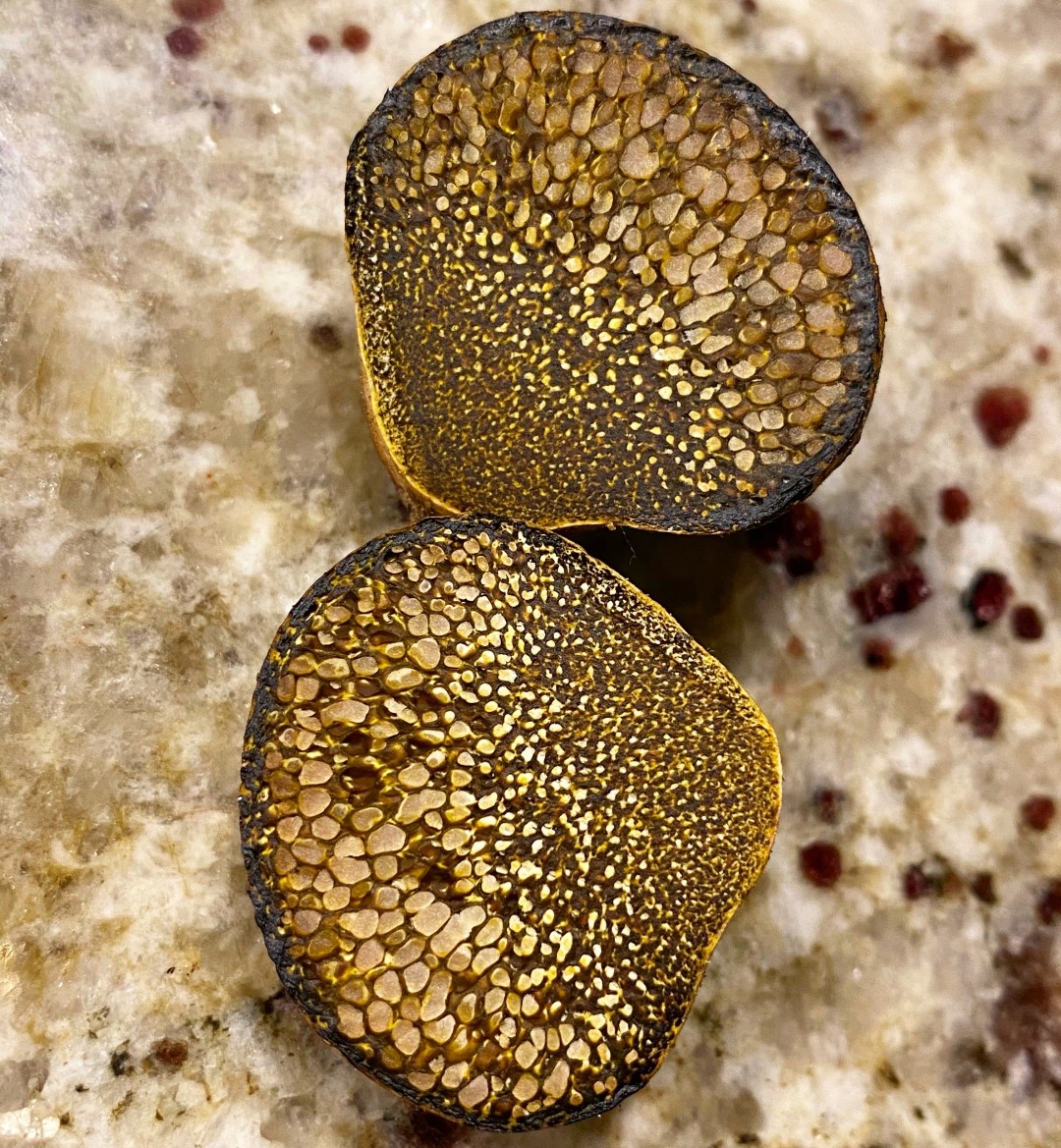
5. Dead man's foot
Dead man's foot (Pisolithus arhizus) actually bears a number of colorful names stemming from its unusual appearance, such as the horse dung fungus (Australia). It can be distilled into a viscous black gel, which is then used as a natural dye for clothing. It is considered to be inedible.
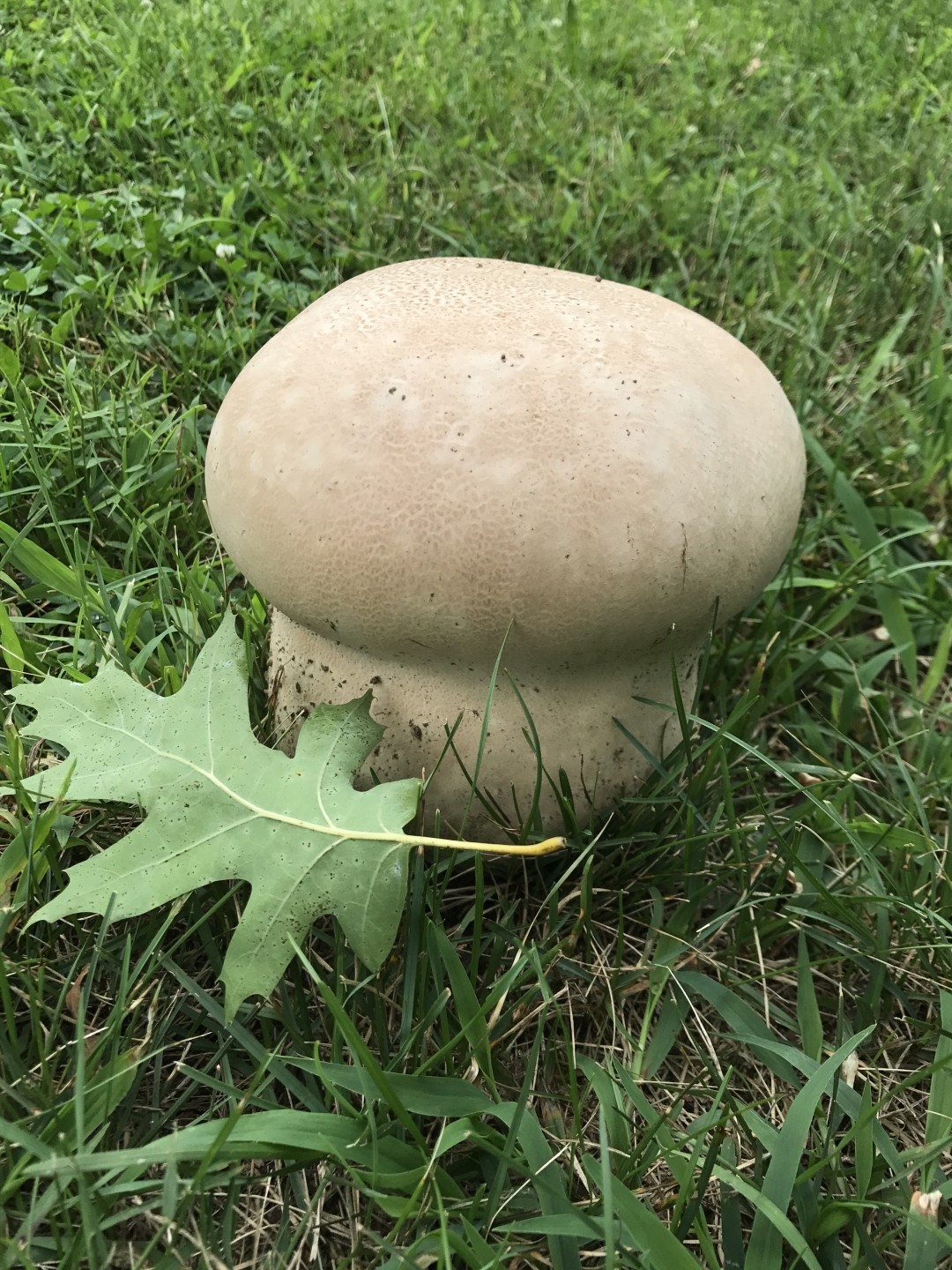
6. Purple-spored puffball
It's hard to mistake this mushroom for another. The aptly-named purple-spored puffball has a large, round, or pear-shaped fruiting body and is purple or chocolate-brown in color (with spores to match). Purple-spored puffballs are found in prairies and meadows across North America and Australia.
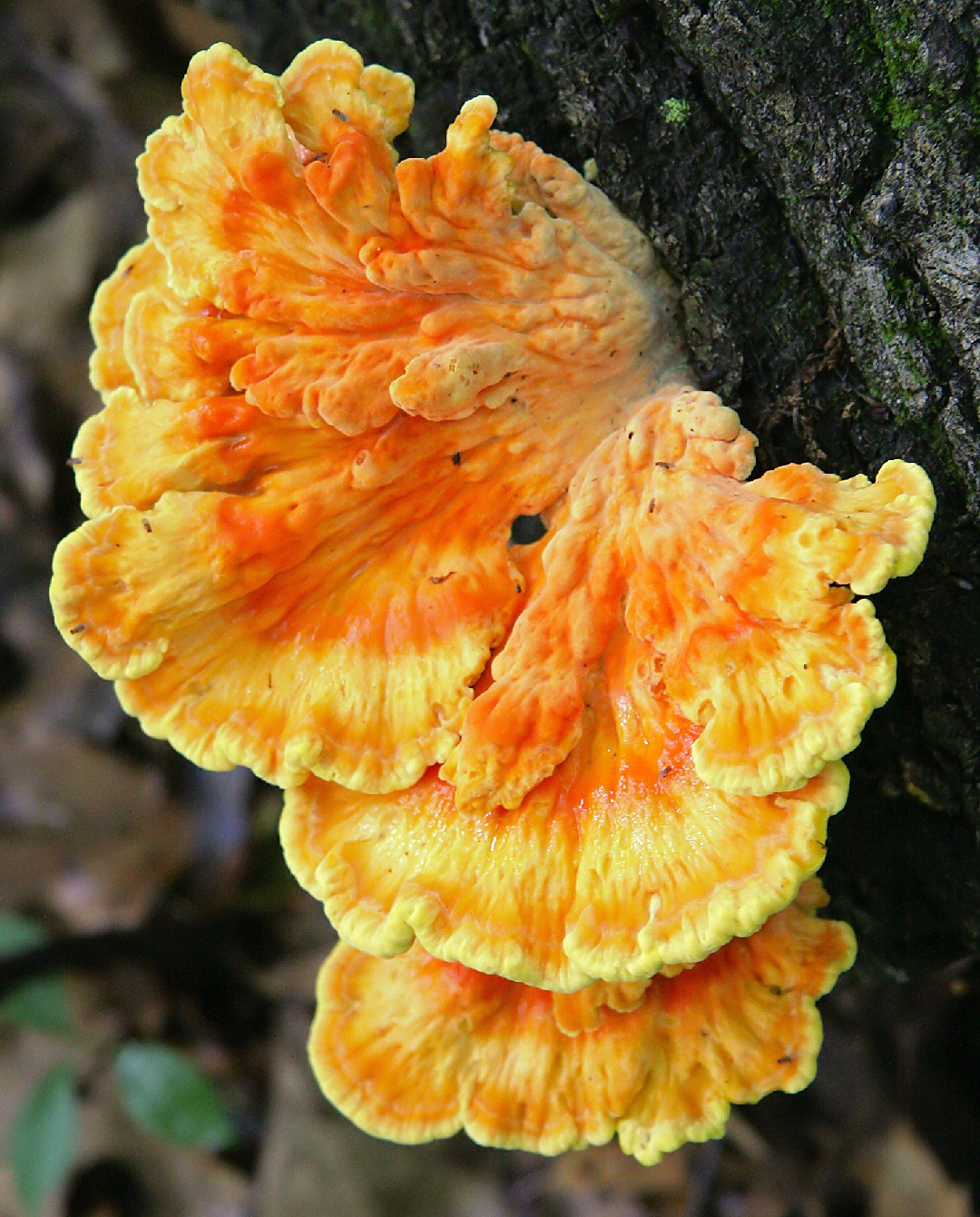
7. Chicken of the woods
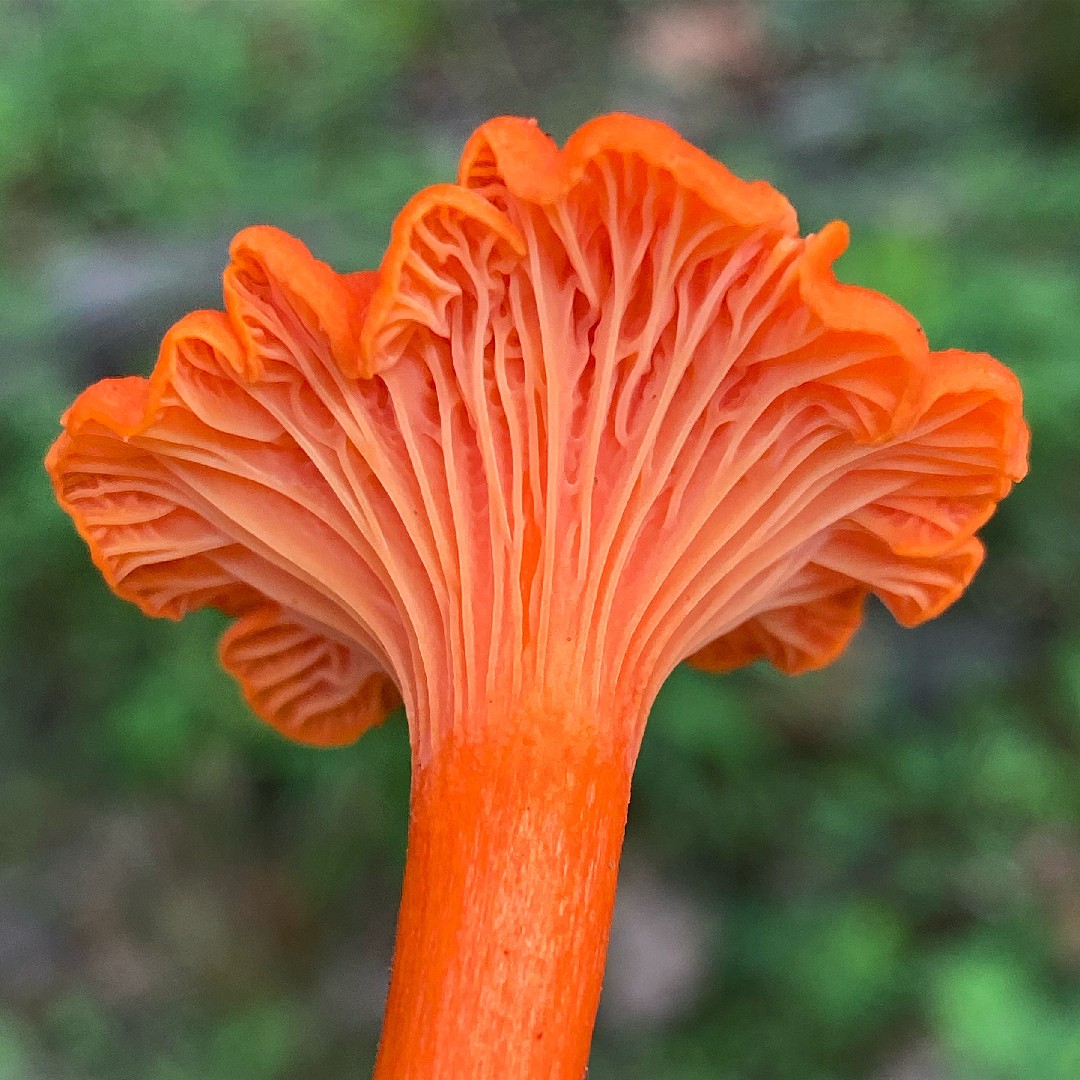
Chicken of the woods is very noticeable in hardwood forests, appearing in clusters on standing tree trunks in bright orange and yellow hues that sometimes last through the entire winter. It is a parasite that causes an unfortunate brown heart rot, and is considered a particularly troublesome pest of Yew trees. If the fruitbodies can be seen, the tree is likely already beyond saving.
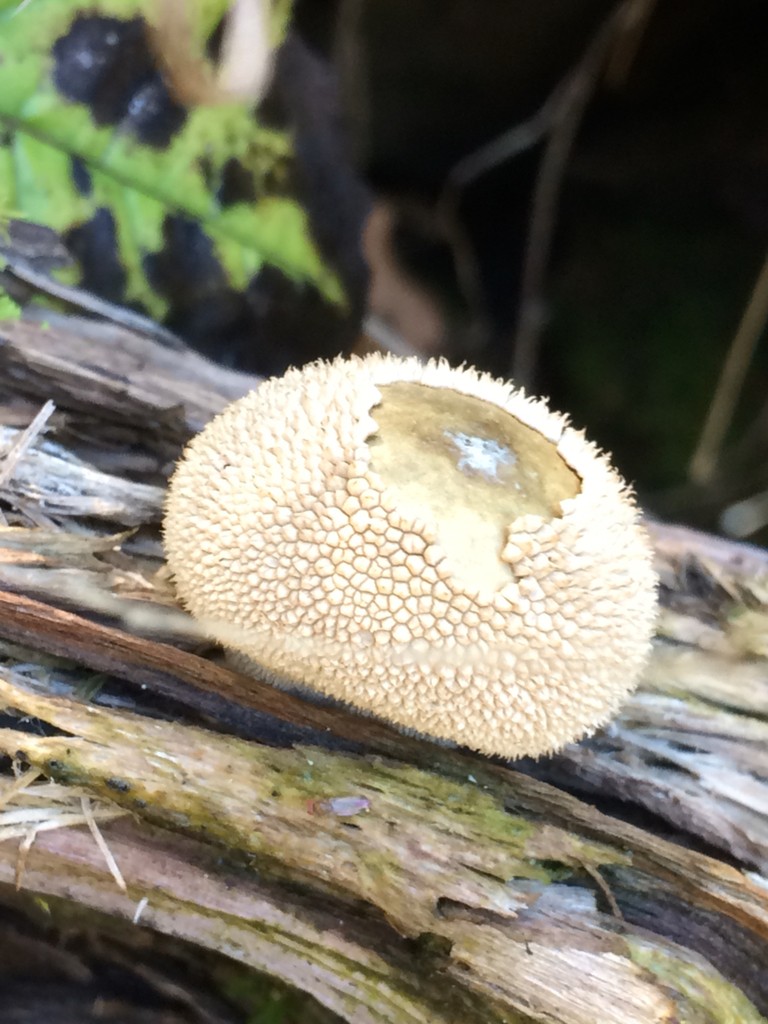
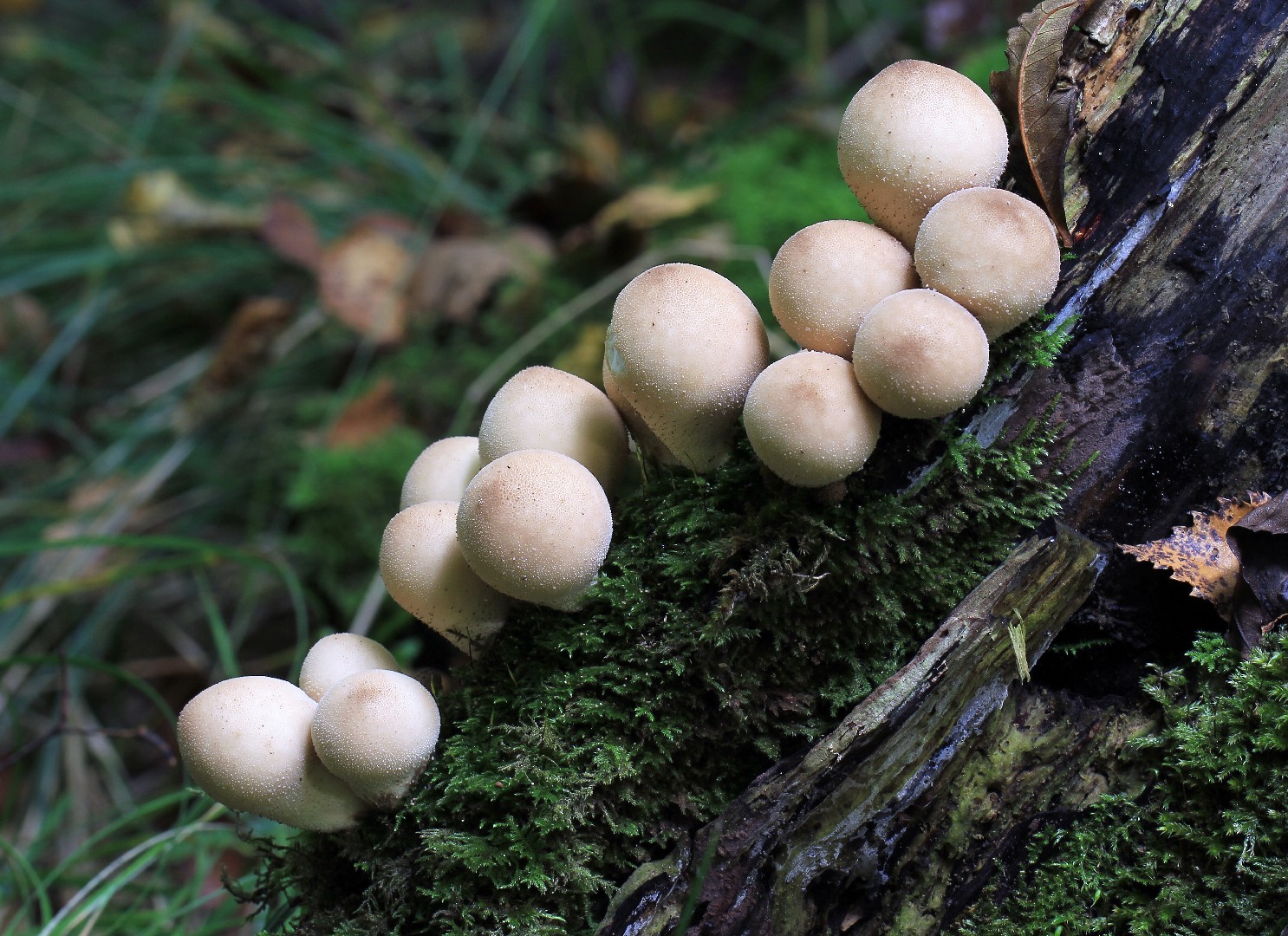
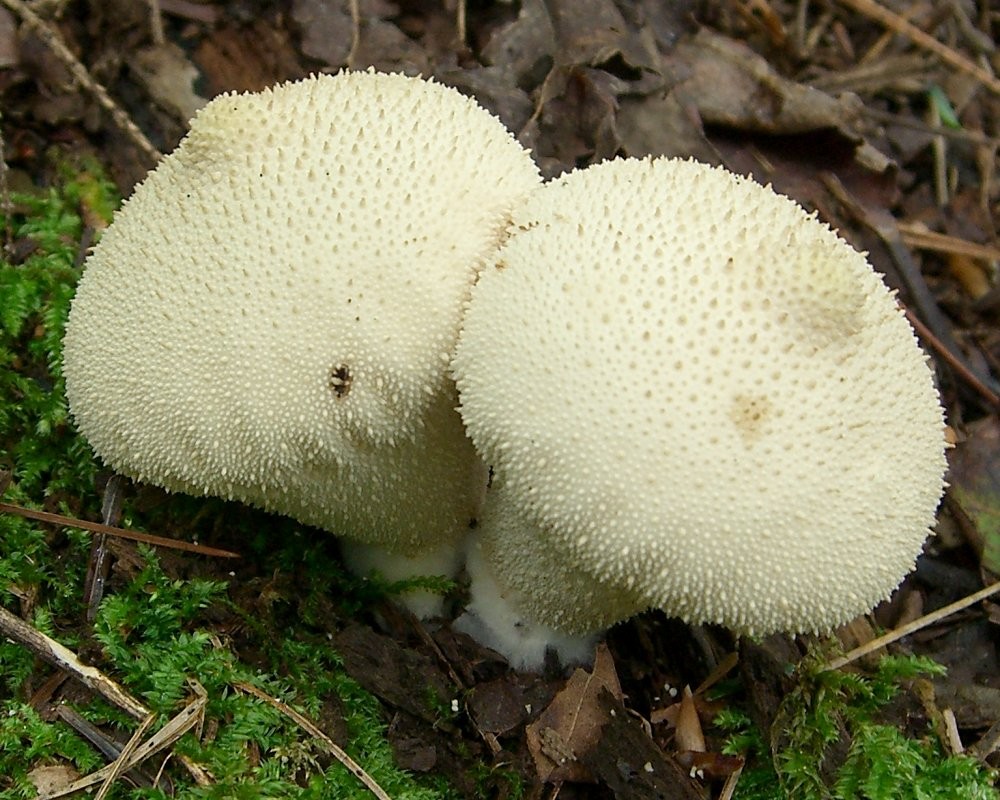
8. Peeling puffball
It is easy to spot as it resembles a puffball but has spines that gradually peel off as it ages. This appearance gave this mushroom its common name "peeling puffball." peeling puffball thrives underneath deciduous and conifer trees, getting its nutrients from decaying plant matter.
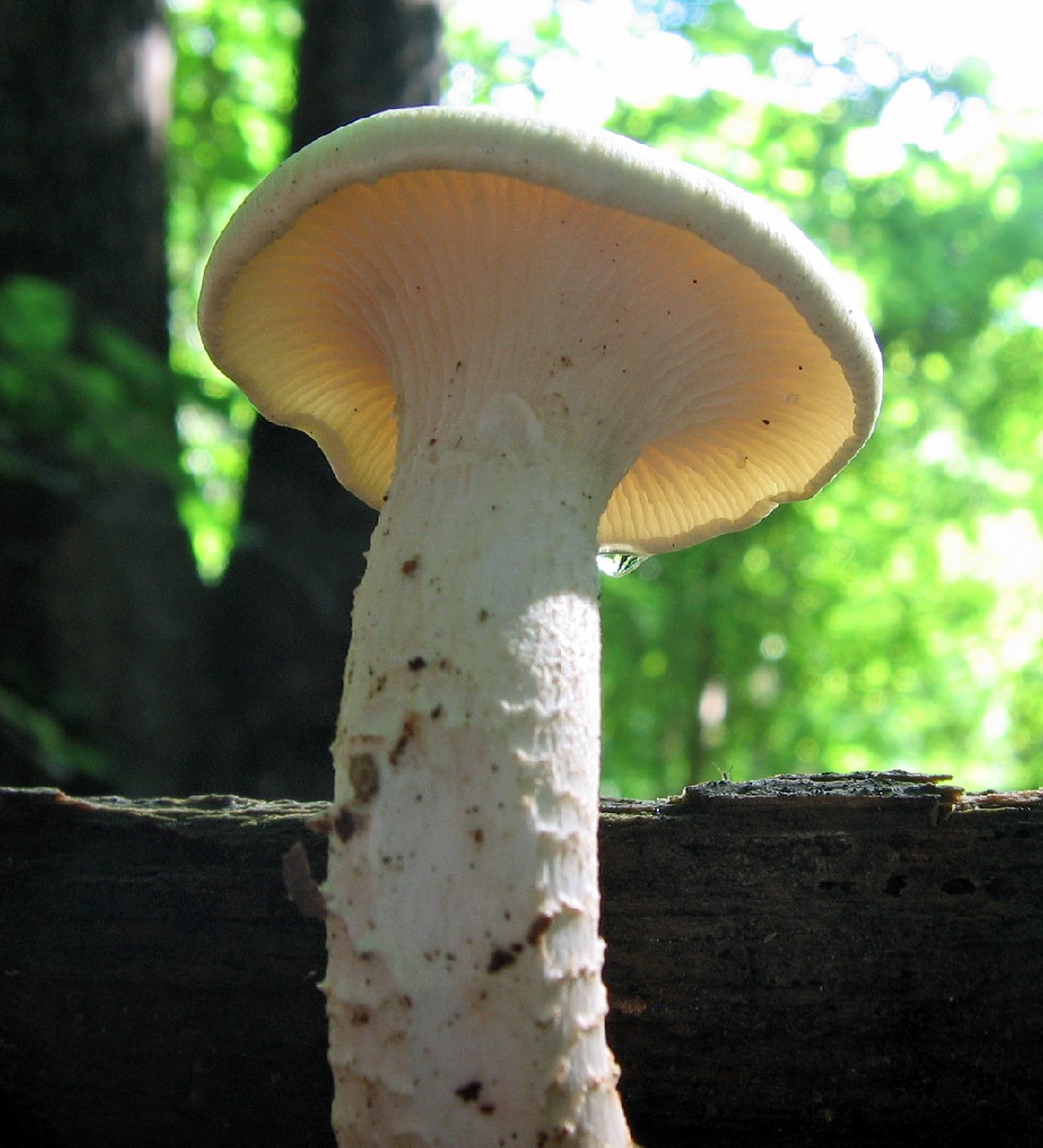
9. Scaly lentinus
Scaly lentinus(Neolentinus lepideus) may be found alone or in groups along dead or decaying pieces of timber. Due to its ability to colonize even chemically treated wood, including railroad tracks, it has been given the nickname "train wrecker." Due to inconsistent reports of safety, consumption is discouraged.
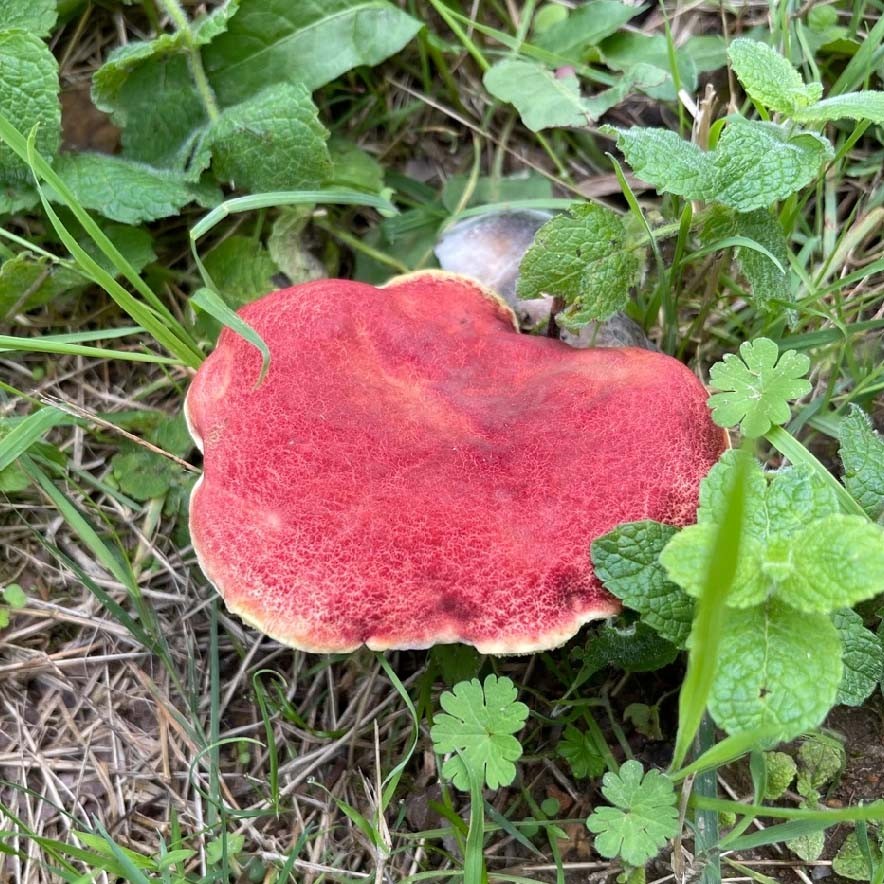
10. Ruby bolete
True to its name, ruby bolete is bright red when young but fades to a greenish-red when older. This mushroom is most commonly found growing in groups in open areas or on forest edges. However, it may be difficult to distinguish ruby bolete from other boletes.

More







