




Top 20 Edible Mushrooms Popular in San Antonio
In the captivating terrain of San Antonio, a diverse range of edible mushrooms thrive, thanks to its unique subtropical climate and rich, fertile soil. This list will explore 20 of the most frequent species found in this area, comparing their appearance, flavor, habitat, and culinary usage. Understanding these details not only heightens one's mushroom hunting experience, but also promotes safe and sustainable practices in foraging this wonderful natural resource. Dive into the fungal array of San Antonio and discover the rich flavors hidden beneath the canopies and in the forest's undergrowth.
* Disclaimer: Content feedback CAN NOT be used as any basis for EATING ANY PLANTS. Some plants can be VERY POISONOUS, please purchase edible plants through regular channels.

Most Popular Edible Mushrooms
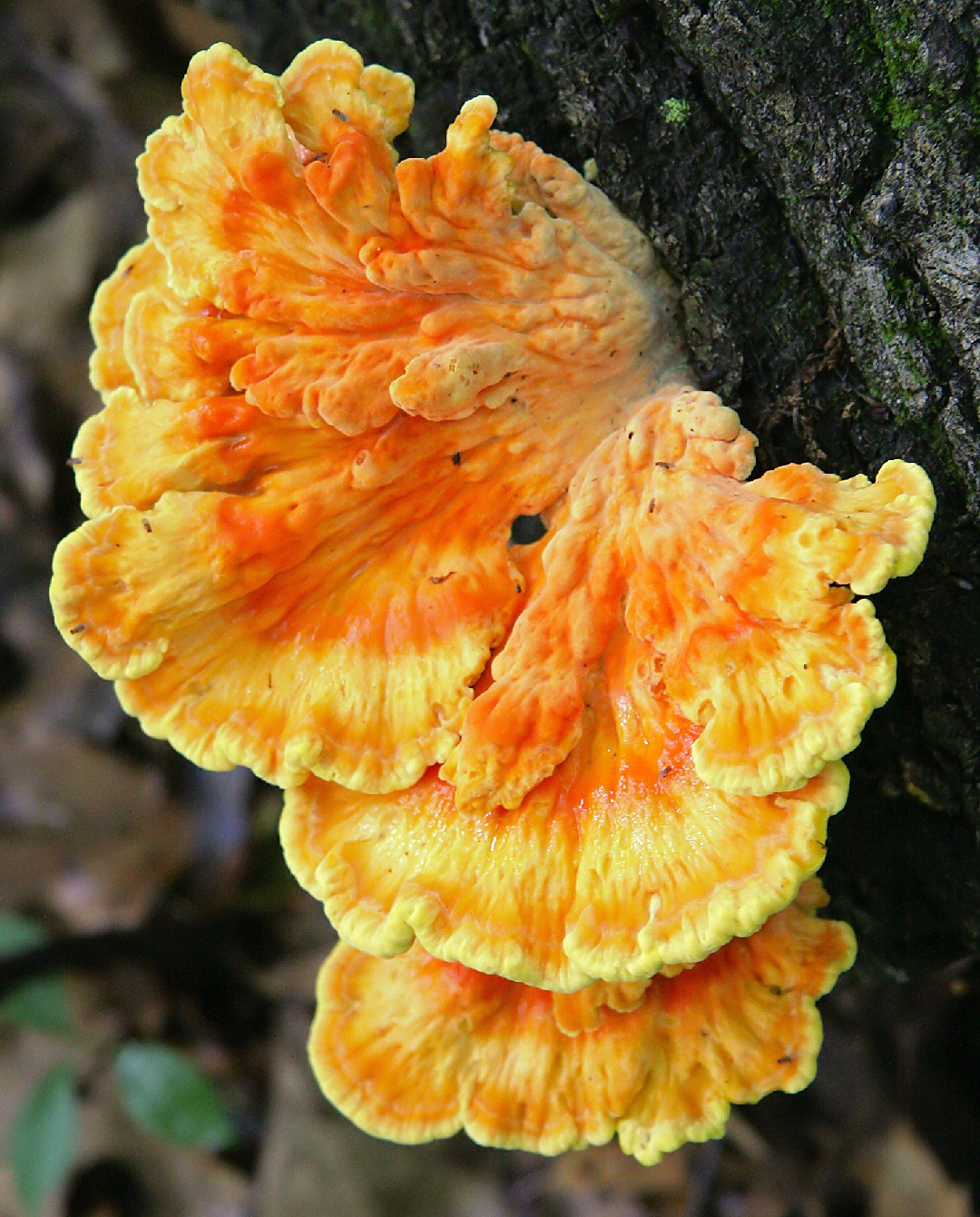
1. Chicken of the woods
Chicken of the woods is very noticeable in hardwood forests, appearing in clusters on standing tree trunks in bright orange and yellow hues that sometimes last through the entire winter. It is a parasite that causes an unfortunate brown heart rot, and is considered a particularly troublesome pest of Yew trees. If the fruitbodies can be seen, the tree is likely already beyond saving.
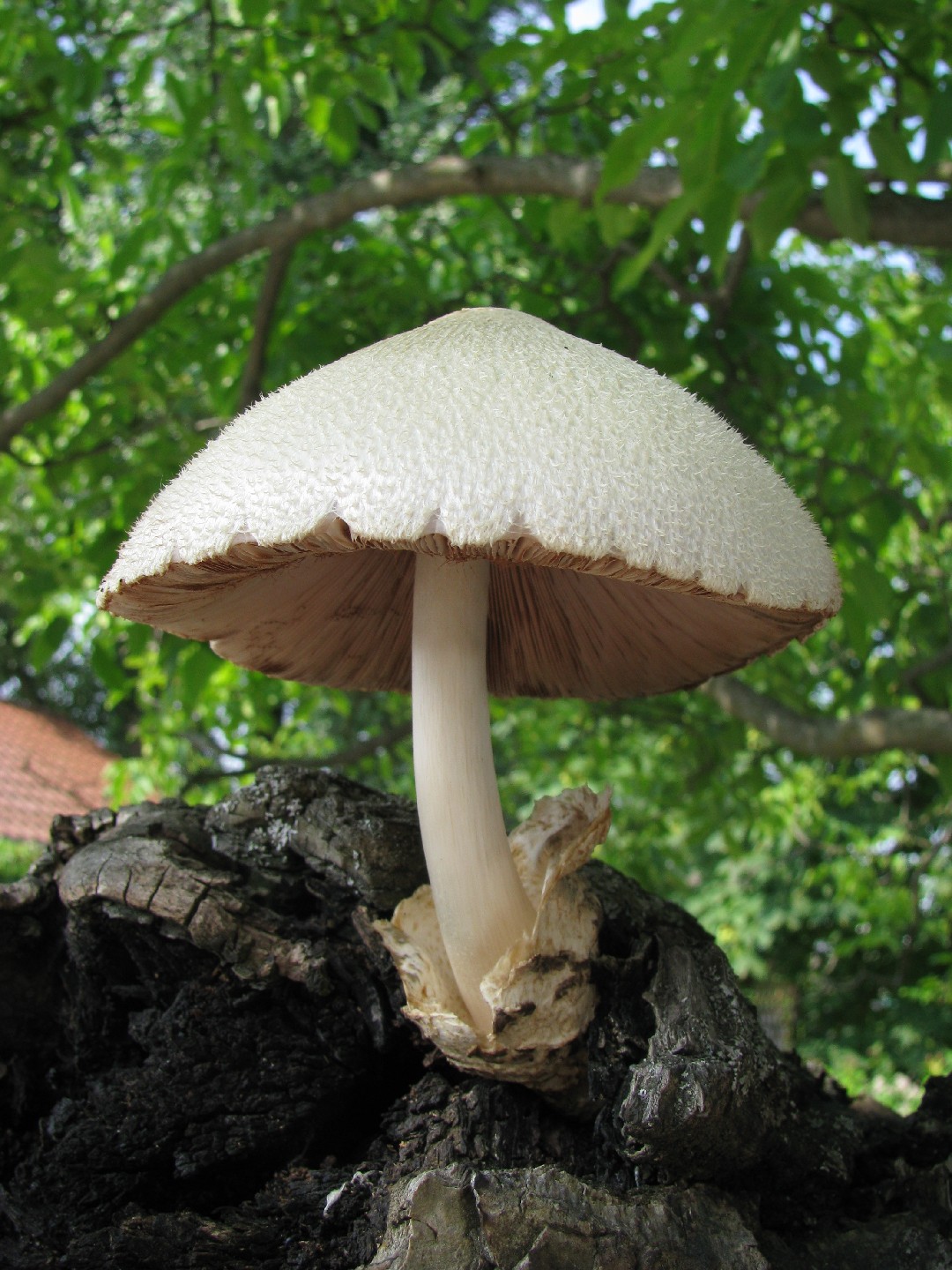
2. Silky sheath
Silky sheaths (Volvariella bombycina) are widely distributed, being found in temperate and sub-tropical forests around the world, but rare. The fruitbody emerges from a silky-textured volva, and the mushroom's white or off-white cap is usually quite smooth as well. One of this species' favored microhabitats is the rotted knotholes of mature maples, elms, oaks, or beeches.

3. Shaggy mane
The shaggy mane mushroom is commonly found in North American and European grasslands. Some peoples foraged for its young egg-shaped caps, but it has more recently been found to be a bioaccumulator of heavy metals, meaning it pulls toxic metals up from the soil where it grows. As a result, shaggy manes should not be eaten. The mushrooms usually appear in clusters or “fairy rings.”
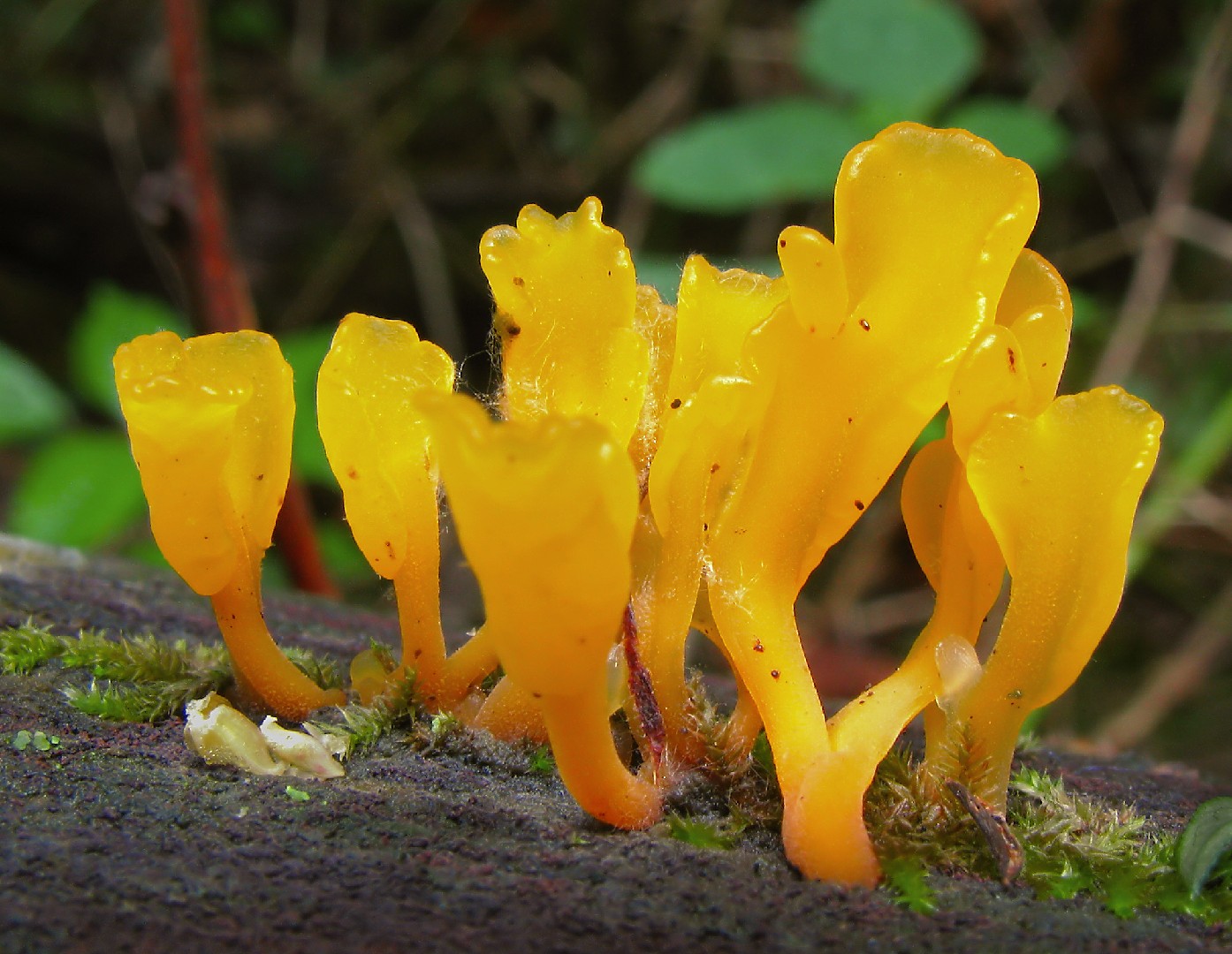
4. Fan-shaped jelly-fungus
Just as its Latin and the common English names suggest, the fan-shaped jelly-fungus (Dacryopinax spathularia) is a fan-shaped or spatula-shaped jelly-like mushroom. It commonly grows in wood cracks and it sometimes even appears in the cracks of the processed wood and lumber. Despite the word "jelly" in its name, the fan-shaped jelly-fungus is not considered edible.
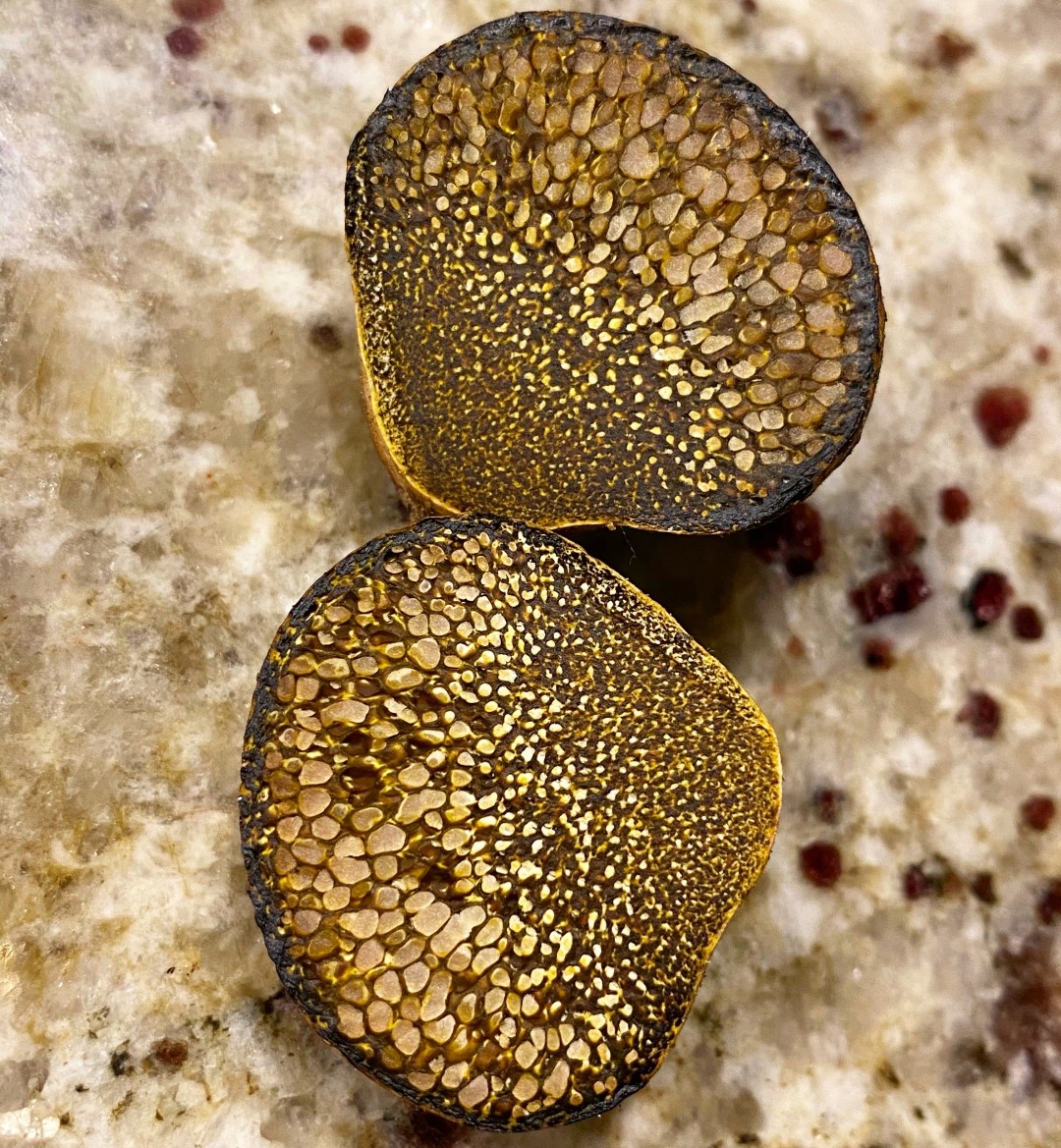
5. Dead man's foot
Dead man's foot (Pisolithus arhizus) actually bears a number of colorful names stemming from its unusual appearance, such as the horse dung fungus (Australia). It can be distilled into a viscous black gel, which is then used as a natural dye for clothing. It is considered to be inedible.
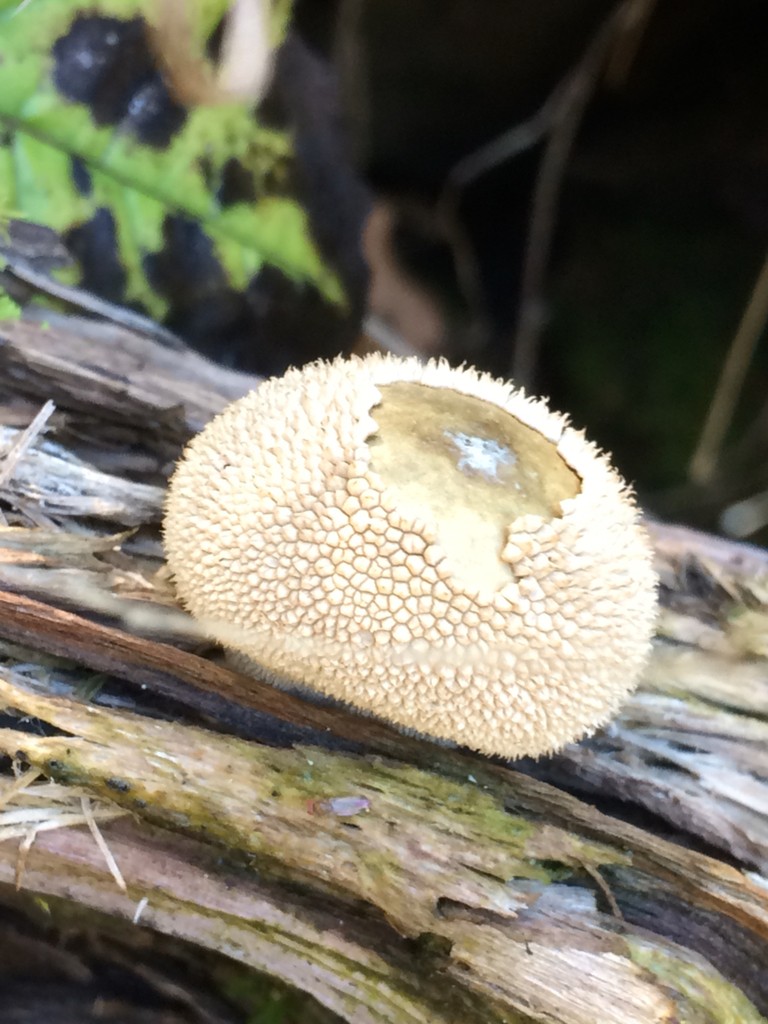
6. Peeling puffball
It is easy to spot as it resembles a puffball but has spines that gradually peel off as it ages. This appearance gave this mushroom its common name "peeling puffball." peeling puffball thrives underneath deciduous and conifer trees, getting its nutrients from decaying plant matter.
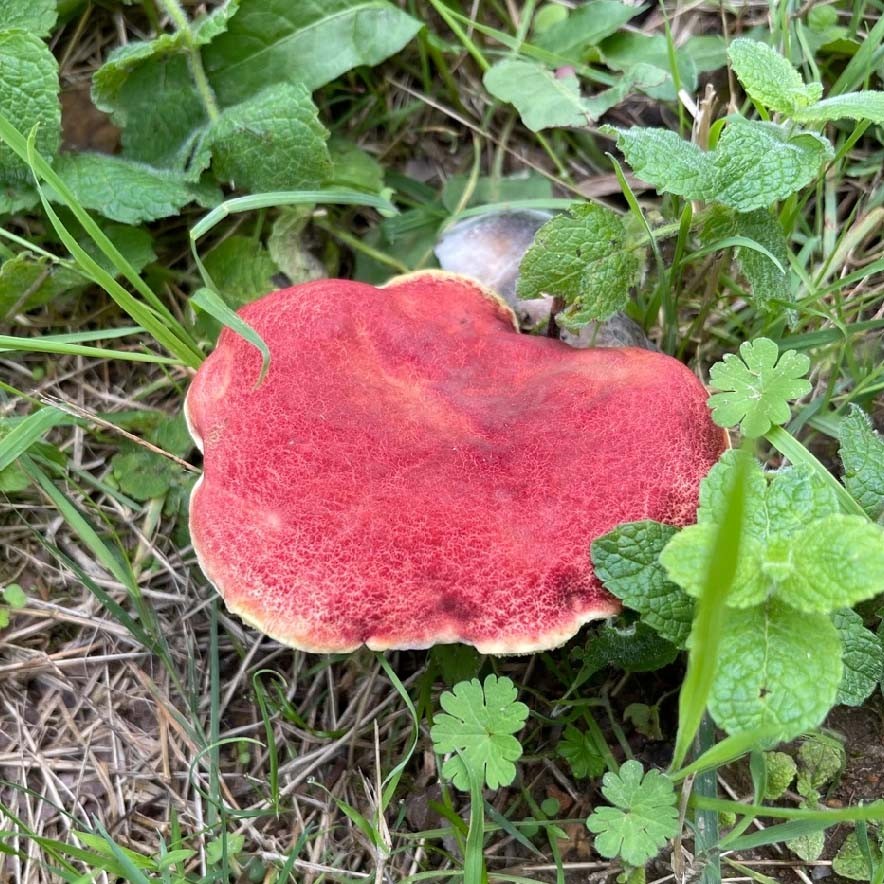
7. Ruby bolete
True to its name, ruby bolete is bright red when young but fades to a greenish-red when older. This mushroom is most commonly found growing in groups in open areas or on forest edges. However, it may be difficult to distinguish ruby bolete from other boletes.
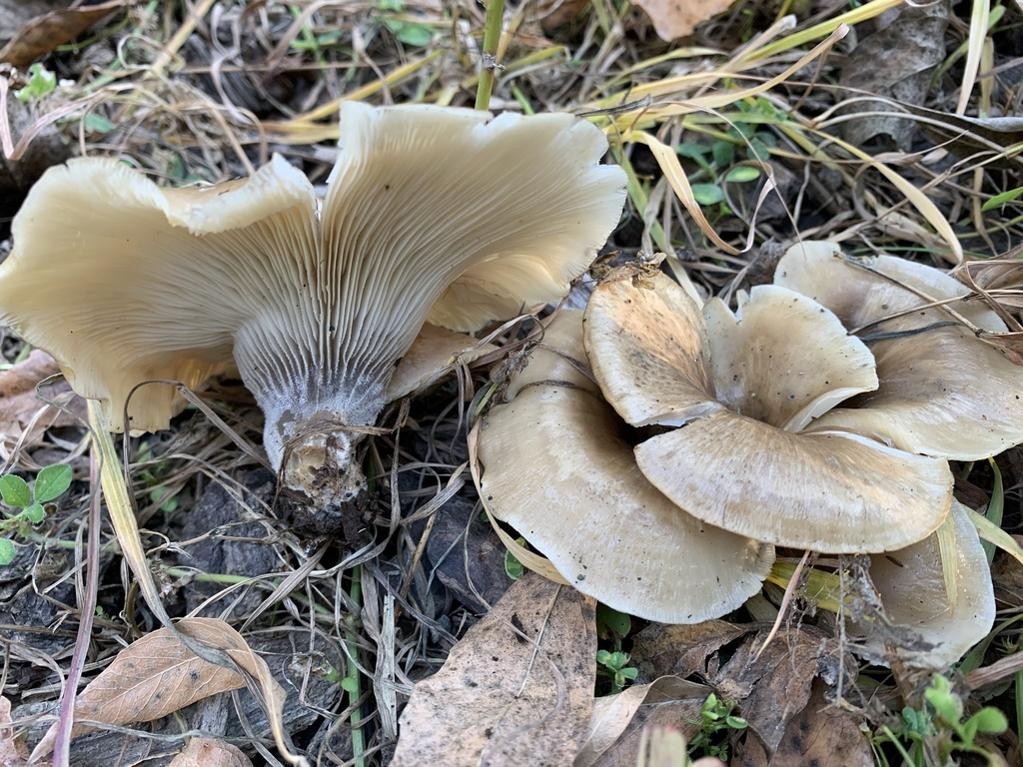
8. Shoehorn oyster
The shoehorn oyster (Hohenbuehelia petaloides) fruits with an elongated, petal-shaped cap that often bears a resemblance to a shoehorn. Shoehorn oysters are unusual in that, in addition to digesting decaying wood, they also have structures which allow them to capture and digest nematodes, tiny worms that often feed on mushrooms.
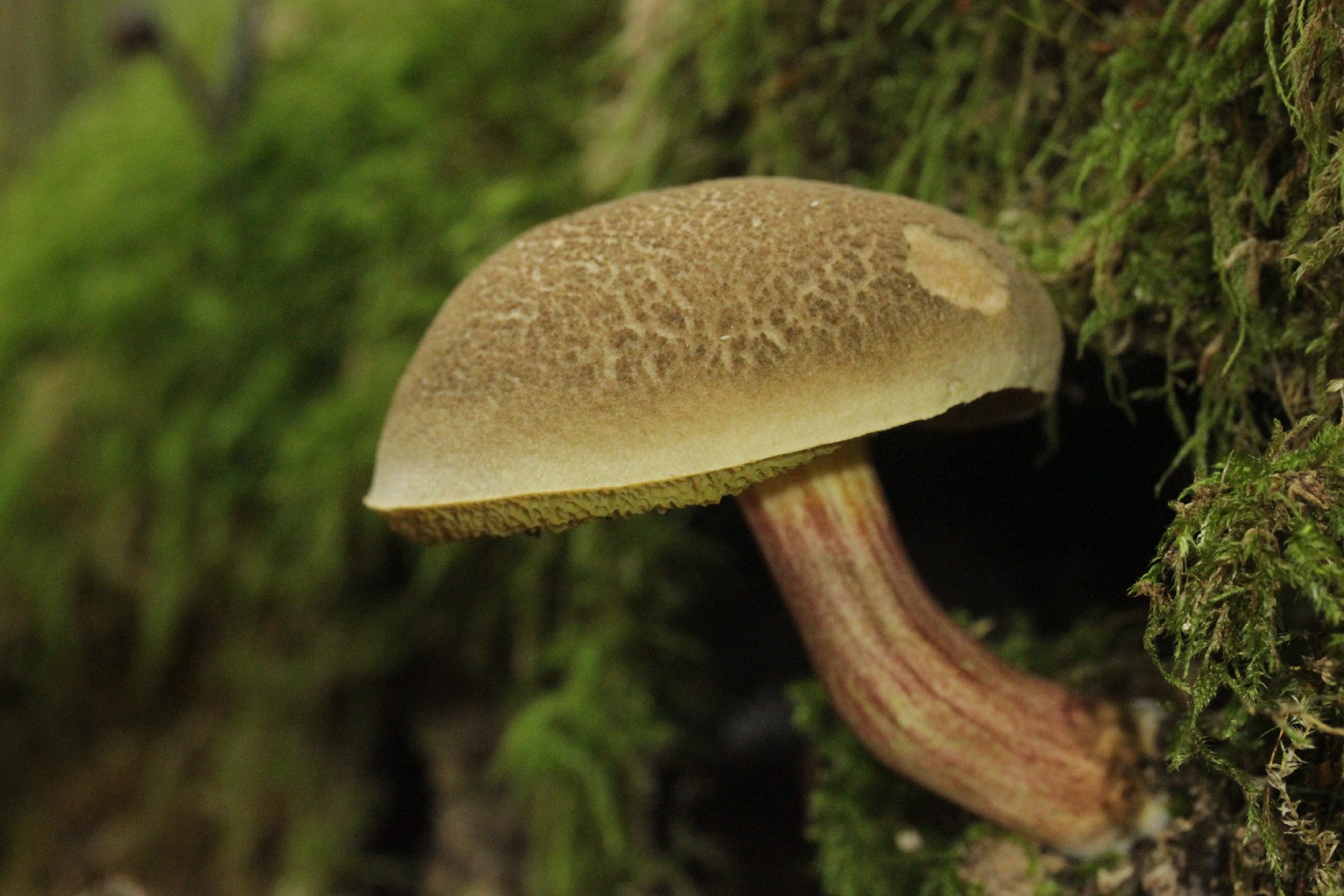
9. Red cracking bolete
The red cracking bolete mushroom is considered difficult to accurately identify, due to its similarity in many ways to others of its genus. It seems to occur only rarely around the northern hemisphere, but it may have been misclassified in some sources. In spite of the name, the surface of the red cracking bolete's cap only rarely appears "cracked."
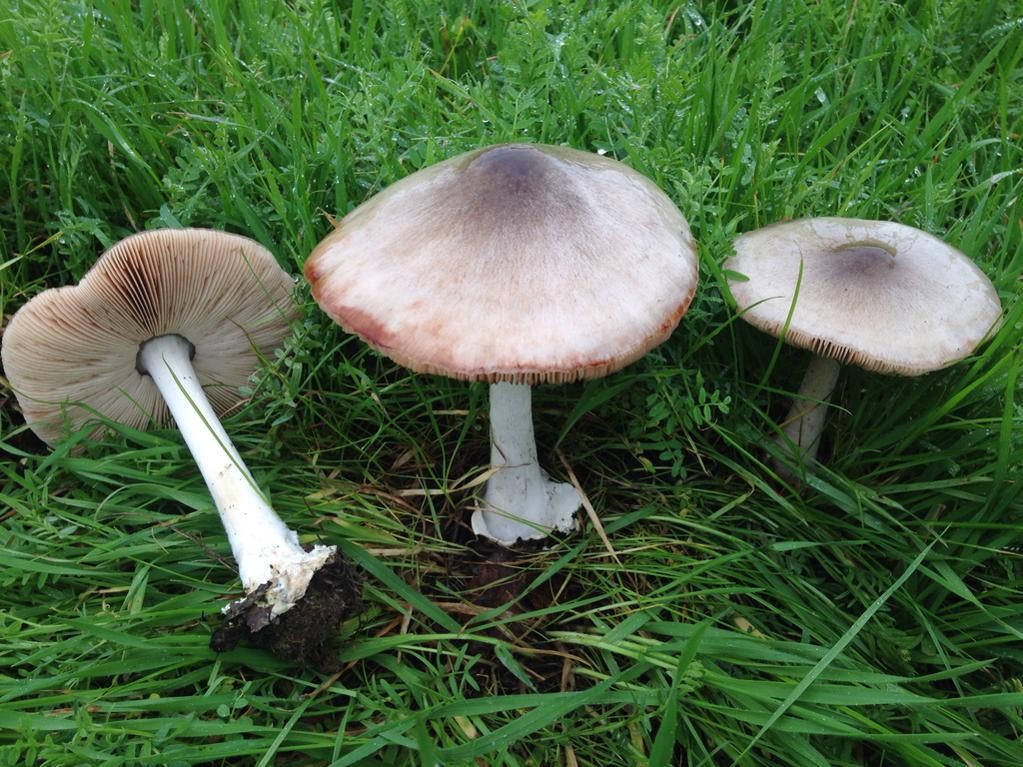
10. Big sheath mushroom
These large white mushrooms bloom all over cleared, harvested fields, as well as pastures and roadsides. The scientific species name comes from Greek words meaning “glue” (glioio) and “head” (cephalus), in reference to the sticky surface of this mushroom’s cap. The big sheath mushroom looks so similar to the poisonous Deathcap and Destroying Angel mushrooms that it should always be left alone.

More







