




Top 20 Edible Mushrooms Popular in New Mexico
Boasting diverse climates and soils, New Mexico provides a ripe setting for over 20 varieties of edible mushrooms. This region is rich in mushroom diversity, from woodlands to fields, offering unique opportunities for amateur mycologists and culinary enthusiasts alike. Get ready to explore the visual charm, aromatic allure, and taste profiles of each variety, unraveling their habitat secrets and culinary potential along the way. Join us on this mushroom adventure across New Mexico.
* Disclaimer: Content feedback CAN NOT be used as any basis for EATING ANY PLANTS. Some plants can be VERY POISONOUS, please purchase edible plants through regular channels.

Most Popular Edible Mushrooms
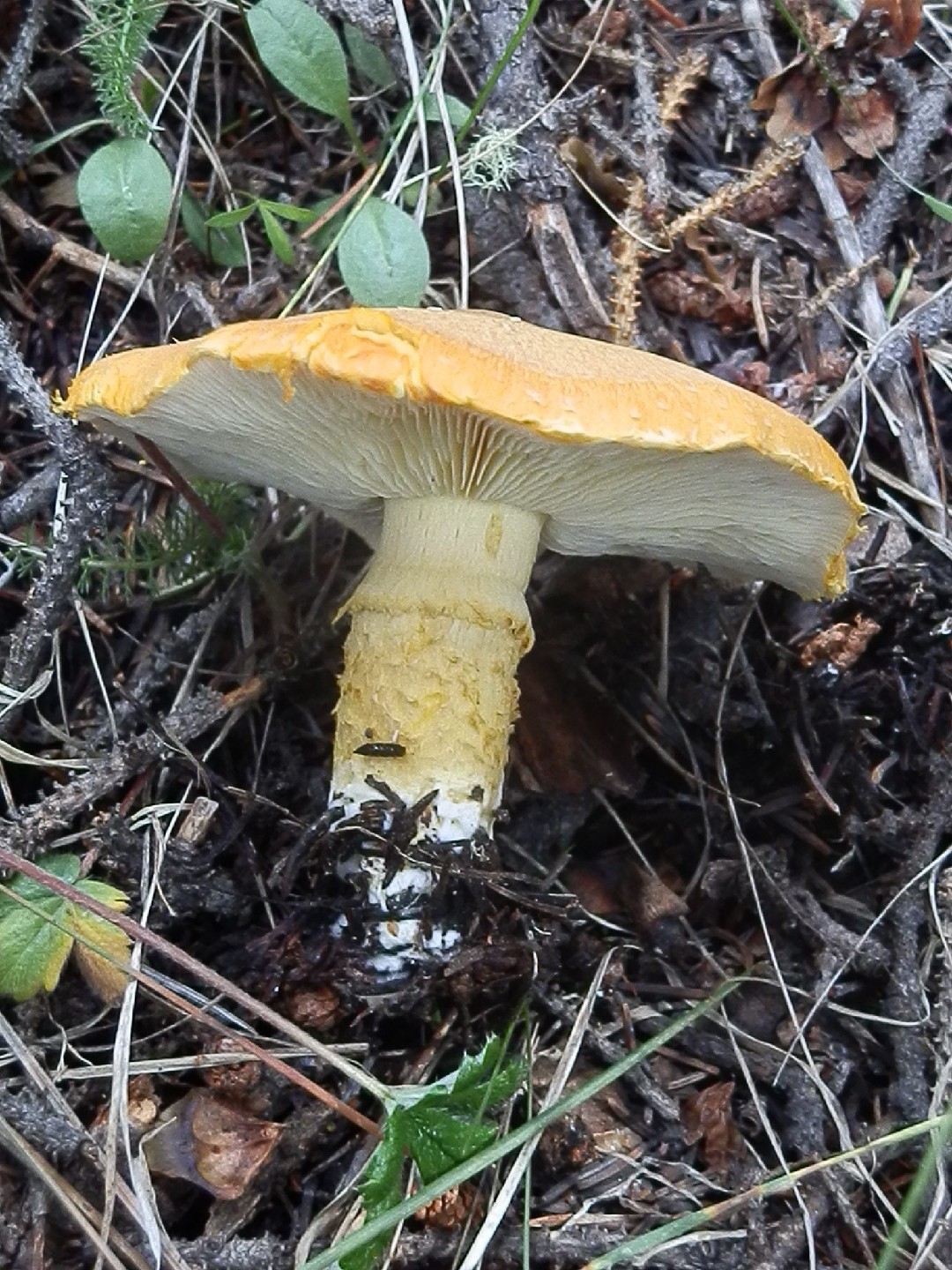
1. Floccularia Albolanaripes
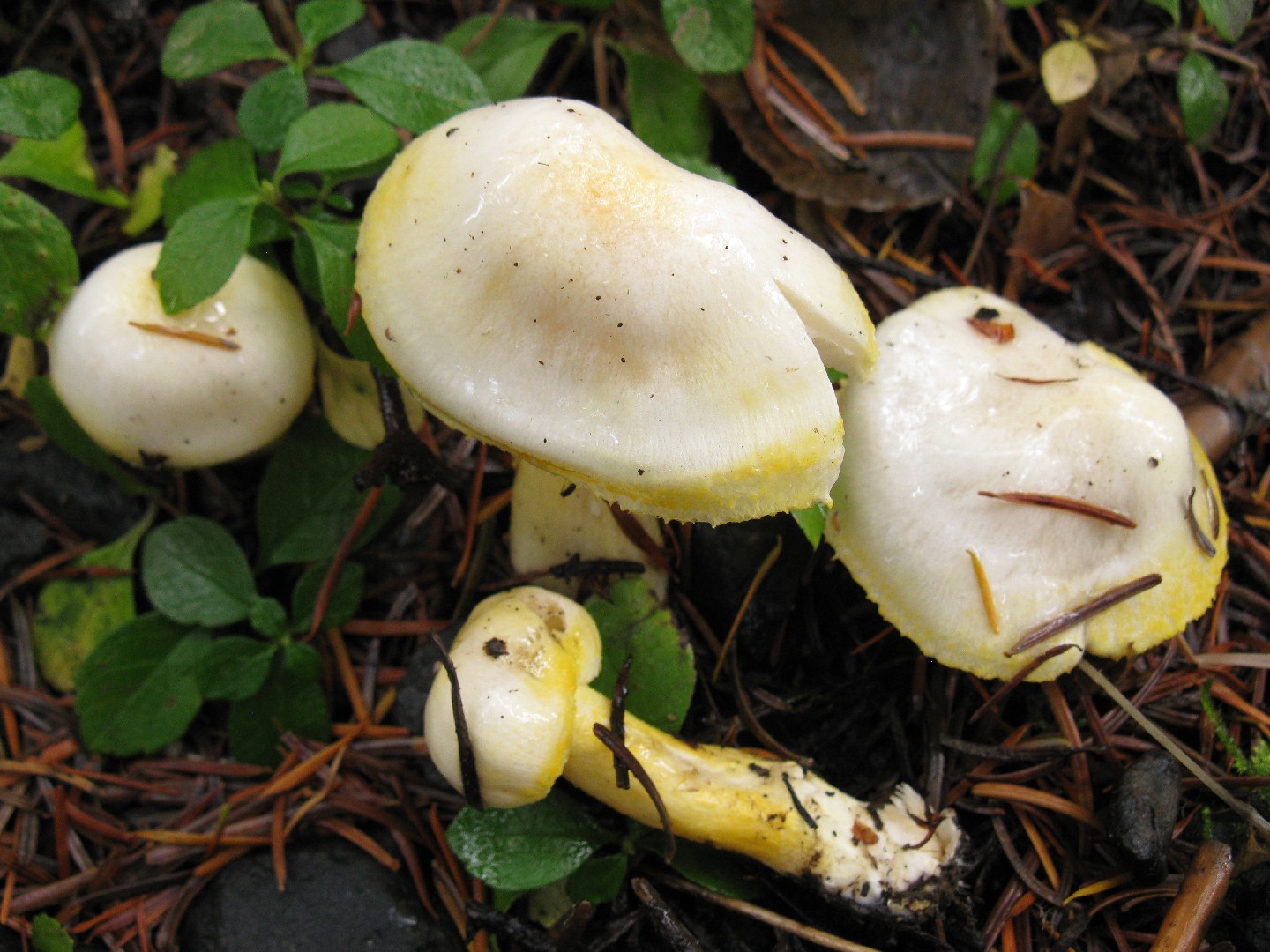
Associated with conifers of the Rocky Mountains, the floccularia Albolanaripes can be found prominently during fall rains from fall to winter. It has a vibrant yellow orange-brown cap when young, developing into a drab yellowish-brown in its maturity.
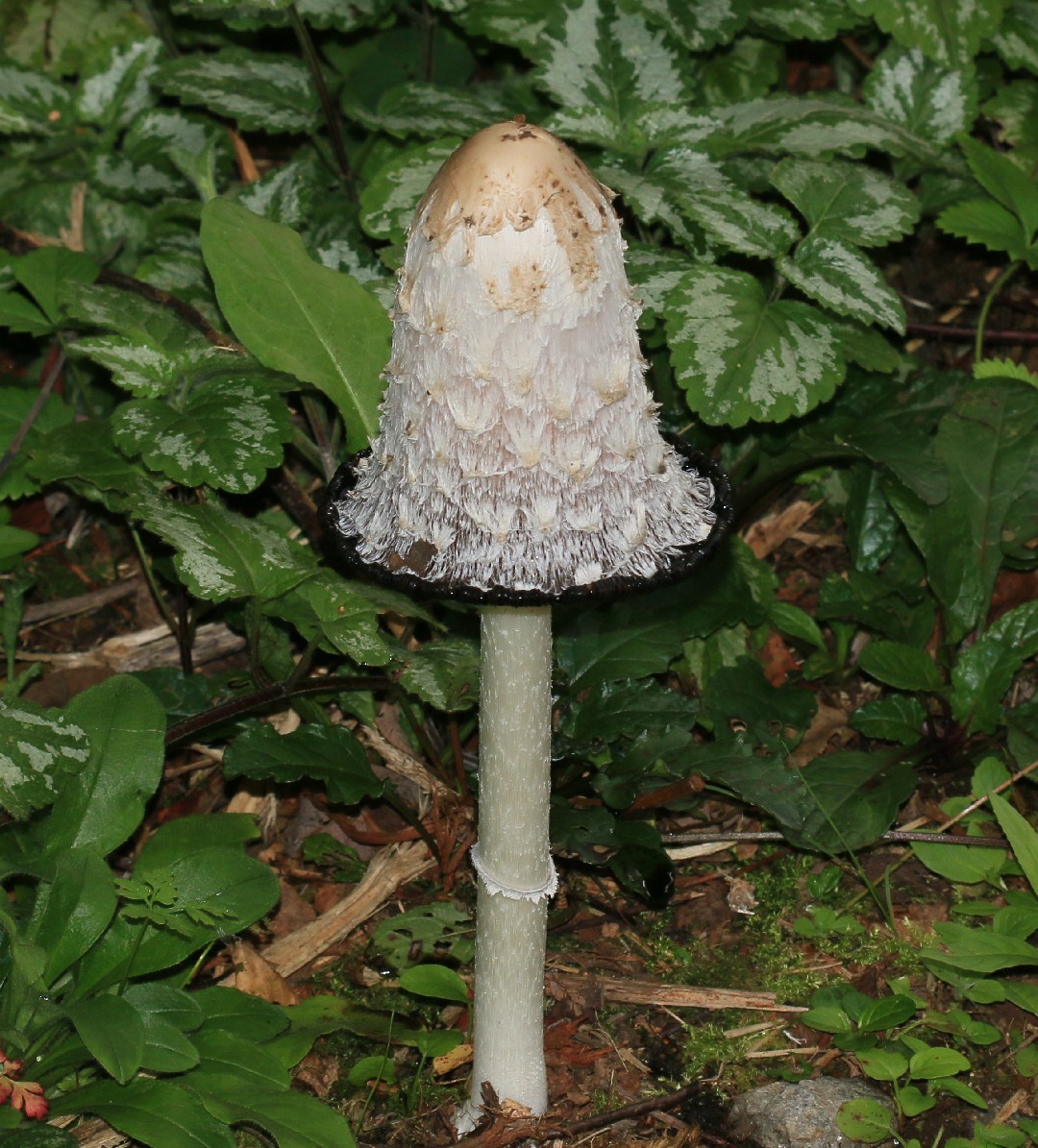
2. Shaggy mane
The shaggy mane mushroom is commonly found in North American and European grasslands. Some peoples foraged for its young egg-shaped caps, but it has more recently been found to be a bioaccumulator of heavy metals, meaning it pulls toxic metals up from the soil where it grows. As a result, shaggy manes should not be eaten. The mushrooms usually appear in clusters or “fairy rings.”
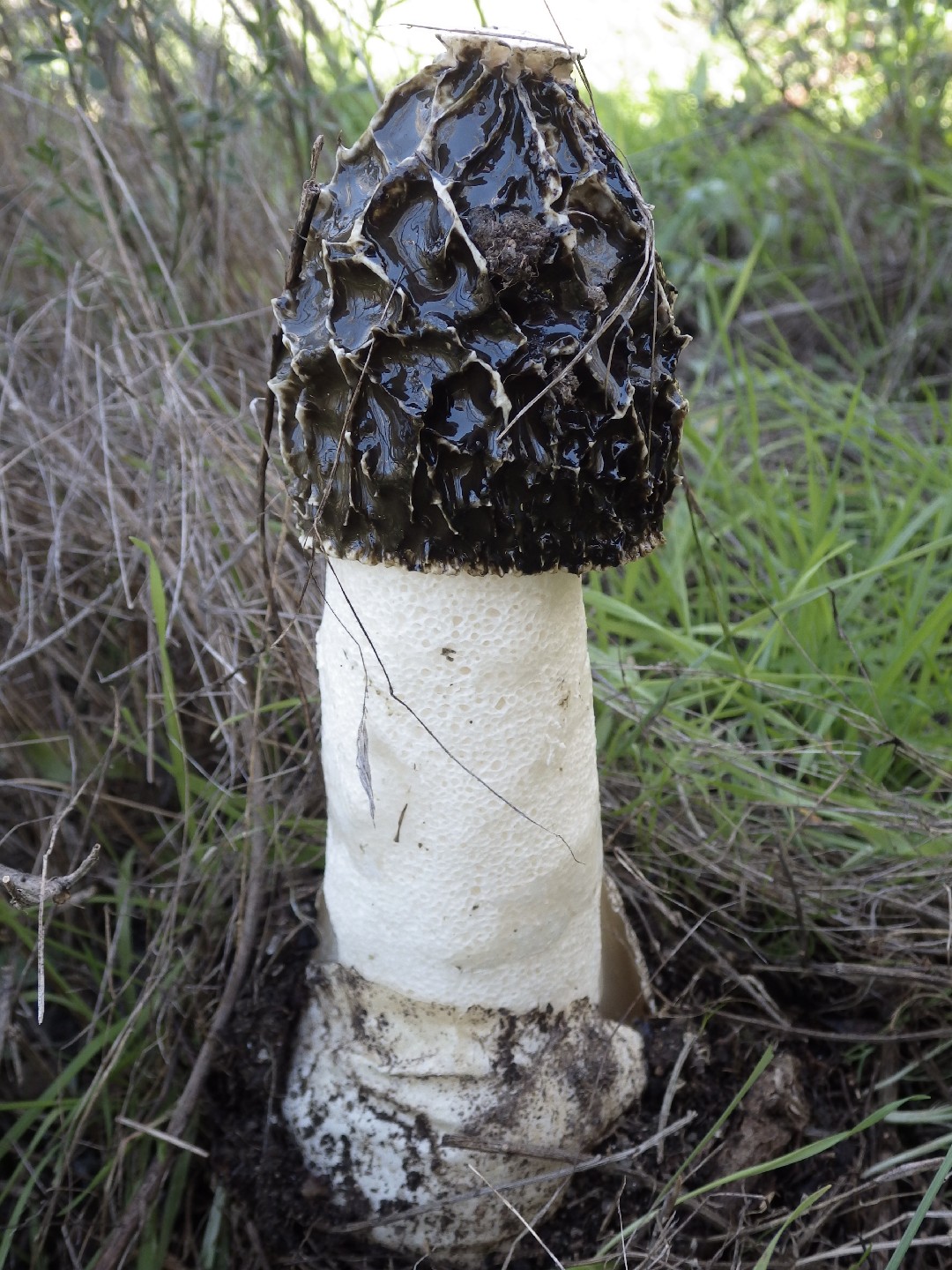
3. Common stinkhorn
The common stinkhorn (Phallus impudicus) grows incredibly quickly, sometimes nearing 30 cm in a single afternoon. Their caps are pitted in a way which makes them reminiscent of morels. However, there's little mistaking the common stinkhorn for a morel; the former, in addition to sporting a much longer stalk, has a clear and pungent odor.
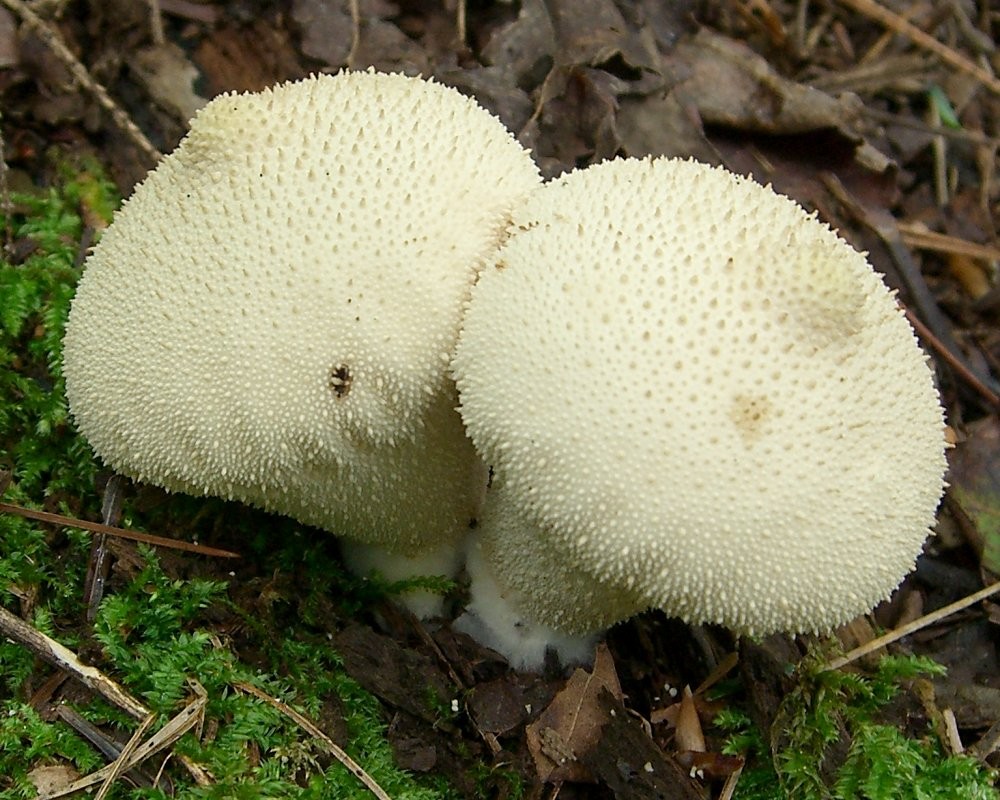
4. Common puffball
These puffy mushrooms grow in small groups on the forest floor. Once they're mature, common puffballs turn yellow and "puff out" smoke-like spore clouds when disturbed. Be very careful when identifying these mushrooms, as their young, immature form looks very similar to the lethal Deathcap.
5. Dead man's foot
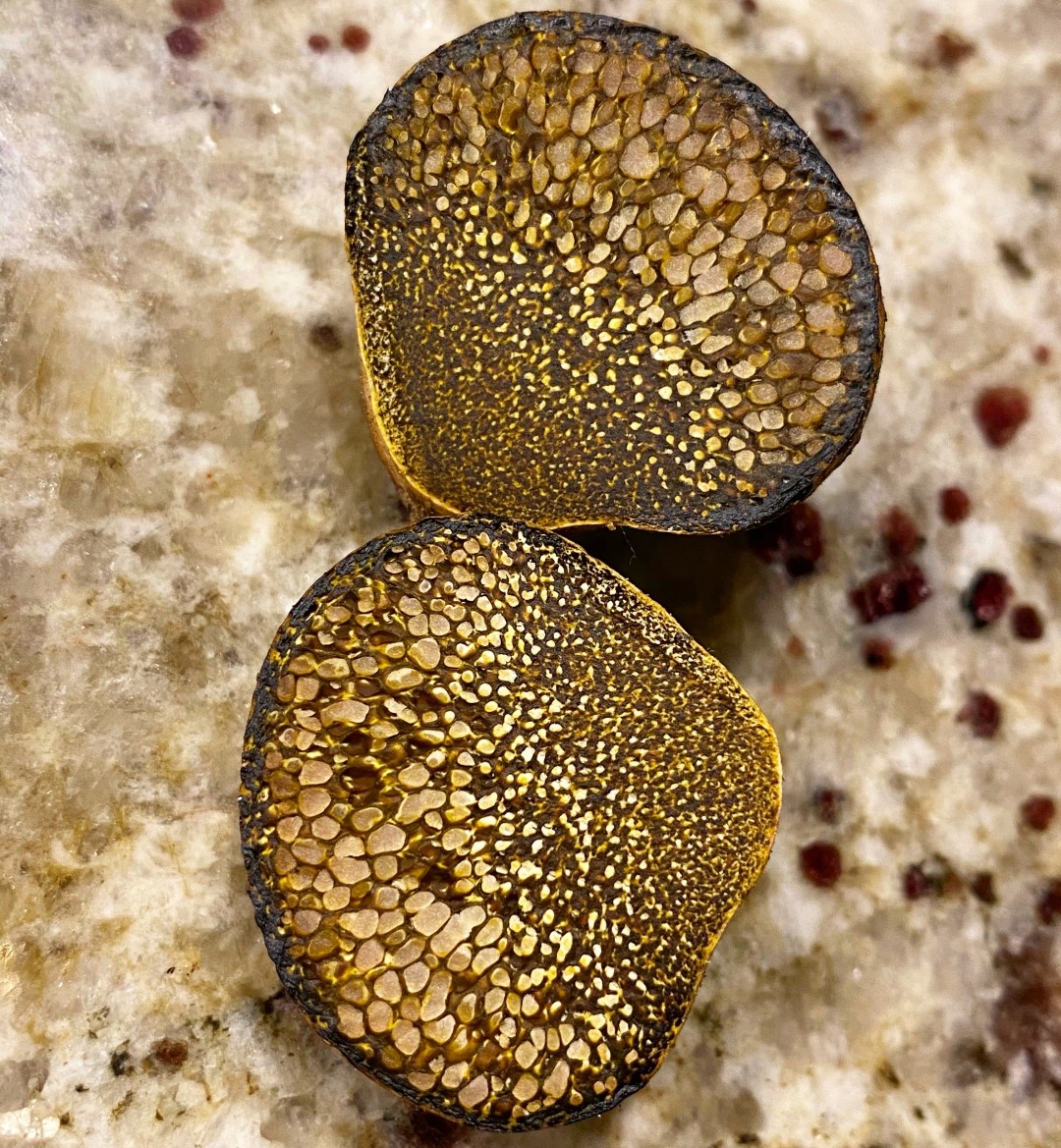
Dead man's foot (Pisolithus arhizus) actually bears a number of colorful names stemming from its unusual appearance, such as the horse dung fungus (Australia). It can be distilled into a viscous black gel, which is then used as a natural dye for clothing. It is considered to be inedible.
6. White king bolete
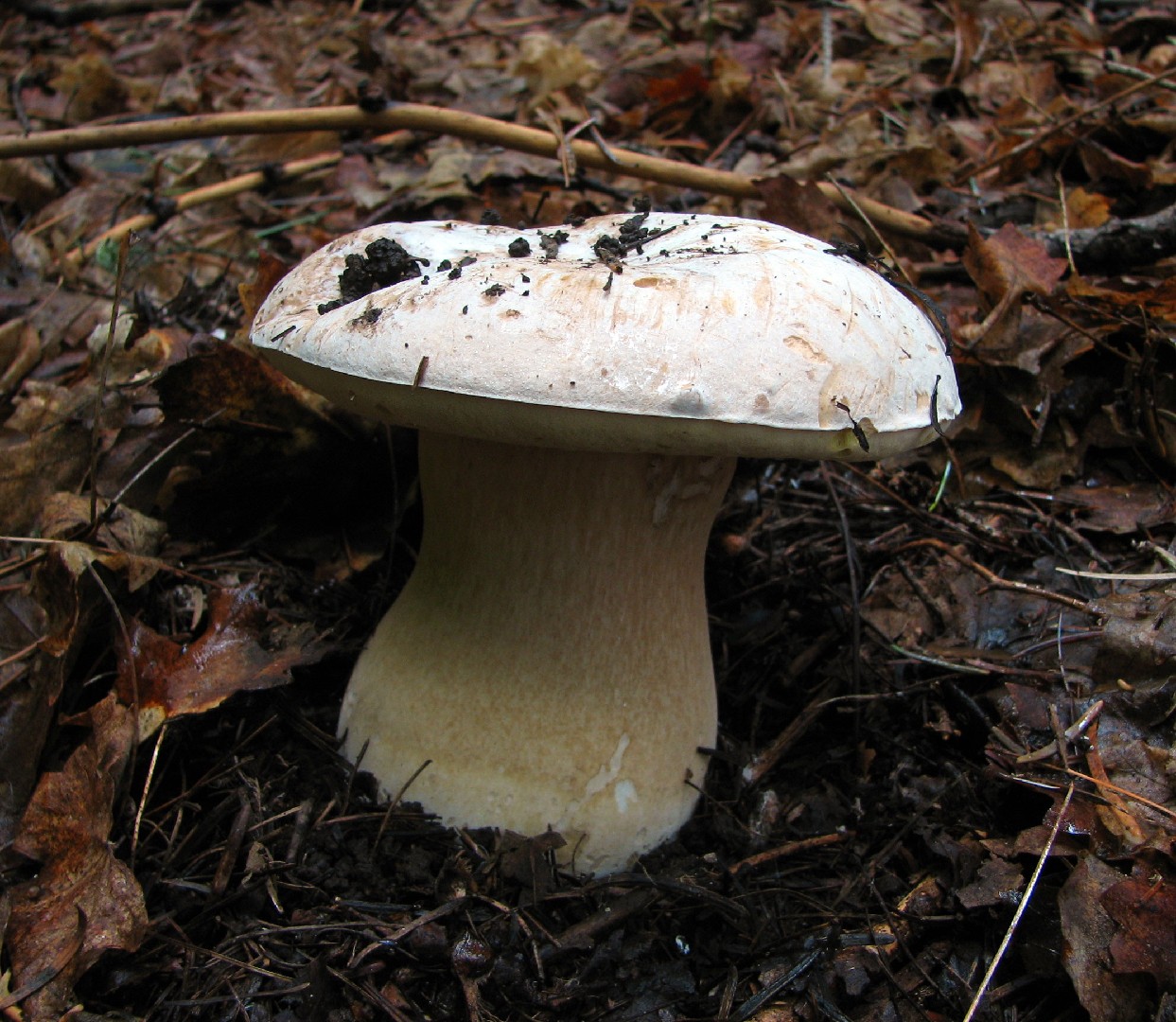
The habitat of the white king bolete is restricted to southwestern North America, but being a warm-weather species, it is most abundant in Arizona and New Mexico. The mushroom was given its scientific name Boletus barrowsii after the self-taught amateur mycologist Charles "Chuck" Barrows, who discovered the species just a few decades ago.
7. Western giant puffball
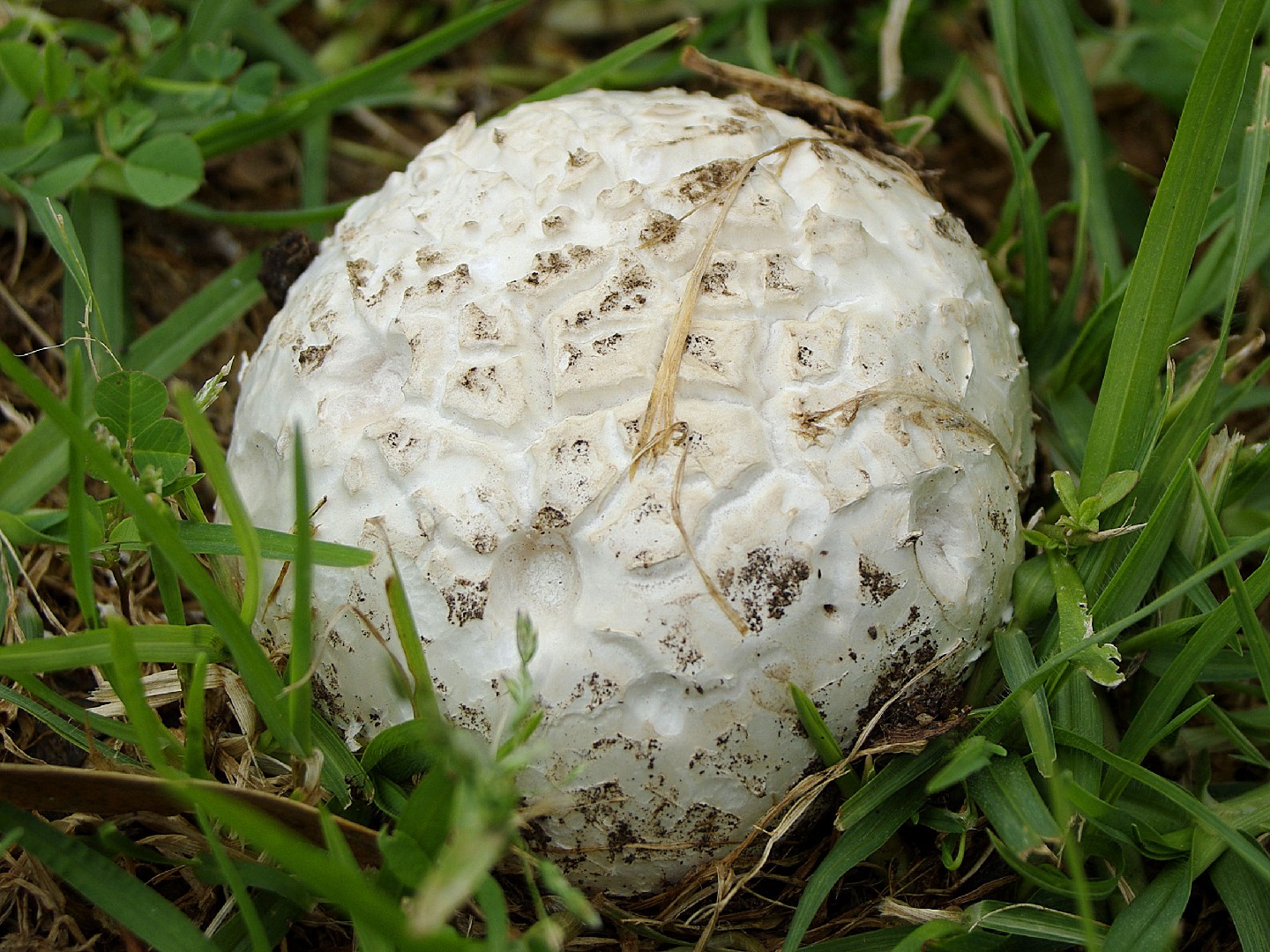
The western giant puffball is the largest puffball in North America, reaching up to 70 cm in diameter. It is as large as its European counterpart the Giant puffball (Calvatia gigantea), although it features a more irregular shape than its European cousin.
8. Peeling puffball
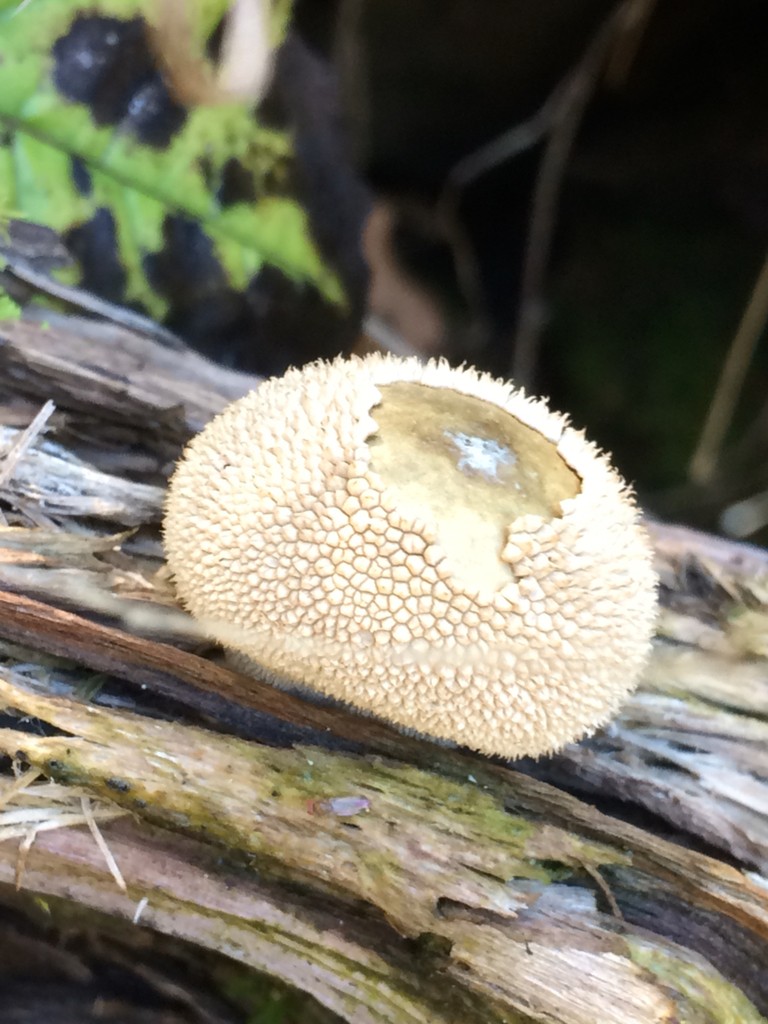
It is easy to spot as it resembles a puffball but has spines that gradually peel off as it ages. This appearance gave this mushroom its common name "peeling puffball." peeling puffball thrives underneath deciduous and conifer trees, getting its nutrients from decaying plant matter.
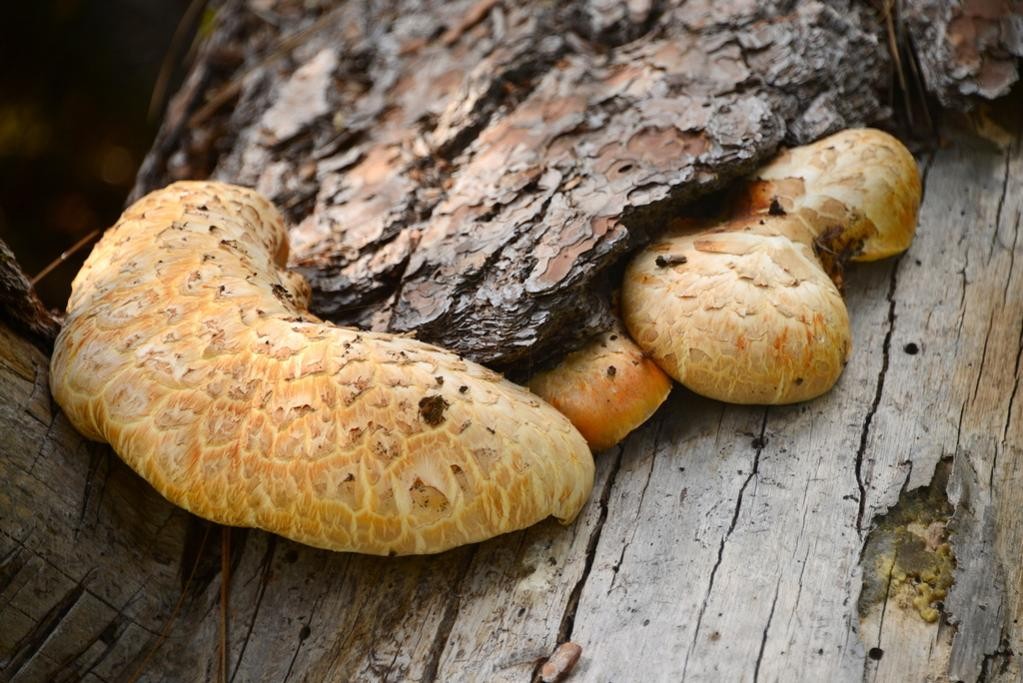
9. Giant sawgill
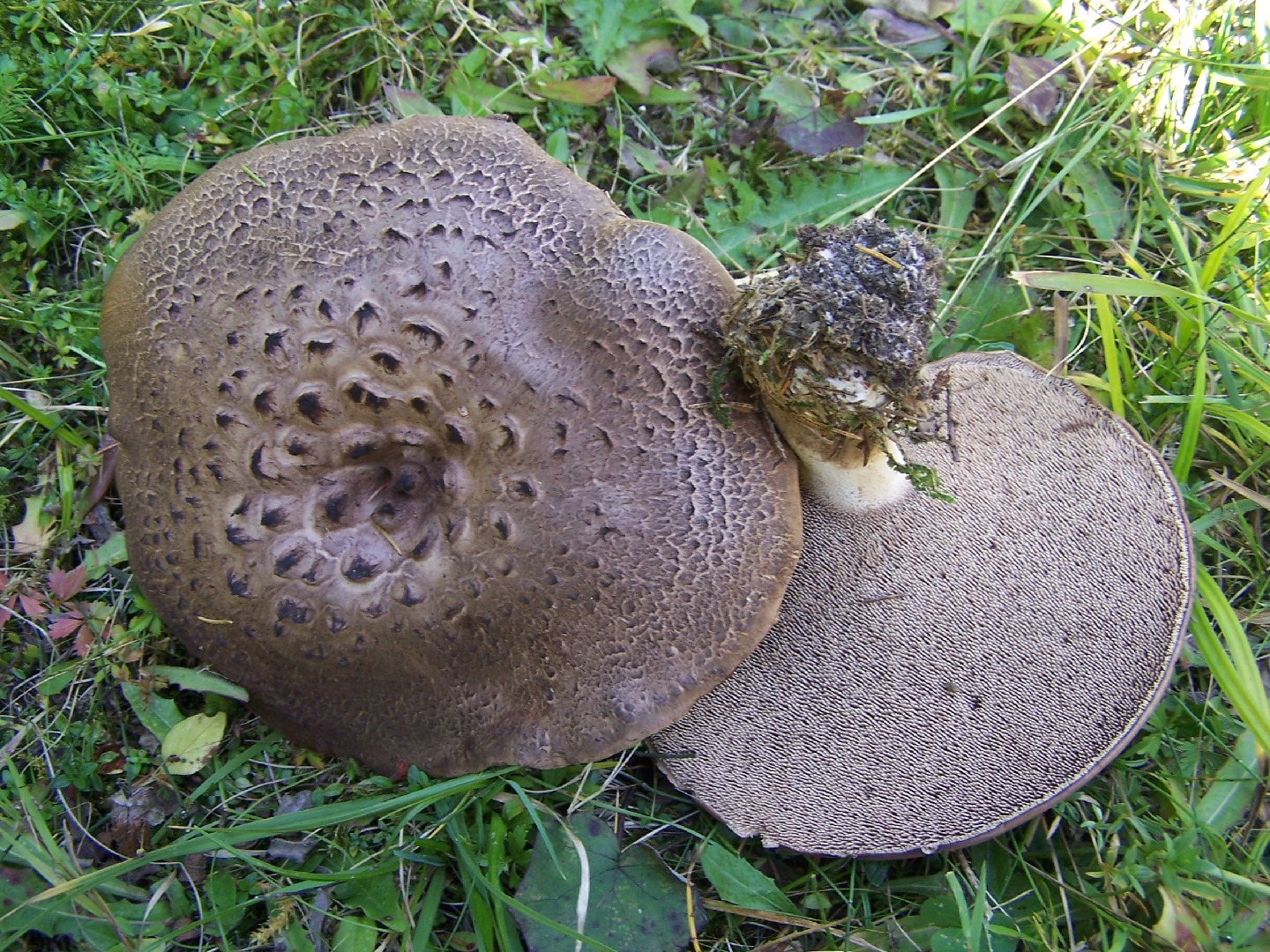
The impressively large caps of the giant sawgill (Neolentinus ponderosus) can spread up 30 cm across and encompass entire decaying stumps and logs. Unlike other mushrooms, the giant sawgill thrives in the hotter, drier months. Look for them near Ponderosa Pines.
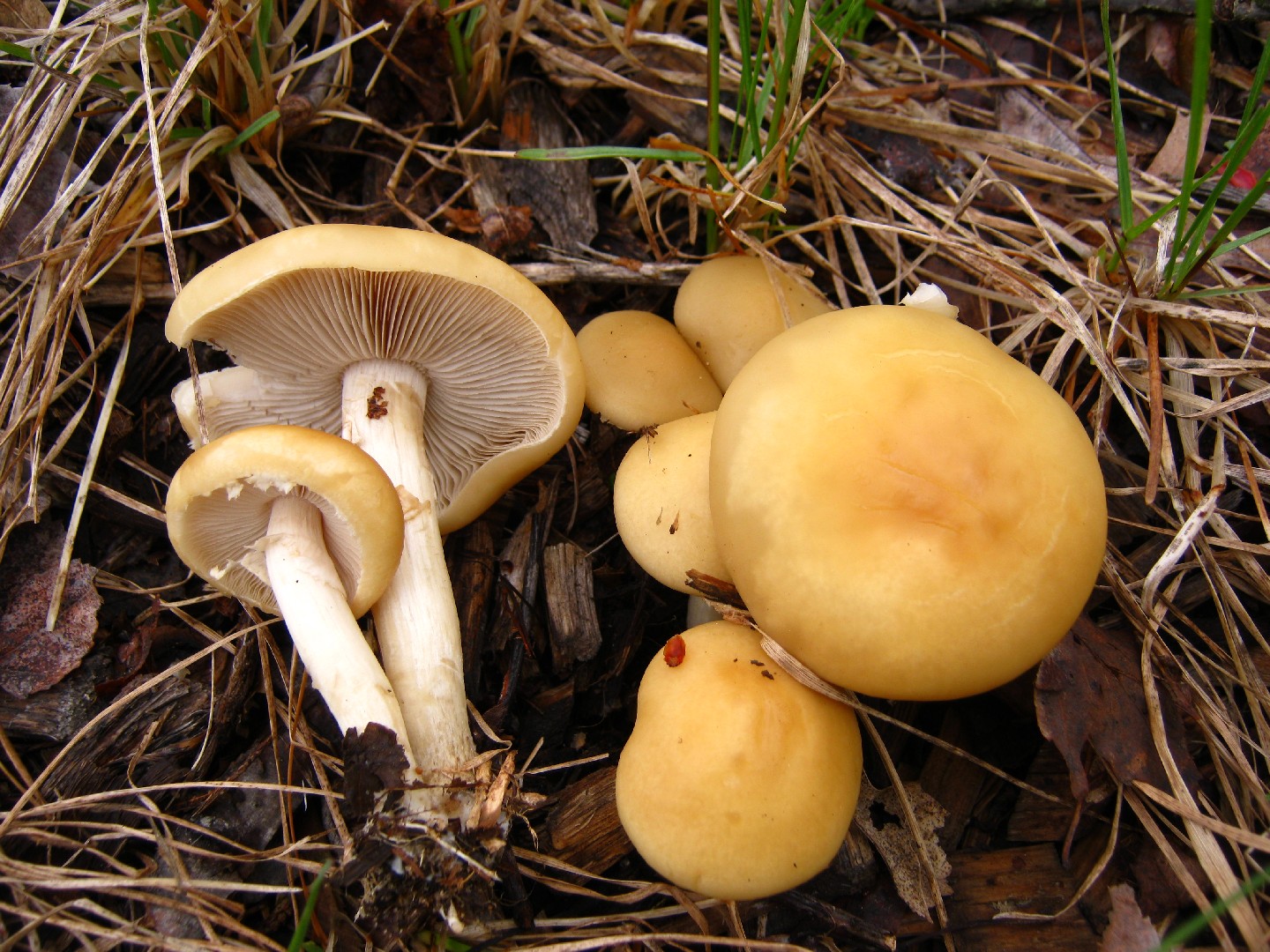
10. Spring fieldcap
The spring fieldcap (Agrocybe praecox) appears in spring and early summer, in scattered groups or in tufts across the edges of woodland paths. They may be a common sight in urban areas with wood chip mulch or compost piles. The species' scientific name comes from the same Latin root as the word "precocious," giving another clue regarding the early appearance one can expect from these little mushrooms.



More







