




Top 20 Edible Mushrooms Popular in Poplar Bluff
Situated in the heartland of Poplar Bluff, Poplar Bluff is renowned for its rich ecological diversity. The unique blend of moist, fertile soil, coupled with temperate weather conditions makes it a haven for a multitude of mushroom species. This list unveils the 20 most ubiquitous edible mushrooms found in this region. Each mushroom is detailed using salient features such as appearance, taste, habitat, and culinary uses. Our goal is to educate and intrigue, presenting you with an insight into the remarkable world of these fungal delicacies.
* Disclaimer: Content feedback CAN NOT be used as any basis for EATING ANY PLANTS. Some plants can be VERY POISONOUS, please purchase edible plants through regular channels.

Most Popular Edible Mushrooms
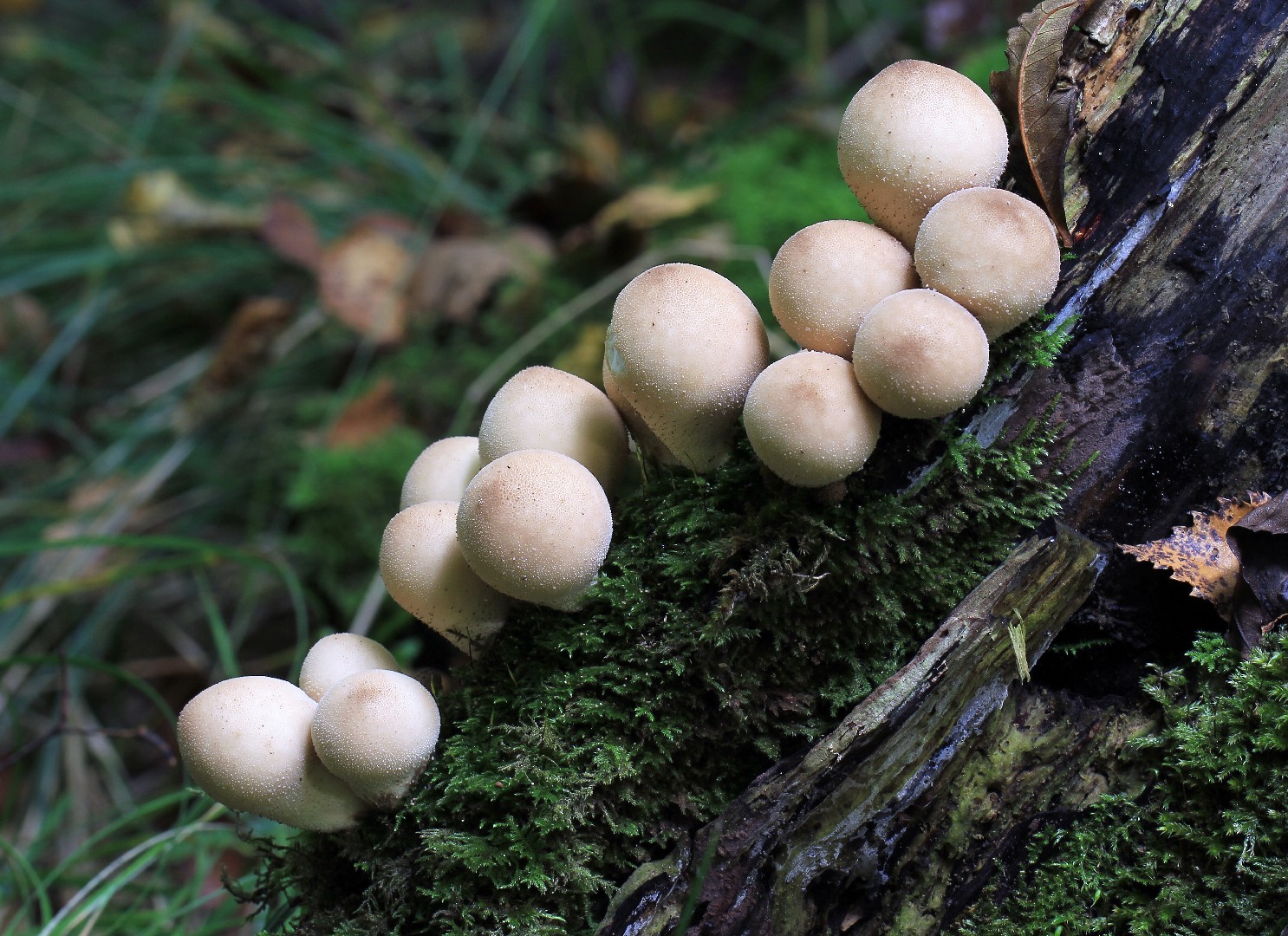
1. Pear-shaped puffball
The mushrooms of this species grow in such tight clusters that they may cover fallen trees and stumps almost entirely in a brownish, puffy coat. Pear-shaped puffballs appear all around the northern hemisphere on decaying hardwoods from fall through winter.
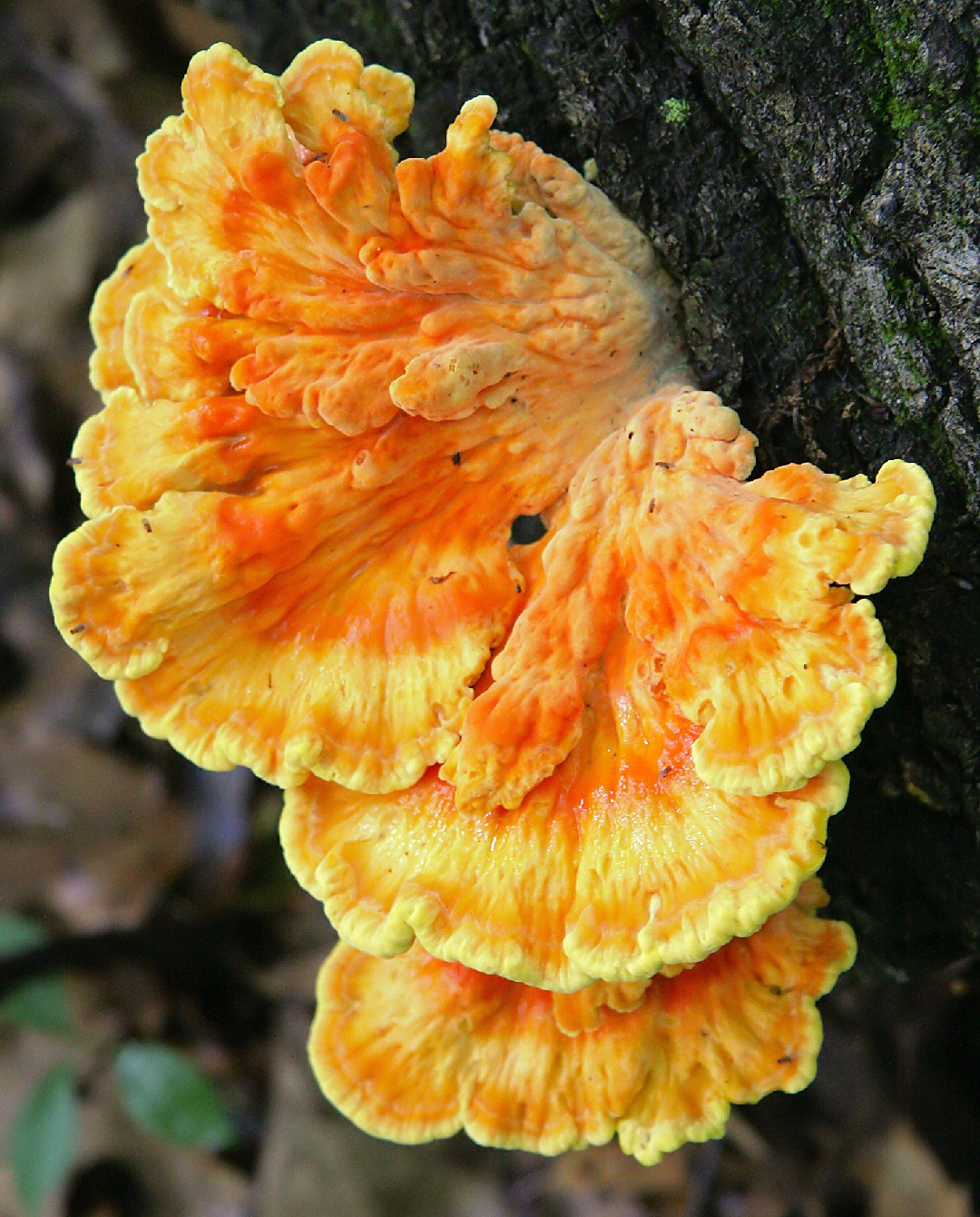
2. Chicken of the woods
Chicken of the woods is very noticeable in hardwood forests, appearing in clusters on standing tree trunks in bright orange and yellow hues that sometimes last through the entire winter. It is a parasite that causes an unfortunate brown heart rot, and is considered a particularly troublesome pest of Yew trees. If the fruitbodies can be seen, the tree is likely already beyond saving.
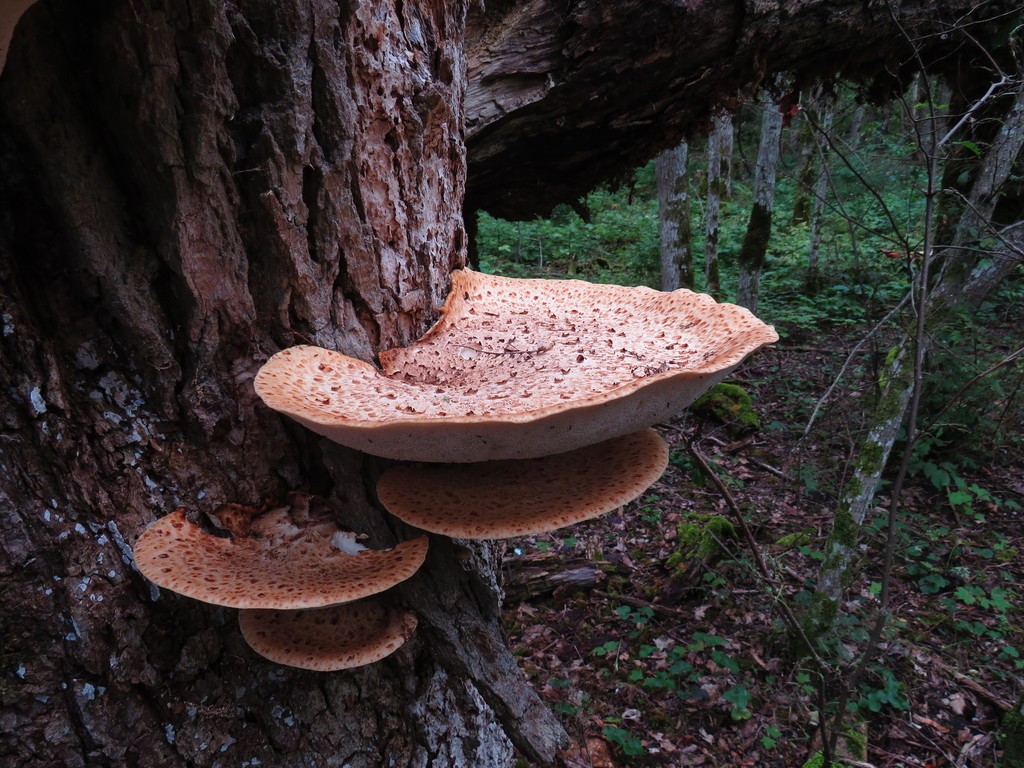
3. Dryad's saddle
A familiar sight to spring morel hunters, dryad's saddle is noteworthy for its large size, striking scales, and watermelon-like smell. Similar to other mushrooms in the bracket fungi family, dryad's saddle can be used to make paper. Younger mushrooms are better suited for this purpose due to their smaller and more consistent fibers.
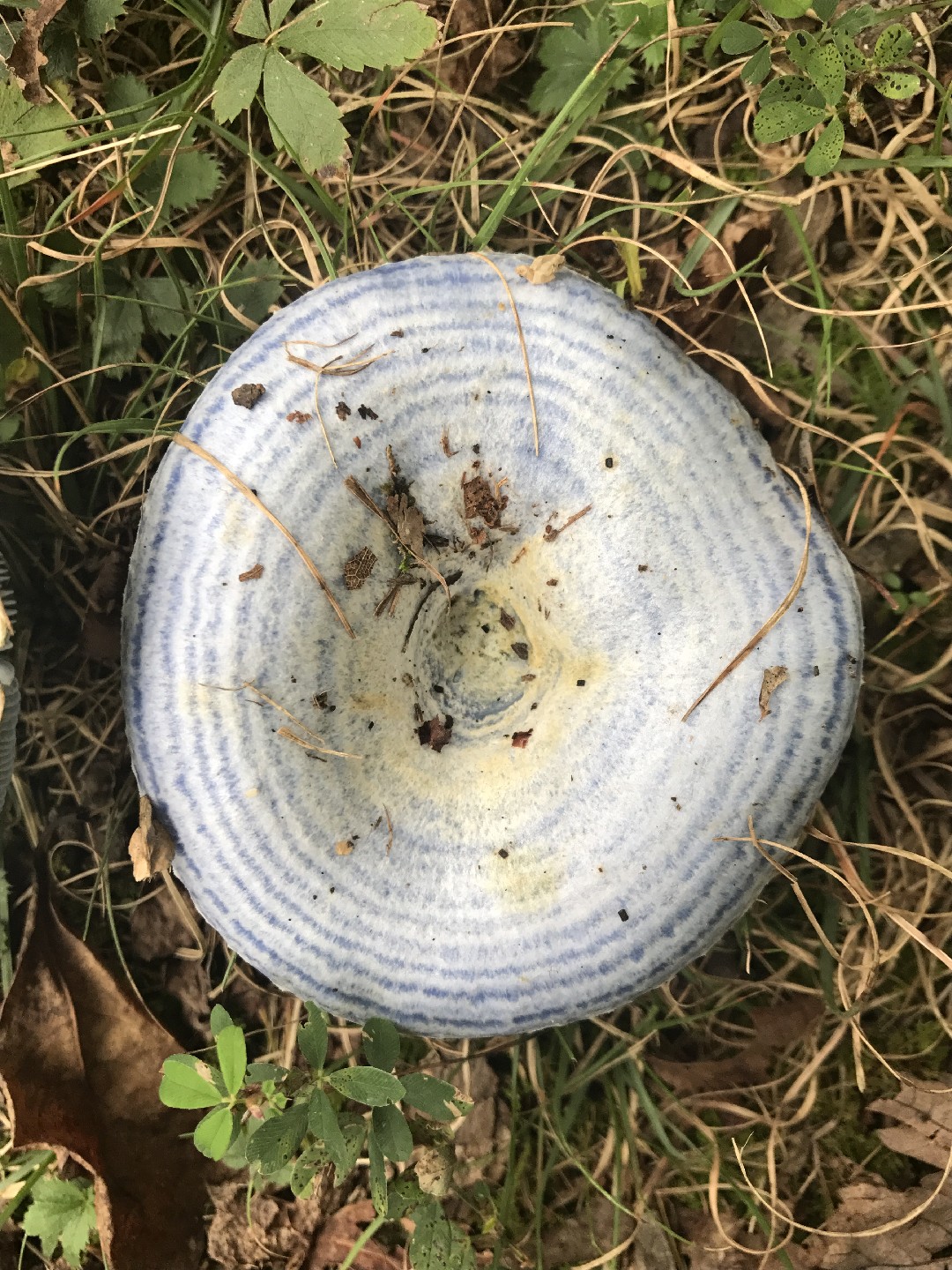
4. Indigo milk cap
This gorgeous species is unlike any other. The indigo milk cap, a member of the often-drab russula family, is deep blue in color. Like other milk caps, it bleeds a latex-like substance when cut or damaged, but instead of the usual white this species bleeds deep blue.
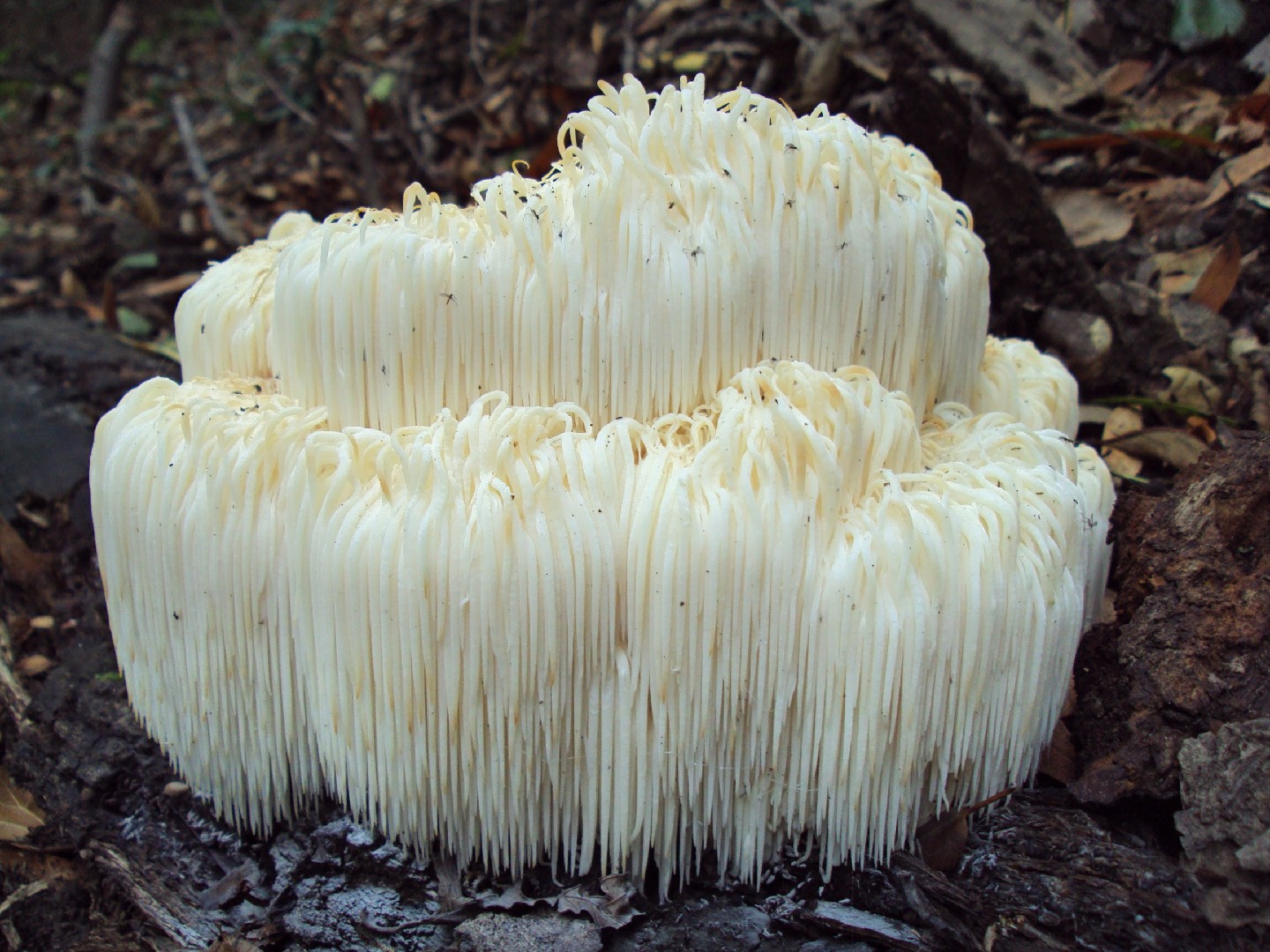
5. Lion's Mane Mushroom
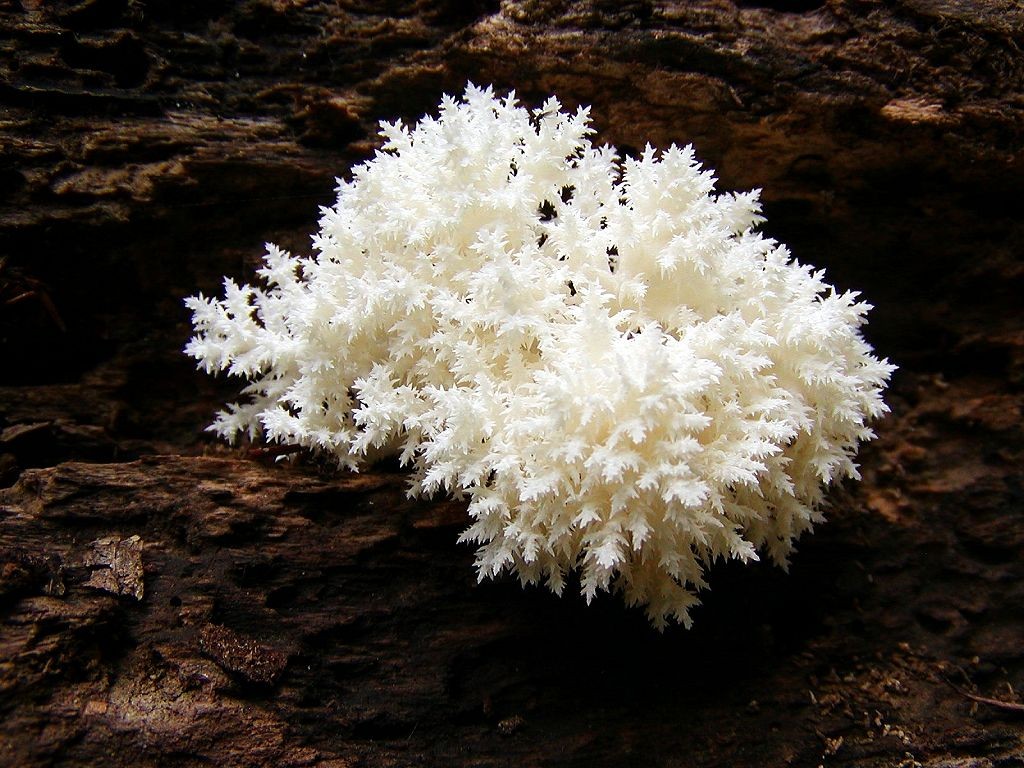
Lion's Mane Mushroom(Hericium erinaceus) is easily identifiable by its characteristic appearance, reminiscent of the majestic mane of a lion. It often sprouts along hardwoods, which may be living or dead. Scientists thus debate whether this species is truly parasitic or merely saprophytic in nature.
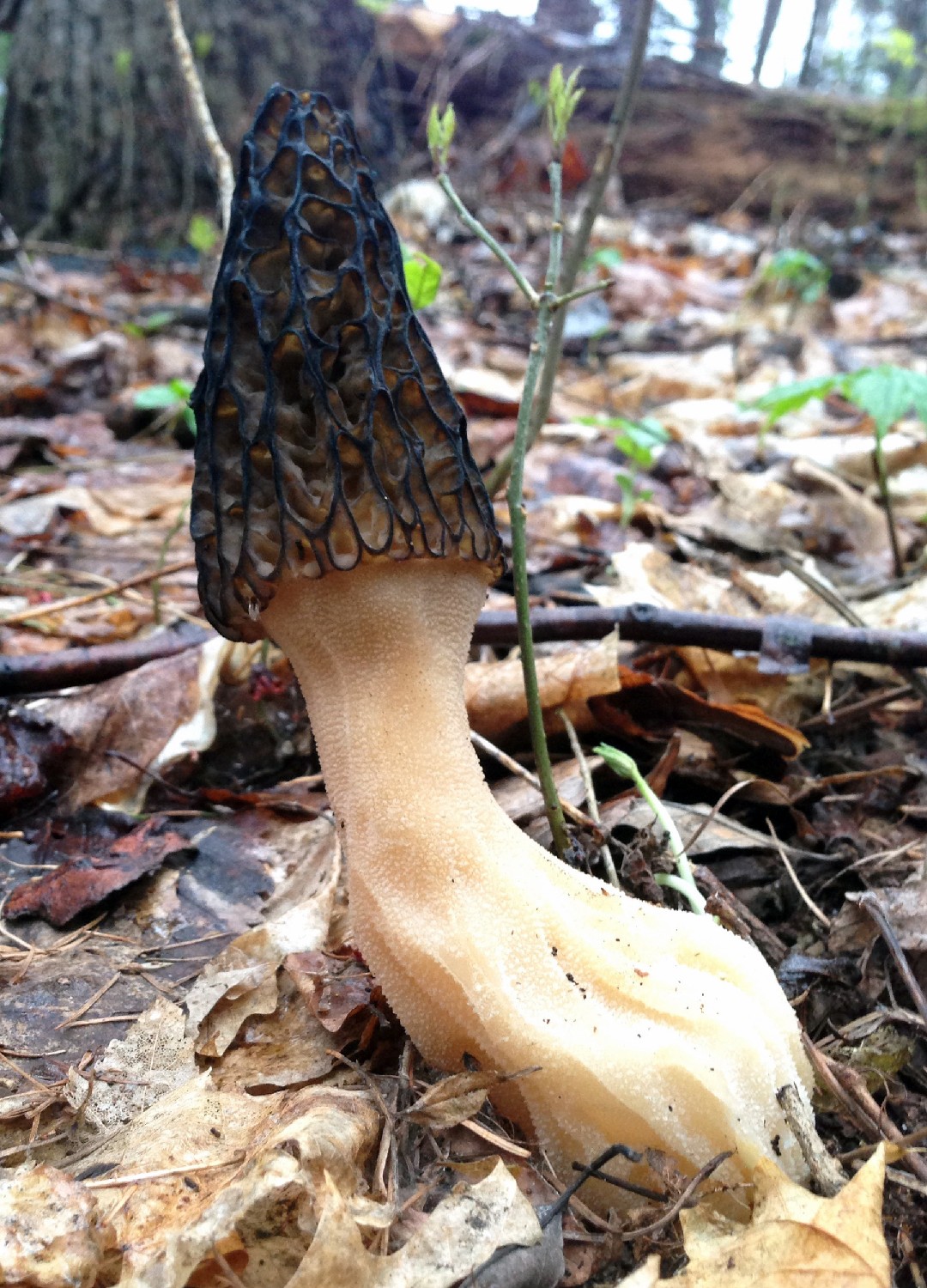
6. Black morel
The most widespread of all morels in North America, black morel doesn't grow in burn sites or on wood, which is the main characteristic of all morel species. It occurs early in the season, before yellow morels. Black morels can be distinguished from yellow morels due to their ridges being darker than their pits.
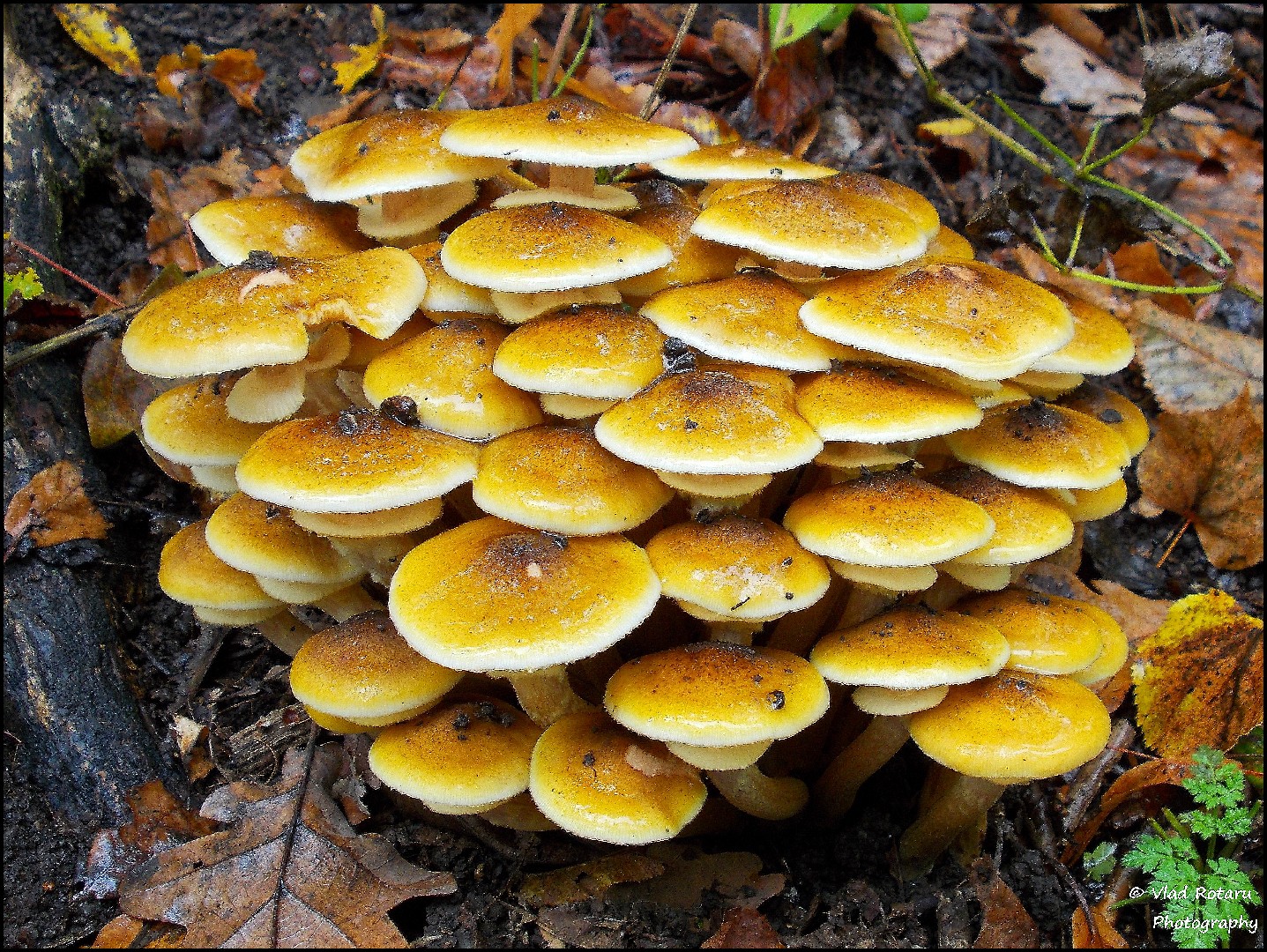
7. Honey fungus
The honey fungus is a parasitic fungus that grows on the roots of many woody and perennial plants, damaging and possibly killing its host. It spreads underground and is considered to be the most damaging fungal disease in gardens across the UK. The appearance of the mushrooms above-ground heralds a much more extensive infection below.
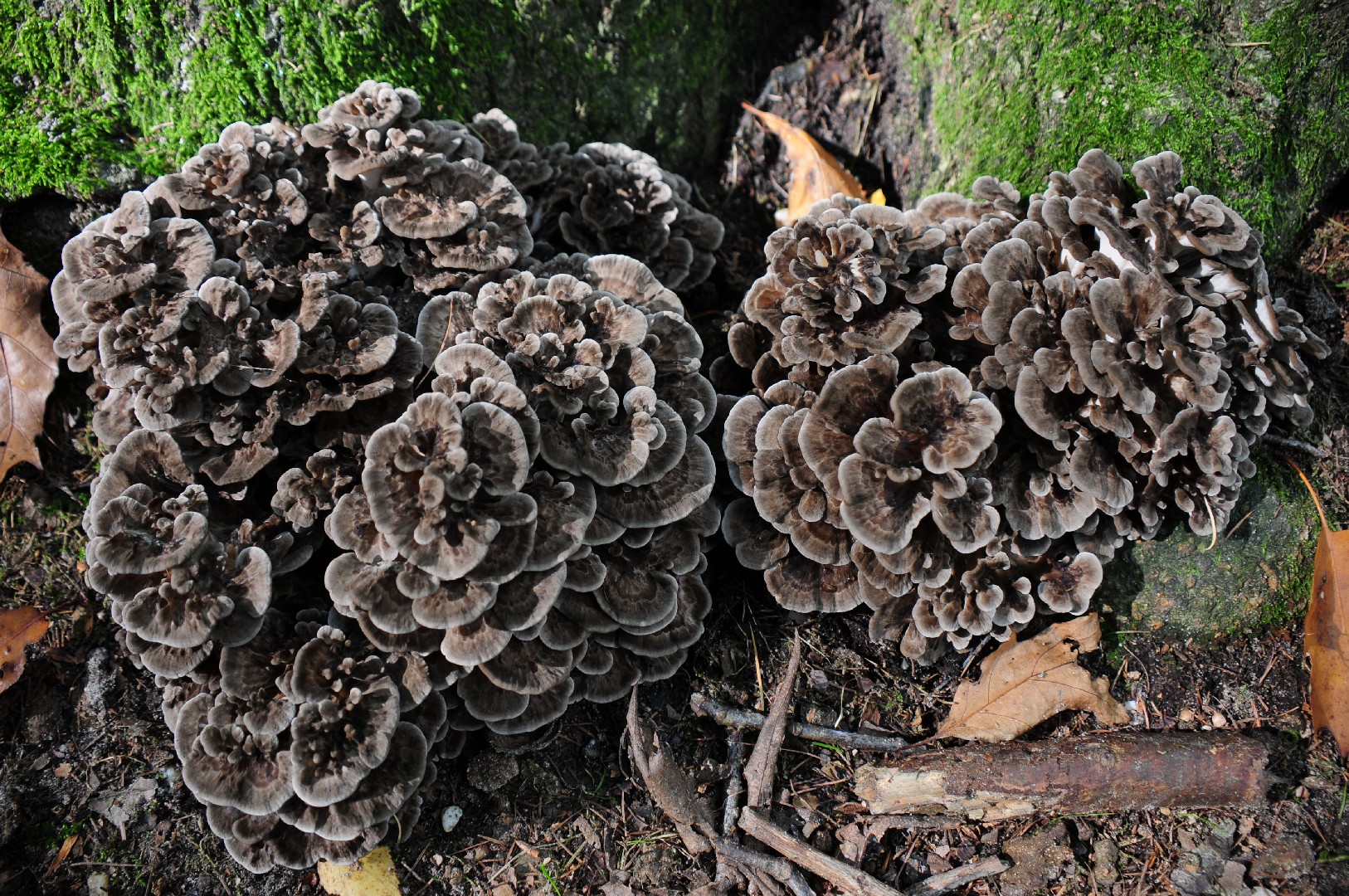
8. Hen-of-the-woods
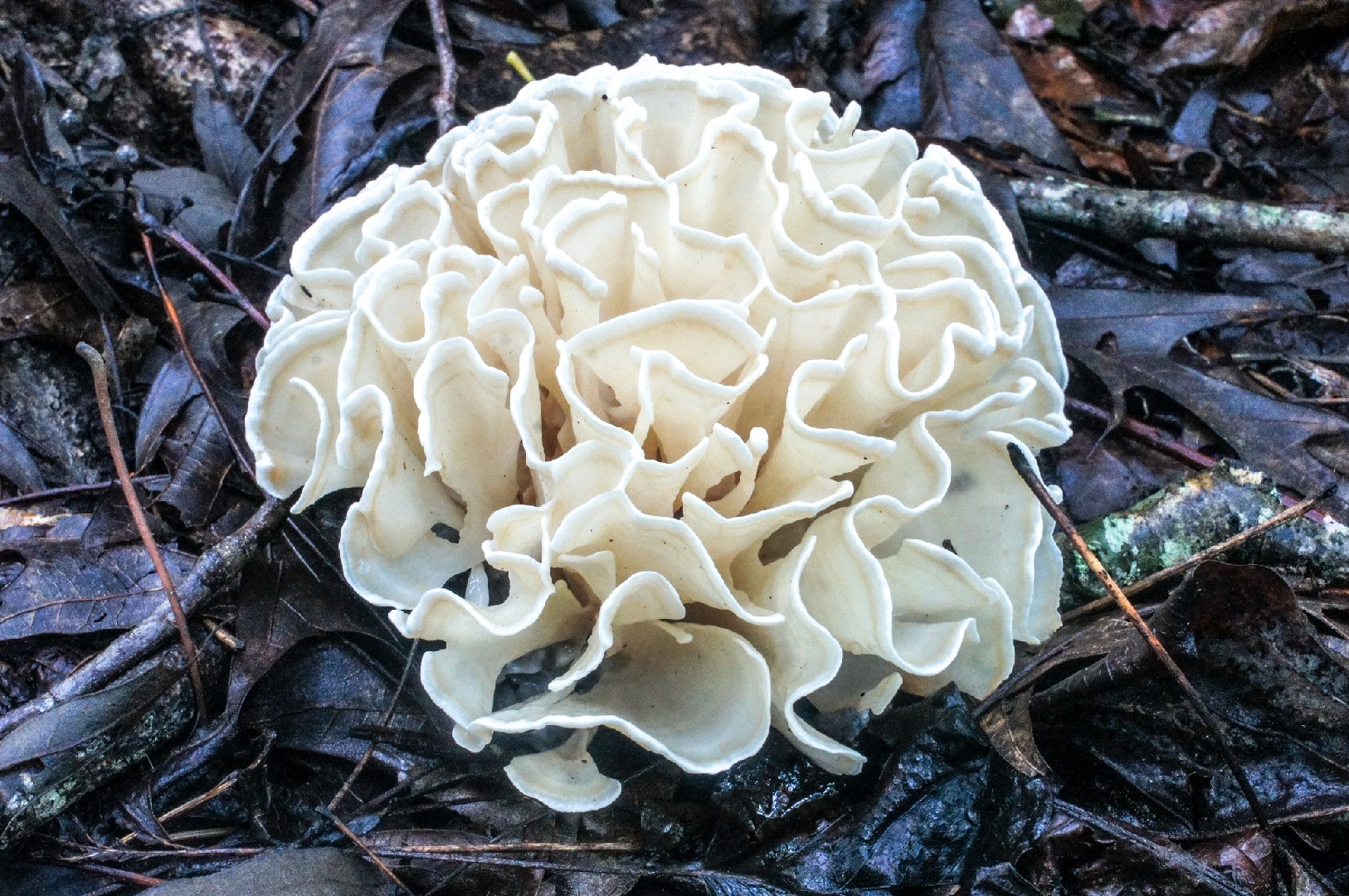
Often found at the base of oak trees, this clustered fungus grows in distinctive rosettes. It attacks the roots of living hardwood trees. Hen-of-the-woods is considered edible when harvested young, and is cultivated in Japan on top of compressed sawdust.
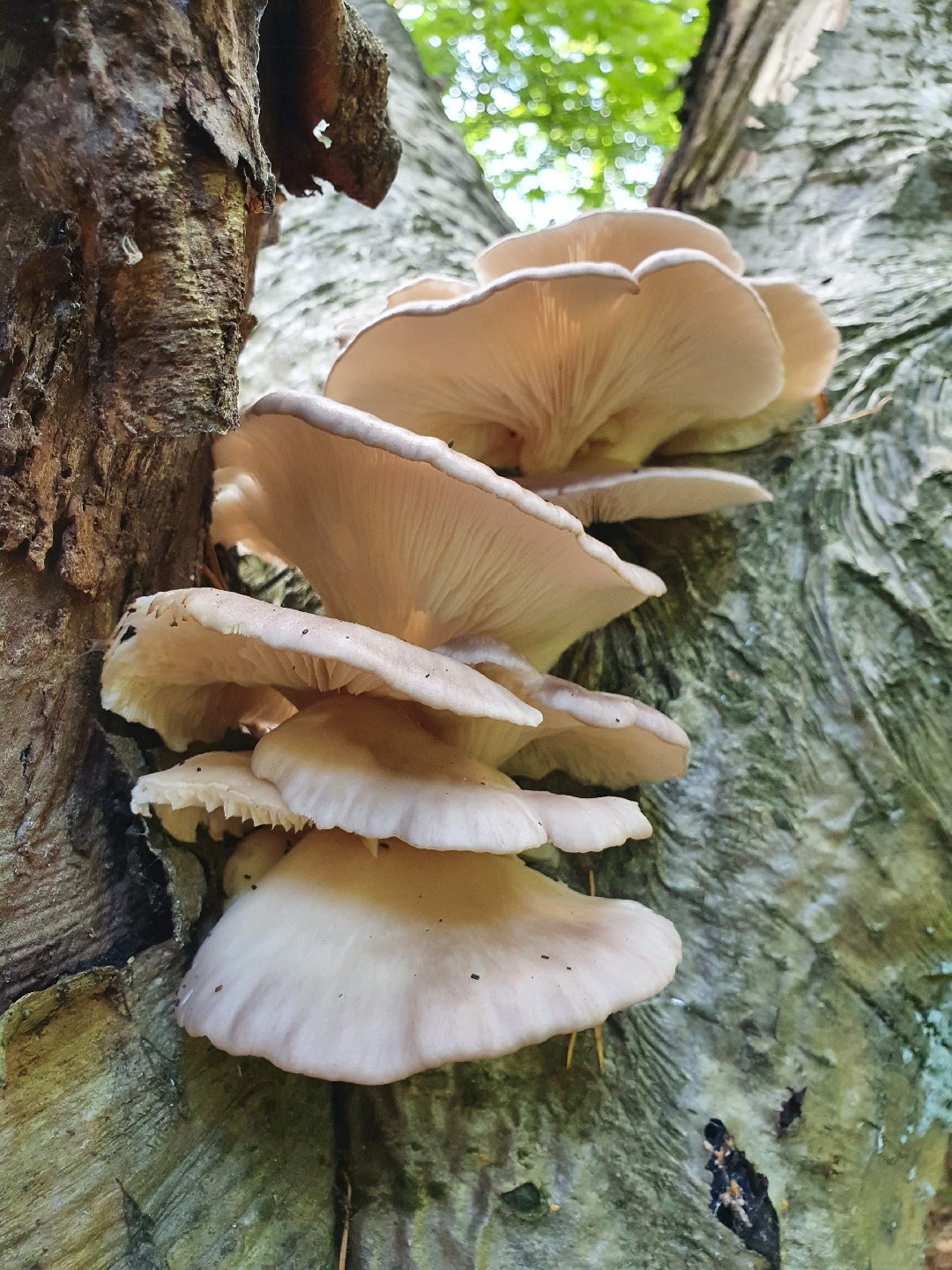
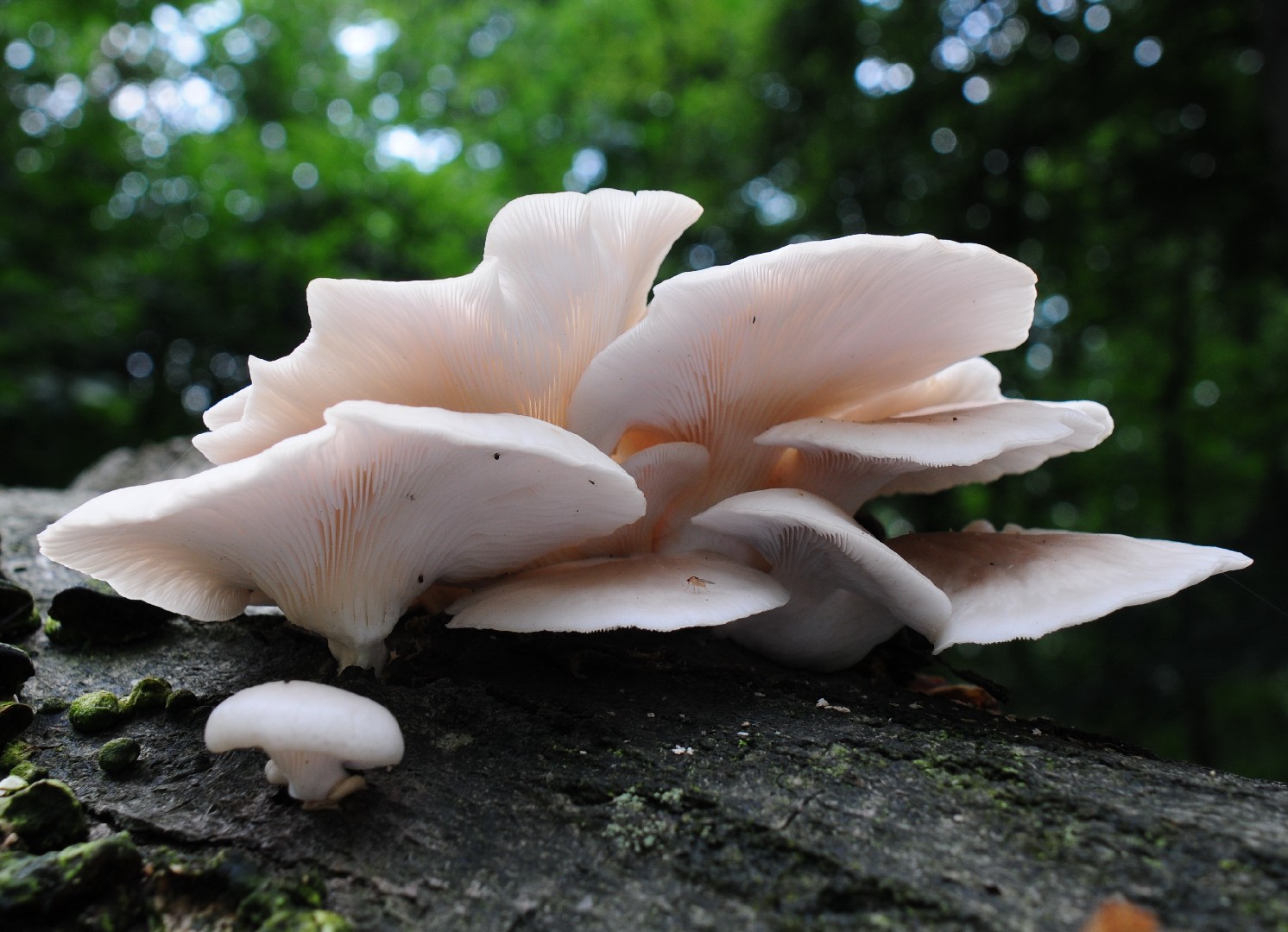
9. Veiled oyster
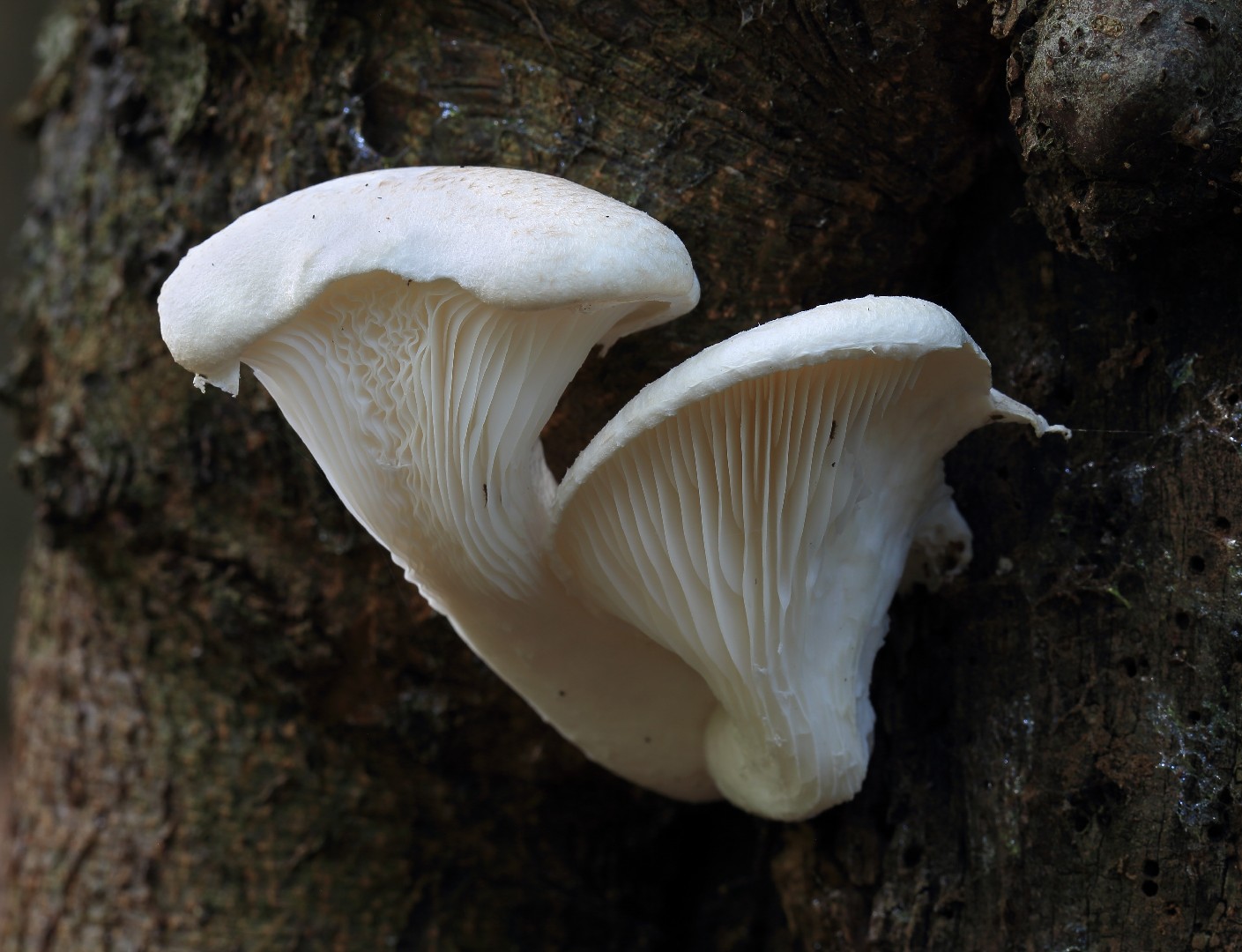
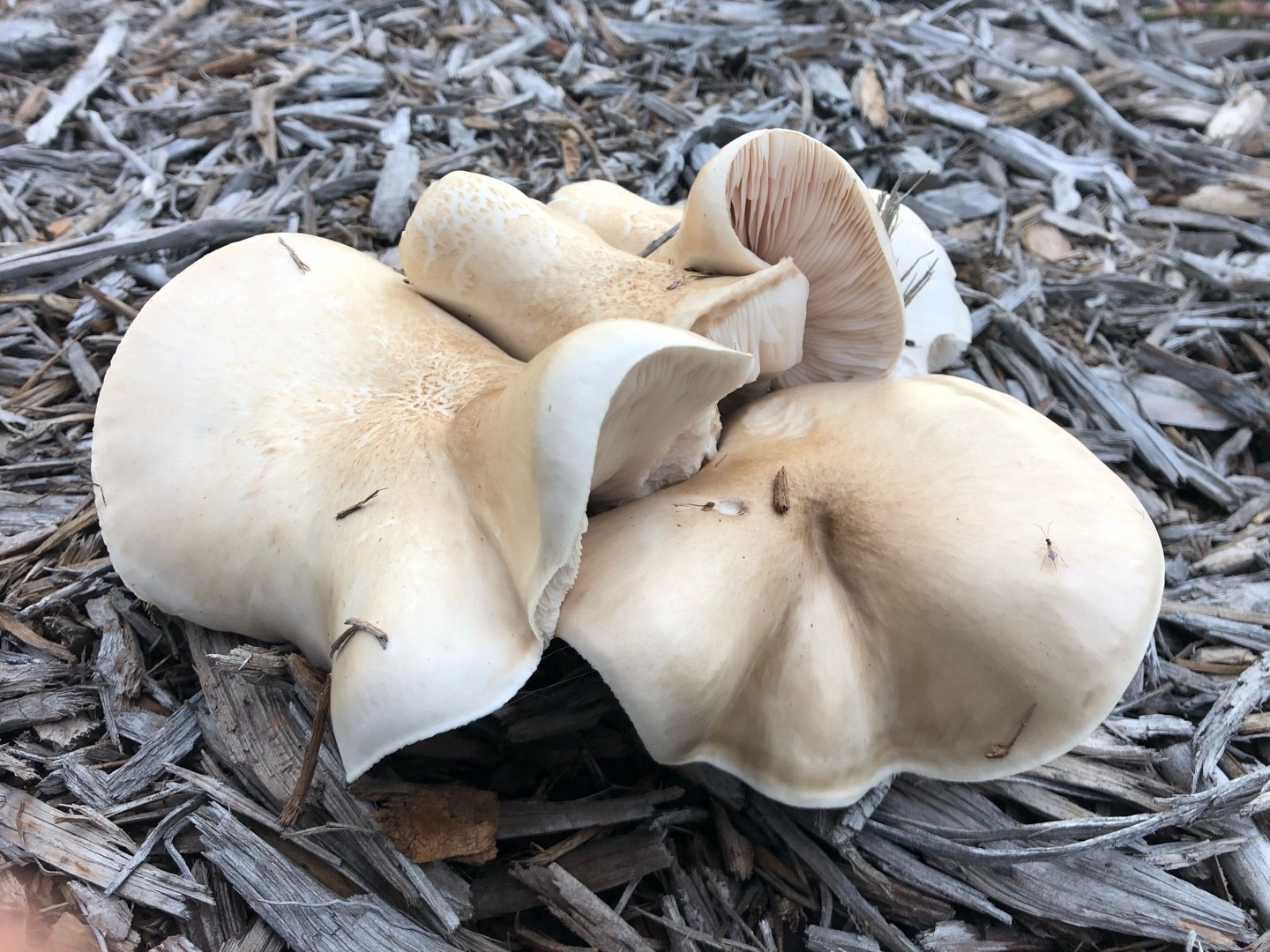
Veiled oyster(Pleurotus dryinus) becomes increasingly yellowish with age, and it may sprout on either dead or living wood (bearing a noted relationship with oaks). This species eschews others of its kind, most commonly appearing alone or in small groups. Foraging for consumption is not recommended.
10. Black-footed polypore
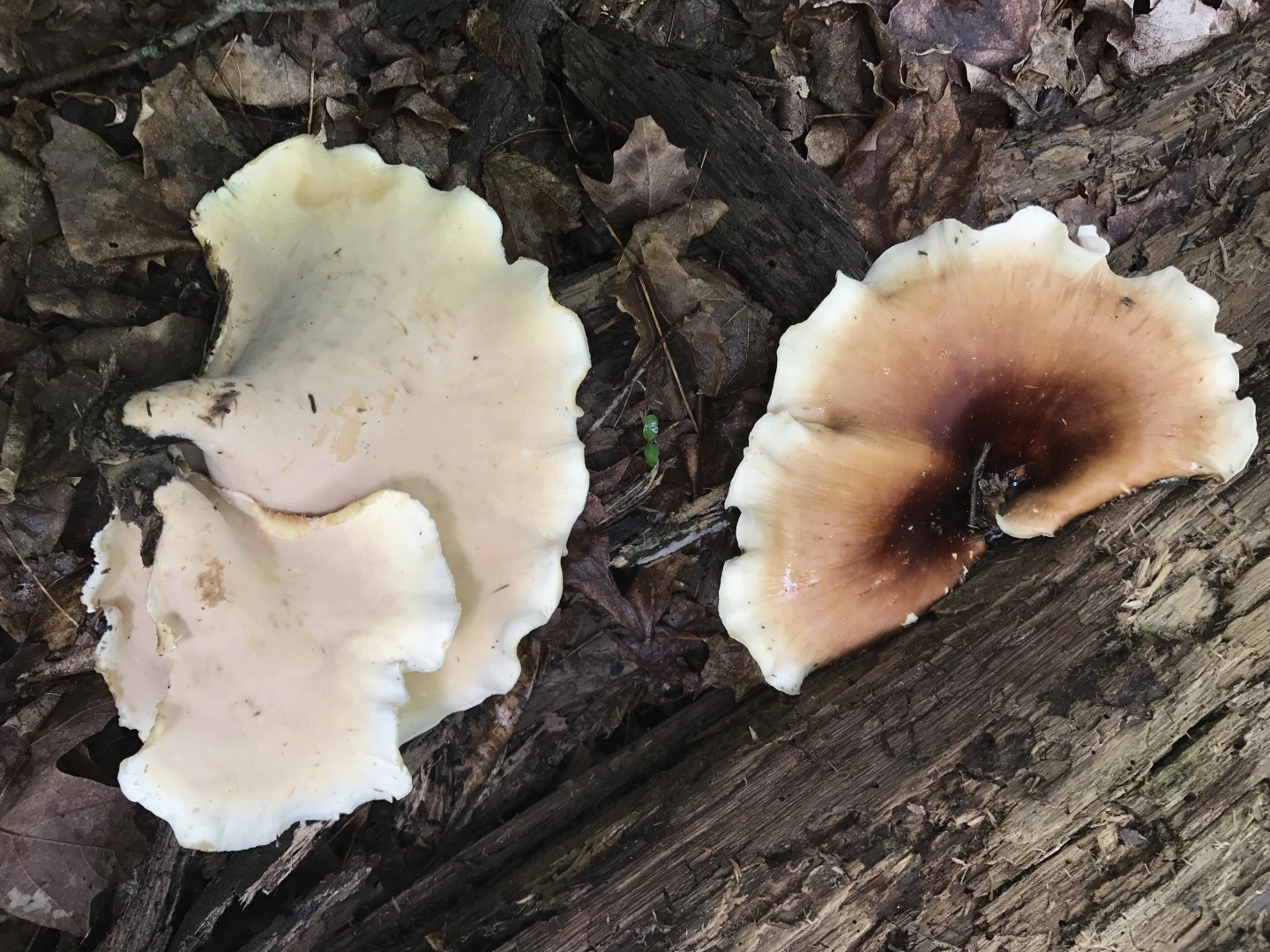
This inedible fungus grows on fallen wood and stumps of deciduous trees. Black-footed polypores have the ability to remain through the winter, as they rot very slowly after releasing their spores. They are thus appreciated for providing a bit of visual interest in winter landscapes.
More







