




Top 20 Edible Mushrooms Popular in Coral Springs
Nestled in the sun-drenched state of Florida, Coral Springs presents an excellent habitat for a variety of fungi due to its sub-tropical climate and lush vegetation. Our comprehensive guide to the 'Top 20 Most Common Edible Mushrooms in Coral Springs' provides detailed descriptions of these bountiful fungi, focusing on their distinctive features, flavors, growing conditions, and culinary applications. Unmask the rich and delectable world of mushrooms native to Coral Springs and enhance your foraging and culinary expertise.
* Disclaimer: Content feedback CAN NOT be used as any basis for EATING ANY PLANTS. Some plants can be VERY POISONOUS, please purchase edible plants through regular channels.

Most Popular Edible Mushrooms
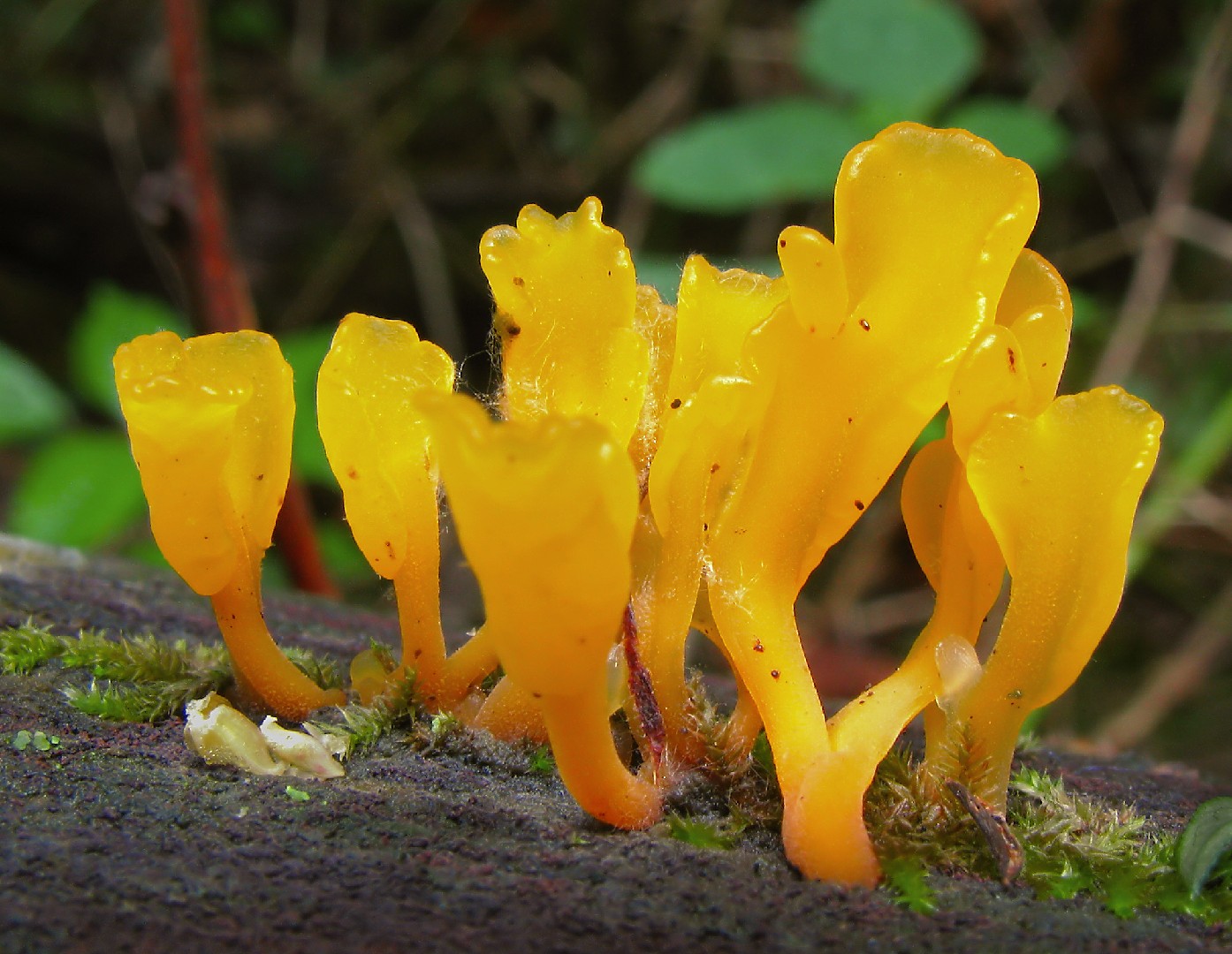
1. Fan-shaped jelly-fungus
Just as its Latin and the common English names suggest, the fan-shaped jelly-fungus (Dacryopinax spathularia) is a fan-shaped or spatula-shaped jelly-like mushroom. It commonly grows in wood cracks and it sometimes even appears in the cracks of the processed wood and lumber. Despite the word "jelly" in its name, the fan-shaped jelly-fungus is not considered edible.
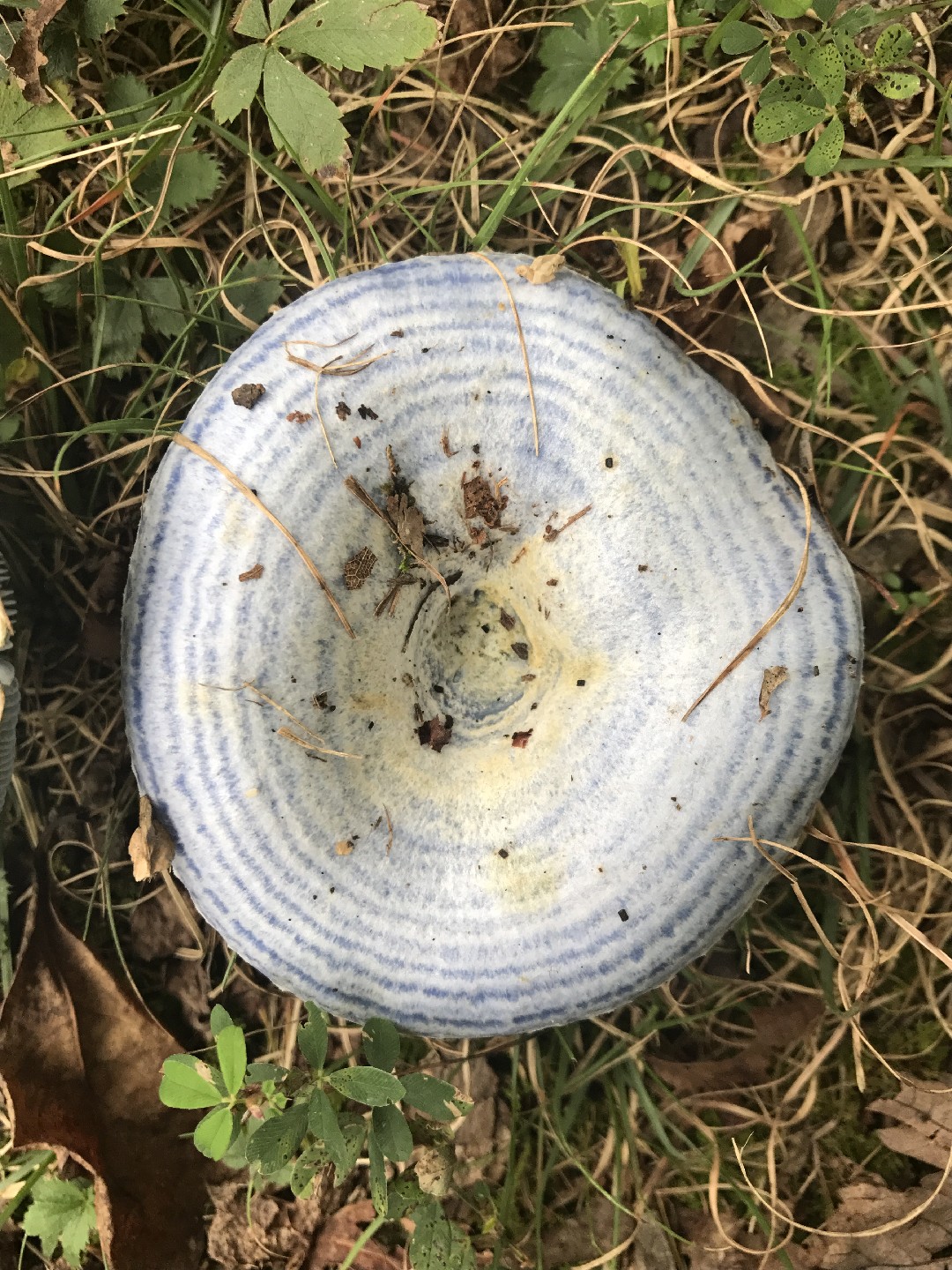
2. Indigo milk cap
This gorgeous species is unlike any other. The indigo milk cap, a member of the often-drab russula family, is deep blue in color. Like other milk caps, it bleeds a latex-like substance when cut or damaged, but instead of the usual white this species bleeds deep blue.
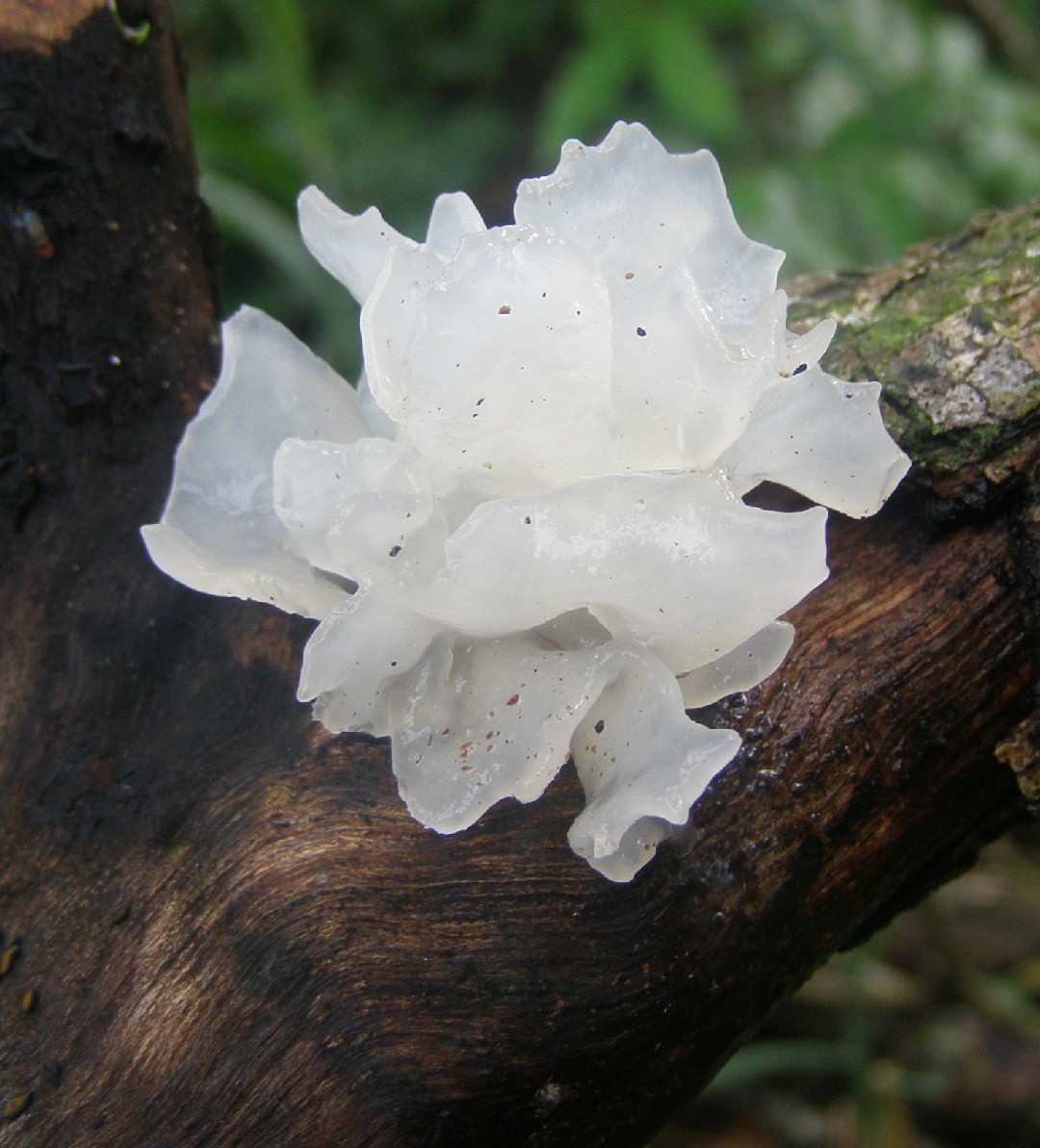
3. Snow fungus
Snow fungus (Tremella fuciformis) is so-named not because it is associated with winter, but, rather, because its fruitbodies look like little piles of snow fungus on the ground. This fungus actually inhabits very warm - tropical and subtropical - locations around the globe. Snow fungus does not have much taste, but it is cultivated for culinary use across East Asia, where it is often added to thicken soups and desserts.
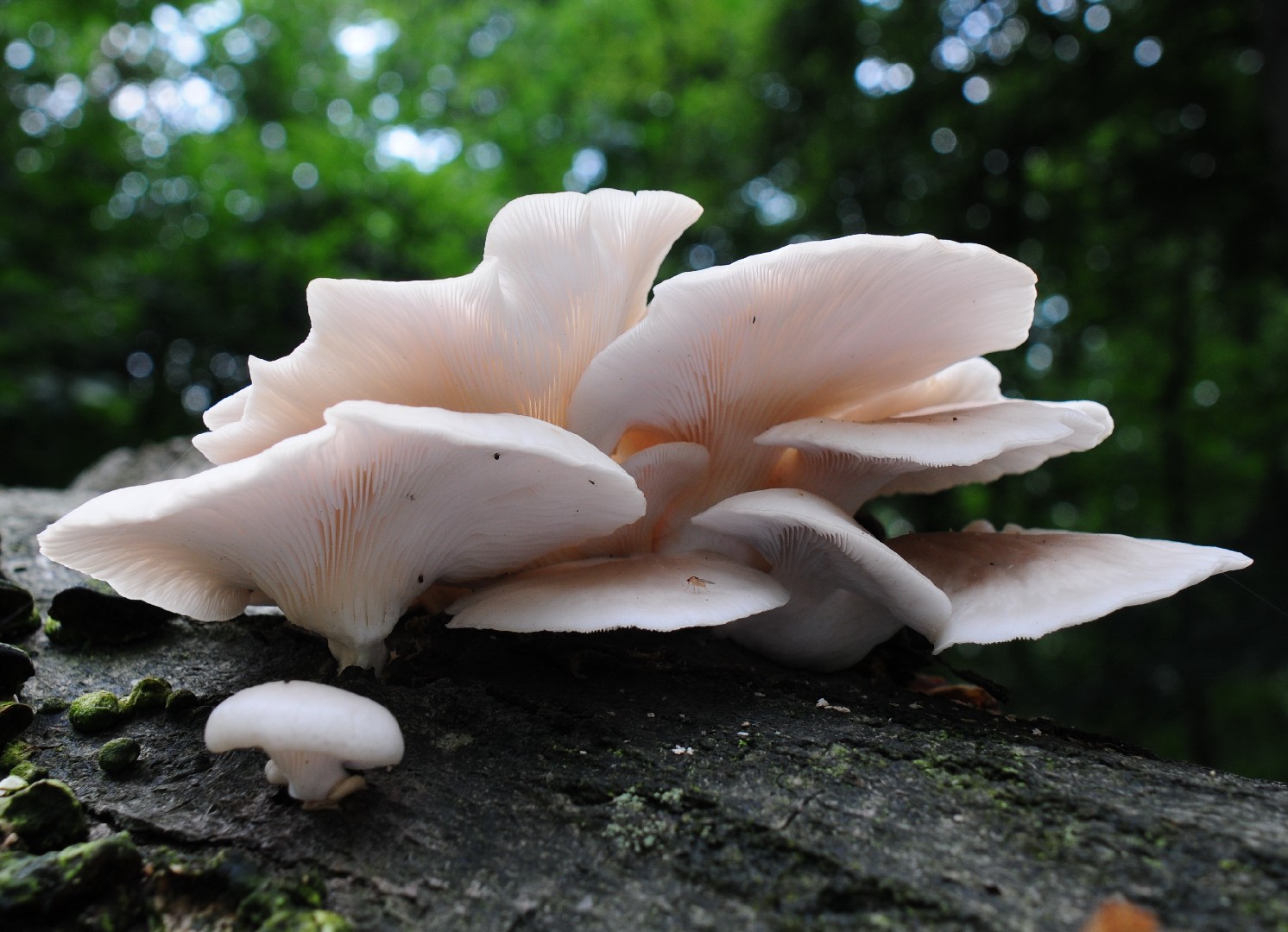
4. Lung oyster
Developing all around the northern hemisphere, lung oyster mushrooms grow in overlapping shelf-like clusters on deciduous branches, trunks, and fallen logs in the wild. They are easy to cultivate on other substrates, like spent coffee grounds and sawdust, for commercial production. They are generally considered safe to eat, although some people may develop allergies.
5. Tiger sawgill
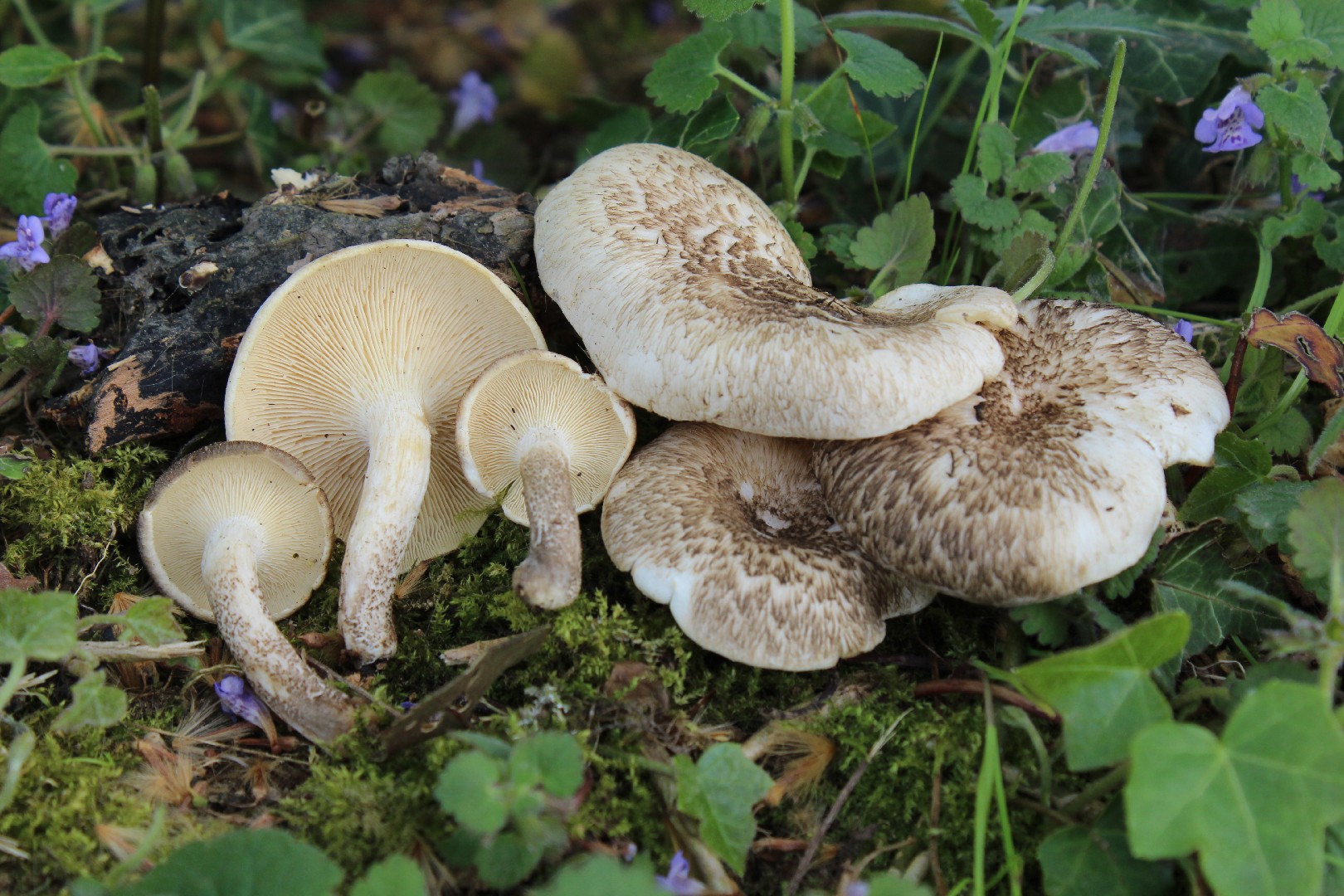
The tiger sawgill (Lentinus tigrinus) is a small mushroom with a name that is not particularly accurate. Sporting neither the color nor the pattern that we commonly associate with the tiger, it has a subdued, pale cap that is usually covered in brown patches. The eighteenth-century European that named the species may have been thinking of a leopard.
6. Scaly shield
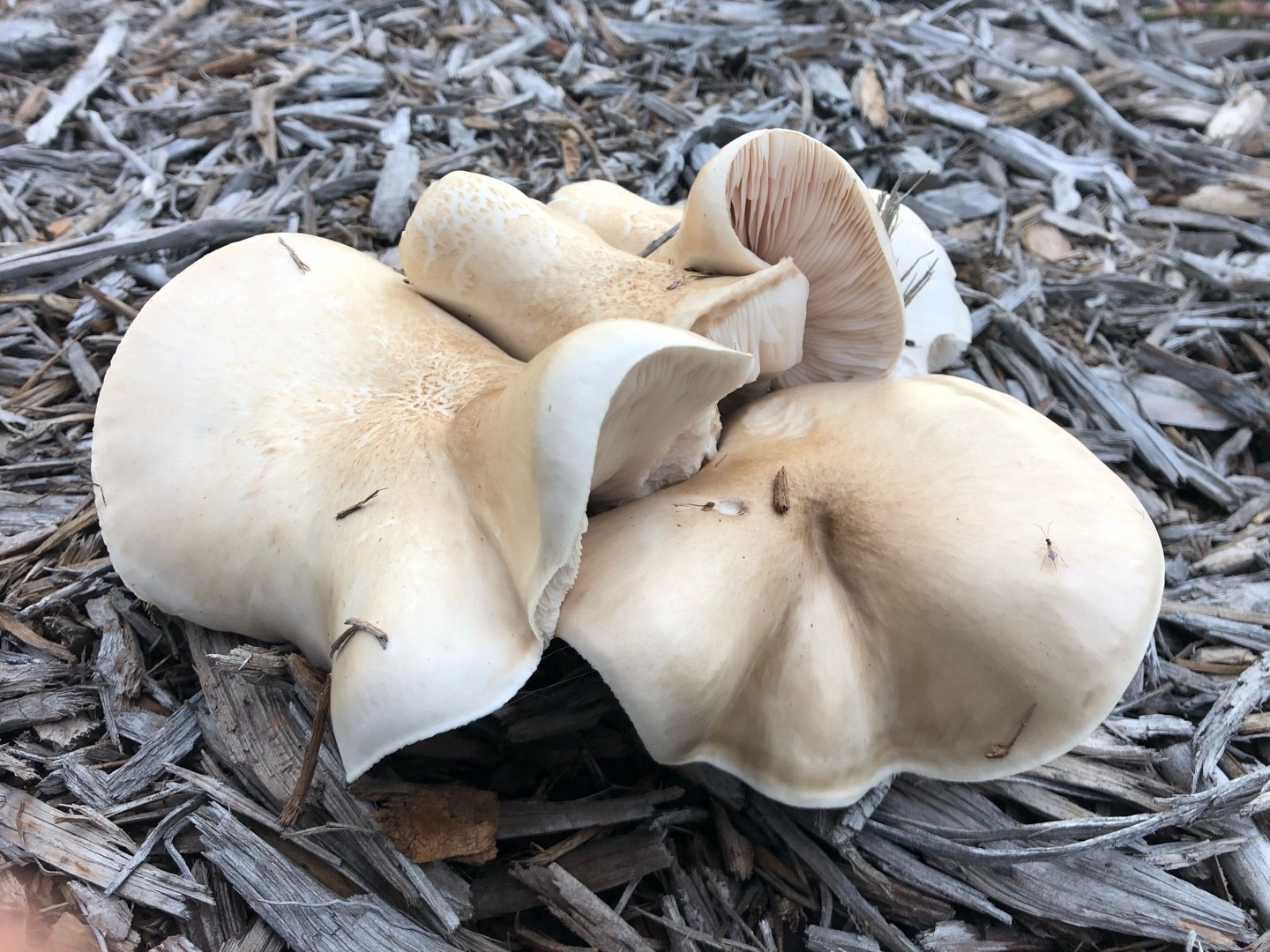
The medium-sized fruitbodies of the scaly shield can be found across much of eastern North America. As it is fond of growing in mulch or woodchips, it is most commonly encountered in parks, yards, and gardens. The species is easily confused with its close cousin, Pluteus cervinus (also known as the "deer mushroom"), though Pluteus petasatus usually develops a distinct pinkish hue on its gills, wheras P. cervinus does not.
7. Shoehorn oyster
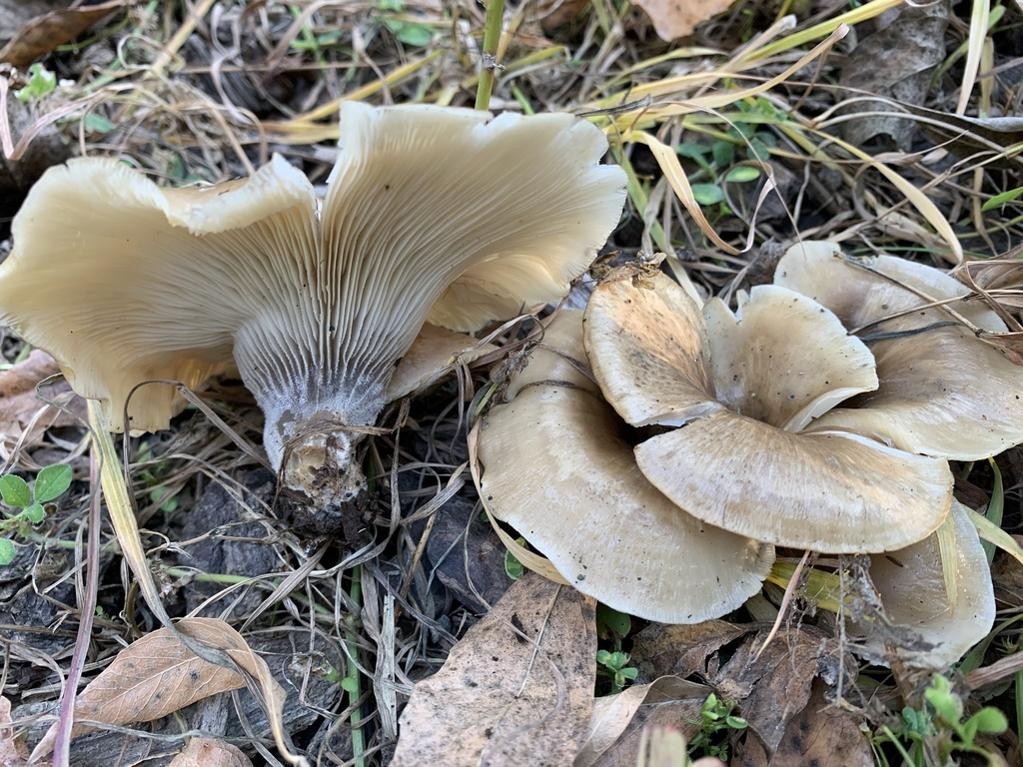
The shoehorn oyster (Hohenbuehelia petaloides) fruits with an elongated, petal-shaped cap that often bears a resemblance to a shoehorn. Shoehorn oysters are unusual in that, in addition to digesting decaying wood, they also have structures which allow them to capture and digest nematodes, tiny worms that often feed on mushrooms.
8. Chestnut bolete
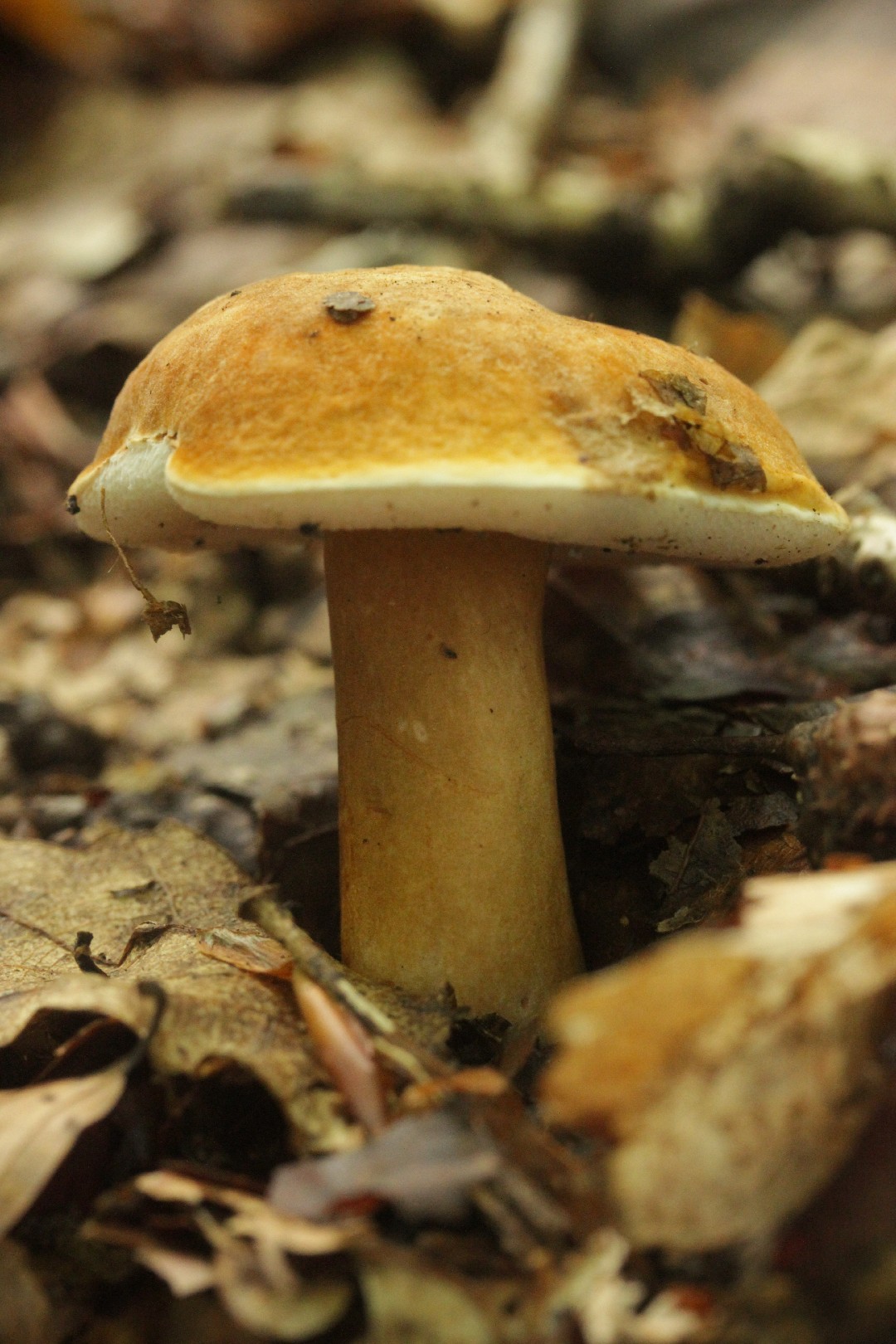
Chestnut bolete(Gyroporus castaneus) is most readily identified by its cap, which tends to split and flare as the mushroom grows older. It often grows in groups, particularly in the presence of oaks, and its stem is hollow--one of its most salient features. It is found in Europe and eastern North America.
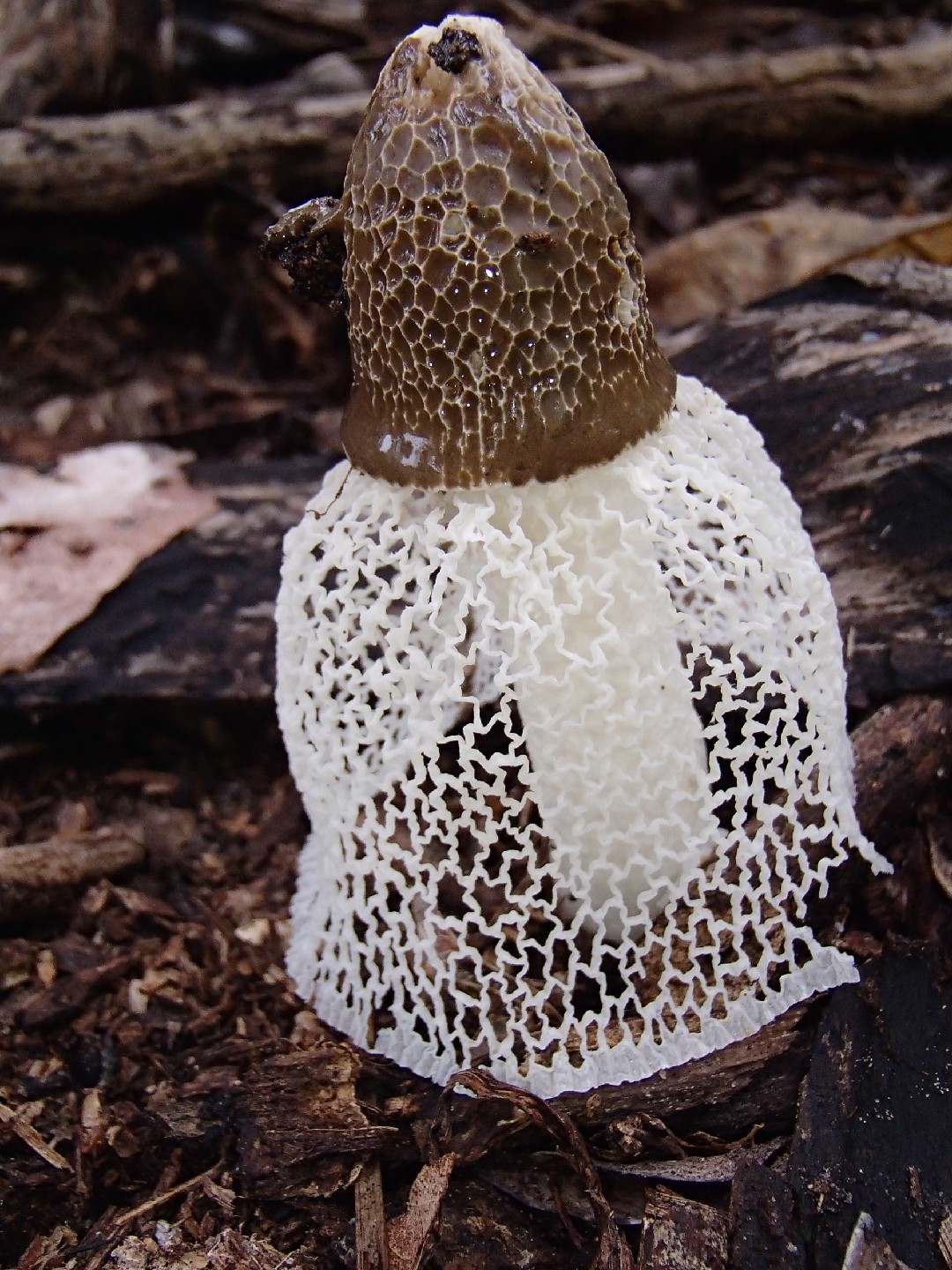
9. Bridal veil stinkhorn
Bridal veil stinkhorn (Phallus indusiatus) can be found rising up from the ground in tropical forests around the world. A distinctive netted fringe “skirt” descends from the cap along the length of the stalk. A type of “stinkhorn,” the fruitbodies of this species produce scents that vary between sickly-sweet to just plain unpleasant. The odor is meant to attract insects that usually lay their eggs in carrion.
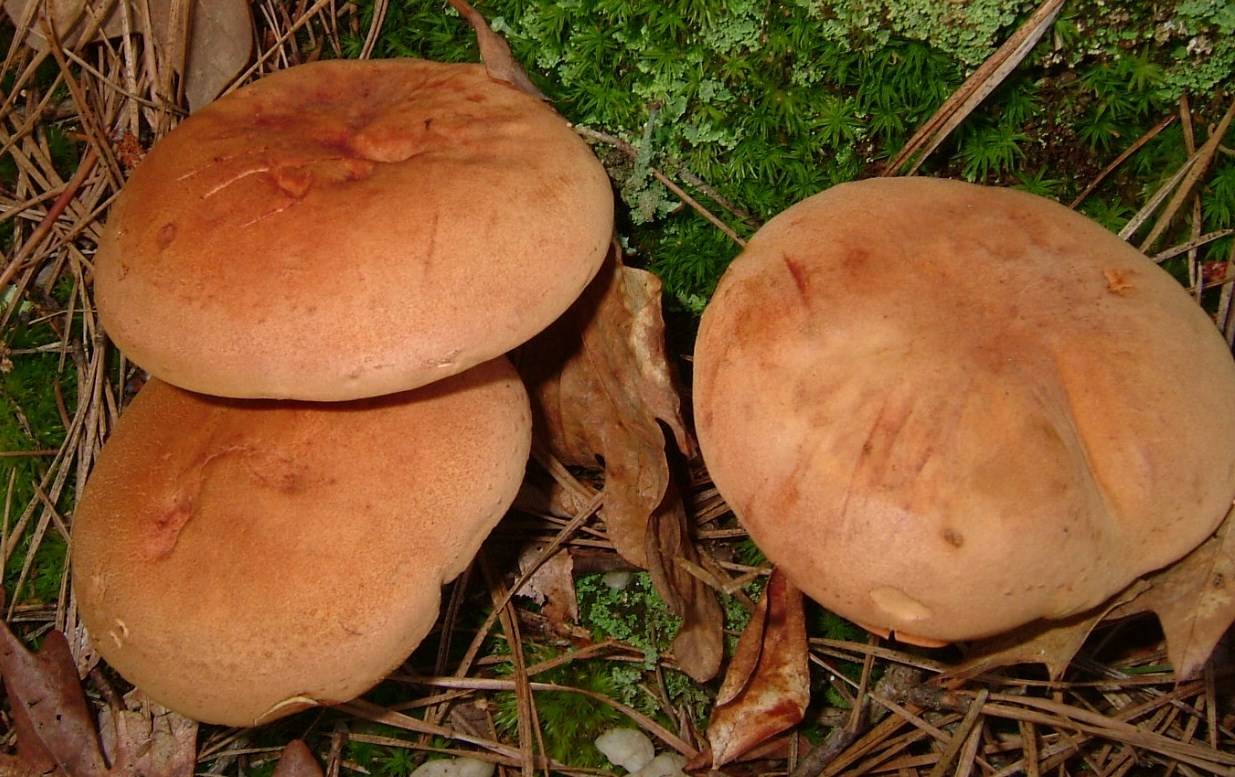
10. Gilled bolete
The gilled bolete (Phylloporus rhodoxanthus) is a unique variety of bolete because instead of having the typical pores on the underside of their caps, they have deeply-fissured gills. Since they do have traits more common to other species, it is easy to confuse these with toxic mushrooms, although they are not known to be poisonous themselves.


More







