




Top 20 Edible Mushrooms Popular in Cottonwood
Nestled in the heart of Cottonwood, a city known for its diverse eco-system and lush vegetation, mushrooms thrive in abundance, creating a mycologist's dream. Amongst these fungi flora, 20 species are relished as edible delights. Each, varying in appearance from intriguingly peculiar to stunningly majestic, possesses unique flavors. They grow in distinctive habitats and serve numerous culinary purposes. Our feature reveals these culinary mushrooms and their unique stories, keeping you informed and well-equipped on your next mushroom hunting adventure. Enjoy this delectable journey through the wild edibles of Cottonwood.
* Disclaimer: Content feedback CAN NOT be used as any basis for EATING ANY PLANTS. Some plants can be VERY POISONOUS, please purchase edible plants through regular channels.

Most Popular Edible Mushrooms

1. Torq
The torq (Agaricus bitorquis) is a white-capped agaric that bears a resemblance to, and is closely related to, the commonly-eaten button mushroom (Agaricus bisporus). This hardy, generalist species does well even in urban environments - their white fruiting bodies can be seen poking up through woodchips, mulch, sidewalk cracks, and even asphalt.
2. Oyster mushroom
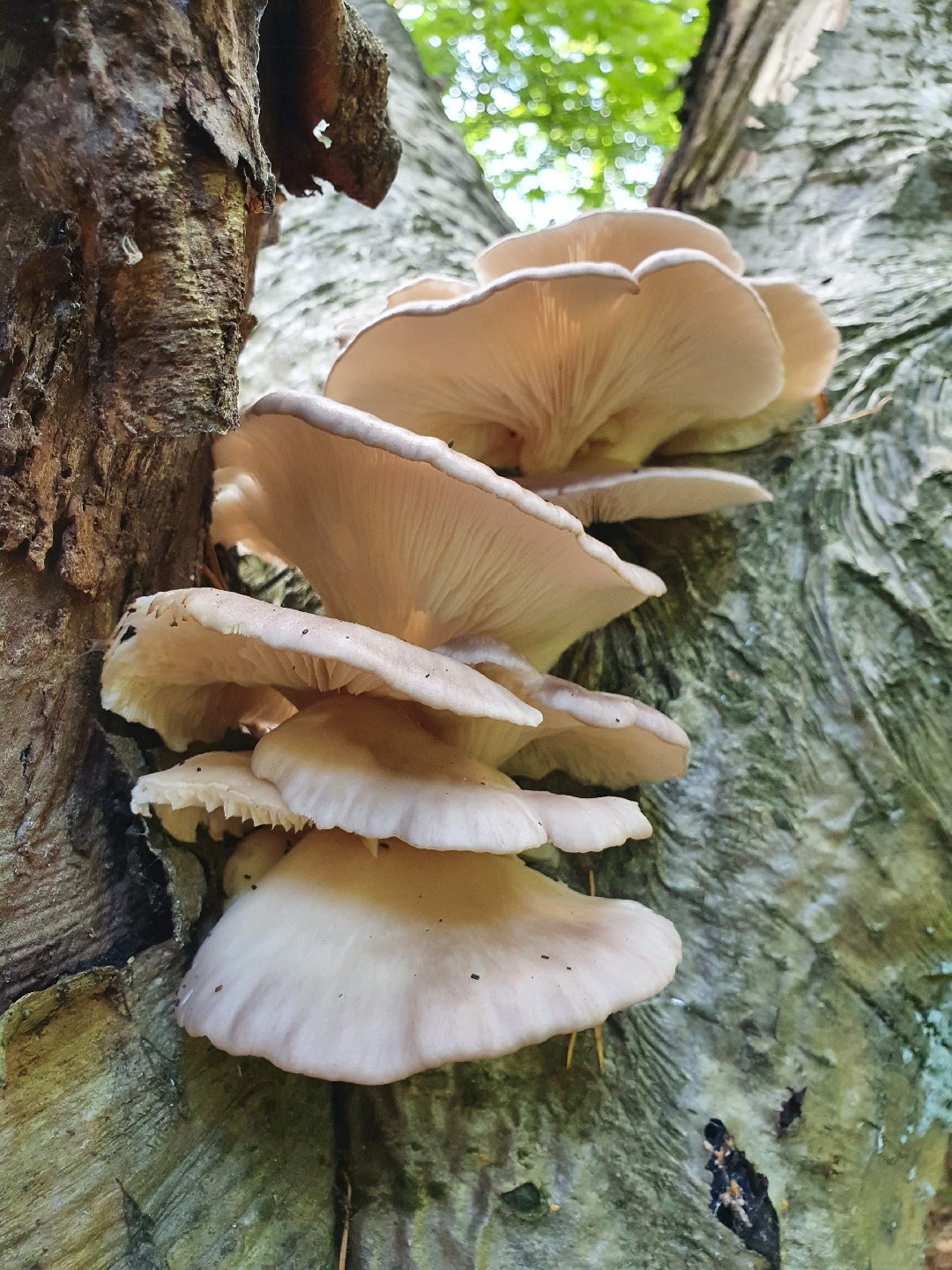
Oyster mushrooms grow wild but are also cultivated for sale in supermarkets. They can even be cultivated at home. They will grow on coffee grounds and spent grain, and are occasionally even fashioned into an environmentally-friendly substitute for styrofoam. There are several toxic look-alike species, so it is best to buy these mushrooms at the store.

3. Shaggy mane
The shaggy mane mushroom is commonly found in North American and European grasslands. Some peoples foraged for its young egg-shaped caps, but it has more recently been found to be a bioaccumulator of heavy metals, meaning it pulls toxic metals up from the soil where it grows. As a result, shaggy manes should not be eaten. The mushrooms usually appear in clusters or “fairy rings.”
4. Giant sawgill
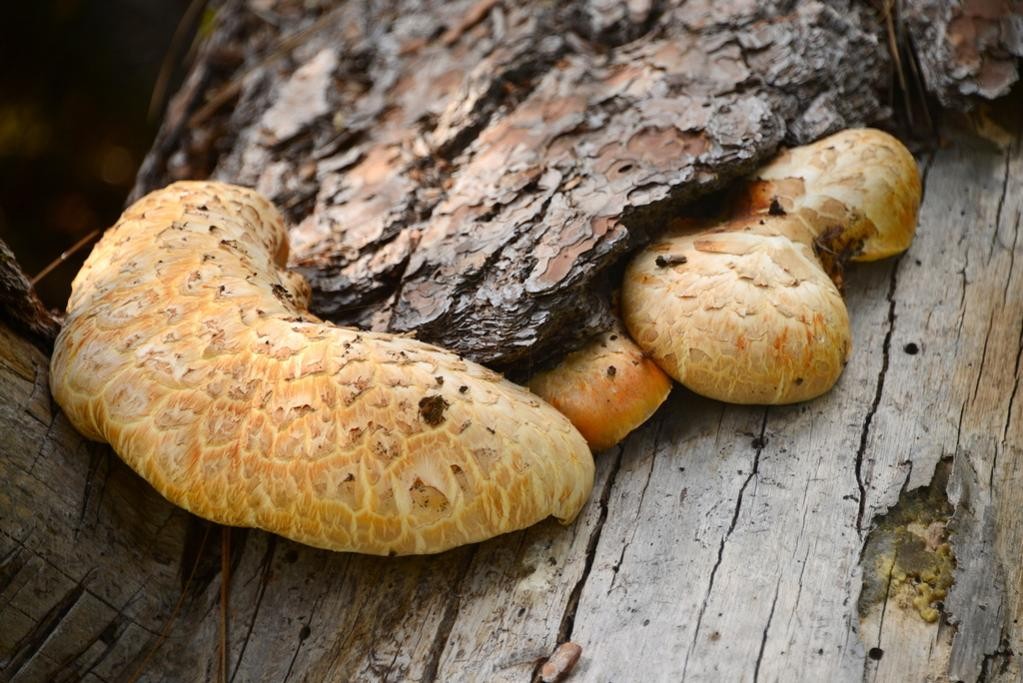
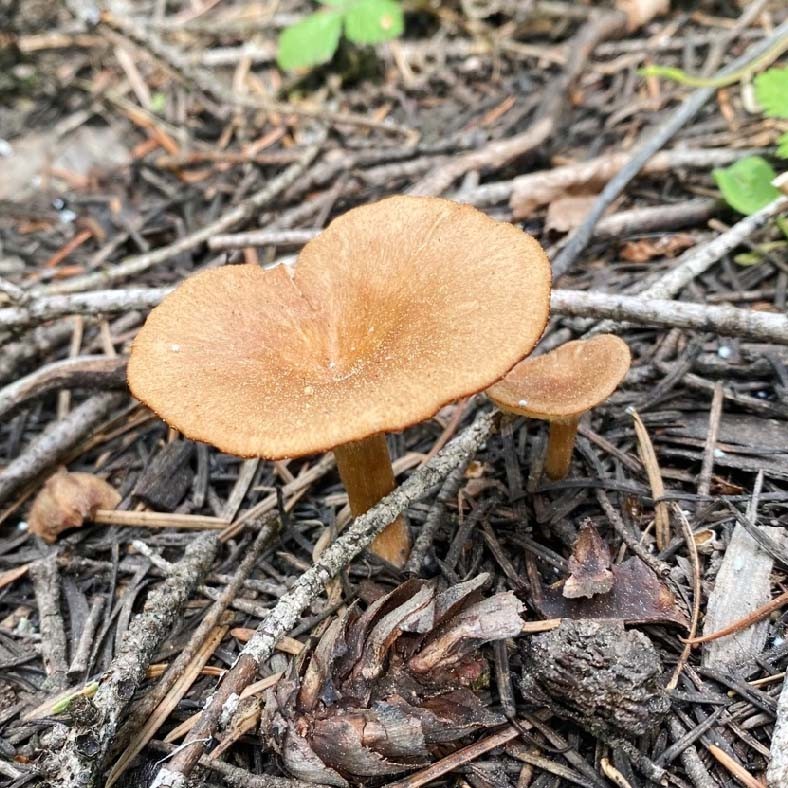
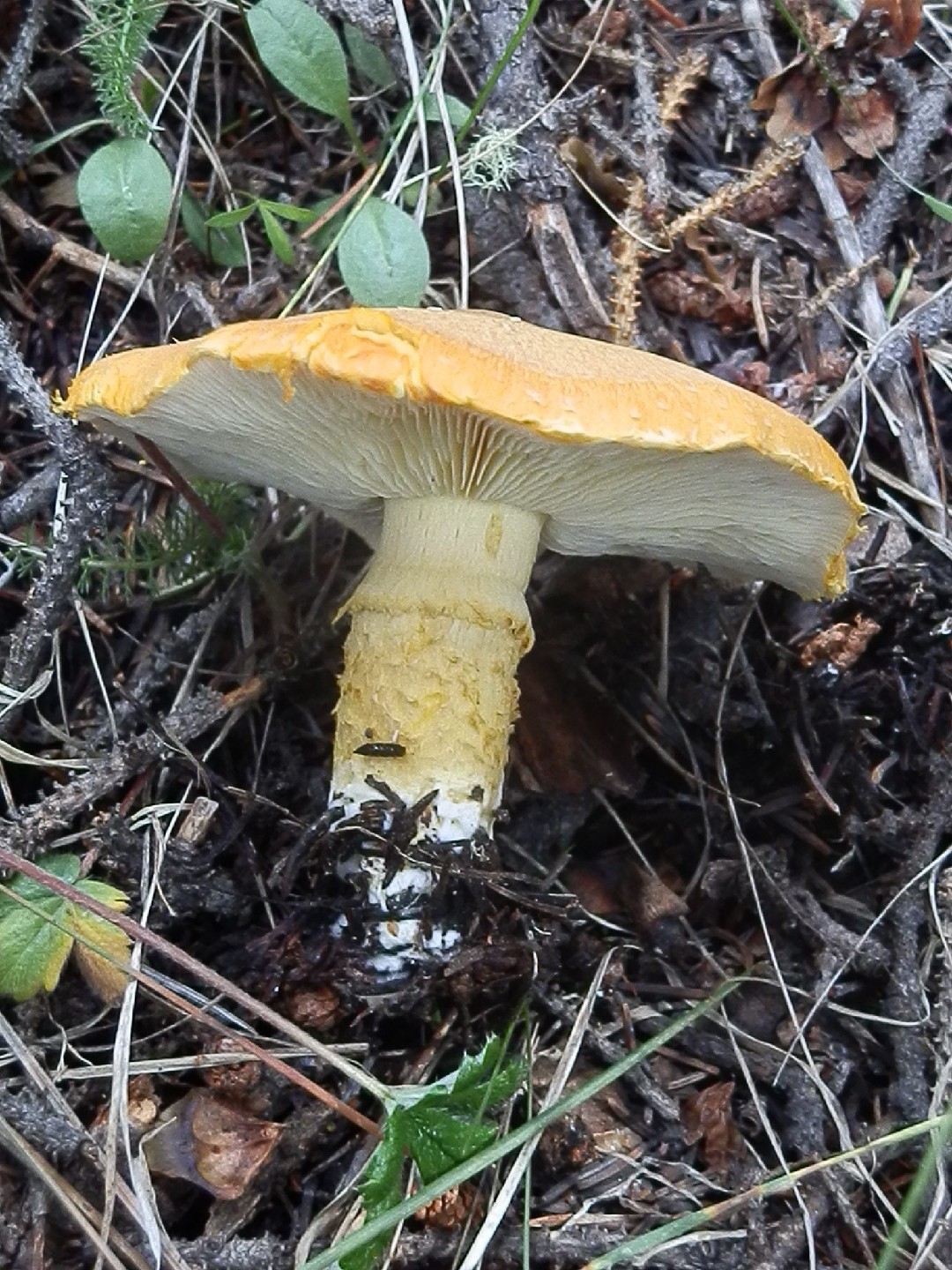
The impressively large caps of the giant sawgill (Neolentinus ponderosus) can spread up 30 cm across and encompass entire decaying stumps and logs. Unlike other mushrooms, the giant sawgill thrives in the hotter, drier months. Look for them near Ponderosa Pines.
5. White dapperling
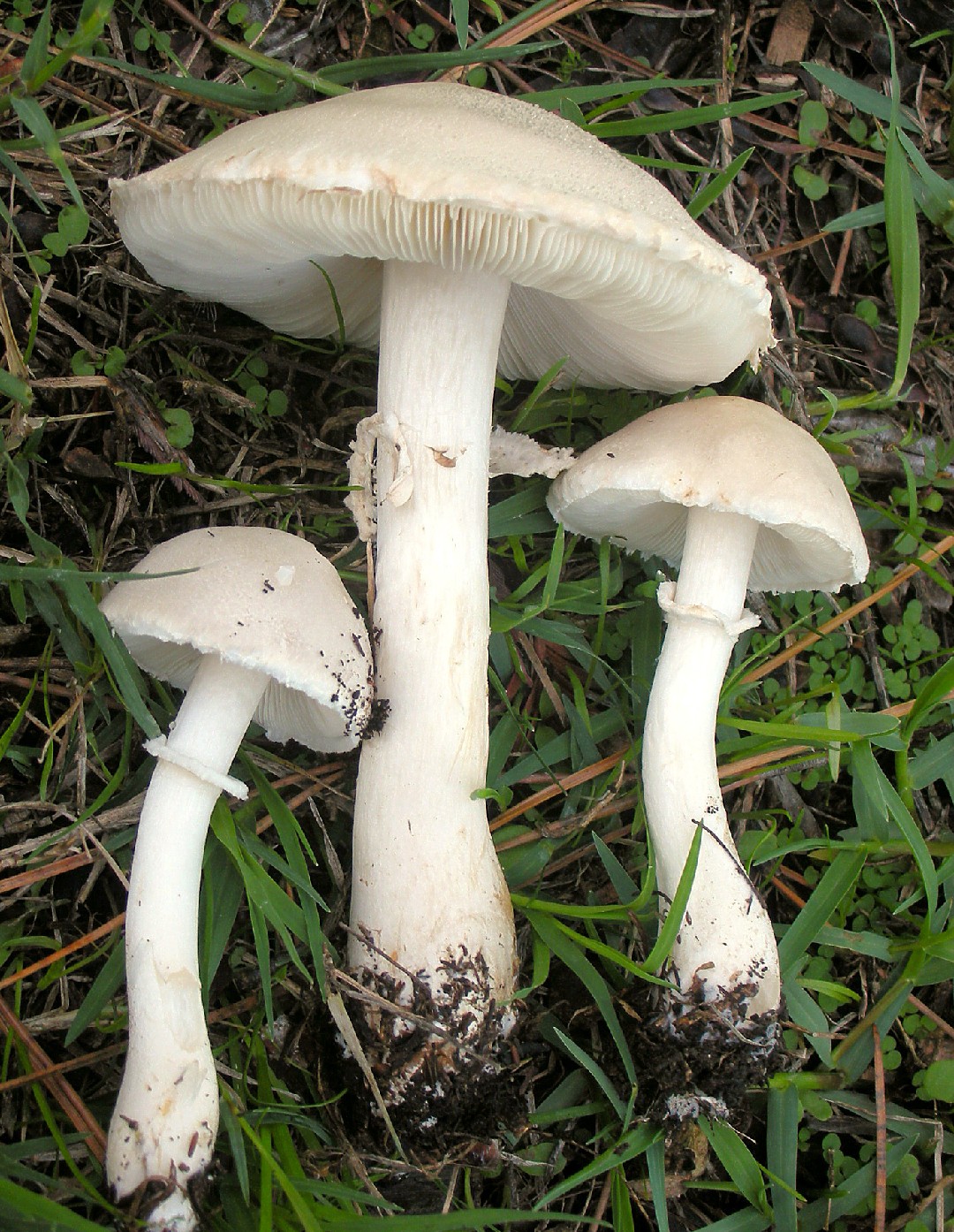
White dapperling mushrooms grow in scattered groups across open fields in the northern hemisphere. They can occasionally cause toxic reactions in humans, and their similarity to extremely poisonous lookalikes like Deathcap and Destroying Angel make them hazardous to handle.
6. Vinegar cup
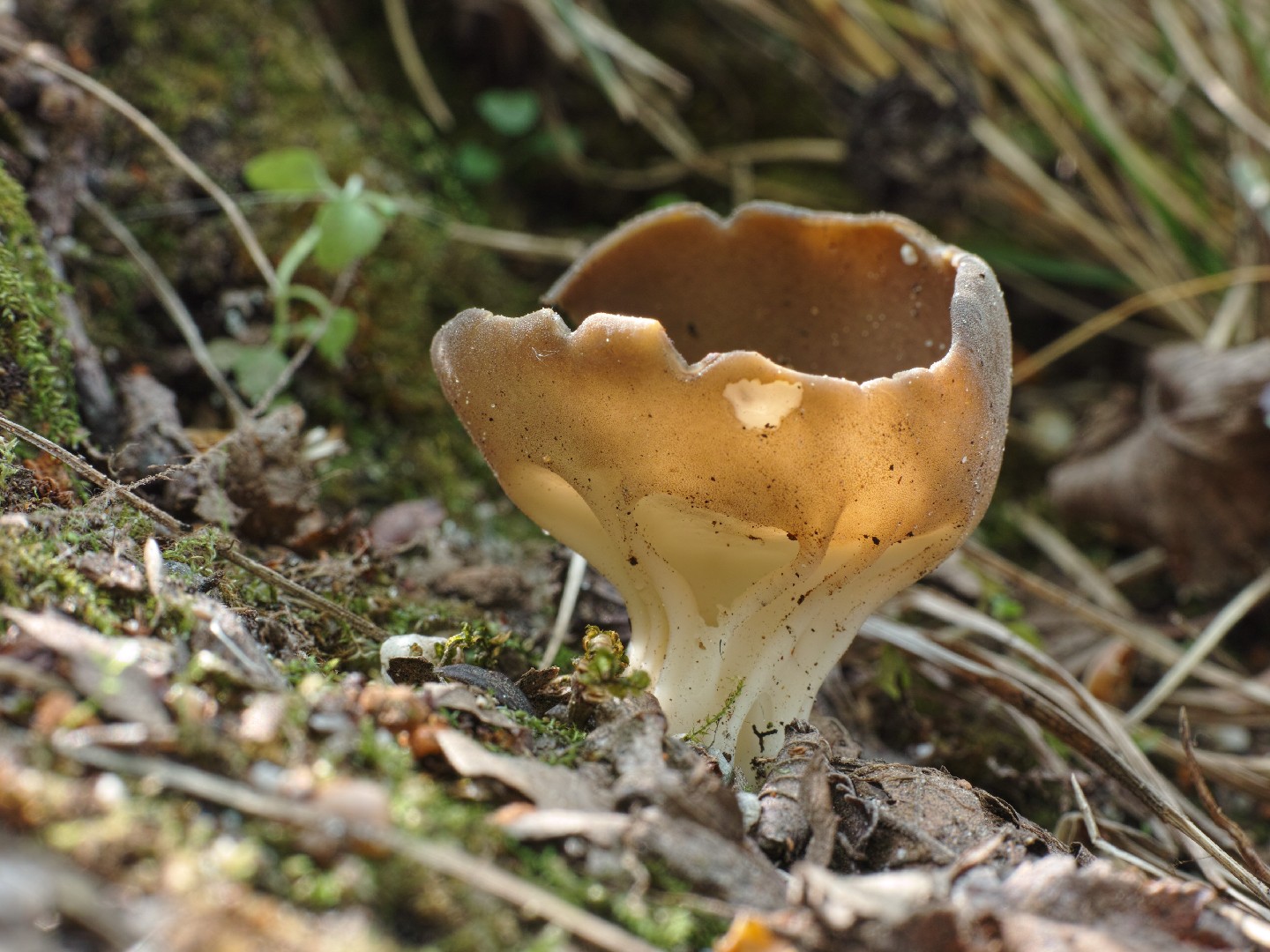
The vinegar cup (Helvella acetabulum) forms fruitbodies in the shape of vases or chalices with deeply convex caps. Its distinguishing feature is the way the stem’s ribs extend all the way up the sides of the “cup,” in some specimens resembling the folds of cabbage leaves. Common name aside, it is not considered edible.
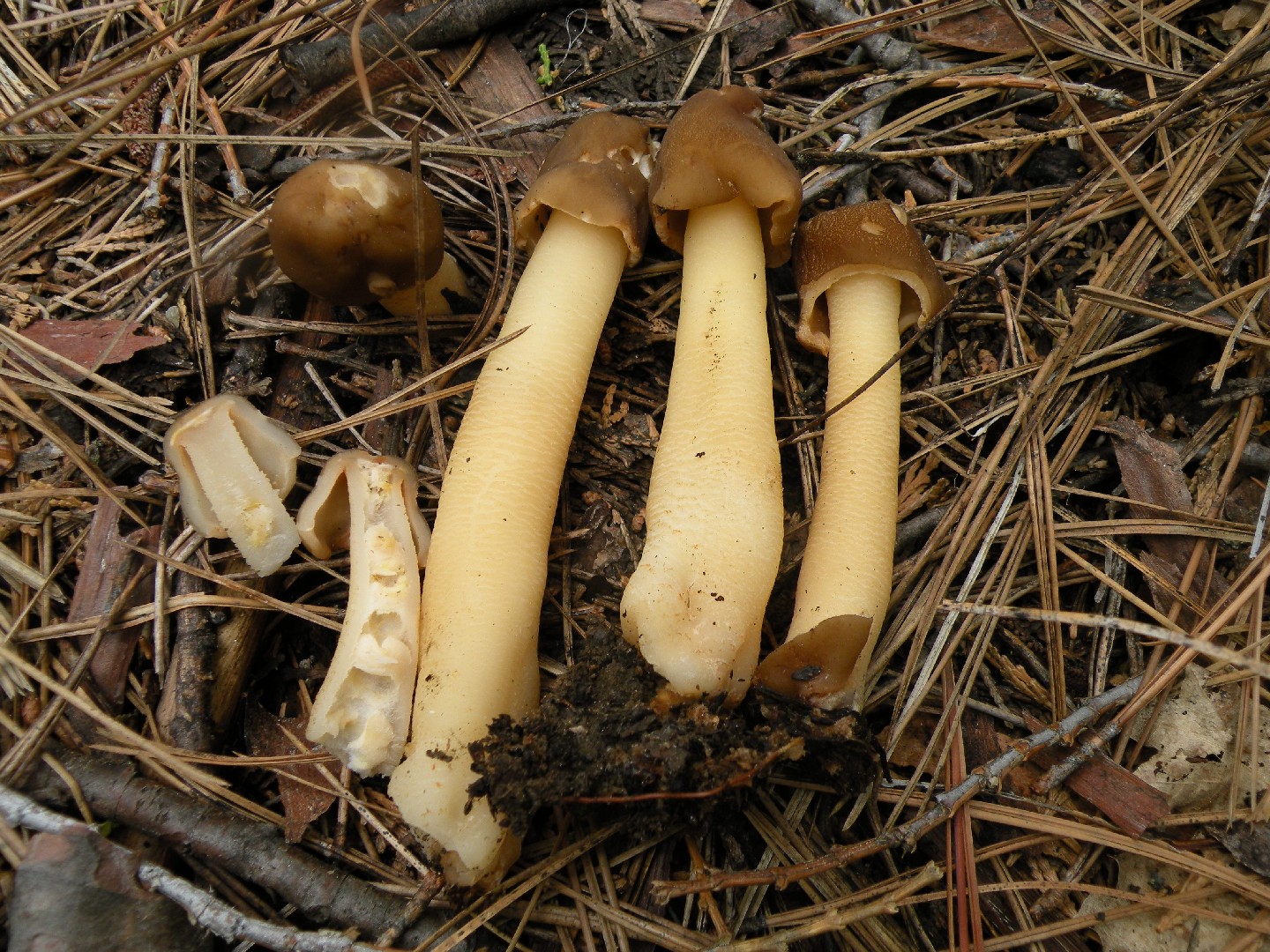
7. Bell morel
The bell morel can break easily to reveal a cotton-like pith inside. It forms mutually beneficial relationships with the roots of certain trees and is thus found primarily in forests. This species is sometimes known as an "early morel" because it appears in springtime.
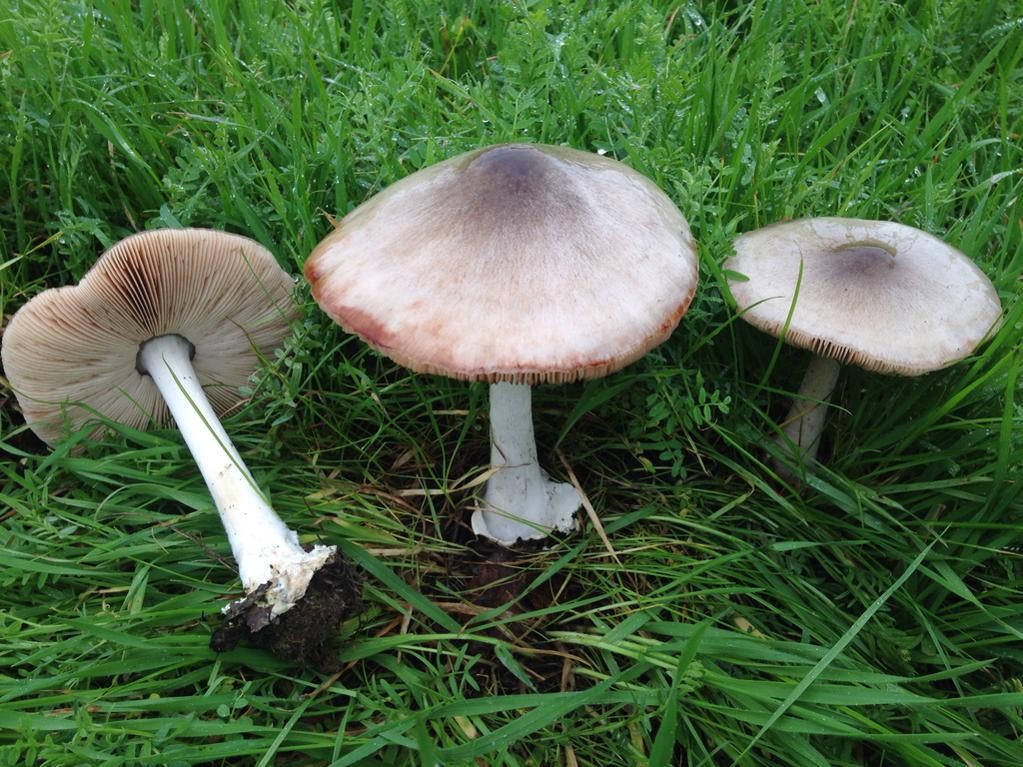
8. Big sheath mushroom
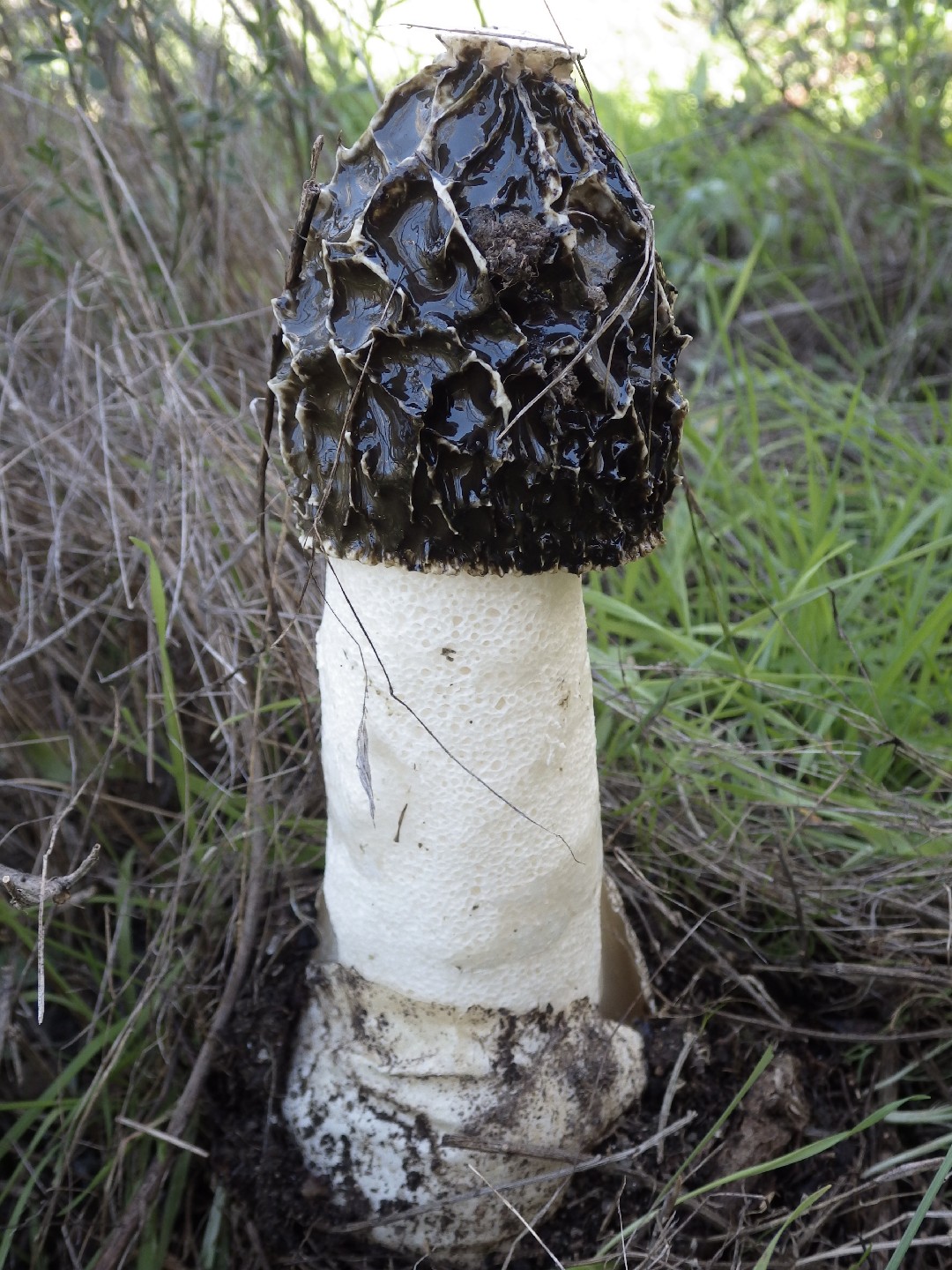
These large white mushrooms bloom all over cleared, harvested fields, as well as pastures and roadsides. The scientific species name comes from Greek words meaning “glue” (glioio) and “head” (cephalus), in reference to the sticky surface of this mushroom’s cap. The big sheath mushroom looks so similar to the poisonous Deathcap and Destroying Angel mushrooms that it should always be left alone.
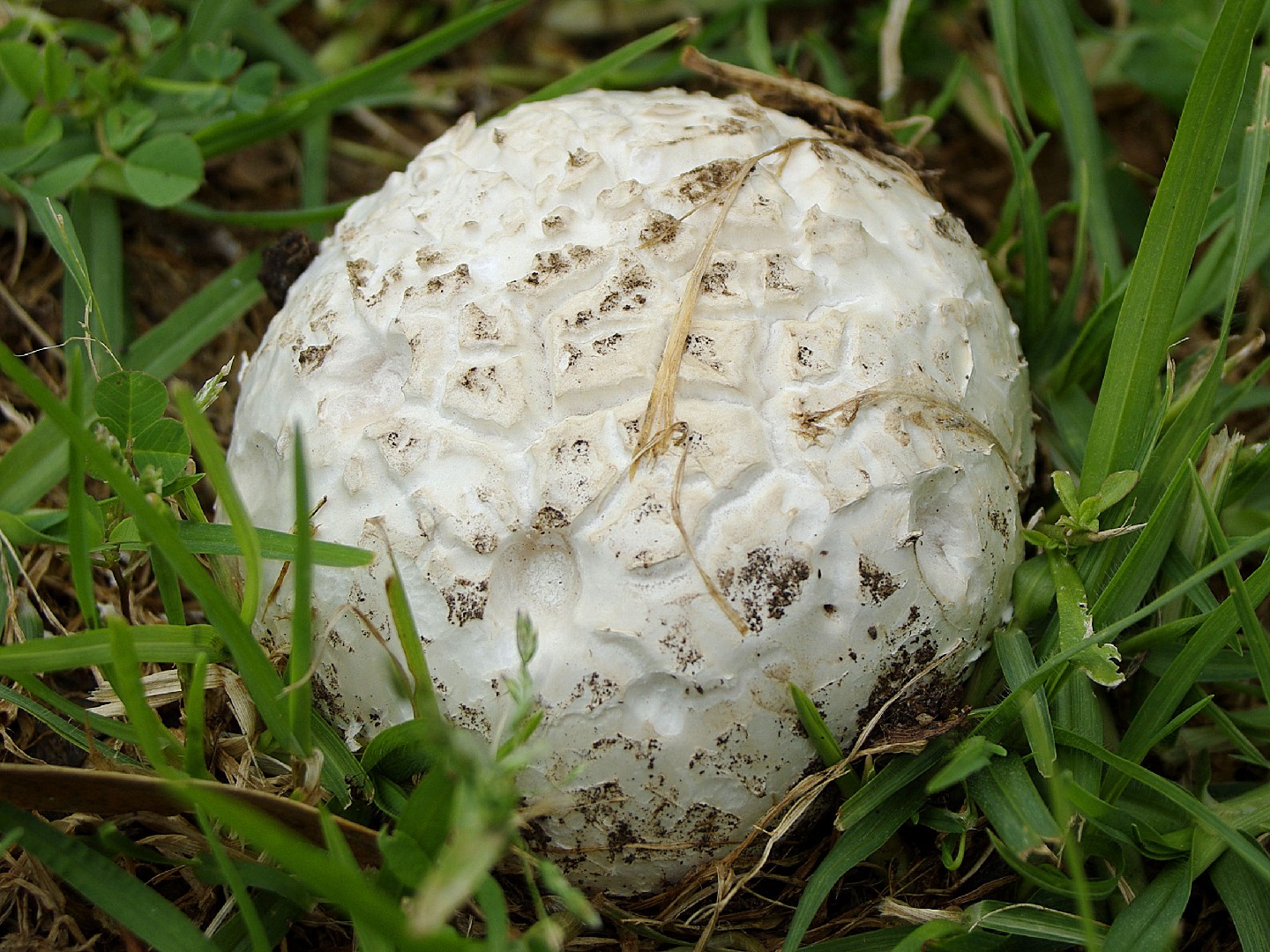
9. Western giant puffball
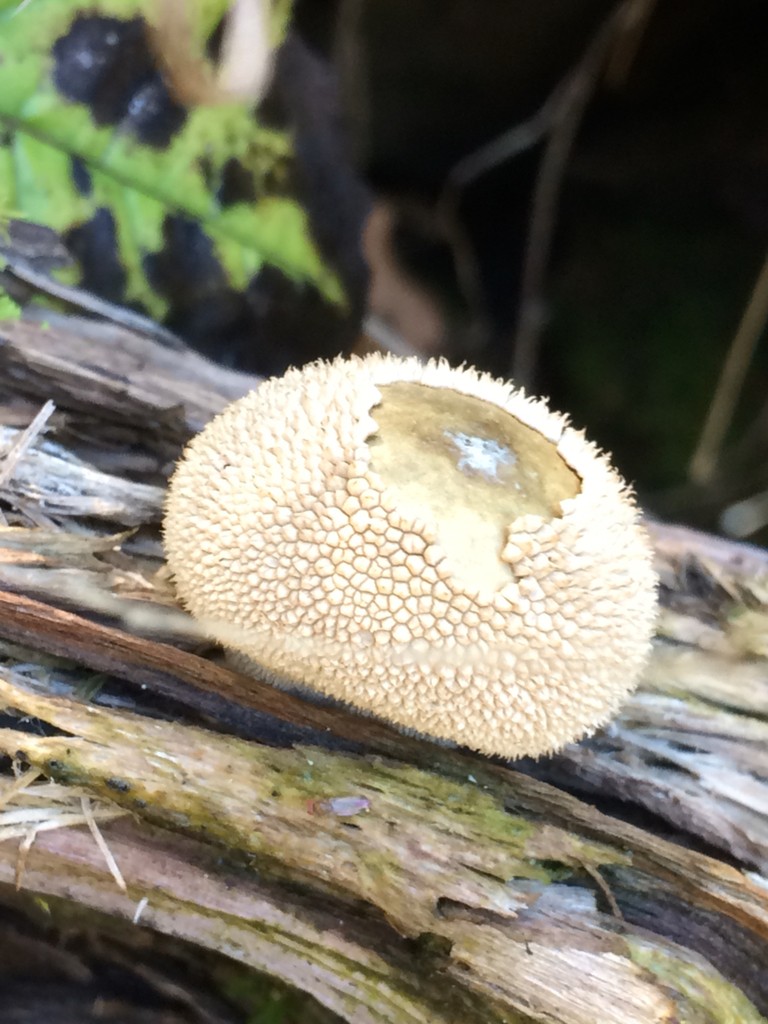
The western giant puffball is the largest puffball in North America, reaching up to 70 cm in diameter. It is as large as its European counterpart the Giant puffball (Calvatia gigantea), although it features a more irregular shape than its European cousin.
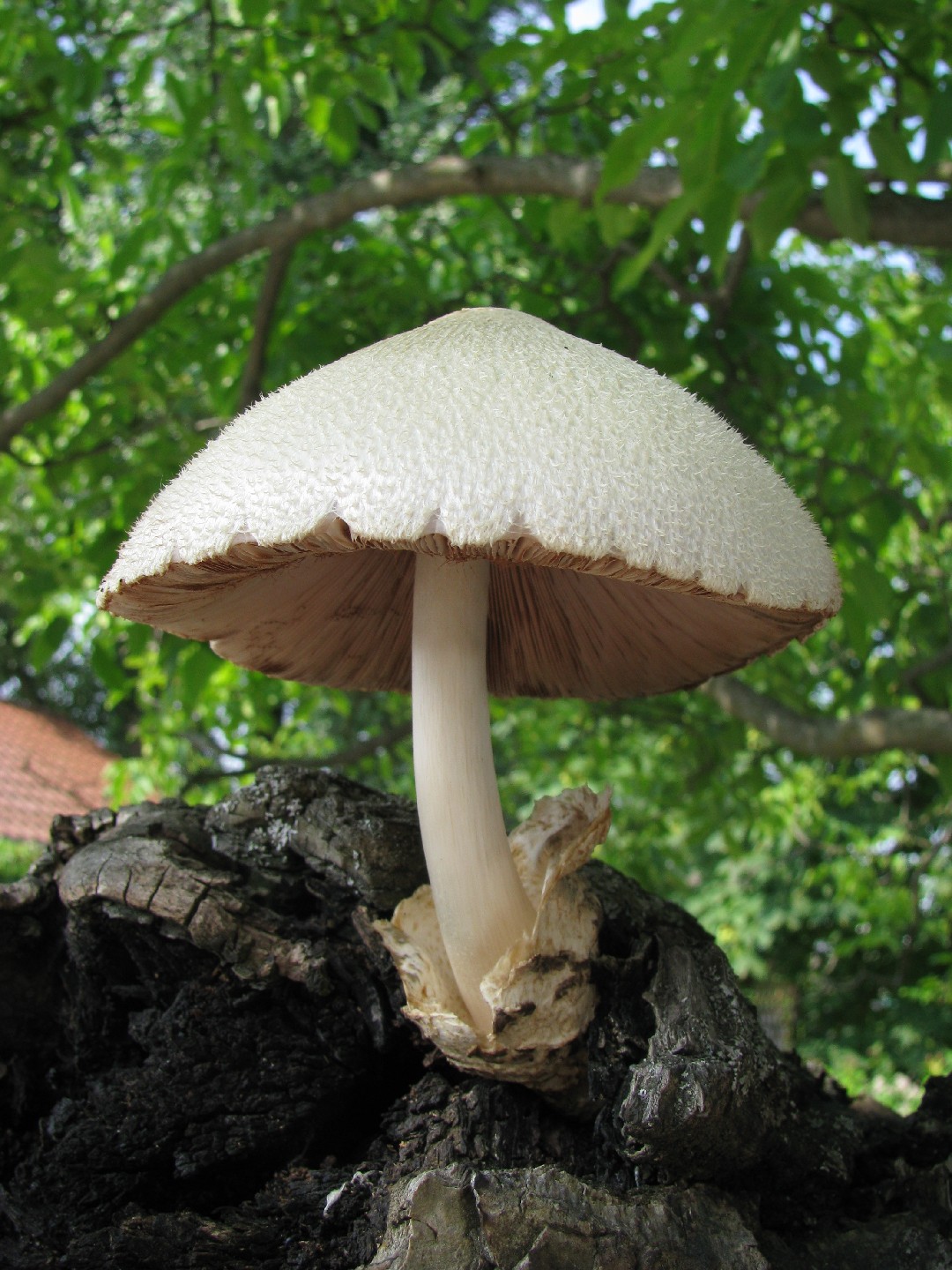
10. Silky sheath
Silky sheaths (Volvariella bombycina) are widely distributed, being found in temperate and sub-tropical forests around the world, but rare. The fruitbody emerges from a silky-textured volva, and the mushroom's white or off-white cap is usually quite smooth as well. One of this species' favored microhabitats is the rotted knotholes of mature maples, elms, oaks, or beeches.

More







