




Top 20 Edible Mushrooms Popular in Blanes
Exposing the hidden fungal riches of Blanes, our compendium of the top 20 most commonly found edible mushrooms showcases the city's diverse mycological bounty. Blanes's unique environment, harmonizing both coastal and mountainous terrain, nurtures a plethora of these delicious fungi. This guide introduces each variety, delineating their appearance, taste, preferred habitat, and common usage in cuisine. Understanding these fascinating species, synonymous with Blanes, not only fuels culinary adventures, but engenders a deeper appreciation for our vital ecosystems. Let the exploration begin!
* Disclaimer: Content feedback CAN NOT be used as any basis for EATING ANY PLANTS. Some plants can be VERY POISONOUS, please purchase edible plants through regular channels.

Most Popular Edible Mushrooms
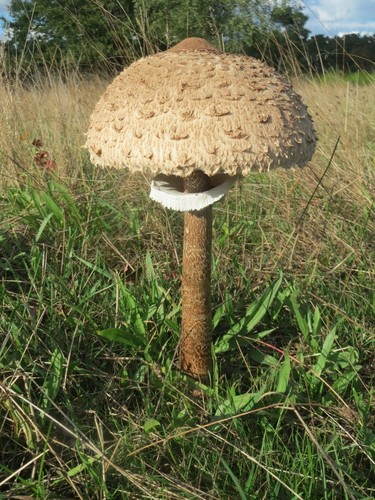
1. Parasol
Found in clearings and grassy areas in late summer, the wild parasol mushroom has a snakeskin-patterned stem. The brown spots on its cap make it look a bit shaggy, but that name is reserved for its poisonous counterpart, the Shaggy Parasol (Chlorophyllum rhacodes). You can distinguish the two by the stems: the latter has a smooth stem and red flesh inside.
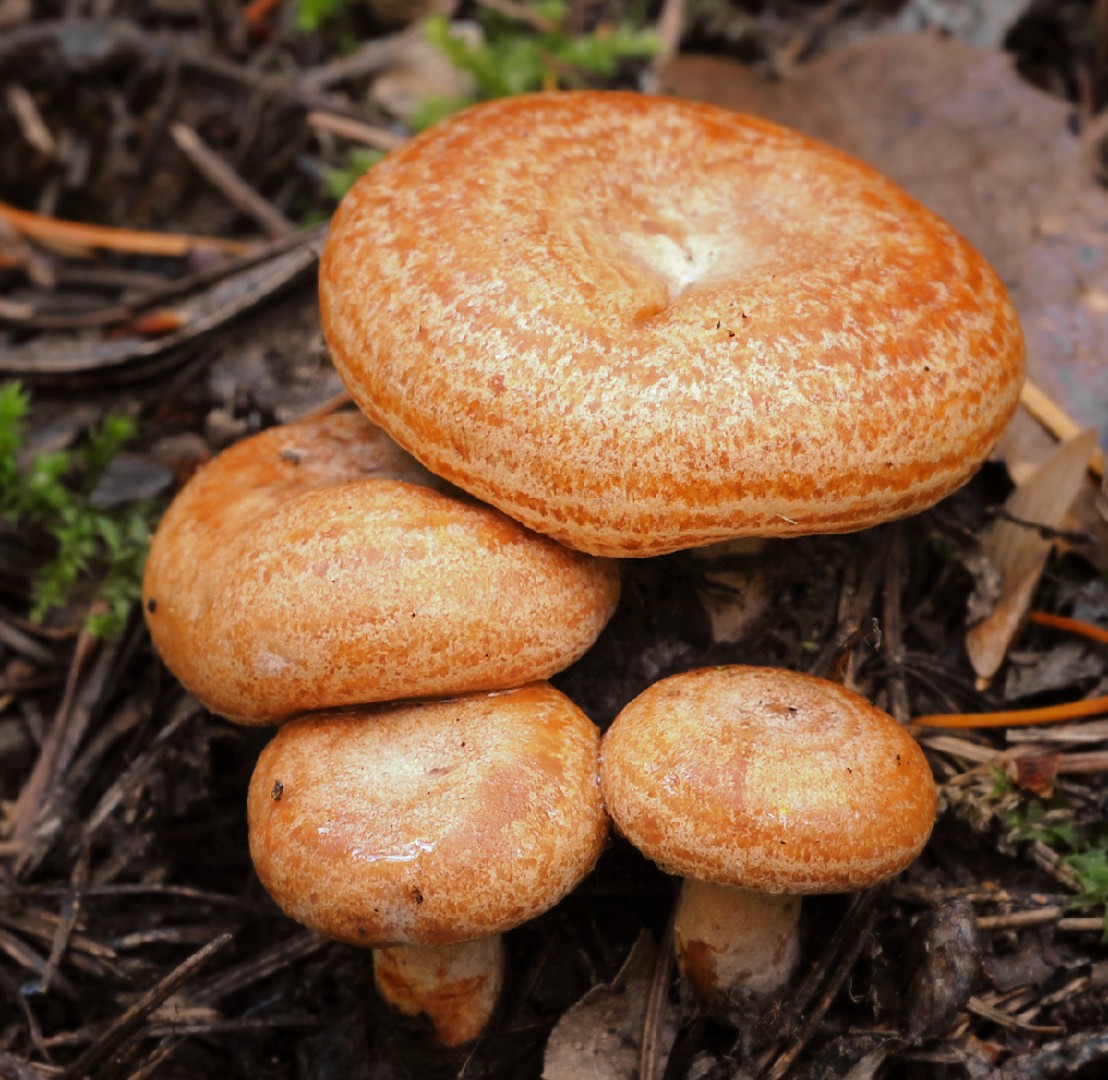
2. Saffron milk cap
Growing wild in the northern hemisphere and introduced to Australia, the saffron milk cap is found in pine forests during autumn. As the name implies, these mushrooms have been harvested for cooking for a long time. They have been known to cause stomach upset in some individuals, however, and carry a risk of being contaminated with heavy metals, so forage with caution.
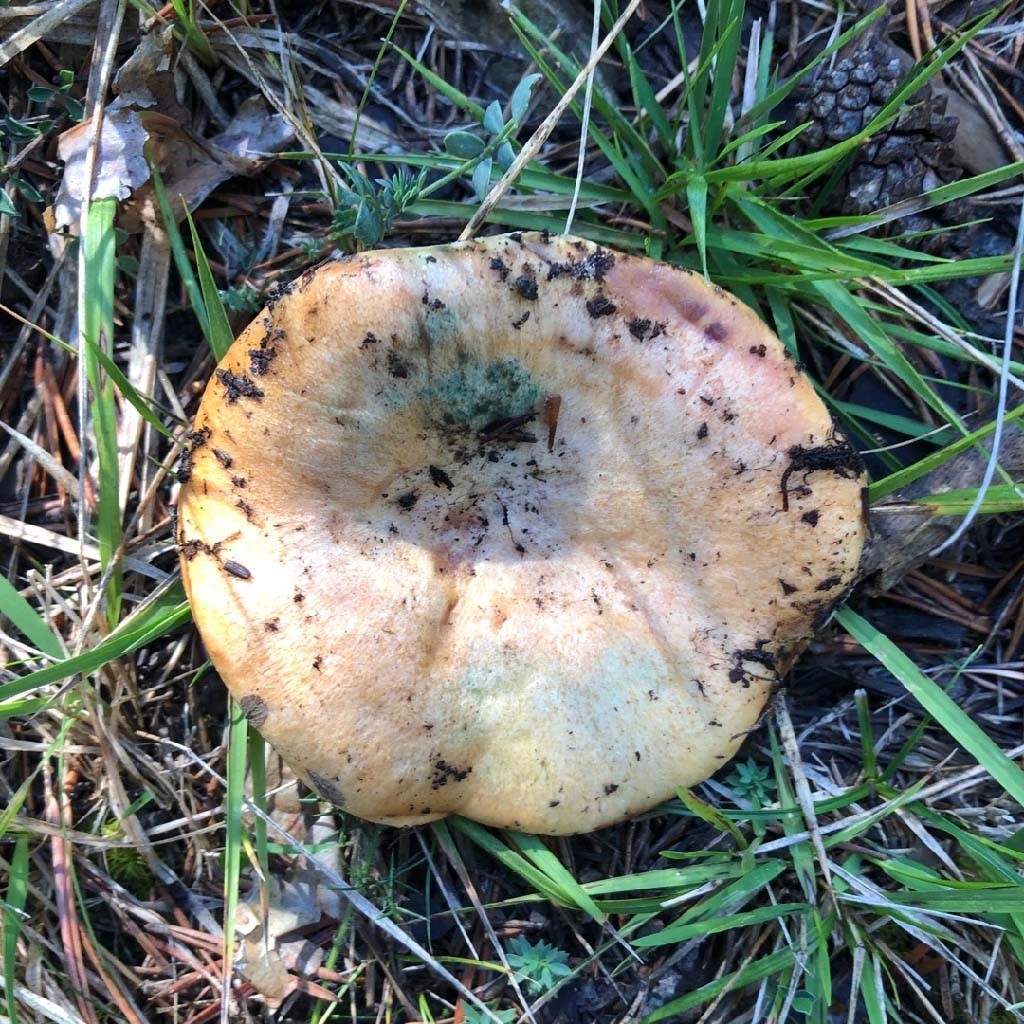
3. Bloody milk cap
Bloody milk cap (Lactarius sanguifluus) has a distinctive appearance with its pale exterior but a deep blood-red interior, for which it is named. This mushroom can be found in pine forests where it grows in a mycorrhizal relationship with the trees. Bloody milk cap is known to accumulate large quantities of toxic heavy metals.
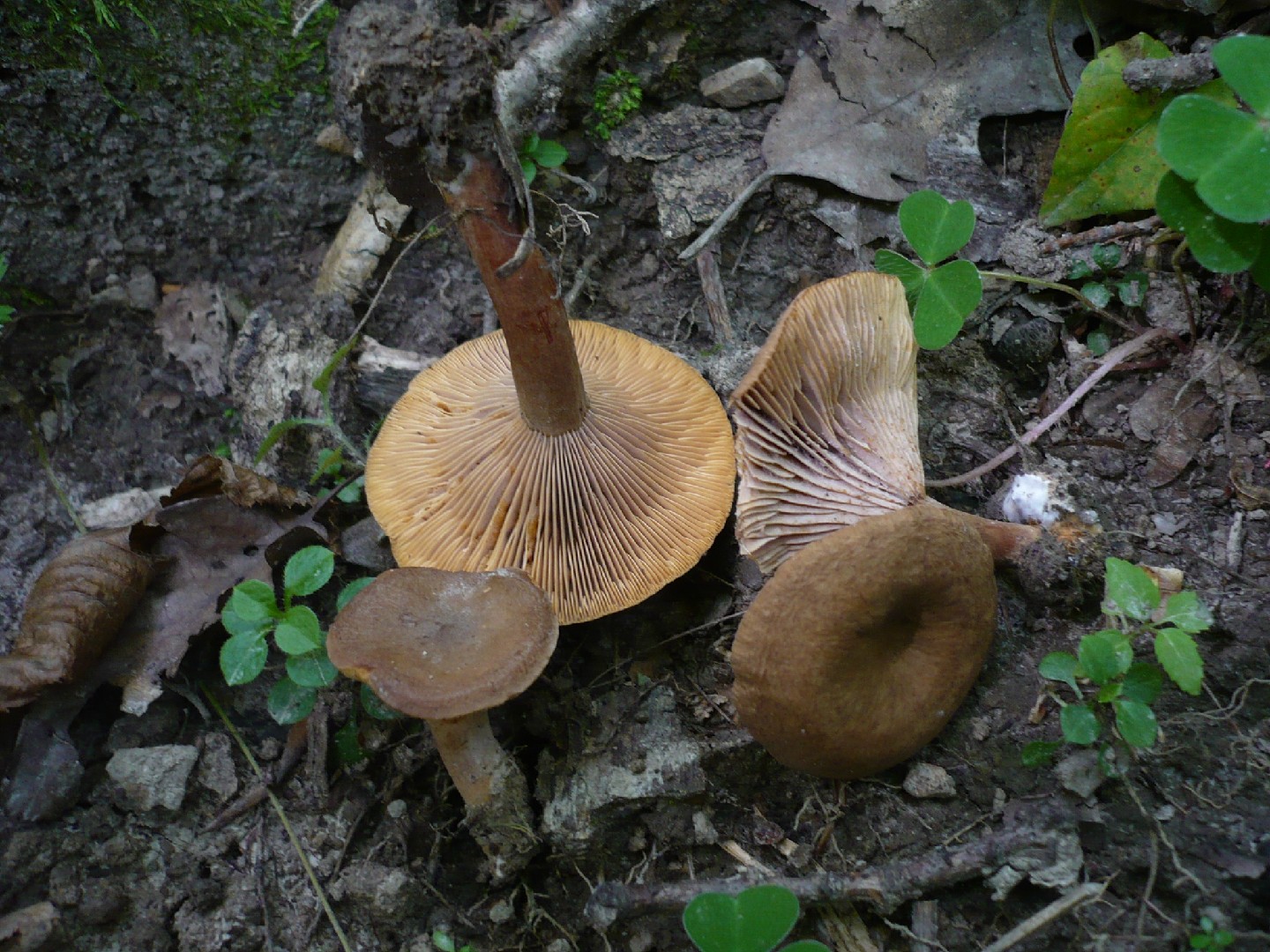
4. Lactarius subumbonatus

5. Shaggy mane
The shaggy mane mushroom is commonly found in North American and European grasslands. Some peoples foraged for its young egg-shaped caps, but it has more recently been found to be a bioaccumulator of heavy metals, meaning it pulls toxic metals up from the soil where it grows. As a result, shaggy manes should not be eaten. The mushrooms usually appear in clusters or “fairy rings.”
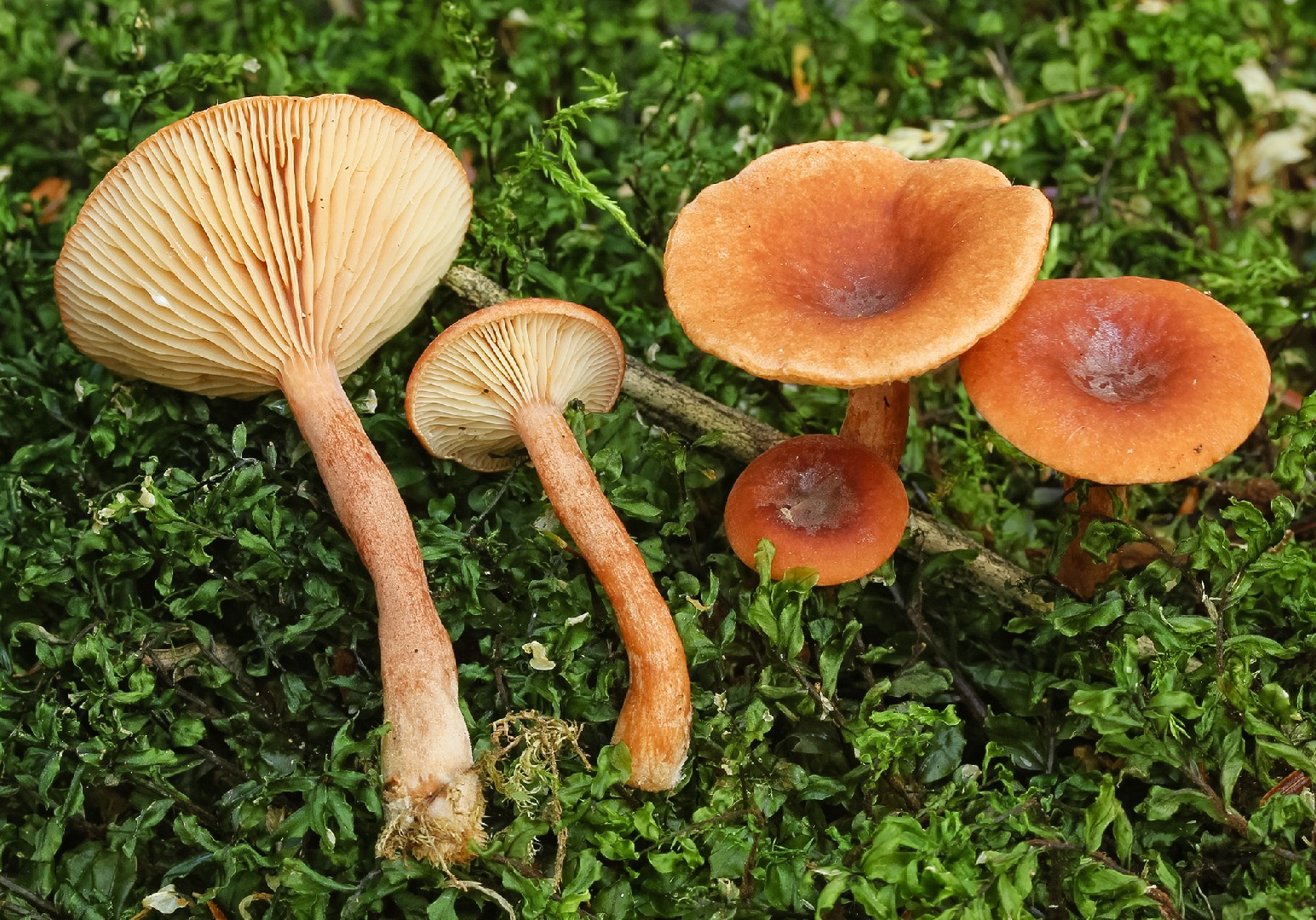
6. Mild milkcap
Mild milkcap (Lactarius subdulcis) is a common woodland mushroom that forms a symbiotic relationship with beech and certain other types of trees. The common name and the Latin name Lactarius, which also means milky, refers to the white milk-like sap that is produced when the mushroom's gills are damaged.
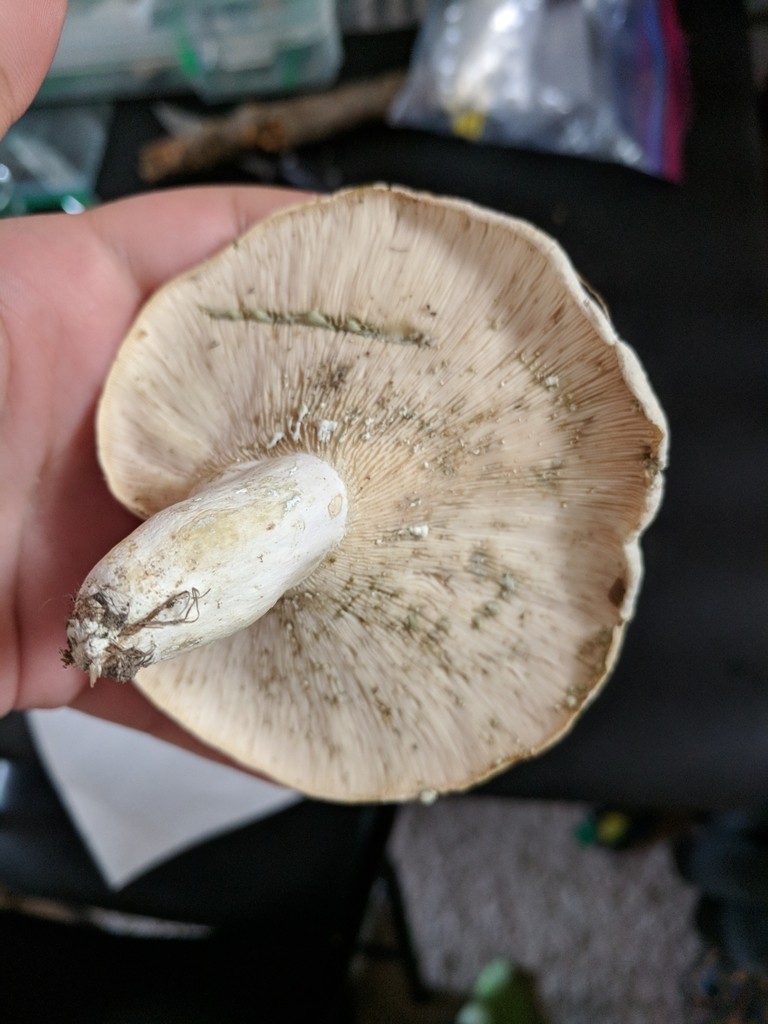
7. Lactifluus glaucescens
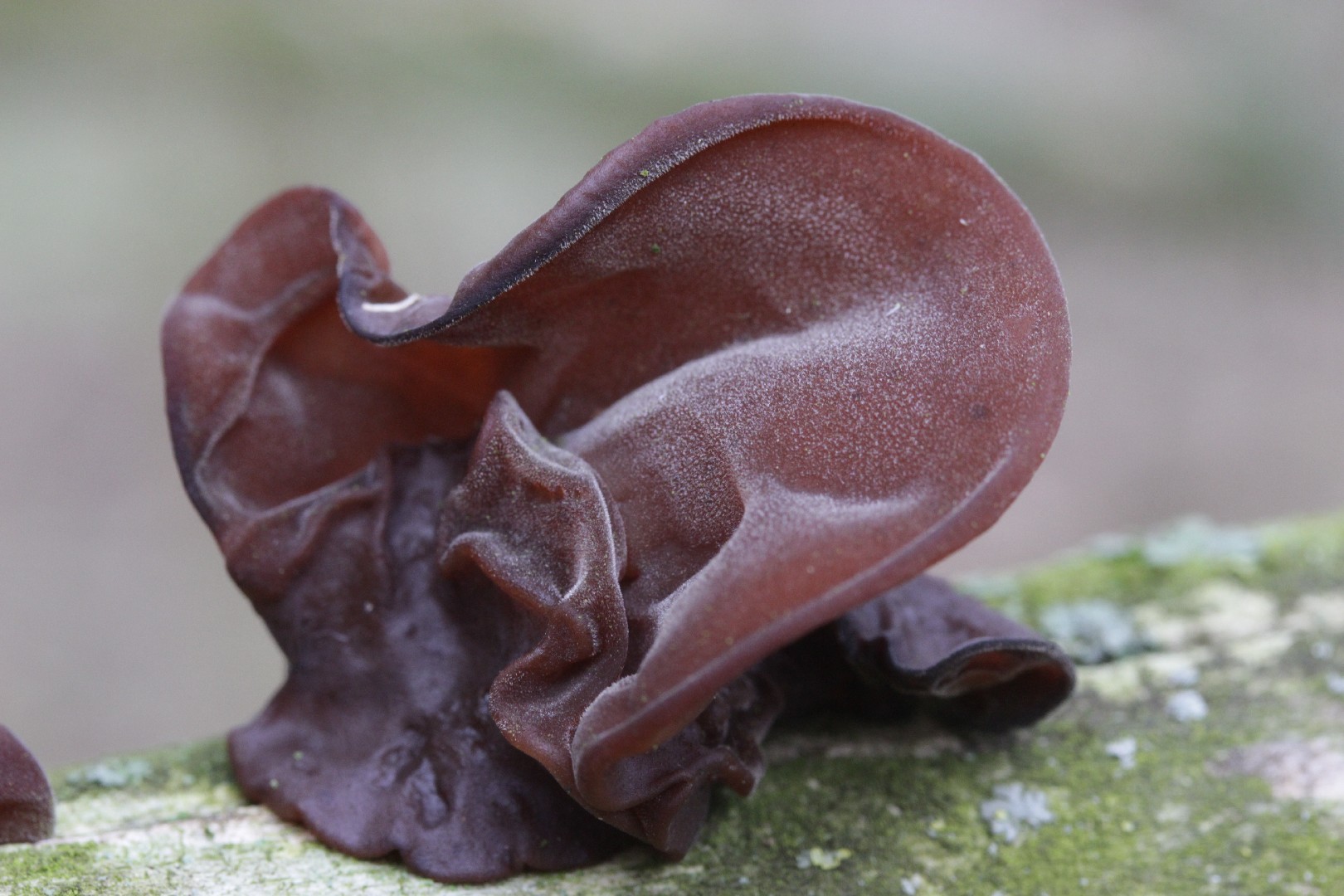
8. Jelly ear
The distinctive jelly ear grows mainly through winter and spring, mostly on the dead trunks and branches of elder trees. It occurs around the world and is often cooked into dishes in Asian countries. This ear-shaped jelly mushroom is often available in stores both fresh and dried.
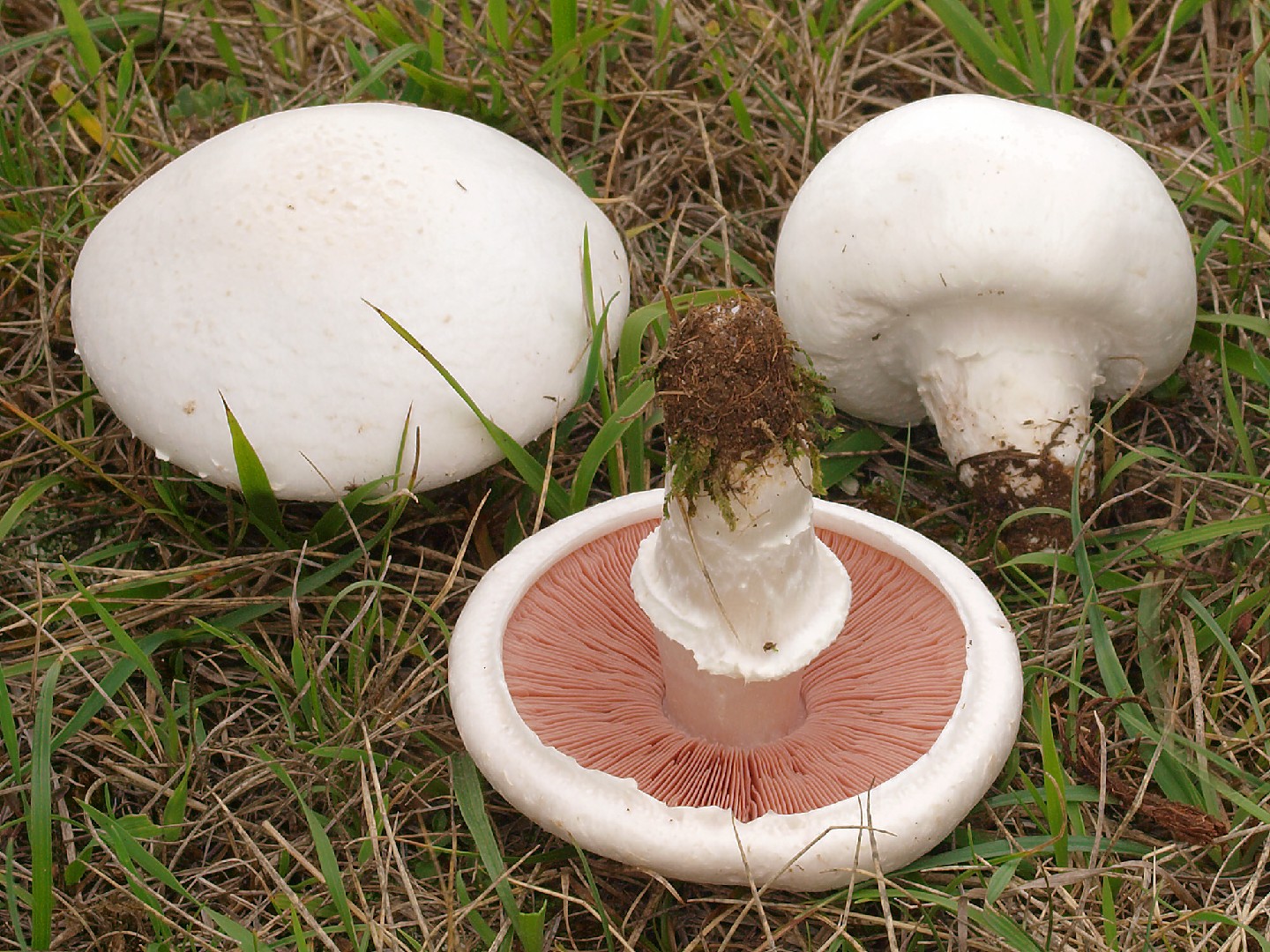
9. Meadow mushroom
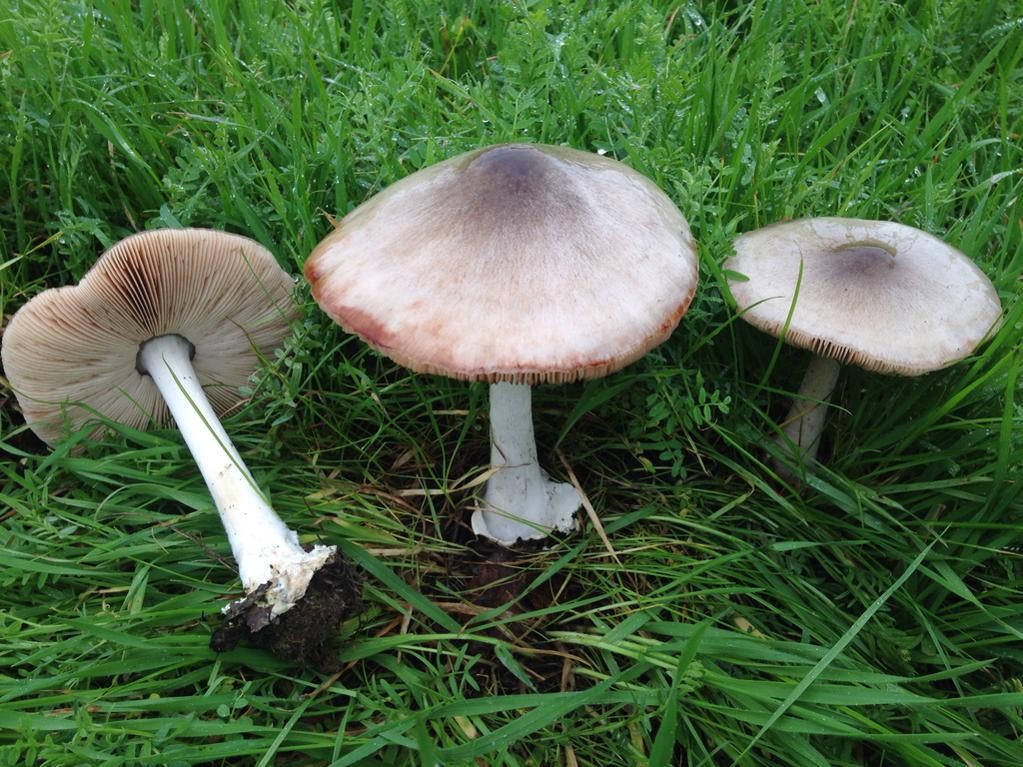
The meadow mushroom grows in meadows and pastures around the world—especially those rich in manure—when the weather is warm and wet. They are known to appear in “fairy ring” shapes. Originally identified in Europe, it is possible that North American specimens identified as meadow mushrooms may genetically belong to other species.
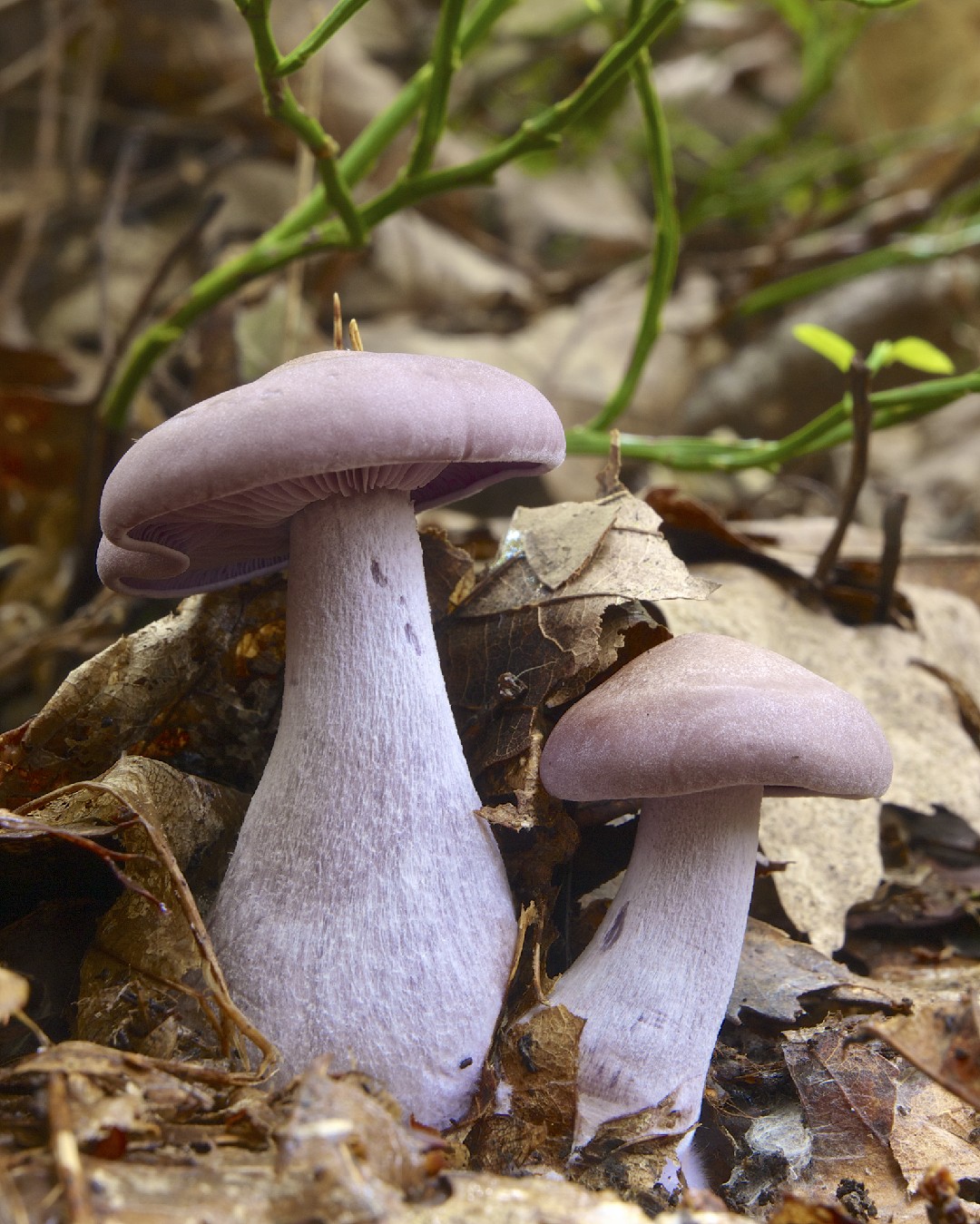
10. Blewit
The blewit mushroom grows in fallen leaves in autumn and winter, sometimes appearing in ‘fairy ring’ circles. It can be used to make a green dye when chopped and boiled in an iron pot. The scientific name, Lepista nuda, derives from Latin words meaning “bare goblet,” a reference to the shape and texture of the mushroom.

More







