




Top 16 Edible Mushrooms Popular in Ciudad Real
Surrounded by lush vineyards and olive groves, the picturesque landscapes of Ciudad Real serve as fertile grounds for 16 of the most common edible mushrooms. Overflowing with diverse microclimates and rich soil, this region fosters a unique habitat for mushroom growth. Our guide explores the specifics of each mushroom, from their distinctive features and flavors to their favorite environments and culinary applications. Learn the nuances of these earthy gems as we take a gourmet journey through Ciudad Real's finest fungal offerings.
* Disclaimer: Content feedback CAN NOT be used as any basis for EATING ANY PLANTS. Some plants can be VERY POISONOUS, please purchase edible plants through regular channels.

Most Popular Edible Mushrooms
1. Big sheath mushroom
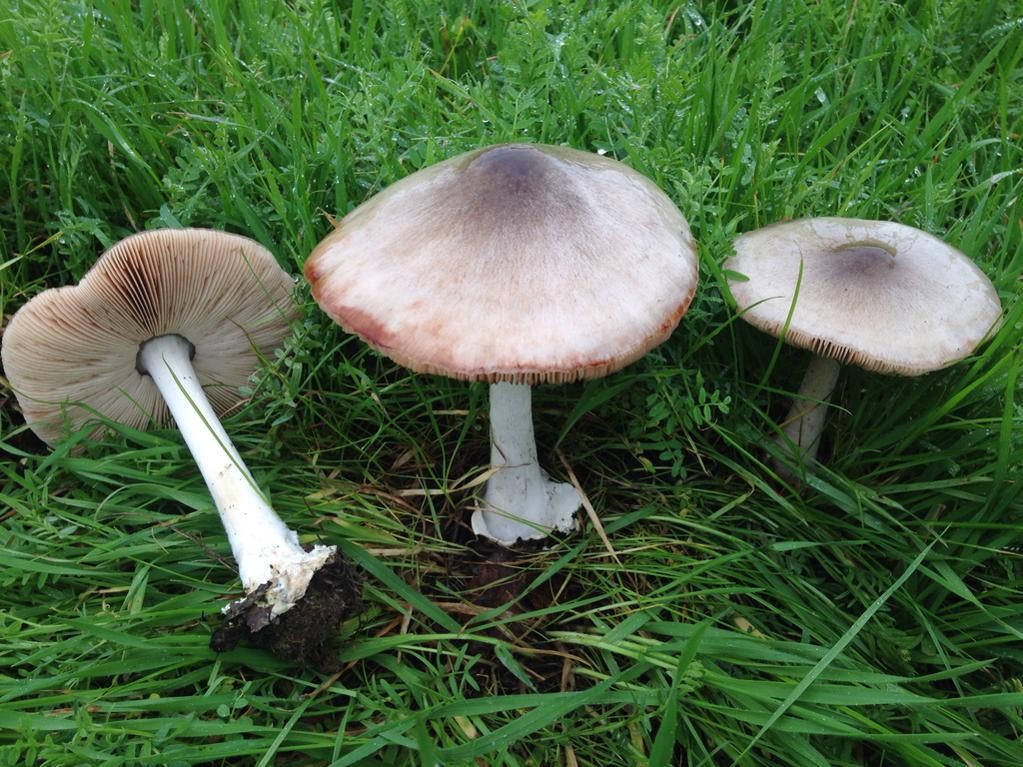
These large white mushrooms bloom all over cleared, harvested fields, as well as pastures and roadsides. The scientific species name comes from Greek words meaning “glue” (glioio) and “head” (cephalus), in reference to the sticky surface of this mushroom’s cap. The big sheath mushroom looks so similar to the poisonous Deathcap and Destroying Angel mushrooms that it should always be left alone.
2. Blusher
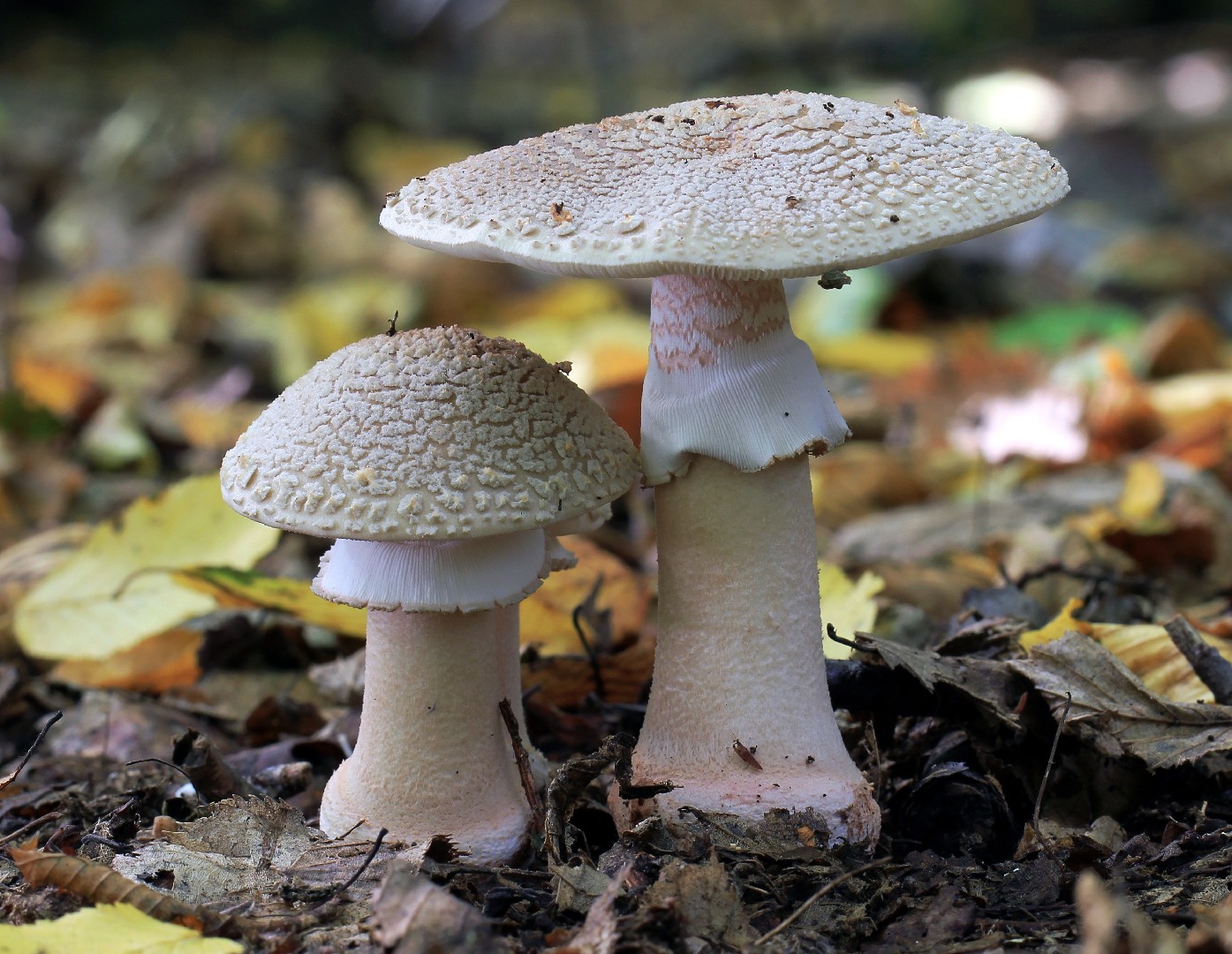
The blusher mushroom is so named because it “blushes” to a pinkish red color when cut or bruised. It is found in many countries around the world, although it may not be native to the southern hemisphere. It contains a hemolytic toxin that can cause anemia if eaten.
3. Bloody milk cap
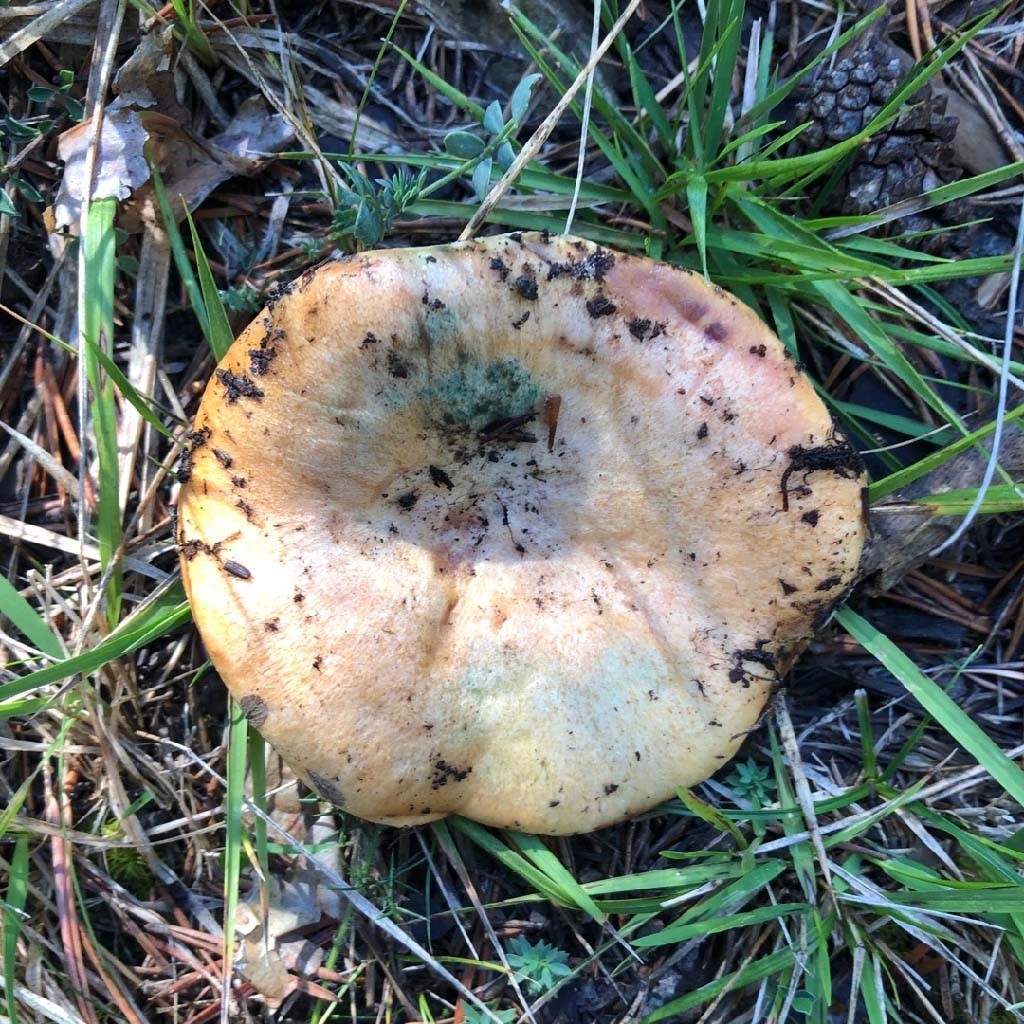
Bloody milk cap (Lactarius sanguifluus) has a distinctive appearance with its pale exterior but a deep blood-red interior, for which it is named. This mushroom can be found in pine forests where it grows in a mycorrhizal relationship with the trees. Bloody milk cap is known to accumulate large quantities of toxic heavy metals.
4. Blushing beard truffle
5. Grey puffball
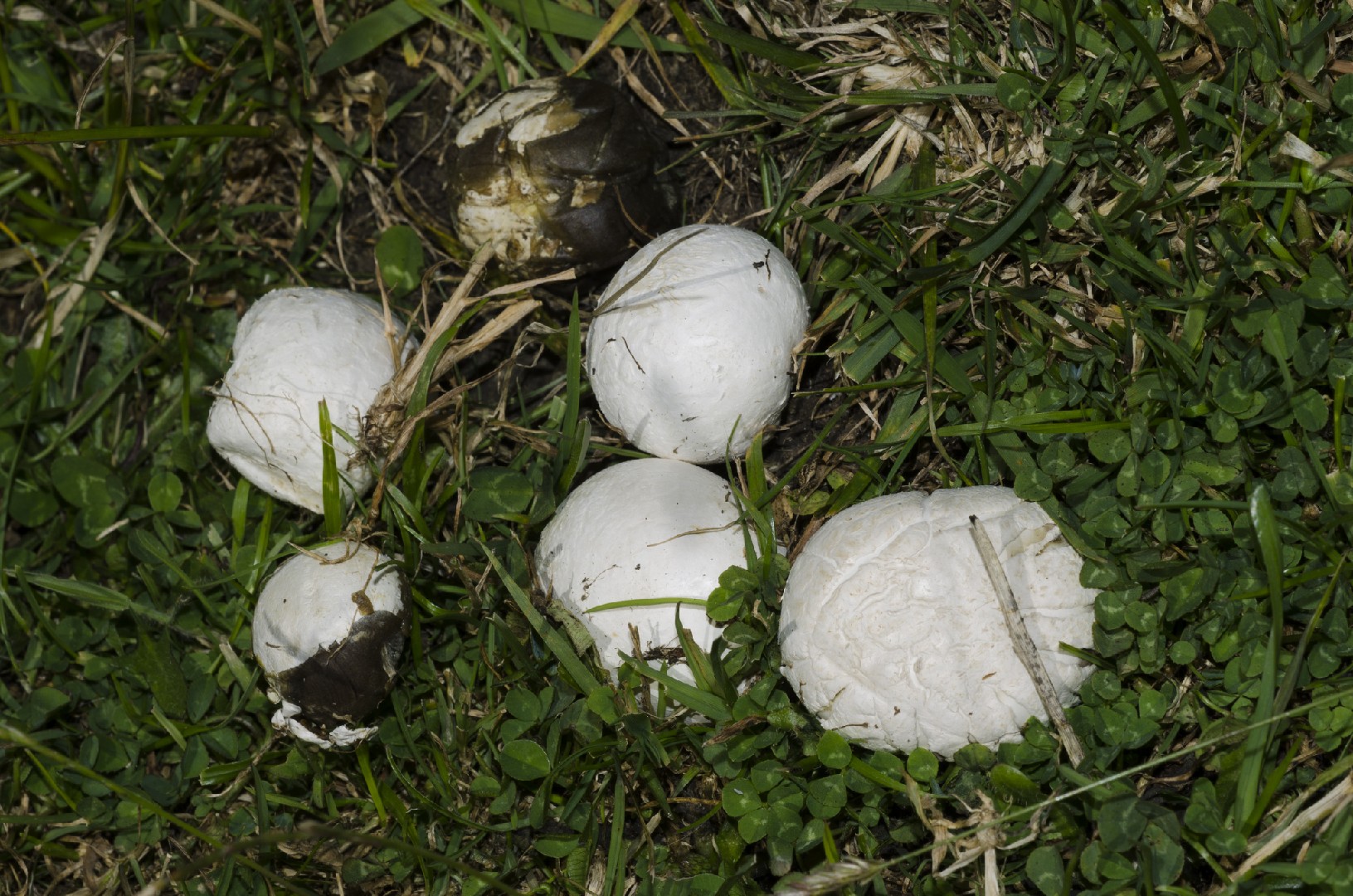
The grey puffball grows in sparse grasslands where the wind can reach it. The 'ball' is connected to the ground only by hairlike mycelium, which fractures as it ages, allowing the spore-filled body to roll away with the wind and populate new areas. The specific epithet, plumbea, means "leaden," for the lead-like color of its inner surface.
6. Gilded bolete
7. Fairy ring mushroom
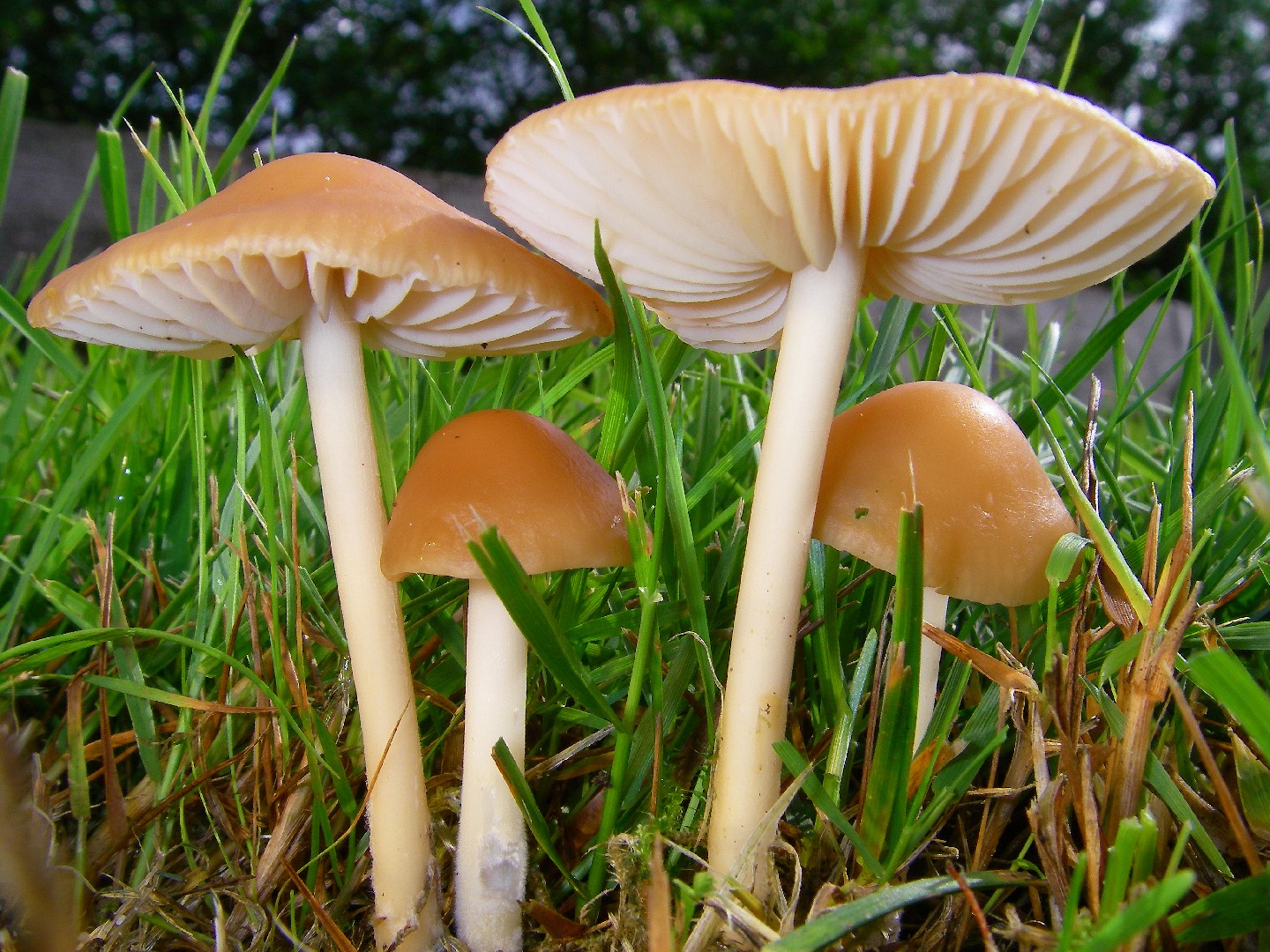
Fairy ring mushrooms may dry out completely in the sun, but will “resurrect” during the next rain and regain their ability to make new spores. This is due to a sugar called trehalose which protects their cells. They appear in lawns and fields, sometimes in “fairy ring” configurations.
8. King bolete
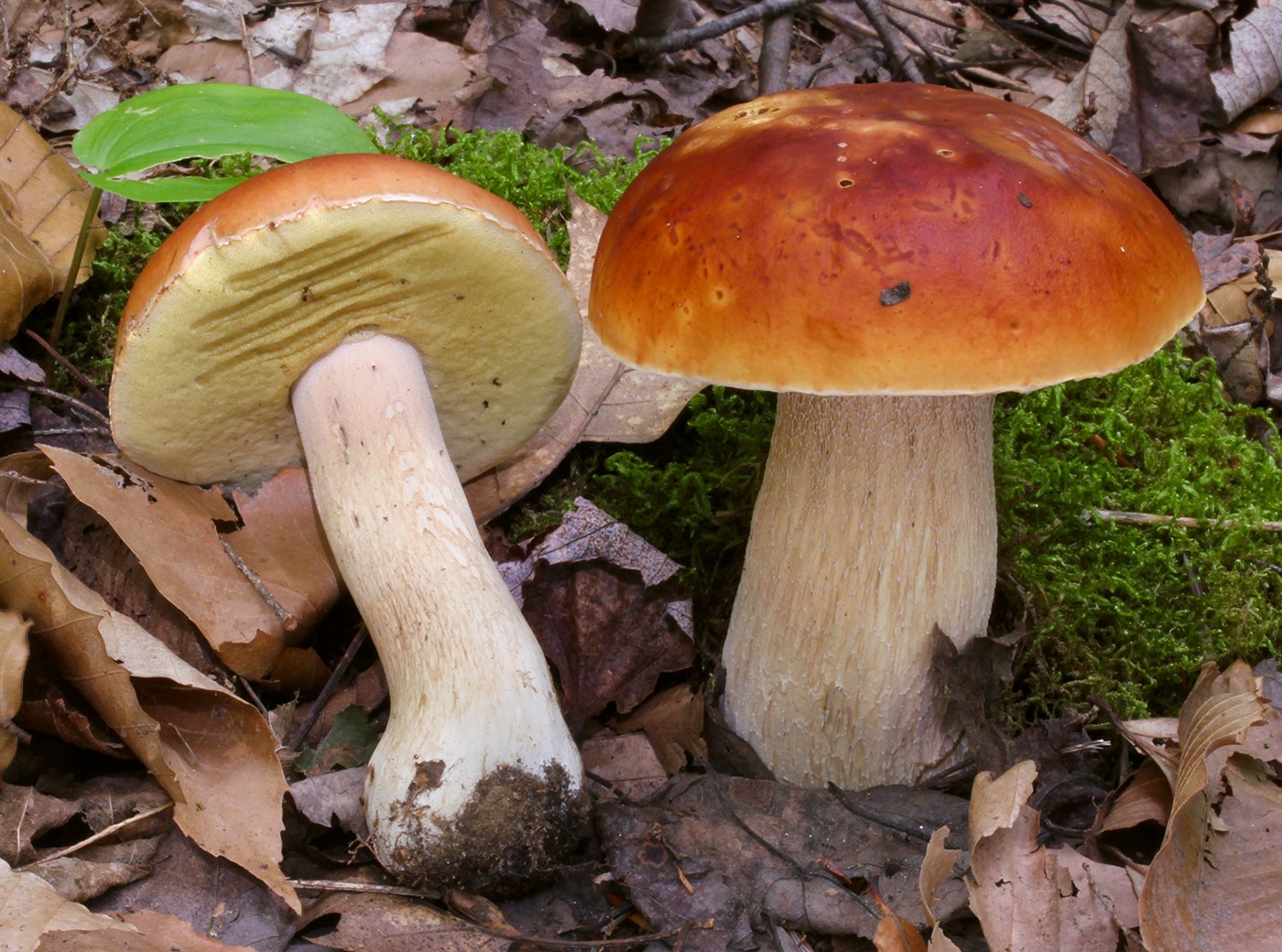
Extremely popular in many cuisines, this edible wild mushroom grows around the world near the roots of forest trees. In some regions, king bolete mushrooms are collected in great enough volumes that their sale can support entire families during the harvest season. King boletes are reported to be high in fiber, vitamins B and C, calcium, potassium, magnesium, zinc, and several antioxidants.
9. Big sheath mushroom
These large white mushrooms bloom all over cleared, harvested fields, as well as pastures and roadsides. The scientific species name comes from Greek words meaning “glue” (glioio) and “head” (cephalus), in reference to the sticky surface of this mushroom’s cap. The big sheath mushroom looks so similar to the poisonous Deathcap and Destroying Angel mushrooms that it should always be left alone.
10. Blusher
The blusher mushroom is so named because it “blushes” to a pinkish red color when cut or bruised. It is found in many countries around the world, although it may not be native to the southern hemisphere. It contains a hemolytic toxin that can cause anemia if eaten.
More







