




Top 20 Edible Mushrooms Popular in Andalusia
In the sunlit lands of Andalusia, rich soil and diverse flora provide an ideal habitat for the proliferation of a wide array of edible fungi. Immerse yourself in our guide to the 'Top 20 most common mushrooms in Andalusia', a comprehensive exploration unveiling distinguishing features, exquisite tastes, optimal growing environments, and culinary potentials. Derived from reliable resources, our content aims to educate readers about these common, yet intriguing mushroom species. Let your curiosity guide you through the lush landscapes of Andalusia, as you uncover the bountiful world of edible fungi.
* Disclaimer: Content feedback CAN NOT be used as any basis for EATING ANY PLANTS. Some plants can be VERY POISONOUS, please purchase edible plants through regular channels.

Most Popular Edible Mushrooms
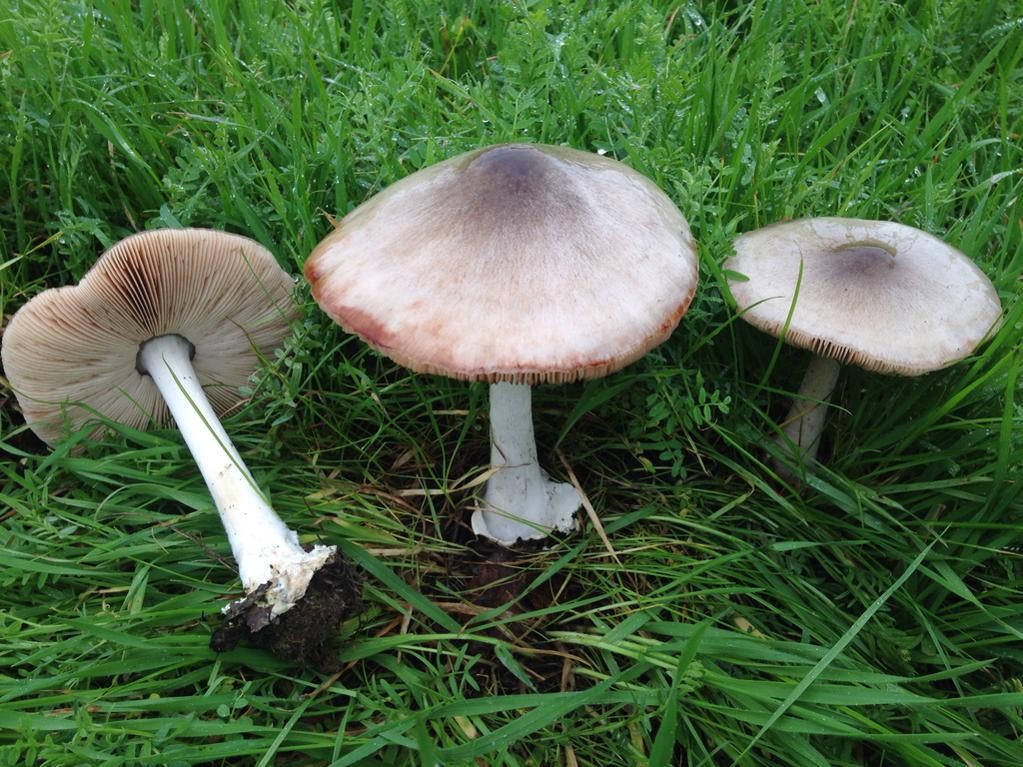
1. Big sheath mushroom
These large white mushrooms bloom all over cleared, harvested fields, as well as pastures and roadsides. The scientific species name comes from Greek words meaning “glue” (glioio) and “head” (cephalus), in reference to the sticky surface of this mushroom’s cap. The big sheath mushroom looks so similar to the poisonous Deathcap and Destroying Angel mushrooms that it should always be left alone.
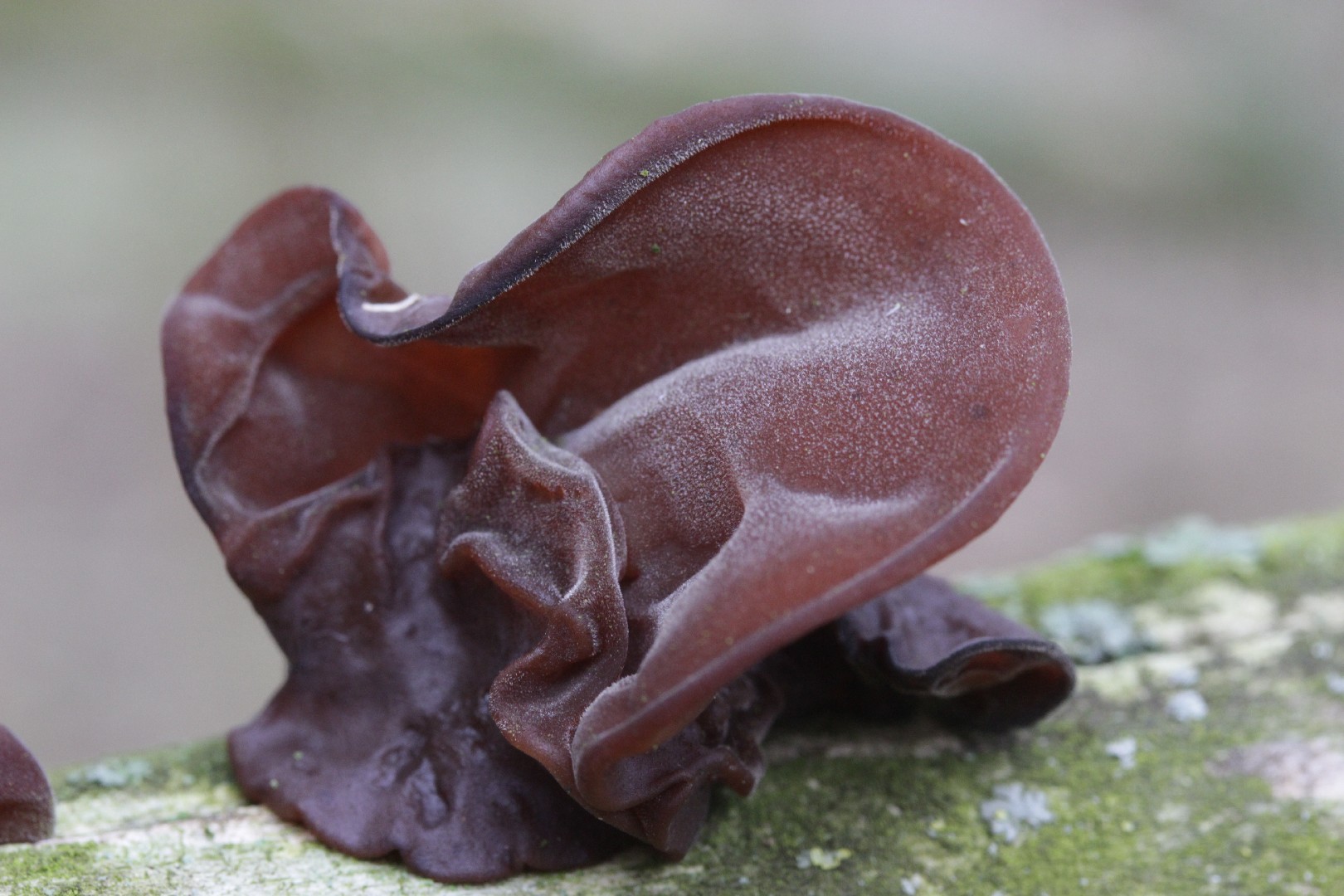
2. Jelly ear
The distinctive jelly ear grows mainly through winter and spring, mostly on the dead trunks and branches of elder trees. It occurs around the world and is often cooked into dishes in Asian countries. This ear-shaped jelly mushroom is often available in stores both fresh and dried.
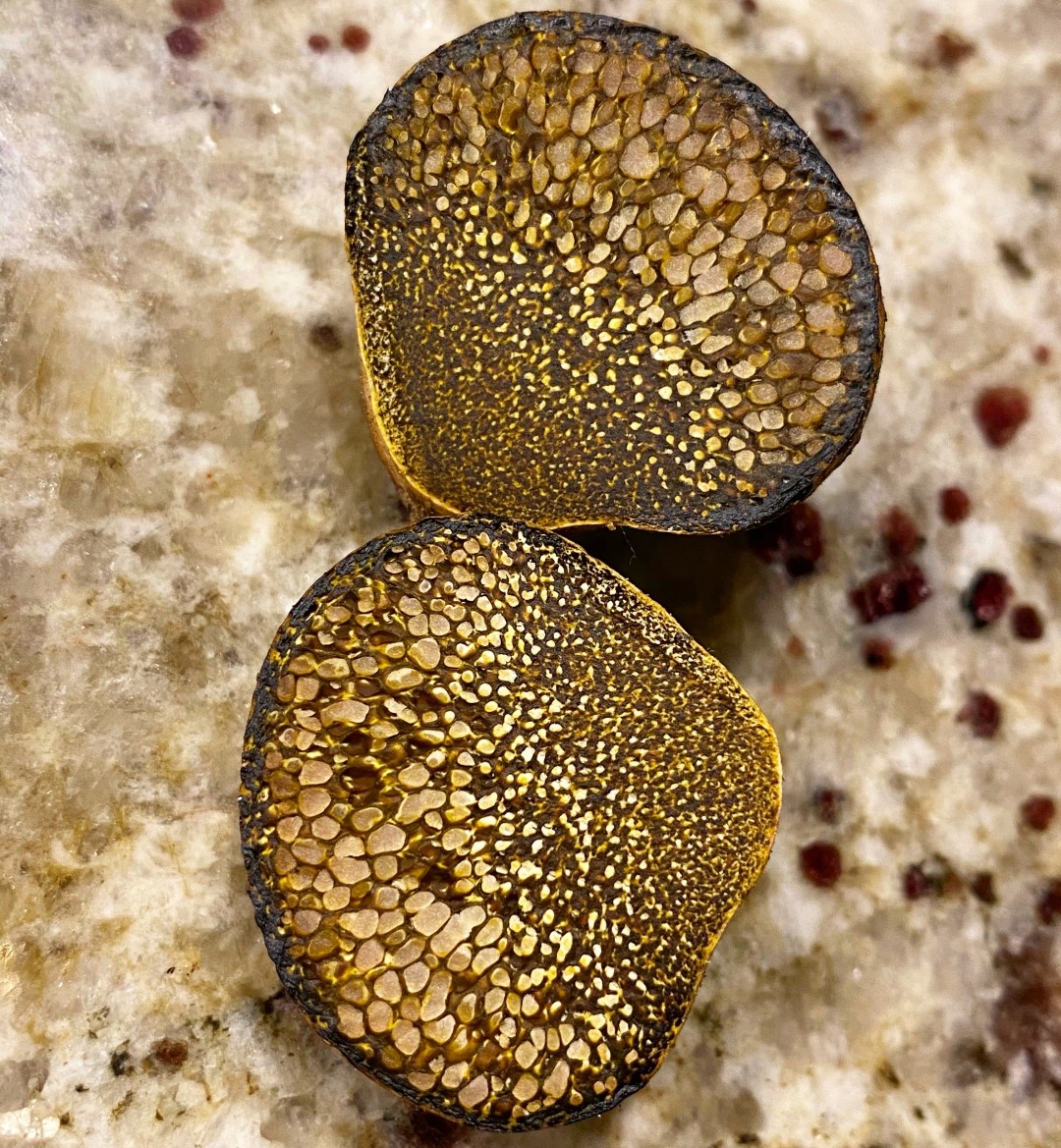
3. Dead man's foot
Dead man's foot (Pisolithus arhizus) actually bears a number of colorful names stemming from its unusual appearance, such as the horse dung fungus (Australia). It can be distilled into a viscous black gel, which is then used as a natural dye for clothing. It is considered to be inedible.

4. Shaggy mane
The shaggy mane mushroom is commonly found in North American and European grasslands. Some peoples foraged for its young egg-shaped caps, but it has more recently been found to be a bioaccumulator of heavy metals, meaning it pulls toxic metals up from the soil where it grows. As a result, shaggy manes should not be eaten. The mushrooms usually appear in clusters or “fairy rings.”
5. Parasol
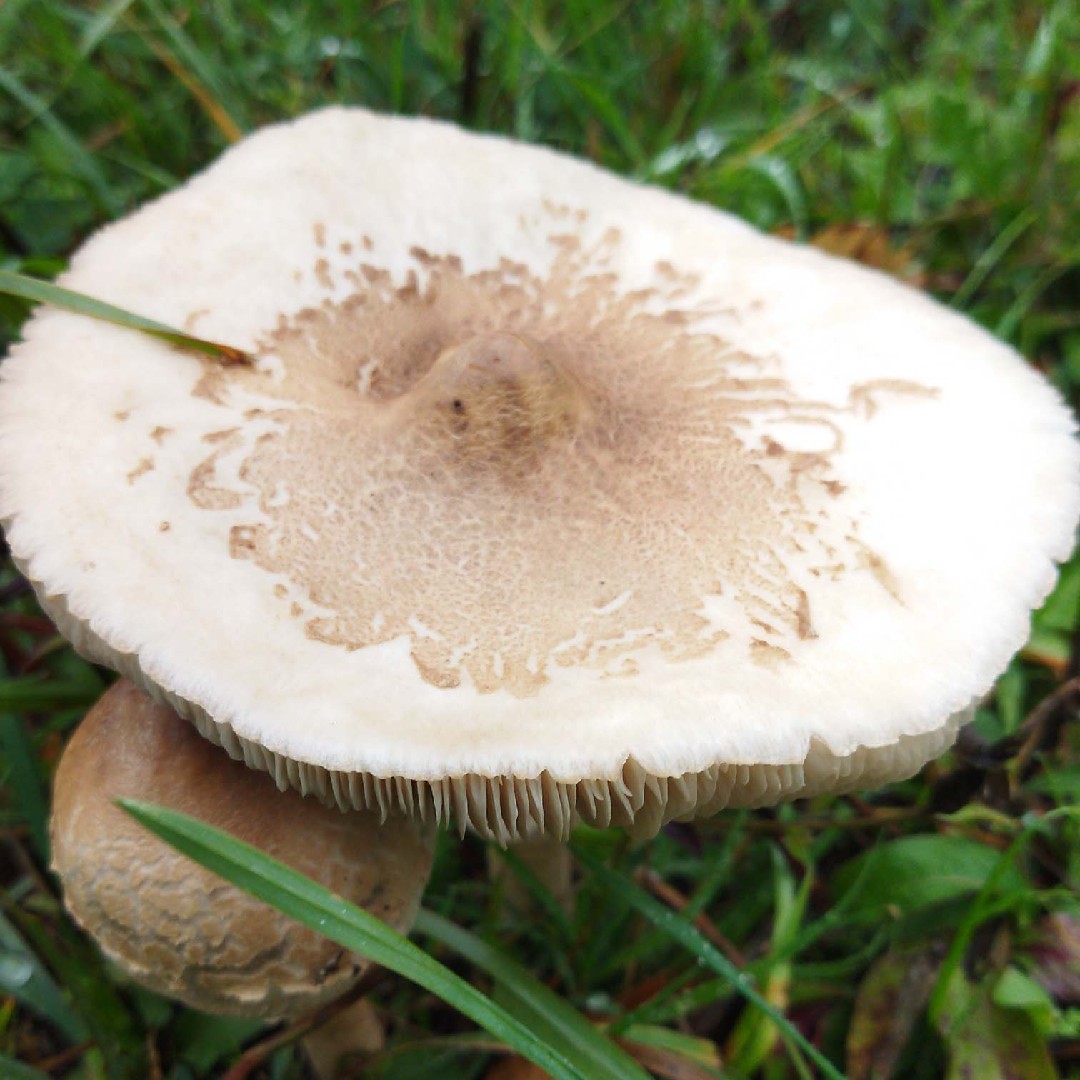
Found in clearings and grassy areas in late summer, the wild parasol mushroom has a snakeskin-patterned stem. The brown spots on its cap make it look a bit shaggy, but that name is reserved for its poisonous counterpart, the Shaggy Parasol (Chlorophyllum rhacodes). You can distinguish the two by the stems: the latter has a smooth stem and red flesh inside.
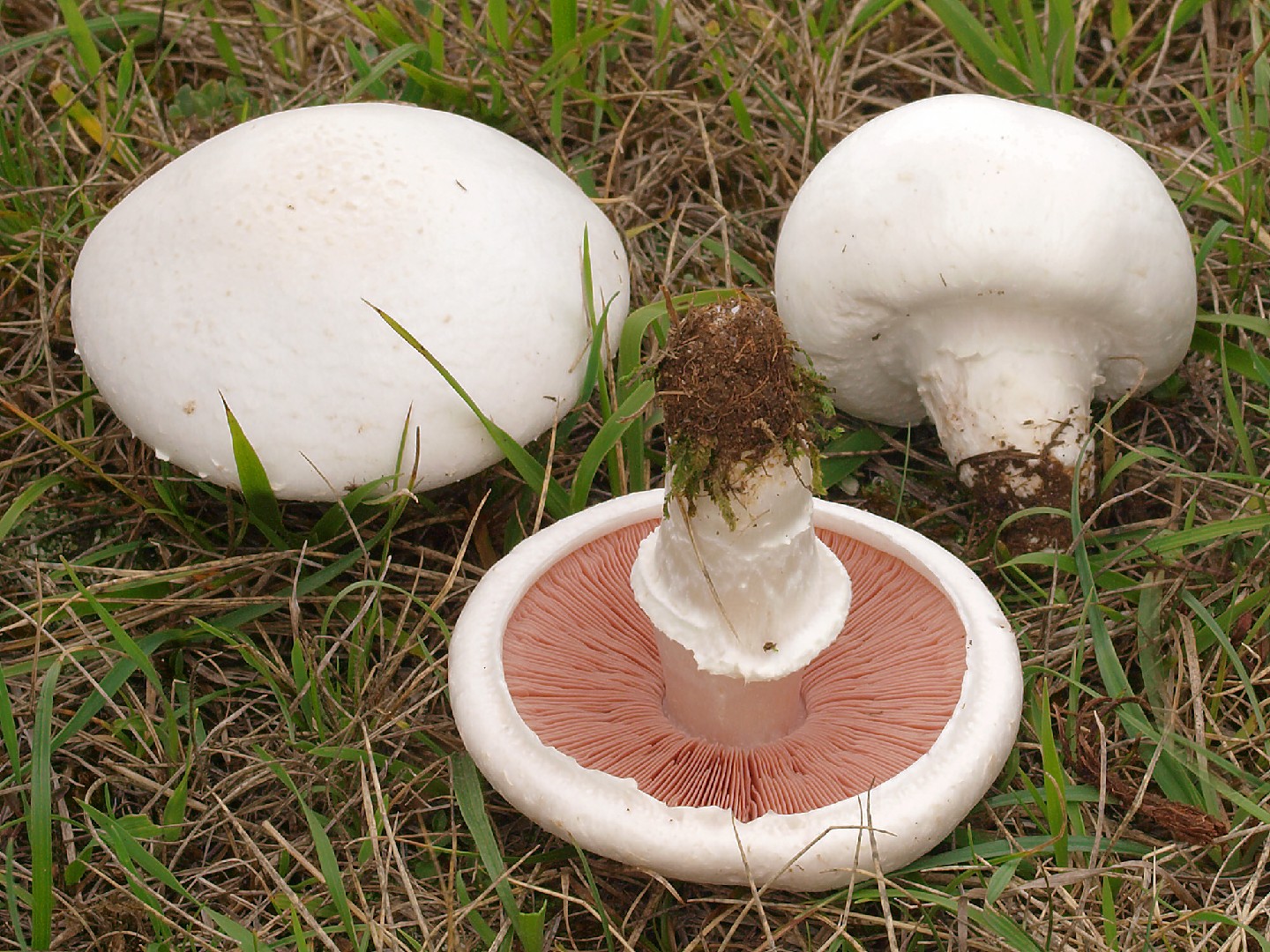
6. Meadow mushroom
The meadow mushroom grows in meadows and pastures around the world—especially those rich in manure—when the weather is warm and wet. They are known to appear in “fairy ring” shapes. Originally identified in Europe, it is possible that North American specimens identified as meadow mushrooms may genetically belong to other species.
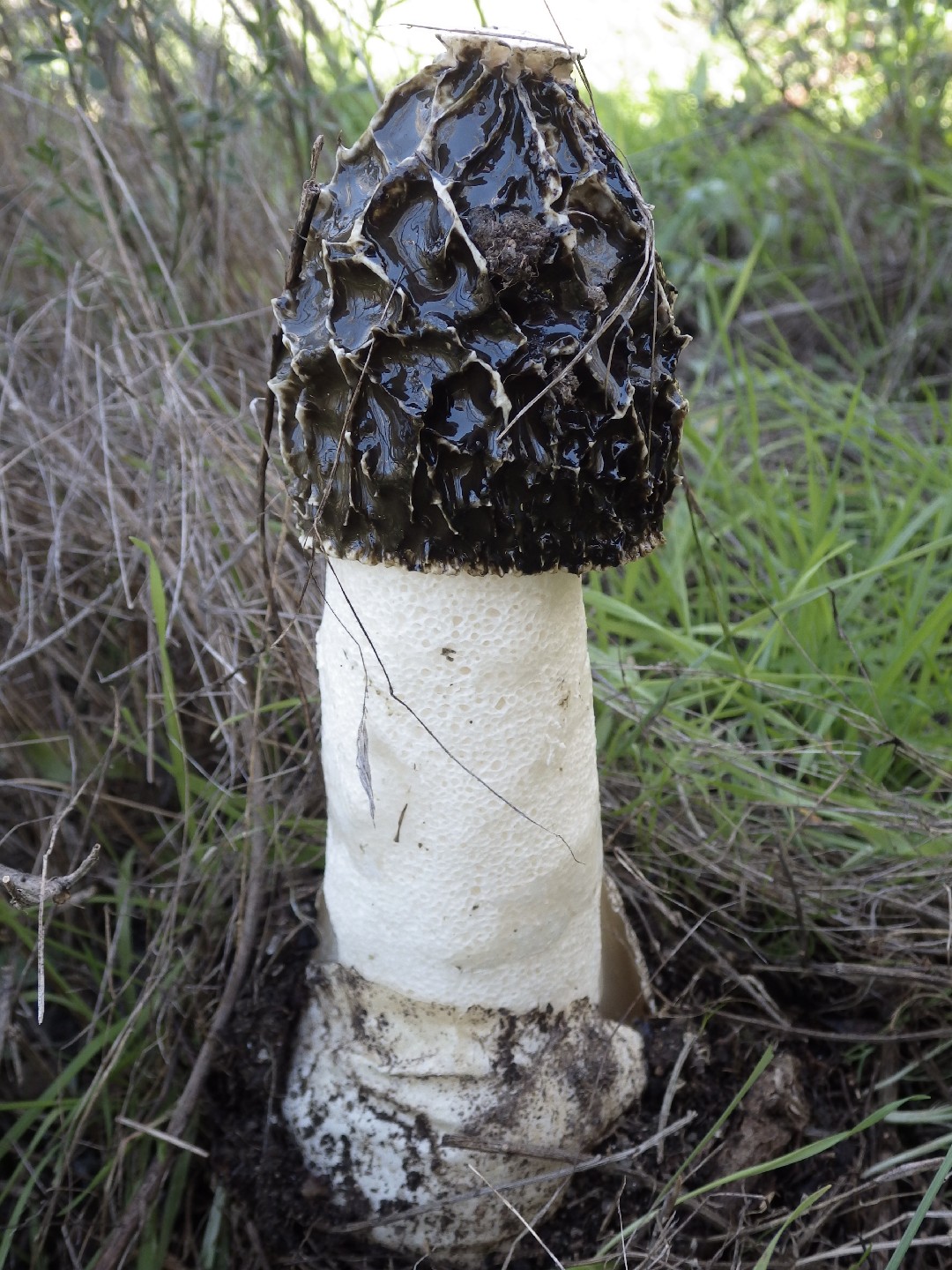
7. Common stinkhorn
The common stinkhorn (Phallus impudicus) grows incredibly quickly, sometimes nearing 30 cm in a single afternoon. Their caps are pitted in a way which makes them reminiscent of morels. However, there's little mistaking the common stinkhorn for a morel; the former, in addition to sporting a much longer stalk, has a clear and pungent odor.
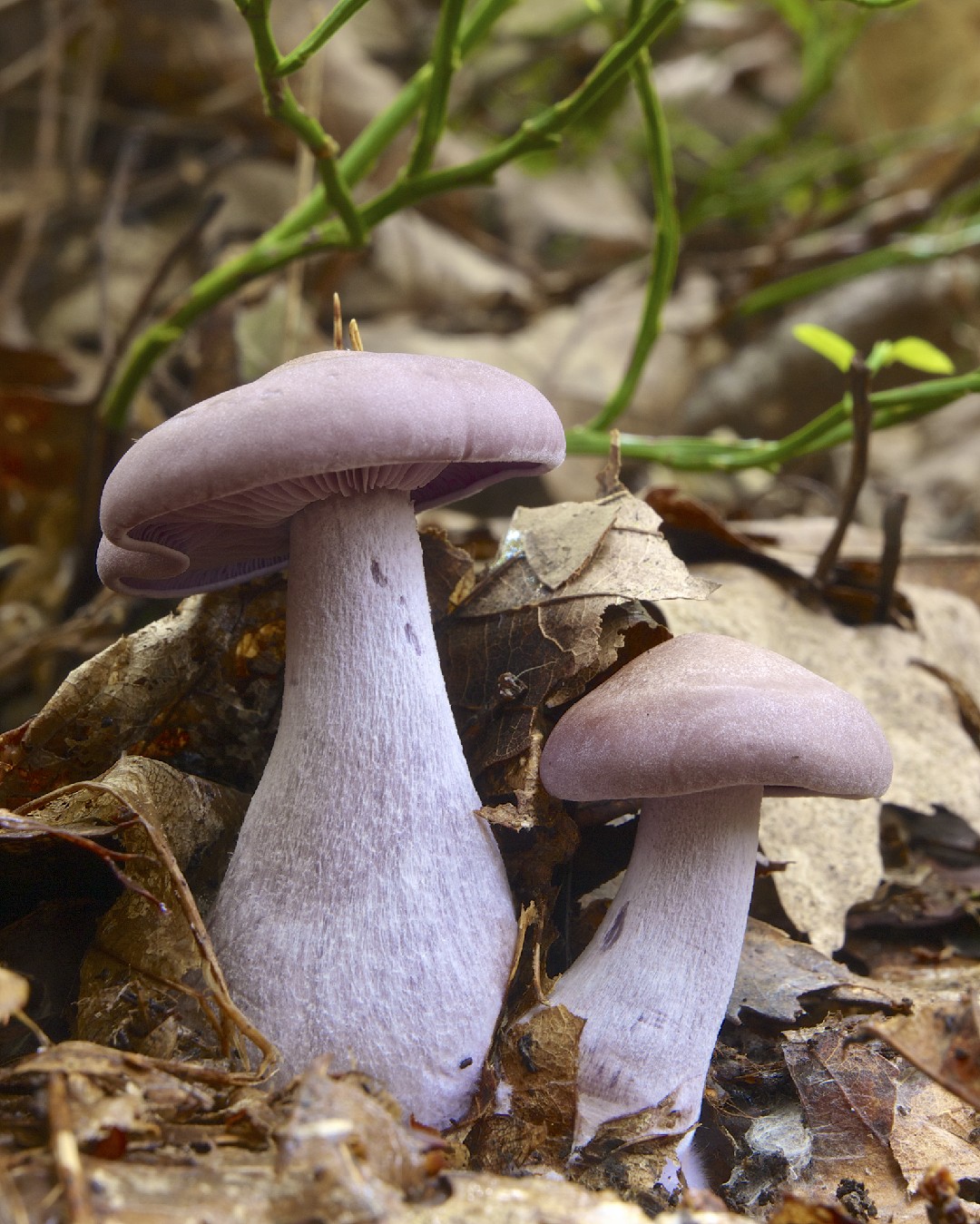
8. Blewit
The blewit mushroom grows in fallen leaves in autumn and winter, sometimes appearing in ‘fairy ring’ circles. It can be used to make a green dye when chopped and boiled in an iron pot. The scientific name, Lepista nuda, derives from Latin words meaning “bare goblet,” a reference to the shape and texture of the mushroom.

9. Chicken of the woods
Chicken of the woods is very noticeable in hardwood forests, appearing in clusters on standing tree trunks in bright orange and yellow hues that sometimes last through the entire winter. It is a parasite that causes an unfortunate brown heart rot, and is considered a particularly troublesome pest of Yew trees. If the fruitbodies can be seen, the tree is likely already beyond saving.
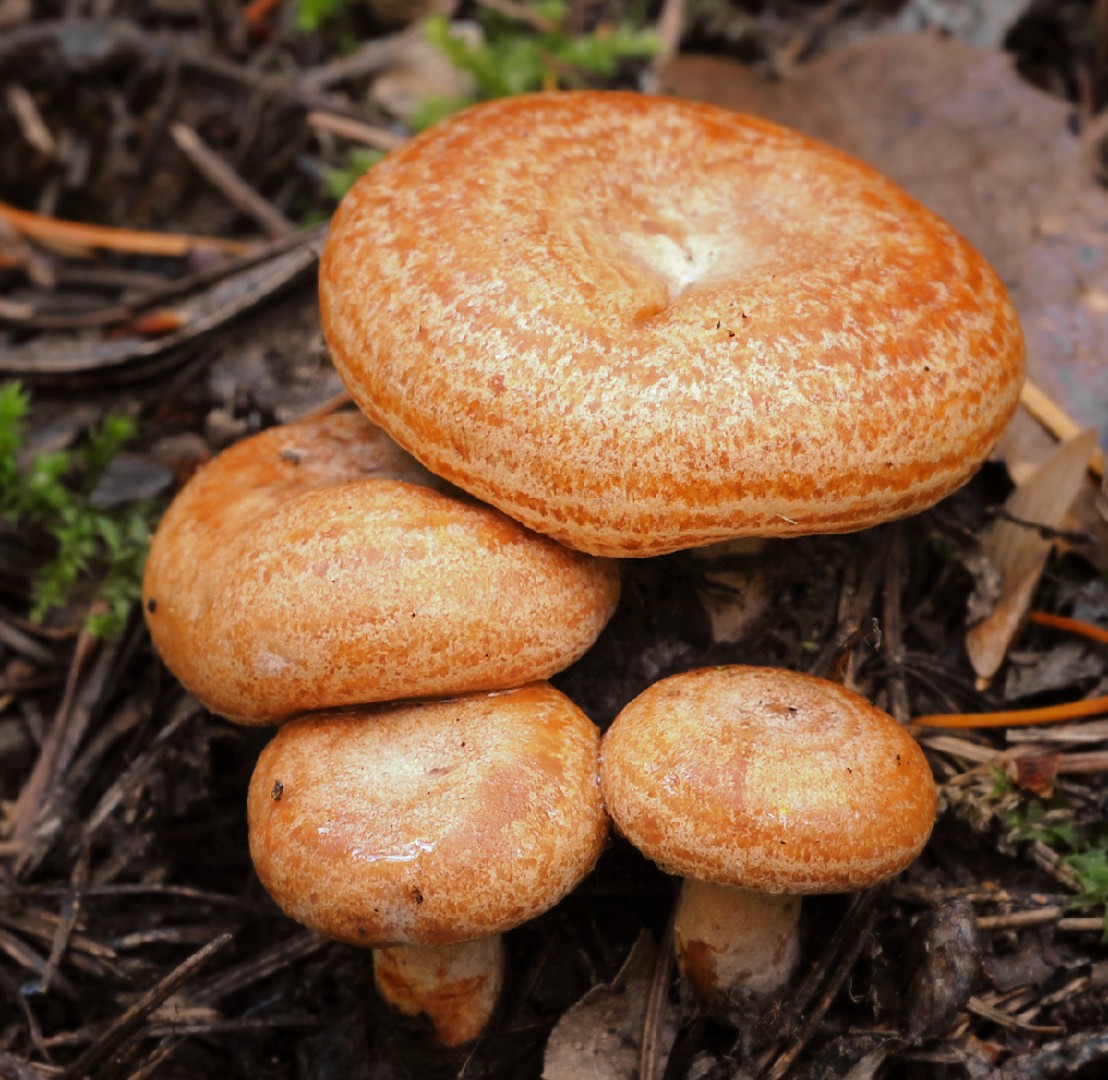
10. Saffron milk cap
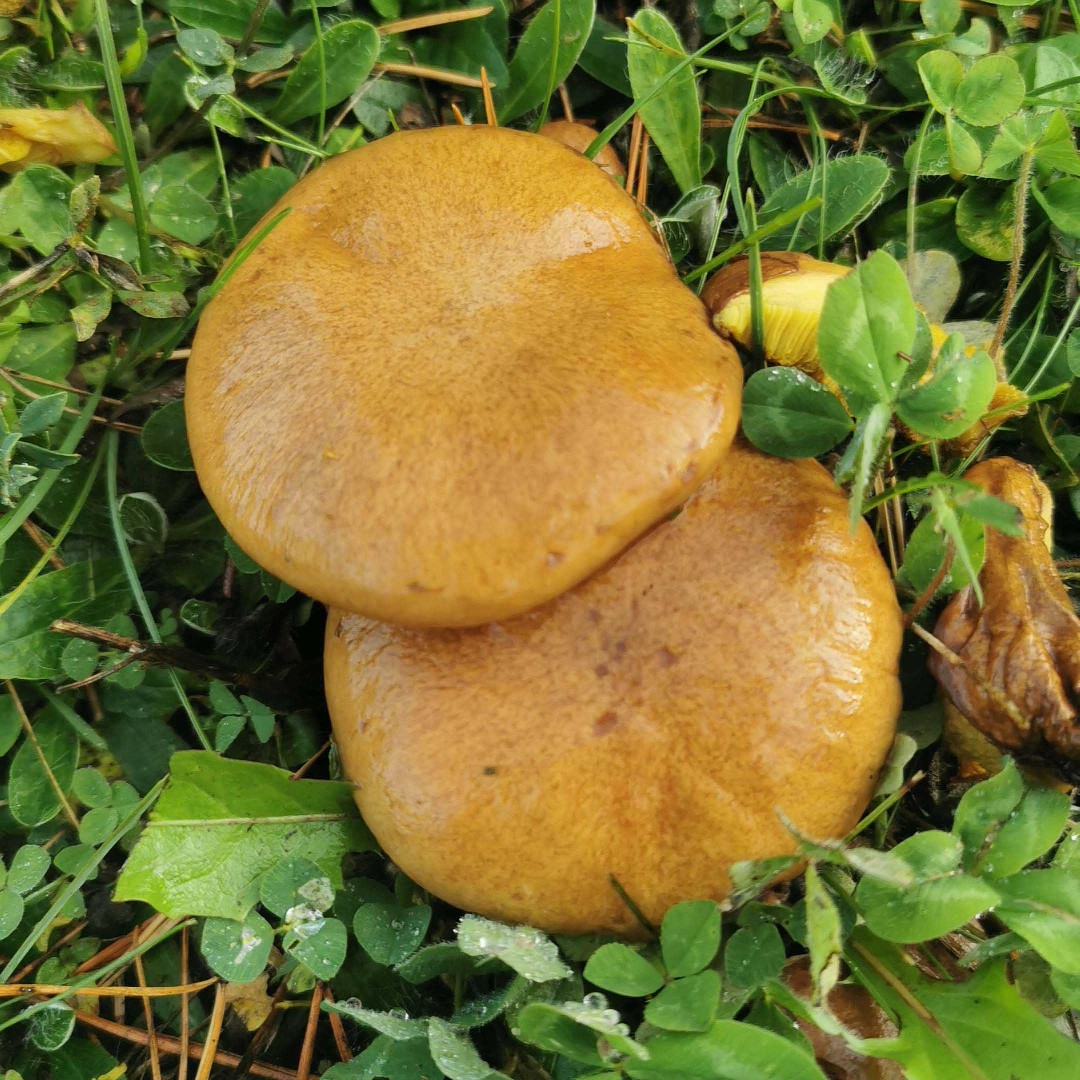
Growing wild in the northern hemisphere and introduced to Australia, the saffron milk cap is found in pine forests during autumn. As the name implies, these mushrooms have been harvested for cooking for a long time. They have been known to cause stomach upset in some individuals, however, and carry a risk of being contaminated with heavy metals, so forage with caution.


More







