




Top 20 Edible Mushrooms Popular in Nakhodka
Immerse yourself in the diverse mycological landscape of Nakhodka, a region renowned for its climate nurturing a diverse range of sought-after edible fungi. This guide will showcase the top 20 mushrooms, detailing their distinctive features, unique flavors, preferred habitats, and popular uses in gastronomy. Embrace the world of culinary exploration and natural wonder, all while enhancing your knowledge of Nakhodka's rich fungal biodiversity. Knowledge is power in the fascinating realm of mushroom foraging.
* Disclaimer: Content feedback CAN NOT be used as any basis for EATING ANY PLANTS. Some plants can be VERY POISONOUS, please purchase edible plants through regular channels.

Most Popular Edible Mushrooms
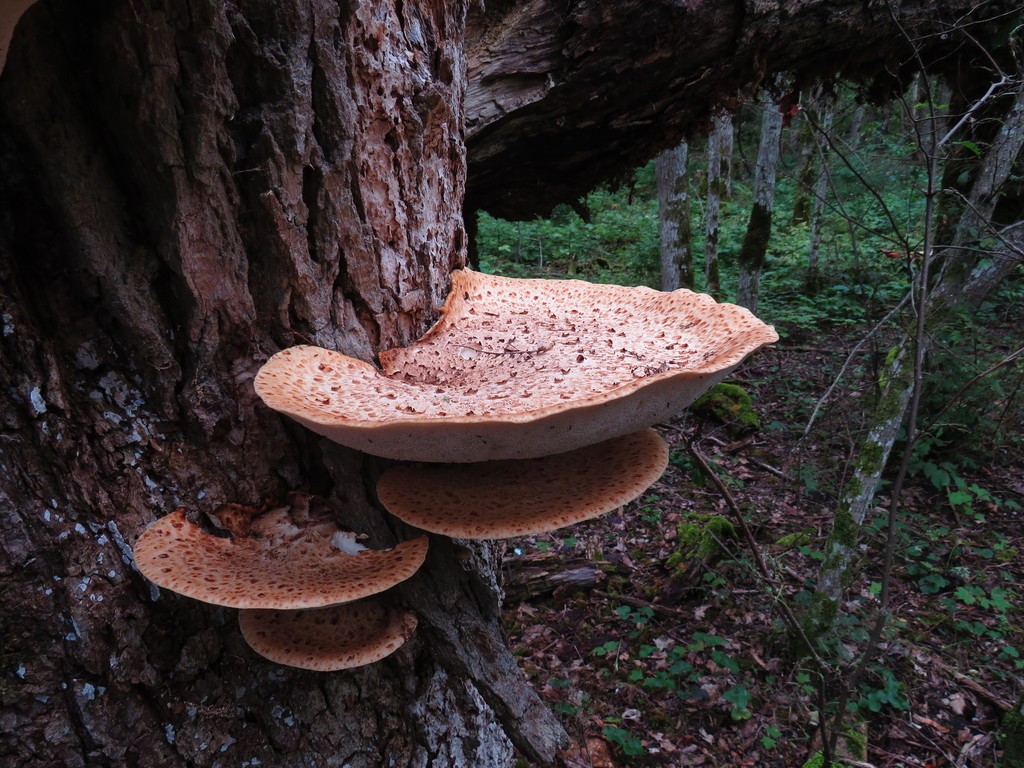
1. Dryad's saddle
A familiar sight to spring morel hunters, dryad's saddle is noteworthy for its large size, striking scales, and watermelon-like smell. Similar to other mushrooms in the bracket fungi family, dryad's saddle can be used to make paper. Younger mushrooms are better suited for this purpose due to their smaller and more consistent fibers.
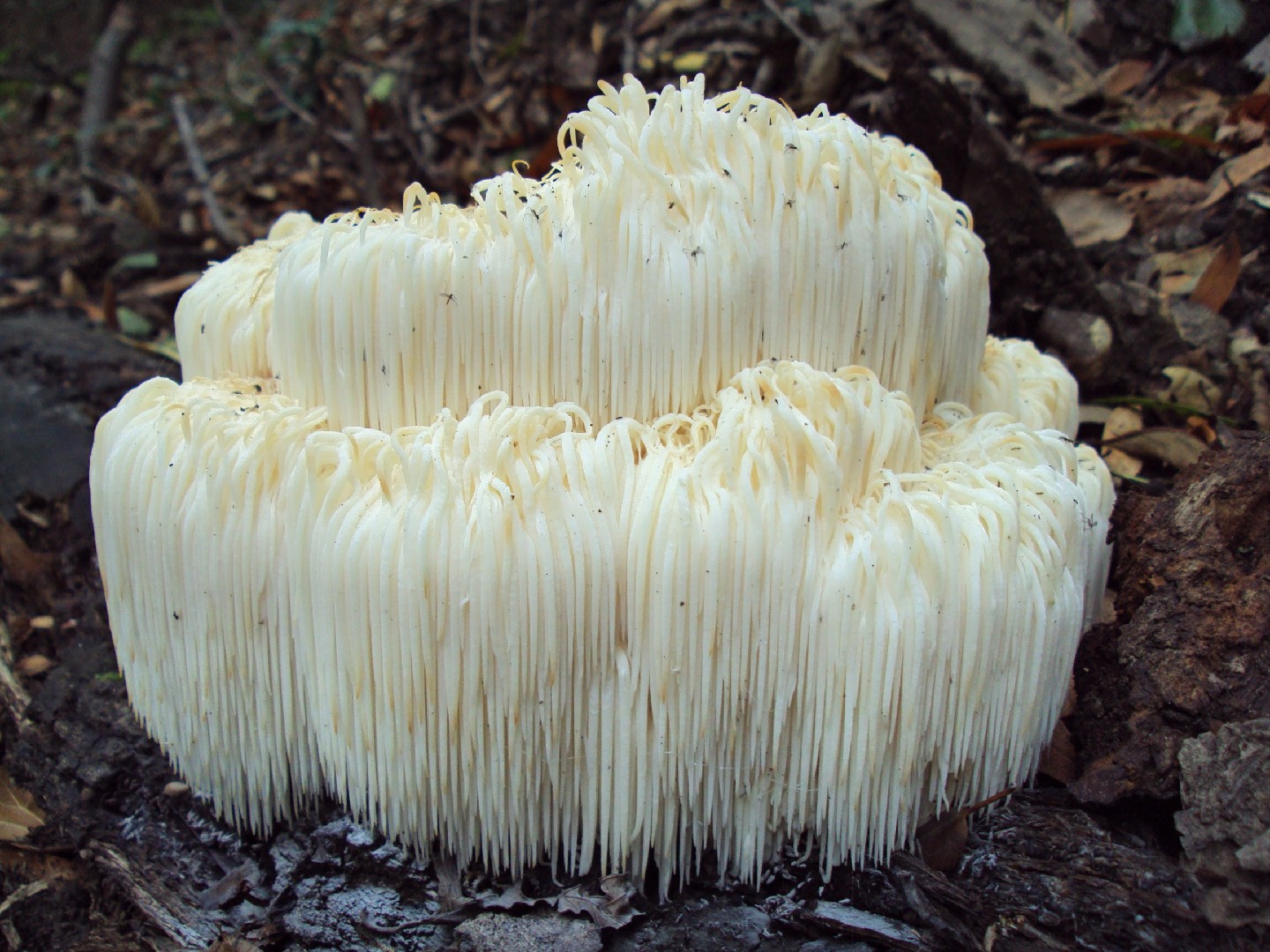
2. Lion's Mane Mushroom
Lion's Mane Mushroom(Hericium erinaceus) is easily identifiable by its characteristic appearance, reminiscent of the majestic mane of a lion. It often sprouts along hardwoods, which may be living or dead. Scientists thus debate whether this species is truly parasitic or merely saprophytic in nature.
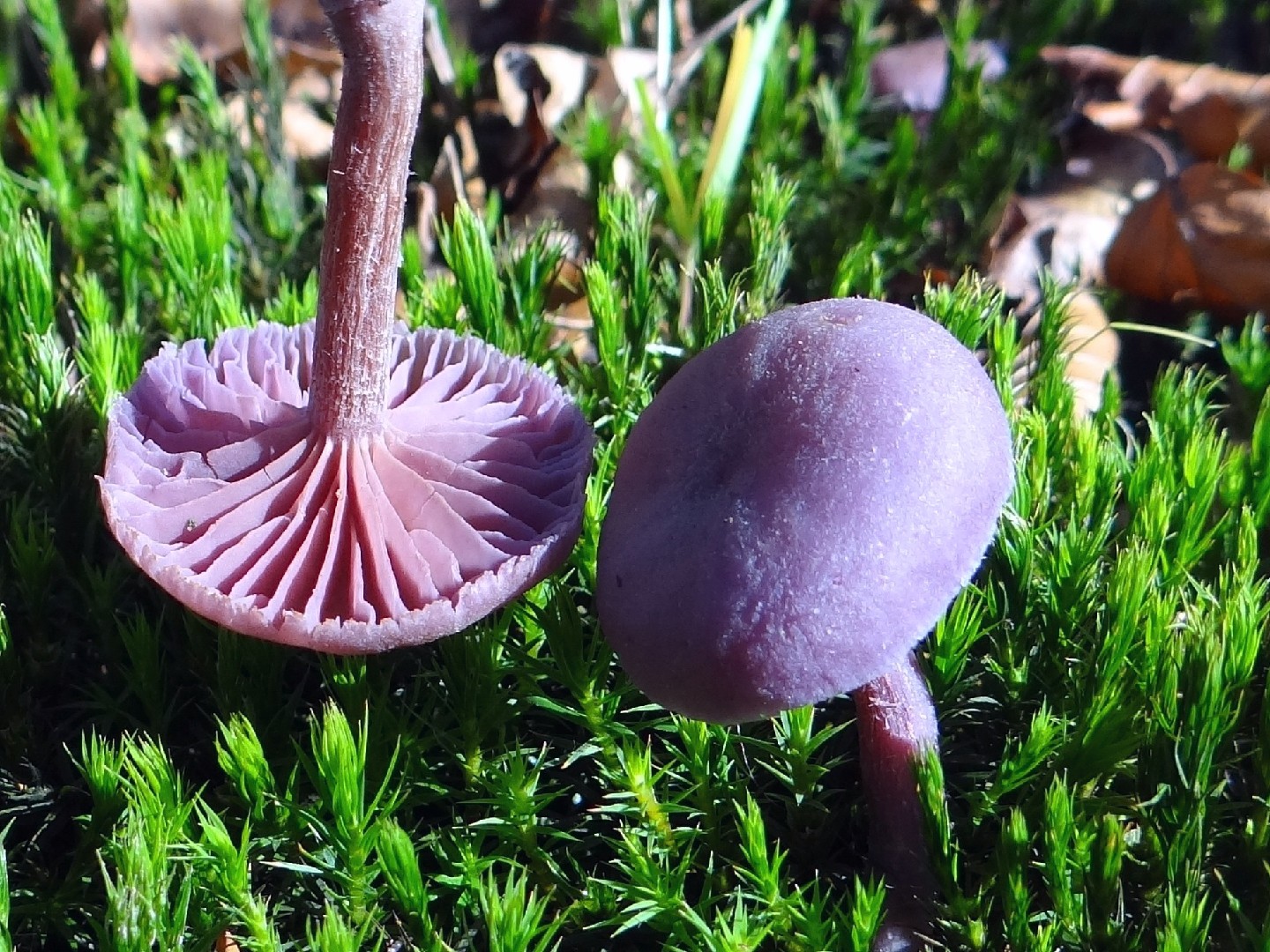
3. Amethyst deceiver
The amethyst deceiver (Laccaria amethystina) is a breathtaking mushroom that pops up from coniferous forest floors. The caps are a striking violet color in youth and are generally flat with a small indentation when the stem connects. As they mature, this violet color transforms to a less than breathtaking grey color, making it quite hard to identify after a certain age positively. Not edible.
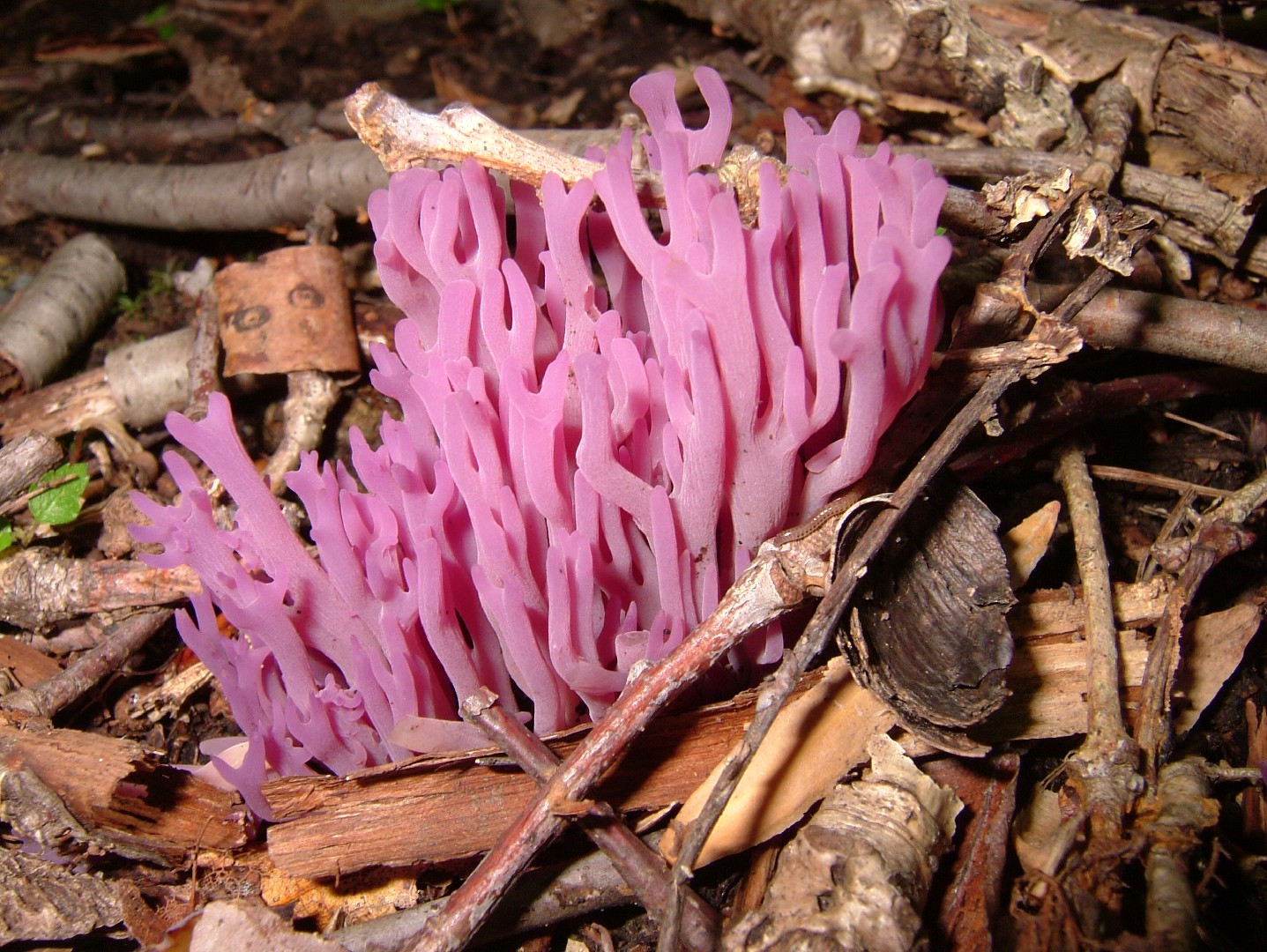
4. Violet coral
The striking violet coral (Clavaria zollingeri) is most common in the eastern part of North America, although it can also be found elsewhere. The clustered, branching fruitbody looks spectacularly similar to an underwater coral, in both shape and color. This species is distinguished by the antler-like pattern with which each frond branches.
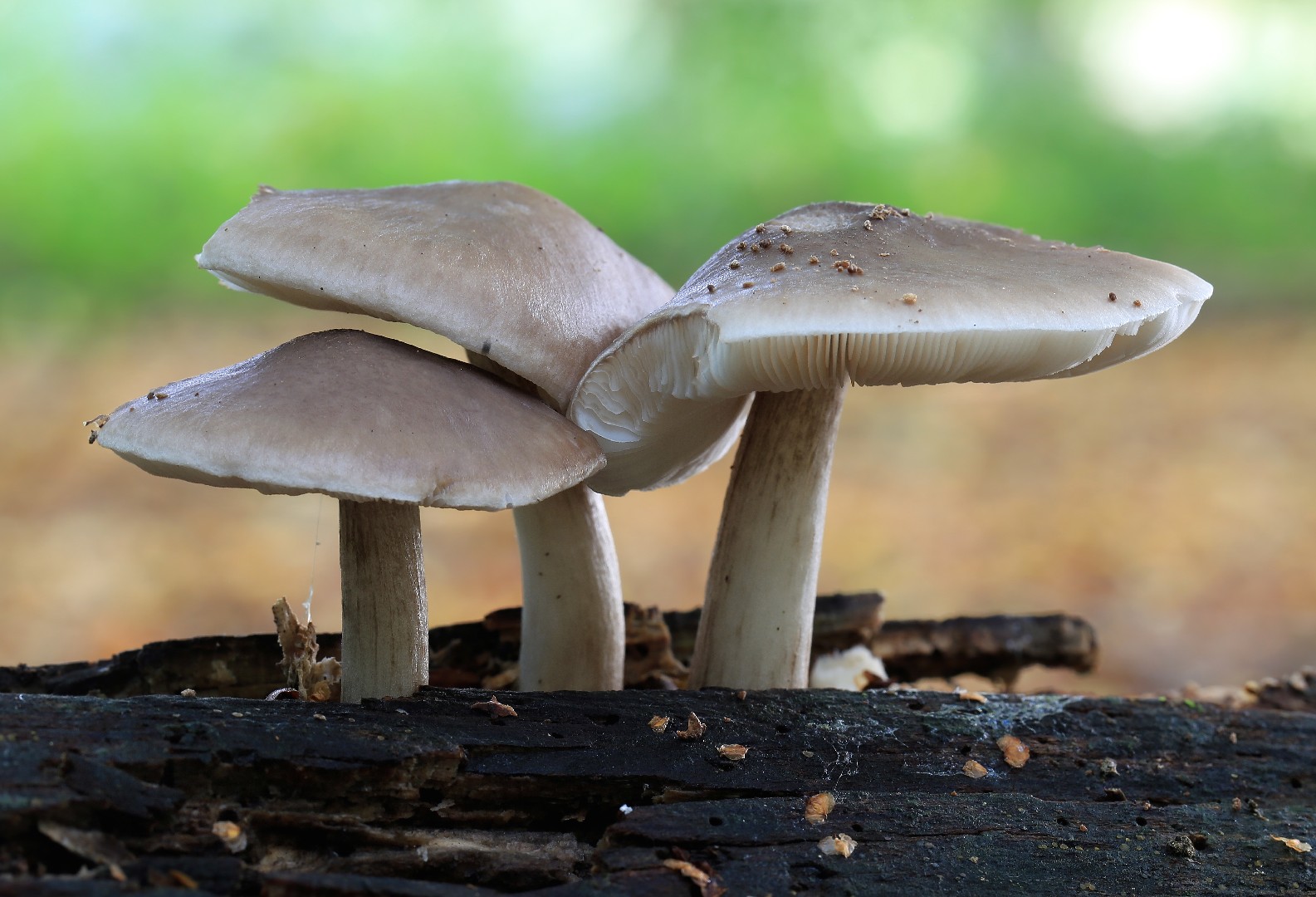
5. Deer mushroom
The deer mushroom is can be found sprouting up from rotting logs, branches, and roots, and while it may have a preference for hardwoods it isn't very picky. Unlike many other mushroom species, the fruitbodies can be found blooming across a wide range of seasons. They have a faint, radish-like odor.
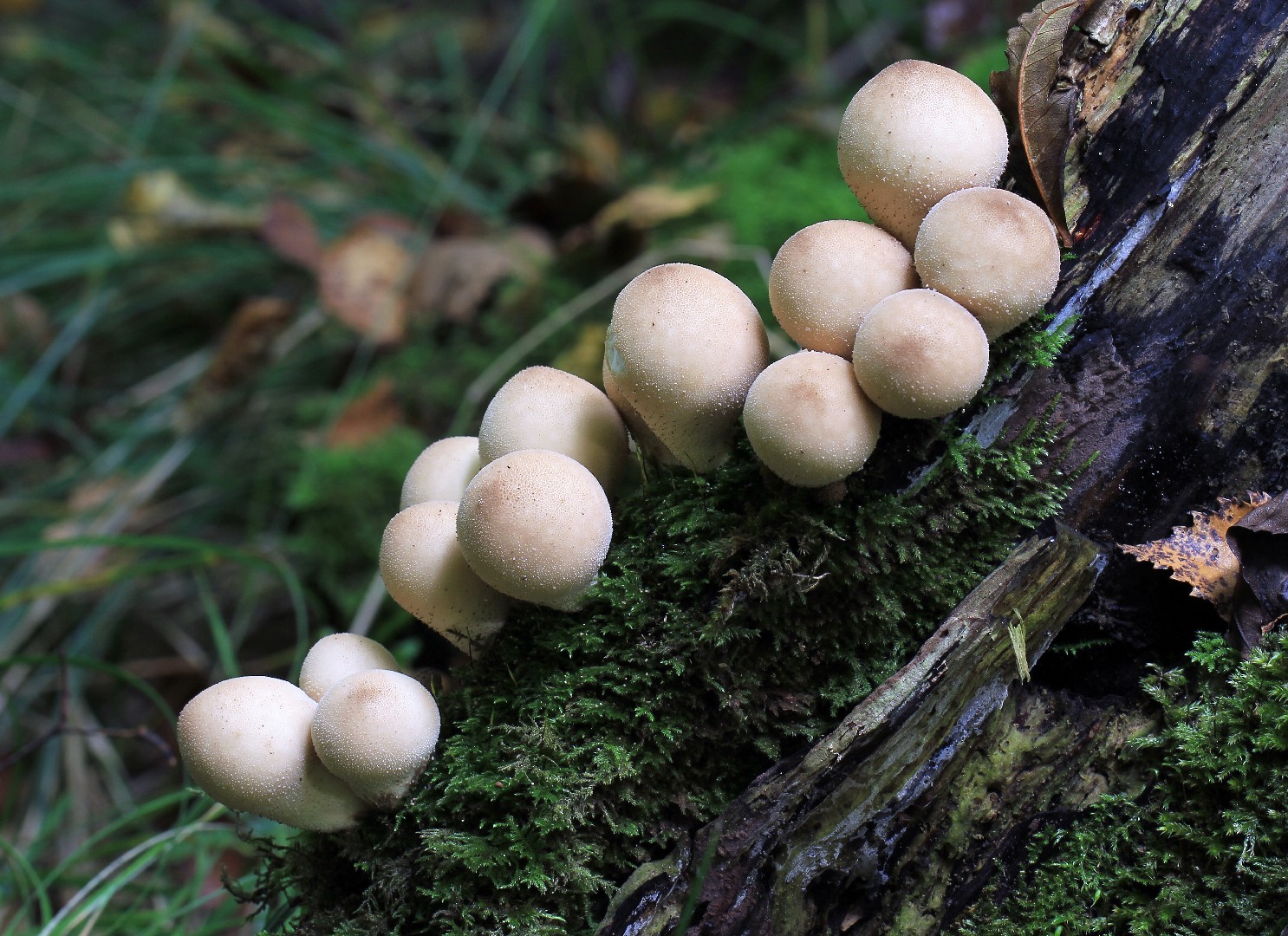
6. Pear-shaped puffball
The mushrooms of this species grow in such tight clusters that they may cover fallen trees and stumps almost entirely in a brownish, puffy coat. Pear-shaped puffballs appear all around the northern hemisphere on decaying hardwoods from fall through winter.
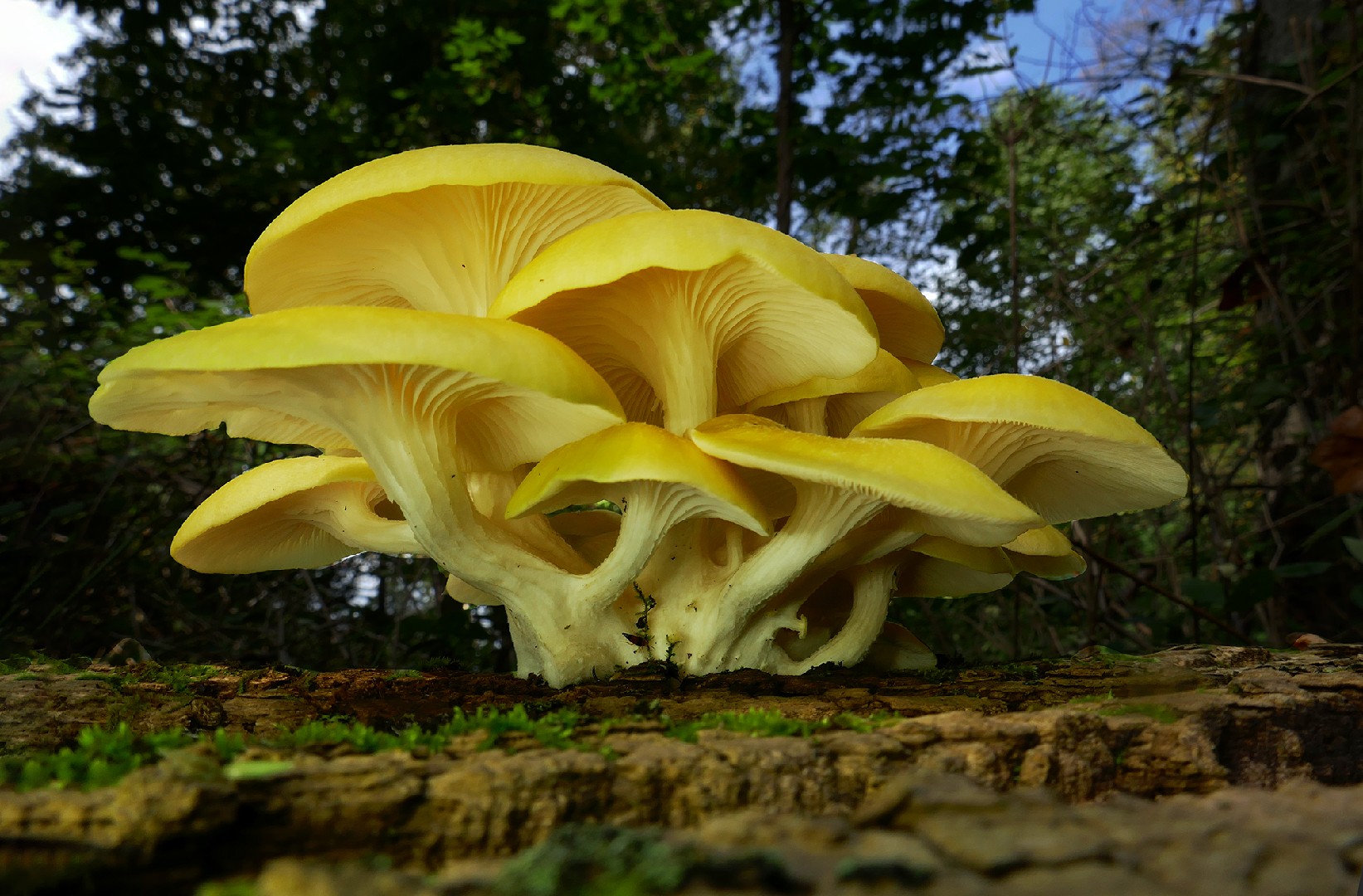
7. Golden oyster
The golden oyster(Pleurotus citrinopileatus) can be distinguished from other mushrooms by an iridescent butter-yellow cap that matures into the color of sunshine. As the color intensifies, the cap also becomes more brittle, making it very difficult to handle. The golden oyster is a delicious species that is highly desirable for culinary uses.
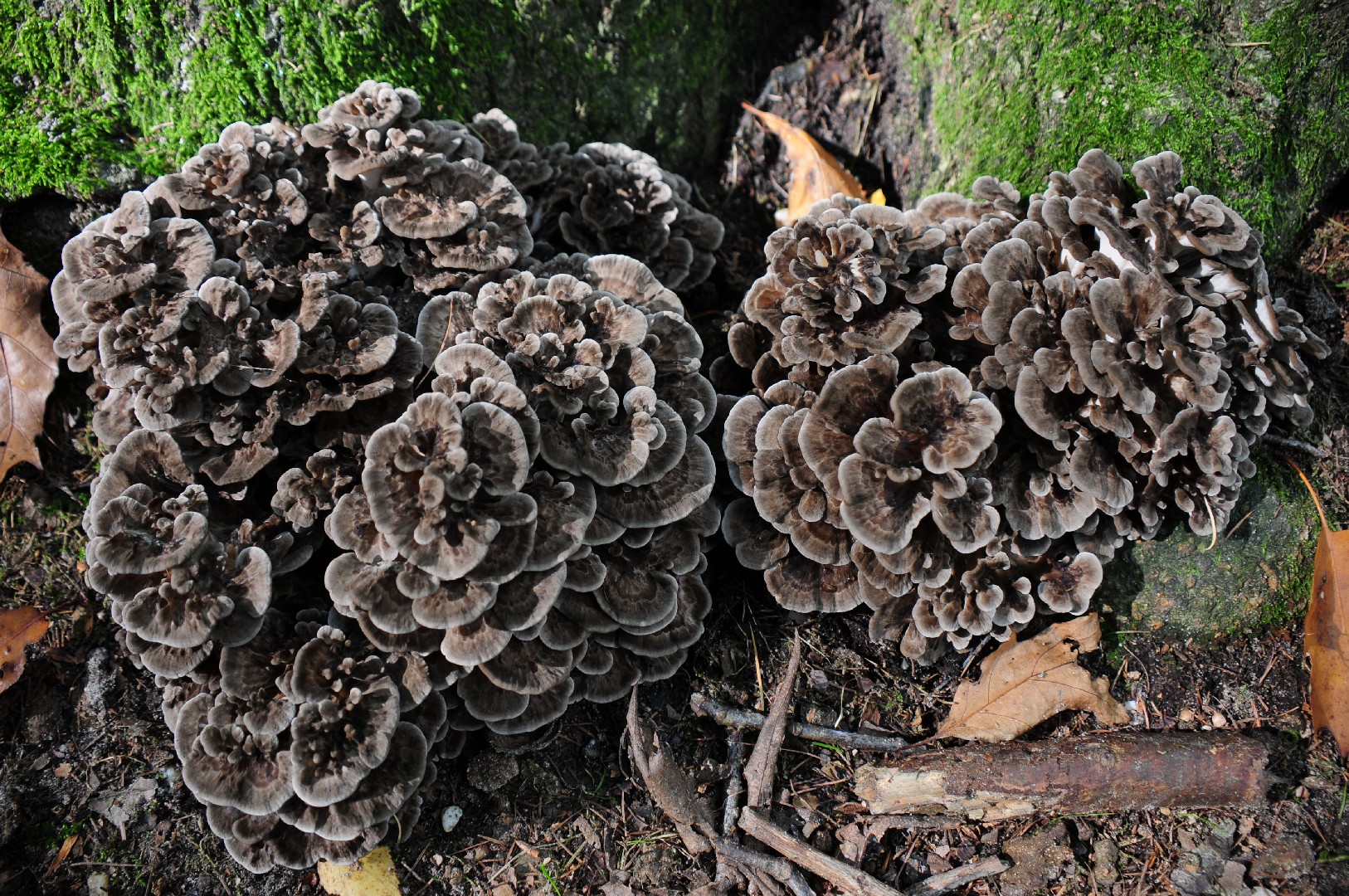
8. Hen-of-the-woods
Often found at the base of oak trees, this clustered fungus grows in distinctive rosettes. It attacks the roots of living hardwood trees. Hen-of-the-woods is considered edible when harvested young, and is cultivated in Japan on top of compressed sawdust.
9. Slender parasol
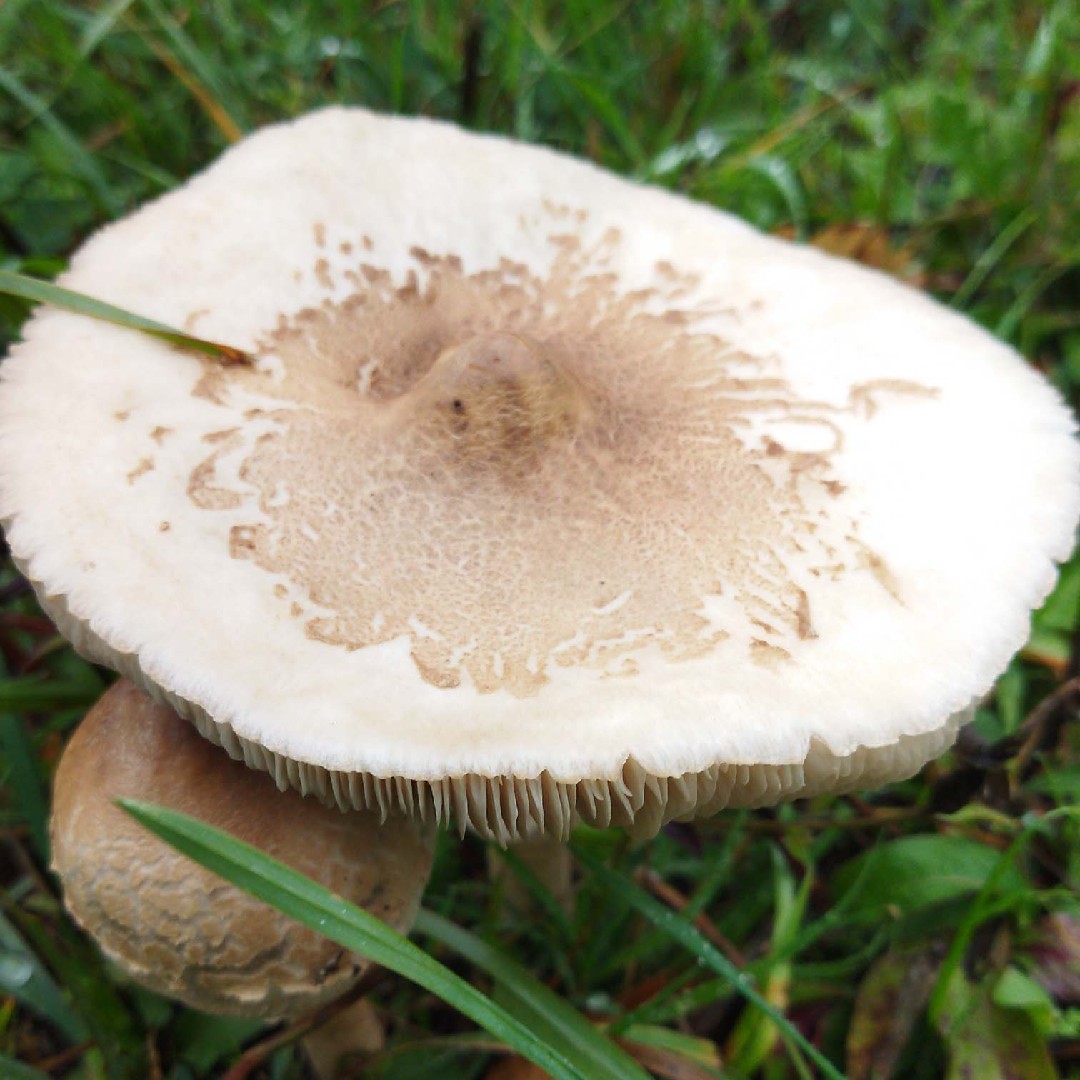
Slender parasol (Macrolepiota mastoidea) is a large and quite common white mushroom that is characterized by a double ring usually present on its stem. The Latin name mastoidea means breast-like and refers to the raised nipple-like point on the top of the crown. This mushroom prefers calcareous soils.
10. Hare's ear
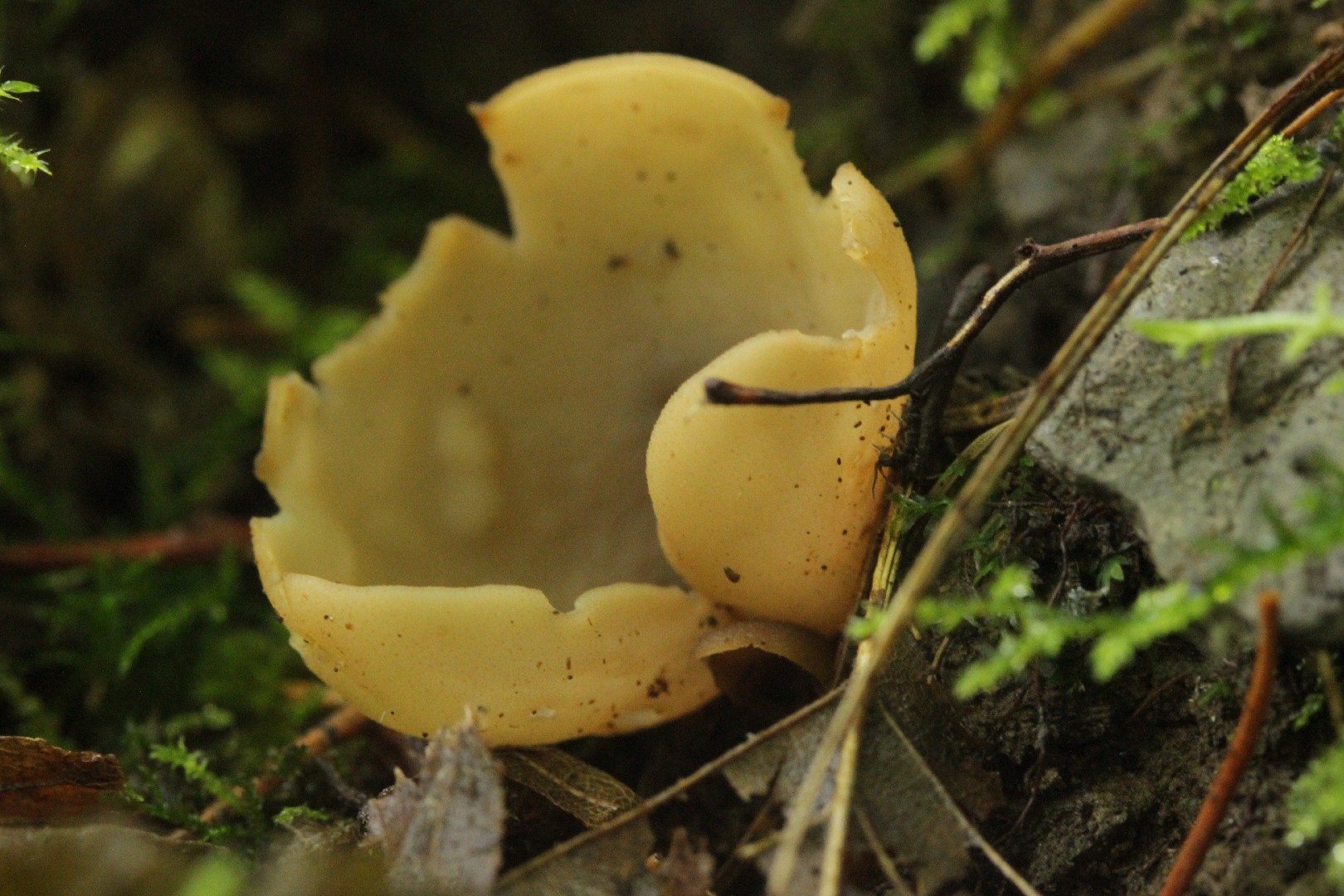
Hare's ear is a fungus most commonly associated with beech forests. Finding them is made easier by their habit of appearing right along the edges of woodland footpaths. The specific epithet, onotica, translates from Greek to mean "Donkey ear," which is another common name for the Hare's ear fungus.
More







