




Top 20 Edible Mushrooms Popular in Jaslo
In the lush landscapes of Jaslo, multitude of edible mushrooms thrive, making it a paradise for foragers and culinary enthusiasts. Our list of 'Top 20 Most Common Edible Mushrooms' provides a deep dive into the unique characteristics of these fungal delights, from their distinct appearances and flavors to their preferred habitats and popular uses in kitchens across Jaslo. Join us in unraveling the delectable secrets of Jaslo's most serendipitous finds. Stay tuned to broaden your mushroom knowledge and increase your foraging prowess.
* Disclaimer: Content feedback CAN NOT be used as any basis for EATING ANY PLANTS. Some plants can be VERY POISONOUS, please purchase edible plants through regular channels.

Most Popular Edible Mushrooms
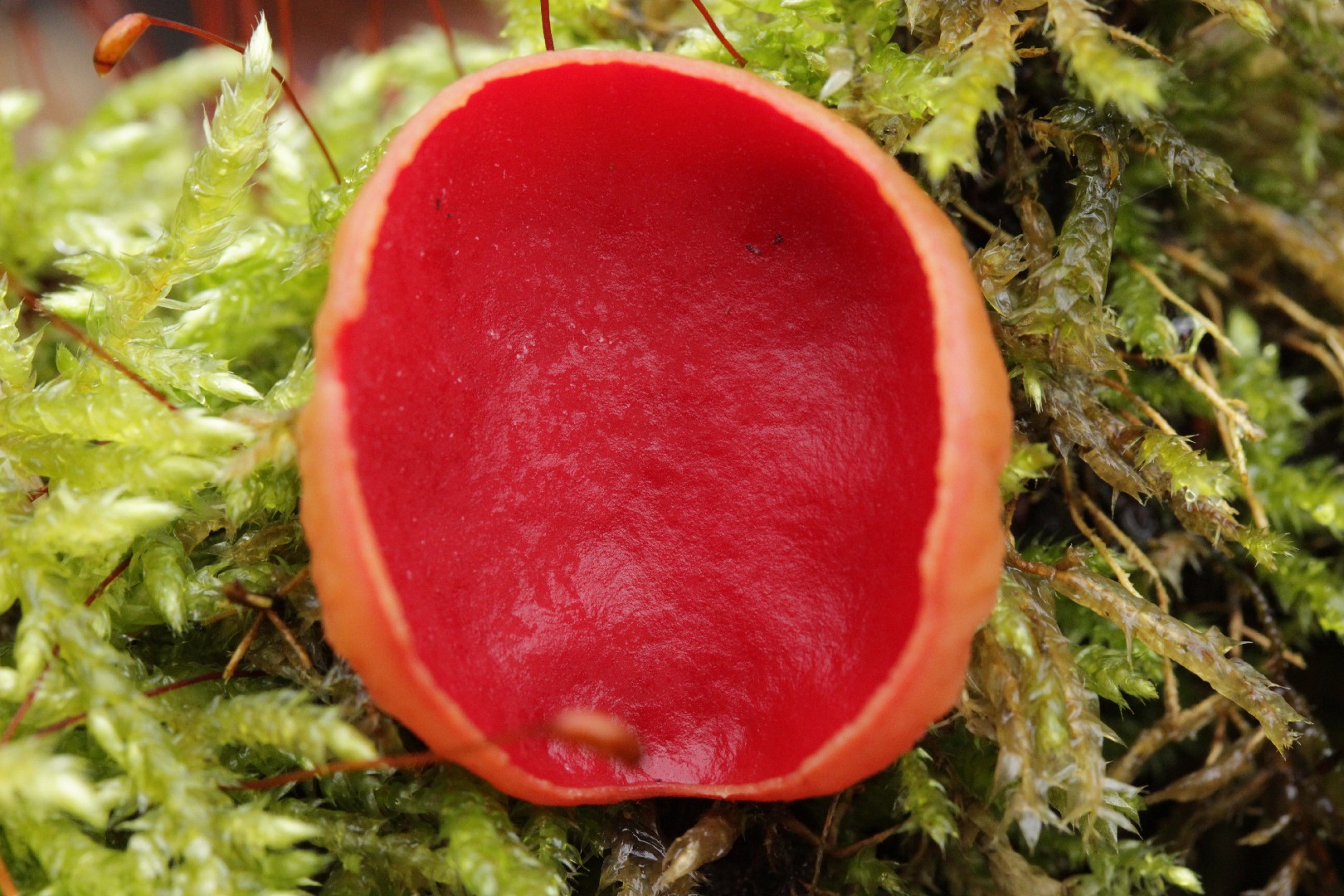
1. Scarlet cup
One of the first mushrooms to appear in the spring, the scarlet cup sometimes pops out of snow. Definitely a cool-season mushroom, the scarlet cup also prefers areas with high rainfall. It forms large colonies and it's very abundant. Slugs and various rodents like to feed on this mushroom.
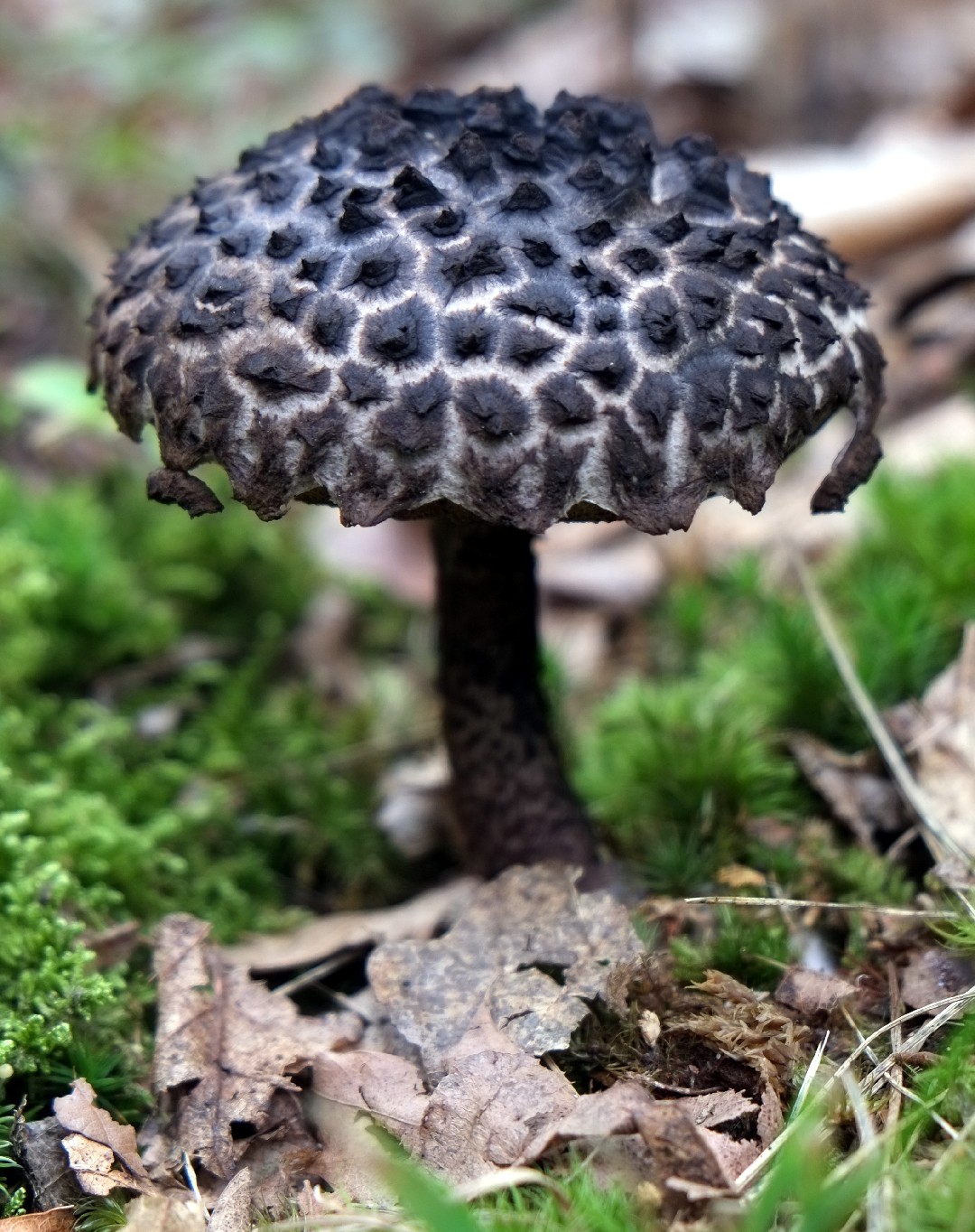
2. Old man of the woods
Native to Europe and North America, old man of the woods(Strobilomyces strobilaceus) is notable for its unusual coloring and texture, which visually resembles dark, overlapping scales against a white base. Interestingly, this mushroom has been depicted on a Swiss postal stamp worth fifty centimes.
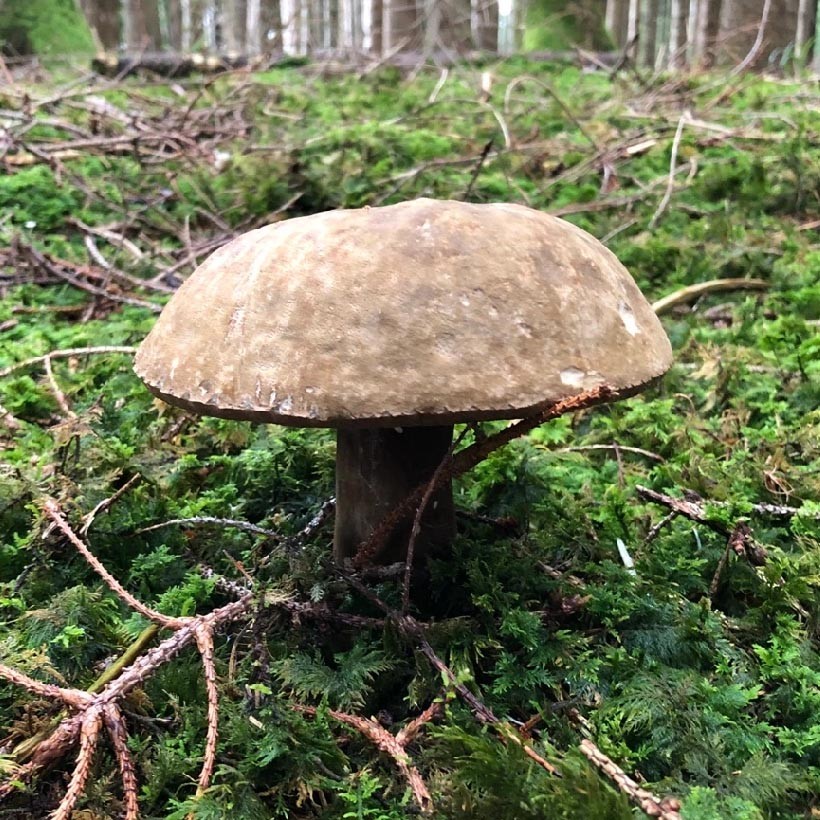
3. Dusky bolete
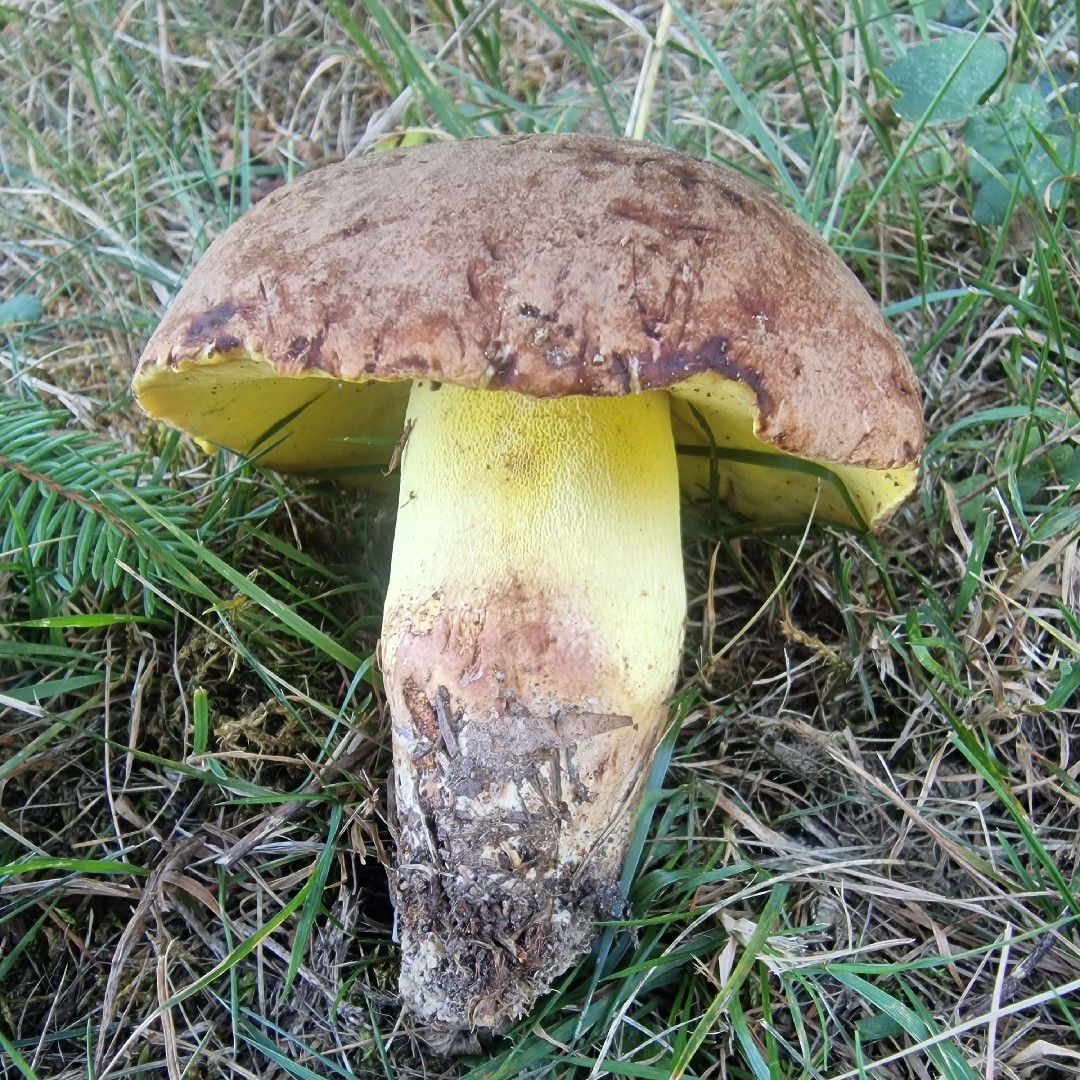
Dusky bolete (Porphyrellus porphyrosporus) may have a large cap, but its somewhat drab or dusky brown color makes it hard to spot on the forest floor. This mushroom typically grows under pines in low-elevation areas. It is known for its blue to blue-green staining reaction.
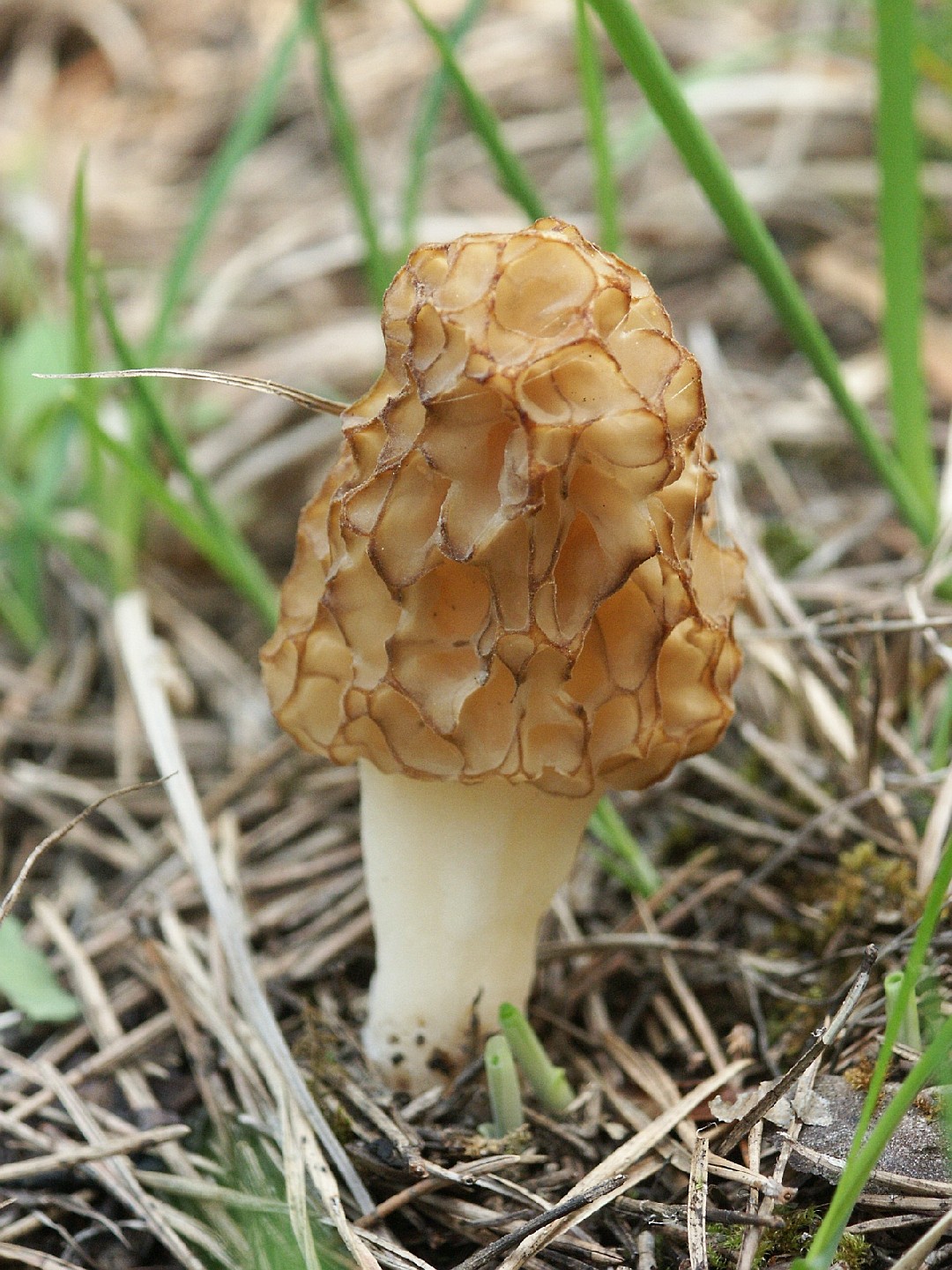
4. Yellow morel
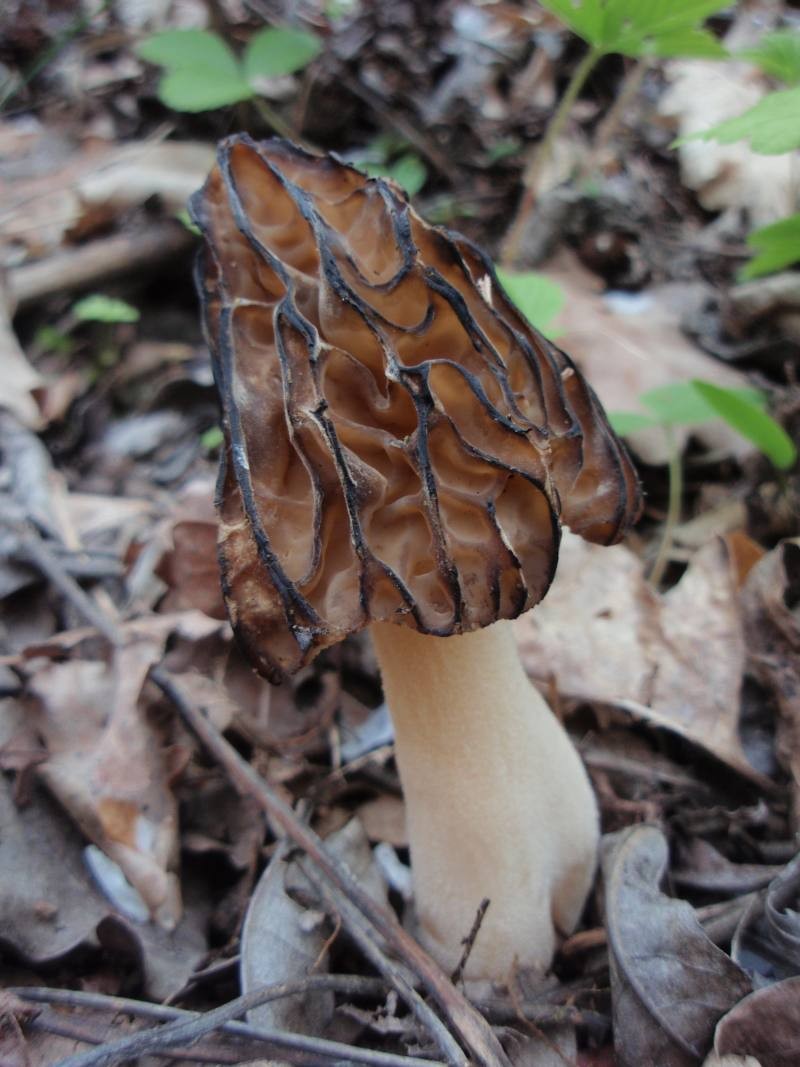
The yellow morel (Morchella esculenta) is one of the most iconic and sought-after species of edible mushrooms. It is often one of the first species that novice mushroom gatherers will hunt for. Yellow morels have elongated caps that are "honeycombed", being filled with roughly polygonal holes. Splitting them down the middle reveals them to be hollow on the inside, a key feature that distinguishes them from toxic false morels. Experts recommend cooking or boiling this mushroom before consumption, as raw morels may cause an upset stomach.
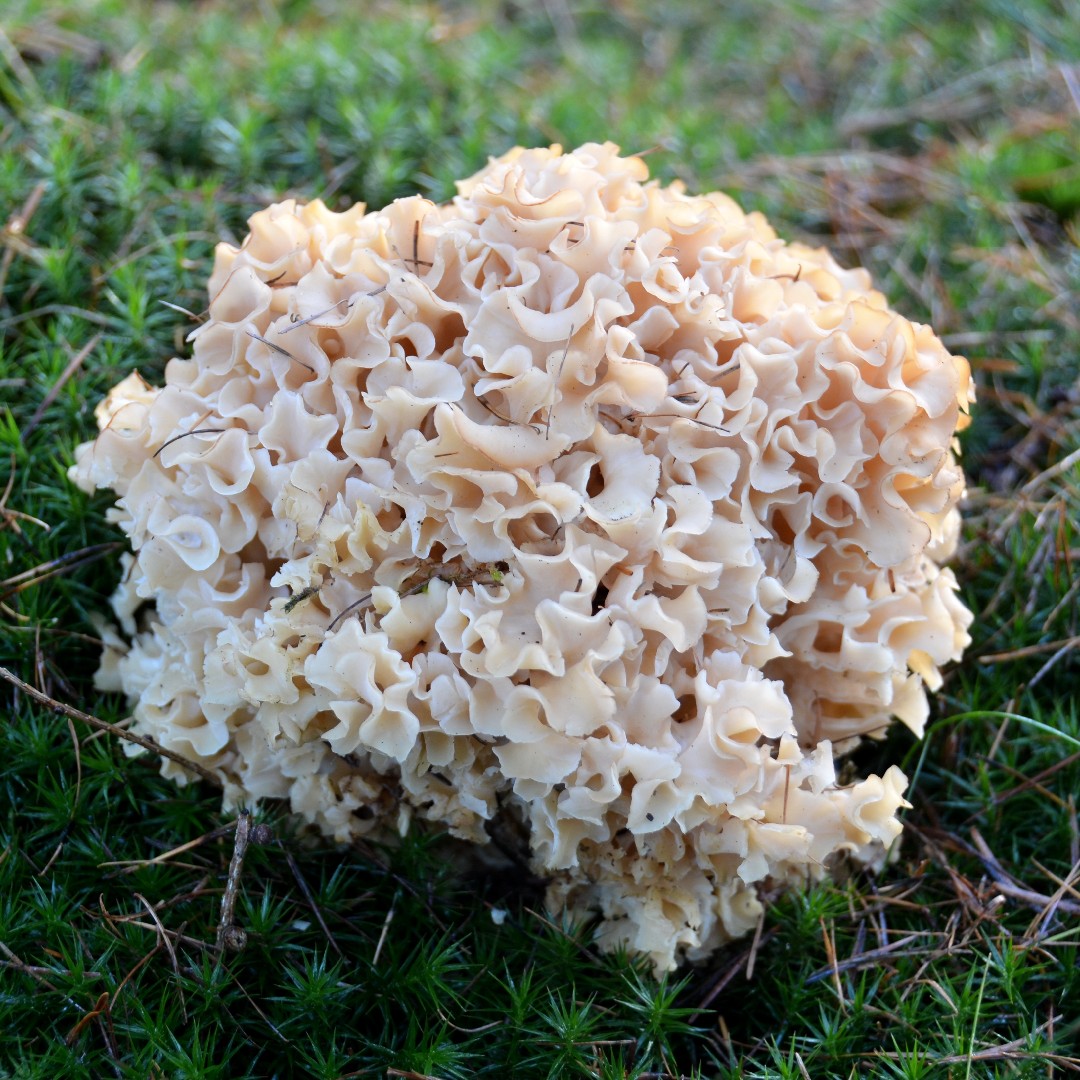
5. Cauliflower mushroom
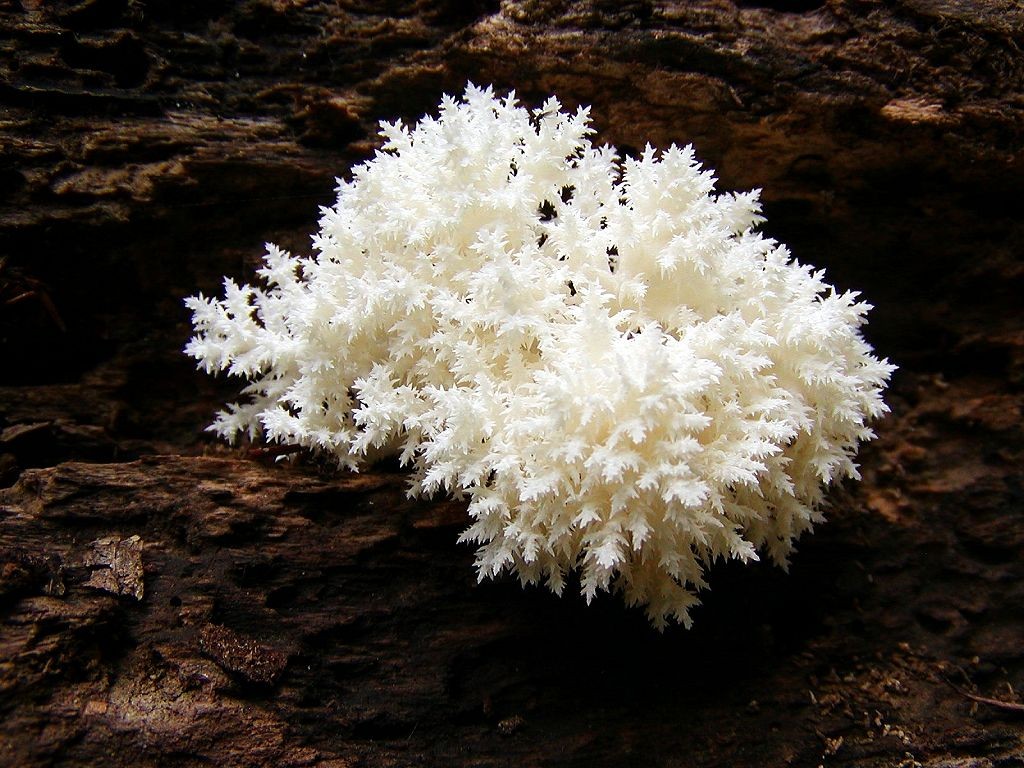
Instantly recognizable and highly sought-after, cauliflower mushroom (Sparassis crispa) forms a distinct-looking fruitbody that can be found across temperate North America and Europe. The species resembles cauliflower in both color and overall shape, although instead of bearing florets, its appendages look more like wavy, partially-cooked pasta.
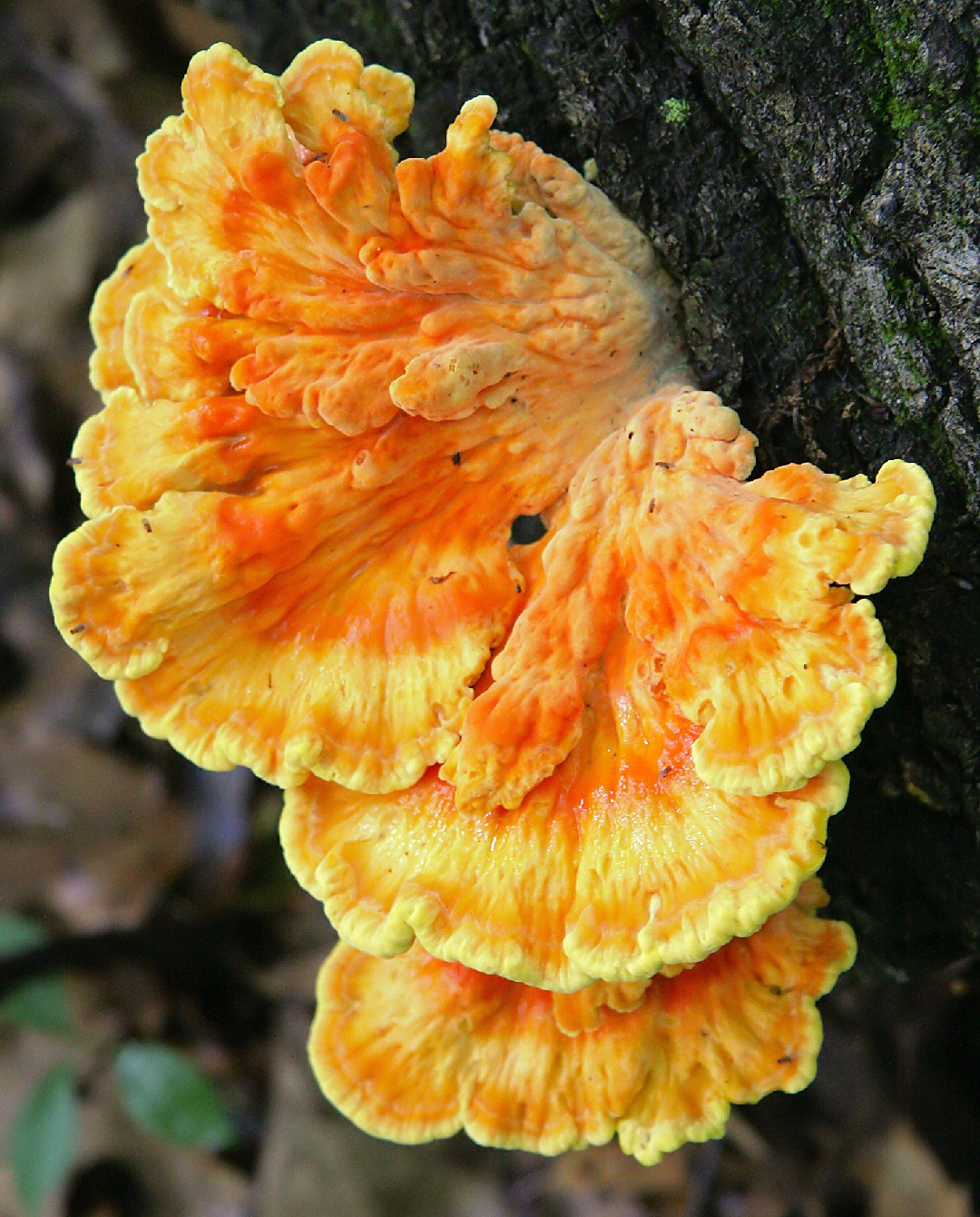
6. Chicken of the woods
Chicken of the woods is very noticeable in hardwood forests, appearing in clusters on standing tree trunks in bright orange and yellow hues that sometimes last through the entire winter. It is a parasite that causes an unfortunate brown heart rot, and is considered a particularly troublesome pest of Yew trees. If the fruitbodies can be seen, the tree is likely already beyond saving.
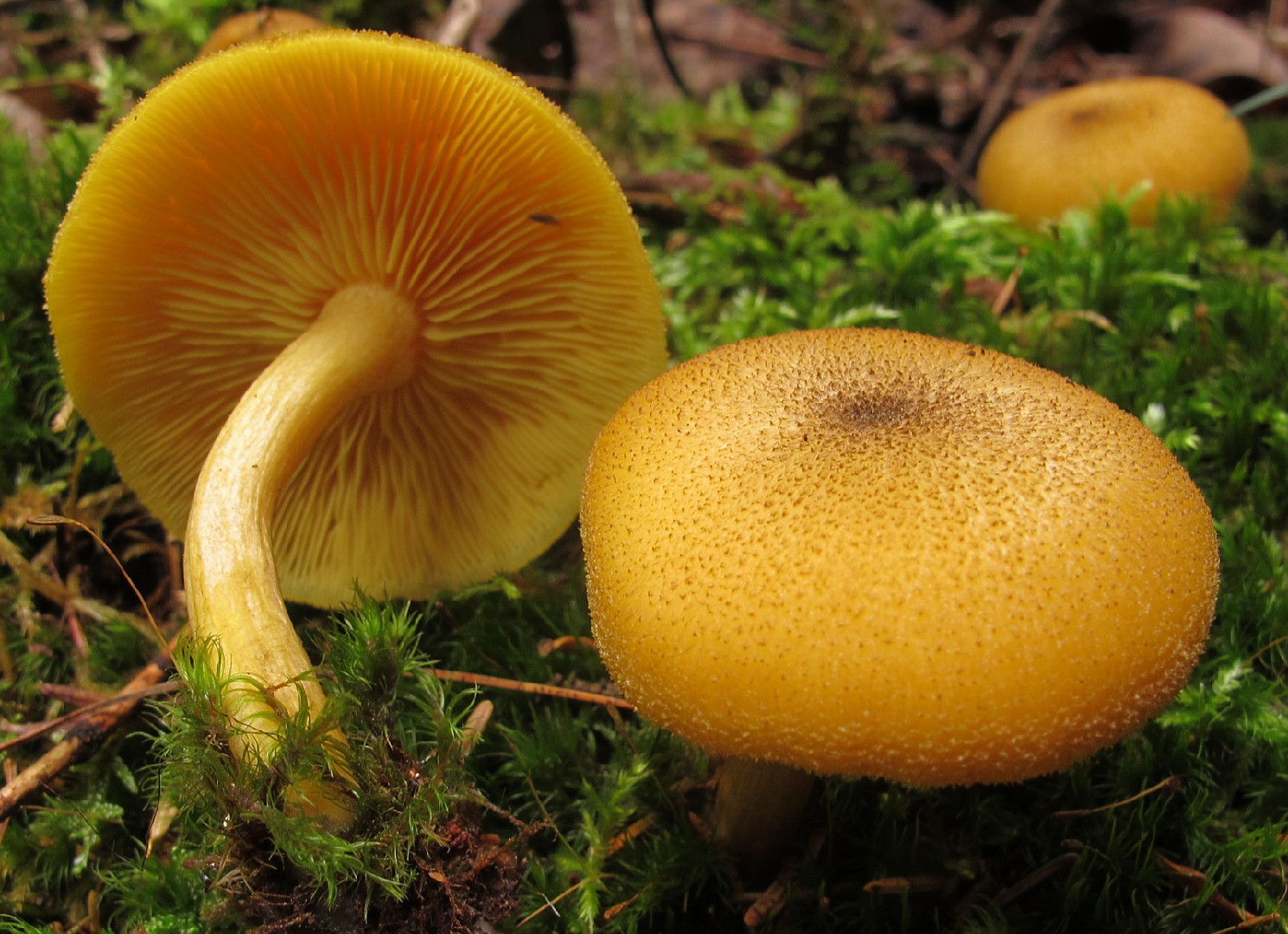
7. Decorated mop
Characterized by a wide, flat cap, the decorated mop grows mushrooms of a yellow-brown hue with a scaly surface. Despite at least one of its common names referencing food, this mushroom is reportedly bitter and in 2006 was identified as possibly containing a life-threatening poison.
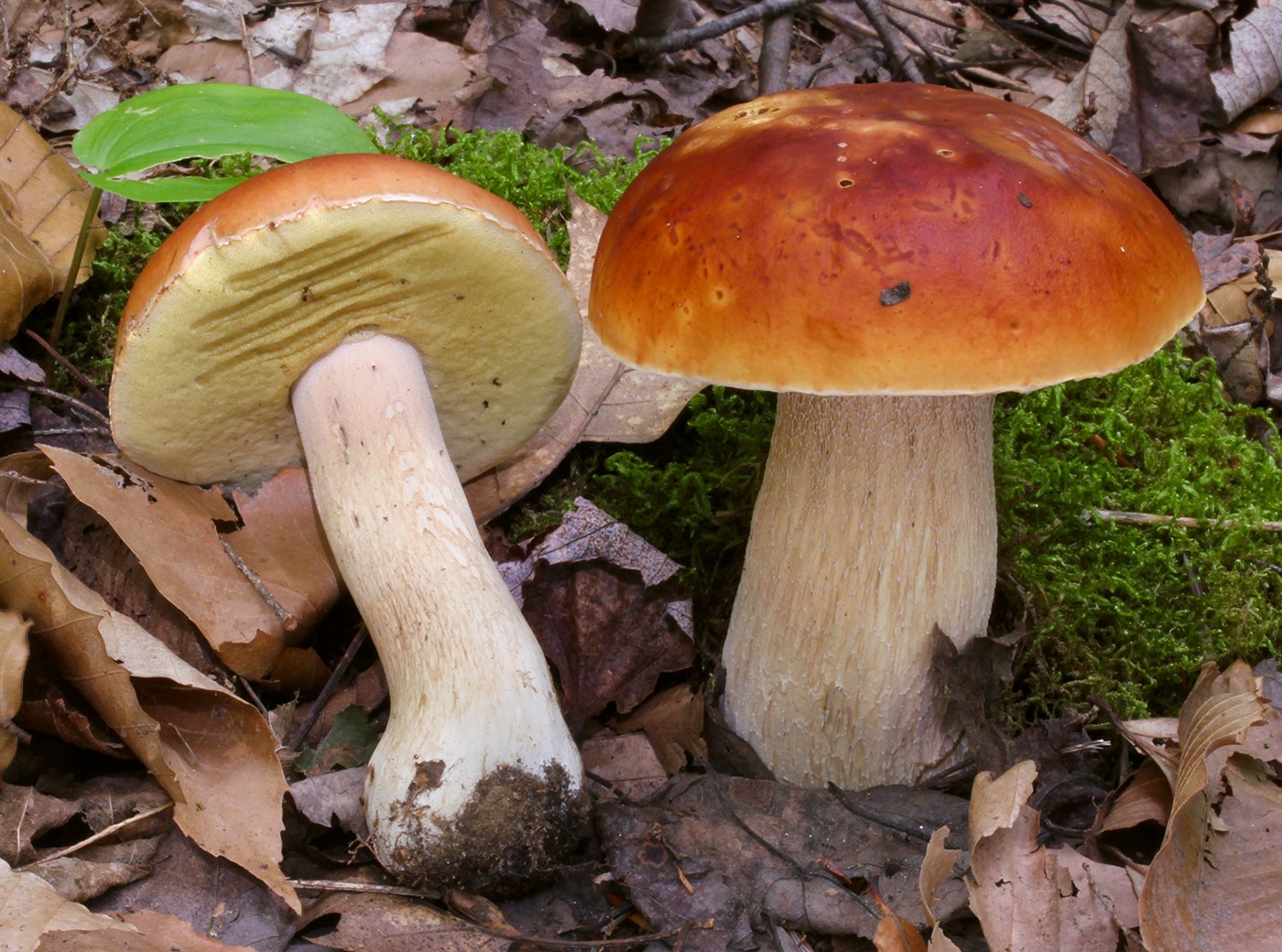
8. King bolete
Extremely popular in many cuisines, this edible wild mushroom grows around the world near the roots of forest trees. In some regions, king bolete mushrooms are collected in great enough volumes that their sale can support entire families during the harvest season. King boletes are reported to be high in fiber, vitamins B and C, calcium, potassium, magnesium, zinc, and several antioxidants.
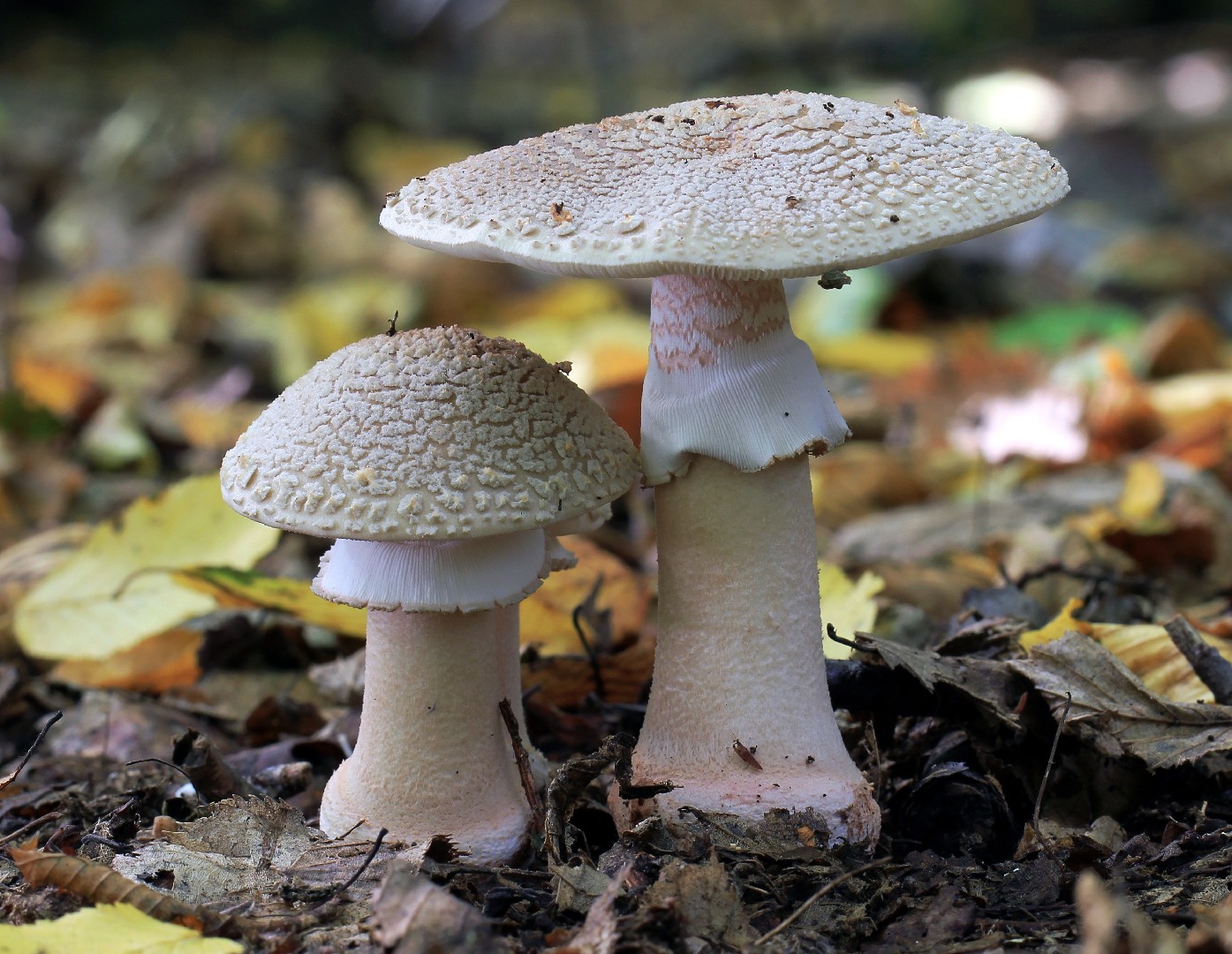
9. Blusher
The blusher mushroom is so named because it “blushes” to a pinkish red color when cut or bruised. It is found in many countries around the world, although it may not be native to the southern hemisphere. It contains a hemolytic toxin that can cause anemia if eaten.
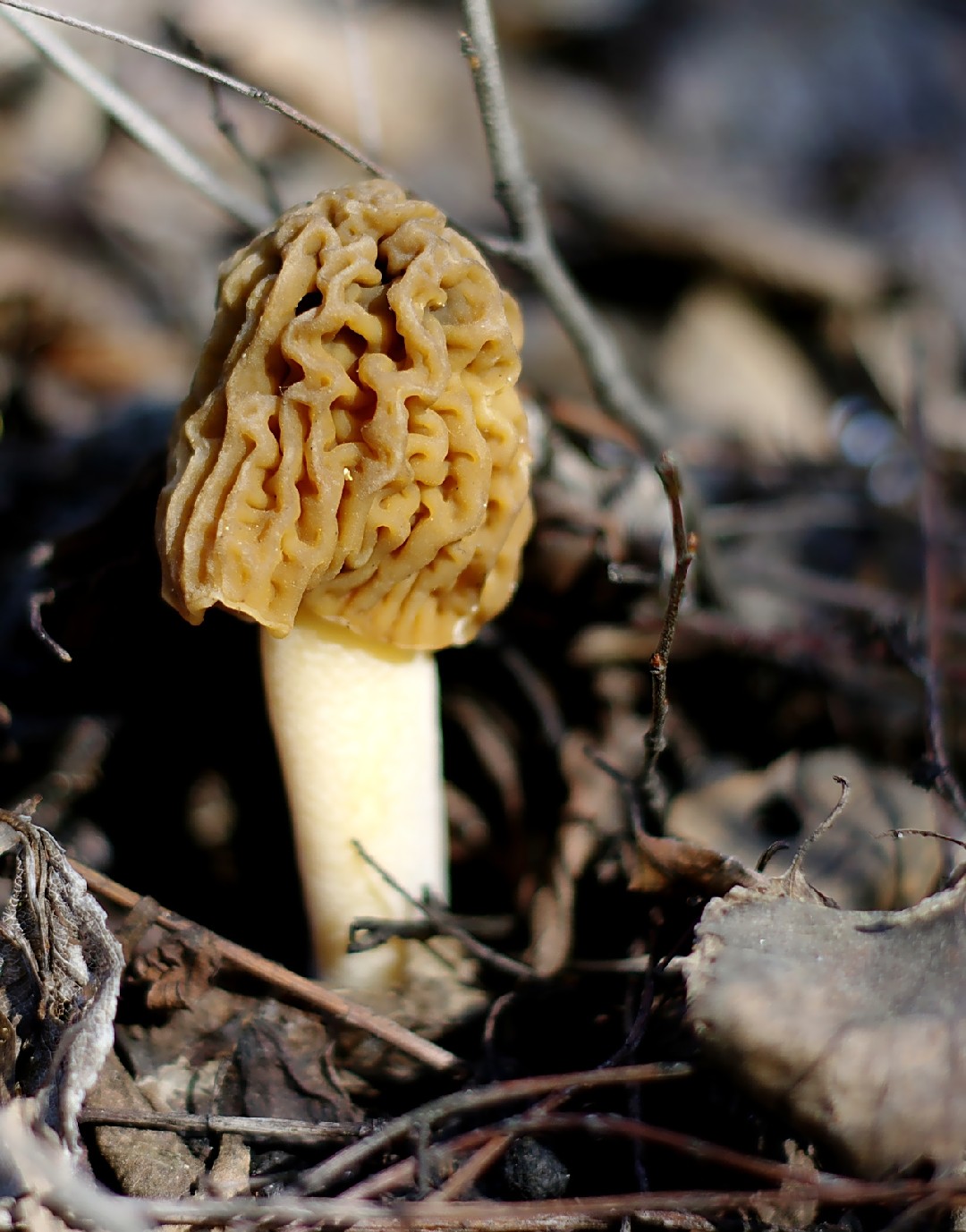
10. Early morel
The early morel can be found in wooded areas of North America, Asia, and Europe. It is called the Early morel because it is one of the first mushrooms to emerge early in spring. It is distinctive for its wrinkled and thimble-like cap.


More







