




Top 20 Edible Mushrooms Popular in Radom
Discover the top 20 edible mushrooms thriving in Radom's diverse ecosystems! Renowned for its fertile soil and varied flora, Radom ecological landscape offers a unique habitat for a plethora of mushroom species. This guide provides essential information, including distinguishing features, flavors, common habitats, and culinary applications. Dive into the fascinating world of mycology and expand your culinary horizons right here in Radom.
* Disclaimer: Content feedback CAN NOT be used as any basis for EATING ANY PLANTS. Some plants can be VERY POISONOUS, please purchase edible plants through regular channels.

Most Popular Edible Mushrooms
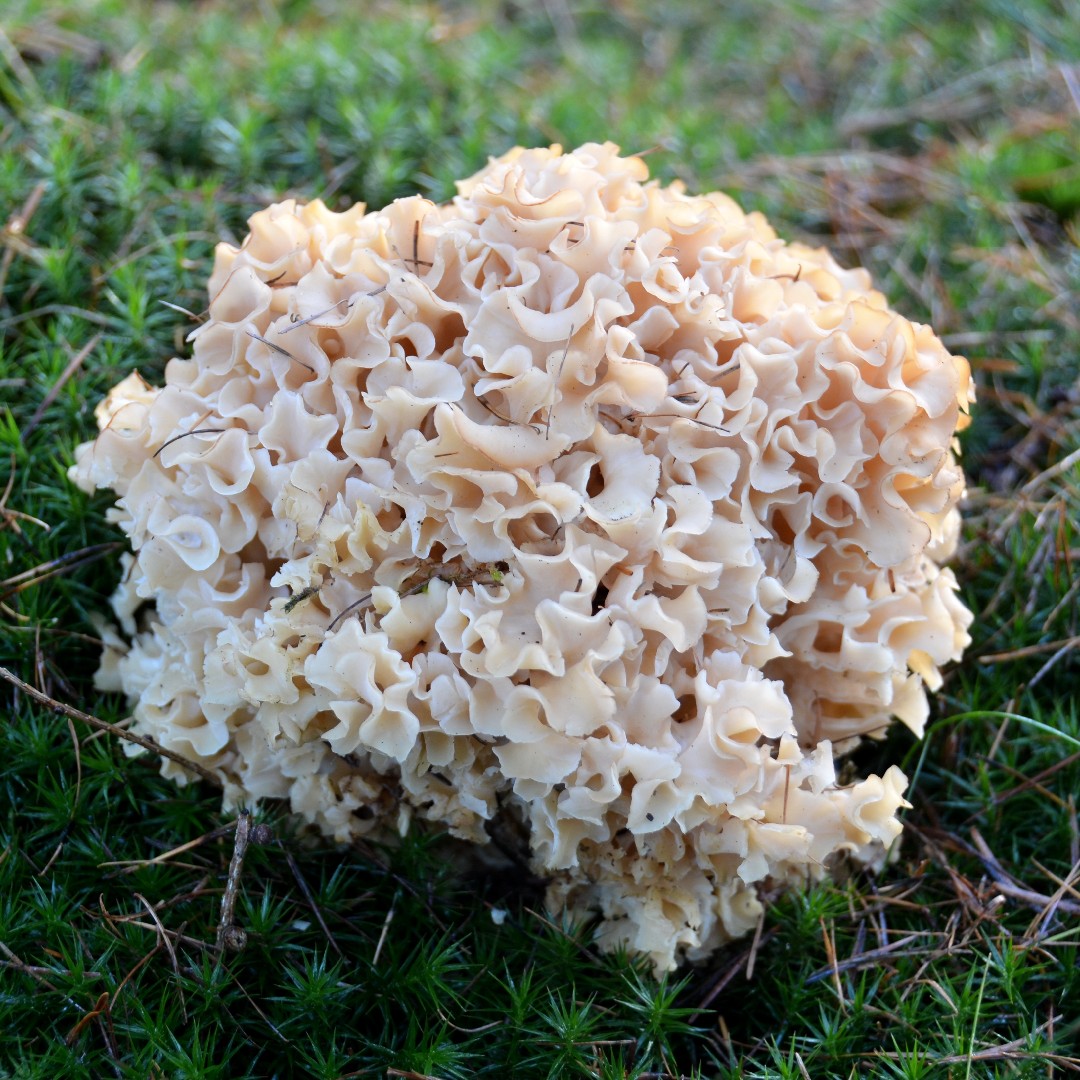
1. Cauliflower mushroom
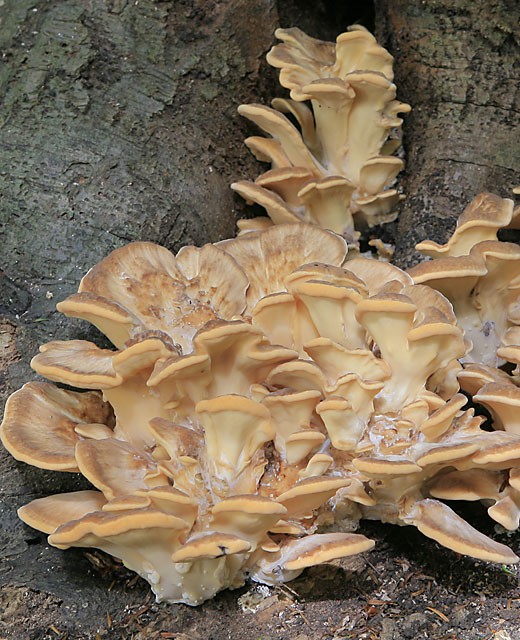
Instantly recognizable and highly sought-after, cauliflower mushroom (Sparassis crispa) forms a distinct-looking fruitbody that can be found across temperate North America and Europe. The species resembles cauliflower in both color and overall shape, although instead of bearing florets, its appendages look more like wavy, partially-cooked pasta.
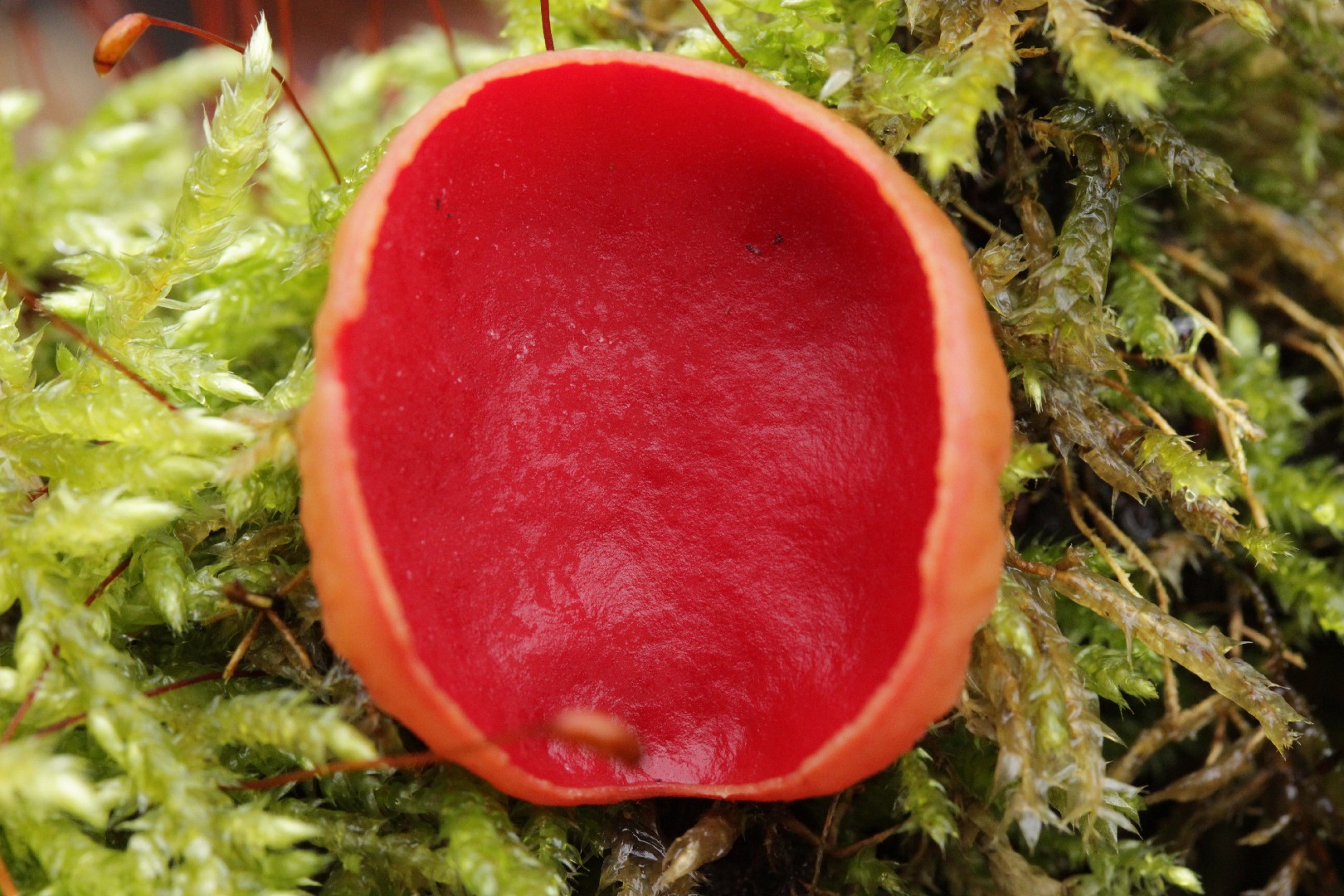
2. Scarlet cup
One of the first mushrooms to appear in the spring, the scarlet cup sometimes pops out of snow. Definitely a cool-season mushroom, the scarlet cup also prefers areas with high rainfall. It forms large colonies and it's very abundant. Slugs and various rodents like to feed on this mushroom.
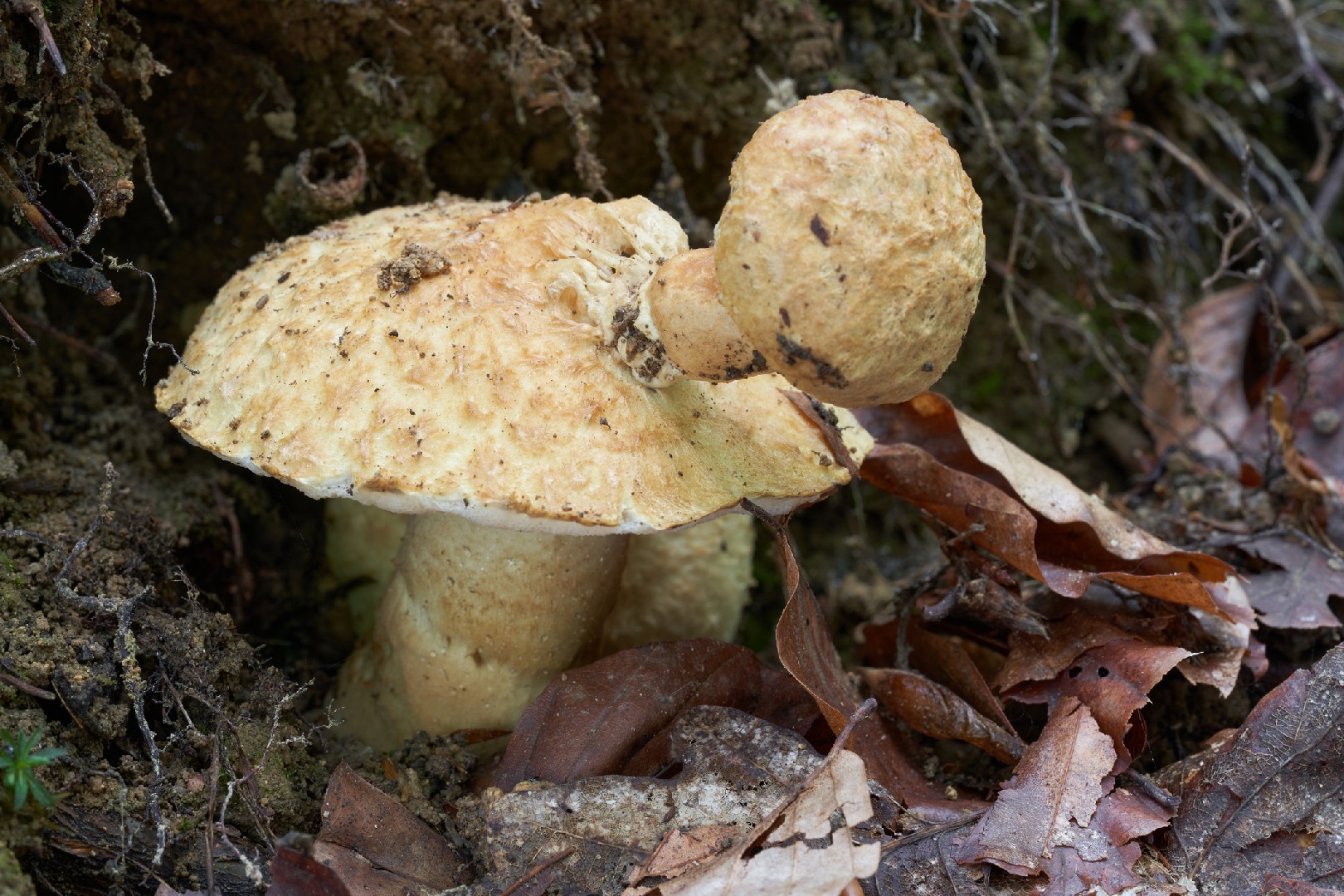
3. Bluing bolete
The Cornflower Bolete is known for its remarkable habit of changing color very quickly when bruised; all parts of the mushroom can turn a bright cornflower blue. It grows in a symbiotic relationship with various trees and, unlike many mushrooms, bluing bolete can associate with both conifers and hardwoods.
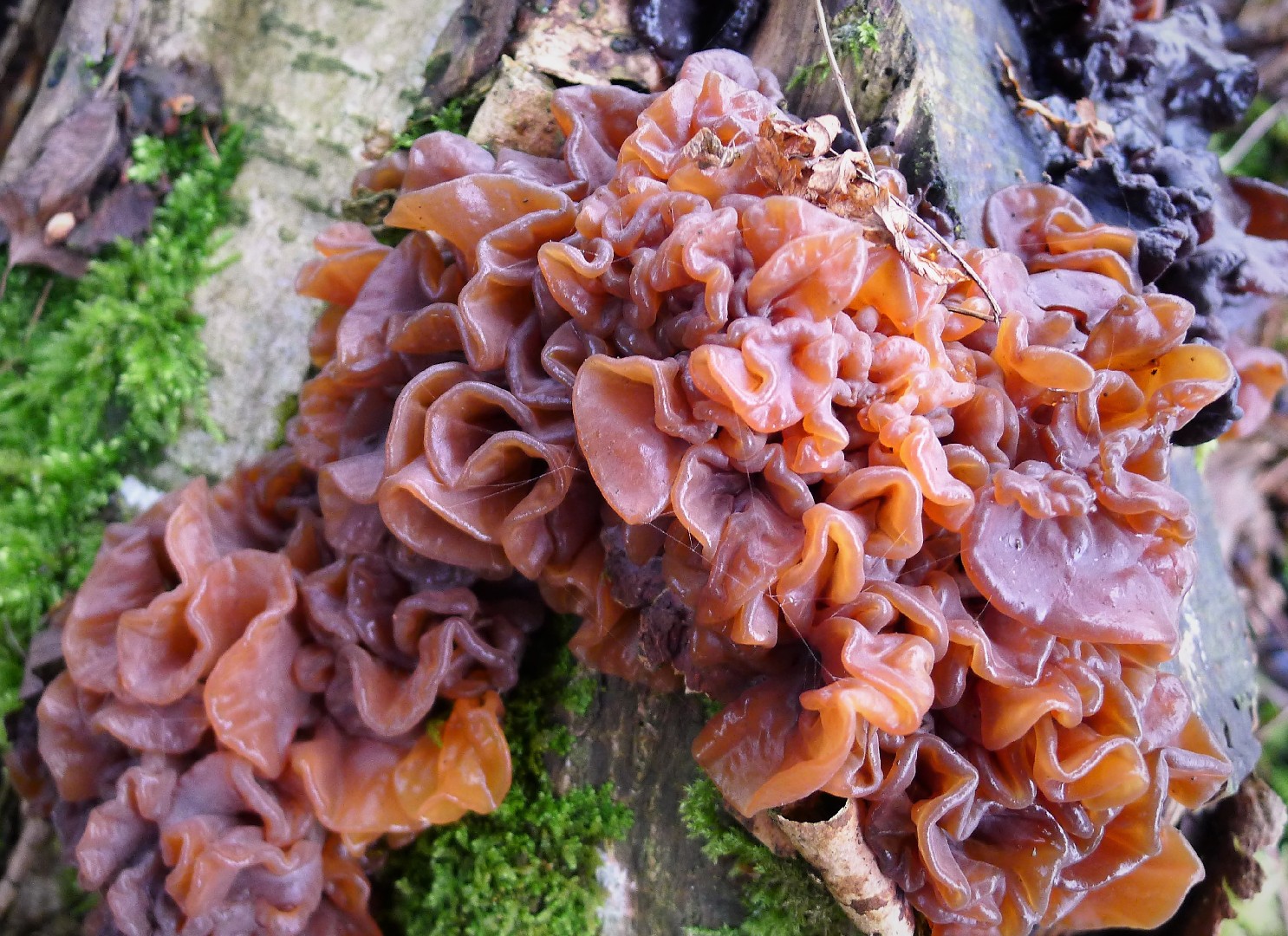
4. Leafy brain
Leafy brain is a parasitic slime mold that feeds off mushrooms. As hinted by its name, it has distinct lobes that start off leaflike and become more wrinkled and brain-like with age. This slime mold shrivels into black crusts when dry but can perk up again after rain.
5. Yellow morel
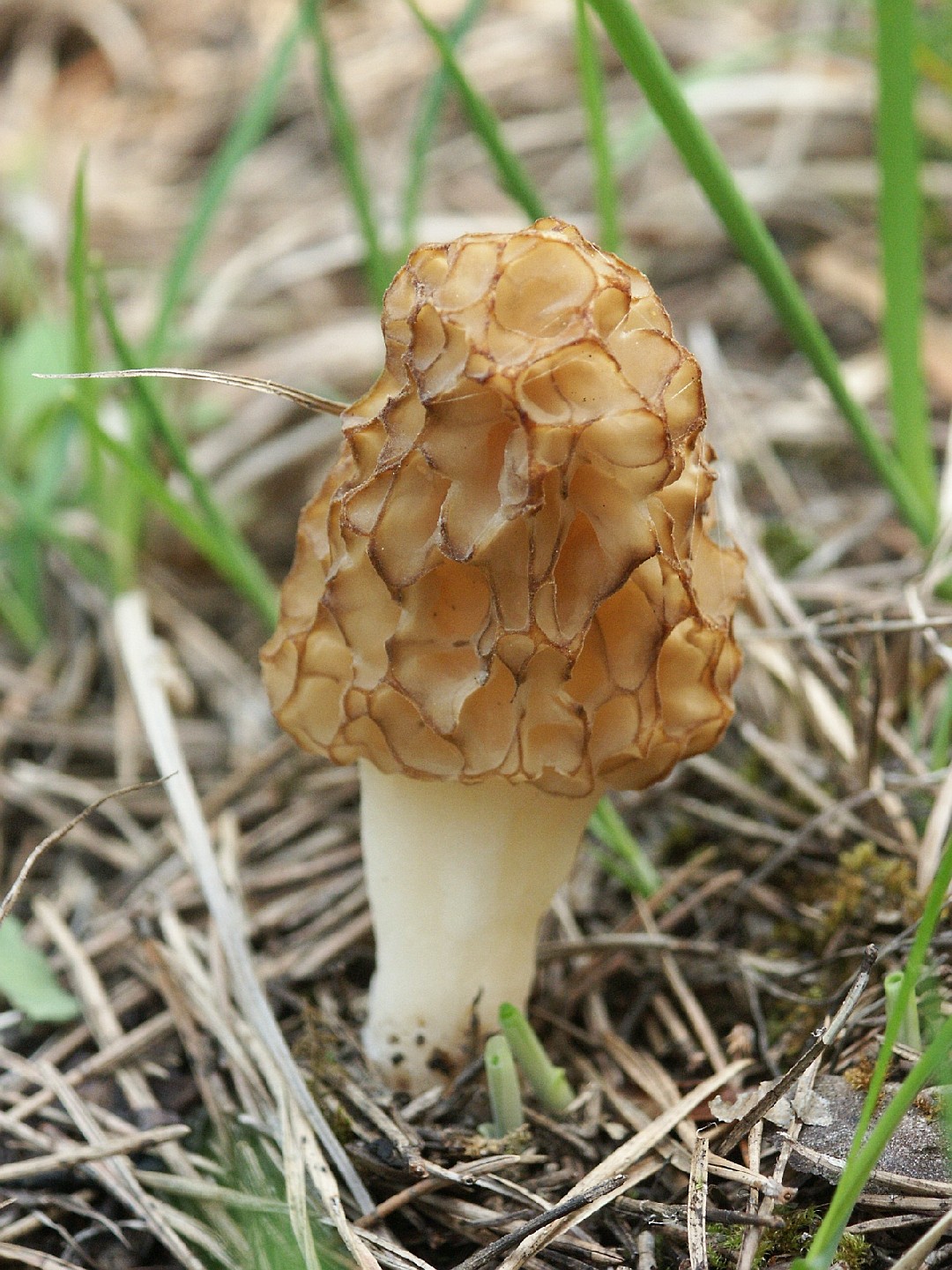
The yellow morel (Morchella esculenta) is one of the most iconic and sought-after species of edible mushrooms. It is often one of the first species that novice mushroom gatherers will hunt for. Yellow morels have elongated caps that are "honeycombed", being filled with roughly polygonal holes. Splitting them down the middle reveals them to be hollow on the inside, a key feature that distinguishes them from toxic false morels. Experts recommend cooking or boiling this mushroom before consumption, as raw morels may cause an upset stomach.
6. Blusher
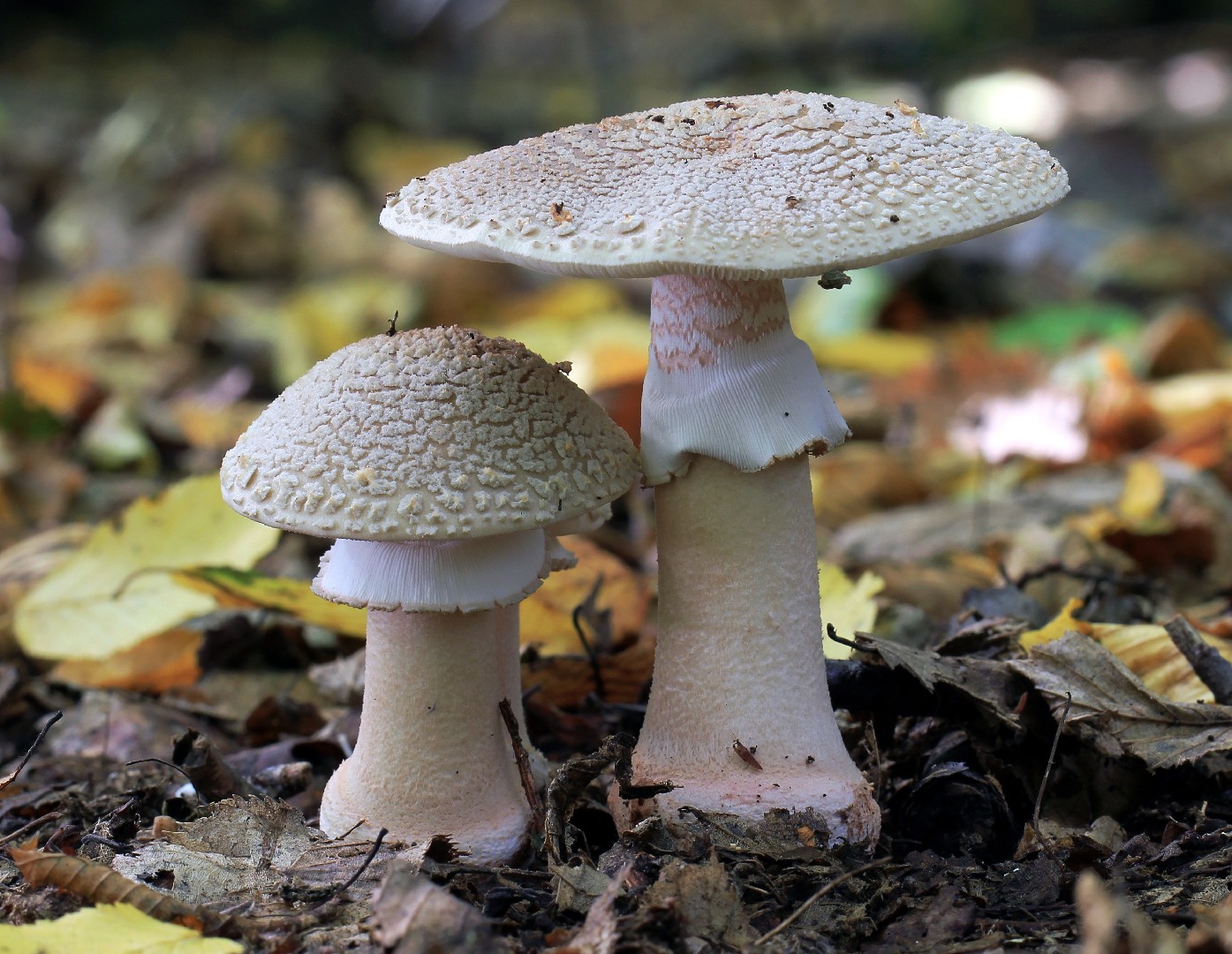
The blusher mushroom is so named because it “blushes” to a pinkish red color when cut or bruised. It is found in many countries around the world, although it may not be native to the southern hemisphere. It contains a hemolytic toxin that can cause anemia if eaten.
7. Golden chanterelle
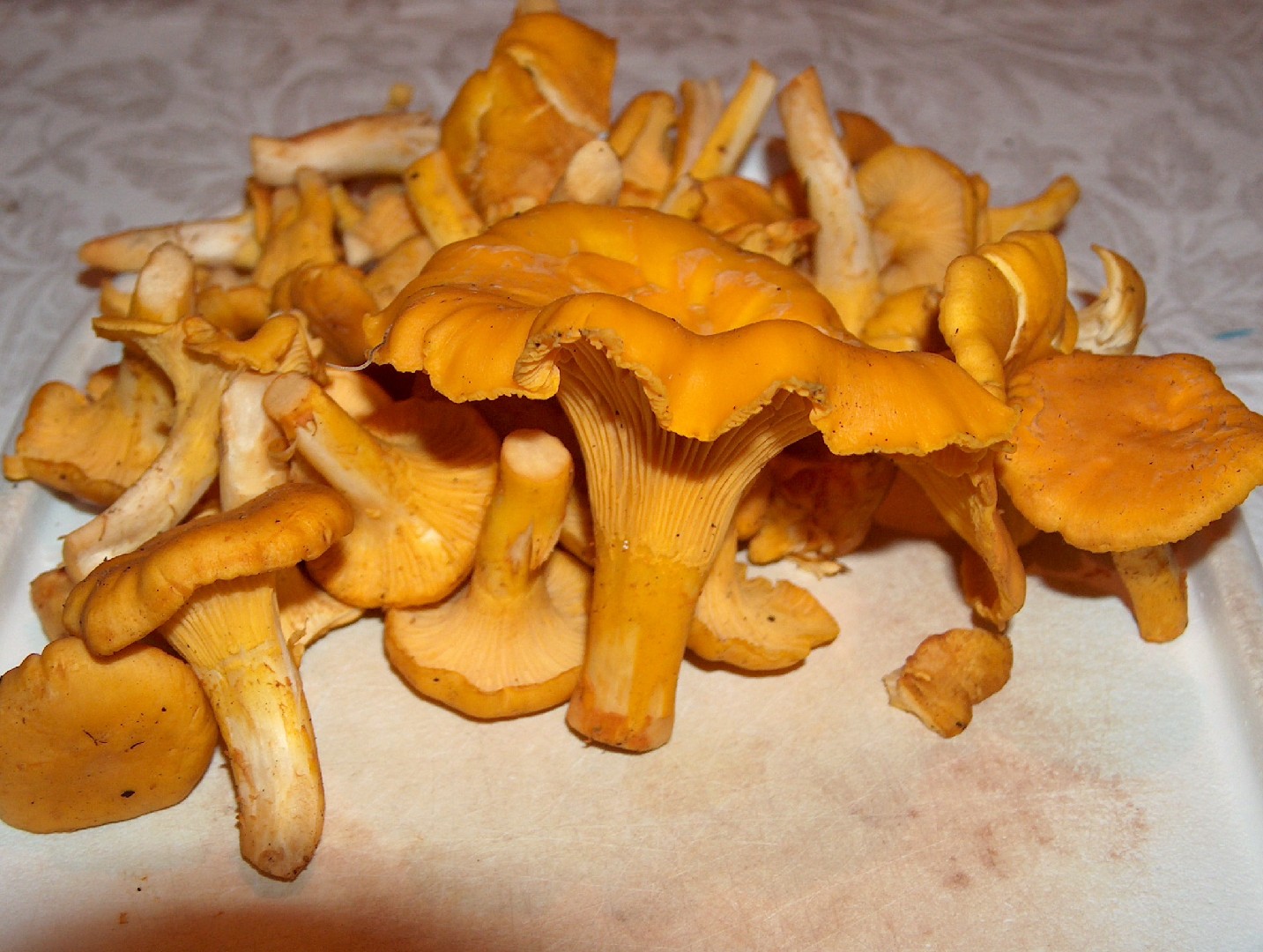
Golden chanterelle mushrooms are popular in gourmet cuisine across Europe, where they grow wild during the warm (but not too hot) months. Similar species grow in other countries. Extremely popular with foragers, the golden chanterelle emits an apricot-like scent and contains an array of nutrients that benefit the human body. Several studies suggest consuming extremely large amounts may have detrimental effects on the eyes and muscles.
8. Early morel
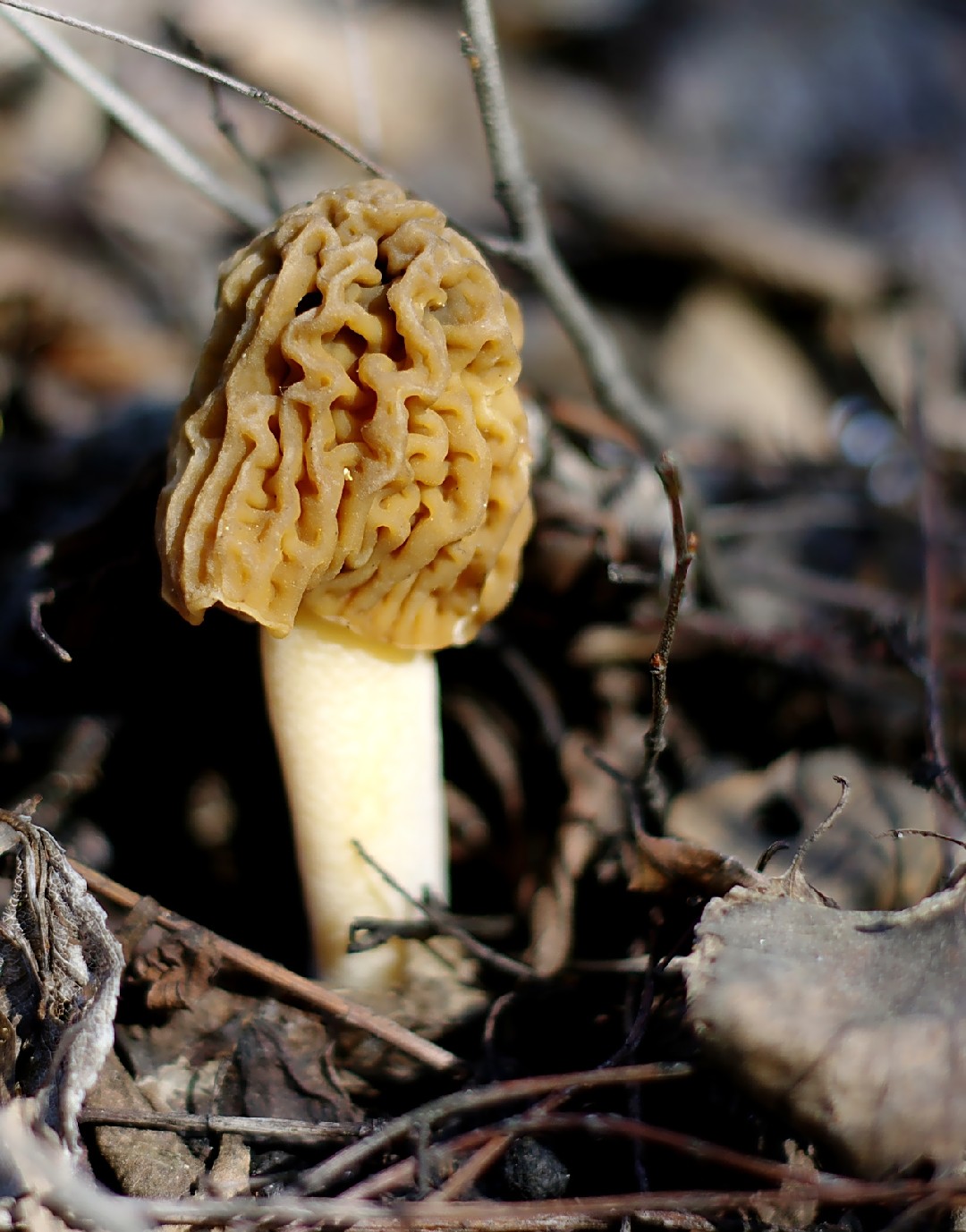
The early morel can be found in wooded areas of North America, Asia, and Europe. It is called the Early morel because it is one of the first mushrooms to emerge early in spring. It is distinctive for its wrinkled and thimble-like cap.
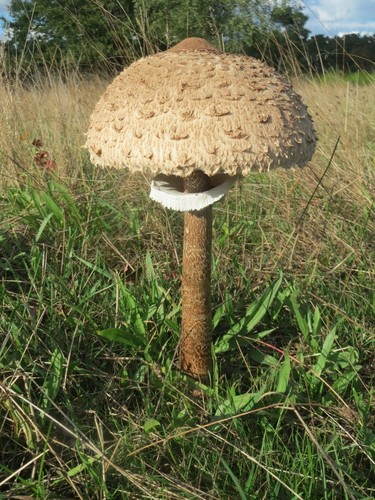
9. Parasol
Found in clearings and grassy areas in late summer, the wild parasol mushroom has a snakeskin-patterned stem. The brown spots on its cap make it look a bit shaggy, but that name is reserved for its poisonous counterpart, the Shaggy Parasol (Chlorophyllum rhacodes). You can distinguish the two by the stems: the latter has a smooth stem and red flesh inside.
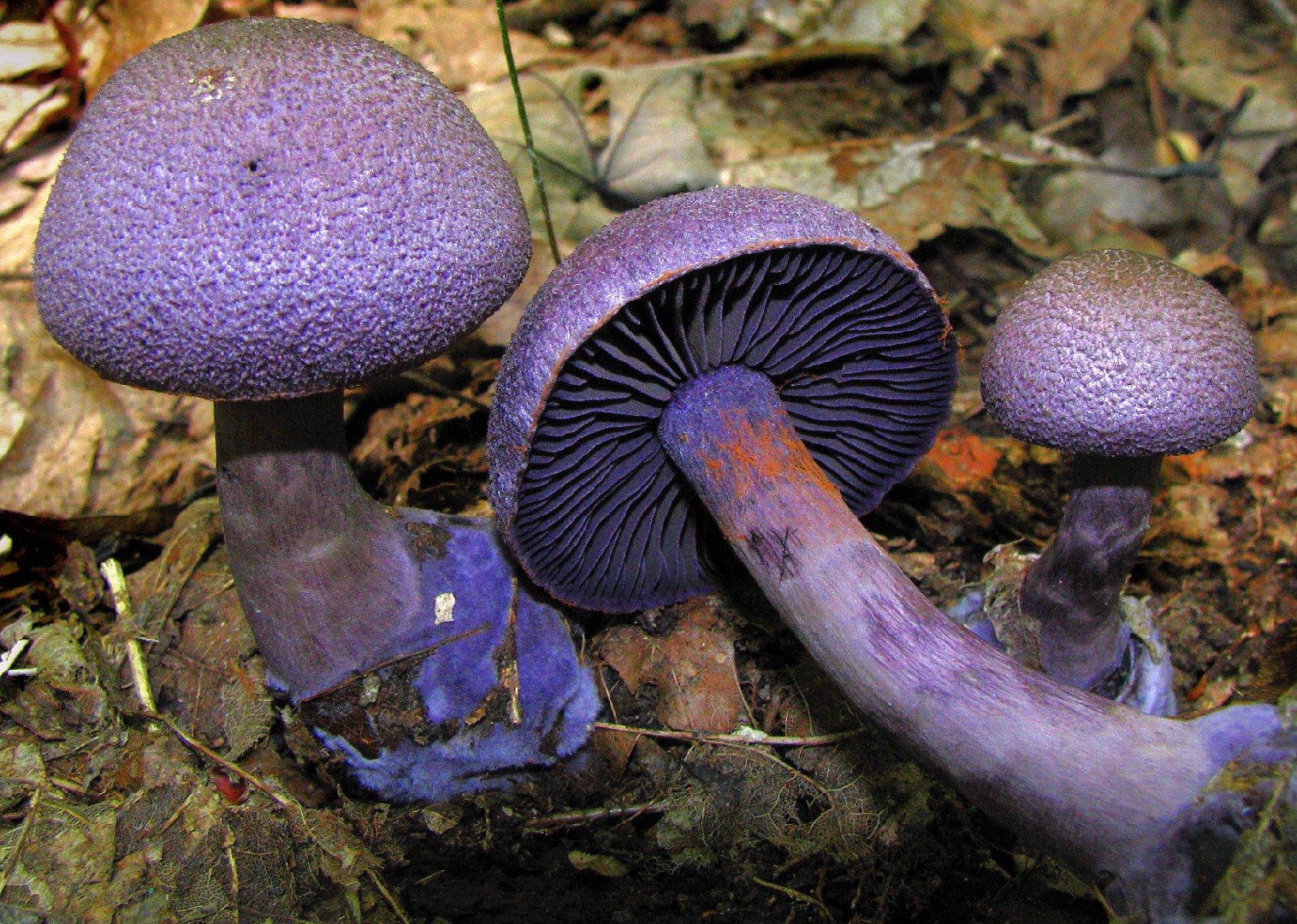
10. Violet webcap
This absolutely striking mushroom looks like something out of a fairy tale. The entire fruitbody of the violet webcap - cap, stalk, and gills - ranges in color from a light lavender to a very deep purple. The species' caps are bulbous and pockmarked, often appearing velvety. Though a feast for the eyes, this species is usually considered inedible.

More







