




Top 20 Edible Mushrooms Popular in Shiga
Home to lush forests and a variety of climatic zones, Shiga offers an ideal habitat for a plethora of mushroom species. Explore our compilation of the top 20 most frequently found edible mushrooms in Shiga, where we detail their distinguishing features, delicious flavors, preferred environments, and culinary applications. Our educational guide seeks to inspire your foraging adventures while ensuring a knowledgeable and safe harvest.
* Disclaimer: Content feedback CAN NOT be used as any basis for EATING ANY PLANTS. Some plants can be VERY POISONOUS, please purchase edible plants through regular channels.

Most Popular Edible Mushrooms
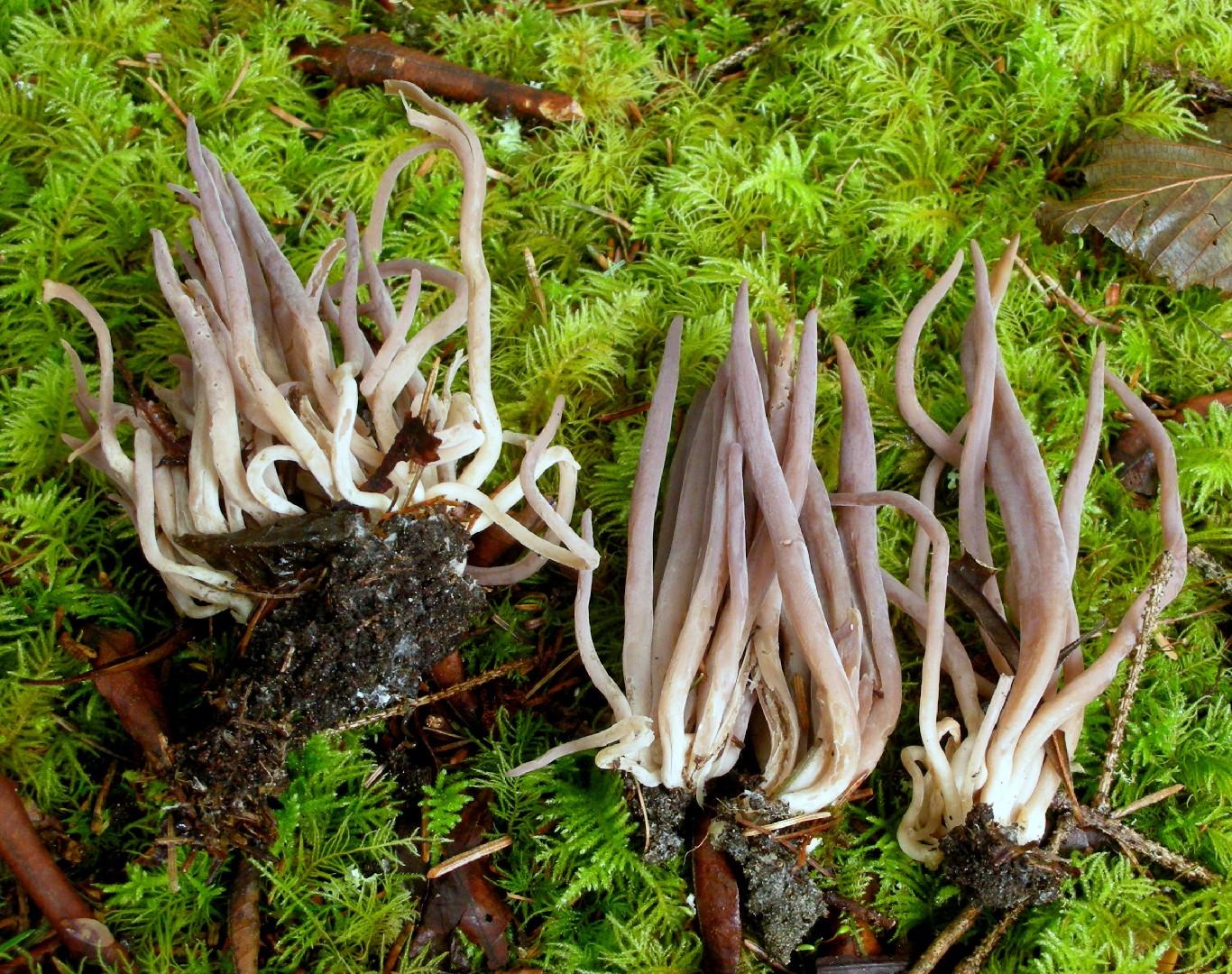
1. Purple coral
The purple coral is a tiny, but beautiful and impressive fungus that can be immediately distinguished from other Alloclavaria and Clavaria species by its distinctive purple colour. This mushroom grows in large clusters, but it's still unclear whether it's a saprobic or mycorrhizal species.
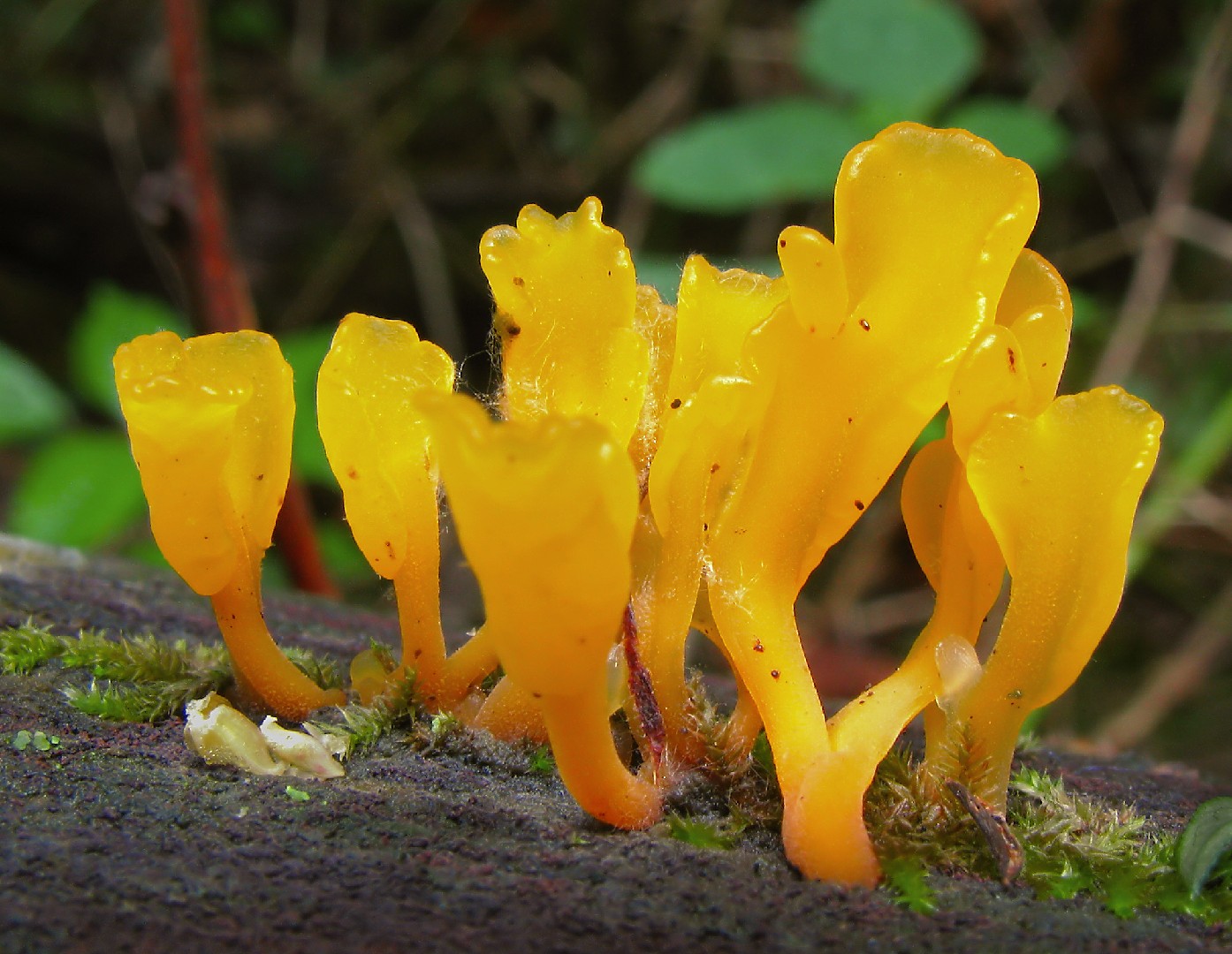
2. Fan-shaped jelly-fungus
Just as its Latin and the common English names suggest, the fan-shaped jelly-fungus (Dacryopinax spathularia) is a fan-shaped or spatula-shaped jelly-like mushroom. It commonly grows in wood cracks and it sometimes even appears in the cracks of the processed wood and lumber. Despite the word "jelly" in its name, the fan-shaped jelly-fungus is not considered edible.
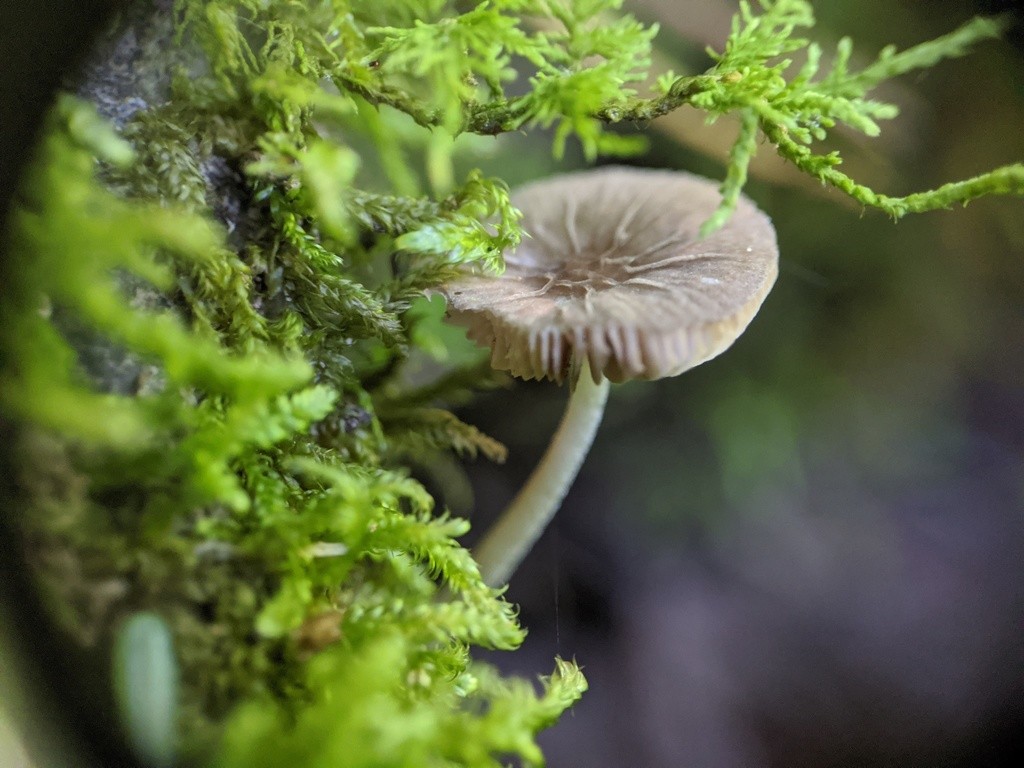
3. Veined shield
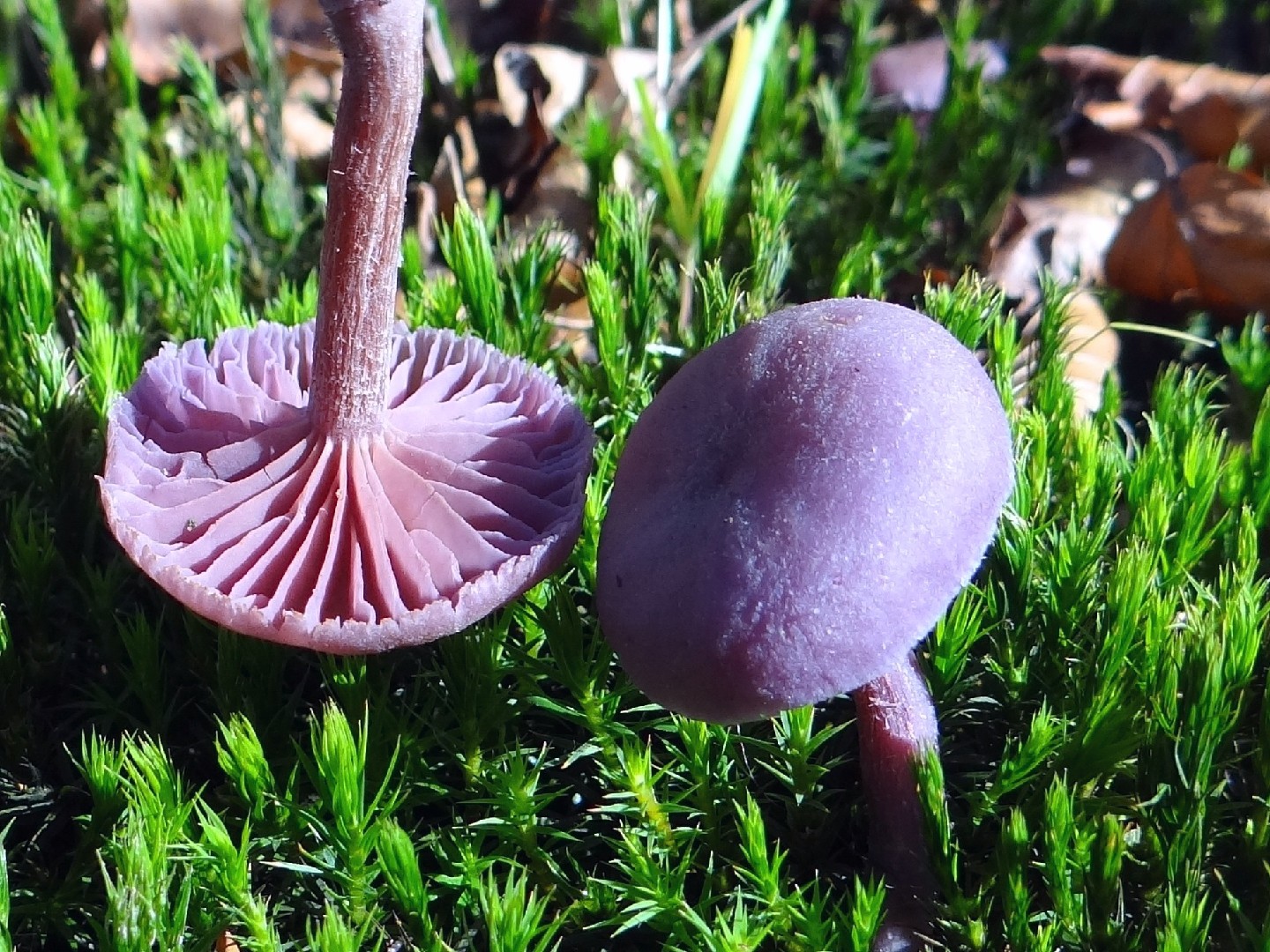
4. Amethyst deceiver
The amethyst deceiver (Laccaria amethystina) is a breathtaking mushroom that pops up from coniferous forest floors. The caps are a striking violet color in youth and are generally flat with a small indentation when the stem connects. As they mature, this violet color transforms to a less than breathtaking grey color, making it quite hard to identify after a certain age positively. Not edible.
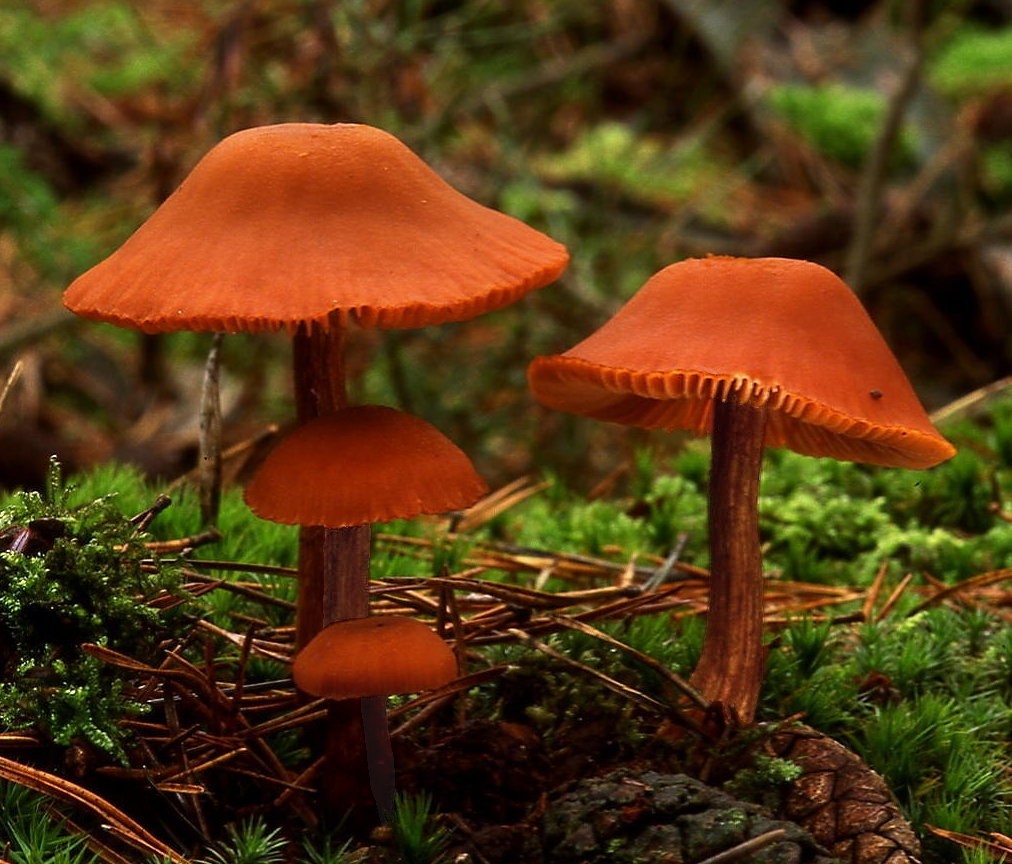
5. Common laccaria
Common laccaria may sound like a malevolent name for a mushroom, but fret not! This species is so-called because its appearance is highly variable, with individual caps taking on a whole host of colors, from whitish to pinkish to dark brown.
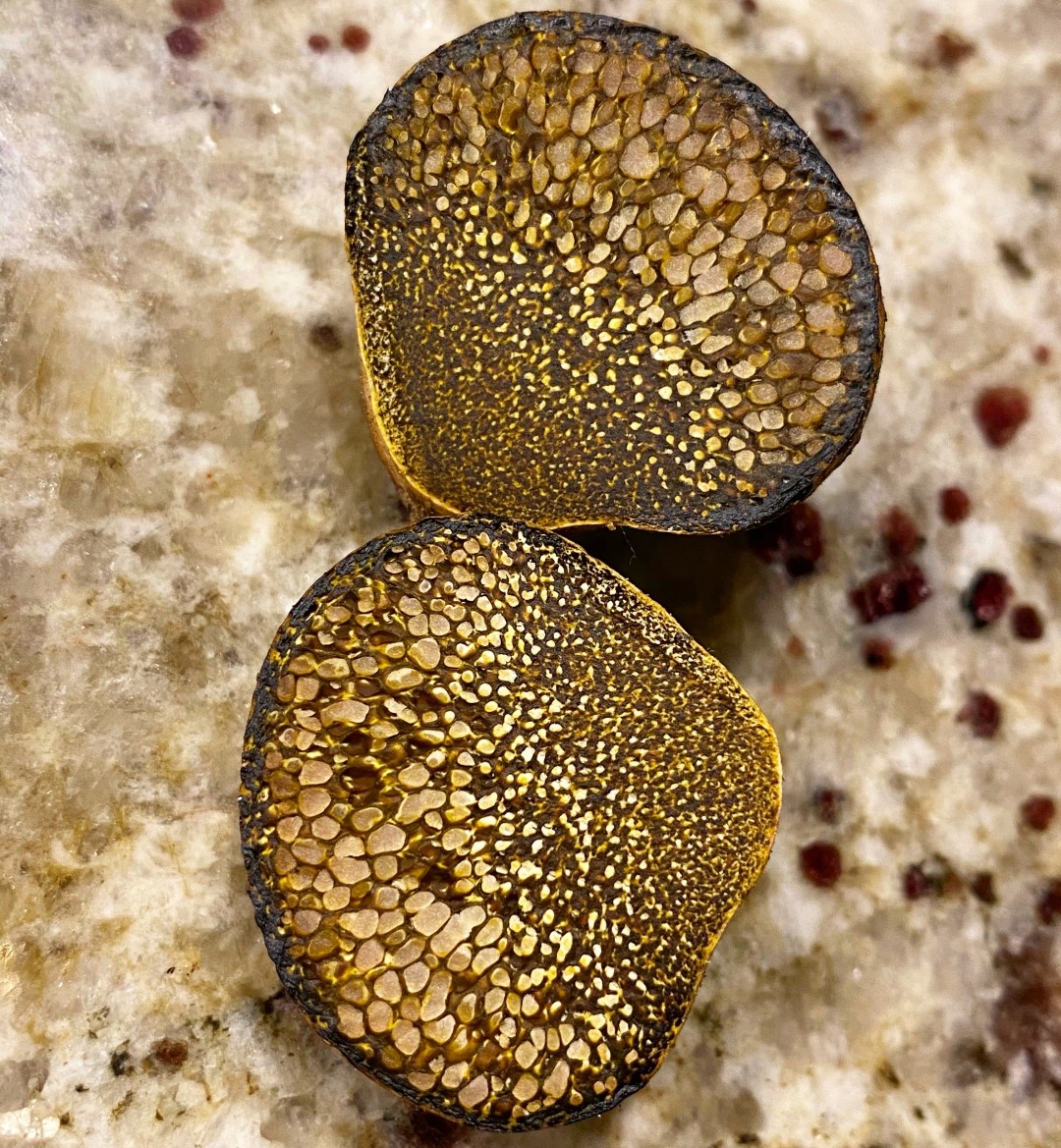
6. Dead man's foot
Dead man's foot (Pisolithus arhizus) actually bears a number of colorful names stemming from its unusual appearance, such as the horse dung fungus (Australia). It can be distilled into a viscous black gel, which is then used as a natural dye for clothing. It is considered to be inedible.
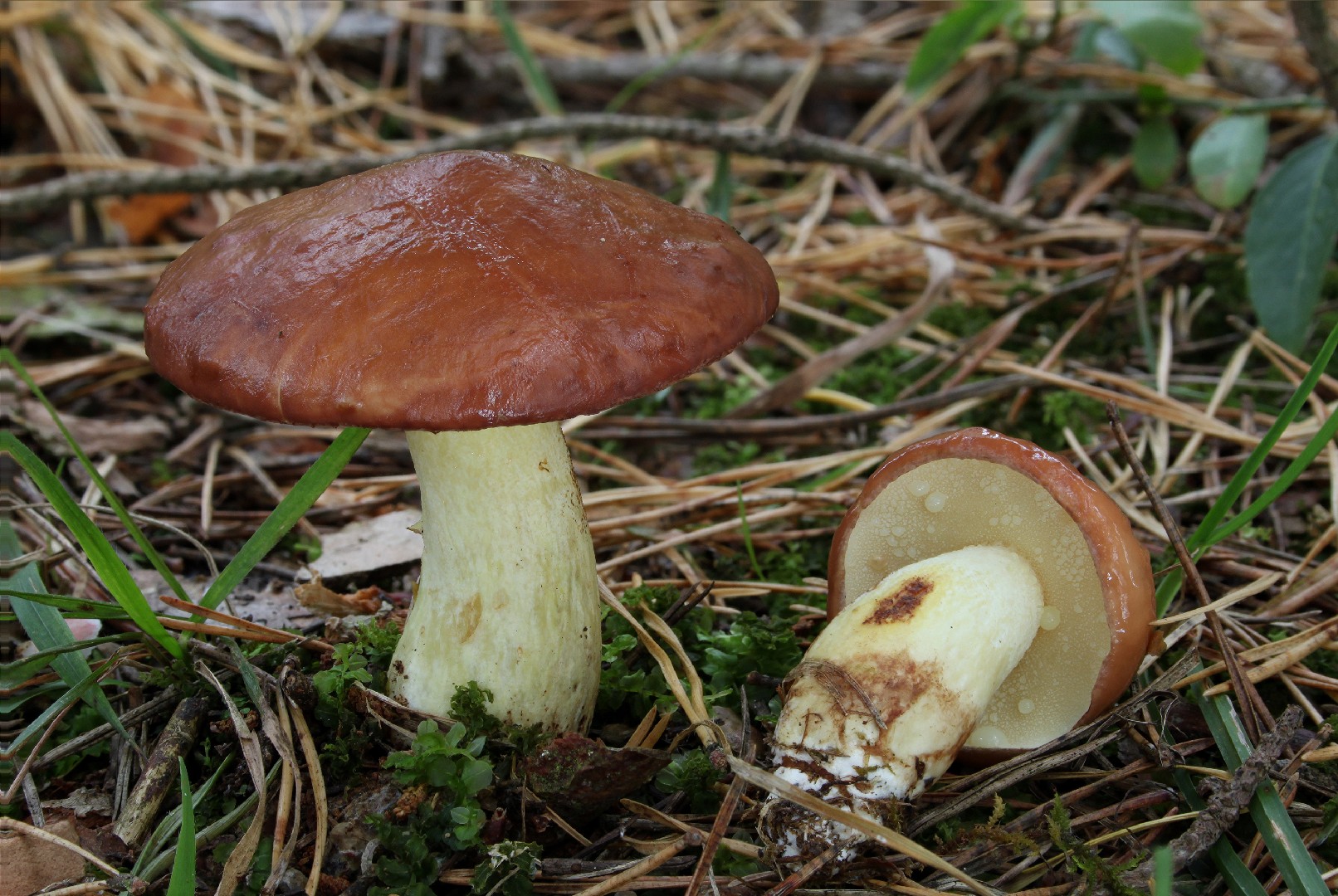
7. Weeping bolete
The weeping bolete features a greasy, sticky cap surface. When young, milky droplets are released through pores on its surface. It appears most commonly beneath Scots pine or other coniferous trees and forms a mutually beneficial relationship with its host.
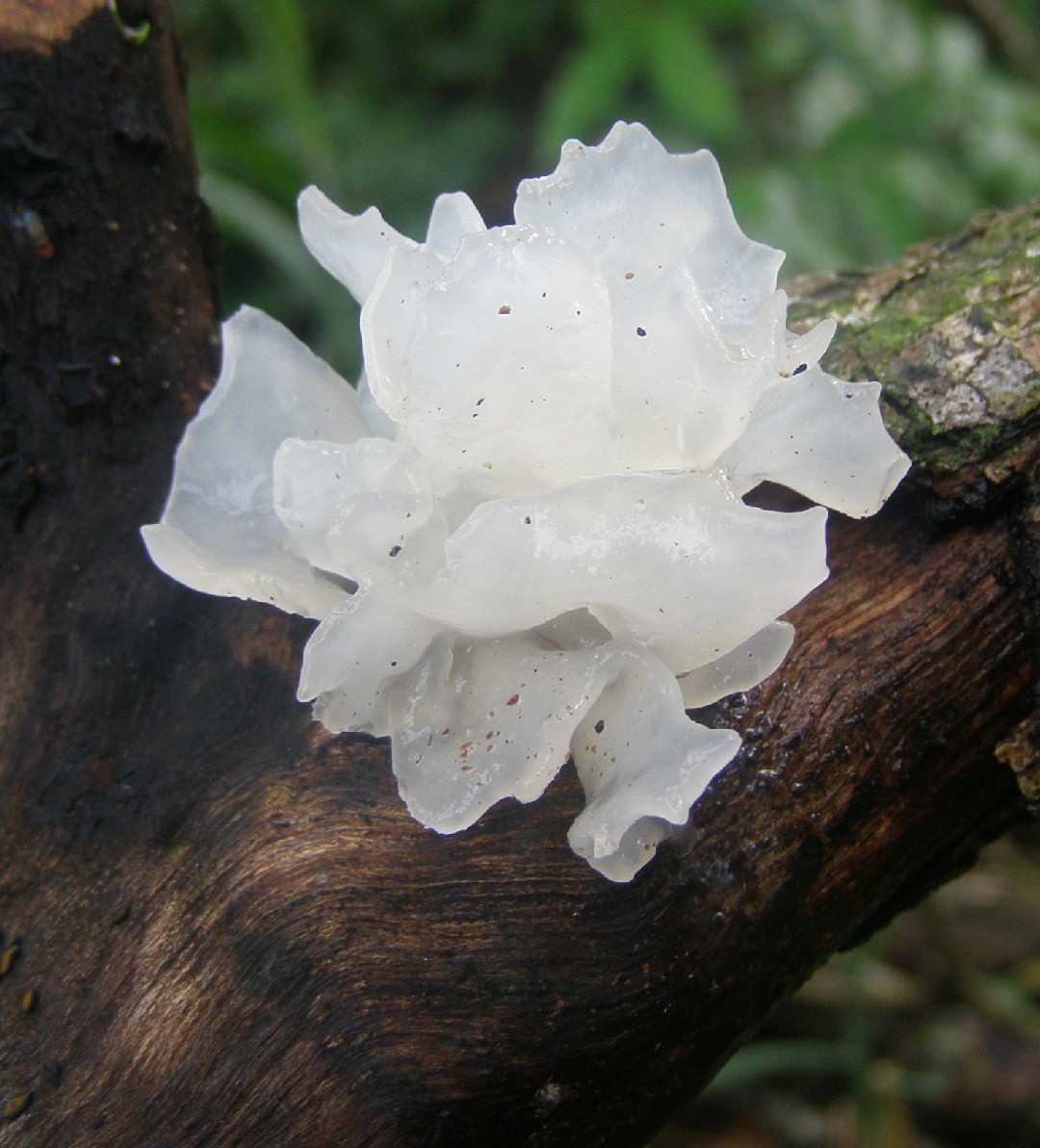
8. Snow fungus
Snow fungus (Tremella fuciformis) is so-named not because it is associated with winter, but, rather, because its fruitbodies look like little piles of snow fungus on the ground. This fungus actually inhabits very warm - tropical and subtropical - locations around the globe. Snow fungus does not have much taste, but it is cultivated for culinary use across East Asia, where it is often added to thicken soups and desserts.
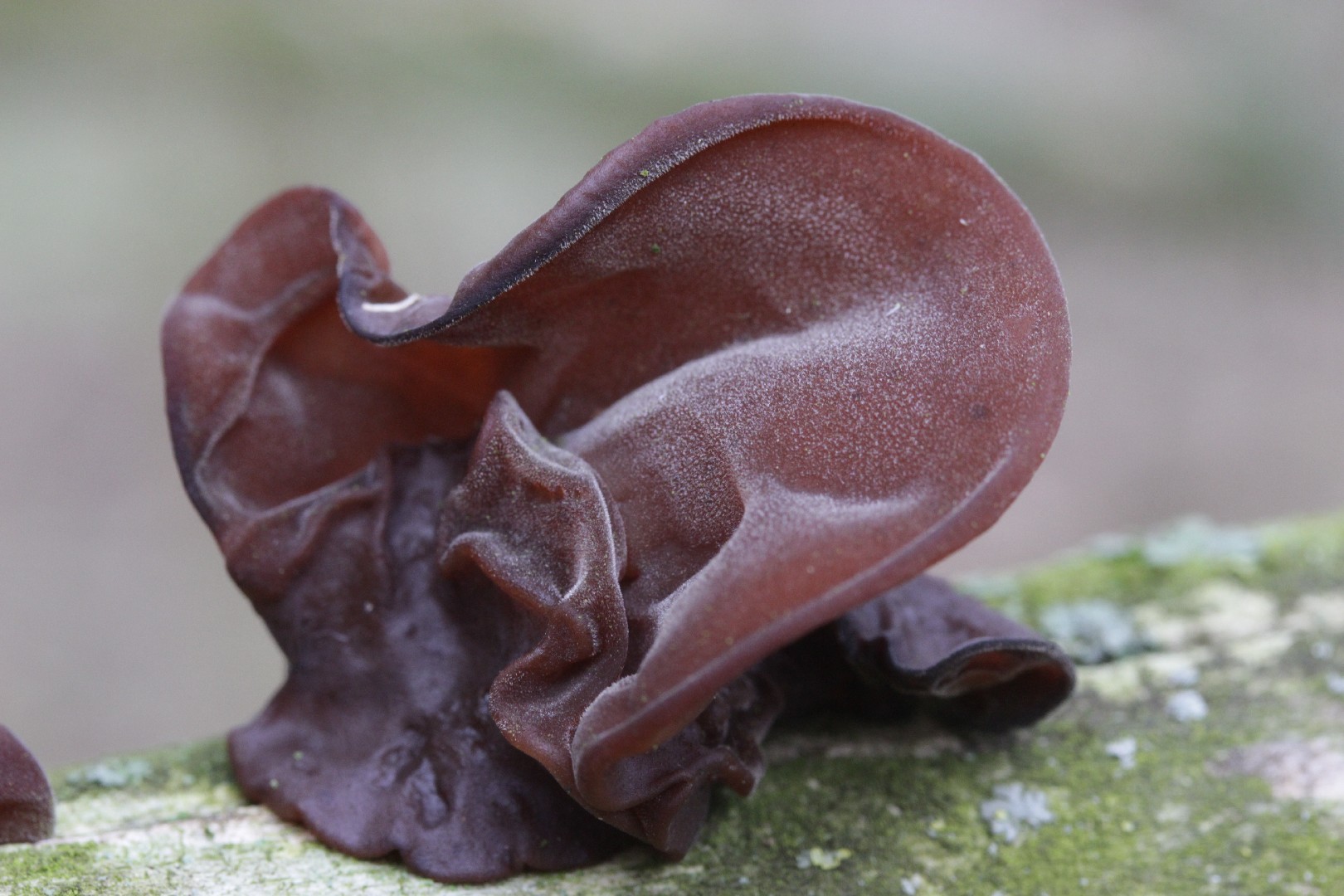
9. Jelly ear
The distinctive jelly ear grows mainly through winter and spring, mostly on the dead trunks and branches of elder trees. It occurs around the world and is often cooked into dishes in Asian countries. This ear-shaped jelly mushroom is often available in stores both fresh and dried.
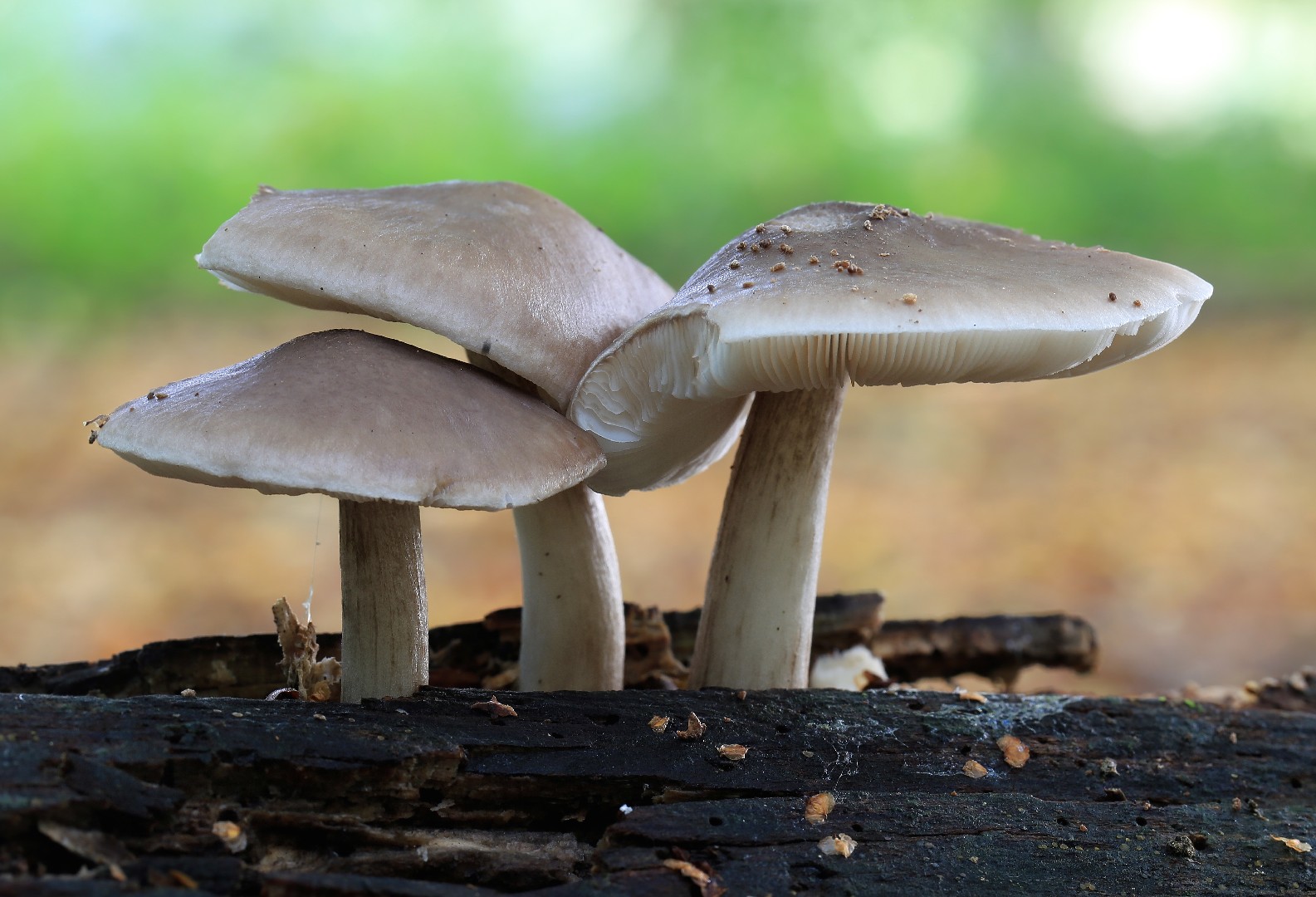
10. Deer mushroom
The deer mushroom is can be found sprouting up from rotting logs, branches, and roots, and while it may have a preference for hardwoods it isn't very picky. Unlike many other mushroom species, the fruitbodies can be found blooming across a wide range of seasons. They have a faint, radish-like odor.
More







