




Top 20 Edible Mushrooms Popular in Calabria
Delve into the amiable terrain of Calabria wherein thrive the 20 most prevalent edible mushrooms. A region replete with diverse landscapes, Calabria offers the perfect ambient condition for a myriad of fungi species. Each unique in appearance and taste, they bloom profusely in woods and pastures, adding richness to the local cuisine. From the colourful and textured panoply to their gastronomic potential, embark on a quest to discover these fungal treasures, an integral part of Calabria’s culinary landscape.
* Disclaimer: Content feedback CAN NOT be used as any basis for EATING ANY PLANTS. Some plants can be VERY POISONOUS, please purchase edible plants through regular channels.

Most Popular Edible Mushrooms
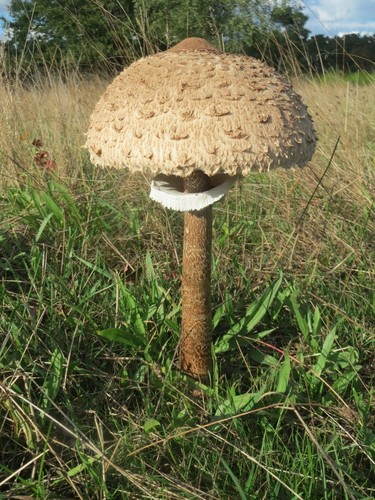
1. Parasol
Found in clearings and grassy areas in late summer, the wild parasol mushroom has a snakeskin-patterned stem. The brown spots on its cap make it look a bit shaggy, but that name is reserved for its poisonous counterpart, the Shaggy Parasol (Chlorophyllum rhacodes). You can distinguish the two by the stems: the latter has a smooth stem and red flesh inside.
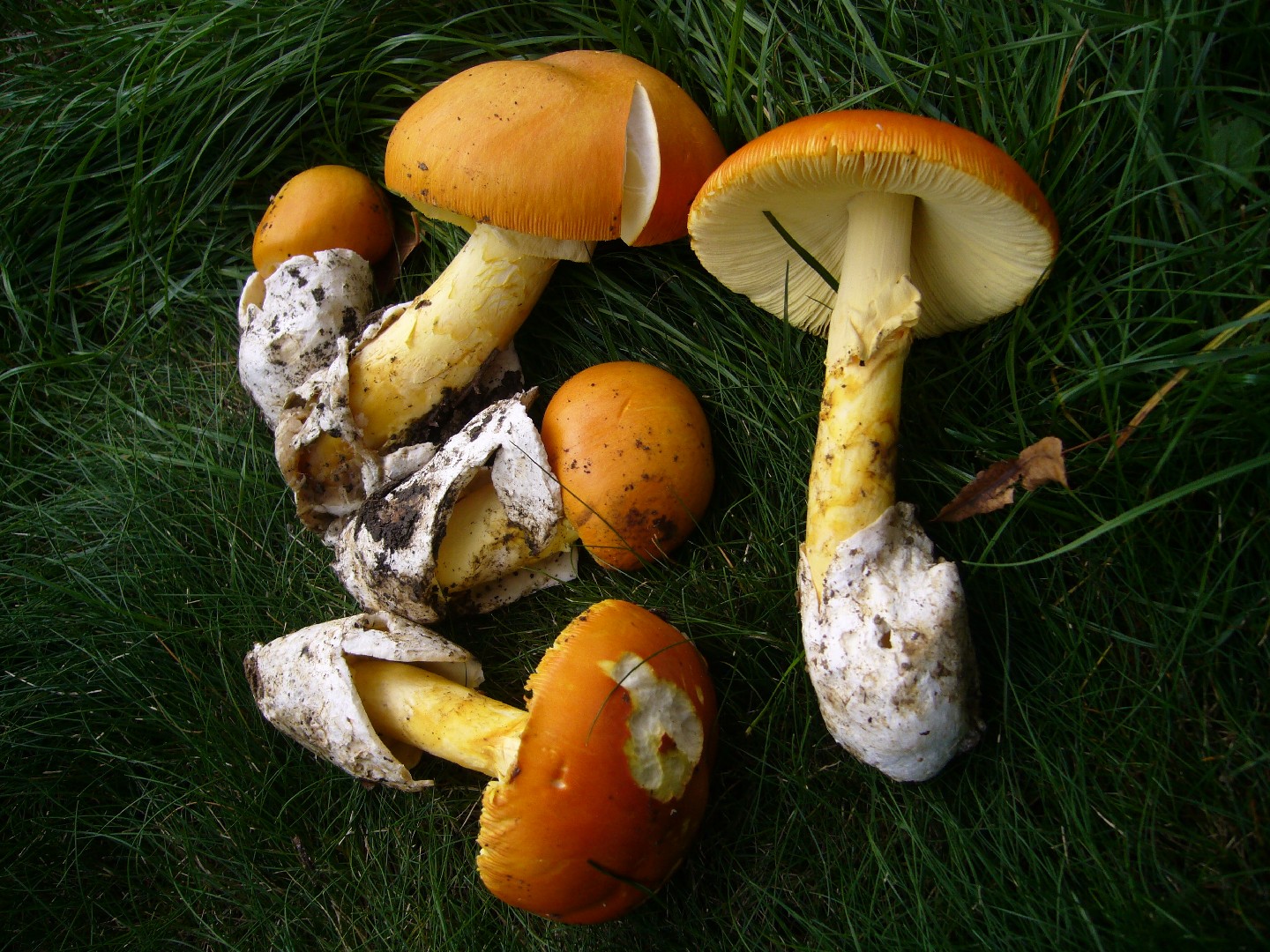
2. Caesar's mushroom
Caesar's mushroom (Amanita caesarea) is a brightly colored Amanita associated with ancient Roman nobility. Sporting a vivid orange cap and a yellow stalk and gills, this mushroom is an exciting find - however, because faded or young individuals may resemble the highly deadly Death Cap, it is recommended that this species be treated with a "look but do not touch" policy.
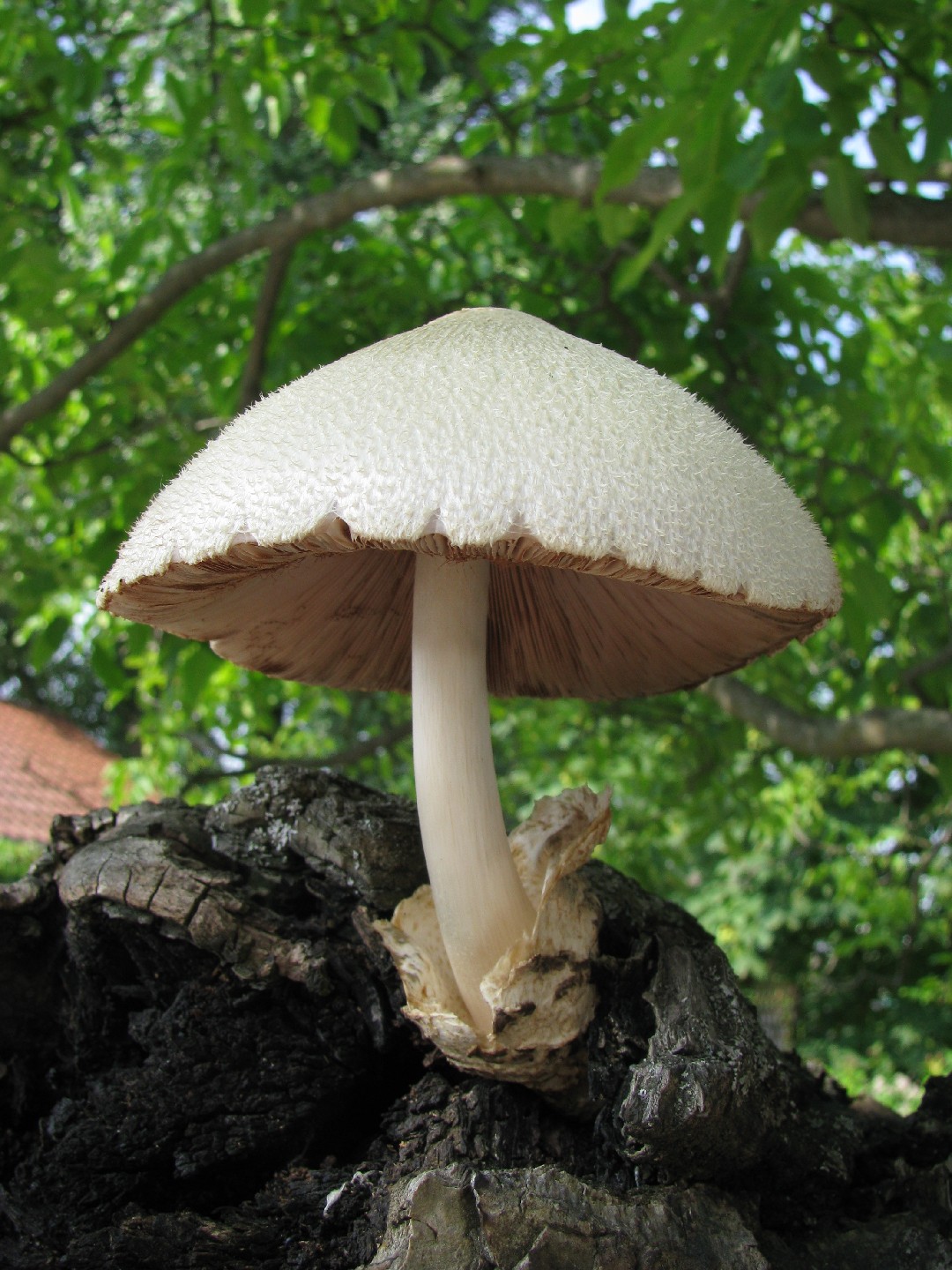
3. Silky sheath
Silky sheaths (Volvariella bombycina) are widely distributed, being found in temperate and sub-tropical forests around the world, but rare. The fruitbody emerges from a silky-textured volva, and the mushroom's white or off-white cap is usually quite smooth as well. One of this species' favored microhabitats is the rotted knotholes of mature maples, elms, oaks, or beeches.
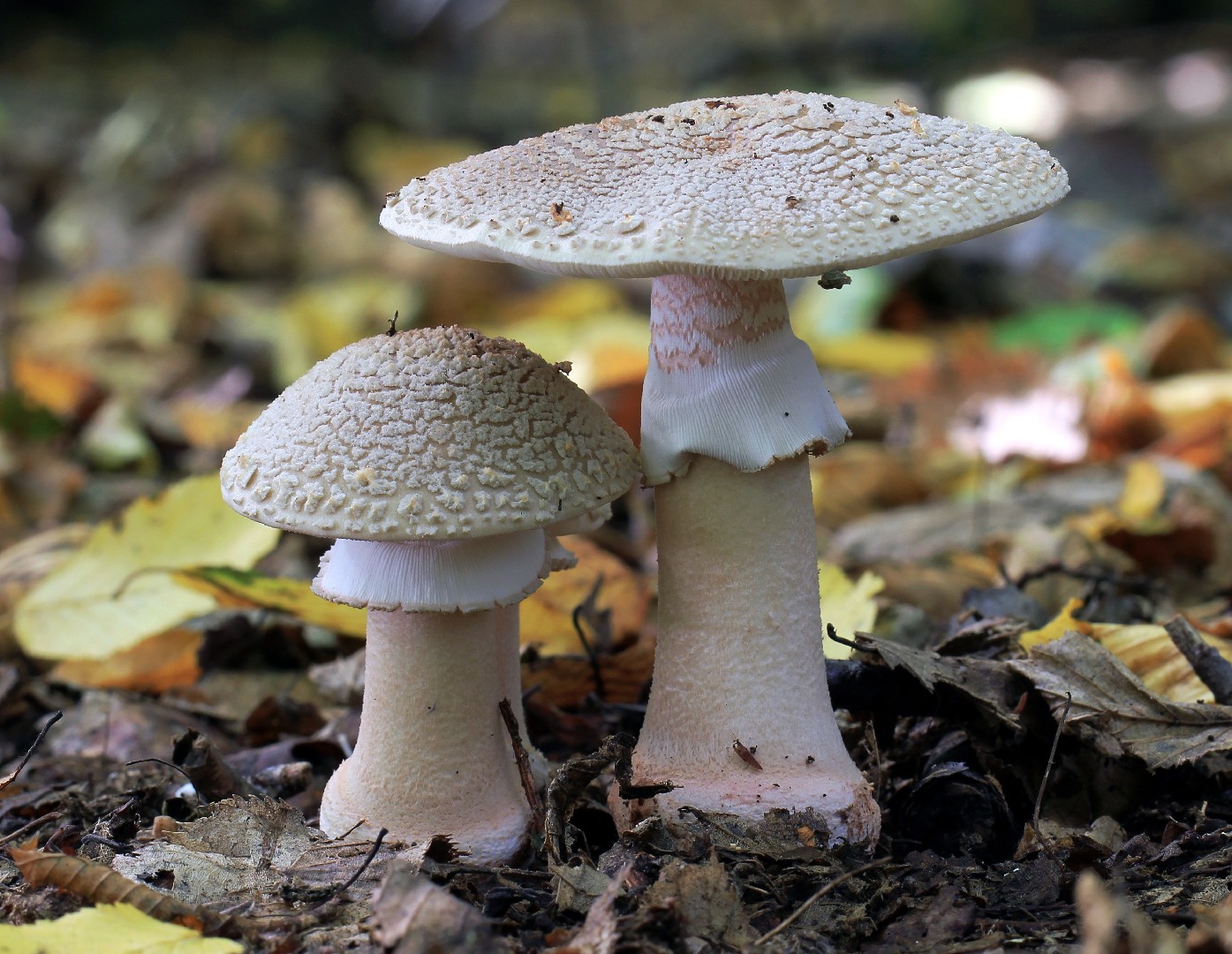
4. Blusher
The blusher mushroom is so named because it “blushes” to a pinkish red color when cut or bruised. It is found in many countries around the world, although it may not be native to the southern hemisphere. It contains a hemolytic toxin that can cause anemia if eaten.
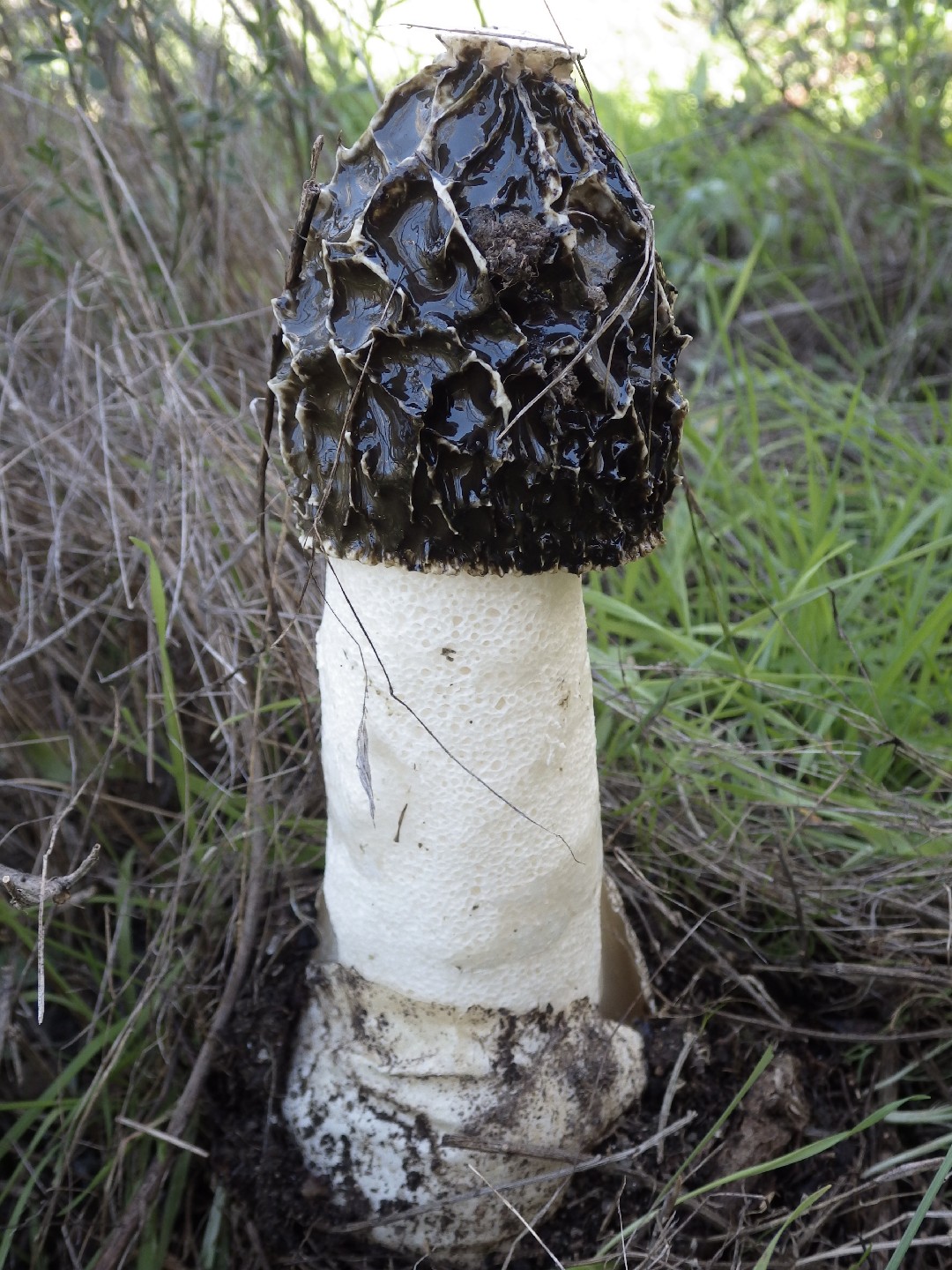
5. Common stinkhorn
The common stinkhorn (Phallus impudicus) grows incredibly quickly, sometimes nearing 30 cm in a single afternoon. Their caps are pitted in a way which makes them reminiscent of morels. However, there's little mistaking the common stinkhorn for a morel; the former, in addition to sporting a much longer stalk, has a clear and pungent odor.
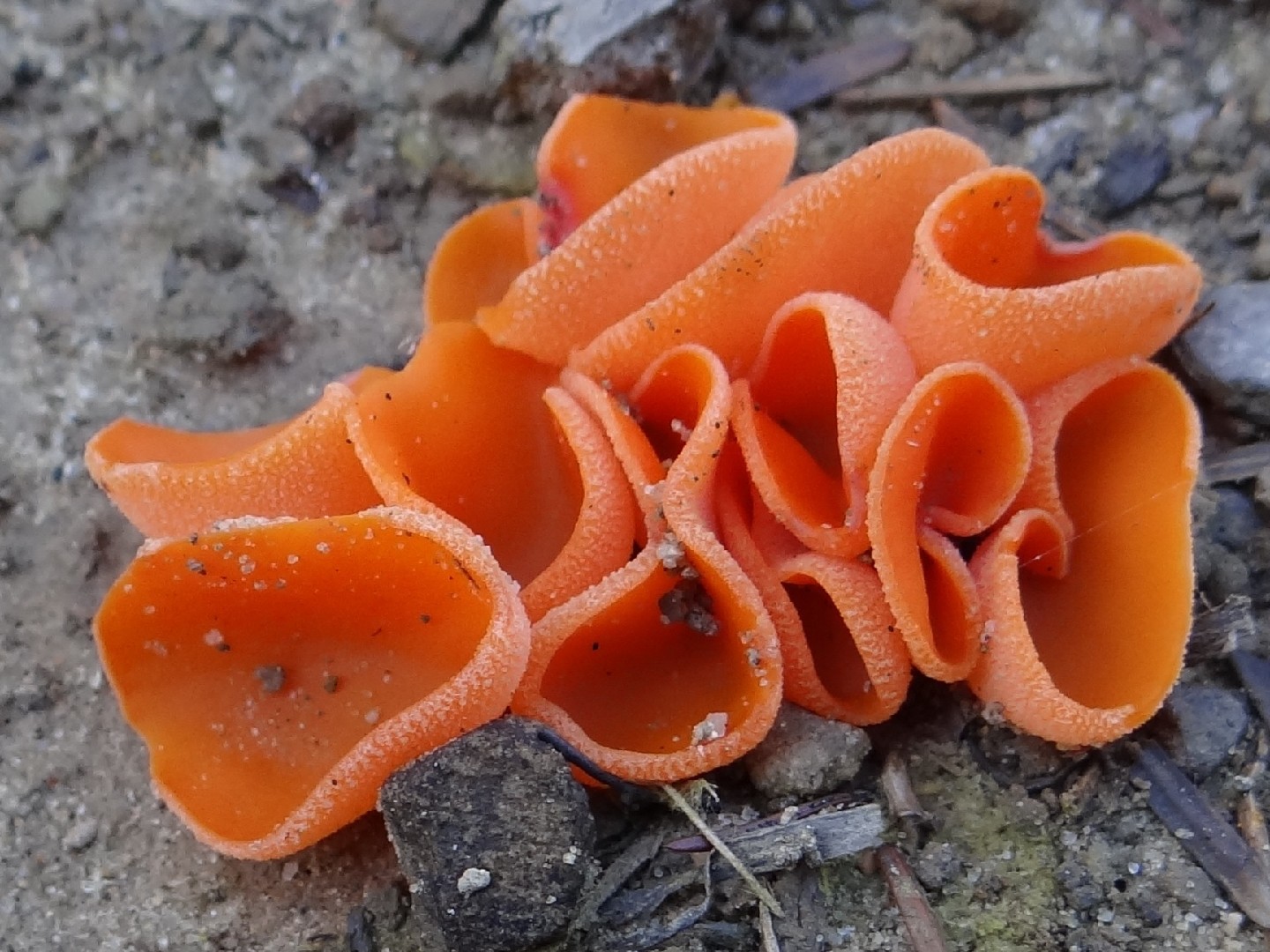
6. Orange peel fungus
The aptly-titled orange peel fungus (Aleuria aurantia) forms fruitbodies that strongly resemble peeled-off rinds of oranges. The species has an irregular folded shape and boasts a bright orange hue. Orange peel fungus usually grows directly out of soil and can be found across temperate regions of North America, Europe, and a few parts of Chile.
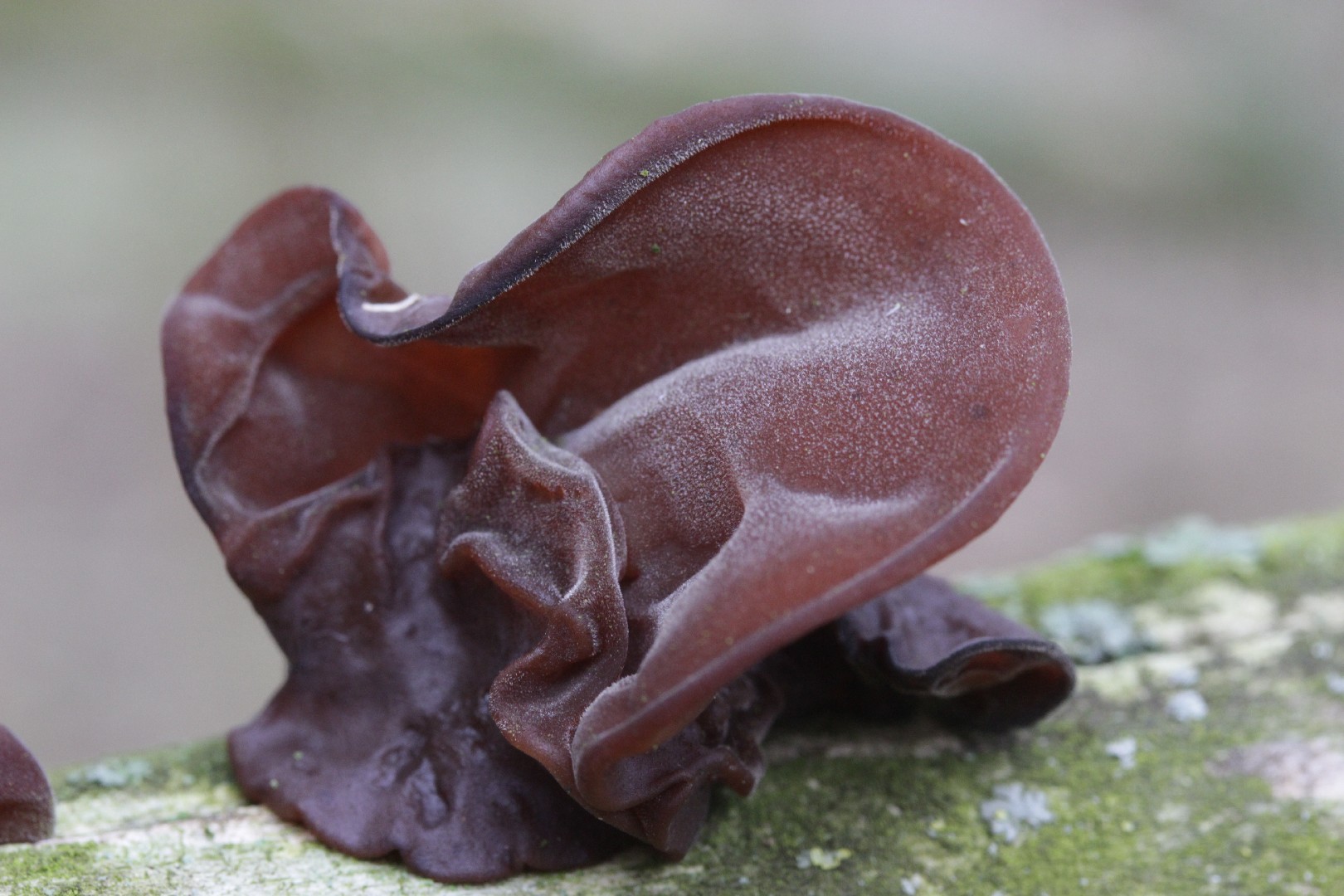
7. Jelly ear
The distinctive jelly ear grows mainly through winter and spring, mostly on the dead trunks and branches of elder trees. It occurs around the world and is often cooked into dishes in Asian countries. This ear-shaped jelly mushroom is often available in stores both fresh and dried.
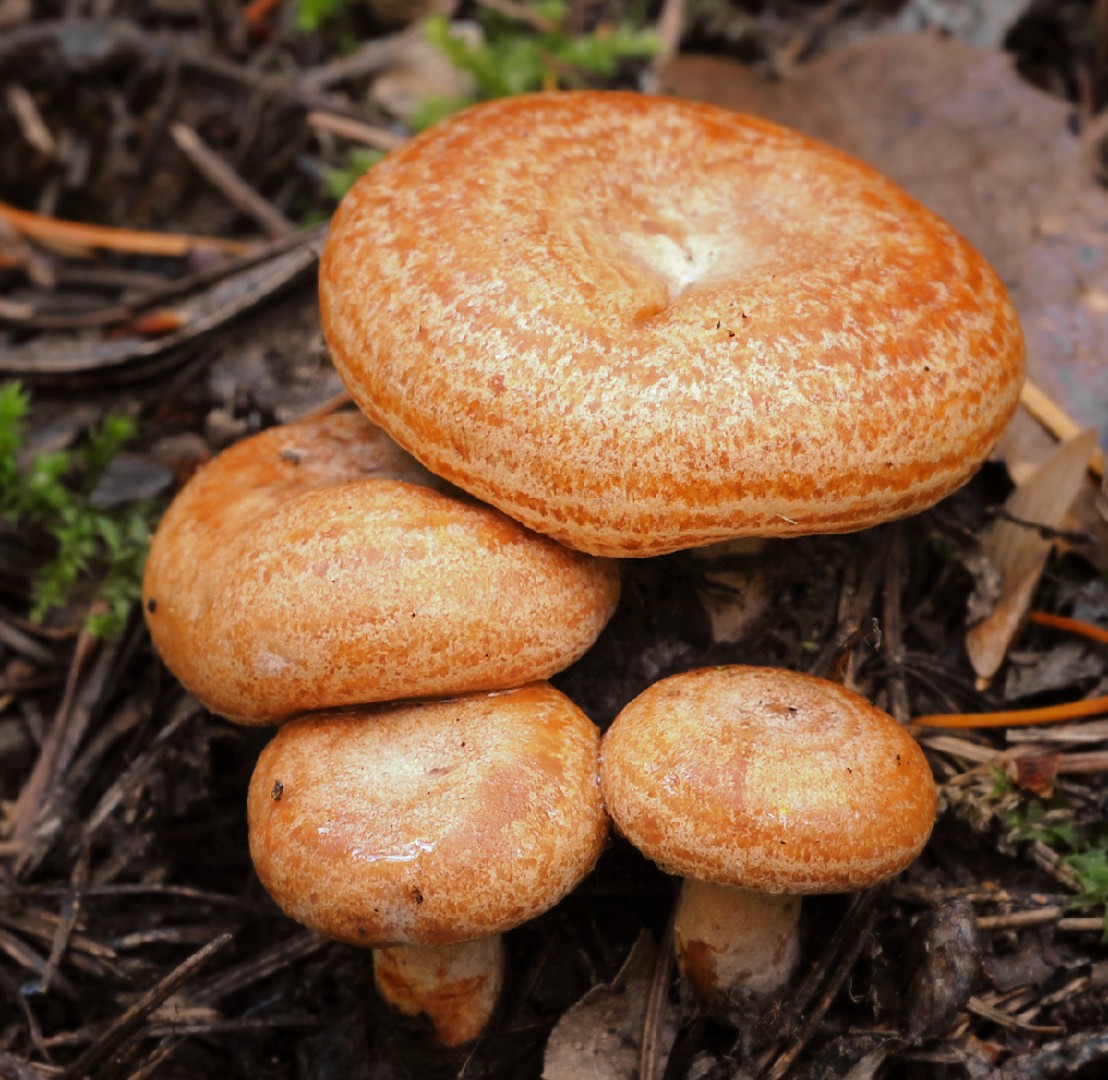
8. Saffron milk cap
Growing wild in the northern hemisphere and introduced to Australia, the saffron milk cap is found in pine forests during autumn. As the name implies, these mushrooms have been harvested for cooking for a long time. They have been known to cause stomach upset in some individuals, however, and carry a risk of being contaminated with heavy metals, so forage with caution.
9. Porcelain mushroom
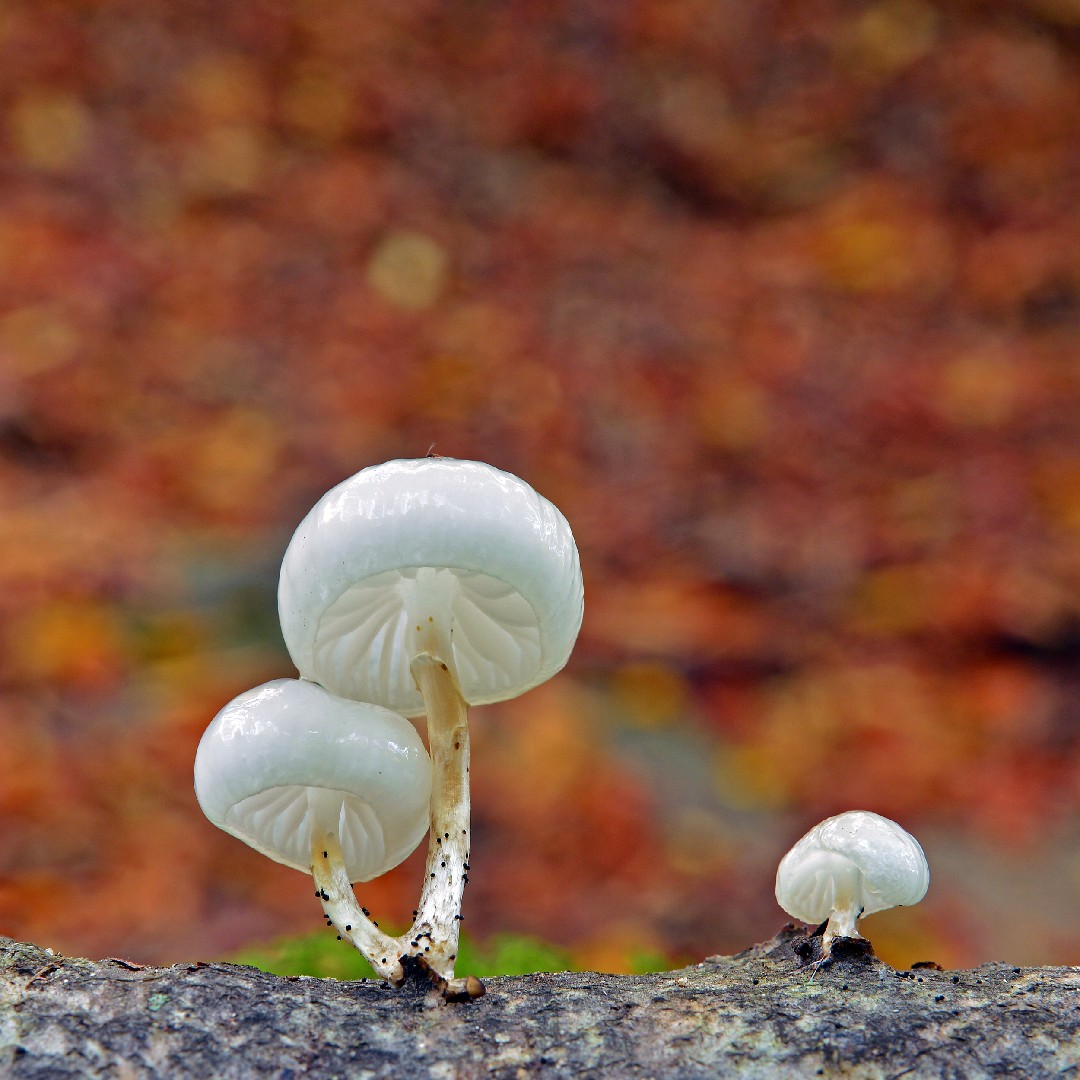
Porcelain mushroom can be found on a variety of deadwood including logs, dead standing trees, and dead upper branches. However, this mushroom is pickier about the type of deadwood, as it only grows on beech trees. This mushroom prefers to keep these trees to itself, releasing fungicides that can kill other mushrooms.
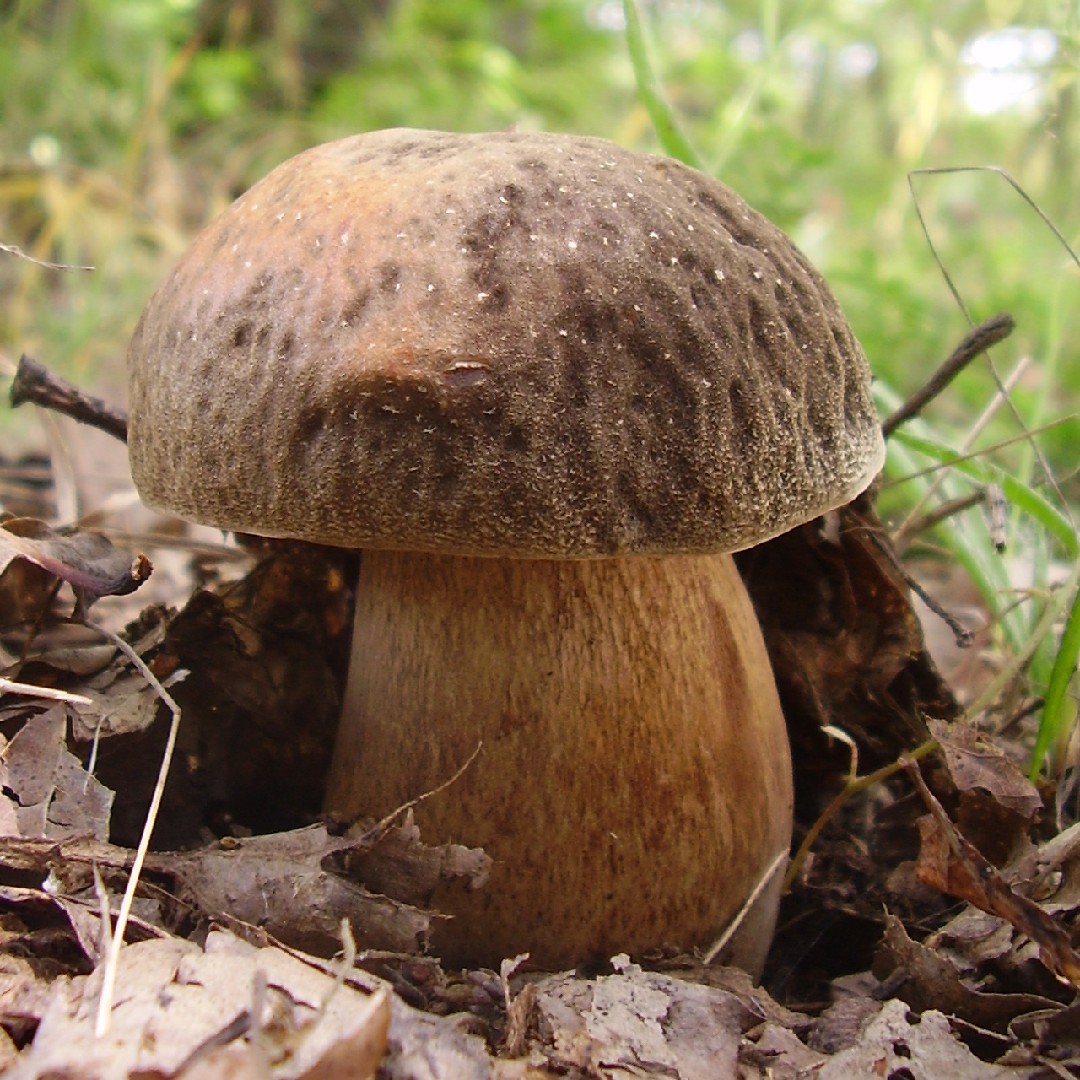
10. Iodine bolete
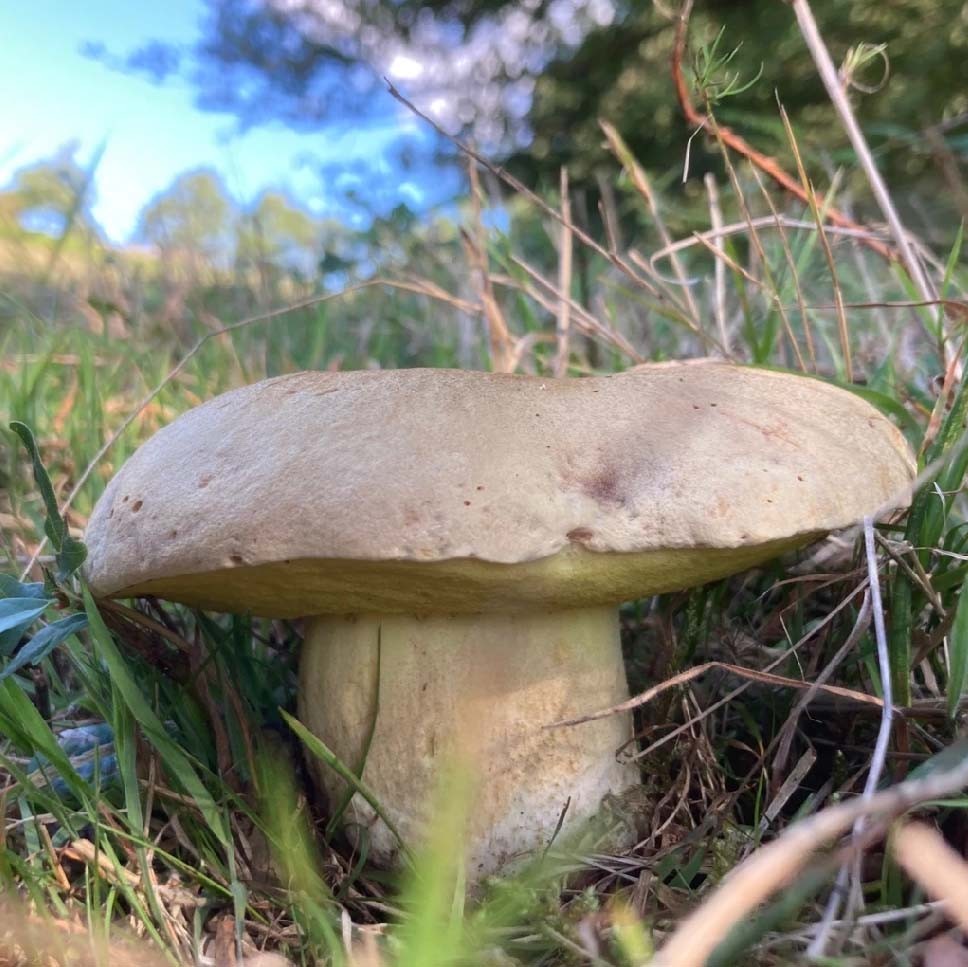
The name of Iodine bolete gives you a good tip on how to identify this mushroom because it gives off a strong iodine smell when it is damaged. Iodine bolete is a widely-distributed mushroom that is always found in association with broad-leaved trees, especially oak, with which it has a symbiotic relationship.
More







