




Top 20 Edible Mushrooms Popular in Limoux
Limoux is a rich, fertile region with an ideal climate for mushroom cultivation. Among the many varieties that grow here, 20 edible species thrive, each unique in taste and offering a multitude of culinary applications. Delicate or robust, hidden beneath leaf litter or on tree trunks, these marvels of Limoux are a treasure for foragers and food lovers alike. Let's explore these common fungi, discovering both their captivating aesthetic attributes and culinary prowess.
* Disclaimer: Content feedback CAN NOT be used as any basis for EATING ANY PLANTS. Some plants can be VERY POISONOUS, please purchase edible plants through regular channels.

Most Popular Edible Mushrooms
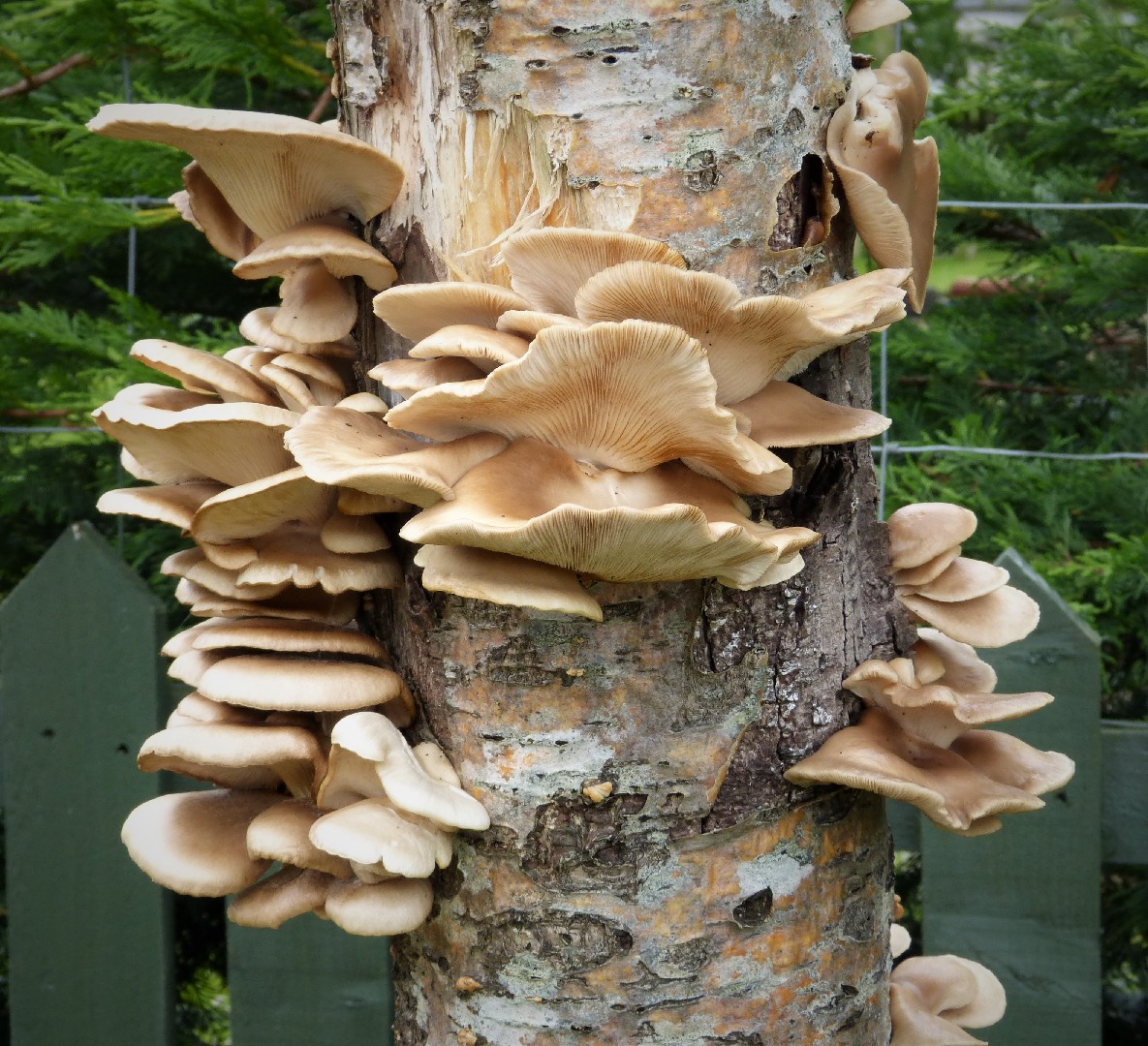
1. Branched oyster mushroom
The following sections use the given references throughout. 
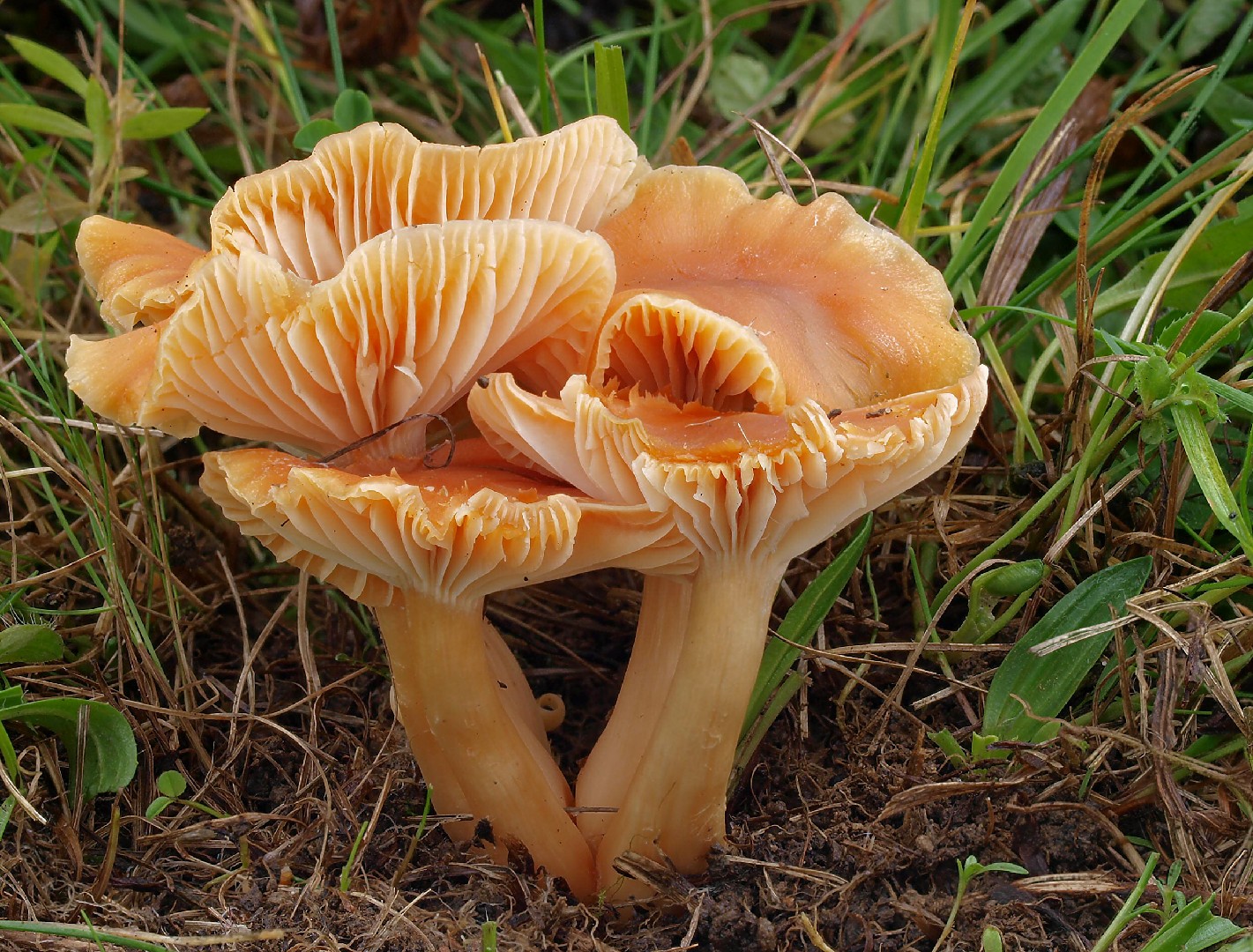
2. Meadow waxcap
The meadow waxcap is a medium-sized, salmon-colored species that can be found in temperate habitats around the world. The species has broad, thick gills and a relatively smooth (and not particularly waxy) cap.
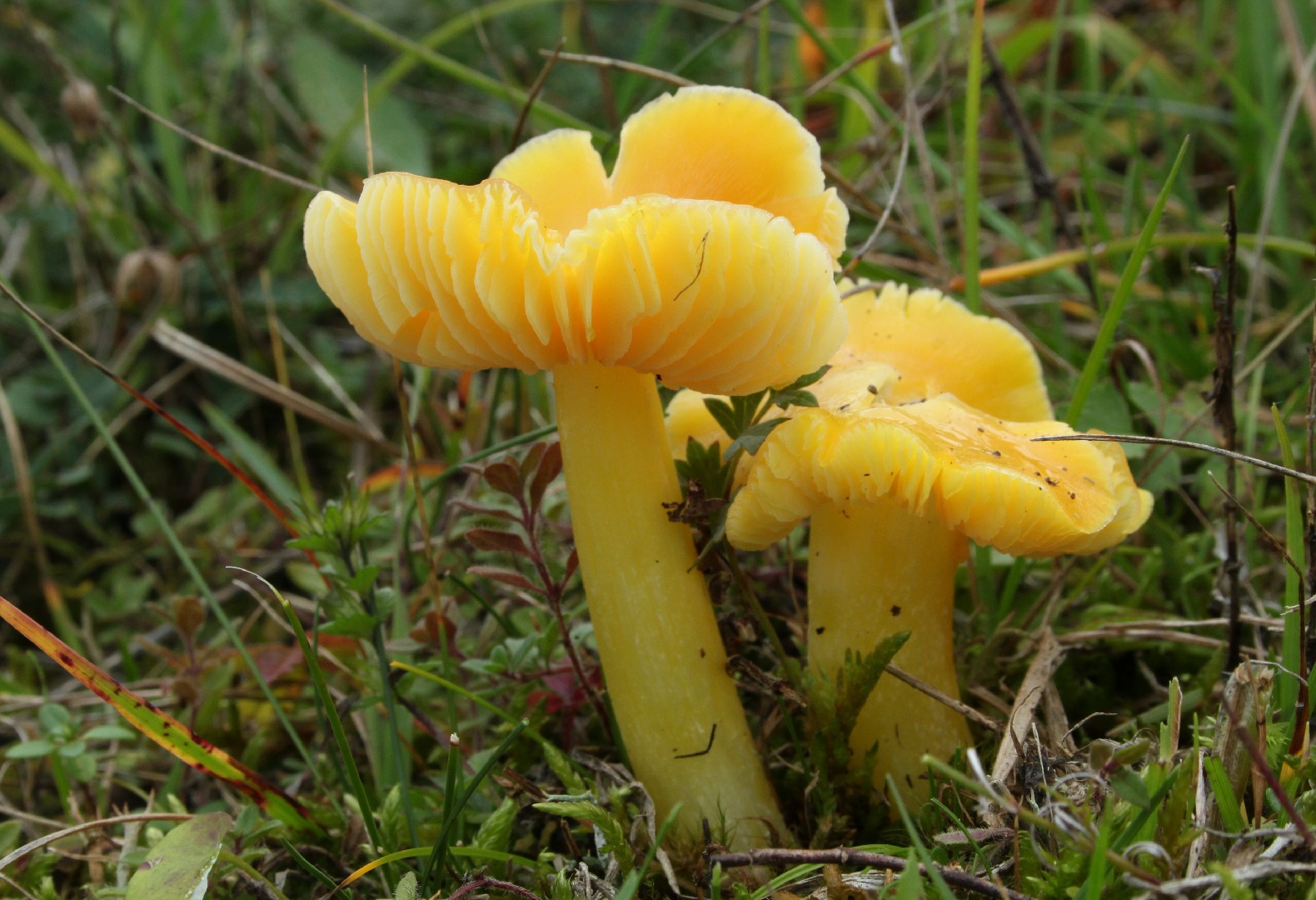
3. Lemon waxcap
The lemon waxcap can occur in both woodlands and grasslands. Despite this, it is becoming endangered in central Europe. The specific epithet Hygrocybe translates essentially as 'watery head,' because these mushrooms are typically moist and shiny. Lemon waxcap has been featured on postage stamps from the Faroe Islands.
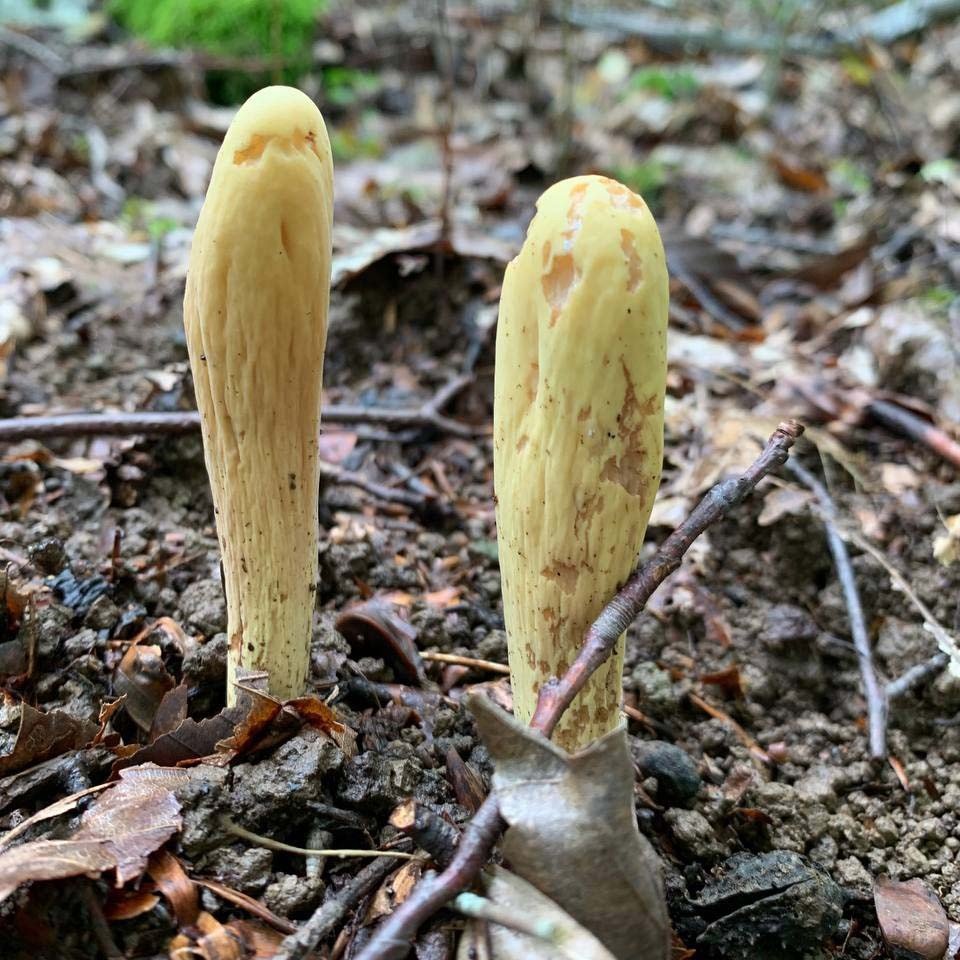
4. Common club coral fungus
Common club coral fungus is a rare, club-like mushroom rich in antioxidants and fatty acids. However, American varieties may not have substantial meat. It can be found growing in beech woodlands throughout Europe and the Americas from summer to fall. Generally nondescript, it emits a slightly pleasant scent.
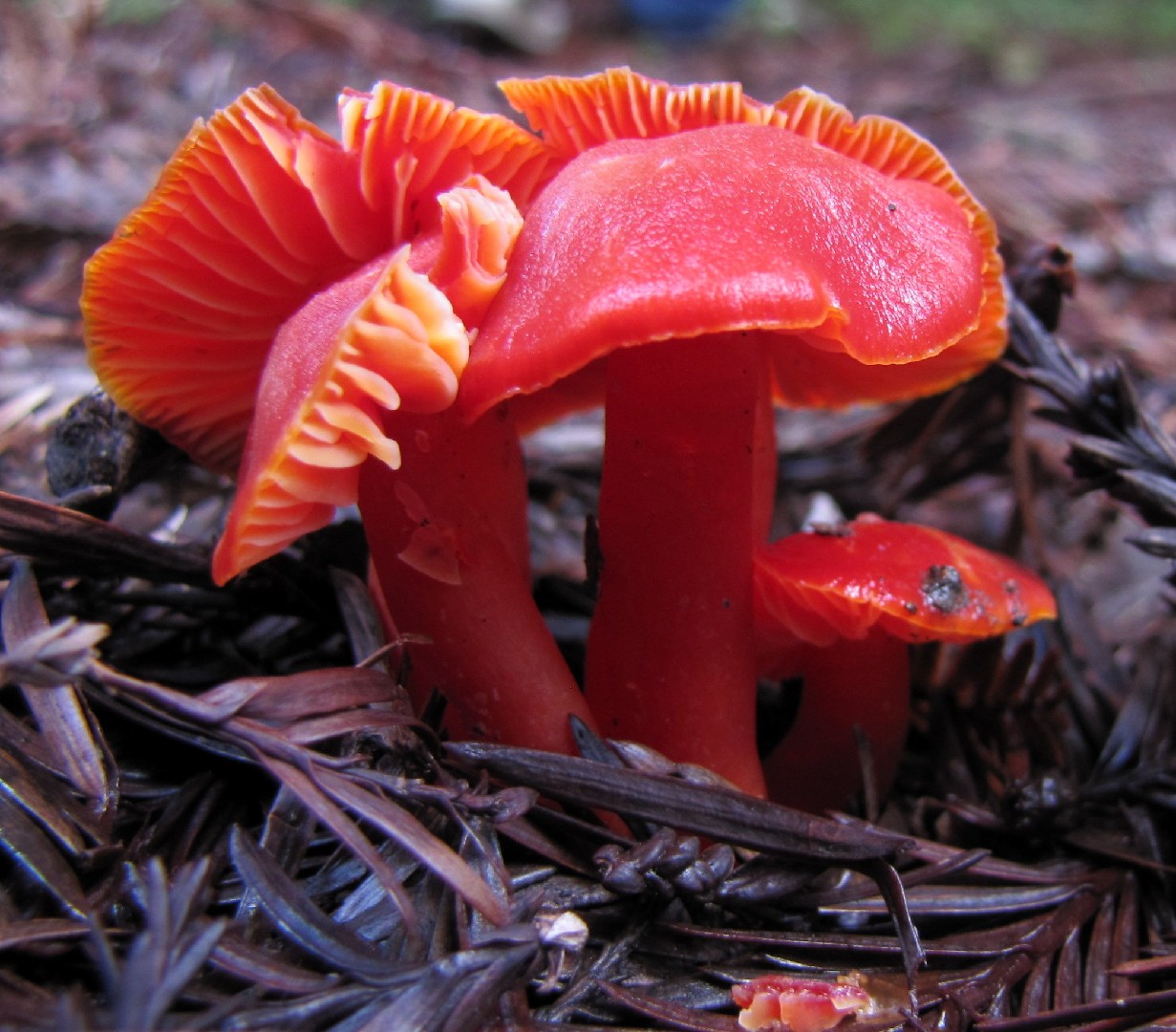
5. Scarlet hood
Scarlet hood(Hygrocybe coccinea) is named for its bright scarlet color, which renders it easy to spot among the grasses and woodlands among which it prefers to grow. Distributed across the Northern Hemisphere, it tends to be small and uncommon, making it of particular interest to photographers.
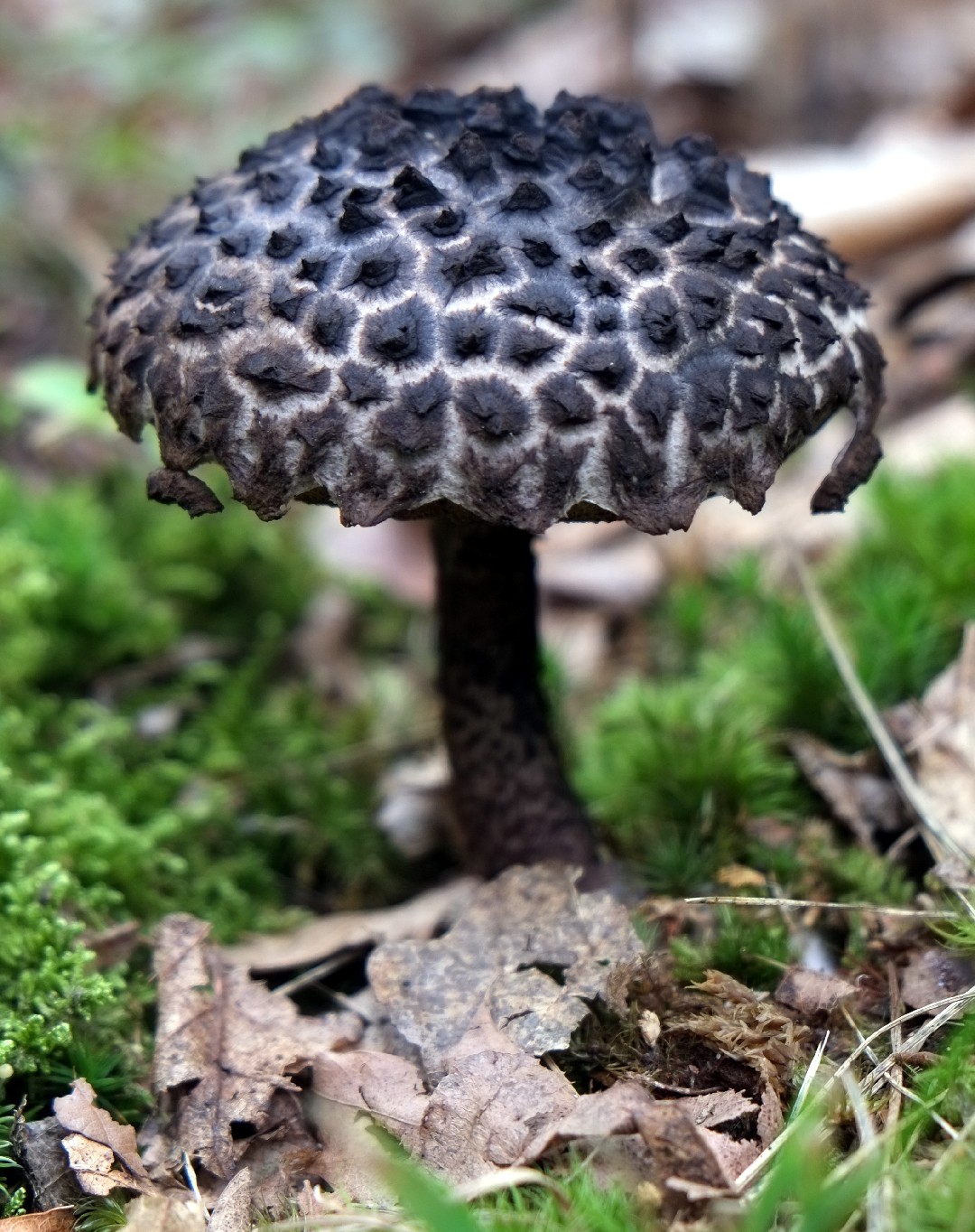
6. Old man of the woods
Native to Europe and North America, old man of the woods(Strobilomyces strobilaceus) is notable for its unusual coloring and texture, which visually resembles dark, overlapping scales against a white base. Interestingly, this mushroom has been depicted on a Swiss postal stamp worth fifty centimes.
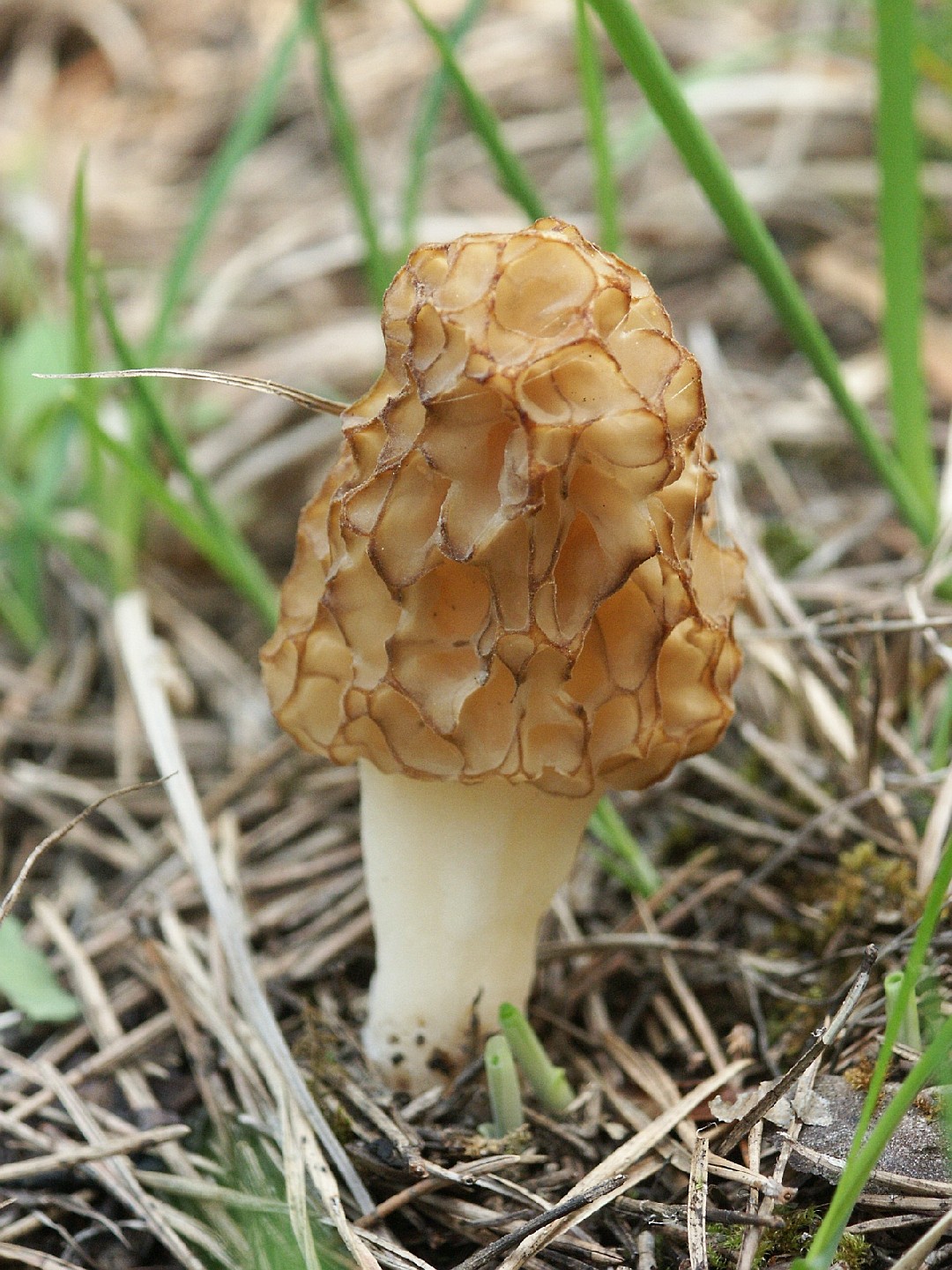
7. Yellow morel
The yellow morel (Morchella esculenta) is one of the most iconic and sought-after species of edible mushrooms. It is often one of the first species that novice mushroom gatherers will hunt for. Yellow morels have elongated caps that are "honeycombed", being filled with roughly polygonal holes. Splitting them down the middle reveals them to be hollow on the inside, a key feature that distinguishes them from toxic false morels. Experts recommend cooking or boiling this mushroom before consumption, as raw morels may cause an upset stomach.

8. Bruising webcap
As the name suggests, Bruising webcap 'bruises' a purplish color when damaged. The specific epithet, purpurascens, also references this fact. Bruising webcap's large cap typically appears slimy and sticky. This species is very similar to several highly toxic mushrooms and should not be collected for food.
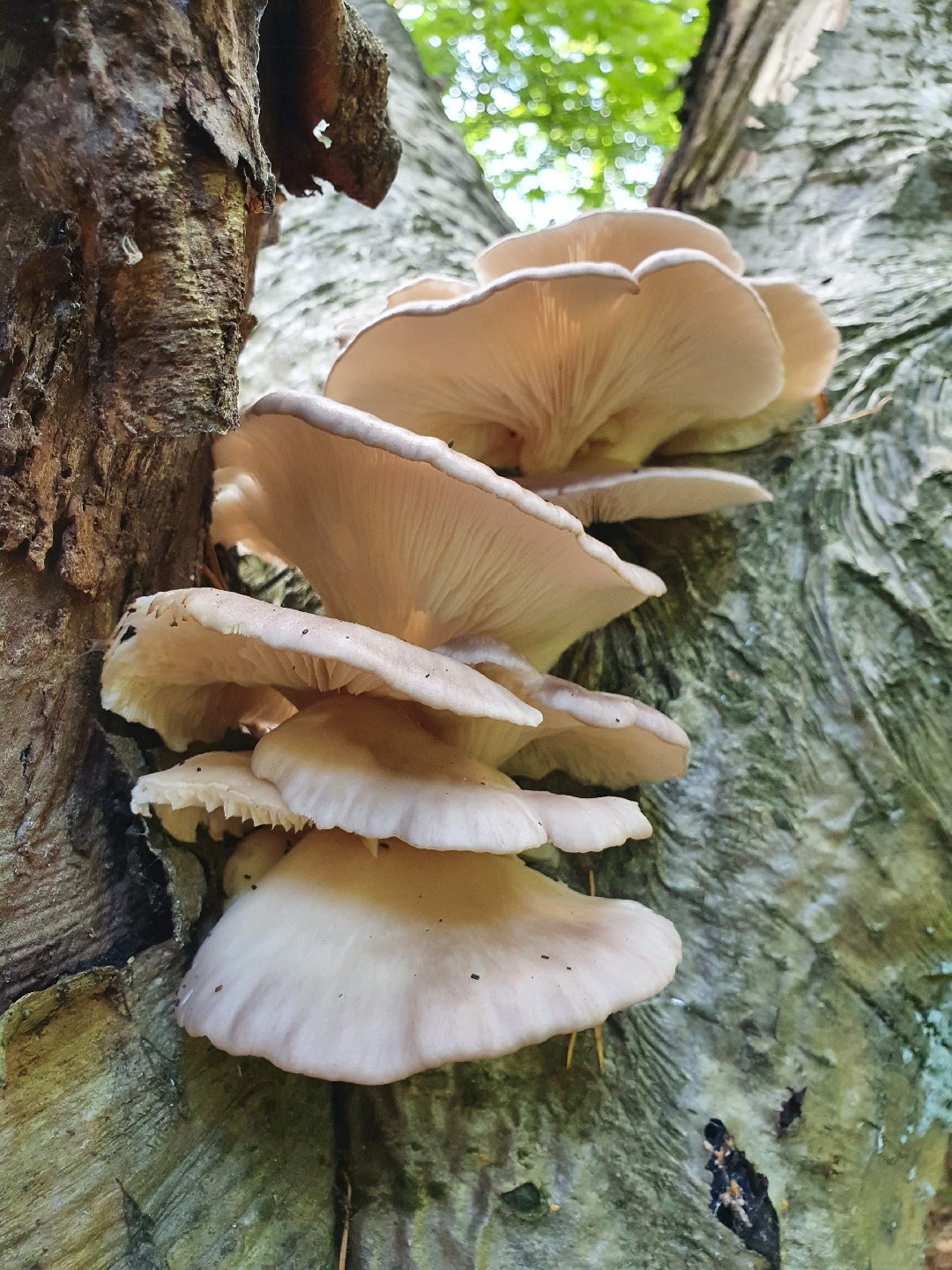
9. Oyster mushroom
Oyster mushrooms grow wild but are also cultivated for sale in supermarkets. They can even be cultivated at home. They will grow on coffee grounds and spent grain, and are occasionally even fashioned into an environmentally-friendly substitute for styrofoam. There are several toxic look-alike species, so it is best to buy these mushrooms at the store.
10. Fairy ring mushroom
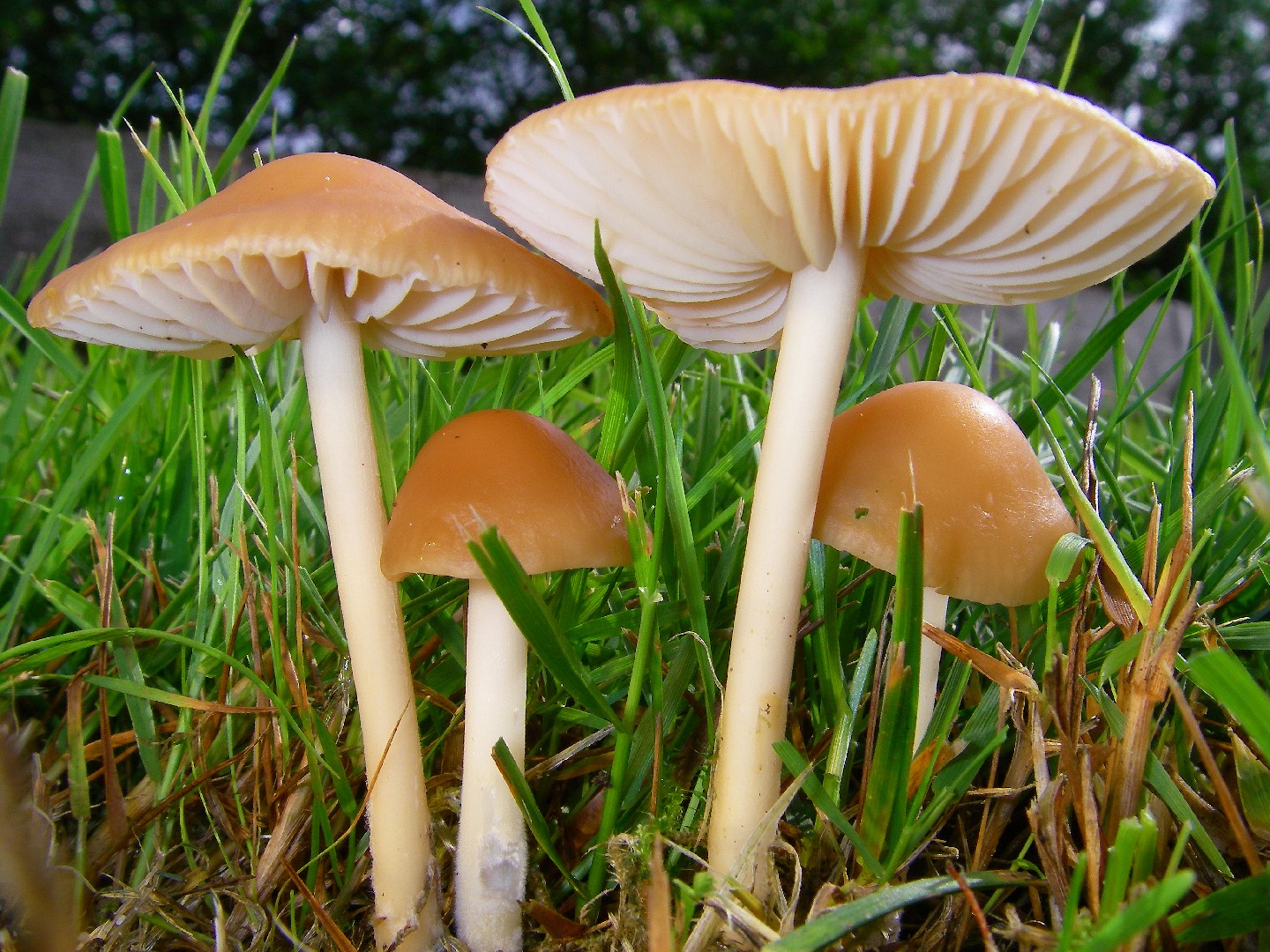
Fairy ring mushrooms may dry out completely in the sun, but will “resurrect” during the next rain and regain their ability to make new spores. This is due to a sugar called trehalose which protects their cells. They appear in lawns and fields, sometimes in “fairy ring” configurations.

More







