




Top 20 Edible Mushrooms Popular in Ajax
In the rich, fertile lands of Ajax, a diverse multitude of edible mushrooms thrive, fuelled by generous rainfall and a dynamic climate. Here, we will take an enlightening journey through the 20 most common edible mushrooms of this region - an expedition offering detailed insights into their appearance, taste, habitat, and gastronomic applications. Stay tuned for an informative exploration of, these remarkable, nutrient-packed wonders of nature.
* Disclaimer: Content feedback CAN NOT be used as any basis for EATING ANY PLANTS. Some plants can be VERY POISONOUS, please purchase edible plants through regular channels.

Most Popular Edible Mushrooms
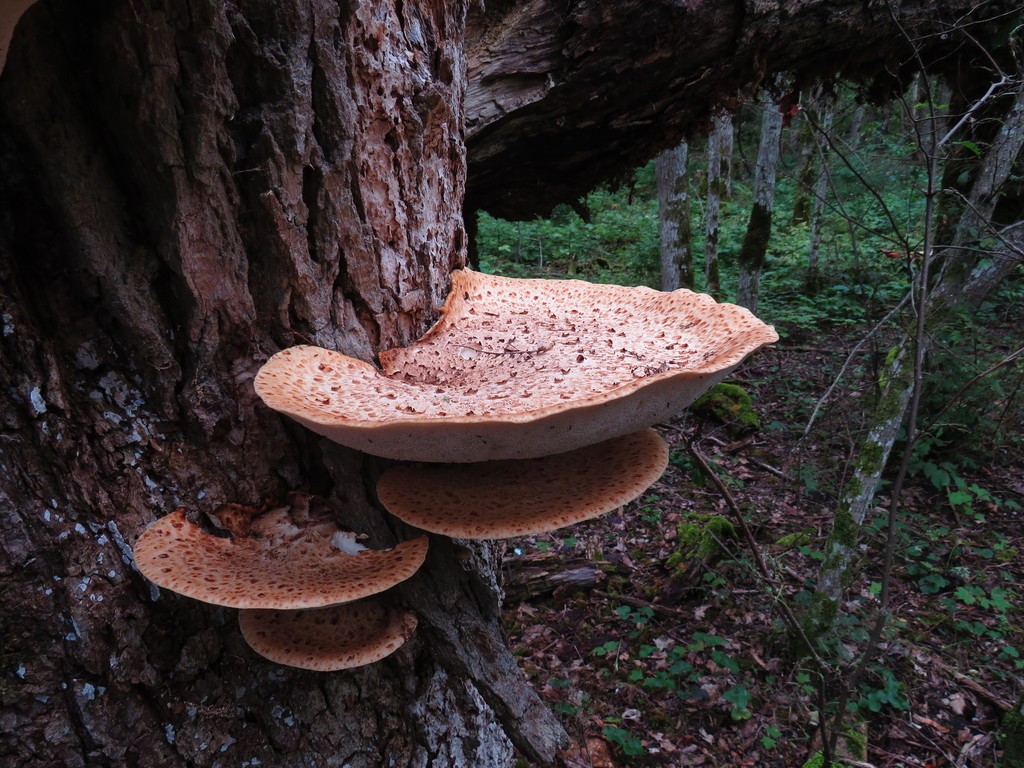
1. Dryad's saddle
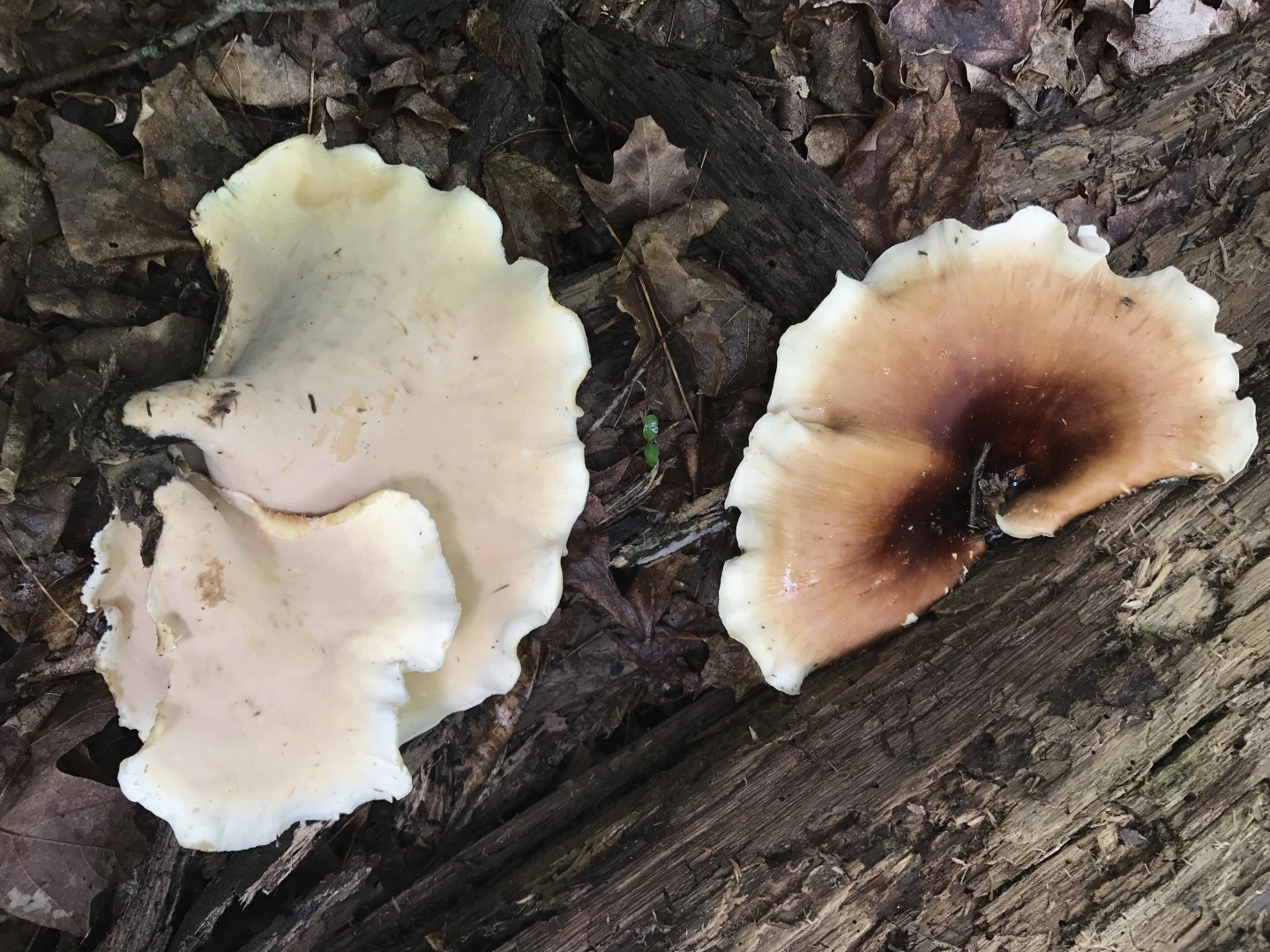
A familiar sight to spring morel hunters, dryad's saddle is noteworthy for its large size, striking scales, and watermelon-like smell. Similar to other mushrooms in the bracket fungi family, dryad's saddle can be used to make paper. Younger mushrooms are better suited for this purpose due to their smaller and more consistent fibers.

2. Shaggy mane
The shaggy mane mushroom is commonly found in North American and European grasslands. Some peoples foraged for its young egg-shaped caps, but it has more recently been found to be a bioaccumulator of heavy metals, meaning it pulls toxic metals up from the soil where it grows. As a result, shaggy manes should not be eaten. The mushrooms usually appear in clusters or “fairy rings.”
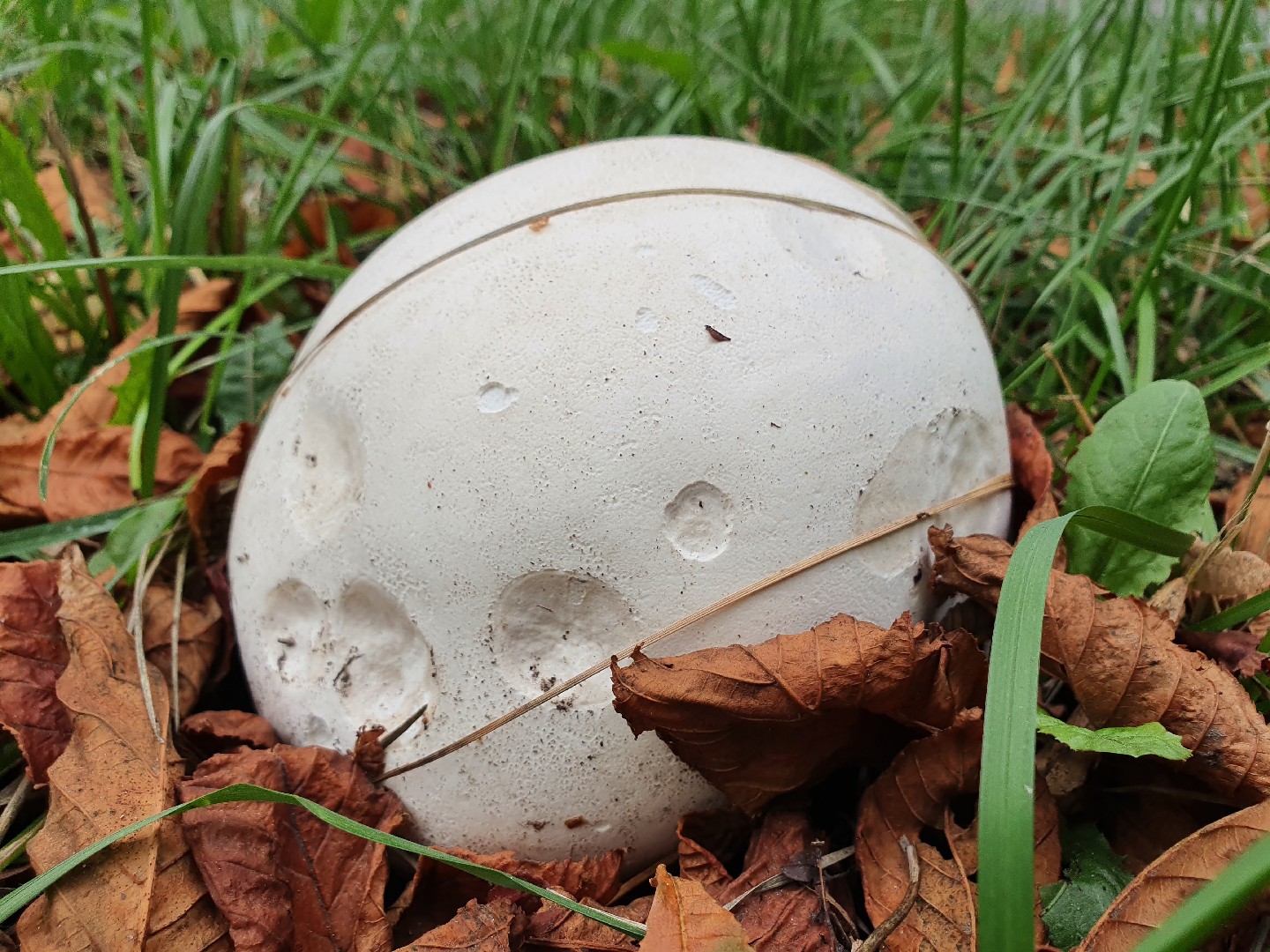
3. Giant puffball
These distinctive round, white fungi appear around the world in fields and at the edges of wooded areas. Living up to its name, a single giant puffball can grow as large as a watermelon. They have no stems, and produce trillions of spores that release into the air through holes in “puffs.” They have been used as slow-burning tinder and produce copious smoke when set aflame. Giant puffballs are technically edible, but should only be consumed when the mushroom is young and firm.
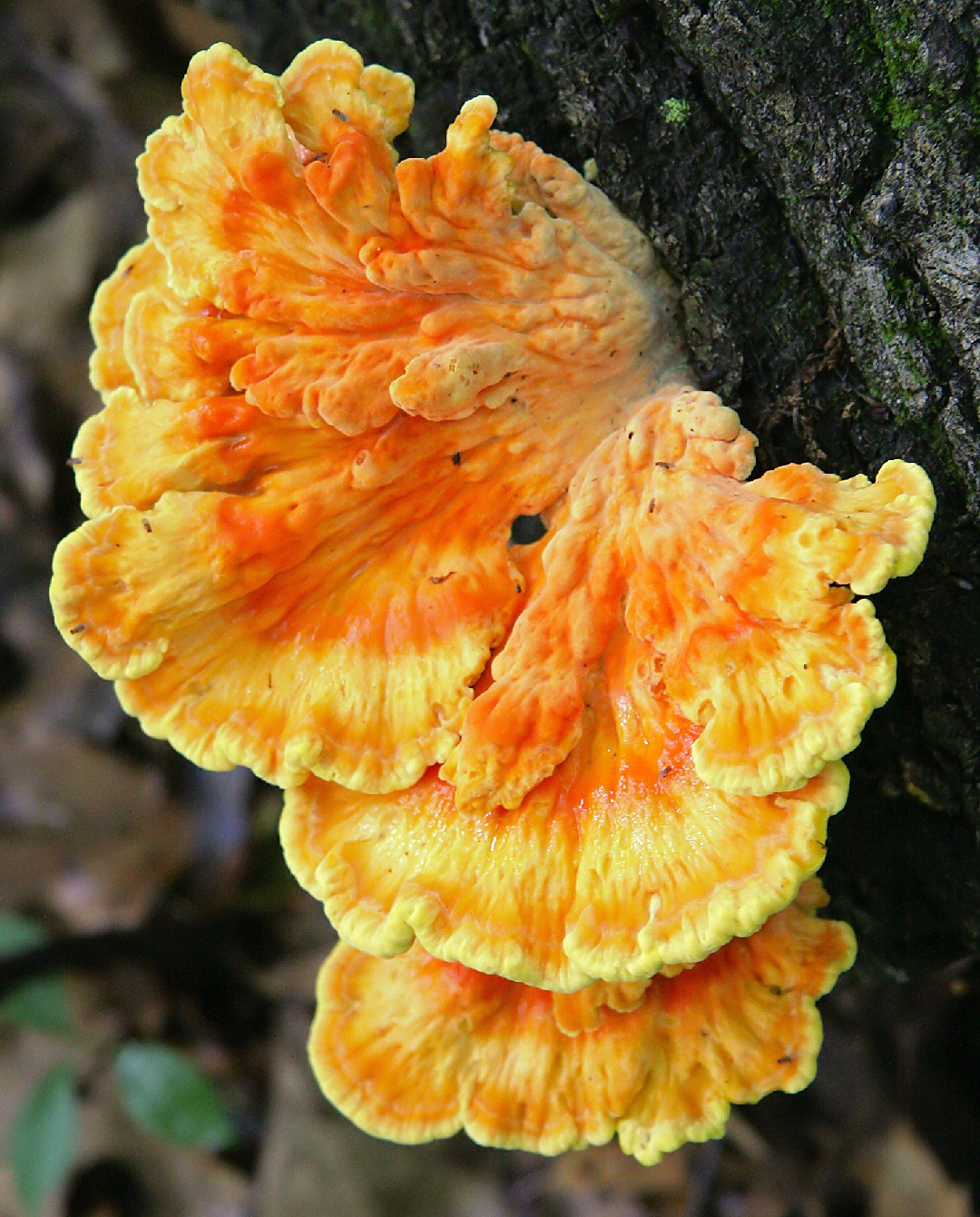
4. Chicken of the woods
Chicken of the woods is very noticeable in hardwood forests, appearing in clusters on standing tree trunks in bright orange and yellow hues that sometimes last through the entire winter. It is a parasite that causes an unfortunate brown heart rot, and is considered a particularly troublesome pest of Yew trees. If the fruitbodies can be seen, the tree is likely already beyond saving.
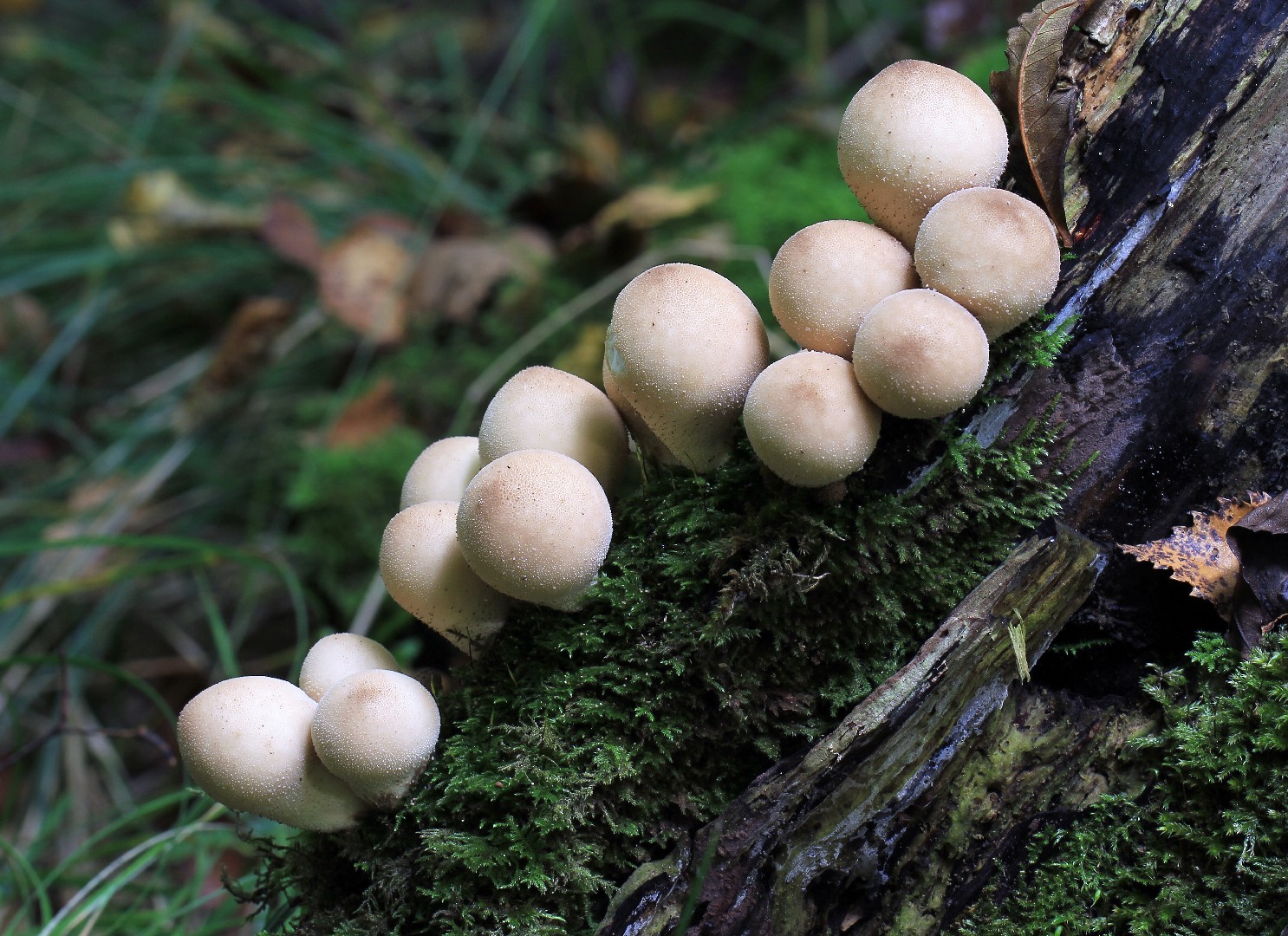
5. Pear-shaped puffball
The mushrooms of this species grow in such tight clusters that they may cover fallen trees and stumps almost entirely in a brownish, puffy coat. Pear-shaped puffballs appear all around the northern hemisphere on decaying hardwoods from fall through winter.
6. Bear's head tooth
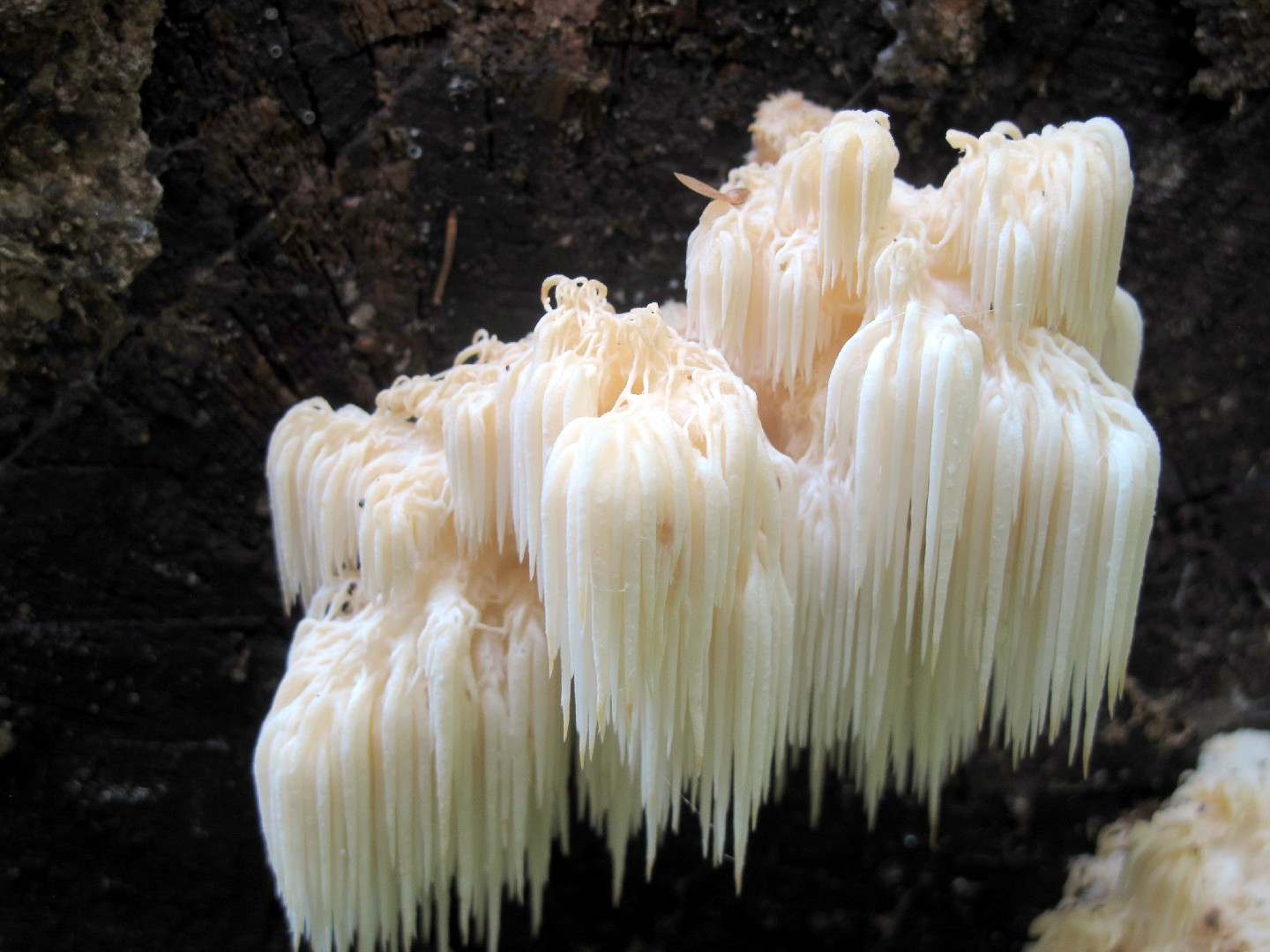
The bear's head tooth is a white fungus that is often described as having a "shaggy" or mop-like appearance. It gets its common name from the appendages it grows, which resemble long teeth. The fungus is native to North America and grows on both living and rotting hardwood trees.
7. Enoki
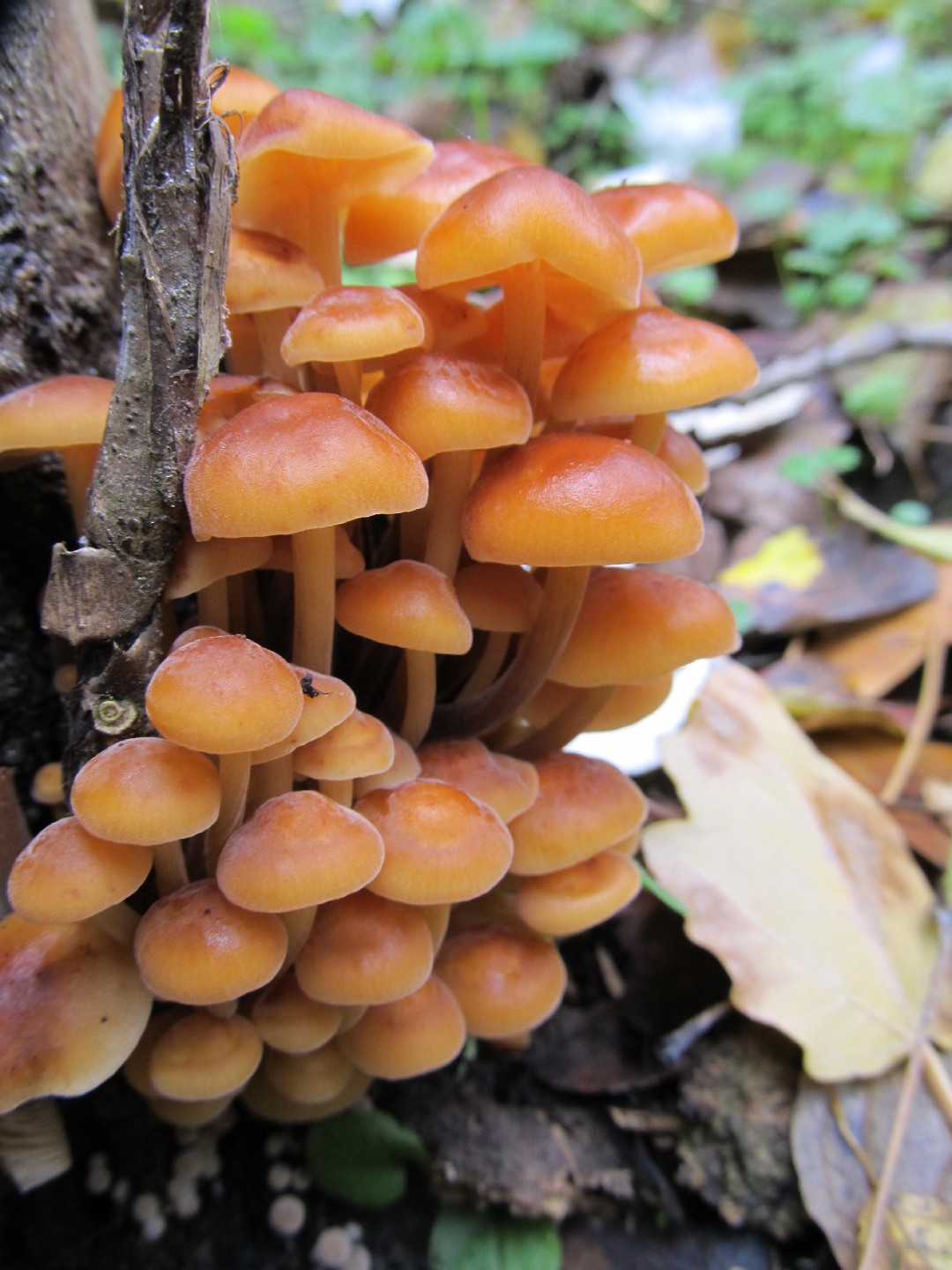
The enoki grows wild on dead elm trees, and is also cultivated for human use. This flavorful species (Flammulina velutipes) has been used in dishes around the world for generations, being particularly high in nutrients. Though store-bought enoki are often plain white, wild ones can be found in a range of colors.
8. Coral tooth fungus
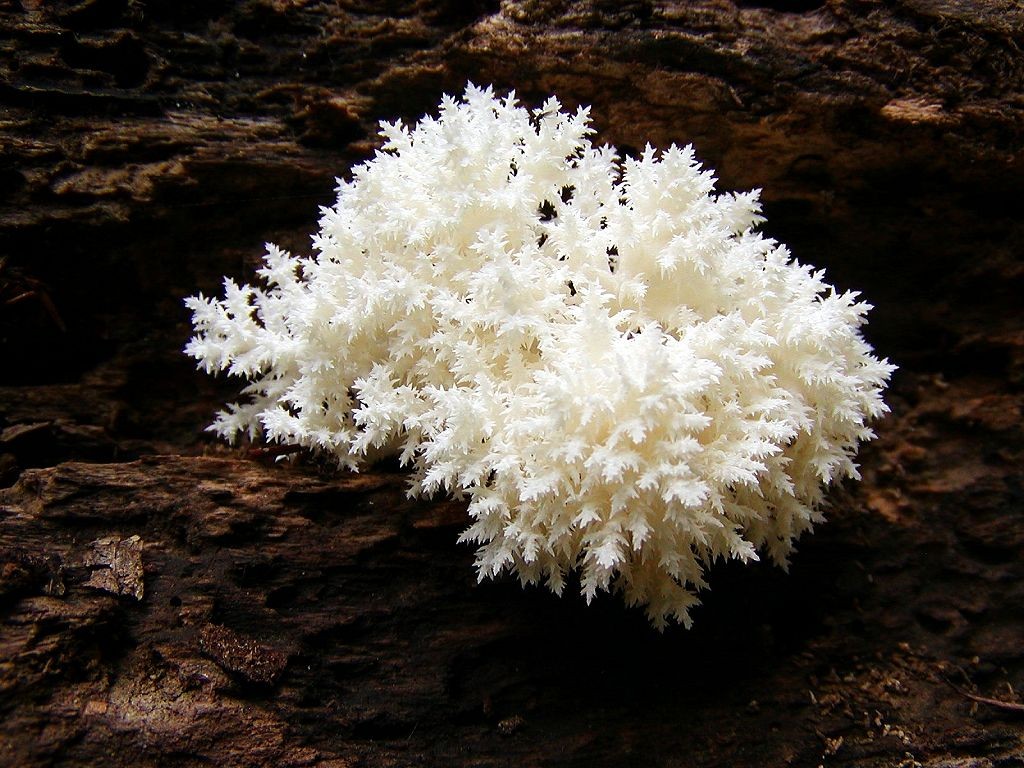
Coral tooth fungus (Hericium coralloides) is a species of coral mushroom most frequently sighted on dead or decaying hardwoods. Generally, younger specimens are white and become increasingly yellowish as they mature. Found around the world, the Māori refer to this species as pekepekekiore.

9. American slippery jack
A common sight underneath white pines in the summertime, the american slippery jack lives up to its name with its slimy cap, reminiscent of chicken fat's consistency. The subdued, yellow-brown hue is also the same color.
10. Elm oyster
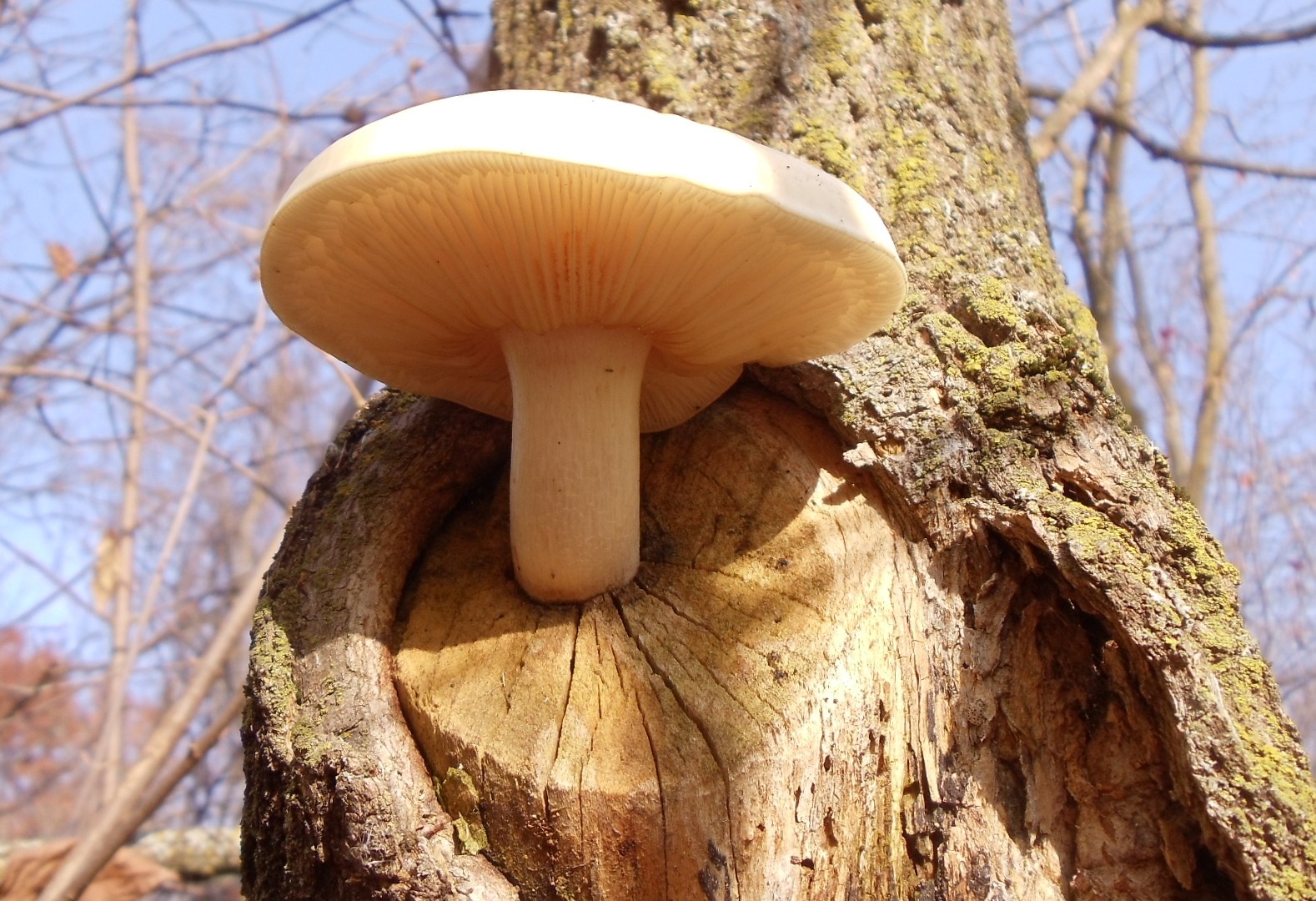
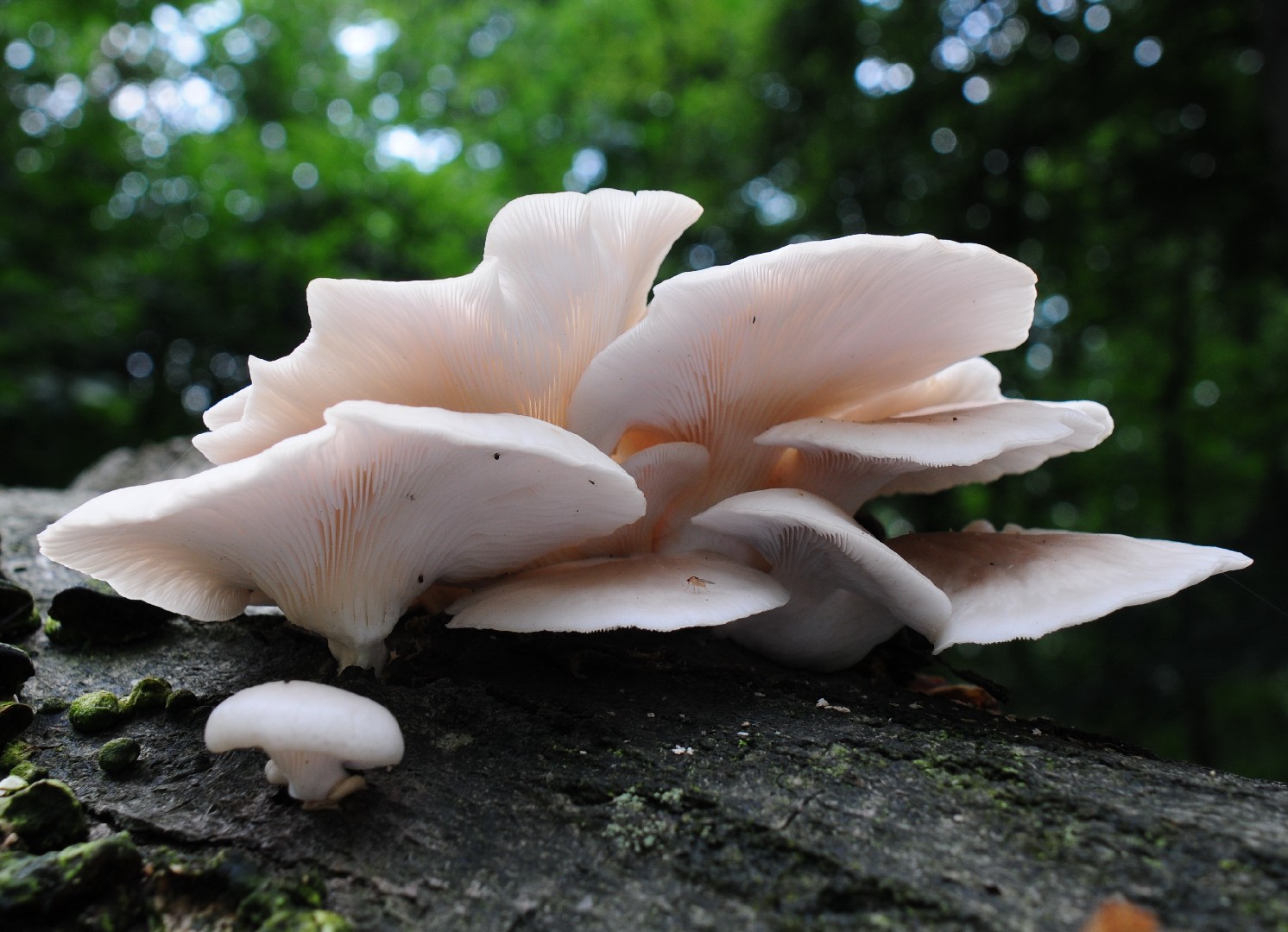
As its common name suggests, the elm oyster(Hypsizygus ulmarius) is most commonly found fruiting on elm trees. Its scientific name references its tendency to position itself in the higher points of any individual tree. The fruit bodies may grow alone or in small clusters of two or three, and rarely more.

More







