




Top 20 Edible Mushrooms Popular in Kelowna
Delve into the world of fungi with our guide to the top 20 most common edible mushrooms of Kelowna. With its varied climate and extensive wild spaces, Kelowna is a mycological treasure, providing a perfect habitat conducive to the growth of an array of delicious and nutritious fungi. Our expert guide will take you through each mushroom species in detail, exploring their distinctive attributes, delectable taste profiles, favored habitats, and culinary uses. Get ready to discover and tantalize your taste buds!
* Disclaimer: Content feedback CAN NOT be used as any basis for EATING ANY PLANTS. Some plants can be VERY POISONOUS, please purchase edible plants through regular channels.

Most Popular Edible Mushrooms
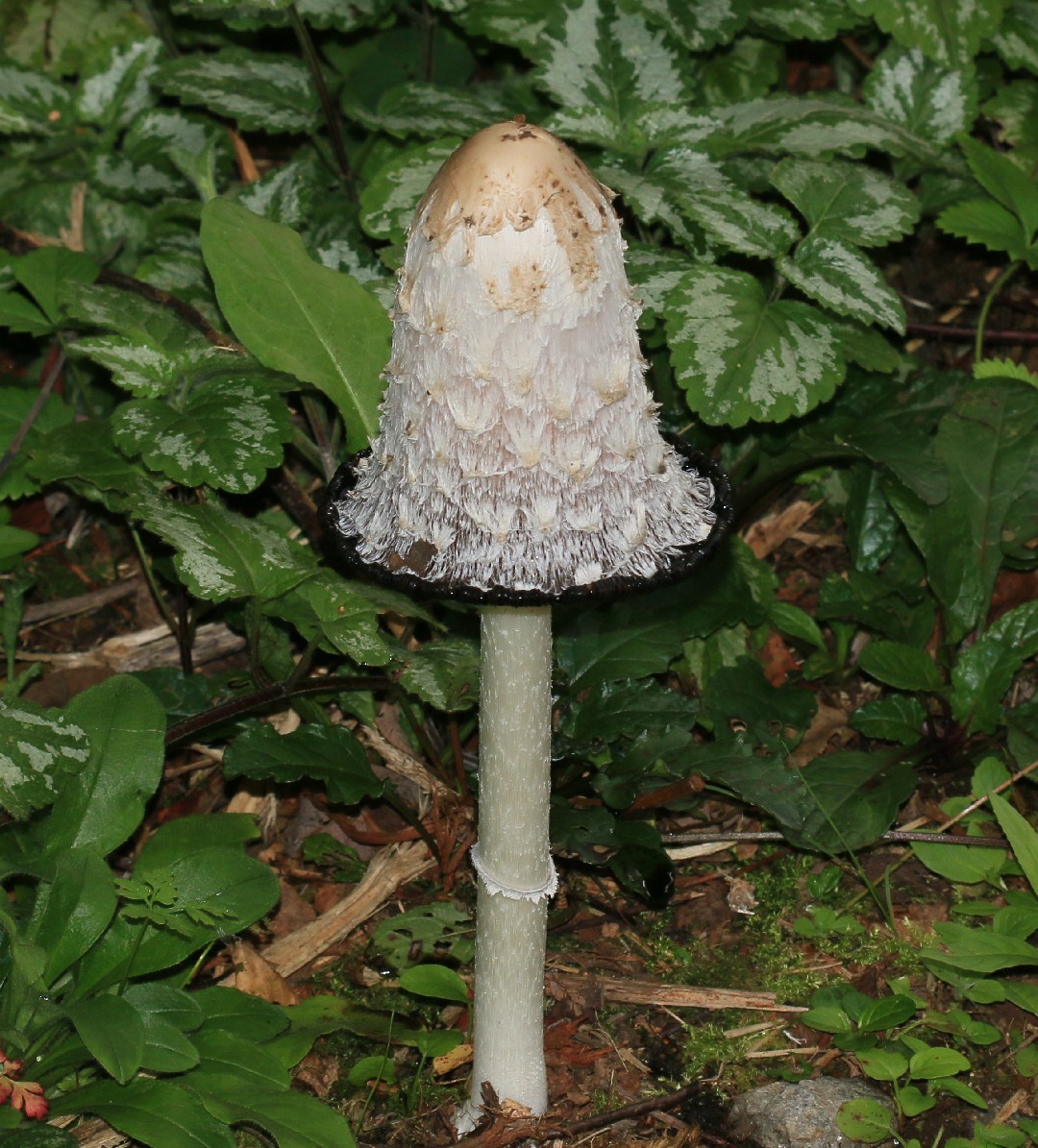
1. Shaggy mane
The shaggy mane mushroom is commonly found in North American and European grasslands. Some peoples foraged for its young egg-shaped caps, but it has more recently been found to be a bioaccumulator of heavy metals, meaning it pulls toxic metals up from the soil where it grows. As a result, shaggy manes should not be eaten. The mushrooms usually appear in clusters or “fairy rings.”
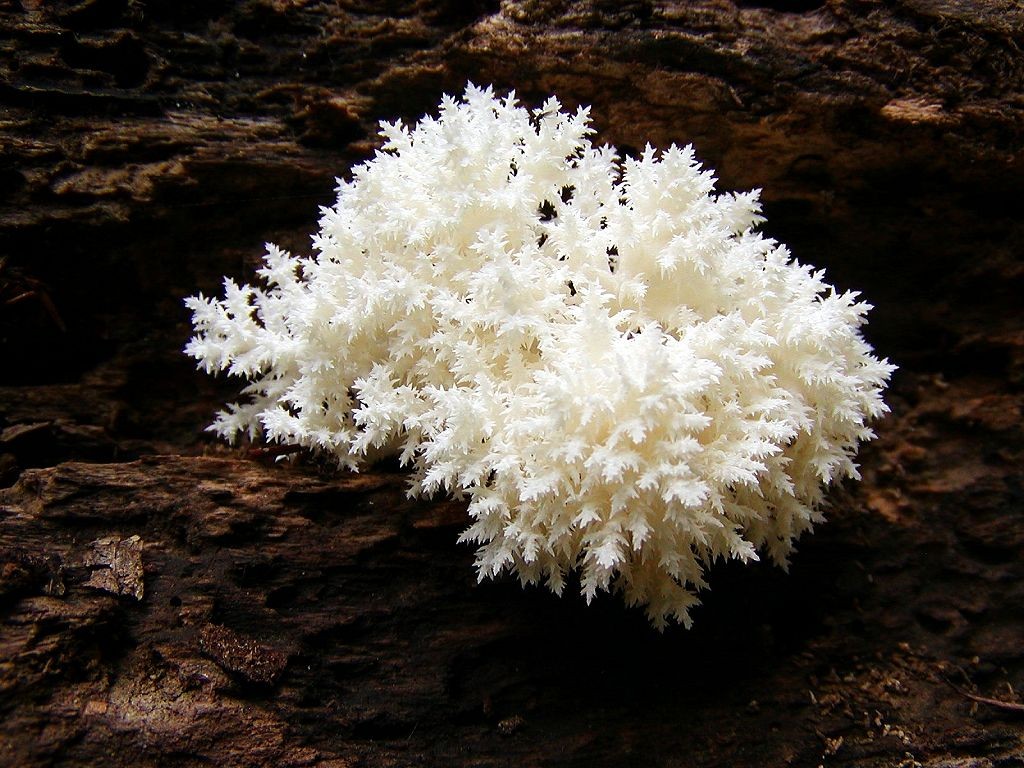
2. Coral tooth fungus
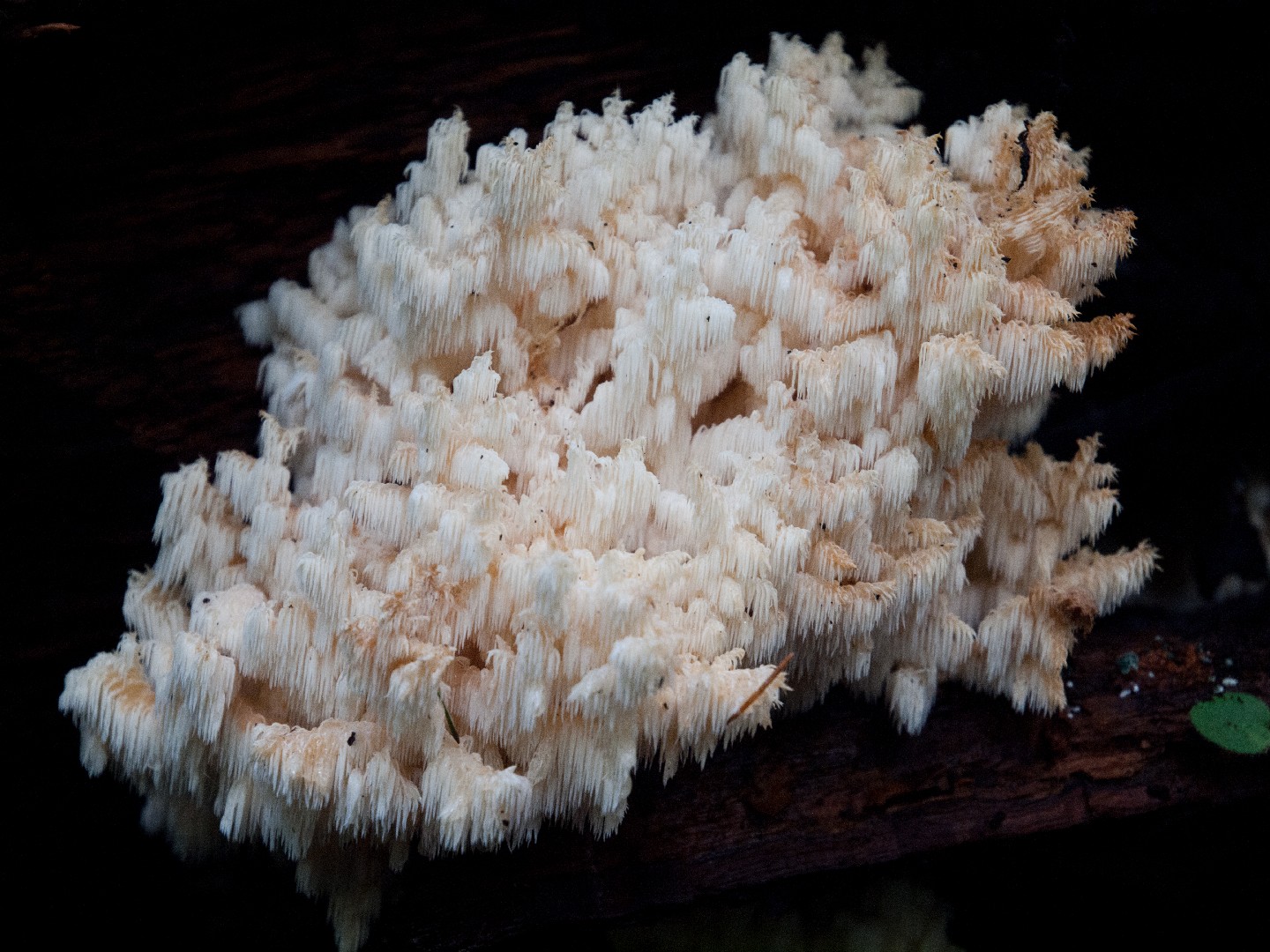
Coral tooth fungus (Hericium coralloides) is a species of coral mushroom most frequently sighted on dead or decaying hardwoods. Generally, younger specimens are white and become increasingly yellowish as they mature. Found around the world, the Māori refer to this species as pekepekekiore.
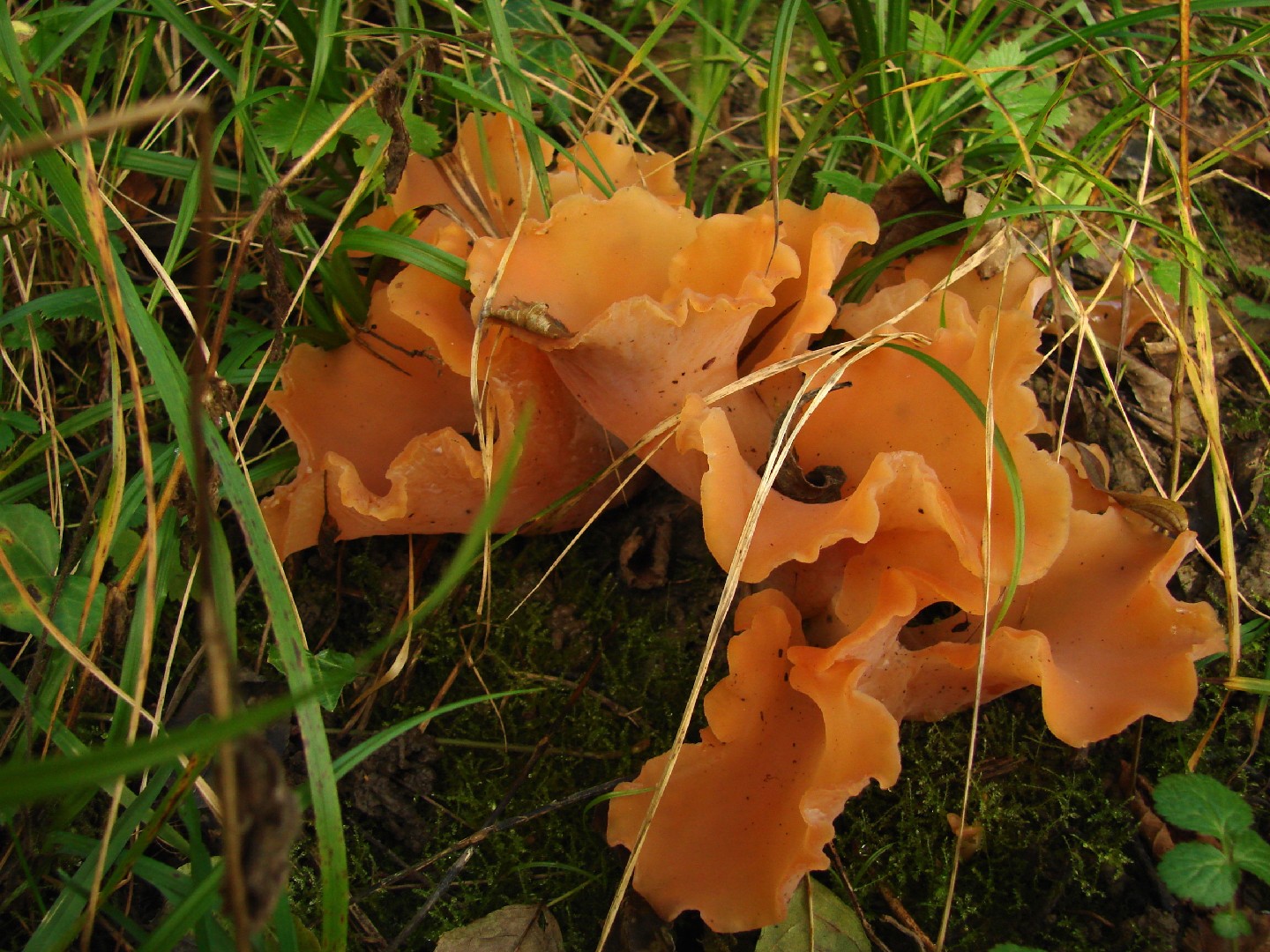
3. Apricot jelly
This distinctive, rubbery fungus has an entirely unique appearance. Occurring in temperate regions around the world, the apricot jelly grows in tongue-like funnels in varying shades of orange or pink. While it may look like candy, it is reported to have almost no taste and no culinary value.
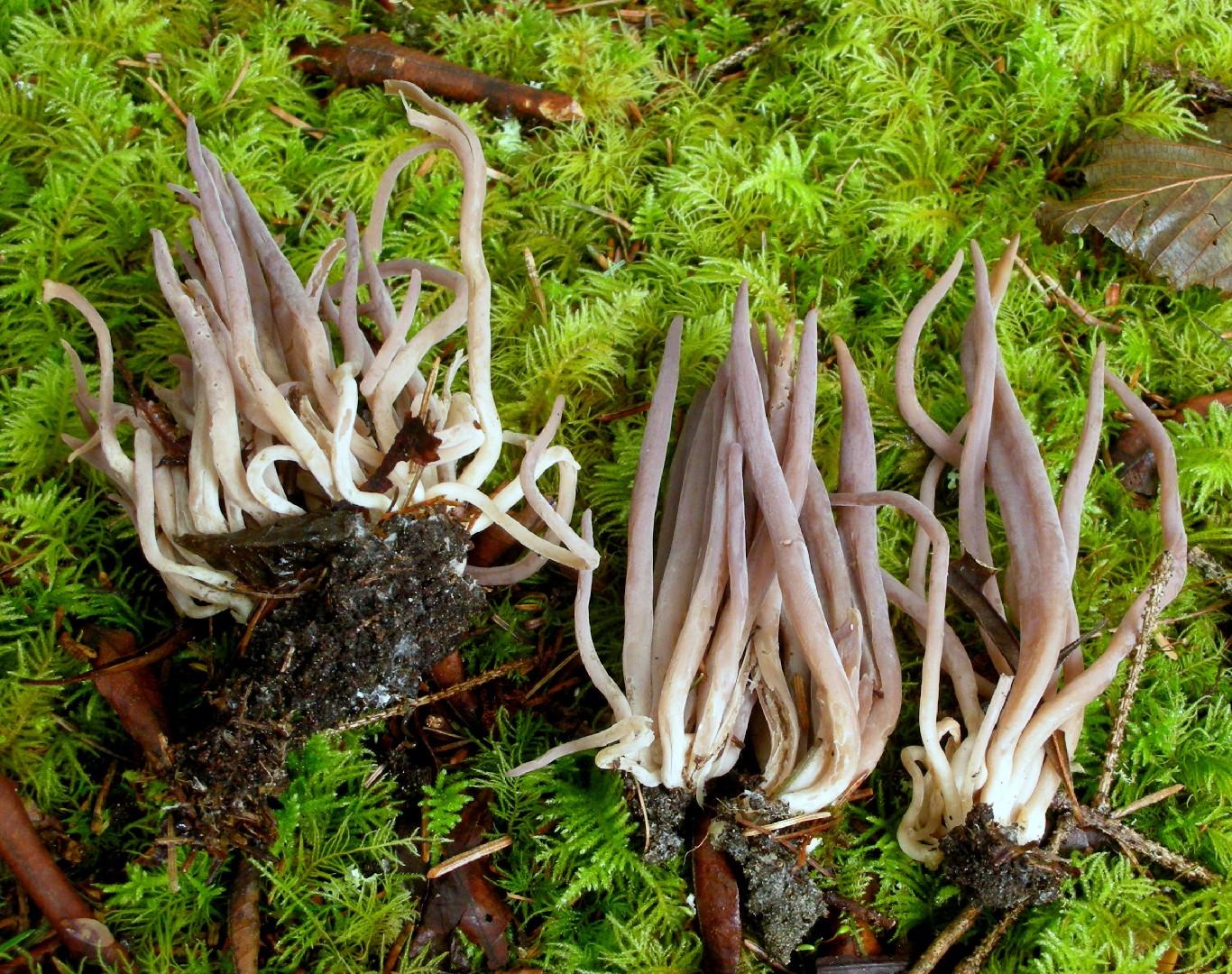
4. Purple coral
The purple coral is a tiny, but beautiful and impressive fungus that can be immediately distinguished from other Alloclavaria and Clavaria species by its distinctive purple colour. This mushroom grows in large clusters, but it's still unclear whether it's a saprobic or mycorrhizal species.
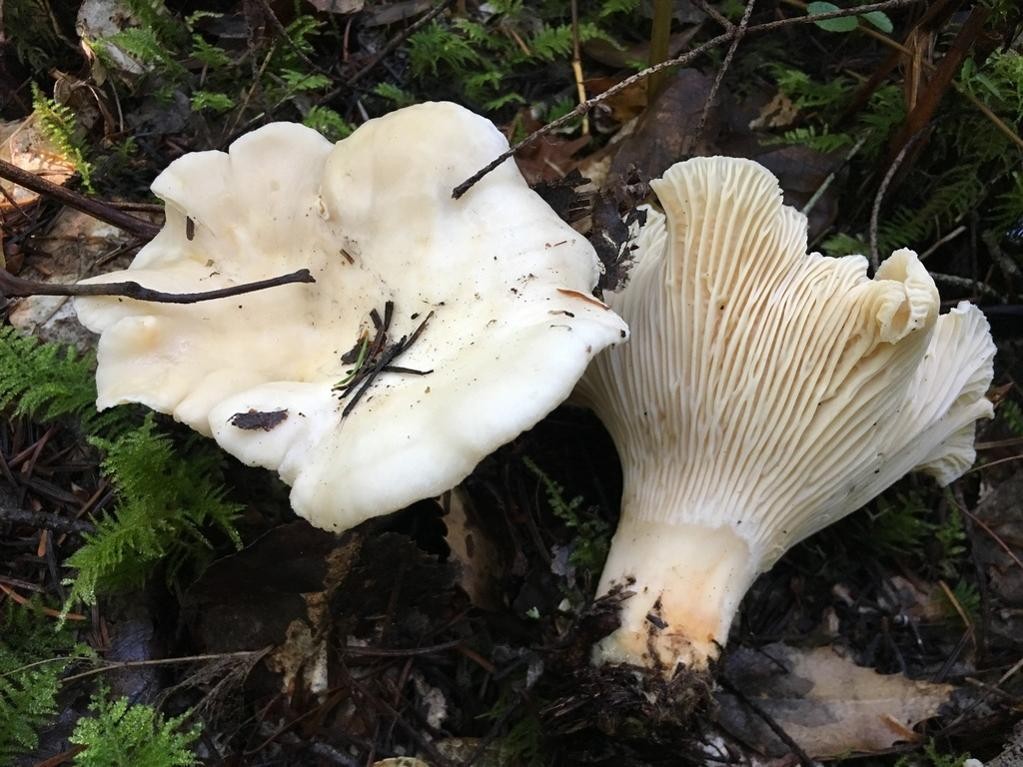
5. White chanterelle
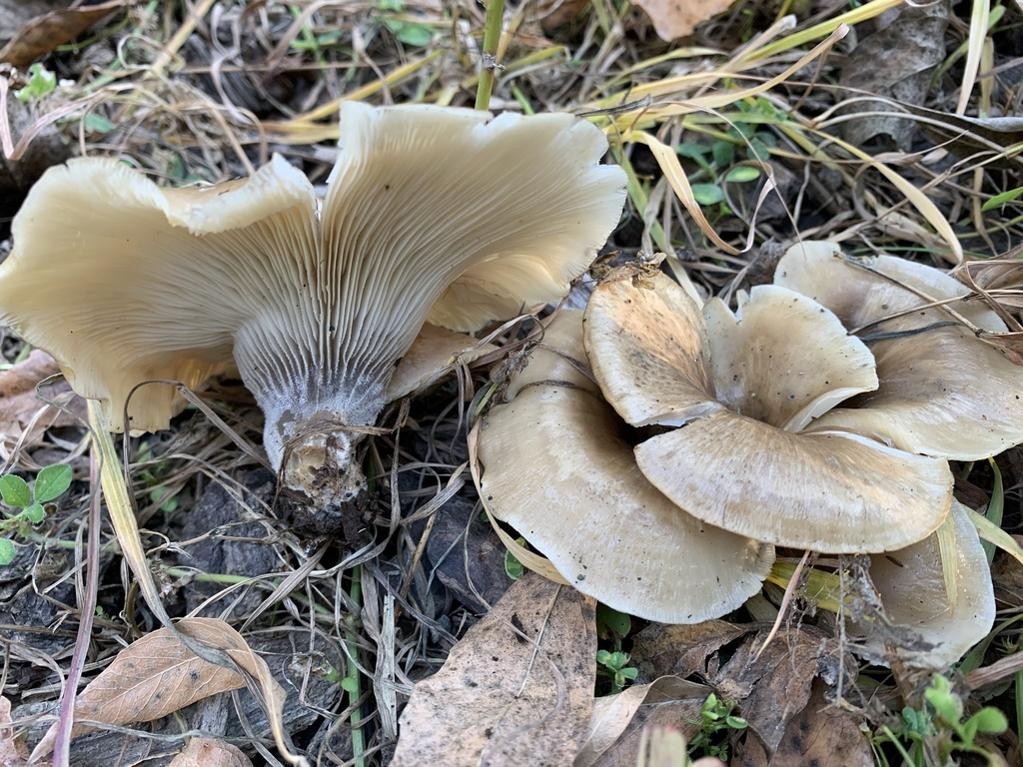
The white chanterelle differs from other chanterelles by its extremely pale, almost white fruitbody. Due to its well-developed false gills, it can be confused with members of the Clitocybe genus at first glance. But, like all chantarelles and unlike the Clitocybe species, it's almost never attacked by maggots!
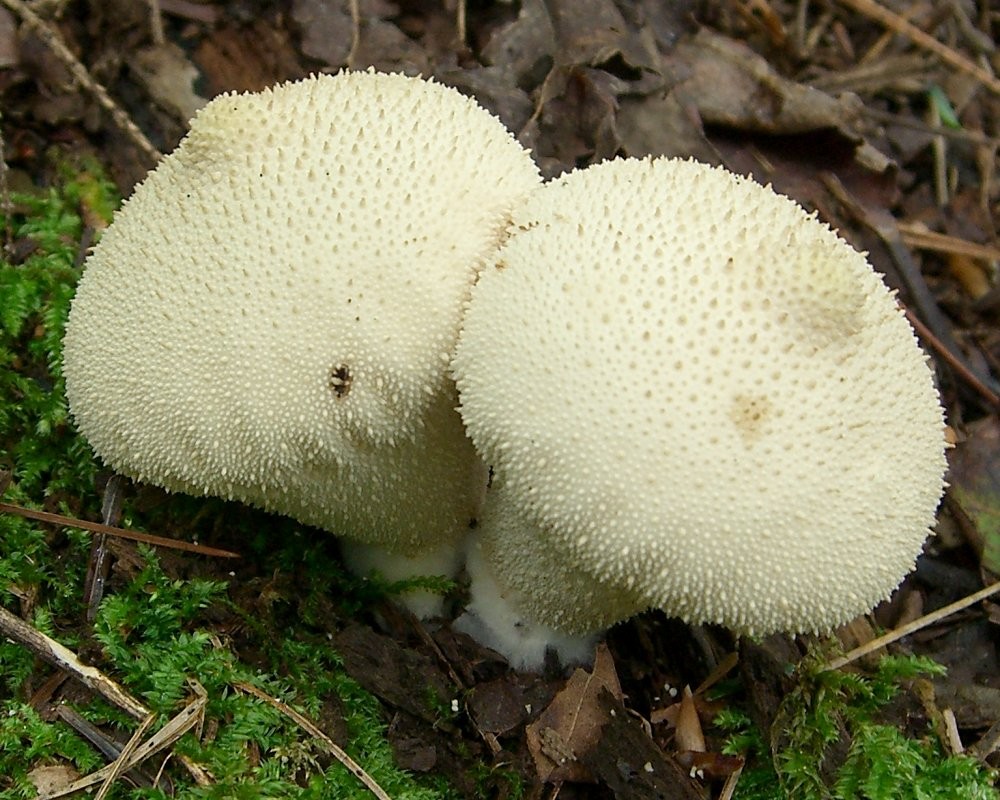
6. Common puffball
These puffy mushrooms grow in small groups on the forest floor. Once they're mature, common puffballs turn yellow and "puff out" smoke-like spore clouds when disturbed. Be very careful when identifying these mushrooms, as their young, immature form looks very similar to the lethal Deathcap.
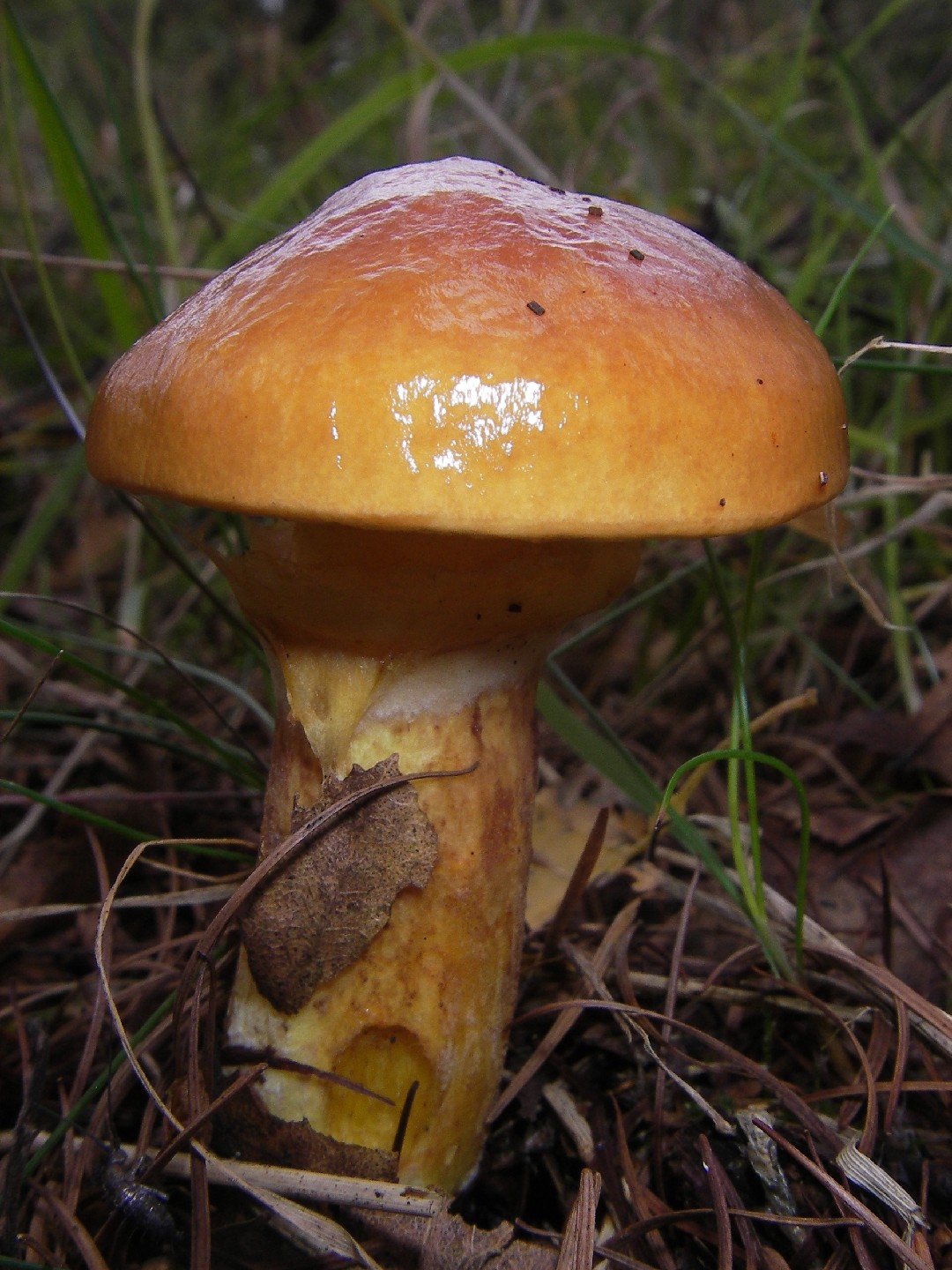
7. Larch bolete
Larch bolete is a vibrant member of the "slippery jack" genus. Like other members of that family, this species sports a slick or slimy cap and has a somewhat bulbous form. Suillus grevillei is also commonly called a "Larch Bolete" because it only associates with larch trees, with which it has a symbiotic relationship.
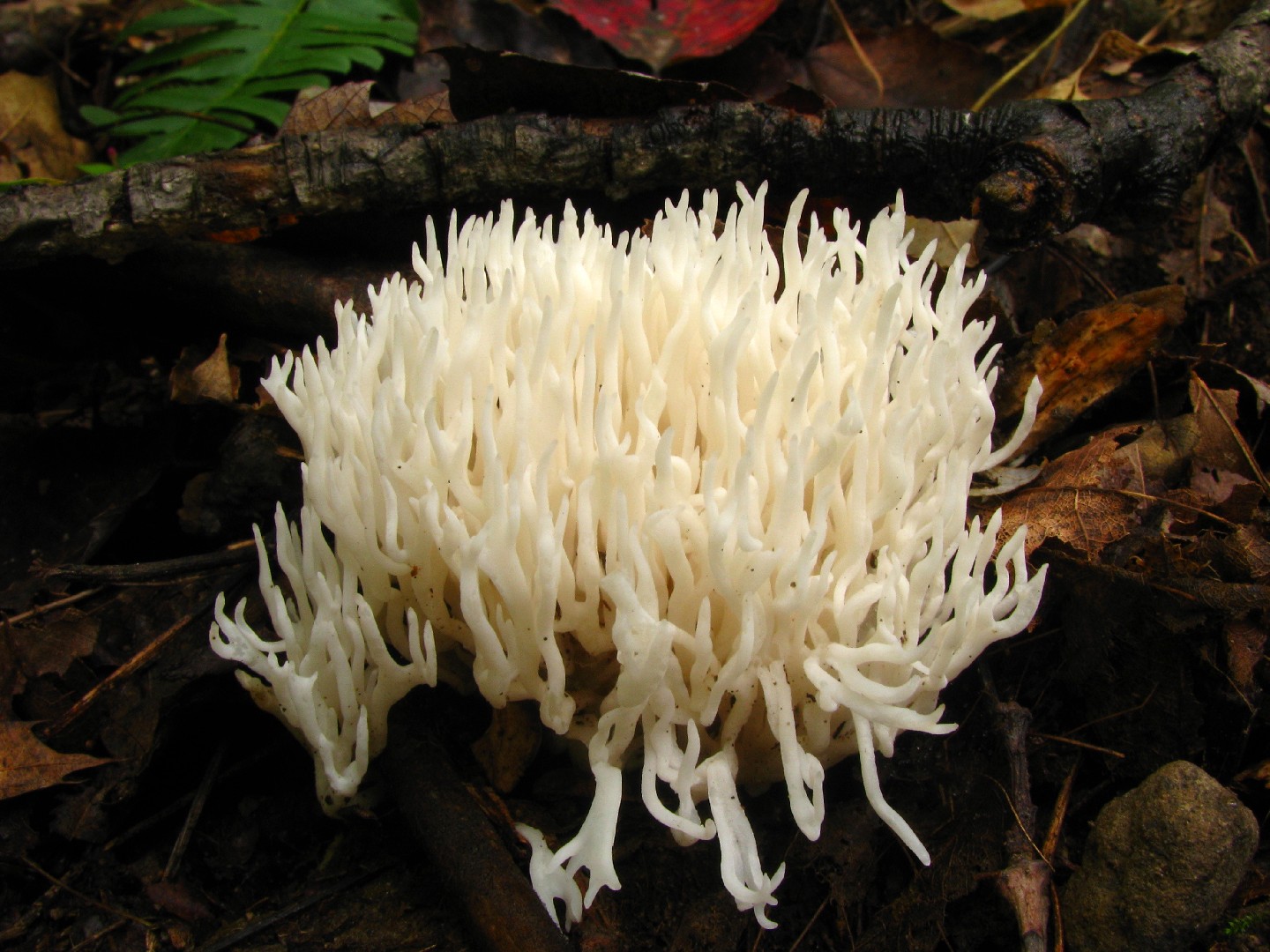
8. White coral
The white coral (Ramariopsis kunzei), with its upright, branching tendrils which do not have caps, bears a striking resemblance to underwater corals. It is an odd sight to encounter in the forest. The species is a generalist, being found in woodlands - usually on decaying litter - around the world.
9. Shingled hedgehog
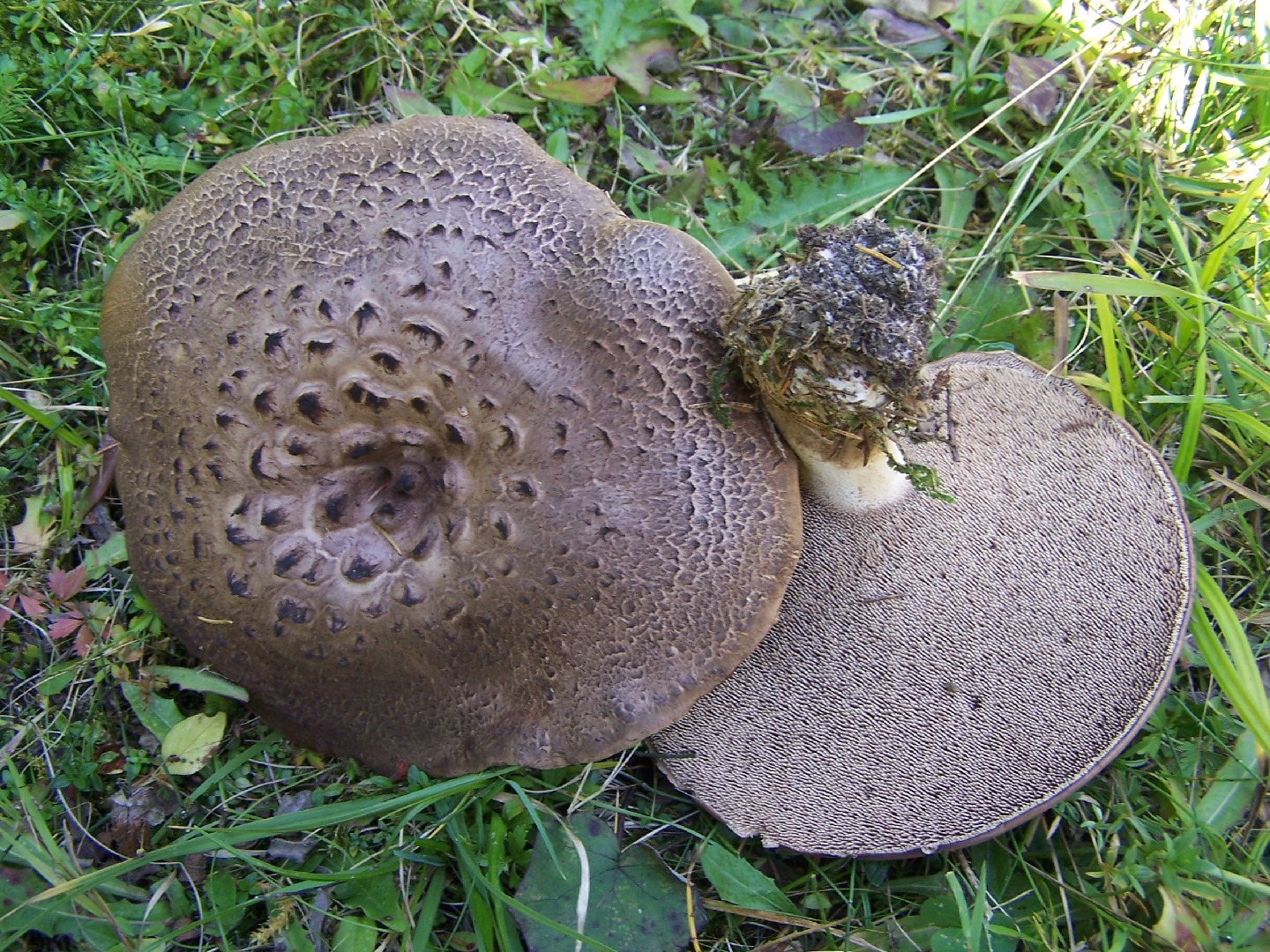
Shingled hedgehog(Sarcodon imbricatus) is often found in the company of fir trees, and it is therefore partial to mountainous or hilly regions. Endemic to Europe and North America, the species is prone to forming fairy rings. It fruits in early autumn.
10. Landscape black morel
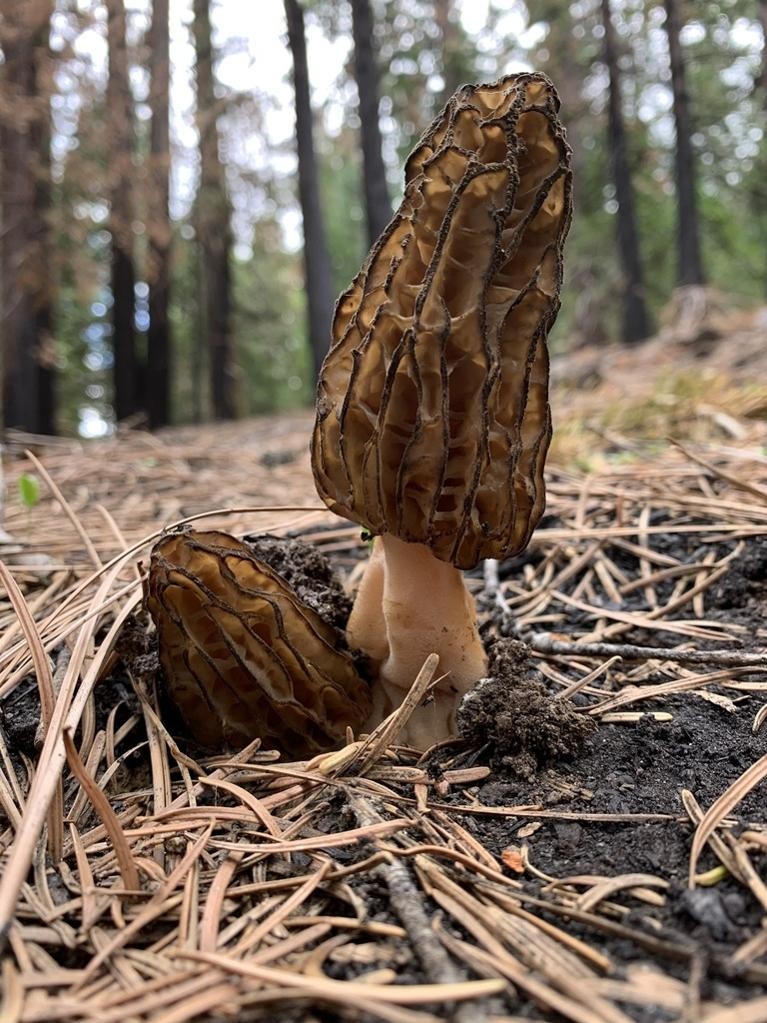
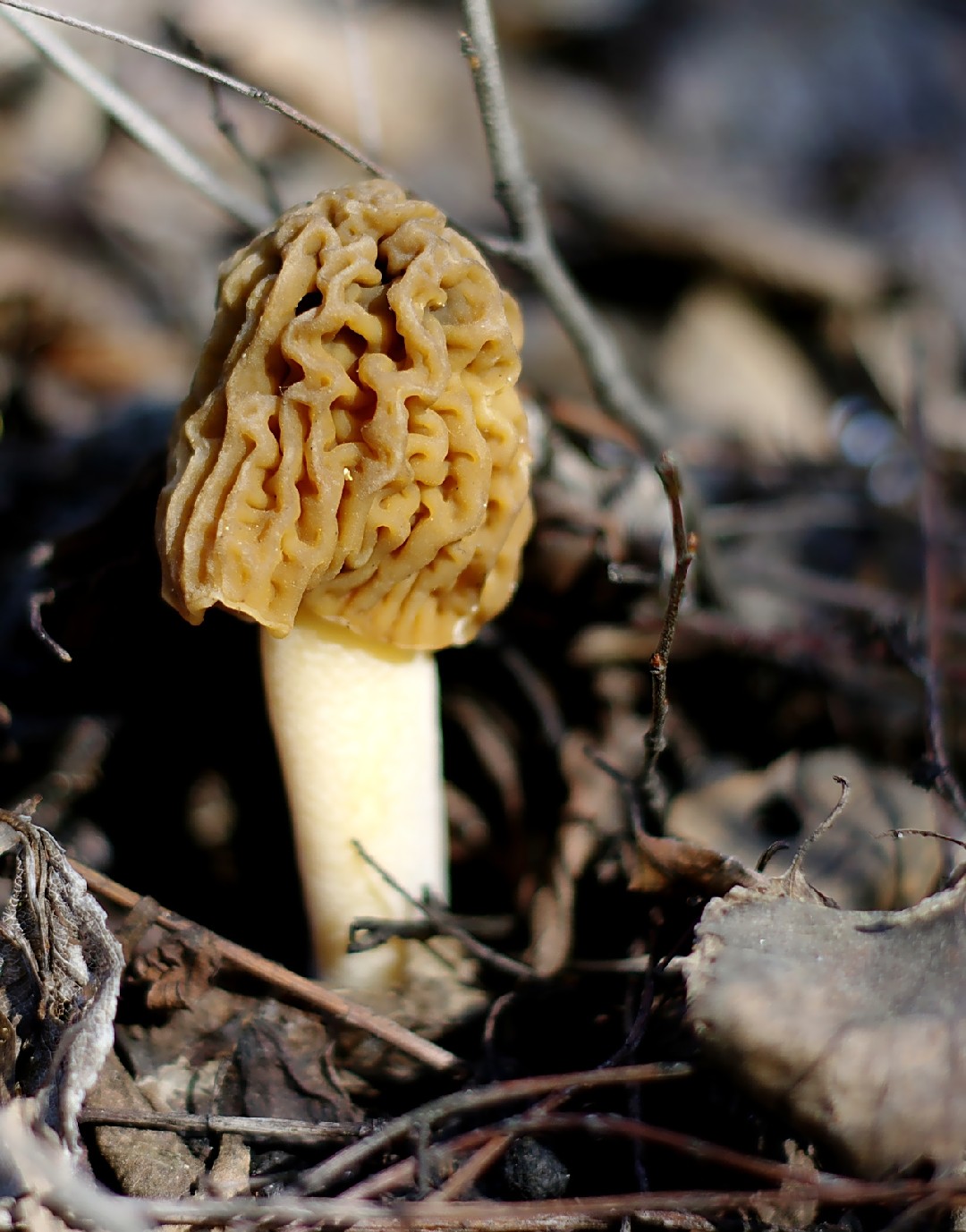
Landscape black morel is used in gardens to add texture and visual appeal with its dark-colored honeycombed cylindrical cap. Landscape black morel closely resembles toxic false morels except that it has a single, continuous, and hollow stem.

More







