




Top 20 Most Common Mushrooms in Moreau
Welcome to our comprehensive list showcasing the top 20 most commonly found mushrooms in Moreau. Defined by its diverse fungi population, Moreau hosts a magical world of mycological marvels in abundance. Each mushroom prominently exhibits unique colors, shapes, and sizes, adding to the picturesque flora. Let's embark on this mystifying journey of mushroom discovery, in the awe-inspiring backdrop of Moreau.

Most Common Mushrooms
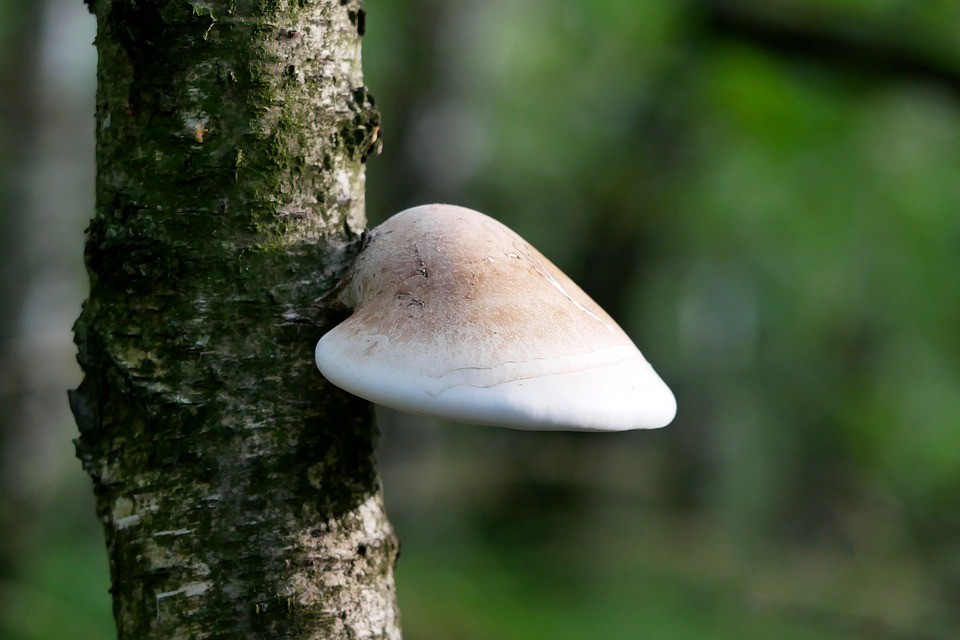
1. Birch polypore
The birch polypore has a variety of applications. Its thick skin has been used by barbers as a razor sharpener and as a mount for insect collectors. When dried, this mushroom was also used to carry fire over long distances because it burns slowly. The historical use of birch polypore doesn't stop there; pieces of this mushroom were found being carried by the five-thousand-year-old mummy Ötzi the Iceman.
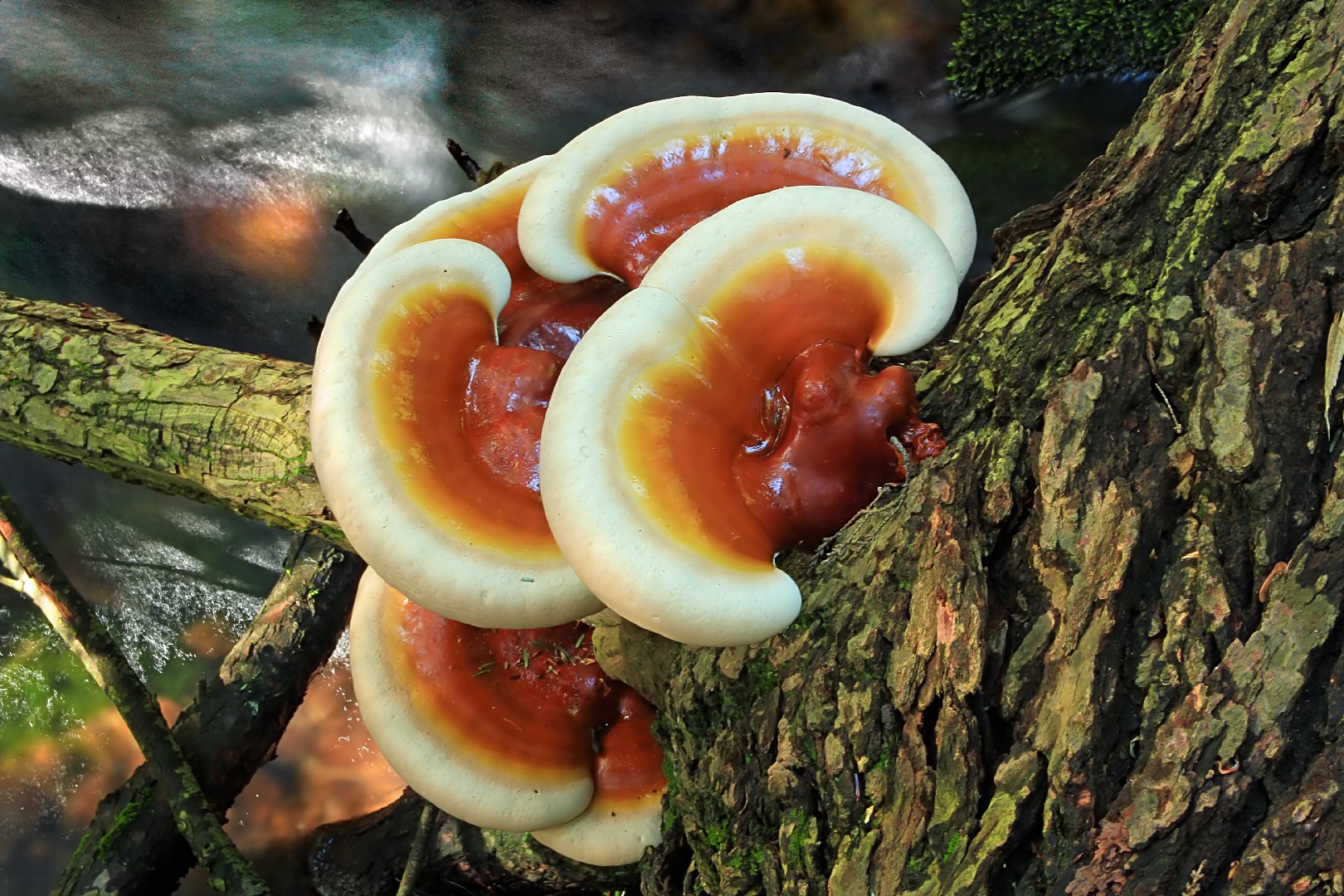
2. Hemlock varnish shelf
The hemlock varnish shelf is a parasitic species that can be found (unsurprisingly) on Hemlock trees. The species' range is limited to the eastern US - they are particularly common across Appalachia. As with other members of Ganoderma, hemlock varnish shelf has a shiny, lacquered-looking surface. This tough species is considered inedible.
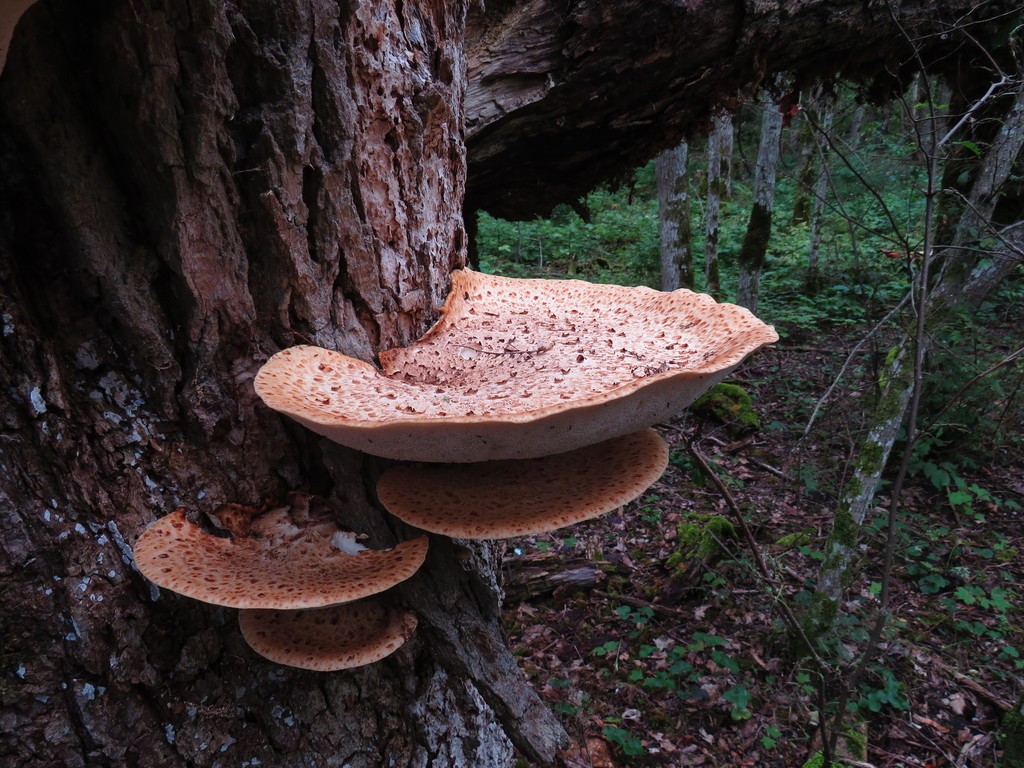
3. Dryad's saddle
A familiar sight to spring morel hunters, dryad's saddle is noteworthy for its large size, striking scales, and watermelon-like smell. Similar to other mushrooms in the bracket fungi family, dryad's saddle can be used to make paper. Younger mushrooms are better suited for this purpose due to their smaller and more consistent fibers.
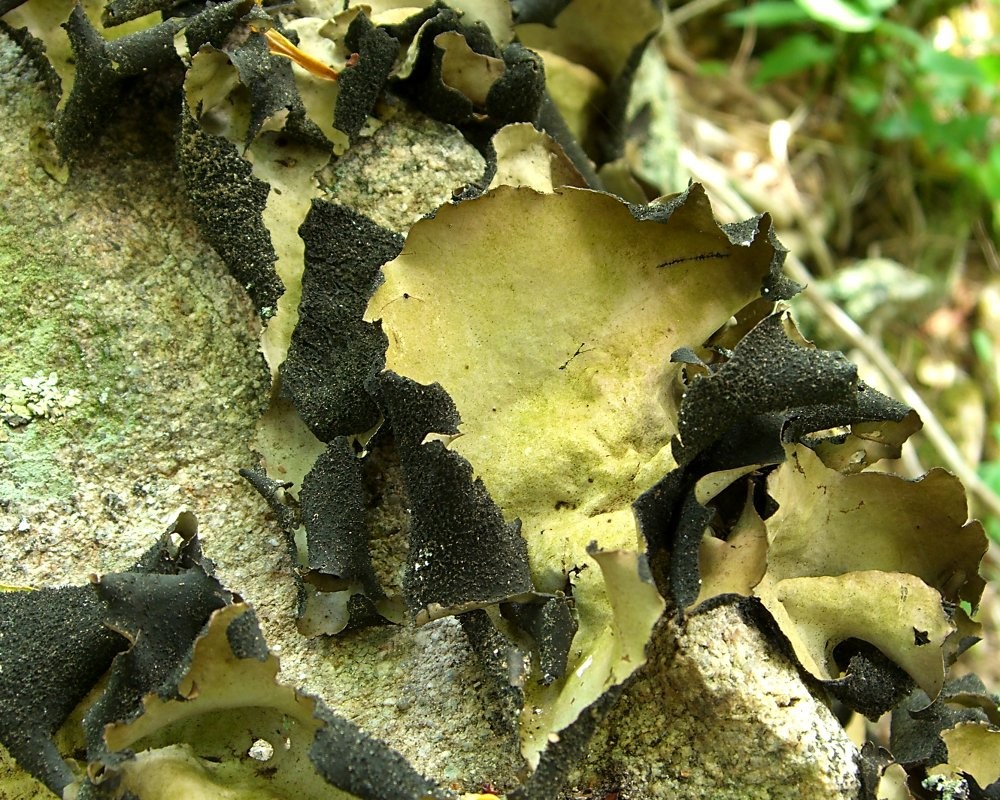
4. Smooth rock tripe
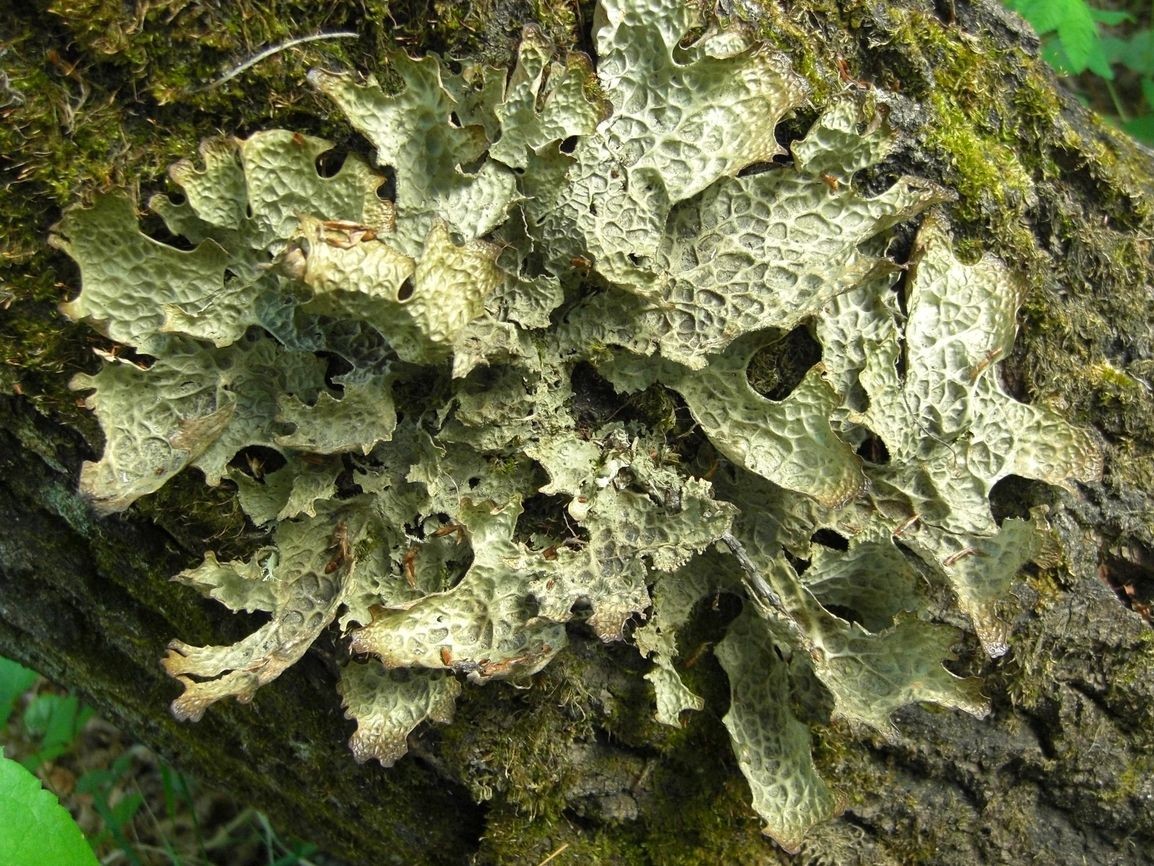
Smooth rock tripe is one of the largest types of lichen in the world. The vegetative part of a lichen's body has been recorded reaching 63 cm across. Though directly translating to "small-breasted," the mammulata epithet was given because many specimens develop a navel-like shape. The common name of "tripe" references its similarity to the food of the same name.
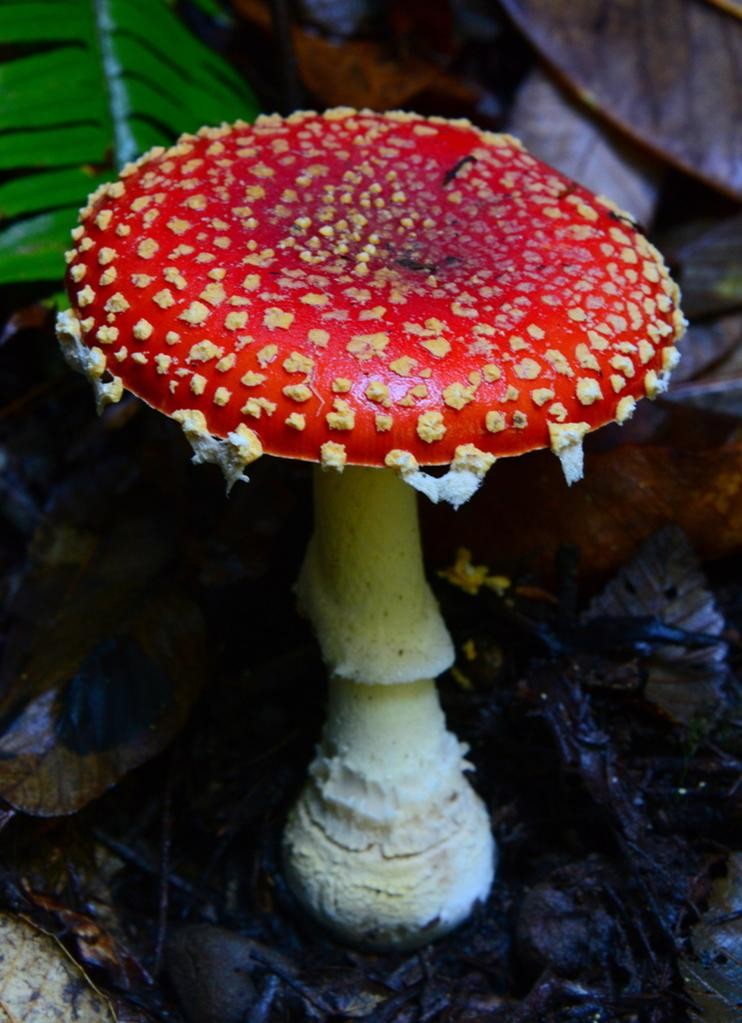
5. Fly agaric
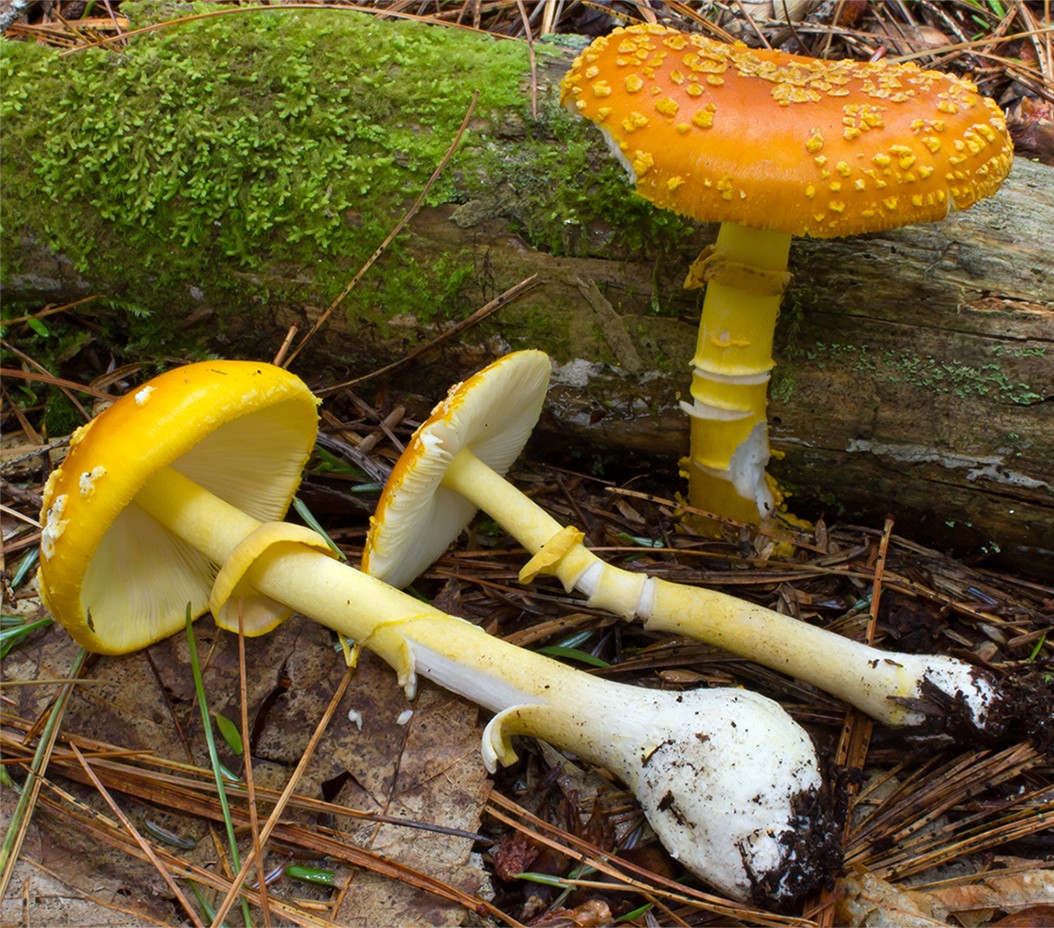
In Northern Asia and Europe, fly agaric grows under trees near the winter solstice and is collected for ritual use tied to the season. Its characteristic shape and coloring are still ubiquitous in many European fairy tale illustrations and Christmas traditions. It is highly toxic.
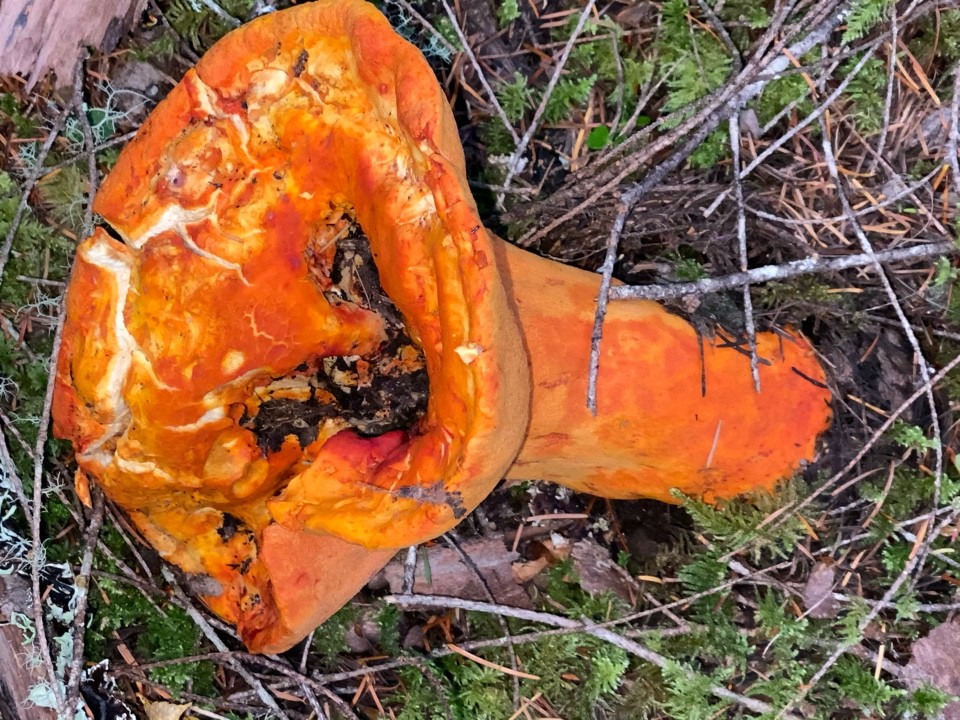
6. Lobster mushroom
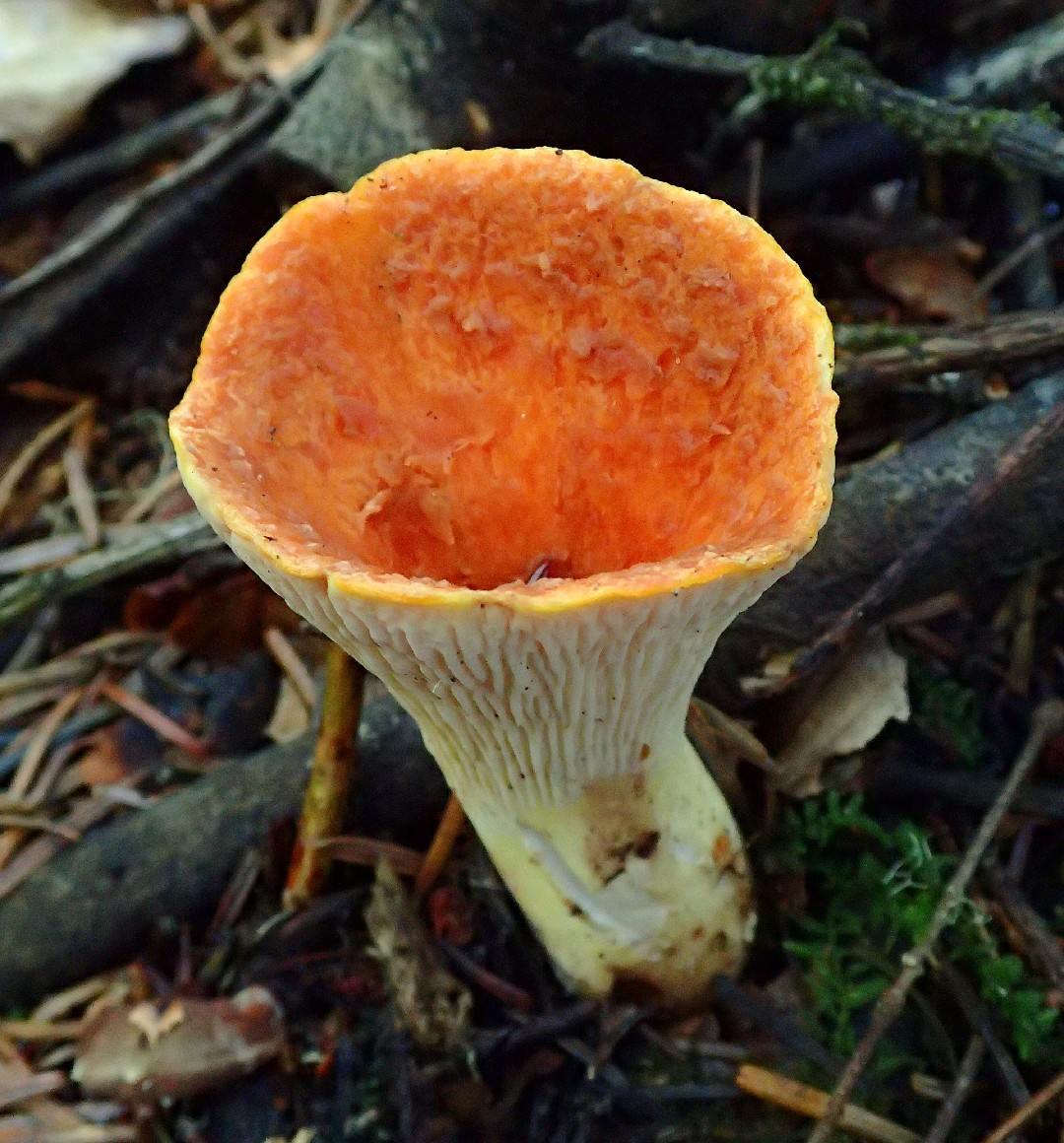
The lobster mushroom is actually not a species of mushroom, per-se. When Hypomyces lactifluorum mold attacks one of several common species of Russula mushrooms, it transforms them into lobster mushrooms: they shrivel, harden slightly, and turn bright orange or vermillion. Surprisingly, this only makes them more flavorful. Lobster mushrooms are highly sought after for their distinctive, seafood-like flavor when cooked. Upset stomachs have been reported when eaten raw.
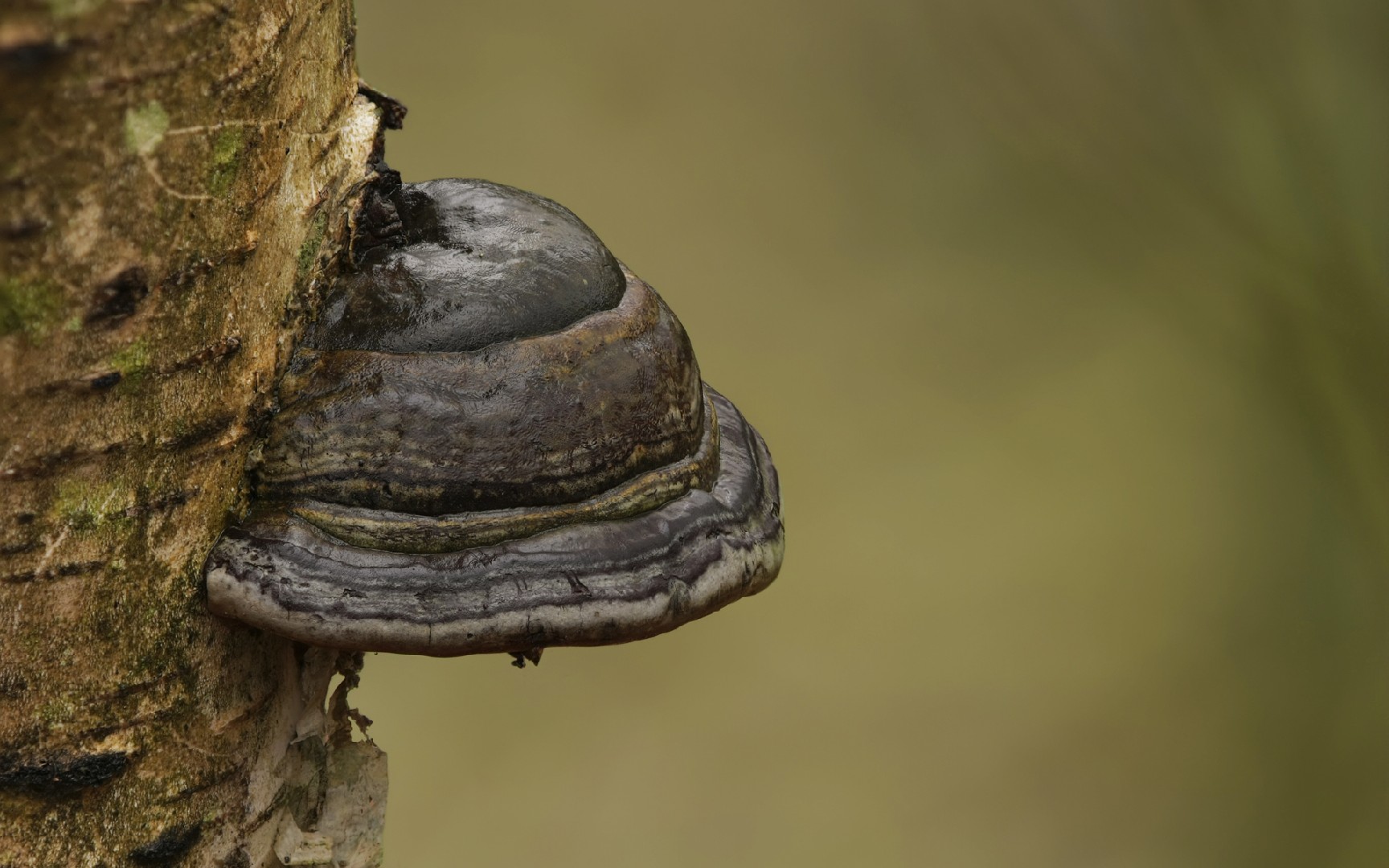
7. Tinder fungus
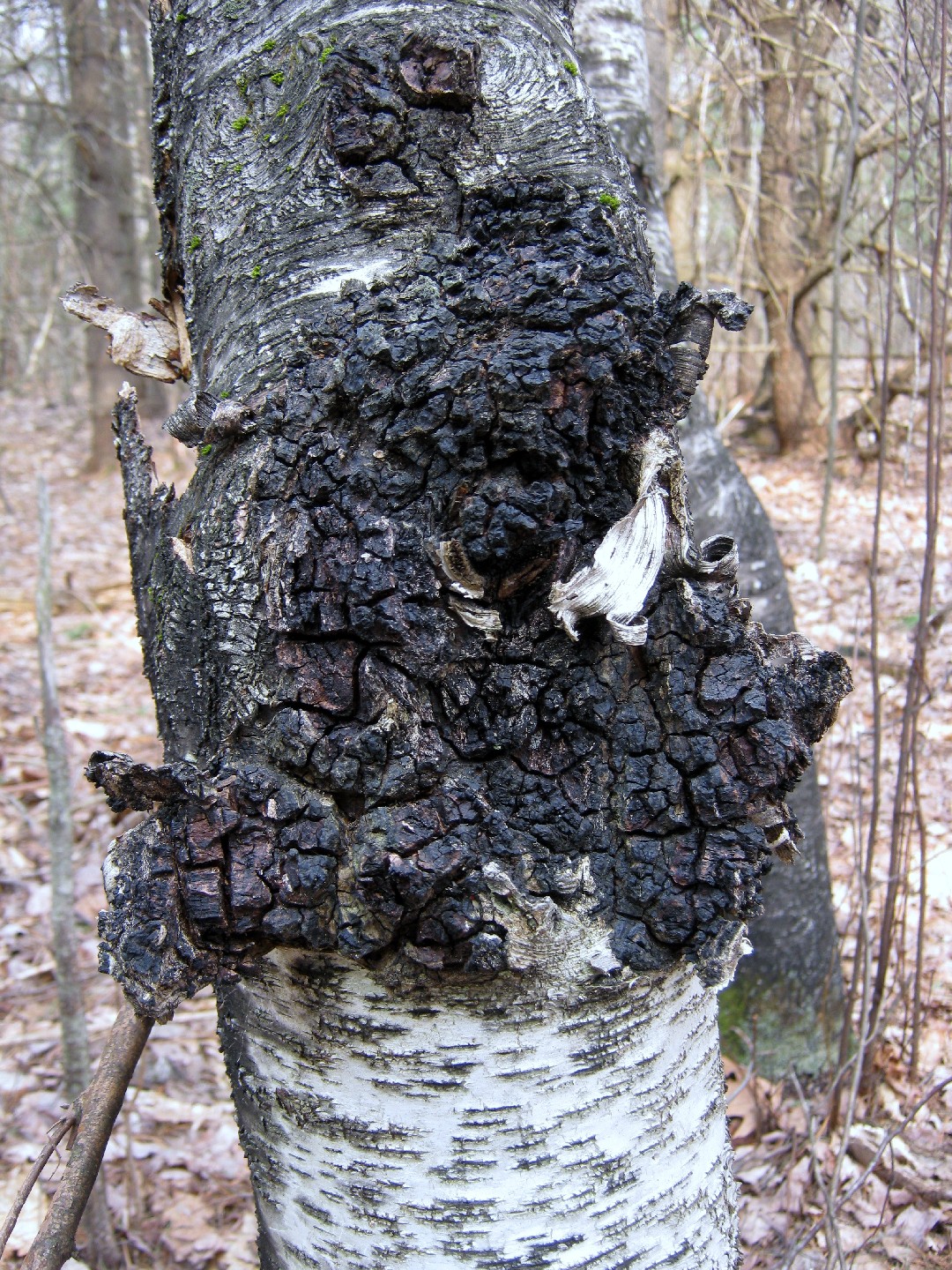
This large, tough shelf fungus can be found attached to birch, beech, and sycamore trees. It gets its common name, tinder fungus, from the fact that it burns quite slowly and can thus be used effectively for lighting fires. Dried pieces can also be a useful desiccant. A piece of this fungus was found in the possession of Otzi the Iceman, indicating that its usefulness has been known for millenia.
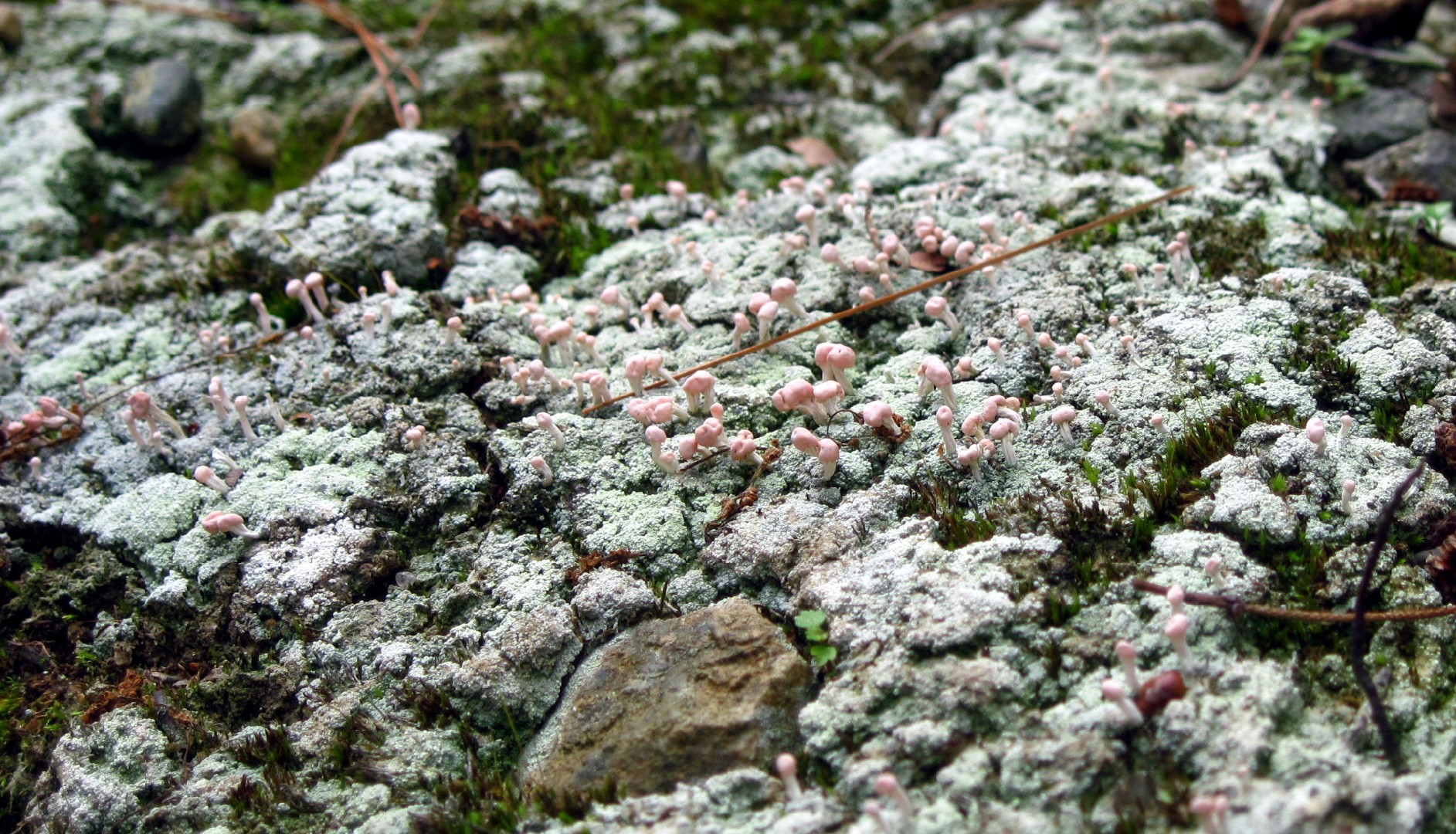
8. Pink earth lichen
Pink earth lichen is noted for its pink discs and preference for disturbed land. The pink discs of pink earth lichen grow upon petite stalks. Has a bushy or coral like growth structure and can be mistaken for British Soldiers, which have a red tip.
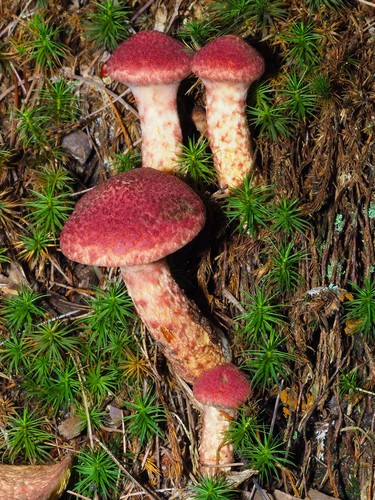
9. Painted bolete
Painted bolete (Suillus spraguei) is a favorite among amateur mushroom-hunters for both its easily identifiable pattern (which features dark red caps with yellow undersides) and its propensity to sprout near eastern white pines, both of which render it readily distinguishable. It is native to the southeastern United States.

10. Shaggy mane
The shaggy mane mushroom is commonly found in North American and European grasslands. Some peoples foraged for its young egg-shaped caps, but it has more recently been found to be a bioaccumulator of heavy metals, meaning it pulls toxic metals up from the soil where it grows. As a result, shaggy manes should not be eaten. The mushrooms usually appear in clusters or “fairy rings.”
More







