




Top 20 Most Common Mushrooms in Maine
Maine offers a diverse landscape from verdant forests to oceanic coastlines, an ideal habitat encouraging mushroom growth. The state's unique characteristics account for its richness in mushroom species, positioning it among the most biodiverse regions for fungi. Today, we delve into the top 20 most common mushrooms, giving you insight into their intriguing world inhabiting Maine.'s ecosystems. We aim to provide well-researched and reliably sourced information on each species, aiding in not only your knowledge but also your foraging safety.

Most Common Mushrooms
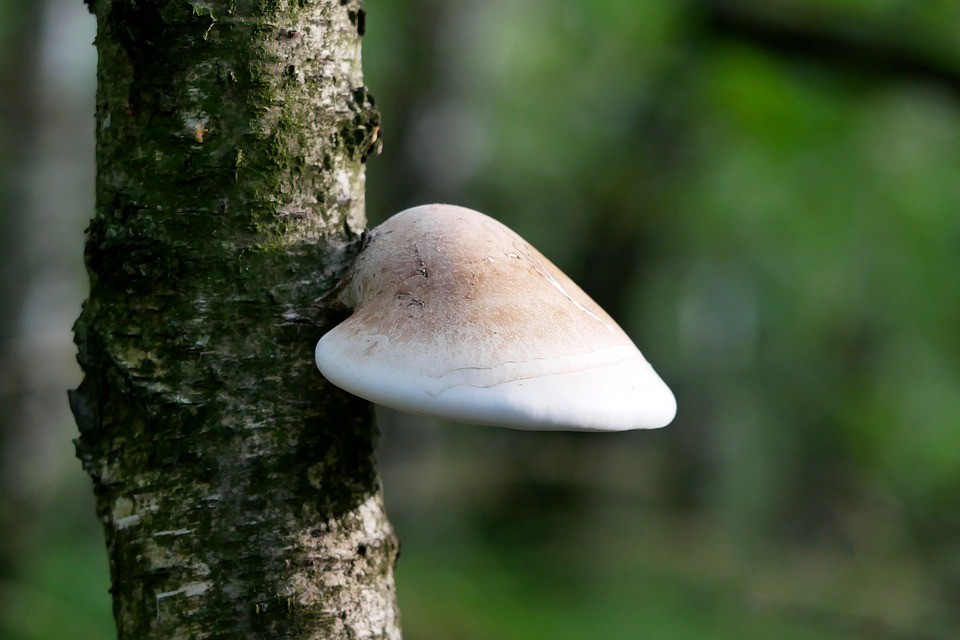
1. Birch polypore
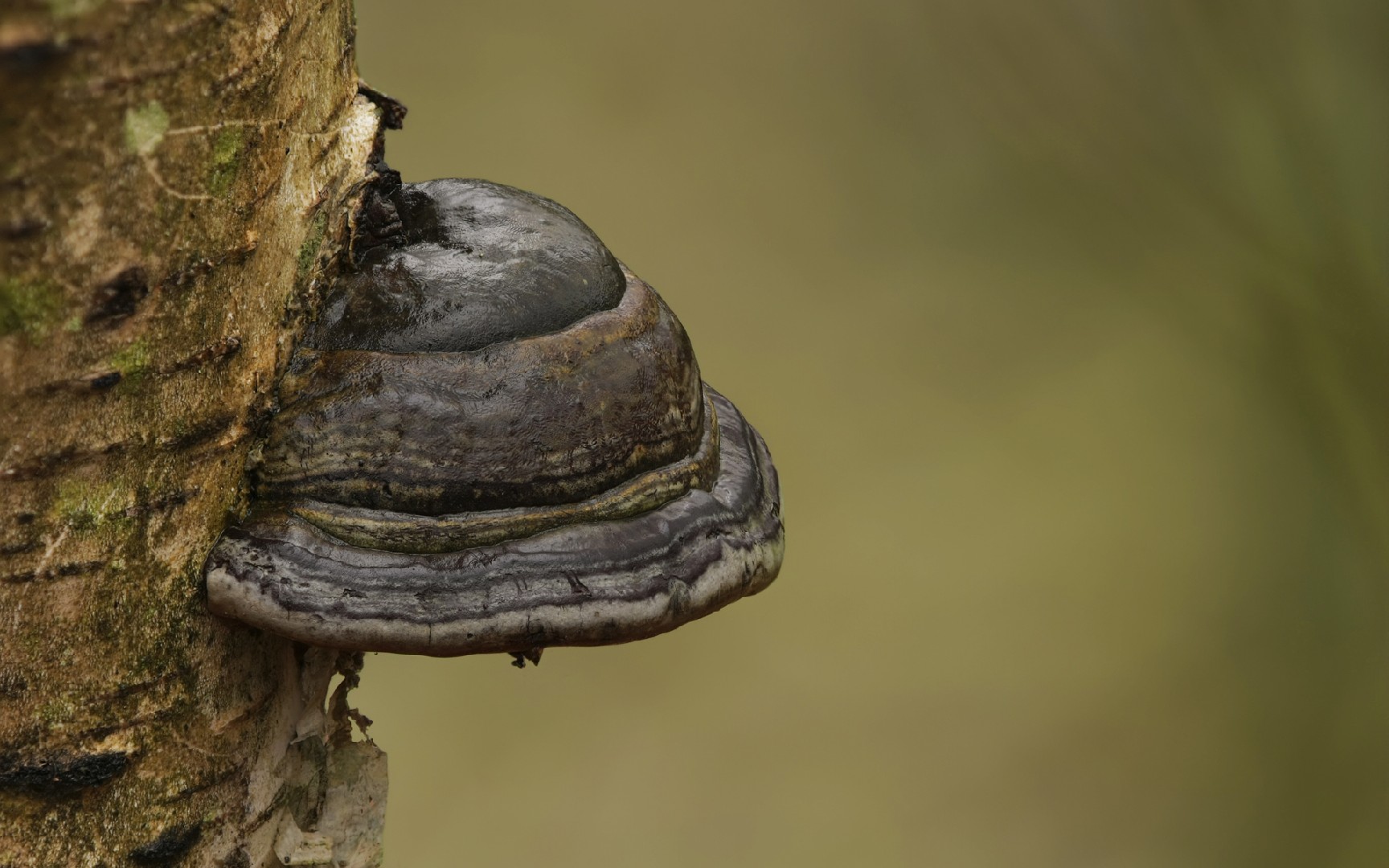
The birch polypore has a variety of applications. Its thick skin has been used by barbers as a razor sharpener and as a mount for insect collectors. When dried, this mushroom was also used to carry fire over long distances because it burns slowly. The historical use of birch polypore doesn't stop there; pieces of this mushroom were found being carried by the five-thousand-year-old mummy Ötzi the Iceman.
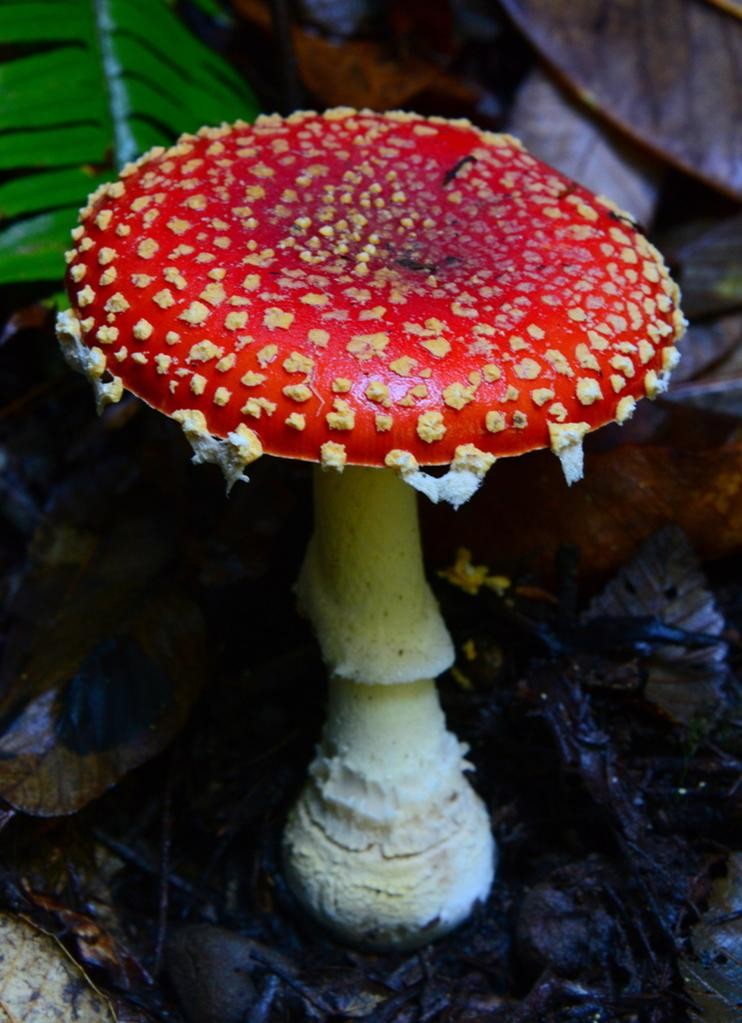
2. Fly agaric
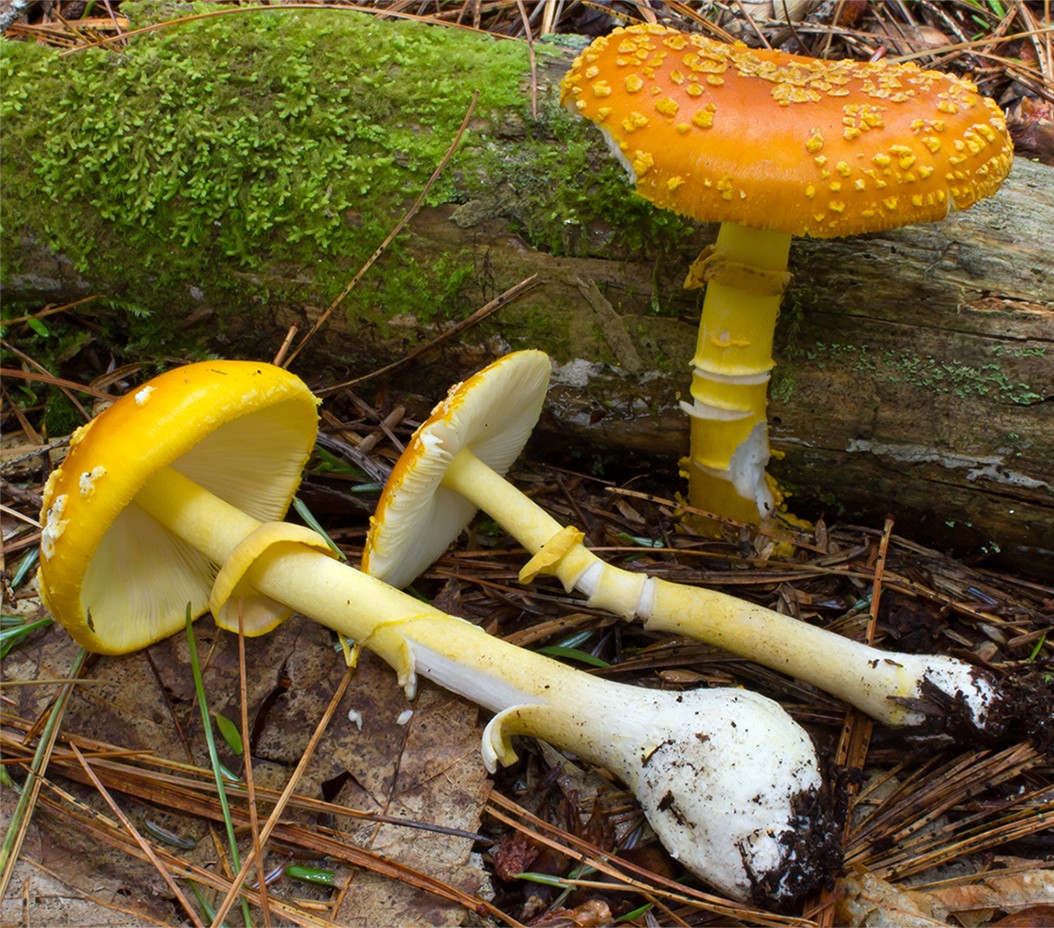
In Northern Asia and Europe, fly agaric grows under trees near the winter solstice and is collected for ritual use tied to the season. Its characteristic shape and coloring are still ubiquitous in many European fairy tale illustrations and Christmas traditions. It is highly toxic.
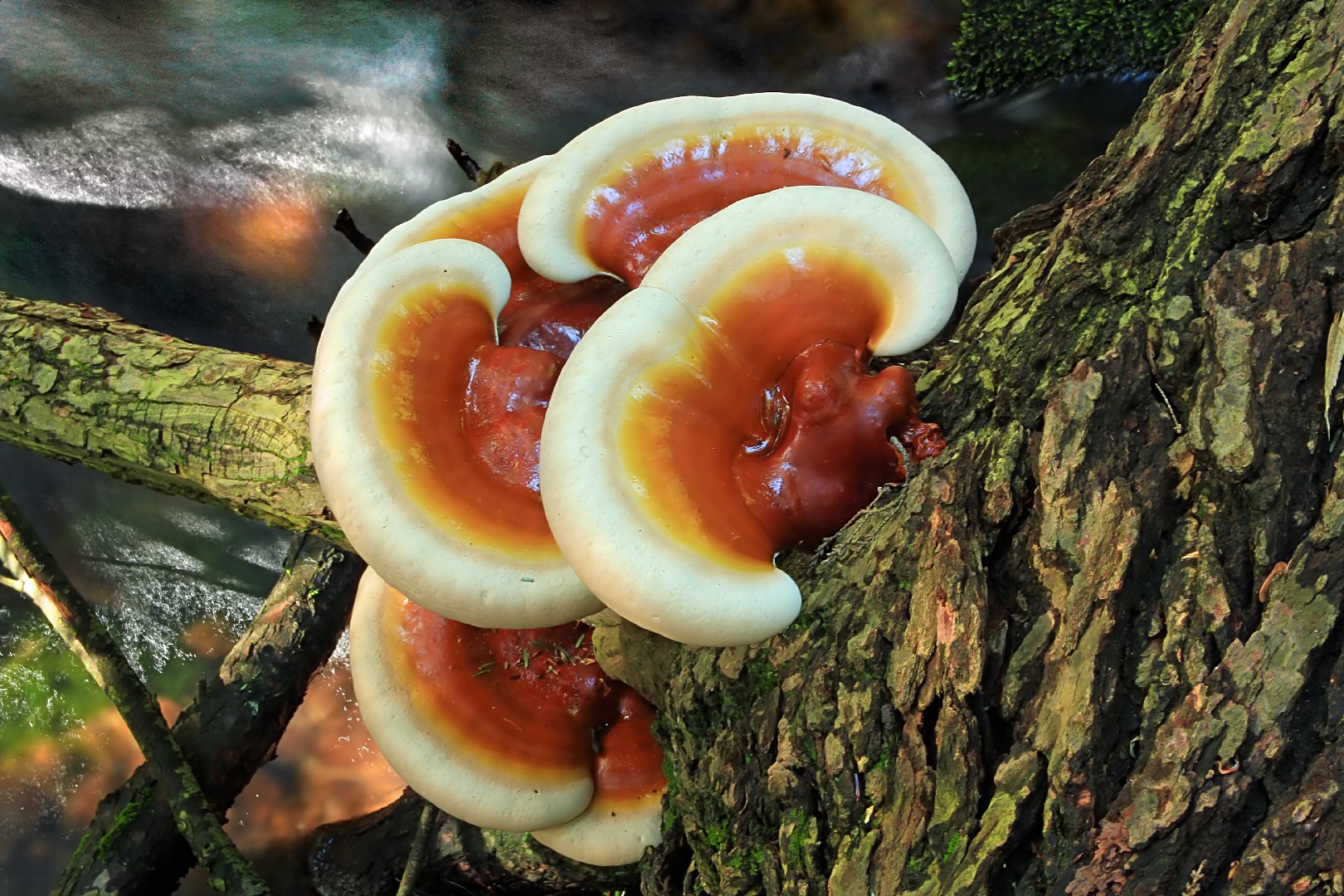
3. Hemlock varnish shelf
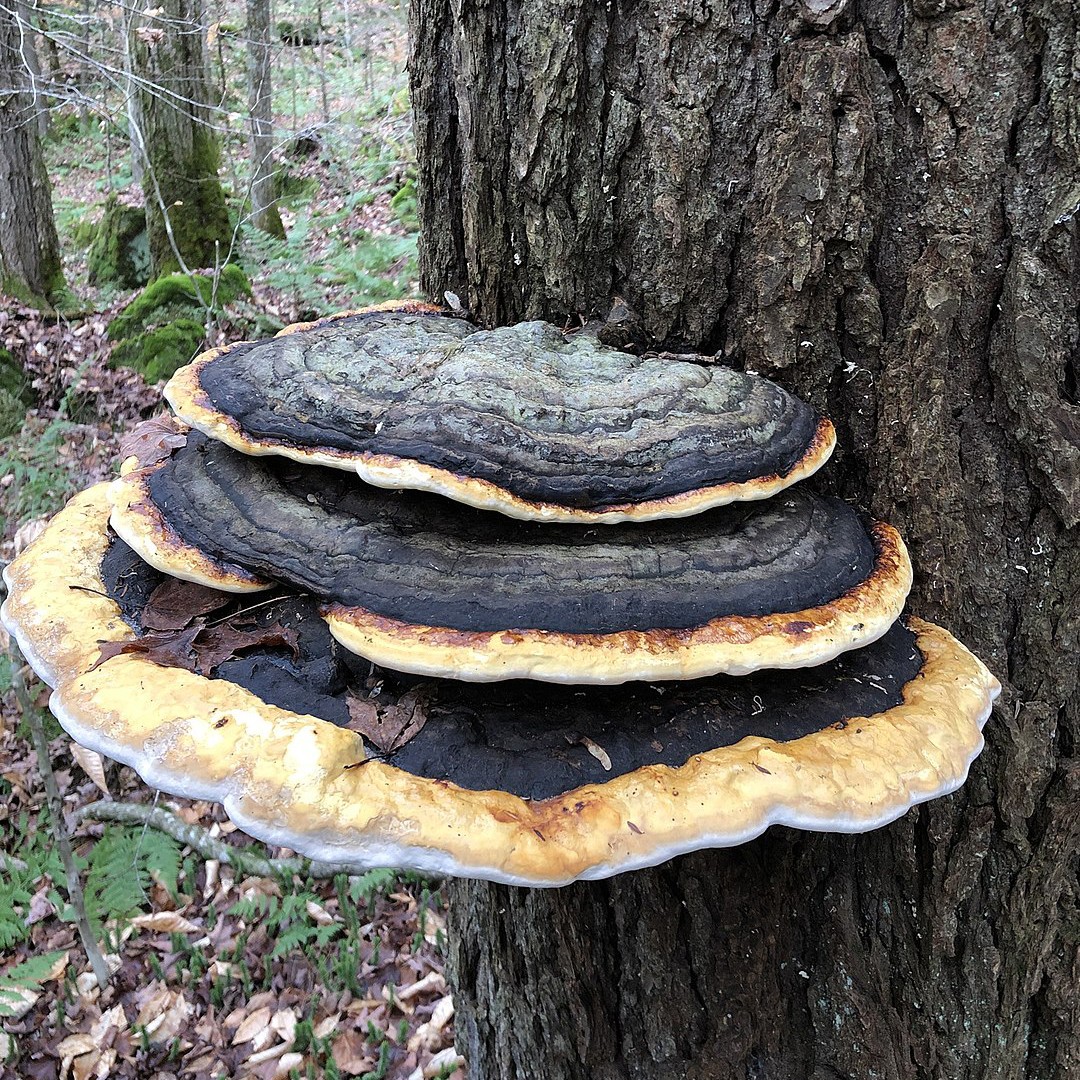
The hemlock varnish shelf is a parasitic species that can be found (unsurprisingly) on Hemlock trees. The species' range is limited to the eastern US - they are particularly common across Appalachia. As with other members of Ganoderma, hemlock varnish shelf has a shiny, lacquered-looking surface. This tough species is considered inedible.
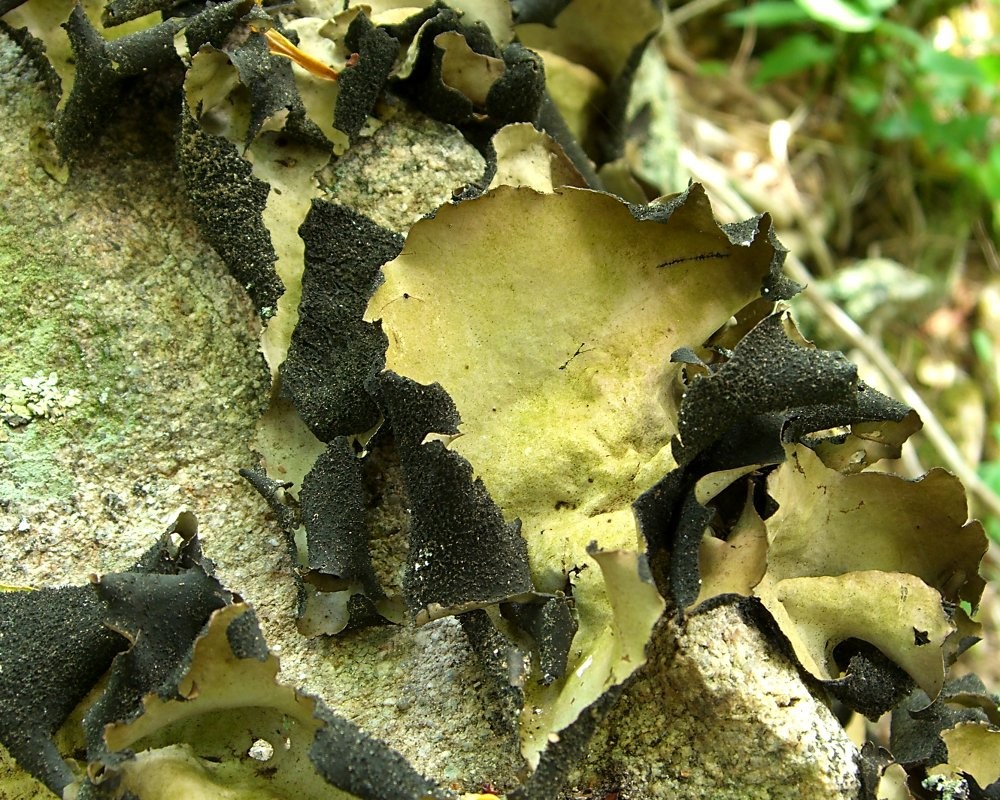
4. Smooth rock tripe
Smooth rock tripe is one of the largest types of lichen in the world. The vegetative part of a lichen's body has been recorded reaching 63 cm across. Though directly translating to "small-breasted," the mammulata epithet was given because many specimens develop a navel-like shape. The common name of "tripe" references its similarity to the food of the same name.
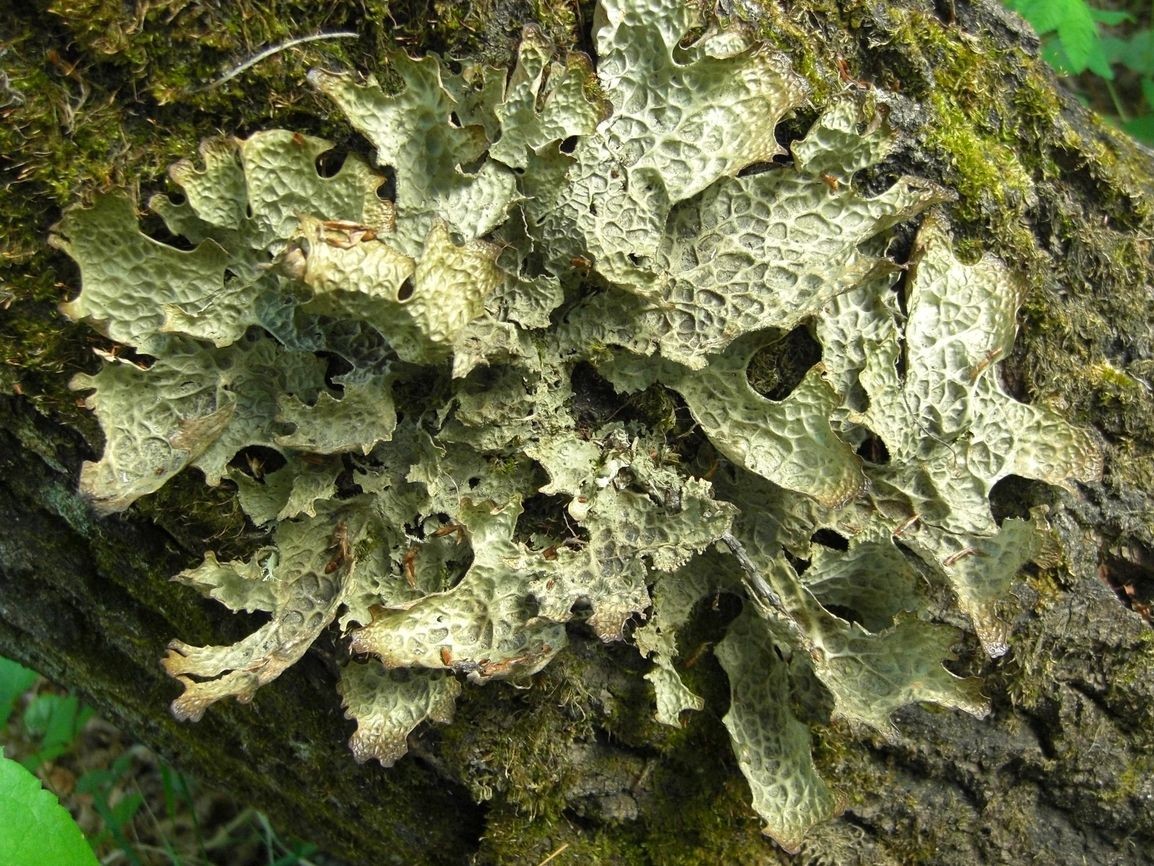
5. Tree lungwort
Tree lungwort is a green lichen that can be found in humid areas of North America, Europe, and Asia. It grows regularly on trees, rocks, and in urban areas rich with moss. It can be used as a dye. Animals may consume tree lungwort or use it as nesting material.
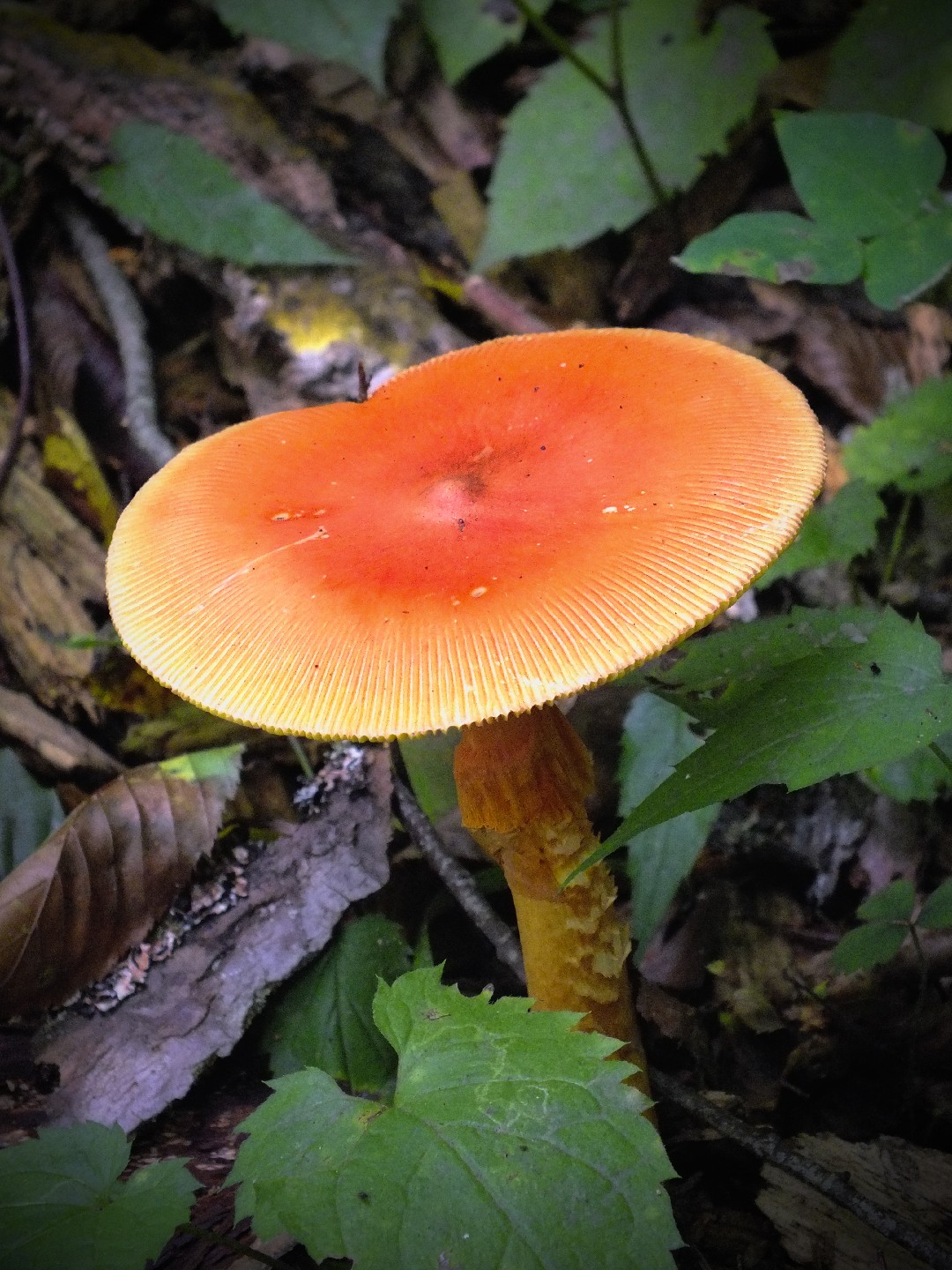
6. Jackson's slender caesar
The jackson's slender caesar is a strikingly colorful member of the Amanita genus. The mushroom's bold hues - it often sports deep reds, oranges, or yellows - make it easily identifiable. Jackson's slender caesars are native to eastern North America, and particularly common in the pine forests of the American southeast.
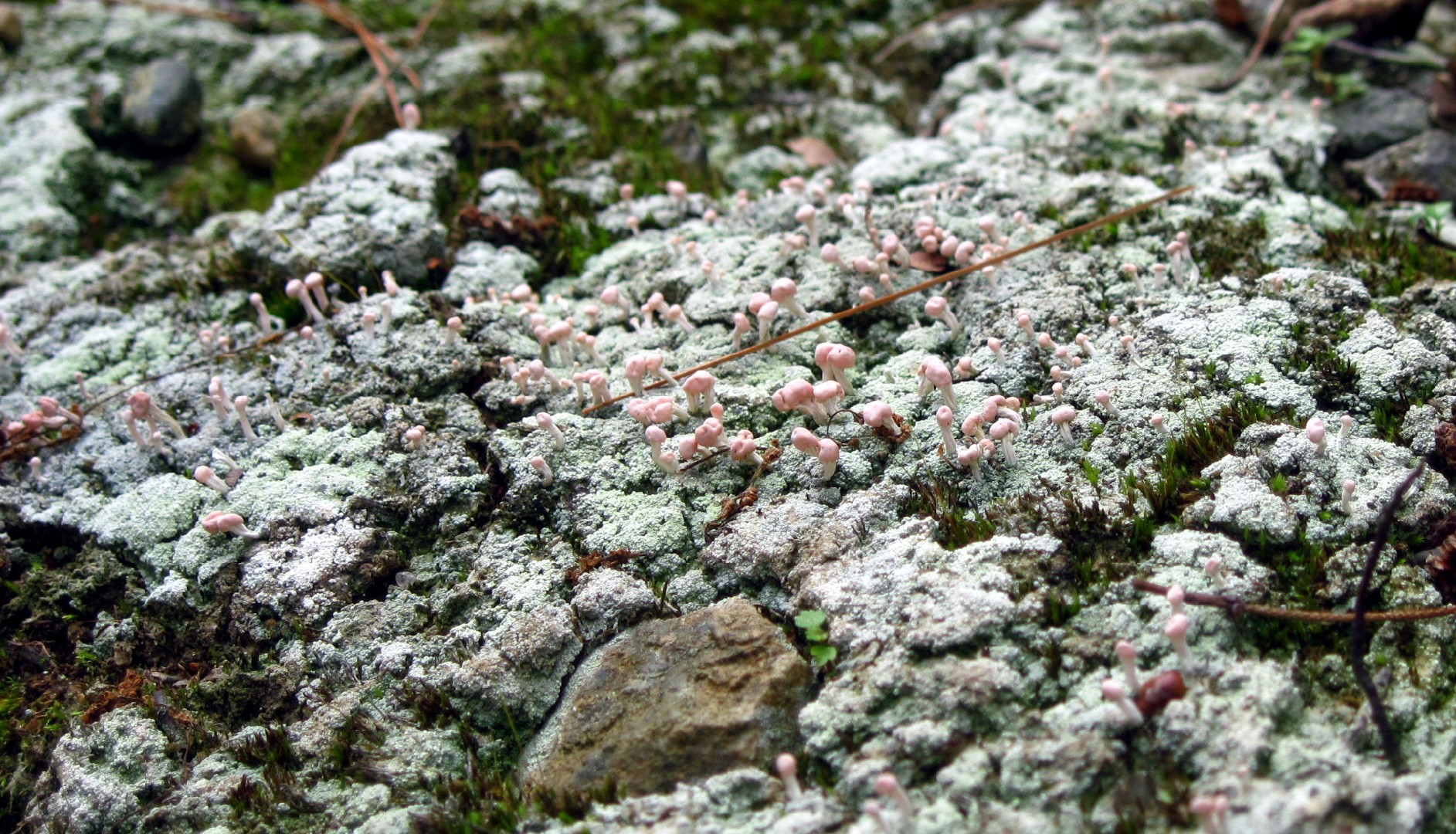
7. Pink earth lichen
Pink earth lichen is noted for its pink discs and preference for disturbed land. The pink discs of pink earth lichen grow upon petite stalks. Has a bushy or coral like growth structure and can be mistaken for British Soldiers, which have a red tip.
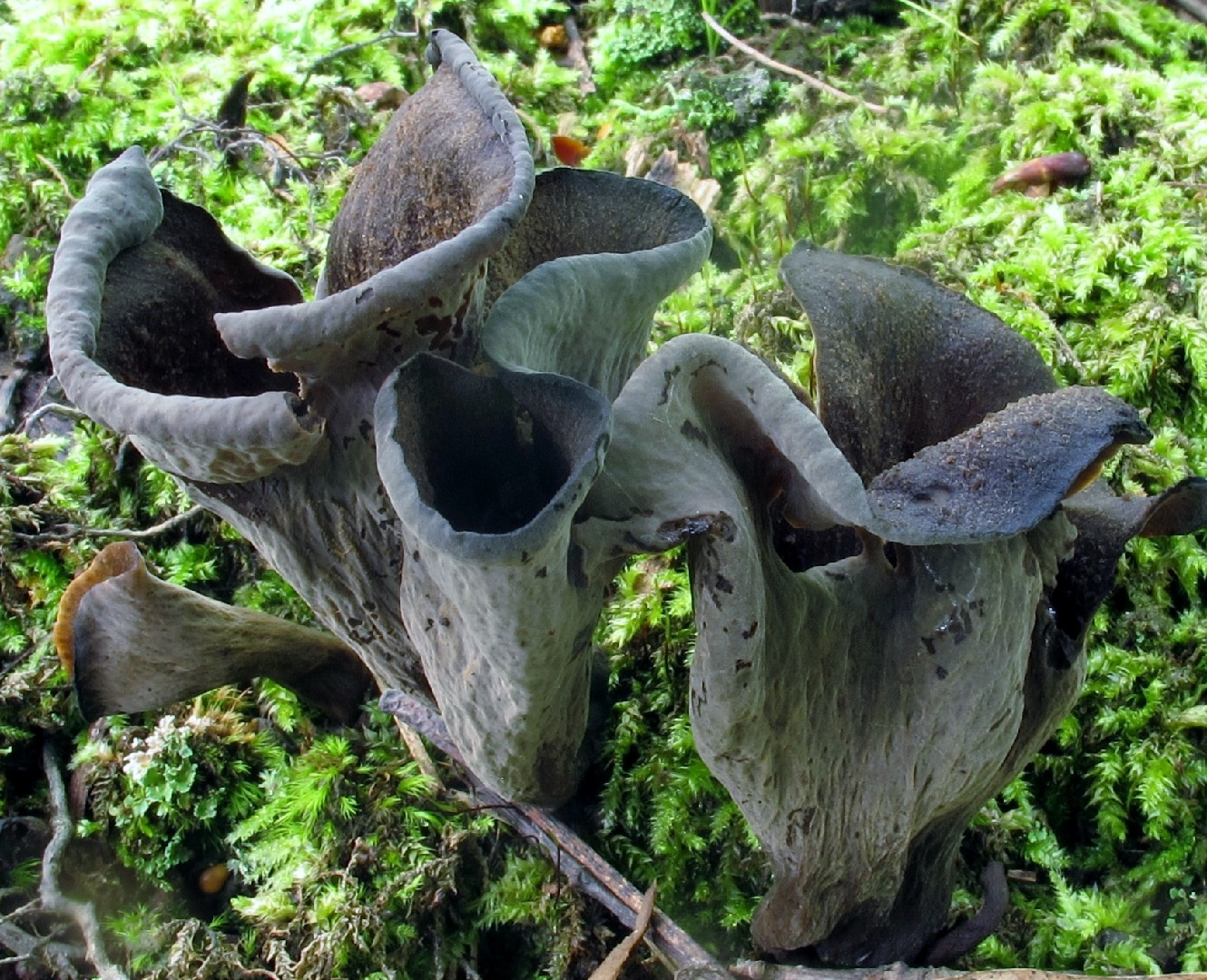
8. Black trumpet
The black trumpet(Craterellus fallax) is a spooky-looking mushroom that emerges from leaf debris in a black, vase-shaped form. Typically growing in clumps, each fruitbody resembles a black funnel, which tapers into a stem of similarly-colored ridged gills. They can be hard to find on the forest floor, as they only grow 9 cm in height!
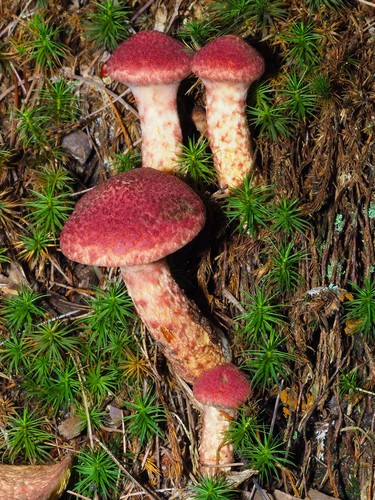
9. Painted bolete
Painted bolete (Suillus spraguei) is a favorite among amateur mushroom-hunters for both its easily identifiable pattern (which features dark red caps with yellow undersides) and its propensity to sprout near eastern white pines, both of which render it readily distinguishable. It is native to the southeastern United States.
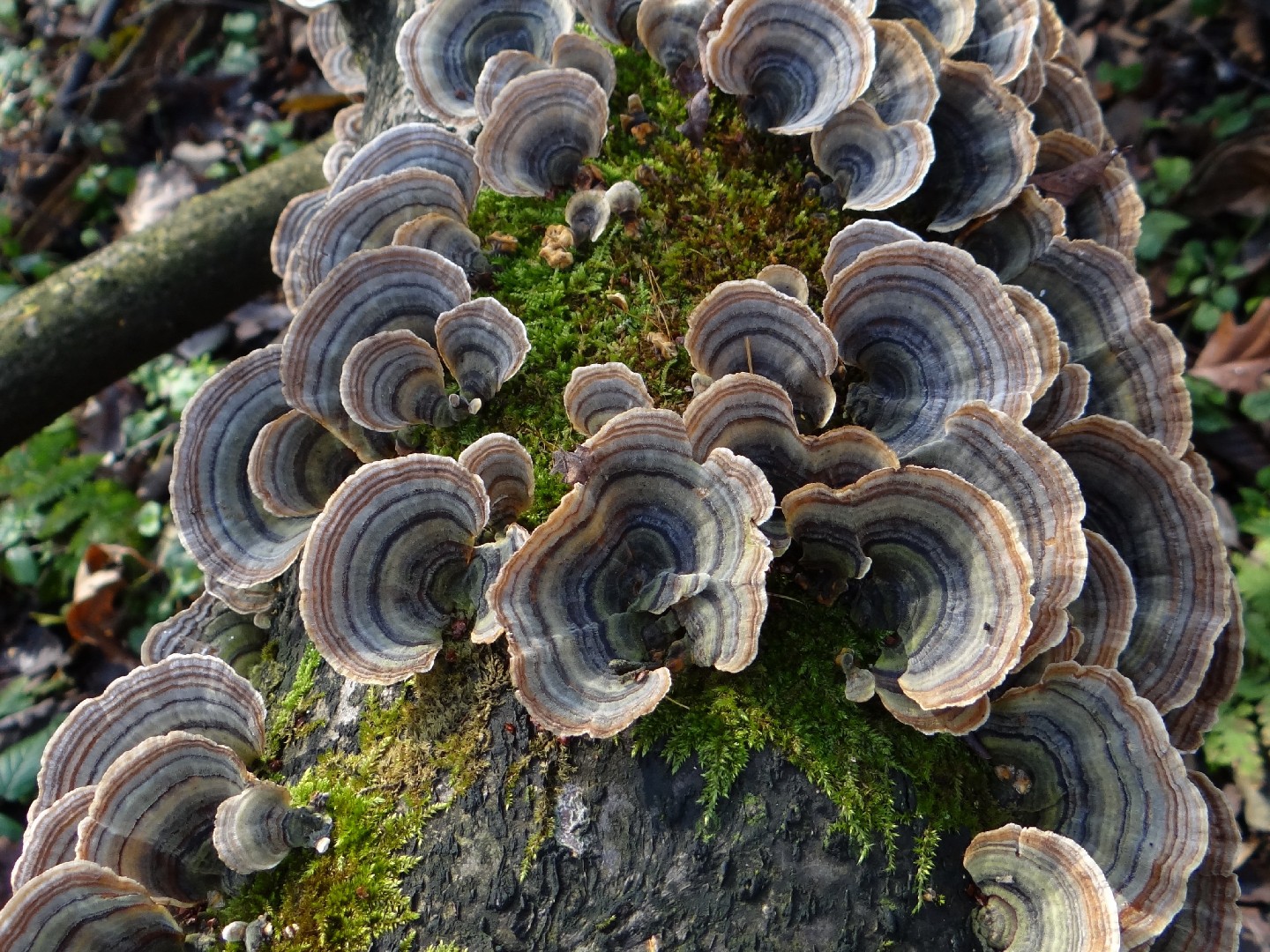
10. Turkey tail
The distinctively-striped turkey tail fungus grows on stumps and logs all over the forests of the northern hemisphere. It is, in fact, probably the most common species you will find. That doesn't mean this mushroom is plain, however; each cap is uniquely patterned. Look for bands of alternating textures as well as color.



More







