




Top 20 Most Common Mushrooms in Nampa
Welcome to our exploration of the top 20 mushrooms found in Nampa. Known for its beautiful landscapes and agricultural prowess, Nampa boasts a variety of fungi. Among the lush fields and scenic waterways, a cornucopia of mushrooms thrive, providing foraging opportunities for enthusiasts and experts alike. These prolific mushrooms not only enrich the local biodiverse ecosystem but have also secured their place in Nampa's top 20 mushrooms list. Stick around as we delve into the fascinating world of Nampa's common fungi.

Most Common Mushrooms

1. Shaggy mane
The shaggy mane mushroom is commonly found in North American and European grasslands. Some peoples foraged for its young egg-shaped caps, but it has more recently been found to be a bioaccumulator of heavy metals, meaning it pulls toxic metals up from the soil where it grows. As a result, shaggy manes should not be eaten. The mushrooms usually appear in clusters or “fairy rings.”
2. Milky conecap
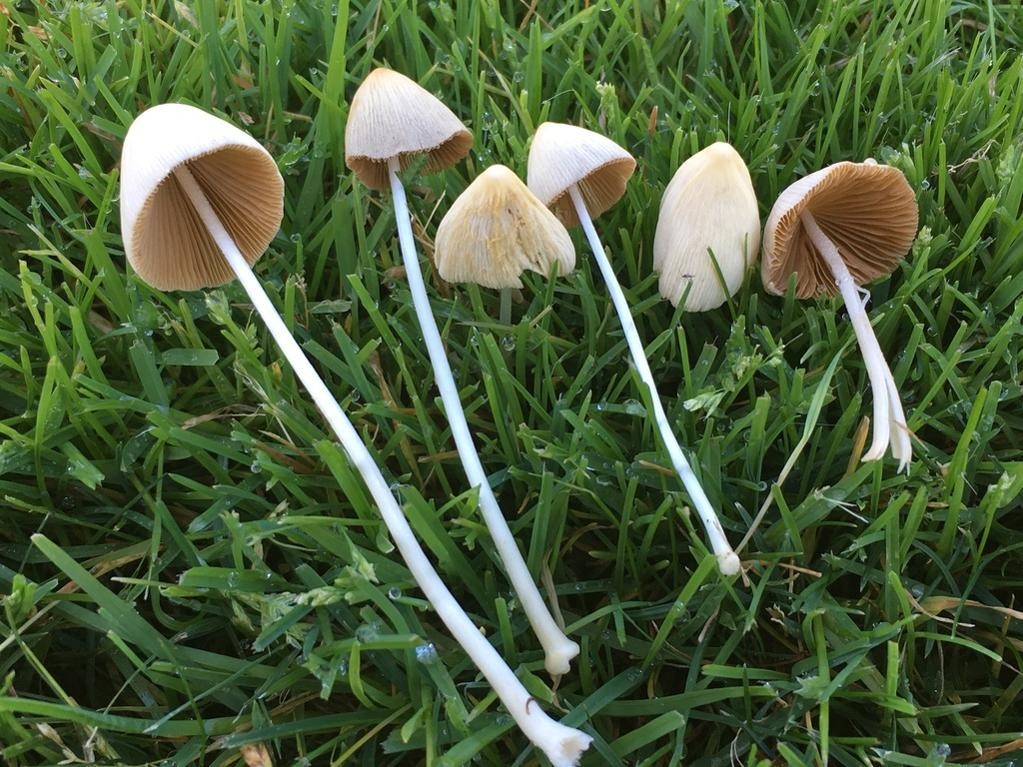
A delicate little fairy-tale-looking mushroom, the milky conecap shows up in moist woodlands, fields, and lawns. The species' common name refers to its deep and pointed cap, which looks much like a garden gnome's hat. While the species is not known to be toxic, it is too small and delicate to bother with for culinary purposes.
3. Aspen oyster mushroom
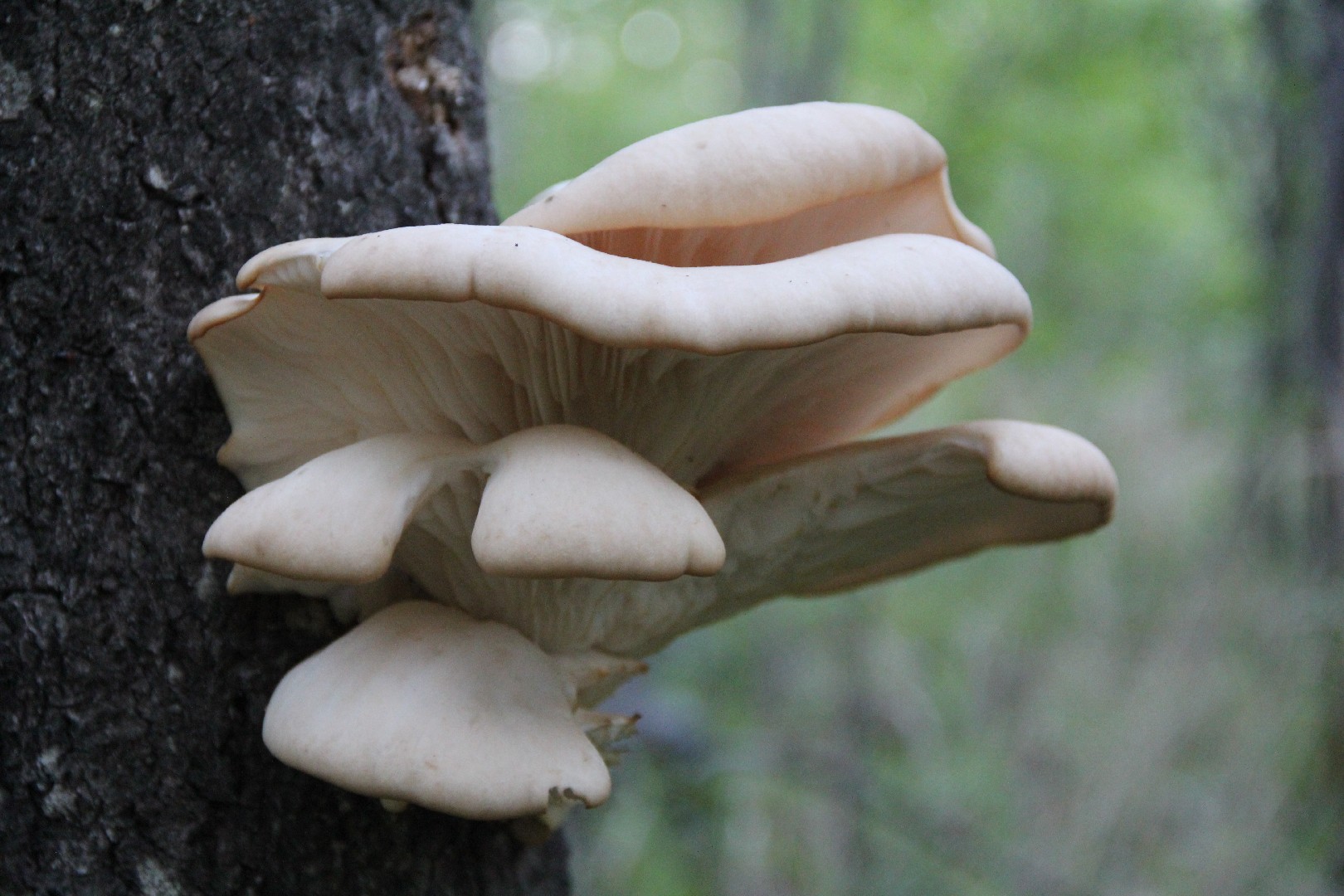
As 'Aspen' in its common name implies, the aspen oyster mushroom grows exclusively on dead aspen trees (the Populus genus). This oyster mushroom has a pleasant aroma, reminiscent of almond or anise. Like all oyster mushrooms, the aspen oyster mushroom can be used for dyeing wool, paper and fabrics.
4. Hemipholiota populnea
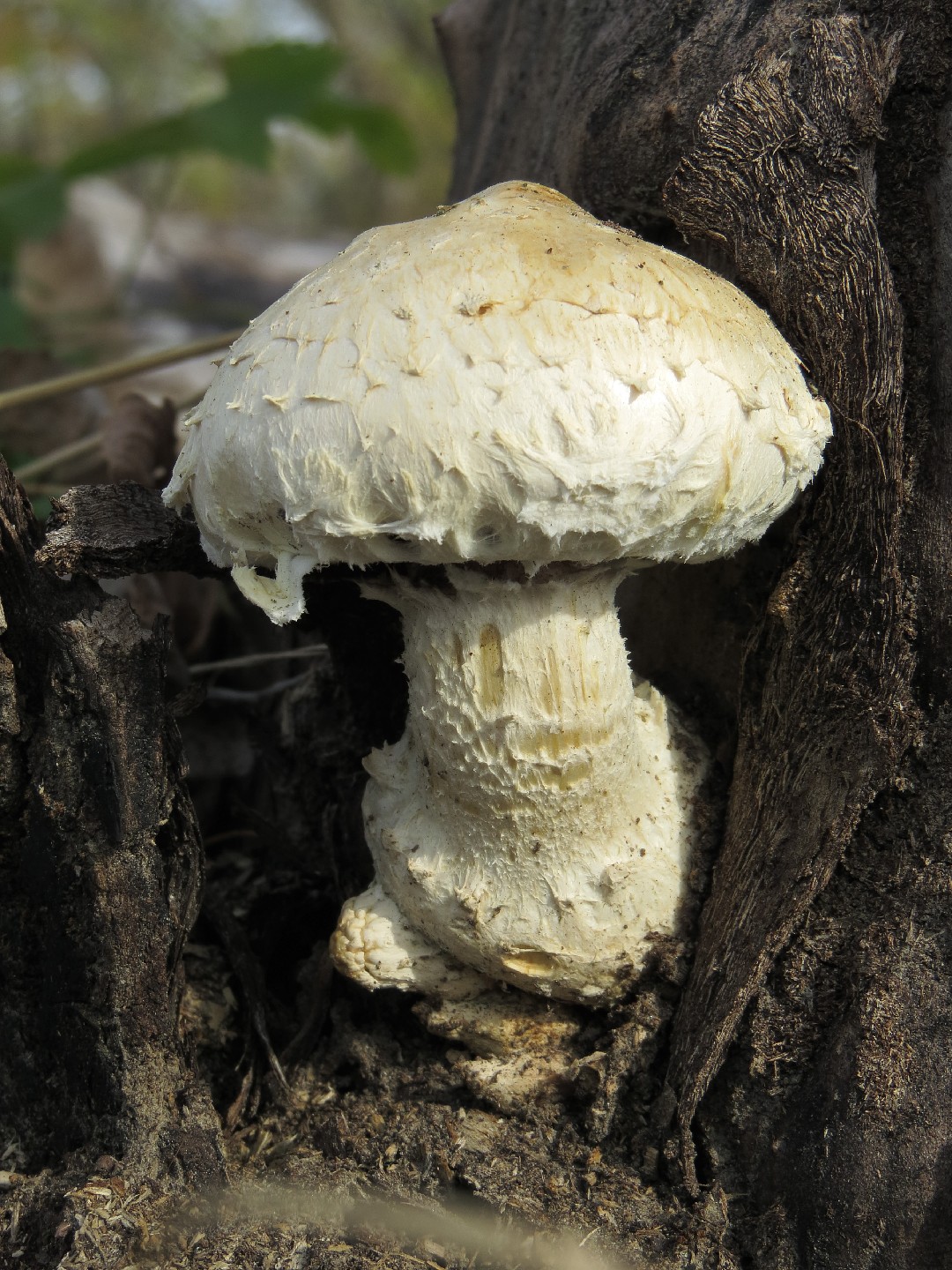
Hemipholiota populnea, sometimes listed as Pholiota populnea in guidebooks, is a large and distinctive mushroom that is almost always found growing on dead cottonwood trees. Fruitbodies of the hemipholiota populnea have an almost overstuffed appearance - they sport stocky caps and stalks that are often shaggy.
5. Wolf lichen
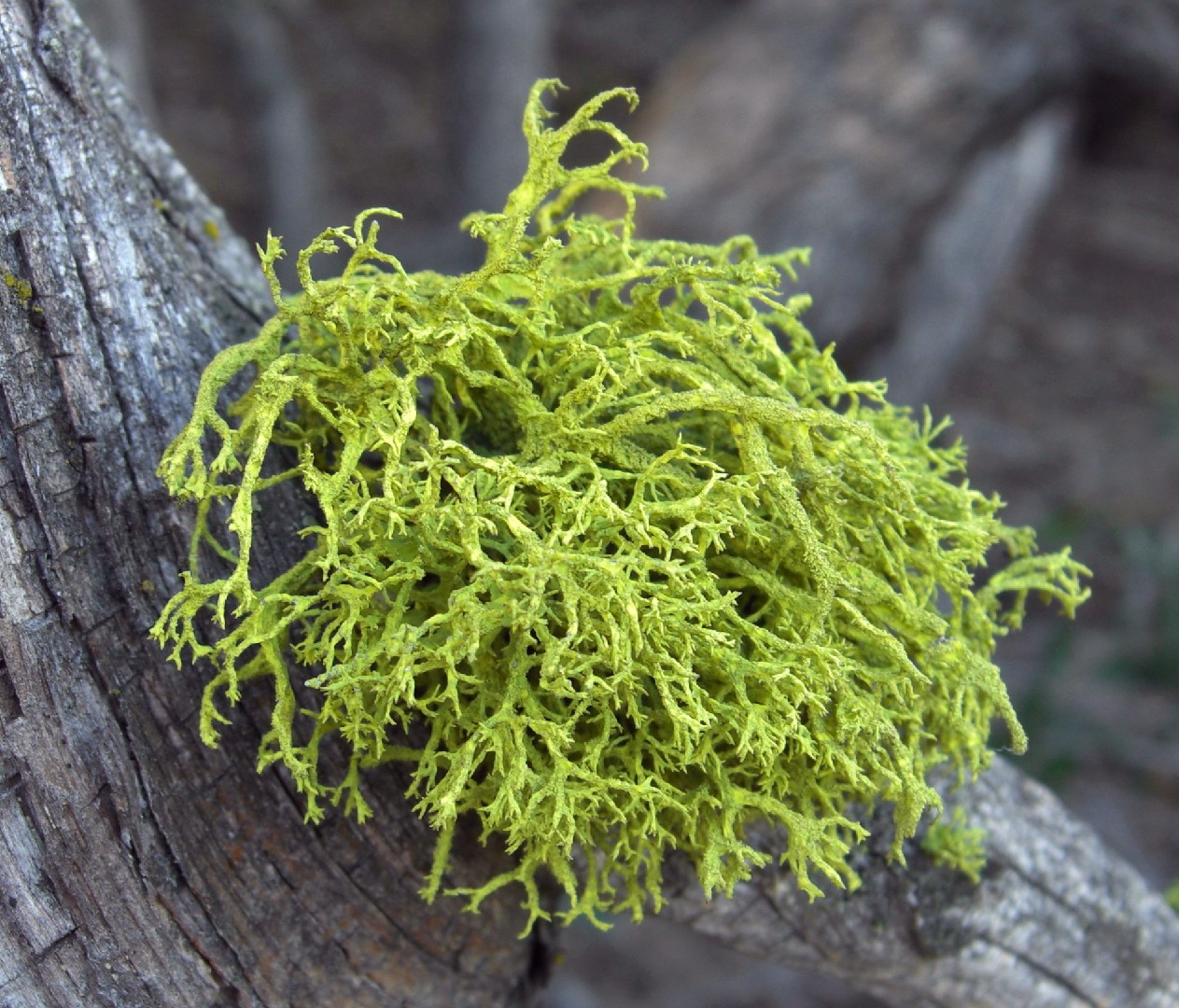
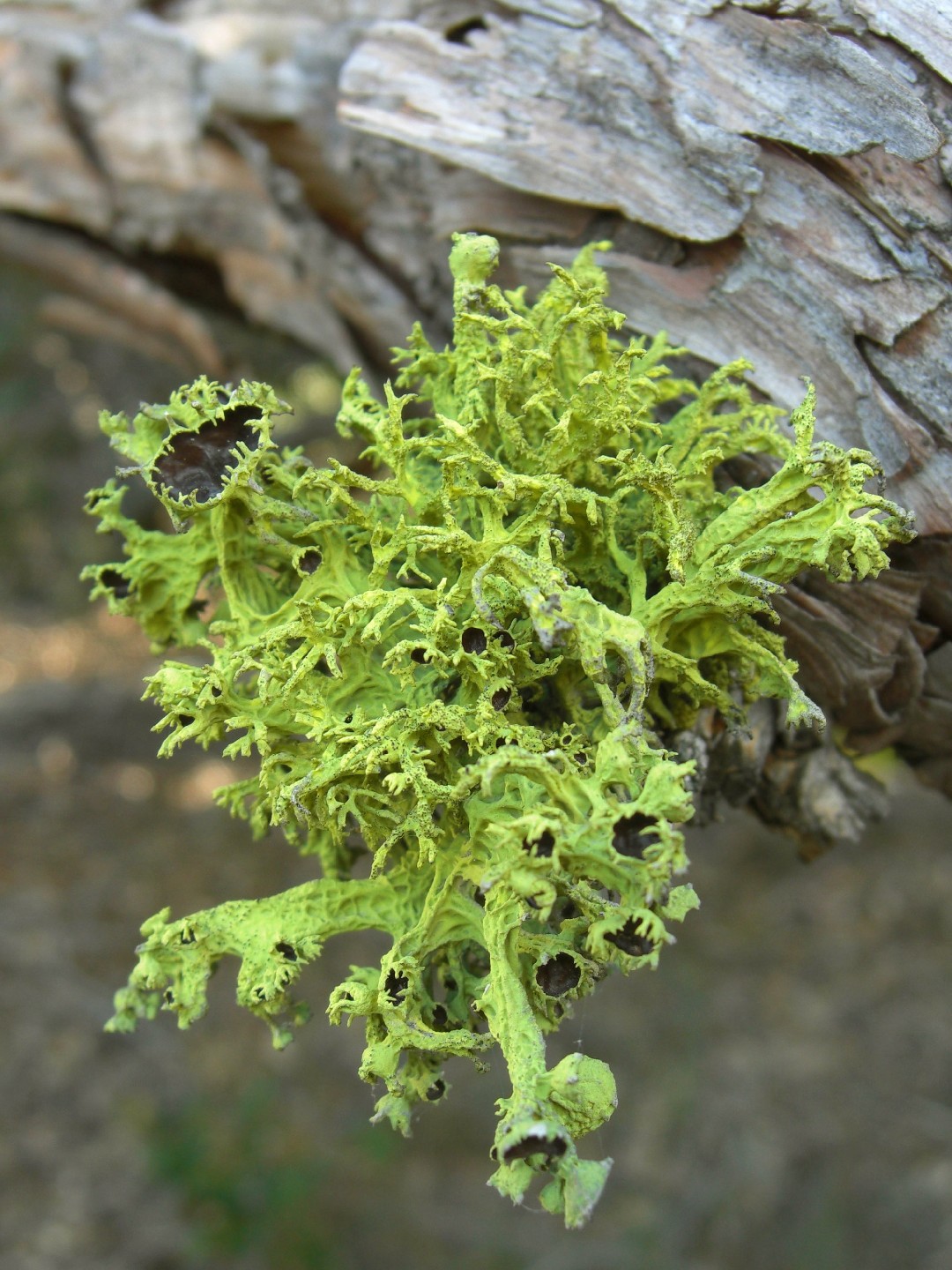
The thallus, or vegetative body, has a fructicose shape — that is, shrubby and densely branched — and a bright yellow to yellow-green, or chartreuse color, although the color will fade in drier specimens. Its dimensions are typically 2 to 7 cm (0.8 to 3 in) in diameter. The vegetative reproductive structures soredia and isidia are present on the surface of the thalli, often abundantly. 
6. Dune stinkhorn
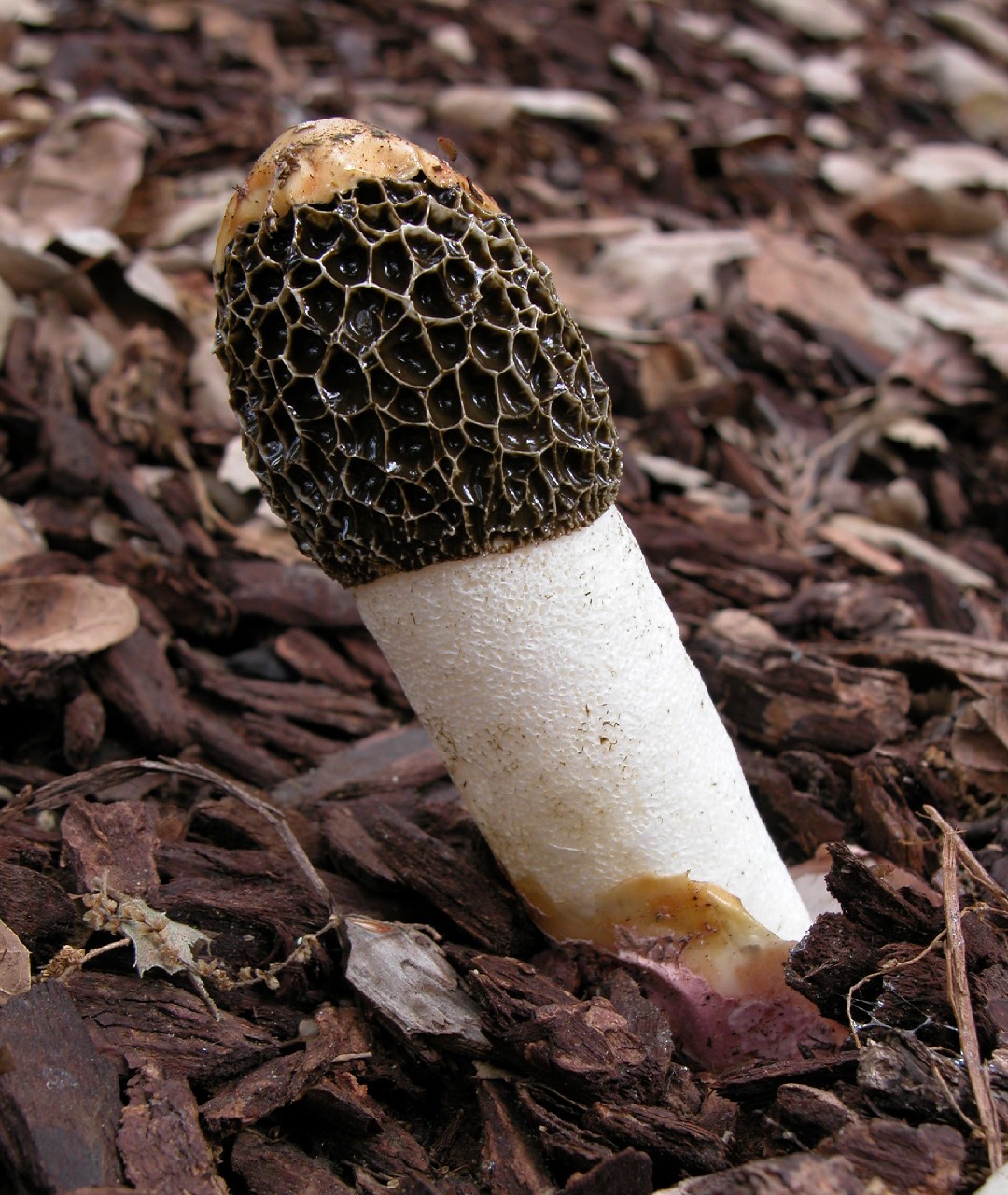
The dune stinkhorn (Phallus hadriani) is a distinctive species that, to novices, may bear a rough resemblance to the common morel. Although it favors sandy soils or dunes, can be found growing in all manner of disturbed habitats, from lawns to lots to gardens. The mushroom's stalk and cap sprout from a round, sheathed "egg." When mature, the dune stinkhorn has a long, thick stalk and a slimy, honeycombed cap.
7. Mower's mushroom
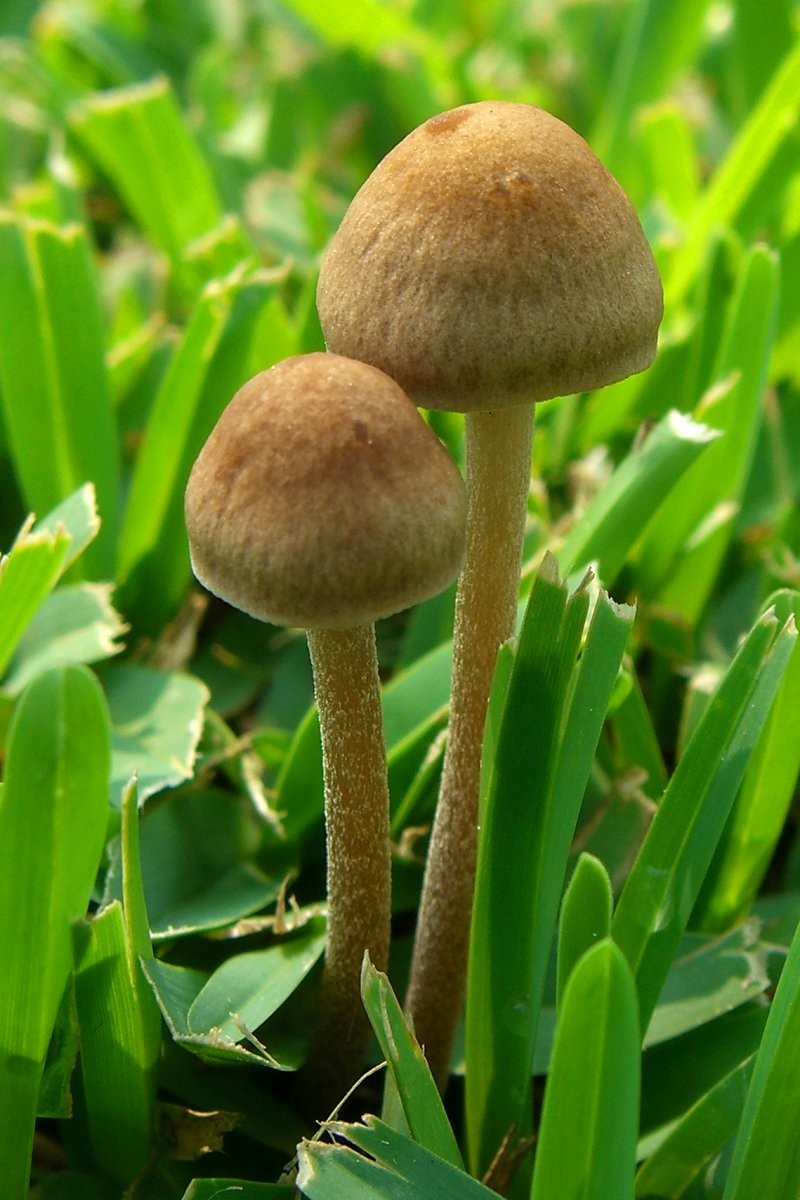
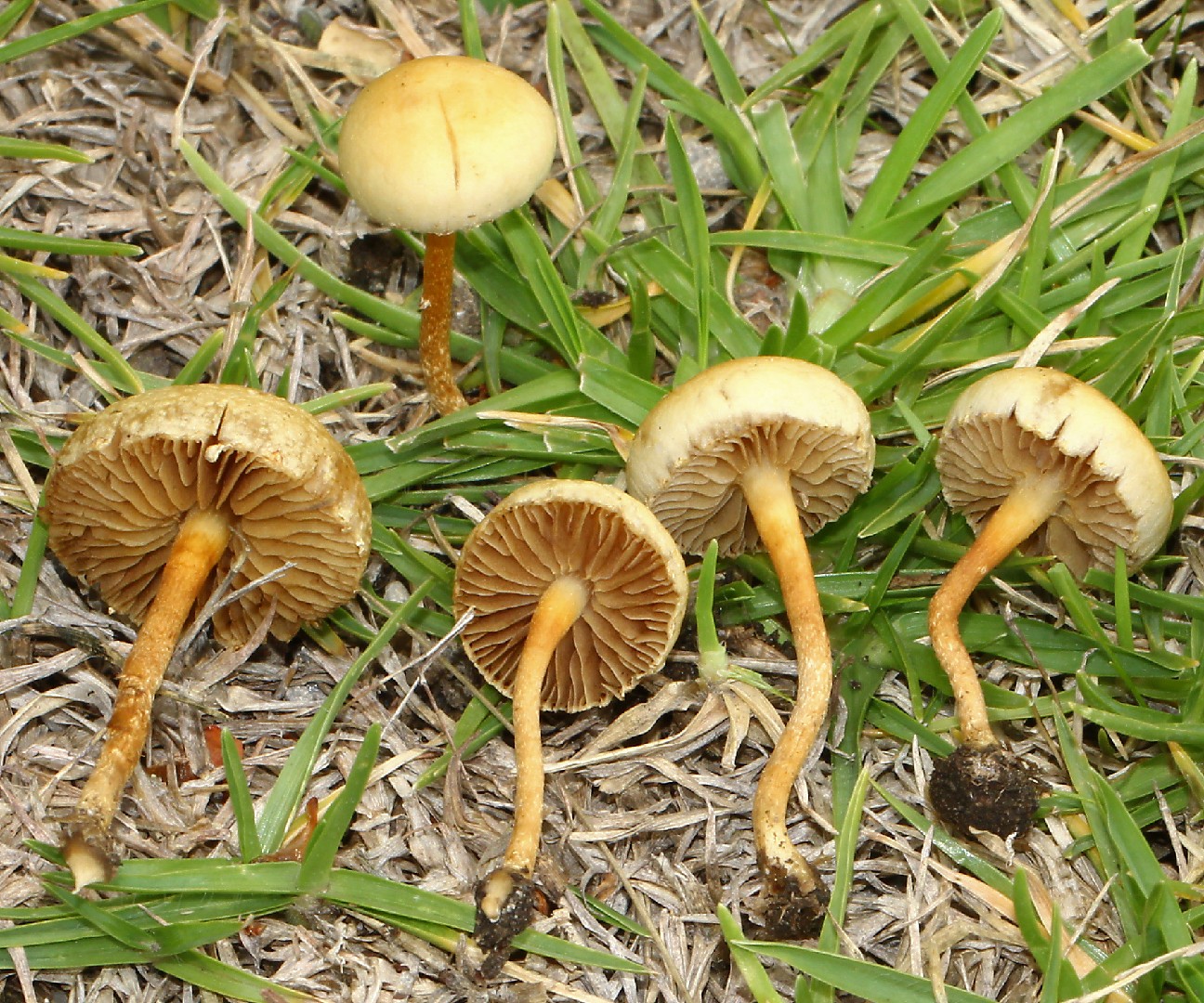
The mower's mushroom, also referred to as the lawnmower's mushroom, is so named because it frequently crops up in lawns. The species is rather nondescript, and it is considered a member of the infamously hard-to-distinguish "Little Brown Mushroom" (LBM) family. While the mower's mushroom is not known to be toxic to humans or dogs, several of these close look-alikes are.
8. Elegant sunburst lichen
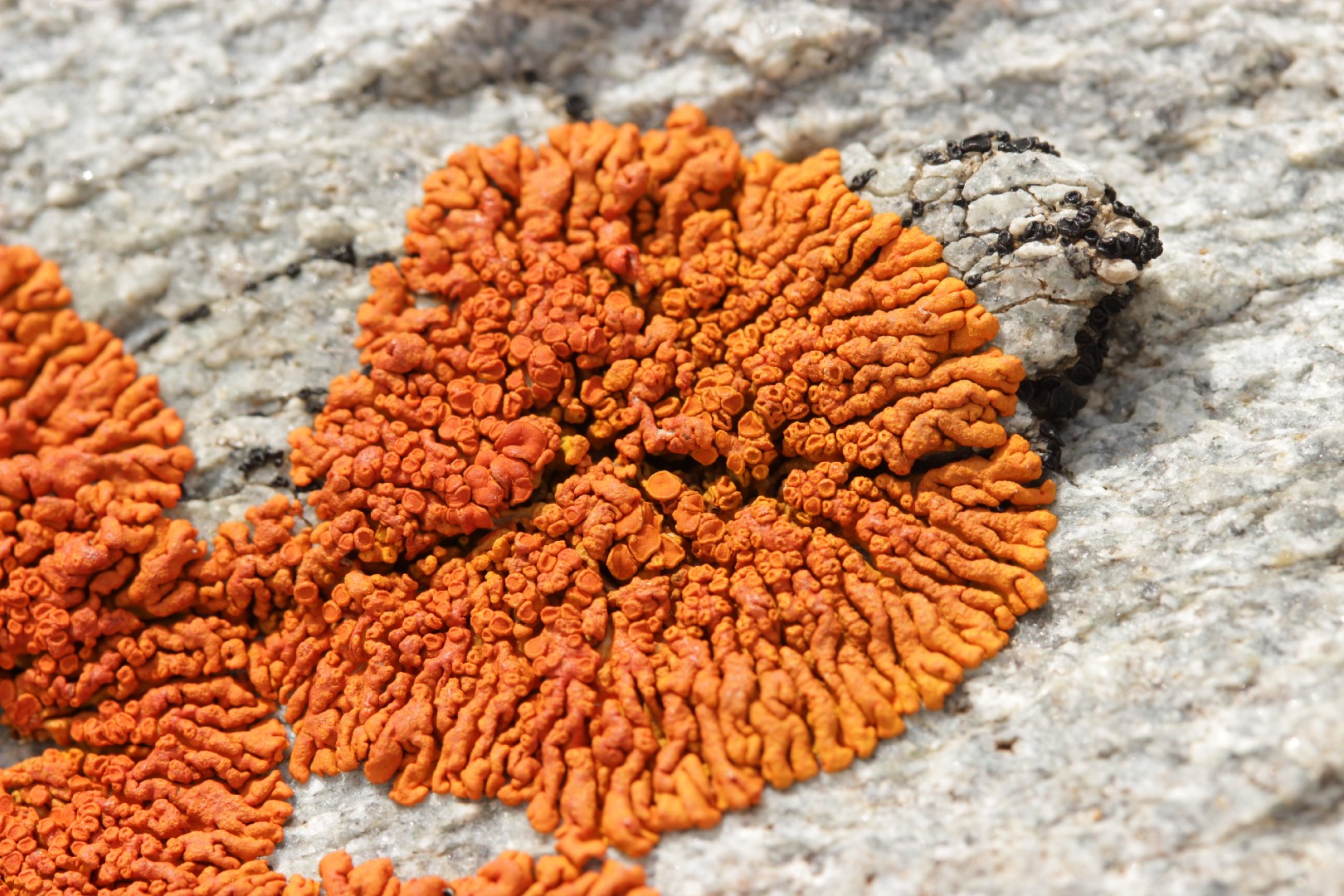
The thallus of this lichen is described as foliose, having the aspect of leaves, although the central portions of the thallus may appear nearly crustose. It is small, typically less than 5 cm (2 in) wide, with lobes less than 2 mm (0.08 in) broad, appressed to loosely appressed. The upper surface is some shade of orange while the lower surface is white, corticate, with short, sparse hapters (an attachment structure produced by some lichens). The vegetative propagules called soredia and isidia are absent, although apothecia are common. It has been described as possessing swollen, orange-yellow thalli (in streams), compact orange thalli (on boulders) or dark orange-red thalli on the driest rock faces. The variety X. elegans var. granulifera, characterized by having isidia-like vegetative propagules, has been reported from Greenland and Spitsbergen.
9. Mica cap
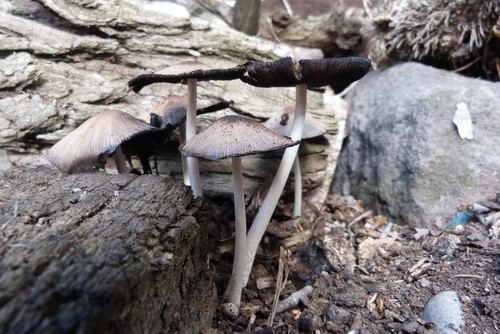
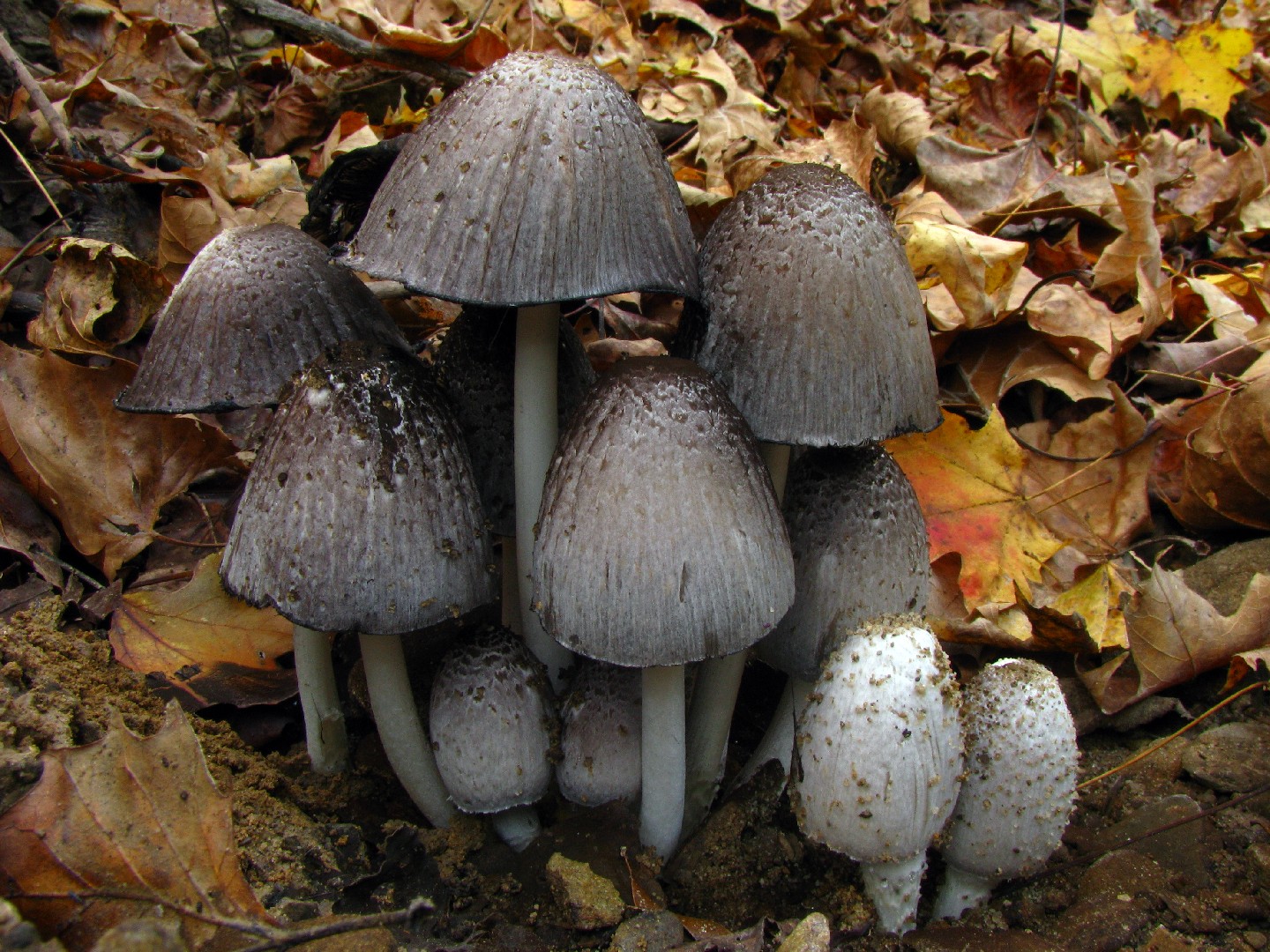
The bell-shaped mica cap mushrooms grow in clusters on wood debris and stumps, from spring to autumn. The caps appear wet and inky once they mature and begin to release spores. At that point, they can be boiled with cloves to create a useful black ink.
10. Spring fieldcap
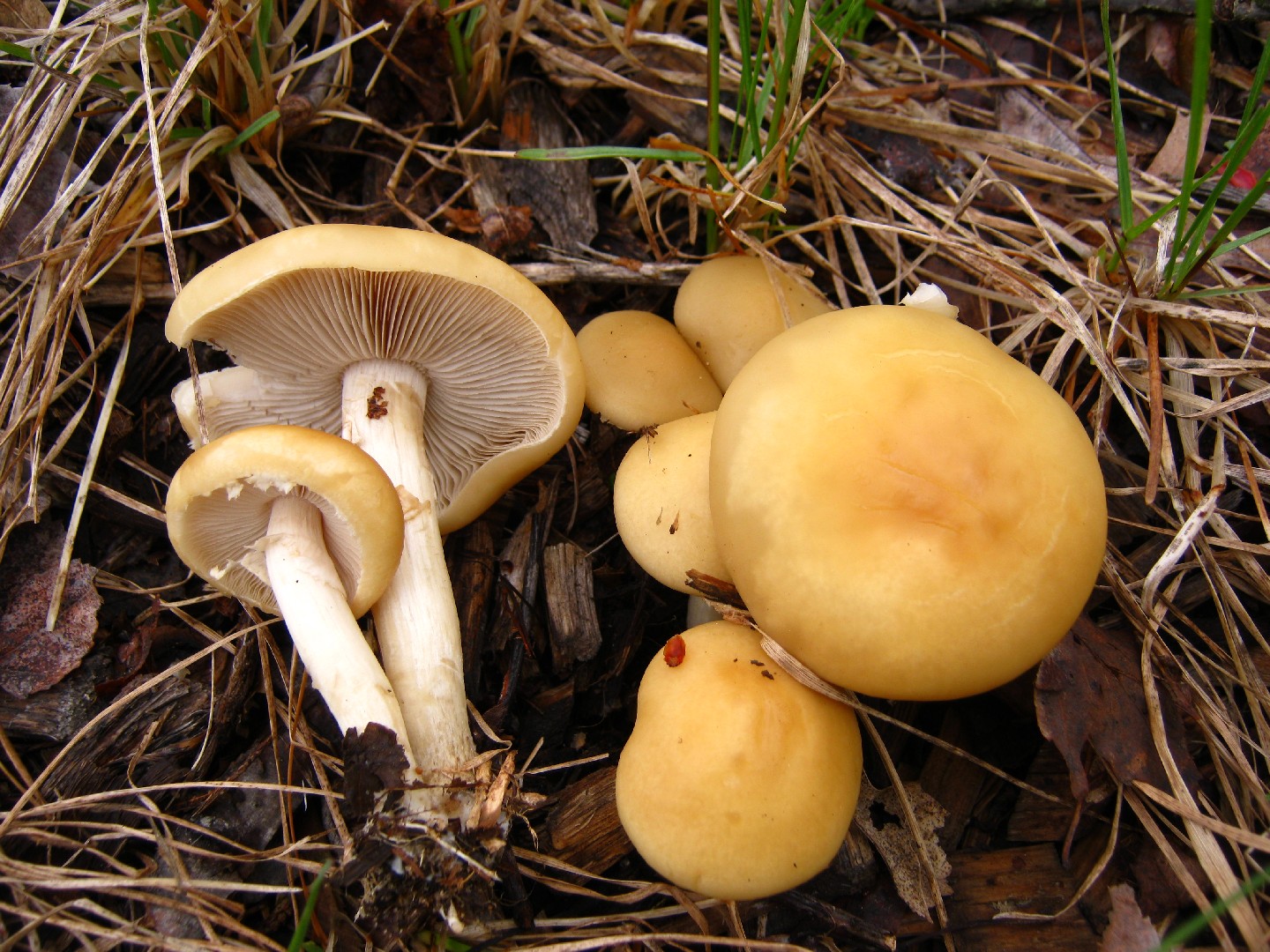
The spring fieldcap (Agrocybe praecox) appears in spring and early summer, in scattered groups or in tufts across the edges of woodland paths. They may be a common sight in urban areas with wood chip mulch or compost piles. The species' scientific name comes from the same Latin root as the word "precocious," giving another clue regarding the early appearance one can expect from these little mushrooms.


More







