




Top 20 Most Common Mushrooms in Hawaii
In the lush paradise of Hawaii, the vibrant ecosystem creates an ideal habitat for a myriad of mushroom species. The variety of climates, along with fertile soils rich in organic matter, fosters the growth of 20 distinctive types of mushrooms. With Hawaii's unique microclimates, these mushrooms range from towering parasols to tiny cups, each carving its niche in the island's biodiversity. This guide will explore these common fungi, displaying the rich mycological treasures Hawaii has to offer.

Most Common Mushrooms
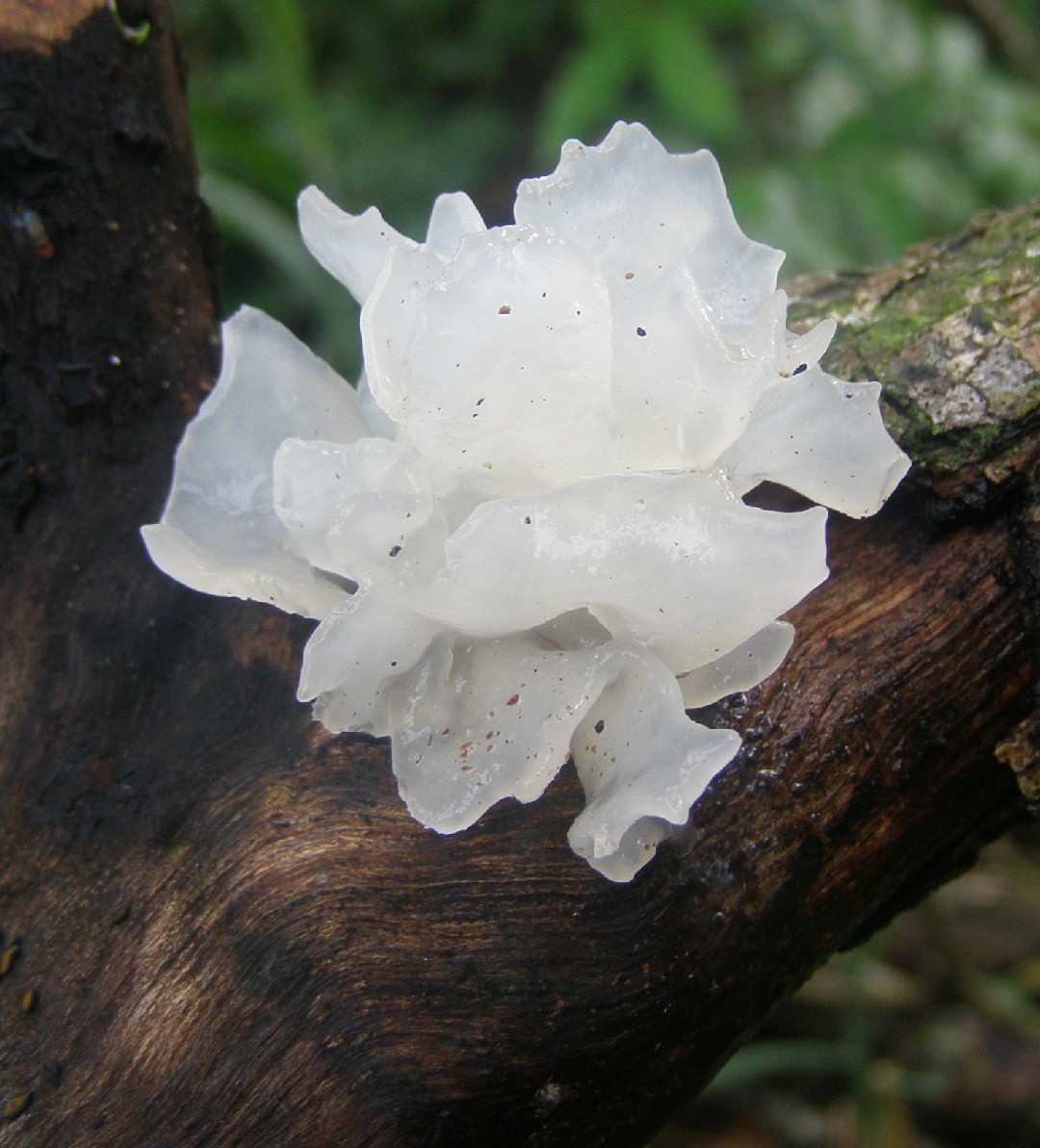
1. Snow fungus
Snow fungus (Tremella fuciformis) is so-named not because it is associated with winter, but, rather, because its fruitbodies look like little piles of snow fungus on the ground. This fungus actually inhabits very warm - tropical and subtropical - locations around the globe. Snow fungus does not have much taste, but it is cultivated for culinary use across East Asia, where it is often added to thicken soups and desserts.
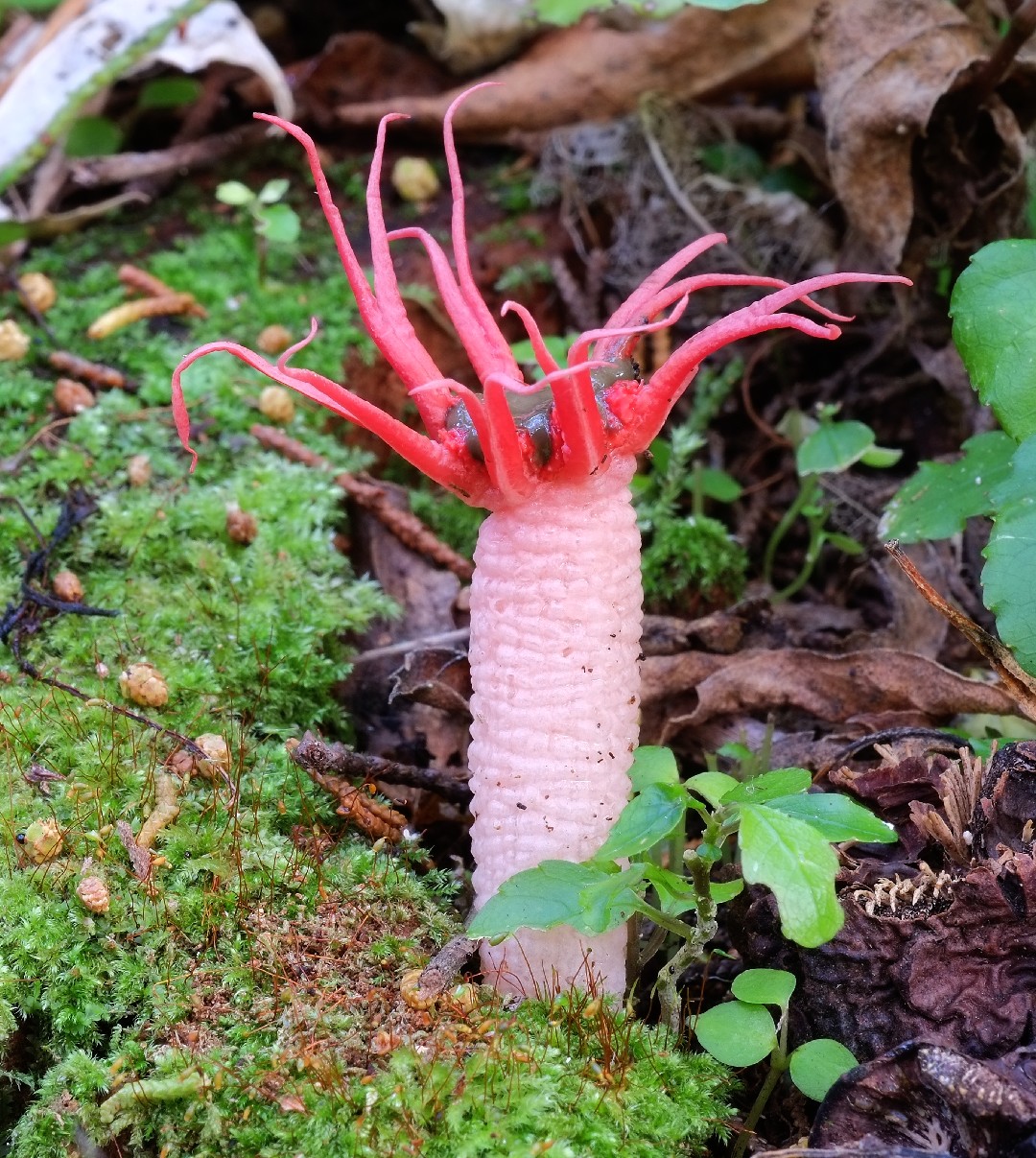
2. Anemone stinkhorn
The anemone stinkhorn (Aseroe rubra) looks like a creature straight from the depths of the ocean…or perhaps a horror movie! This Australian native starts fruiting with a white, egg-like ball that breaks open to reveal bright red tentacle-like fingers that spread toward the sky with radial symmetry and the odor of rotting meat. It has spread to tropical and sub-tropical areas around the world and is potentially poisonous.
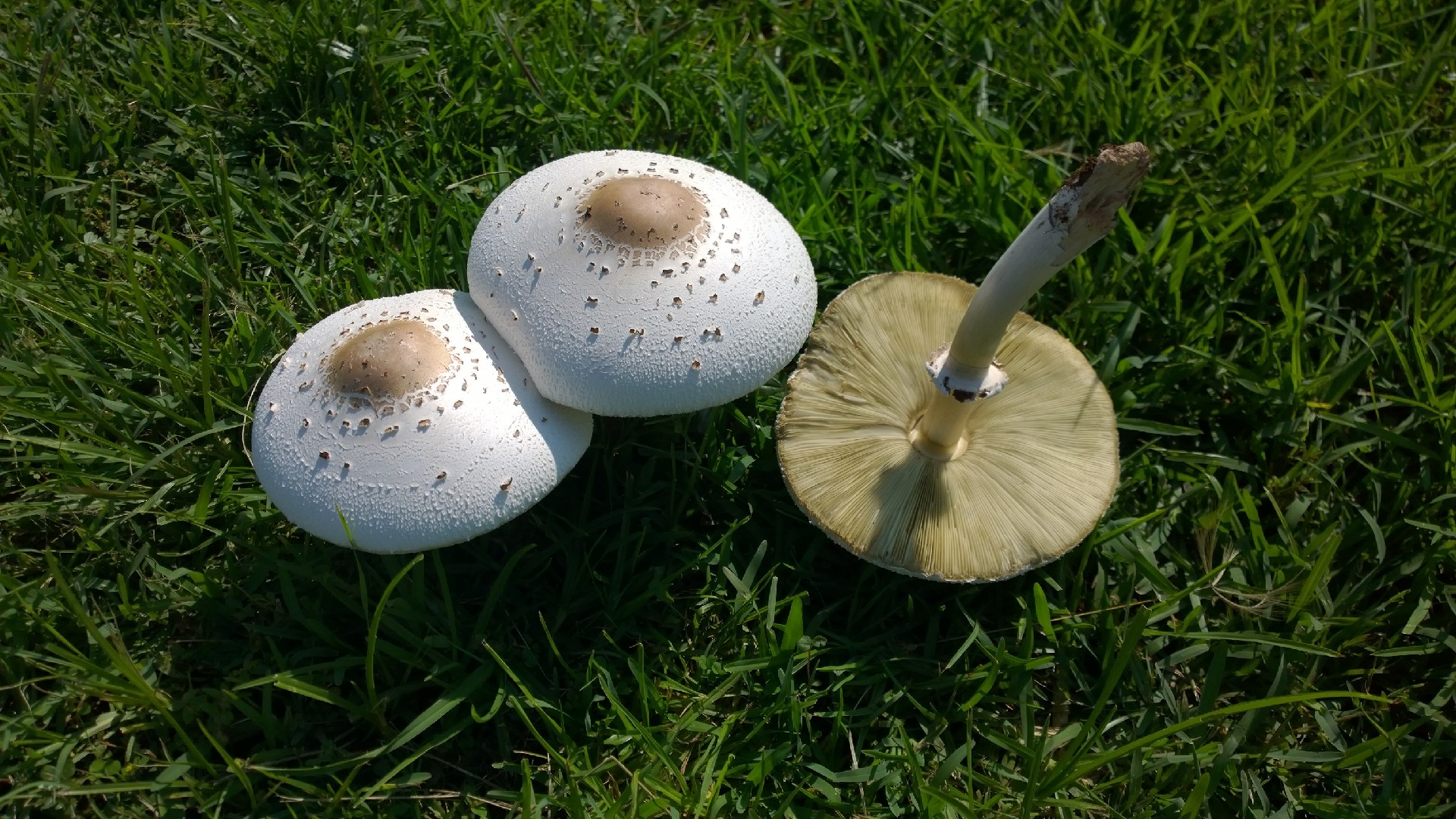
3. False parasol
Though the false parasol appears unassuming, the species is famous—or, infamous—for its toxicity. It looks unfortunately similar to Agericus campestrus, a commonly eaten mushroom, but the false parasol can be distinguished by its highly unusual green spore print. Although they are no good to eat, they can be pretty to look at. The species may grow in ring-shaped groups in meadows and on forest floors in what are sometimes called "fairy circles."
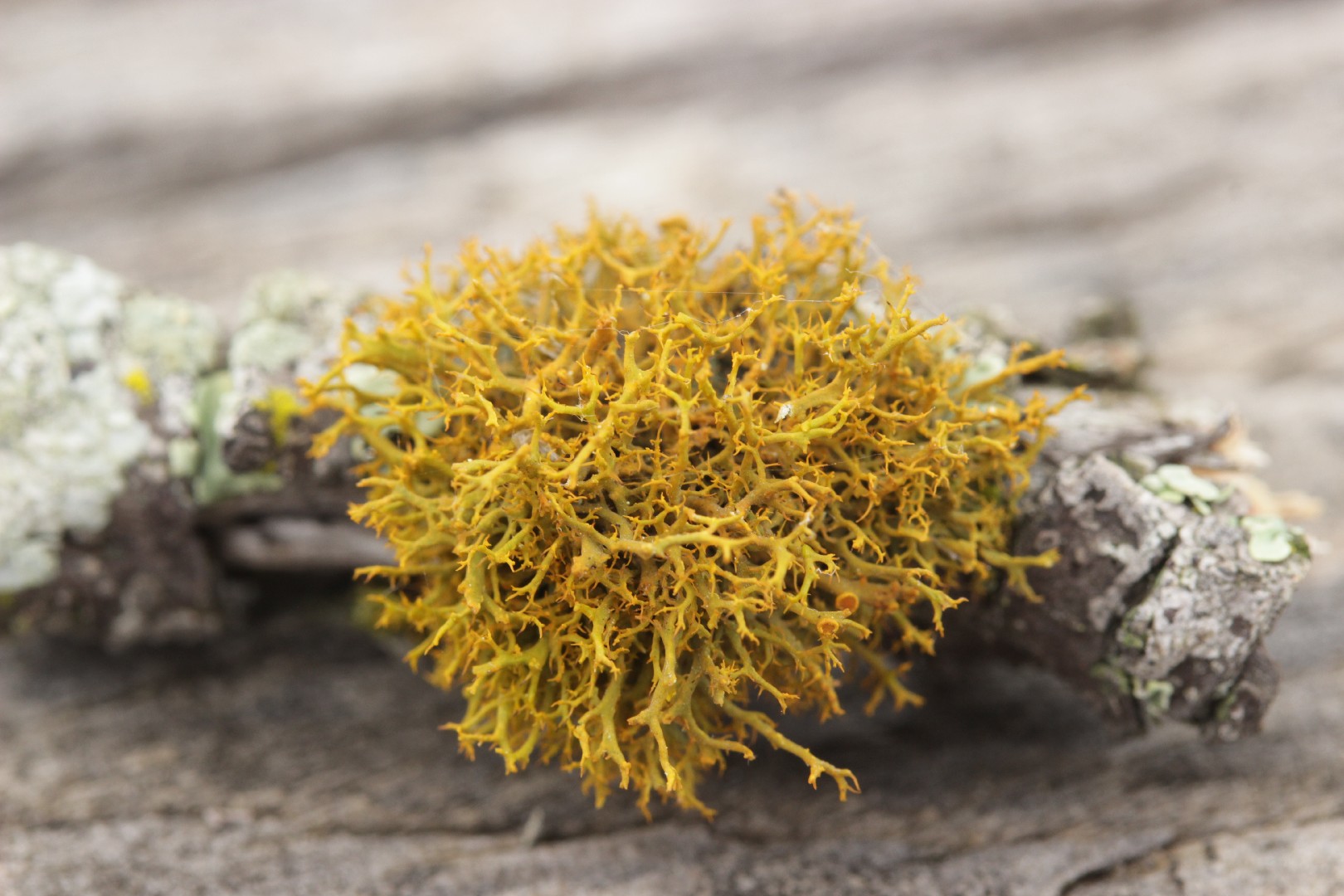
4. Golden hair lichen
5. Microporus affinis
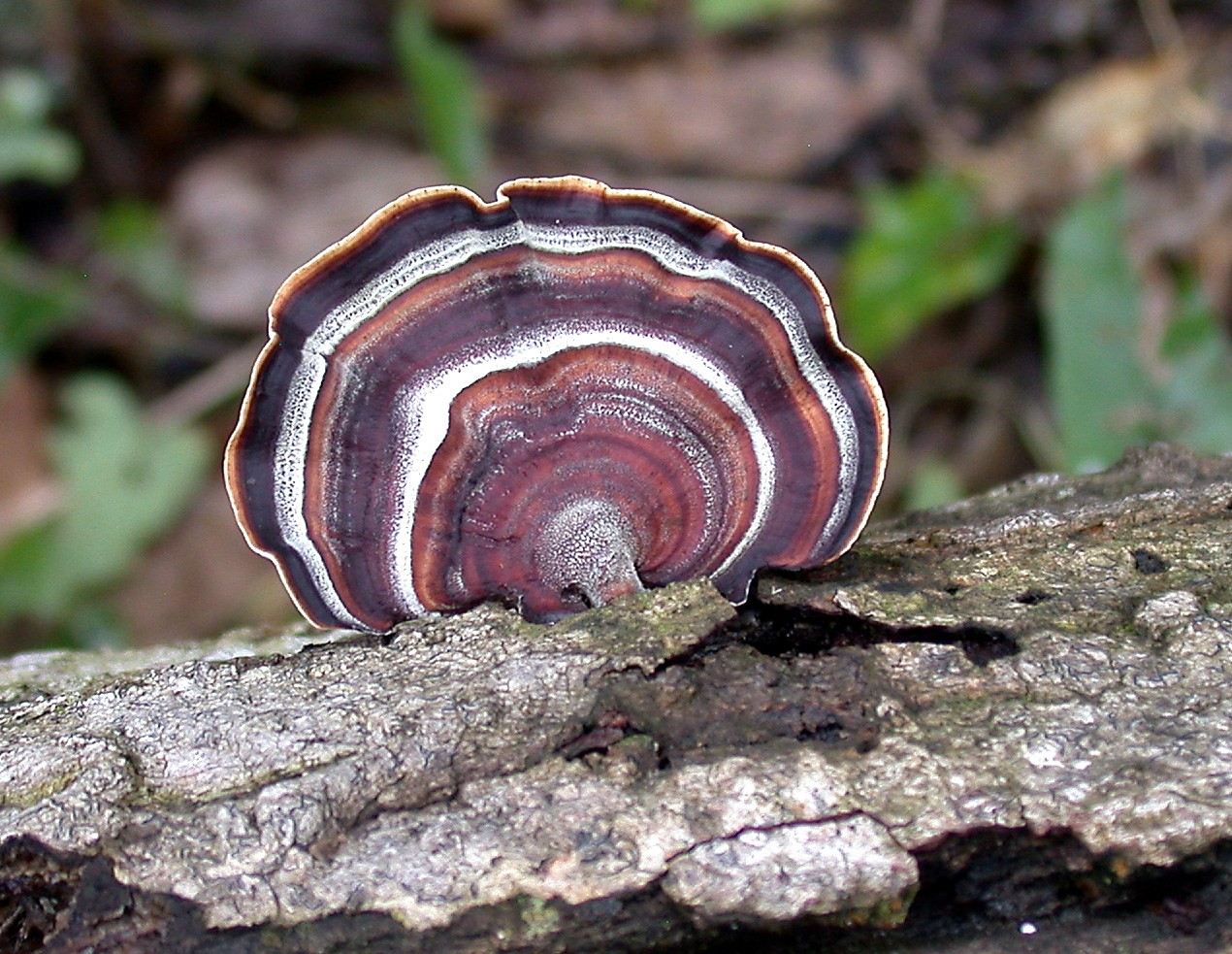
Adjacent microporous bacteria, belonging to the family Poaceae, are small and medium-sized mushrooms saprophytic. The mushrooms grow in low-middle-altitude forest areas such as China, and the growth period is between spring and summer.
6. Fairy inkcap
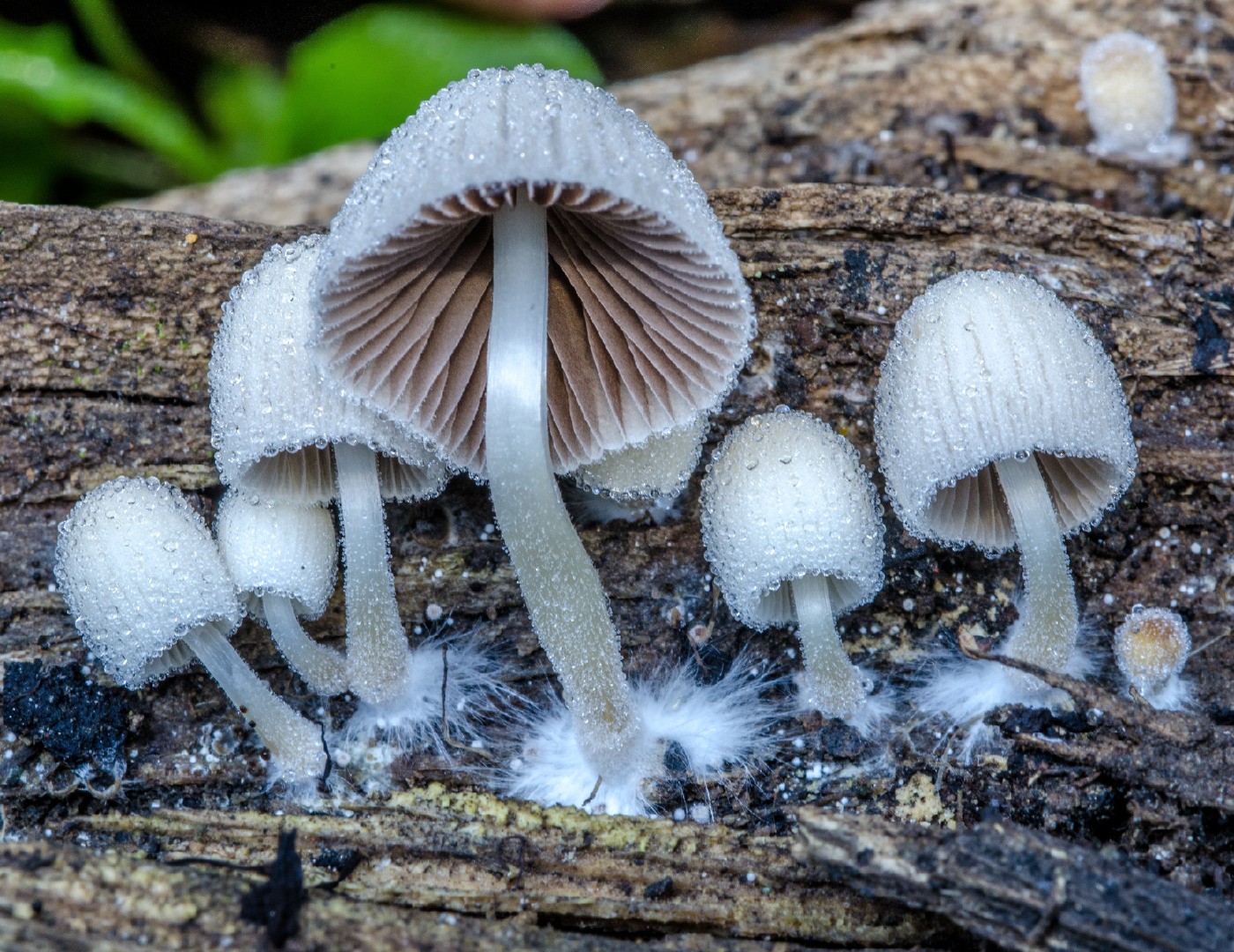
The mushrooms of the fairy inkcap species have a tendency to congregate in large masses over dead tree stumps and decaying roots. They appear all around the world from early spring all the way to the first frosts, but each fruit only lasts a few days before turning black and distributing its spores.
7. Split gill
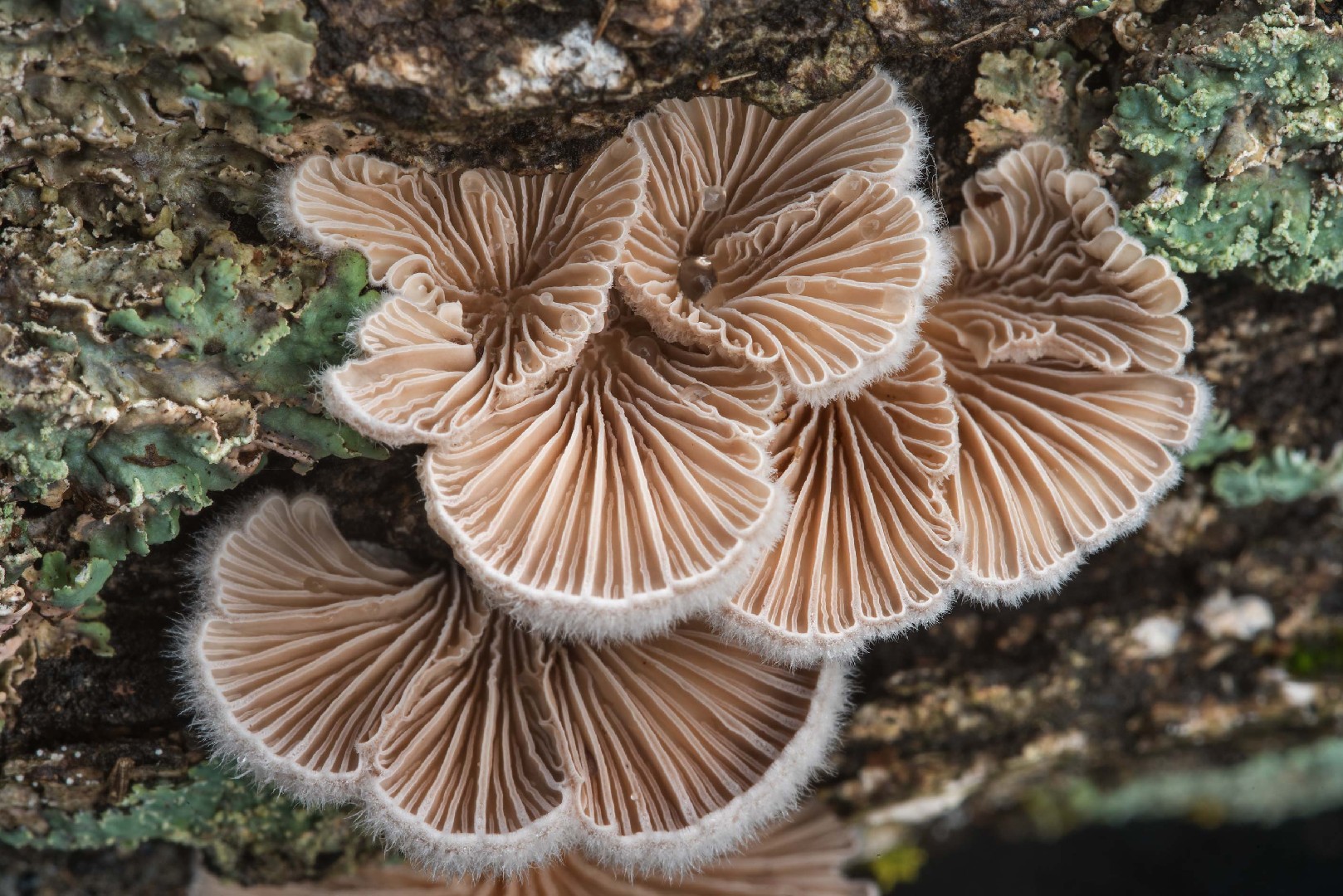
Split gill(Schizophyllum commune) can be found across the globe. Uniquely, it is the only mushroom species known to display the capability to retract by movement. It is considered inedible, although not necessarily toxic. Furthermore, it is not recommended to smell this species, as the spores are capable of sprouting and growing in nasal passages.
8. Spring polypore
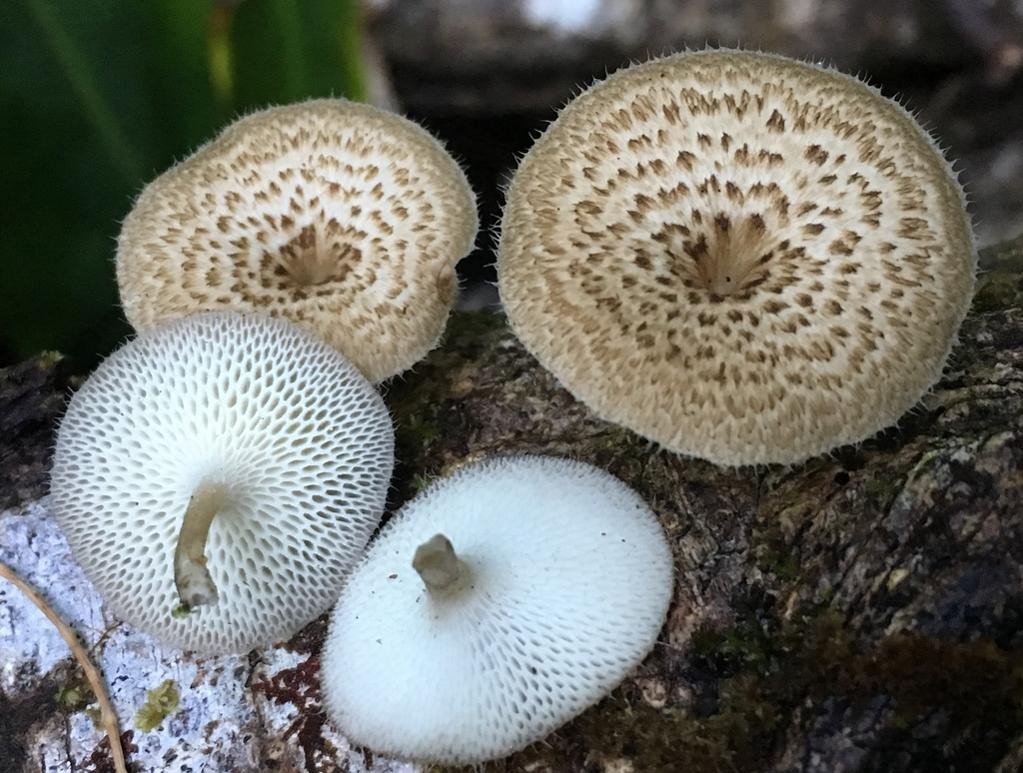
Morel mushroom hunters may be most familiar with spring polypore since it is one of the earliest mushrooms to appear in the spring, as hinted by its name. Lentinus mushrooms typically have gills, but when investigated, this mushroom reveals surprising honeycomb-shaped pores.
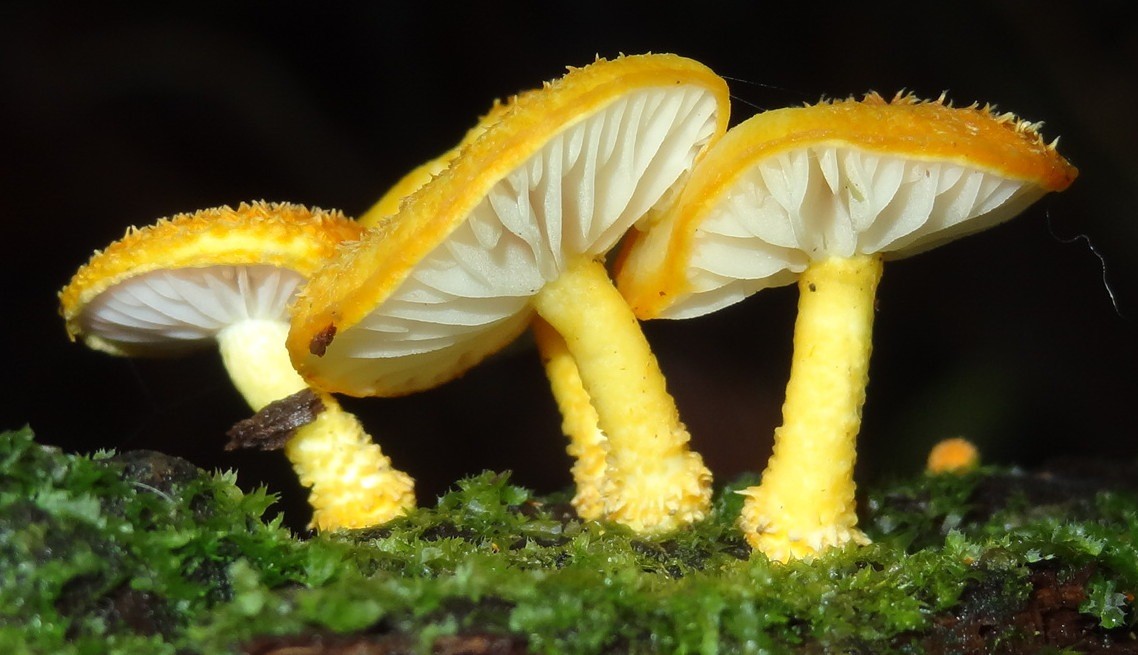
9. Golden scruffy collybia
The golden scruffy collybia (Cyptotrama asprata) produces tiny, picturesque mushrooms with caps and stems covered in even tinier bright orange spikes. The cap surface below is commonly a shade of yellow. These mushrooms smell faintly of artichokes.
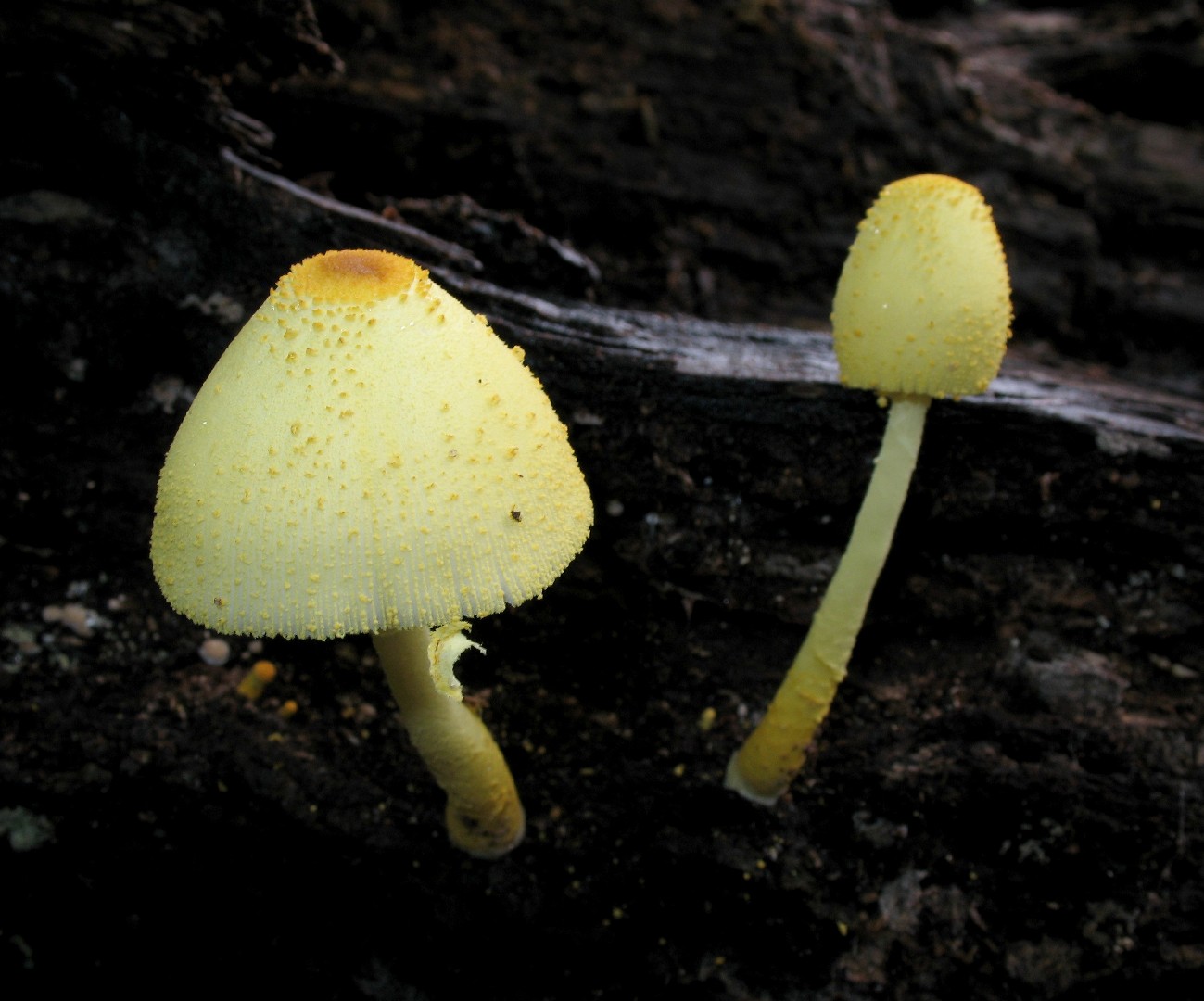
10. Flowerpot parasol
This tropical/subtropical mushroom is known to be toxic. If eaten it causes a very unpleasant stomachache with the risk of fatal complications. In temperate zones, flowerpot parasol is only found in hothouses and greenhouses, so the risk of accidental foraging is low, but it may occur with potted plants and indoor landscaping and pose a risk to curious children.

More







