




Top 20 Most Common Mushrooms in Little Rock
A treasure trove nestled within nature, Little Rock boasts a unique charm synonymous with bountiful mycological wonders. Echoing with diversity, this city is graced with the abundance of 20 different mushroom species, making it an absolute treat for both novice mycologists and seasoned foragers. Embark on a captivating journey of uncovering the rich fungal kingdom that sprawls under Little Rock's welcoming canopies.

Most Common Mushrooms
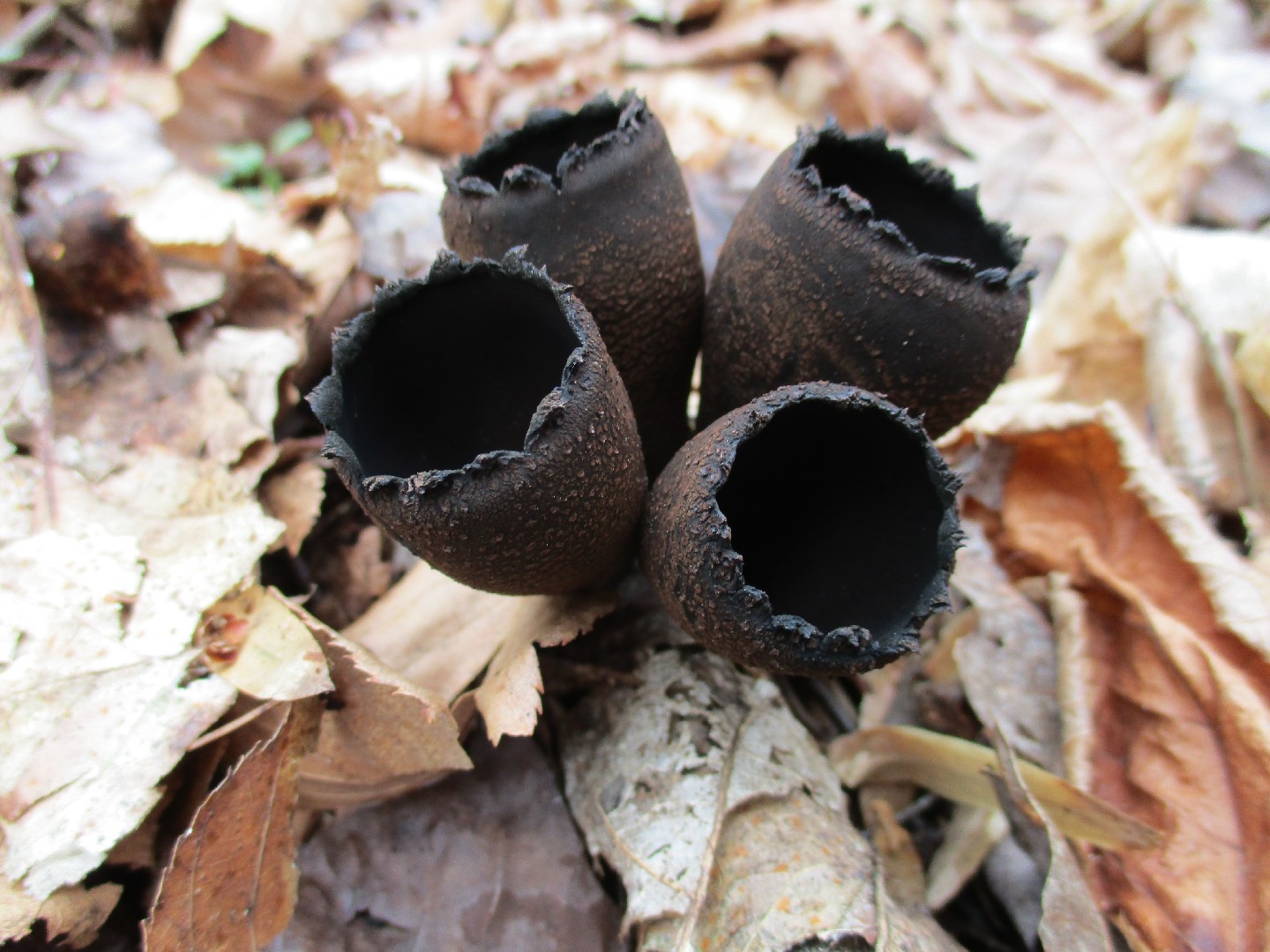
1. Devil's urn
The devil's urn (Urnula craterium) is a black or brown cup-shaped fungus. The species' tough, cracked outer layer and dark coloration may give it a scorched appearance. Devil's urns tend to grow in clusters and are usually found adorning fallen branches and rotting logs. Though the species is not edible itself, gatherers keep an eye out for it, as it usually fruits at about the same time as morels.
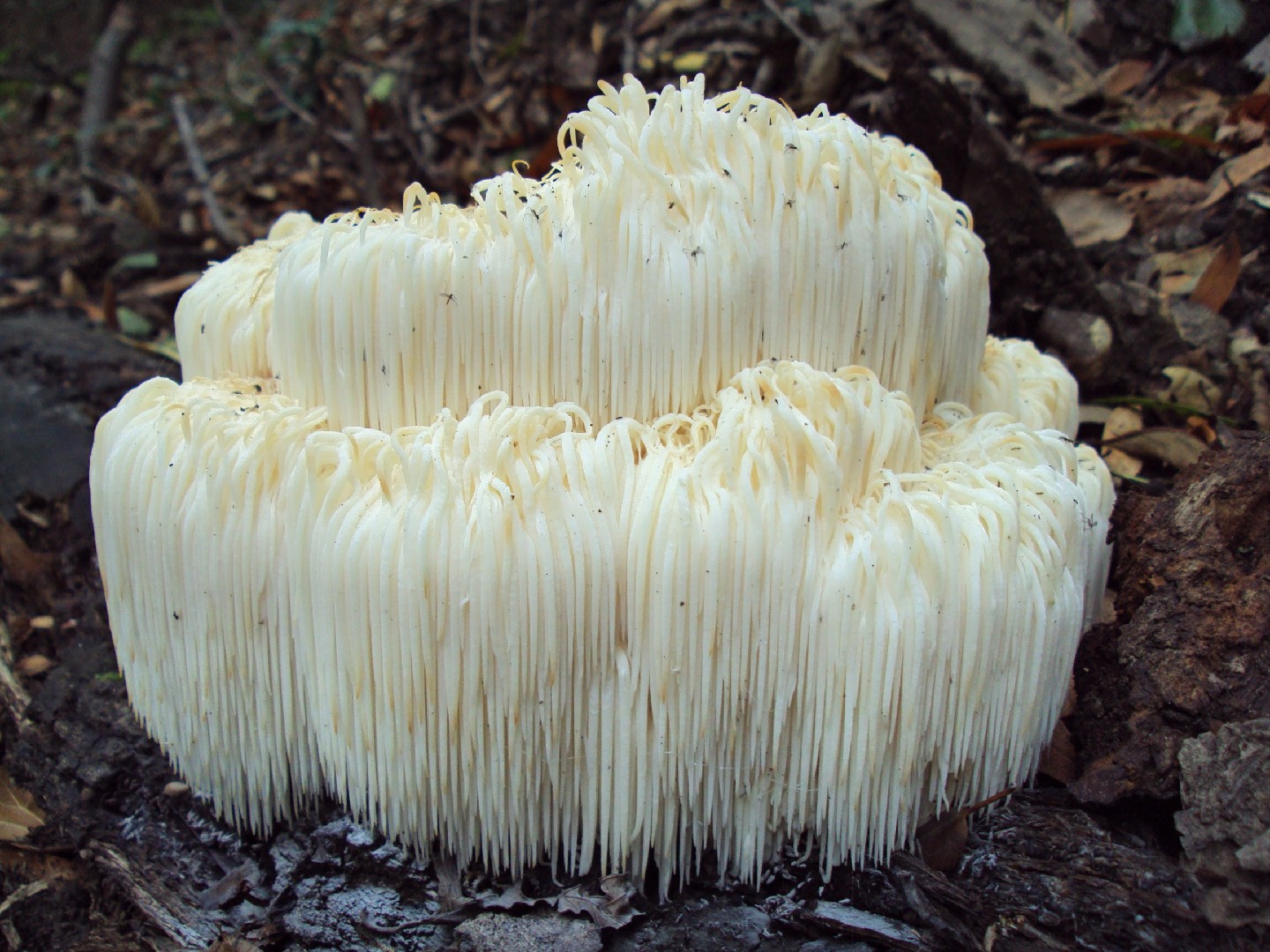
2. Lion's Mane Mushroom
Lion's Mane Mushroom(Hericium erinaceus) is easily identifiable by its characteristic appearance, reminiscent of the majestic mane of a lion. It often sprouts along hardwoods, which may be living or dead. Scientists thus debate whether this species is truly parasitic or merely saprophytic in nature.
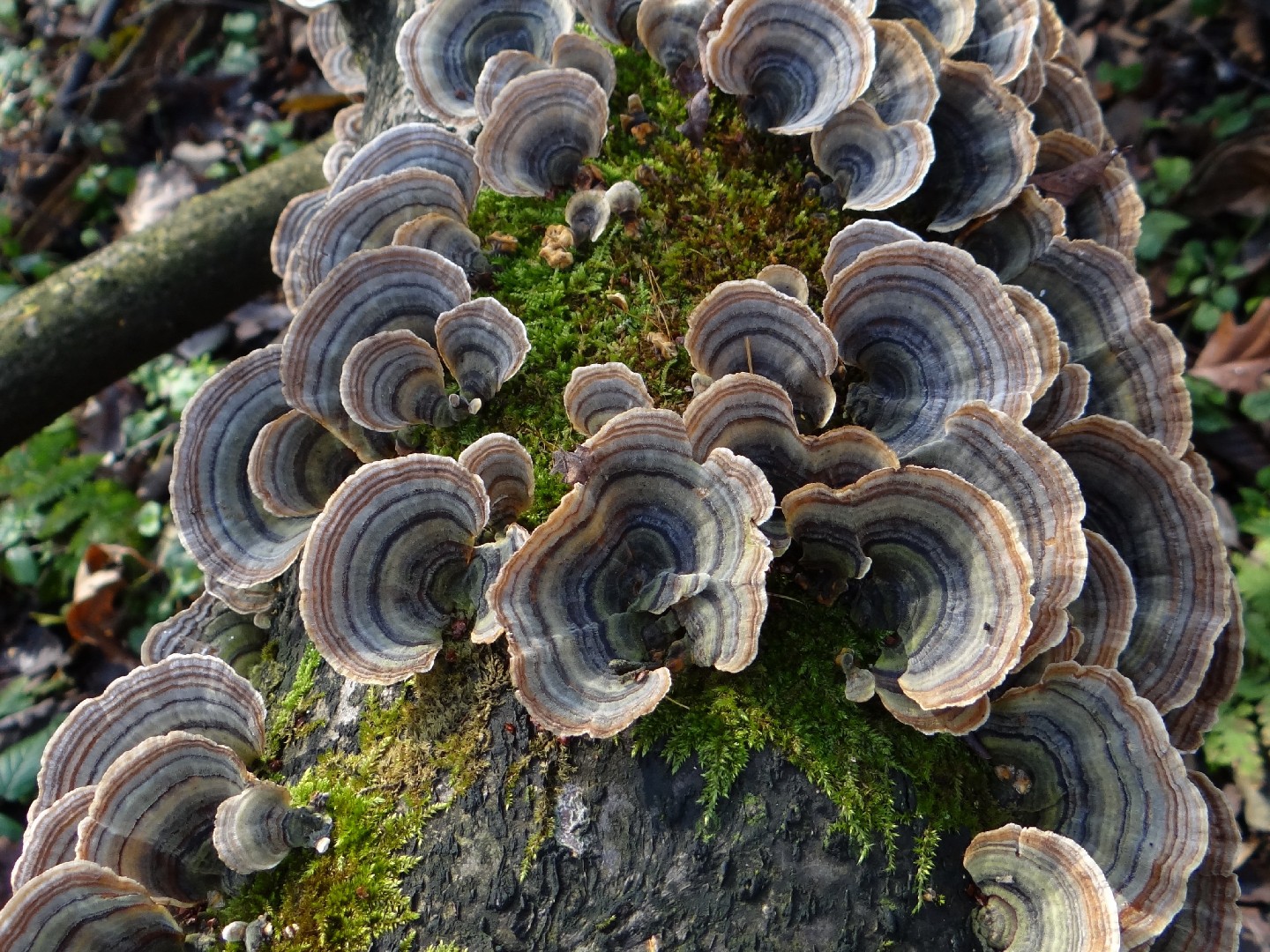
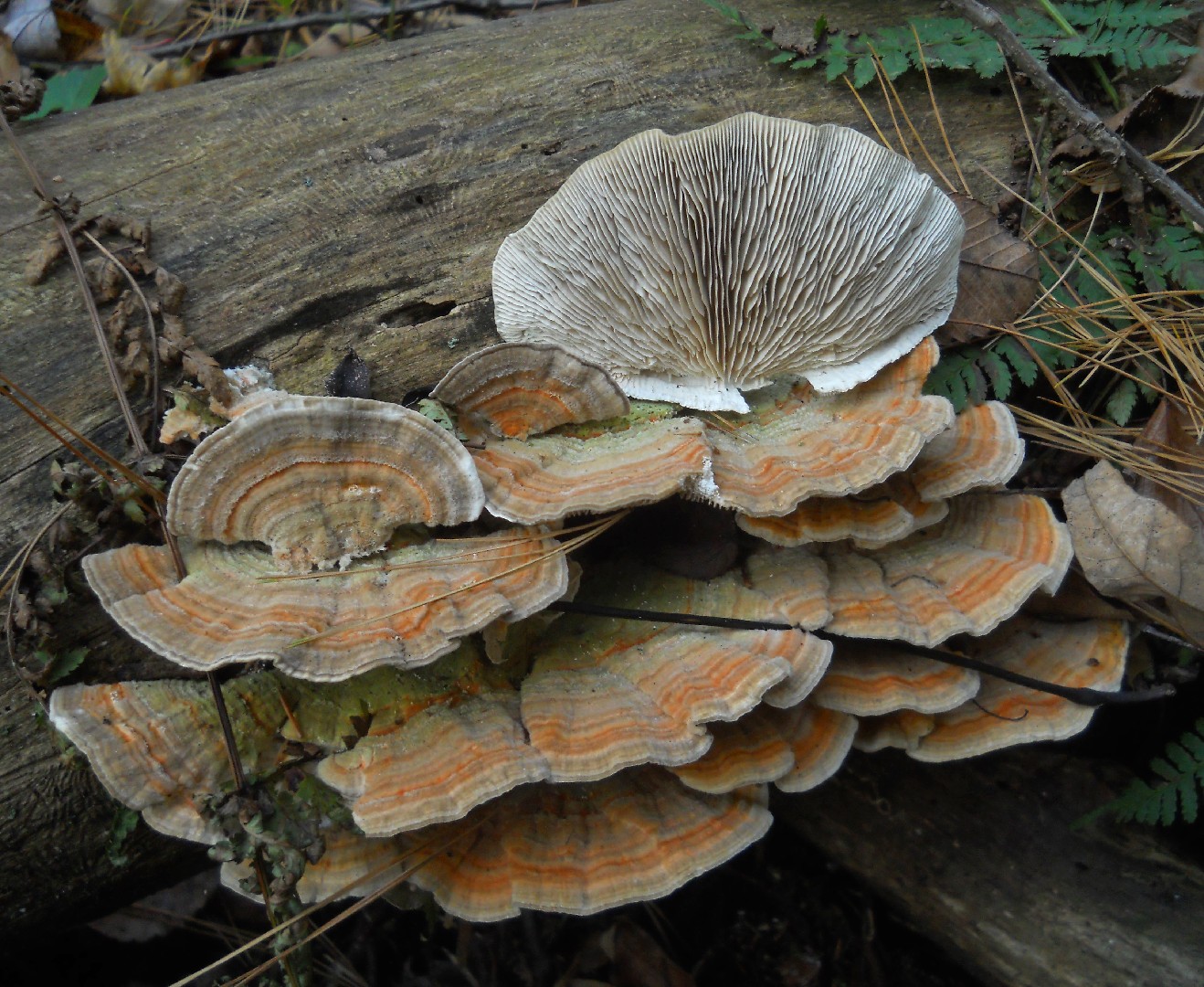
3. Turkey tail
The distinctively-striped turkey tail fungus grows on stumps and logs all over the forests of the northern hemisphere. It is, in fact, probably the most common species you will find. That doesn't mean this mushroom is plain, however; each cap is uniquely patterned. Look for bands of alternating textures as well as color.
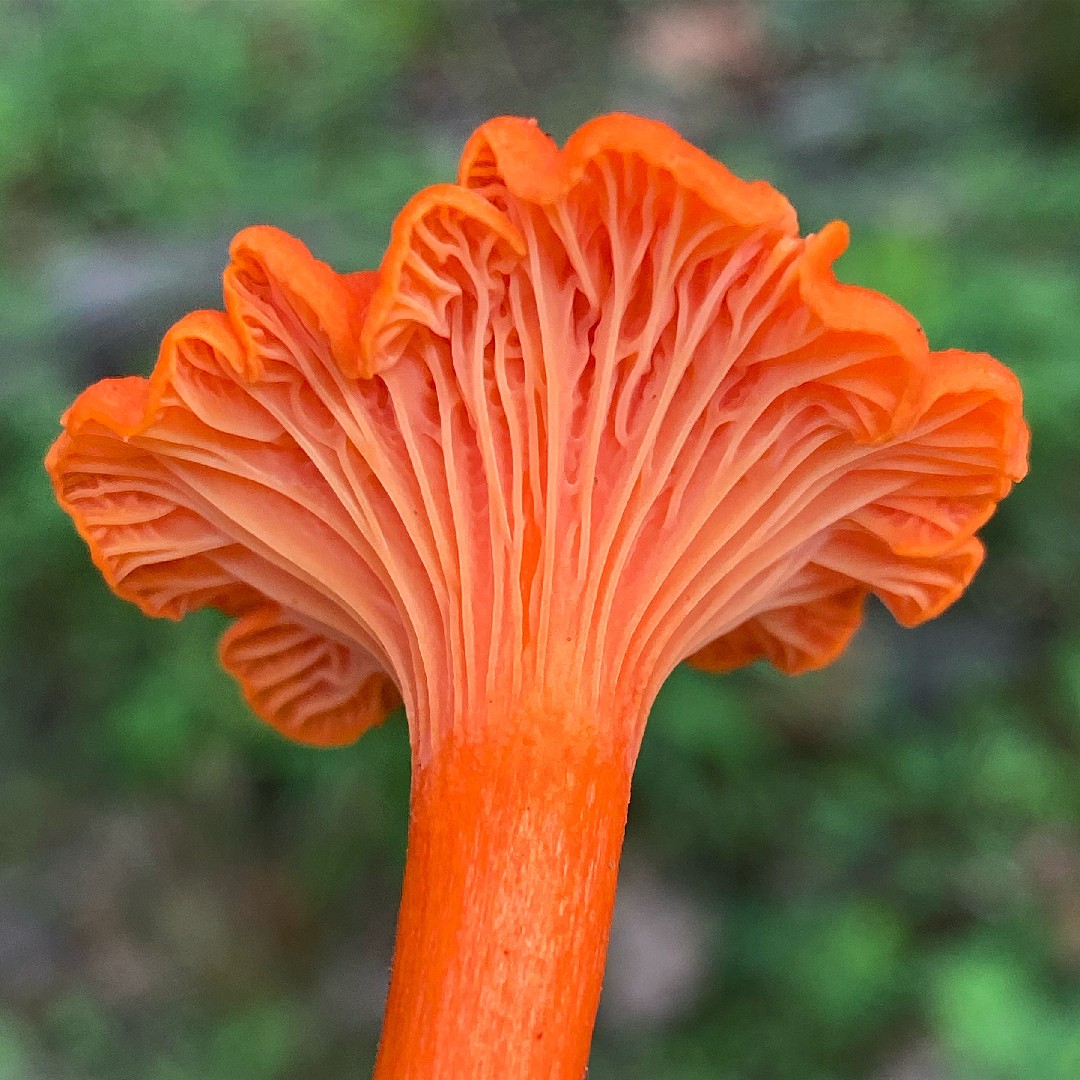
4. Red chanterelle
Red chanterelles can be found growing within hardwood forests across eastern North America. These small but striking mushrooms range from orange to red to pink in color. Edible and boasting complex flavors, many chanterelles are highly sought after. The red chanterelle, though less famous than some of its close relatives, is no exception. This species can be used in all sorts of recipes, with a vaguely sweet or piney taste.
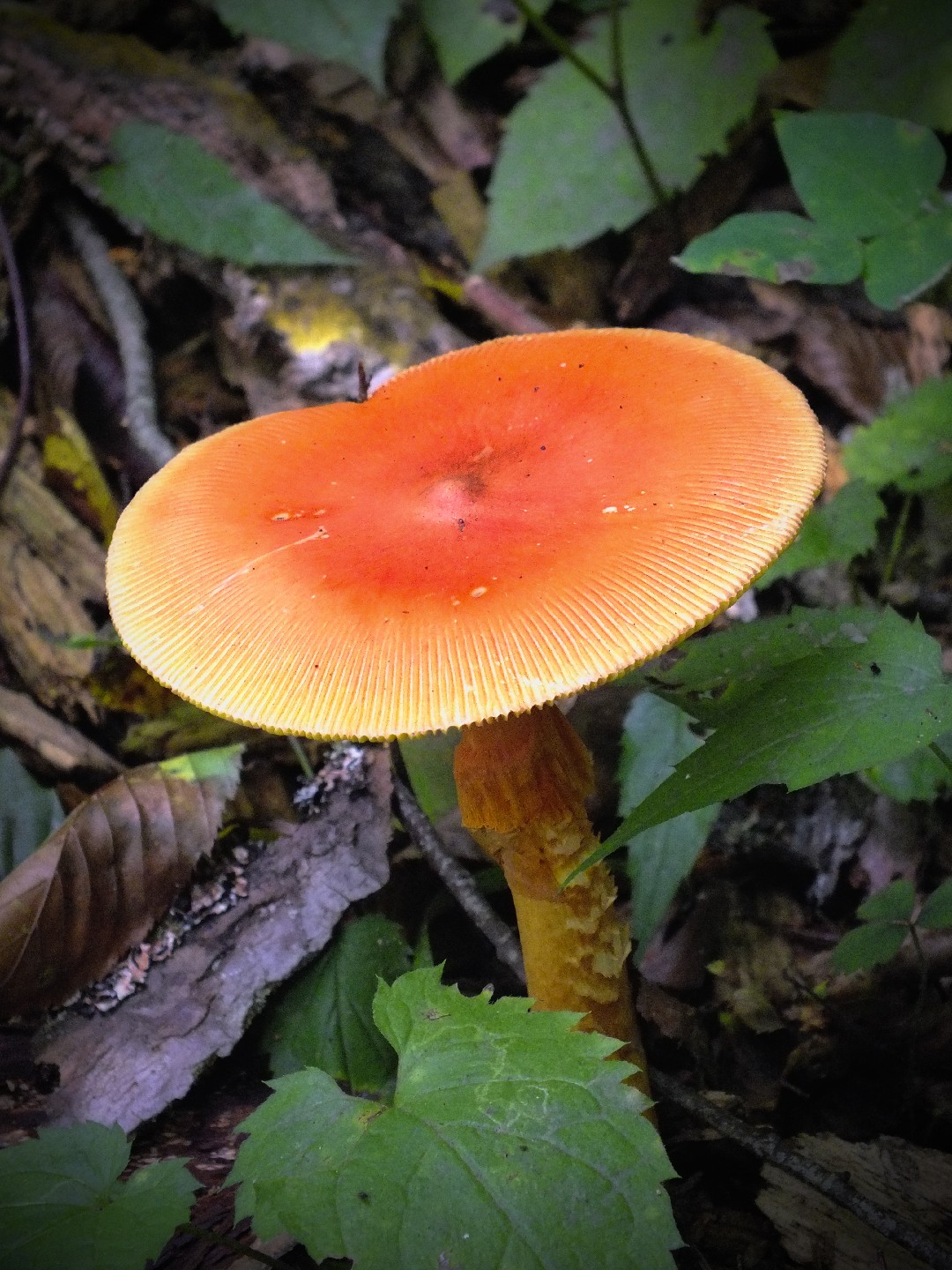
5. Jackson's slender caesar
The jackson's slender caesar is a strikingly colorful member of the Amanita genus. The mushroom's bold hues - it often sports deep reds, oranges, or yellows - make it easily identifiable. Jackson's slender caesars are native to eastern North America, and particularly common in the pine forests of the American southeast.
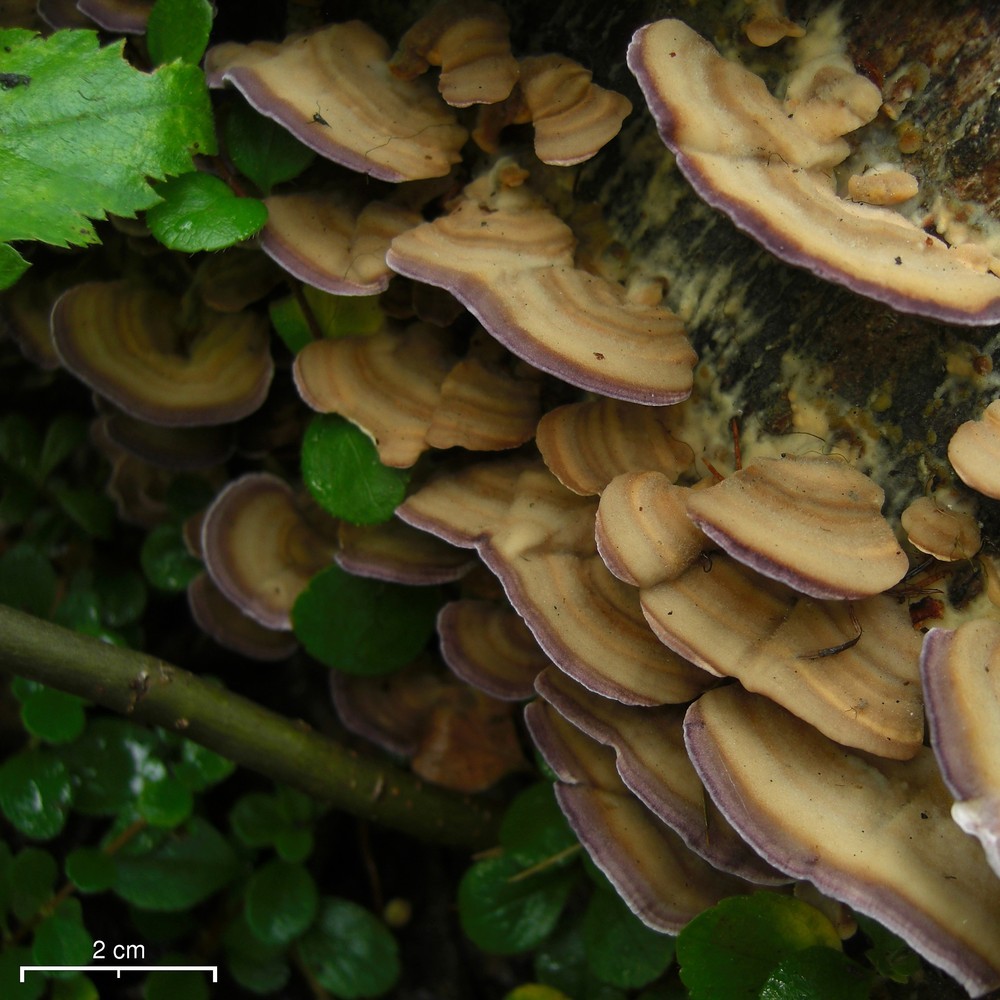
6. Violet-toothed polypore
This inedible shelf or bracket fungus grows in overlapping clusters and layers on hardwood stumps and fallen logs. It also causes a sapwood rot in standing trees. Check under the violet-toothed polypore's cap for its secret lilac-shaded pore surface studded with descending “teeth.”
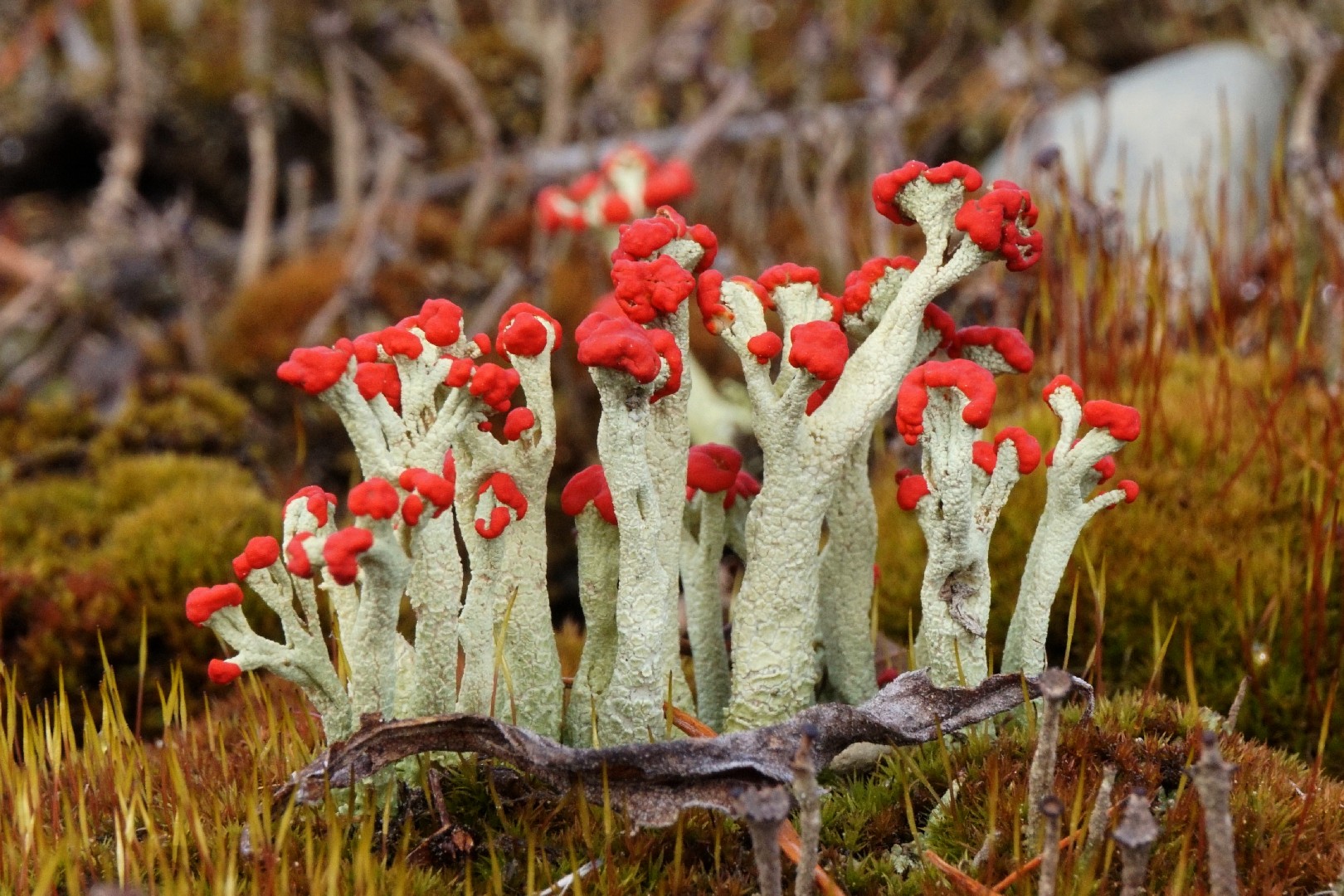
7. British soldiers
The british soldiers is a brightly-colored cup lichen that's formed in the mutual symbiosis of an alga and fungus. British soldiers are named after the interesting fruit body structures that resemble the red hats that British soldiers wore during the American Revolutionary War. The red "hats", which are brightest in early spring, are the sexual fruiting structures of the mushroom.

8. Oak bracket
Oak bracket(Pseudoinonotus dryadeus) is a rather large fungus that acts as a parasite to living or recently deceased oaks. Particularly striking are the amber-colored droplets of liquid this species secretes, which may resemble honey in appearance. If sufficiently mature, the fungus can ring the circumference of an entire oak tree. It is thought to be inedible.
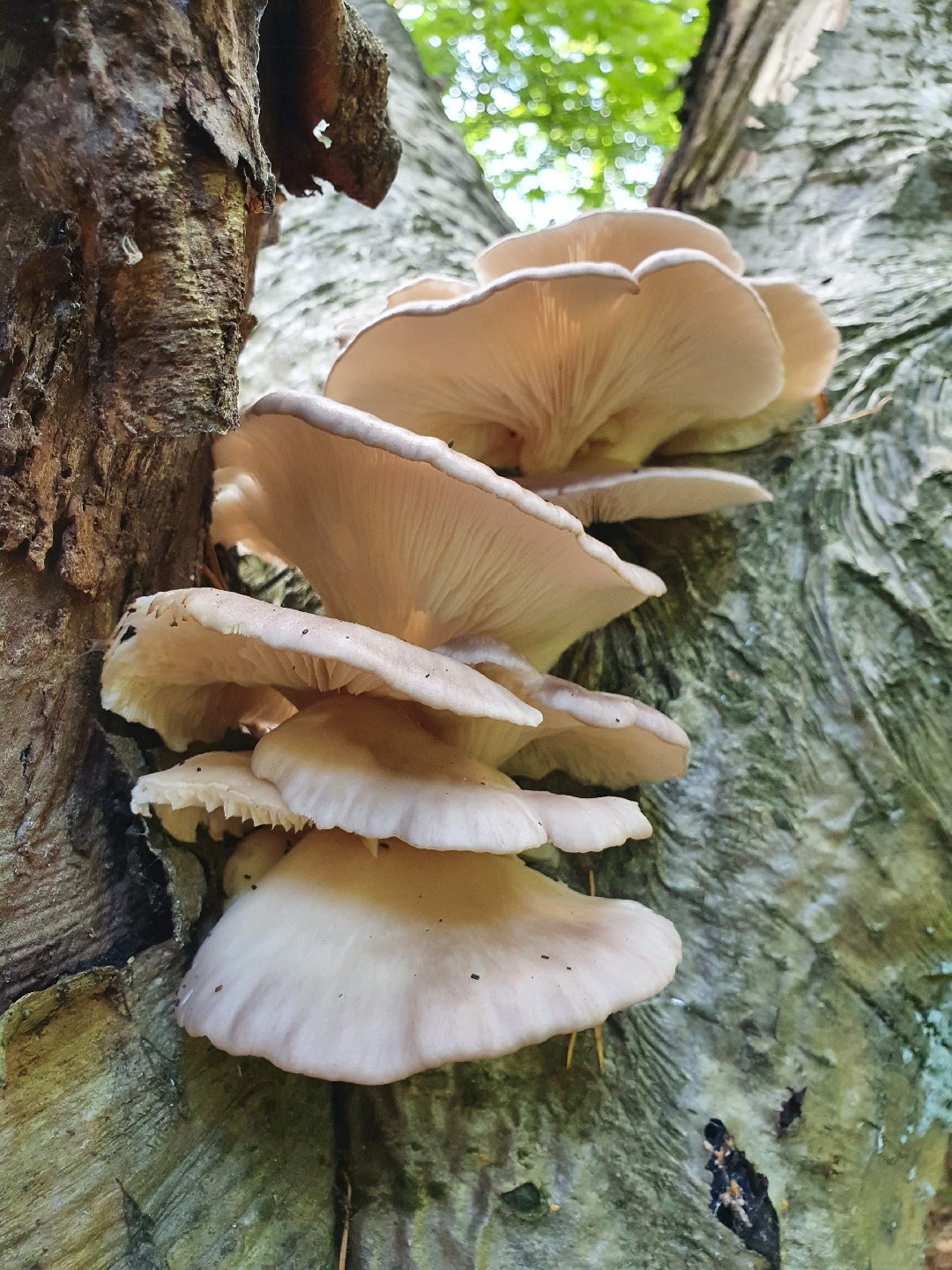
9. Oyster mushroom
Oyster mushrooms grow wild but are also cultivated for sale in supermarkets. They can even be cultivated at home. They will grow on coffee grounds and spent grain, and are occasionally even fashioned into an environmentally-friendly substitute for styrofoam. There are several toxic look-alike species, so it is best to buy these mushrooms at the store.
10. Black trumpet
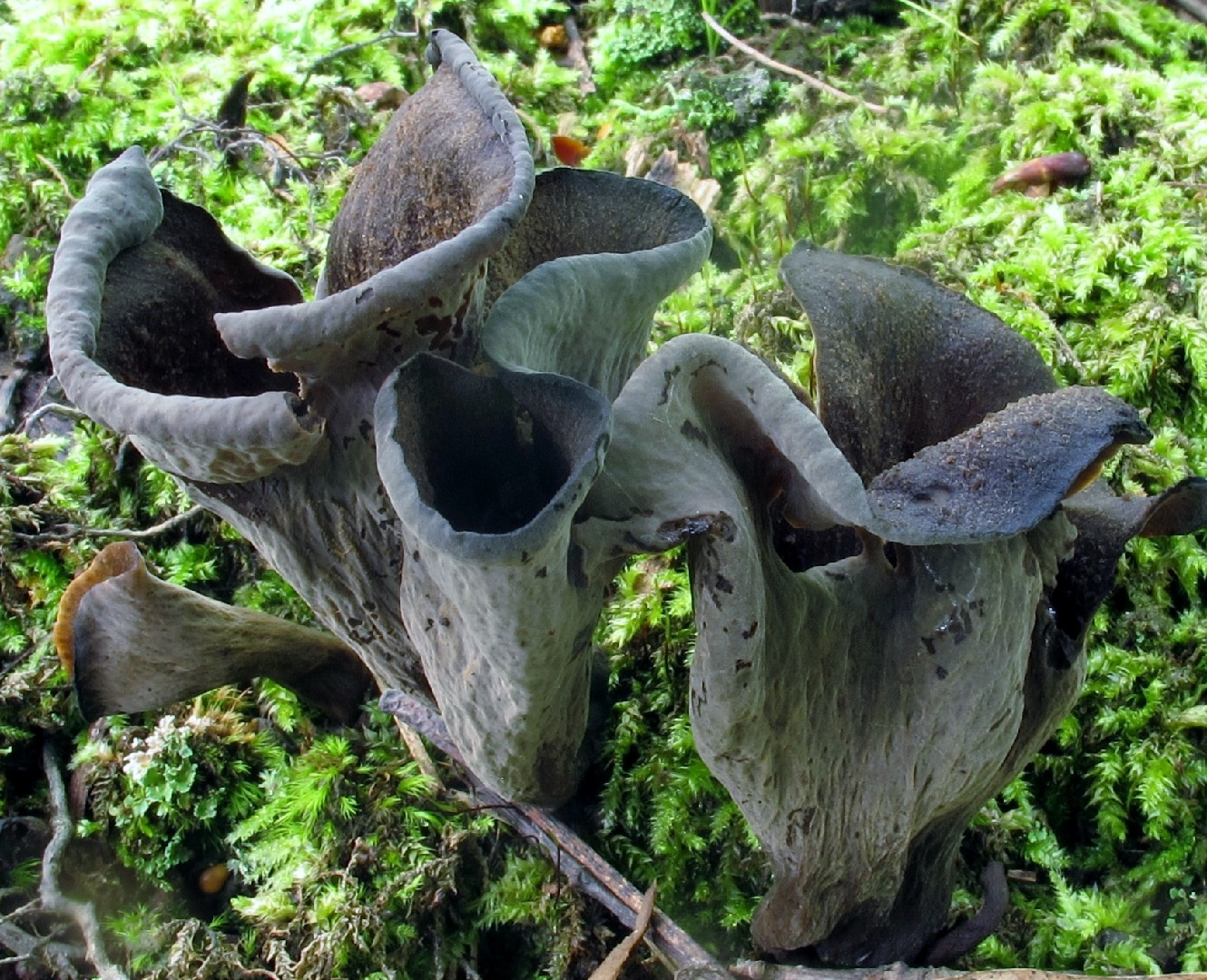
The black trumpet(Craterellus fallax) is a spooky-looking mushroom that emerges from leaf debris in a black, vase-shaped form. Typically growing in clumps, each fruitbody resembles a black funnel, which tapers into a stem of similarly-colored ridged gills. They can be hard to find on the forest floor, as they only grow 9 cm in height!

More







