




Top 20 Most Common Mushrooms in Arizona
Bask in the bounty of mycological flora found in the sun-kissed Arizona, a prime locale for mushroom enthusiasts. With its diverse climates—from cactus-studded desert landscapes to richly forested highlands—Arizona furnishes an assortment of ecosystems for mushrooms to thrive. This article will delve into the top 20 most common mushrooms found within Arizona, providing an enriching snapshot of the region's mycological diversity. Simultaneously, important identifying characteristics and significant elements will be elucidated to ensure a safe and fruitful foraging adventure.

Most Common Mushrooms
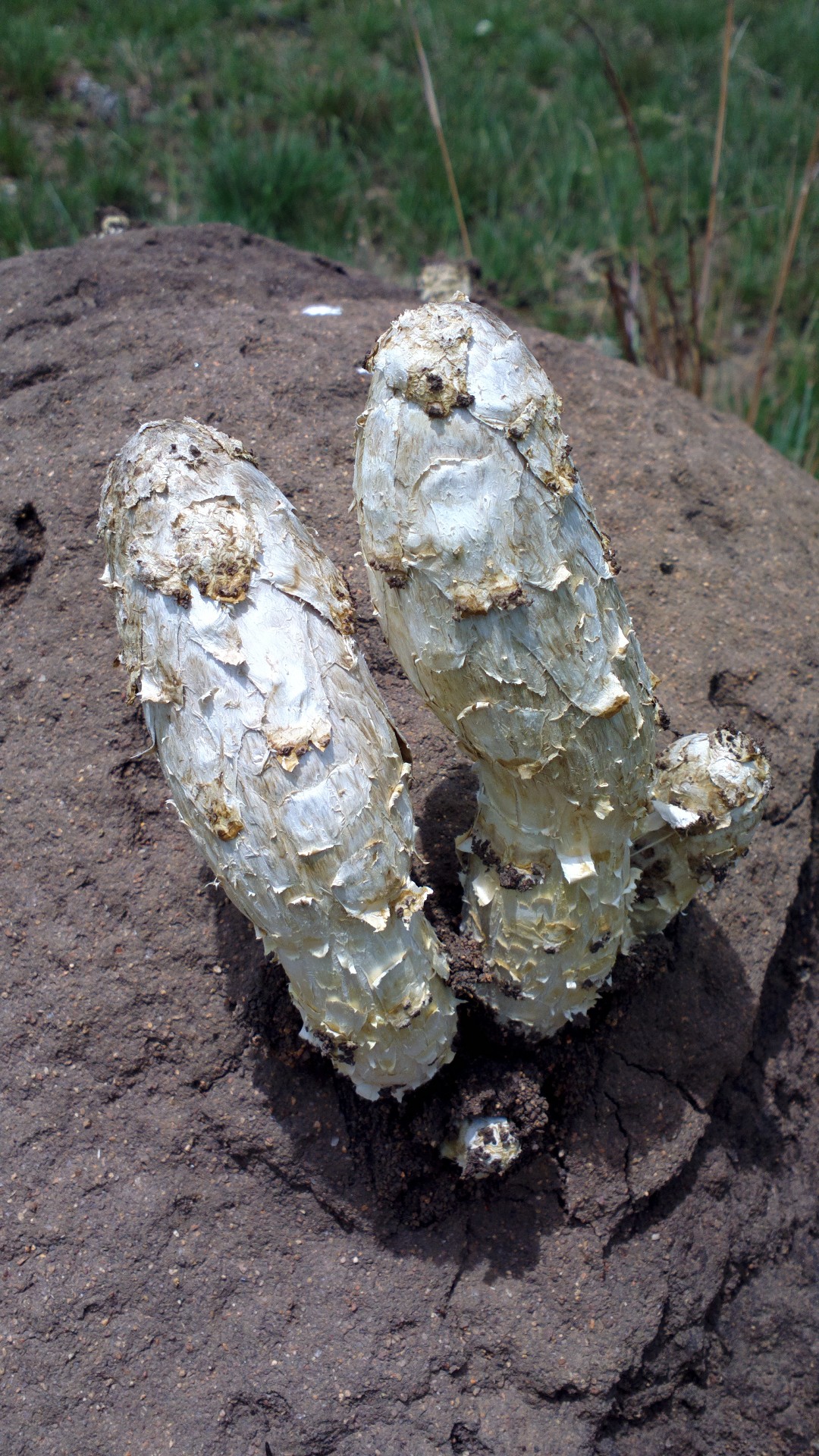
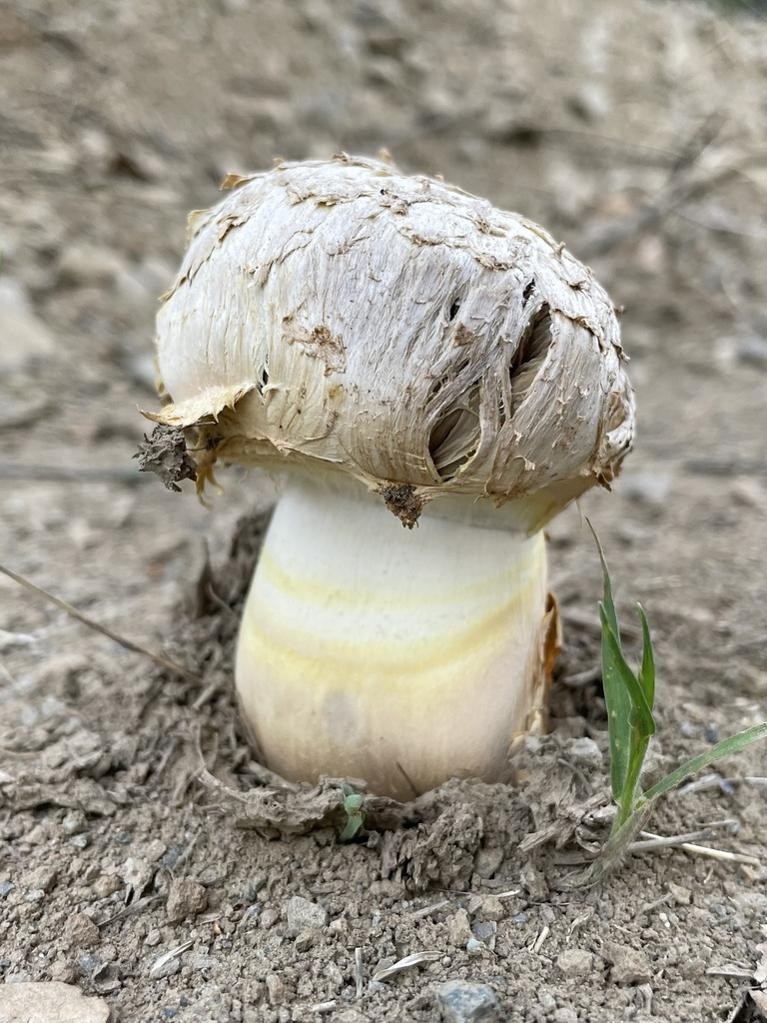
1. Desert shaggy mane
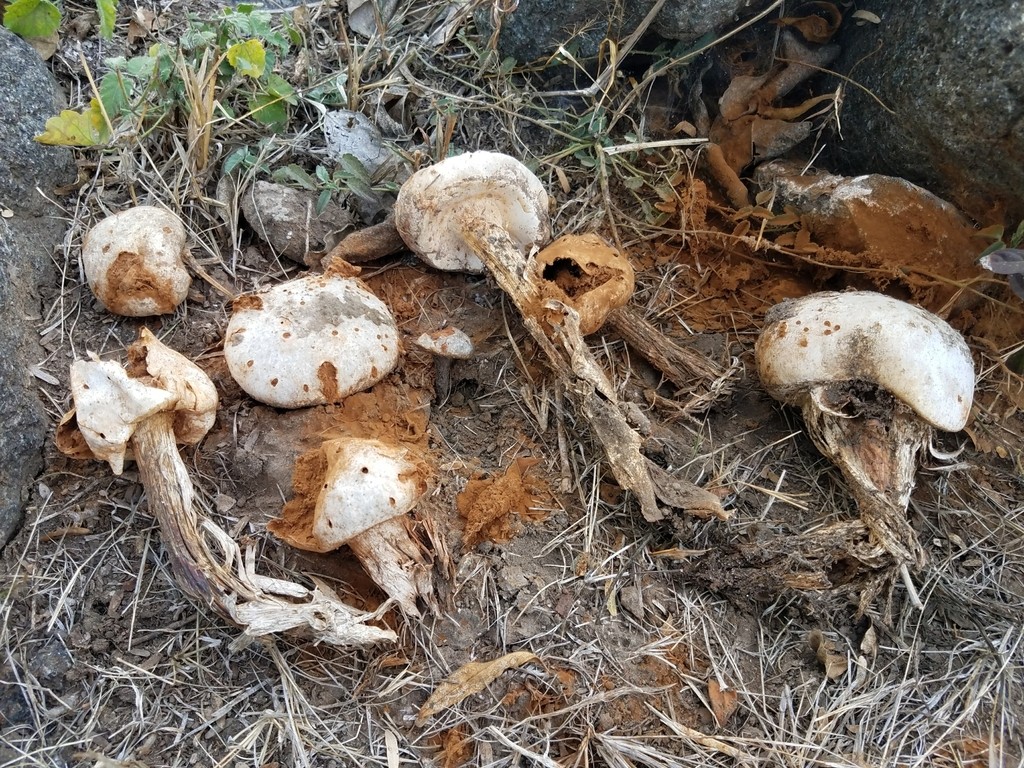
As its name suggests, the desert shaggy mane (Podaxis pistillaris) erupts from seemingly improbably conditions, out of the hot and arid ground in North American deserts. They are commonly found living harmoniously with colonies of termites in termite mounds. The desert shaggy mane is toxic and not safe to consume.
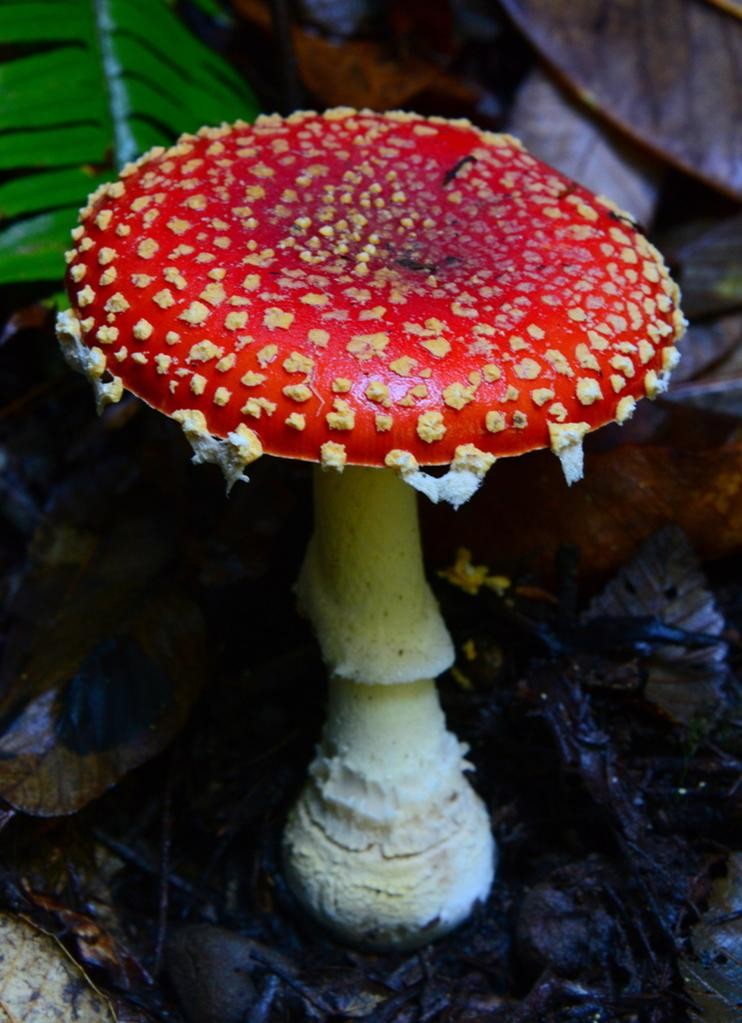
2. Fly agaric
In Northern Asia and Europe, fly agaric grows under trees near the winter solstice and is collected for ritual use tied to the season. Its characteristic shape and coloring are still ubiquitous in many European fairy tale illustrations and Christmas traditions. It is highly toxic.
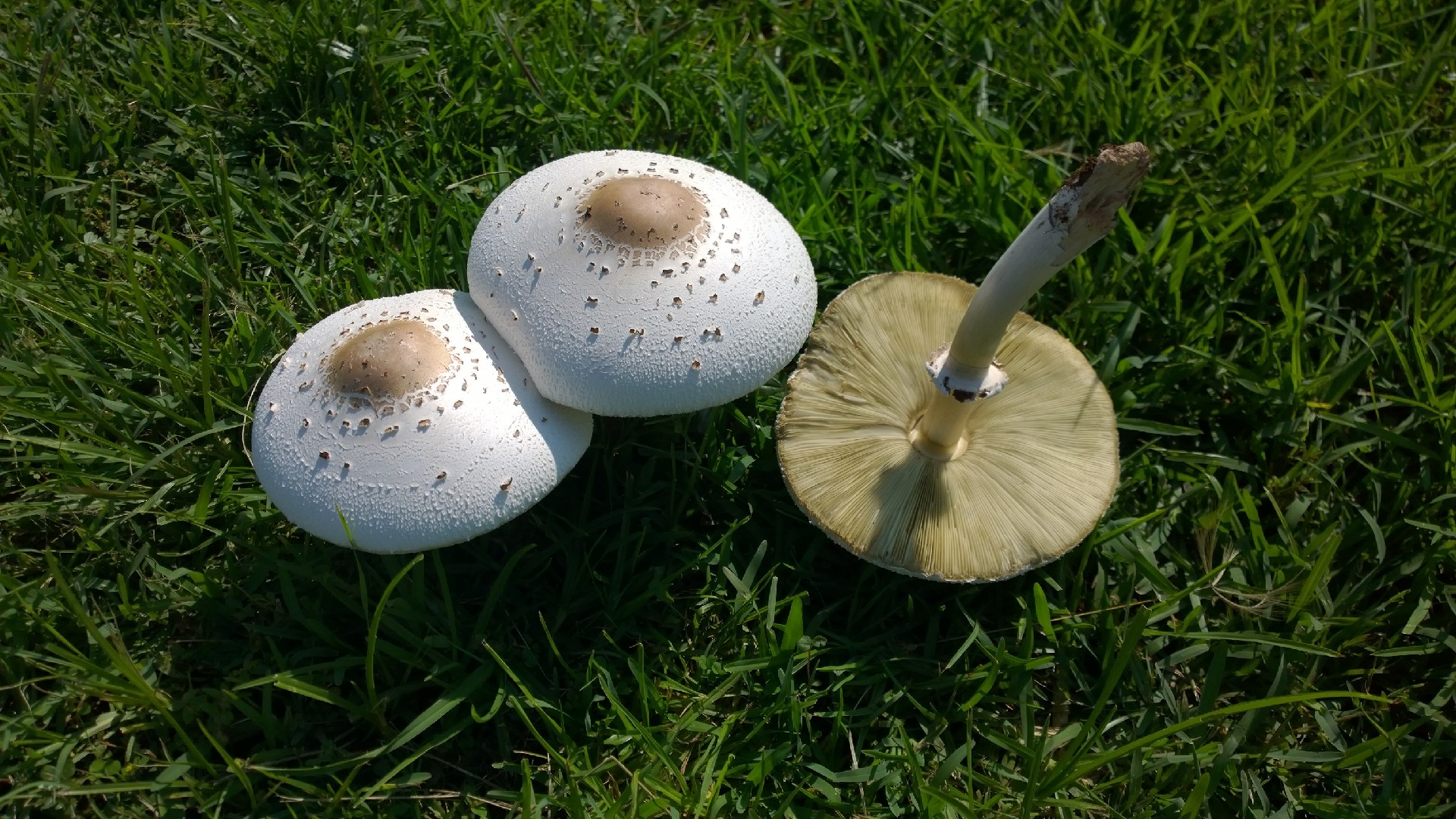
3. False parasol
Though the false parasol appears unassuming, the species is famous—or, infamous—for its toxicity. It looks unfortunately similar to Agericus campestrus, a commonly eaten mushroom, but the false parasol can be distinguished by its highly unusual green spore print. Although they are no good to eat, they can be pretty to look at. The species may grow in ring-shaped groups in meadows and on forest floors in what are sometimes called "fairy circles."
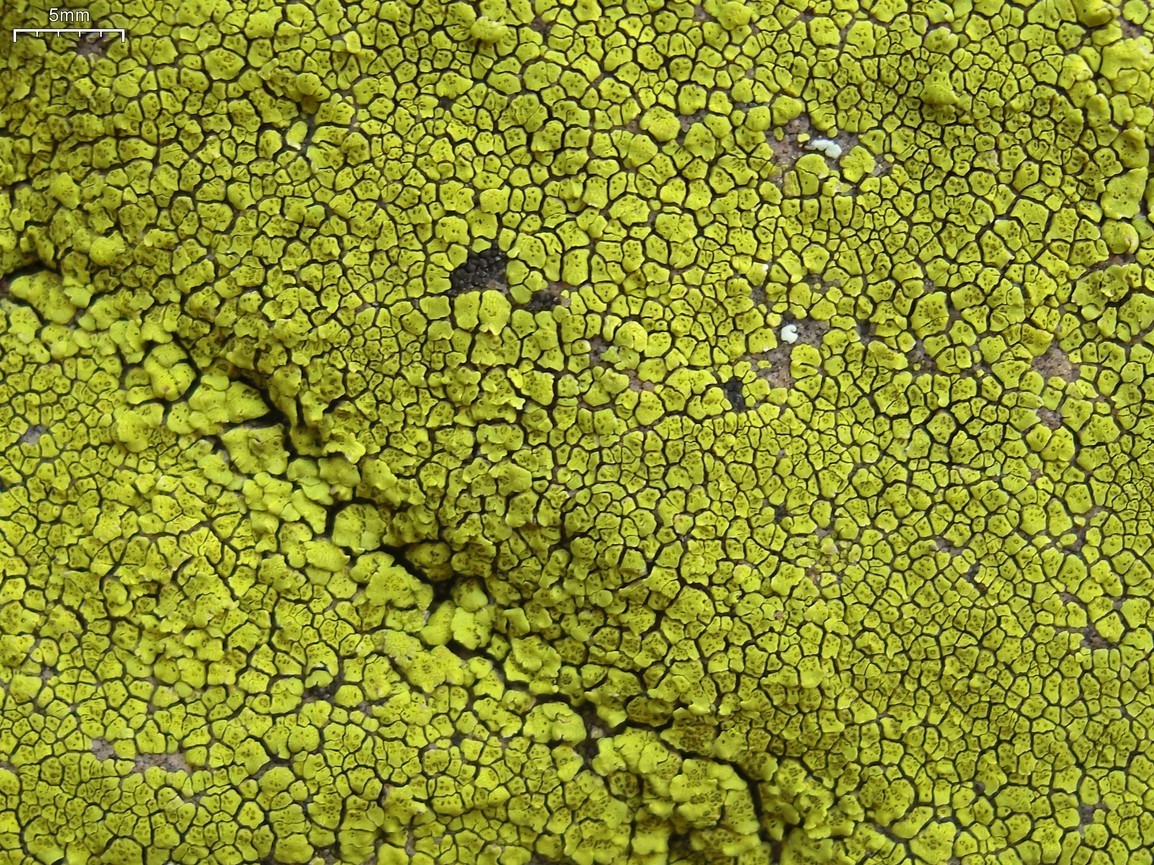
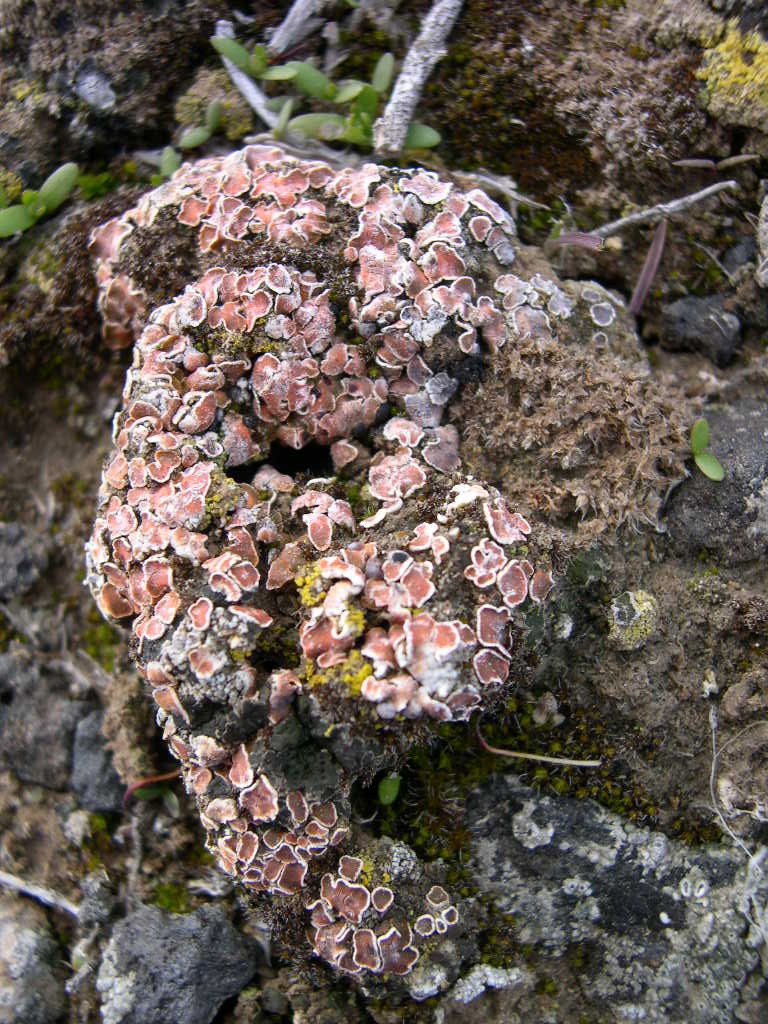
4. Bright cobblestone lichen
5. Battarreoides diguetii
6. Flowerpot parasol
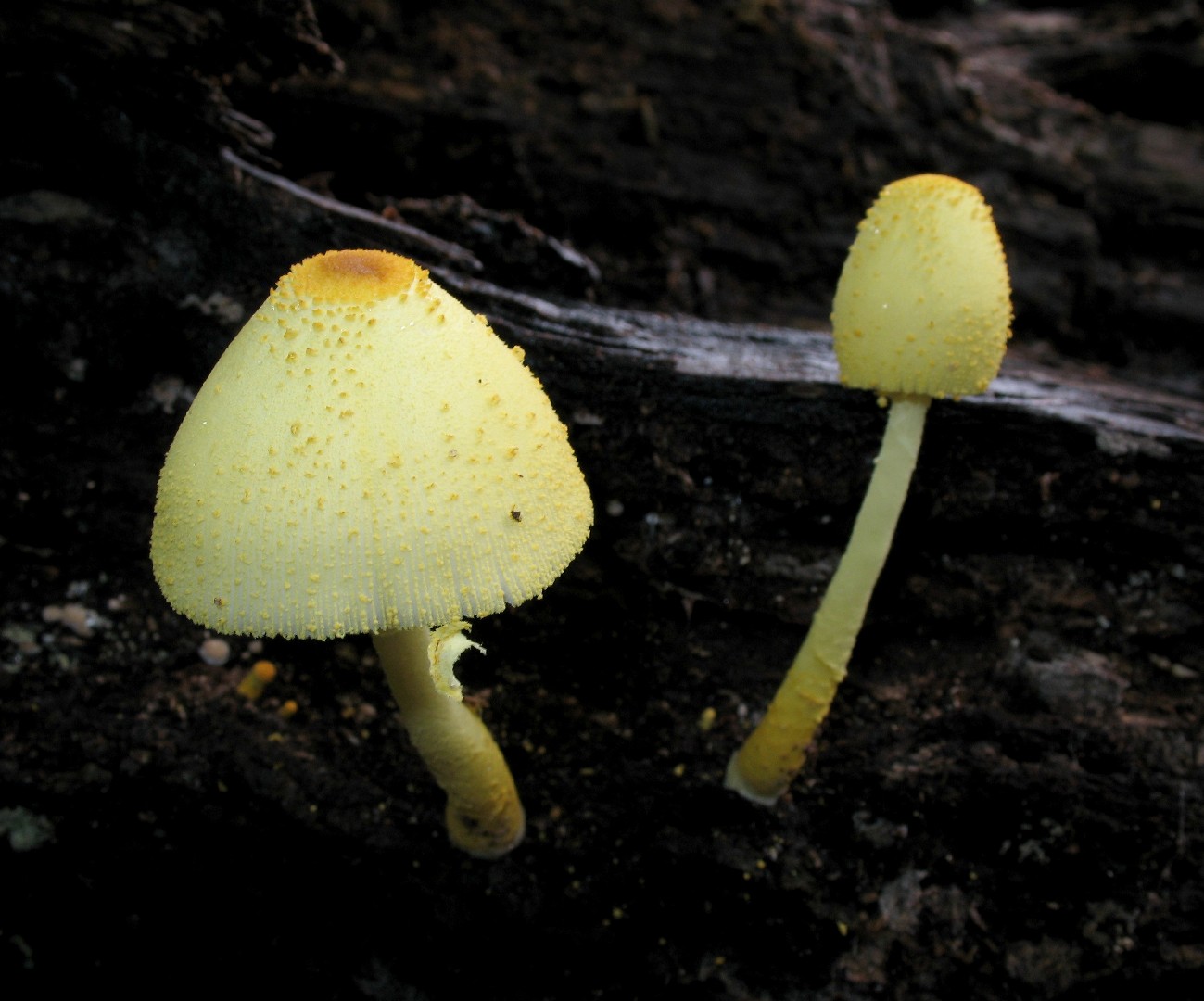
This tropical/subtropical mushroom is known to be toxic. If eaten it causes a very unpleasant stomachache with the risk of fatal complications. In temperate zones, flowerpot parasol is only found in hothouses and greenhouses, so the risk of accidental foraging is low, but it may occur with potted plants and indoor landscaping and pose a risk to curious children.
7. Shaggy mane
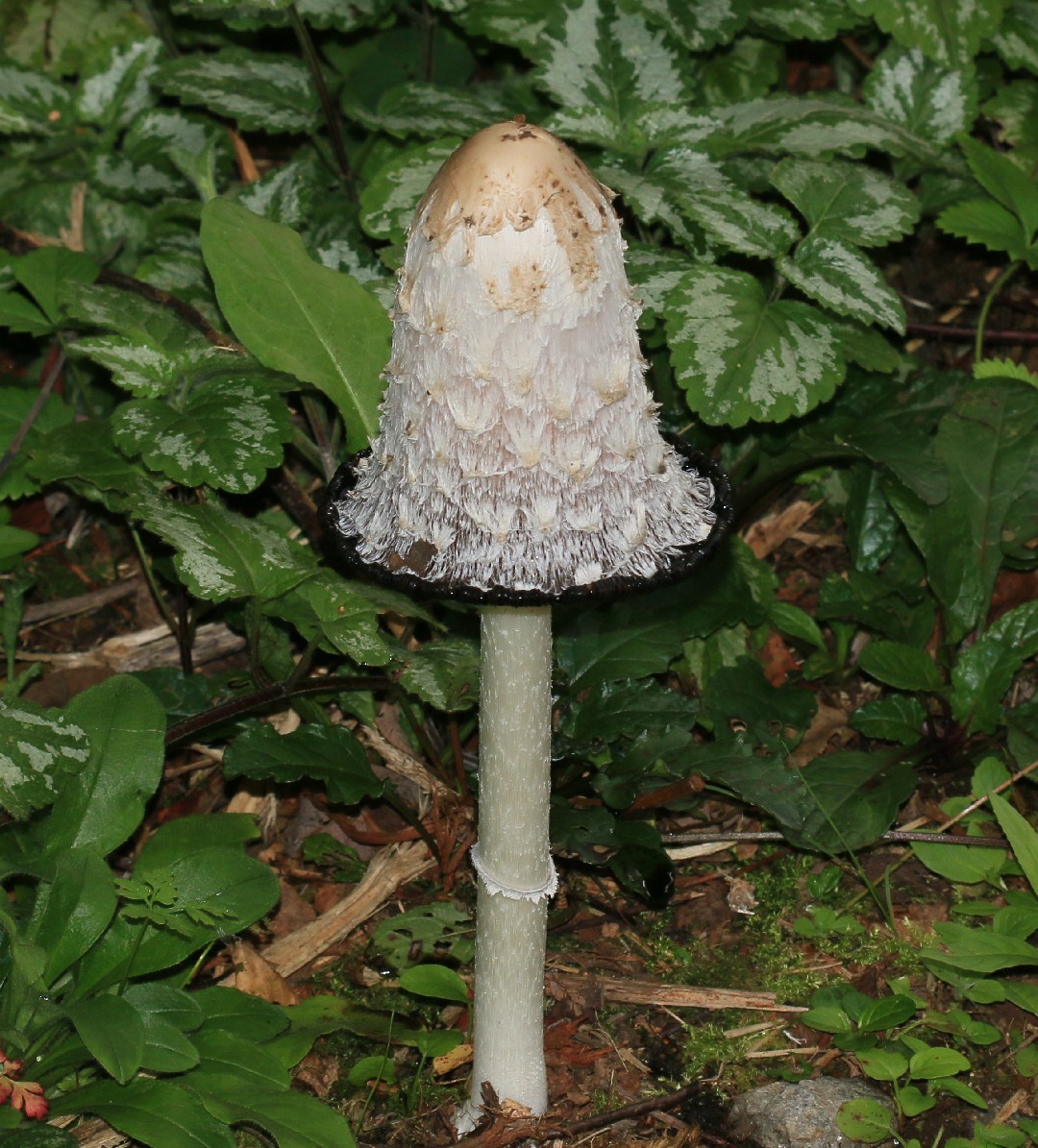
The shaggy mane mushroom is commonly found in North American and European grasslands. Some peoples foraged for its young egg-shaped caps, but it has more recently been found to be a bioaccumulator of heavy metals, meaning it pulls toxic metals up from the soil where it grows. As a result, shaggy manes should not be eaten. The mushrooms usually appear in clusters or “fairy rings.”
8. Split gill
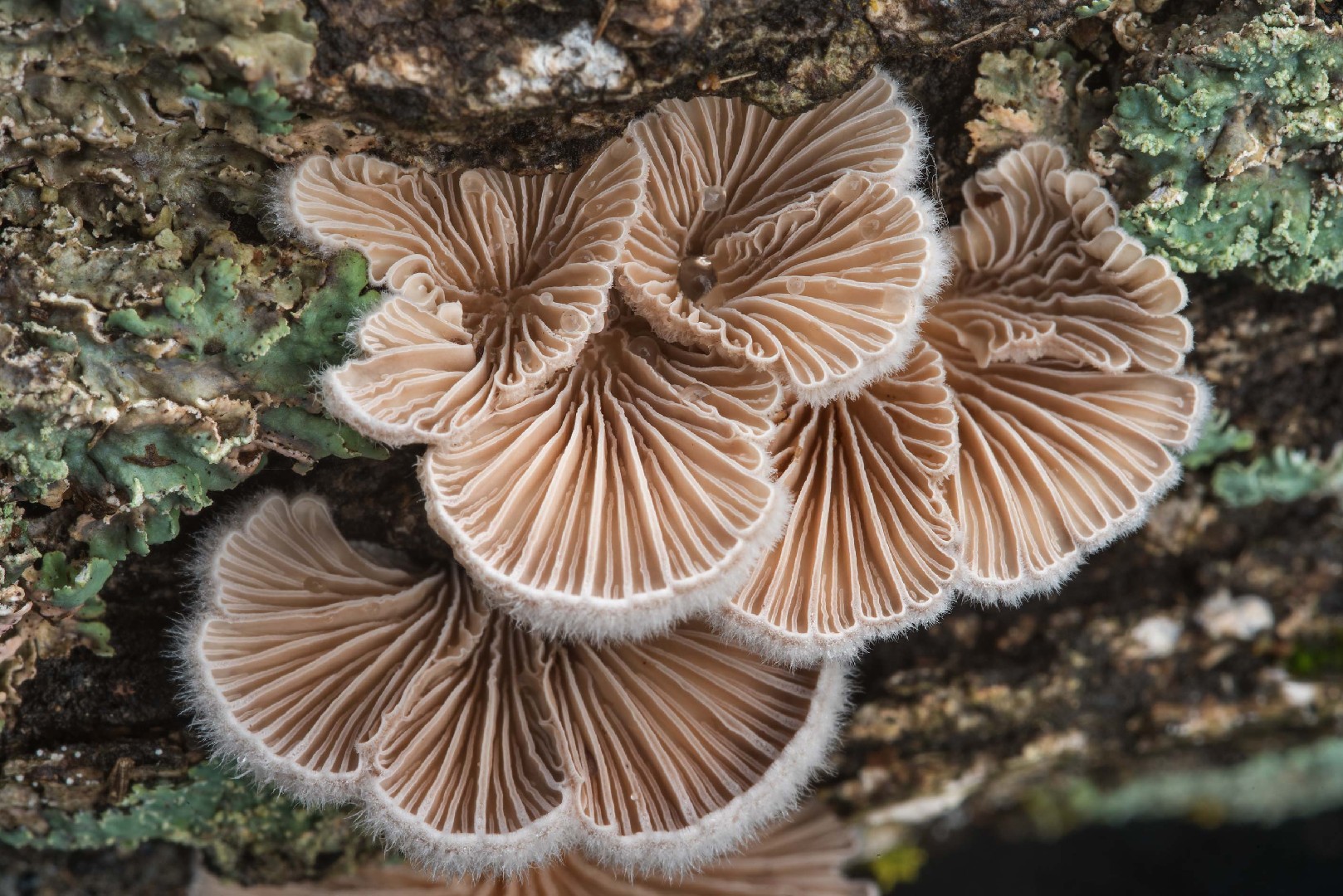
Split gill(Schizophyllum commune) can be found across the globe. Uniquely, it is the only mushroom species known to display the capability to retract by movement. It is considered inedible, although not necessarily toxic. Furthermore, it is not recommended to smell this species, as the spores are capable of sprouting and growing in nasal passages.
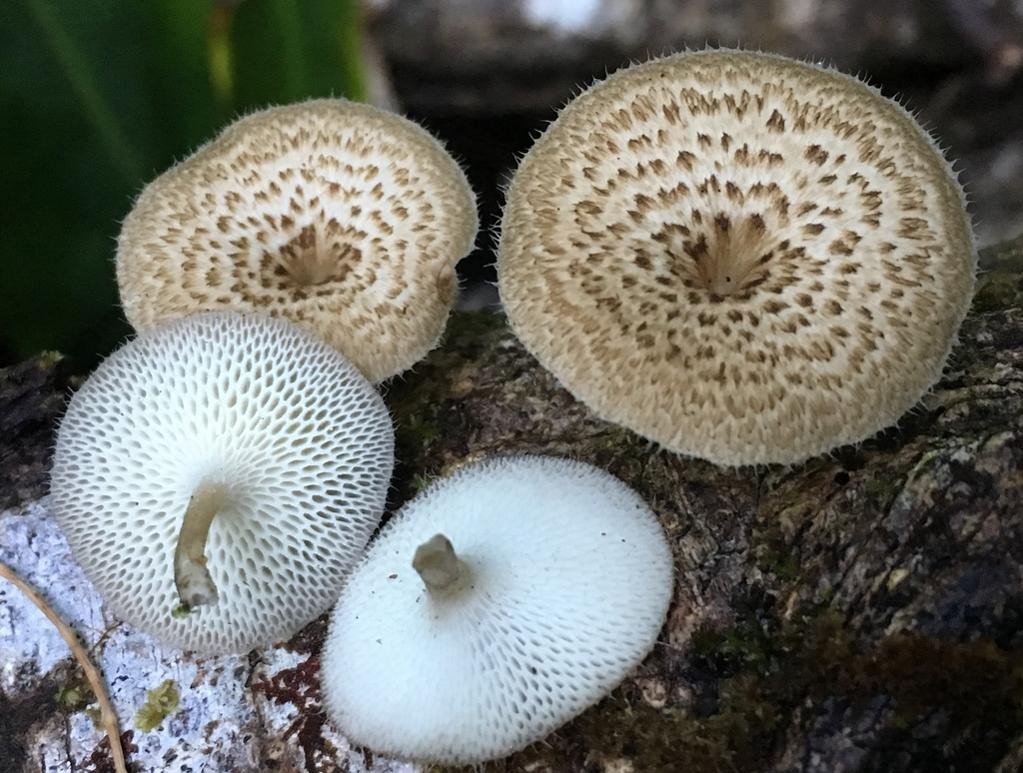
9. Spring polypore
Morel mushroom hunters may be most familiar with spring polypore since it is one of the earliest mushrooms to appear in the spring, as hinted by its name. Lentinus mushrooms typically have gills, but when investigated, this mushroom reveals surprising honeycomb-shaped pores.
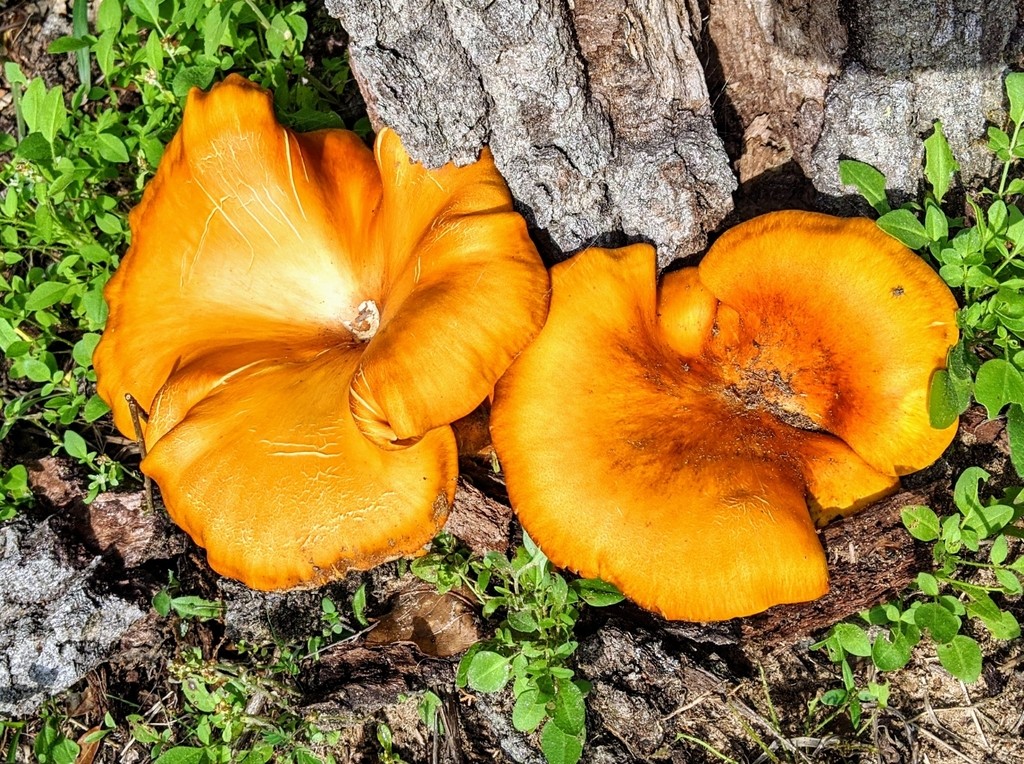
10. Southern jack o'lantern
As the name implies, the Southern jack o'lantern is not only a striking pumpkin-like orange color, but it also has the ability to glow in the dark — resembling carved Halloween jack o'lanterns with candles in them. This phenomenon that the southern jack o'lantern produces is called bioluminescence and is most evident at the peak of spore production.

More







