




Top 20 Most Common Mushrooms in Tucson
Nestled amongst stunning saguaro cacti and towering mountain ranges, Tucson is a remarkable biodiversity hub. Tucson features an array of mushrooms, making it a mycologist's wonderland. Into this wealth of fungi, we're categorizing the 20 most commonplace mushrooms. Dive in to explore their fascinating world!

Most Common Mushrooms
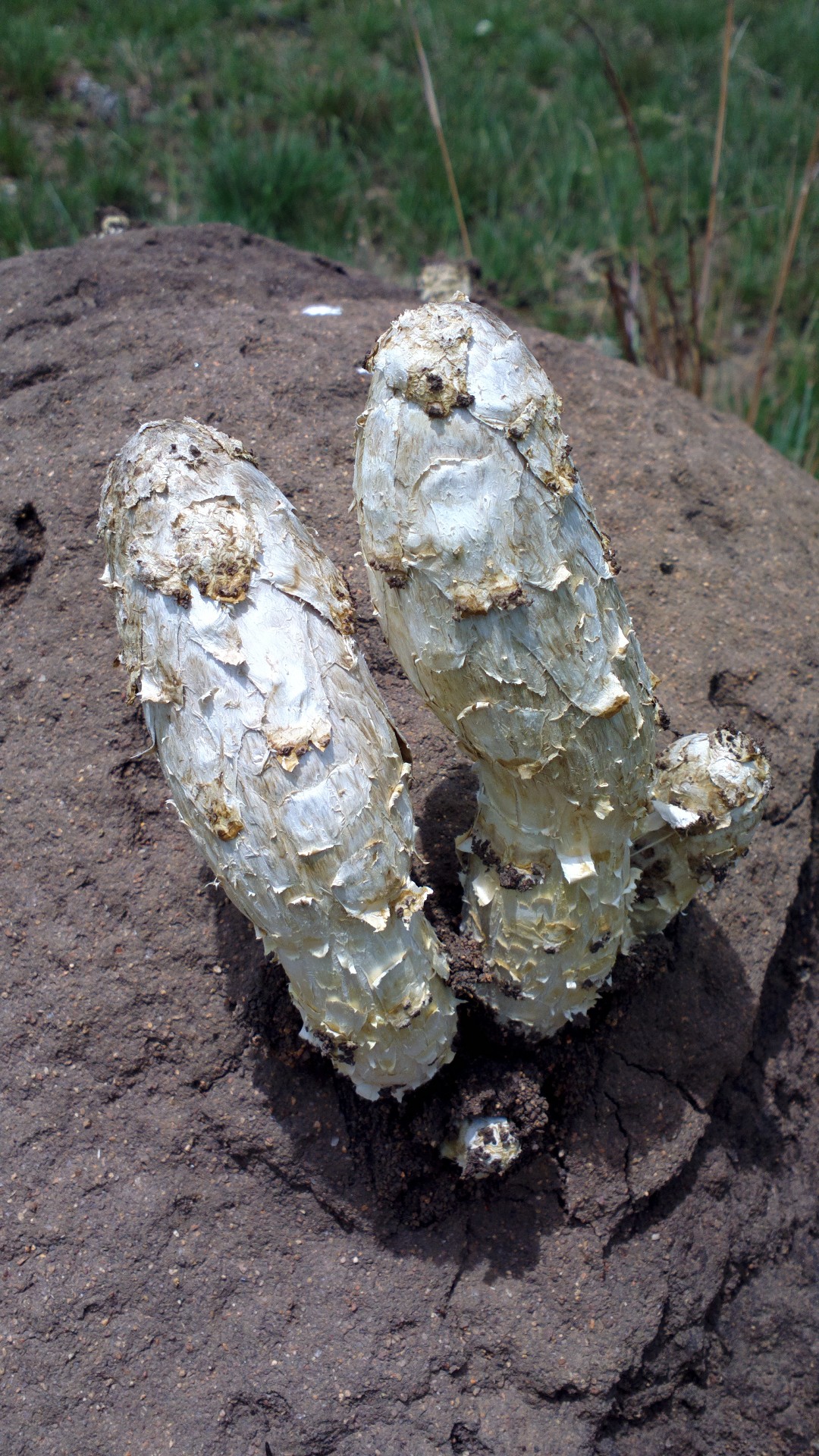
1. Desert shaggy mane
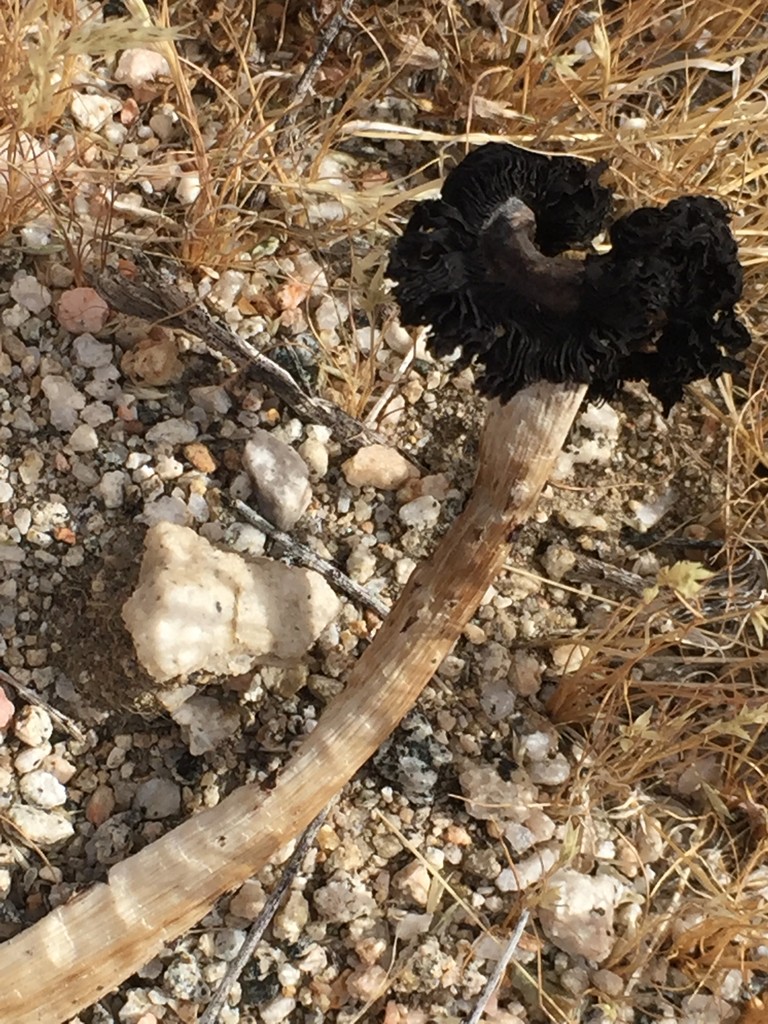
As its name suggests, the desert shaggy mane (Podaxis pistillaris) erupts from seemingly improbably conditions, out of the hot and arid ground in North American deserts. They are commonly found living harmoniously with colonies of termites in termite mounds. The desert shaggy mane is toxic and not safe to consume.
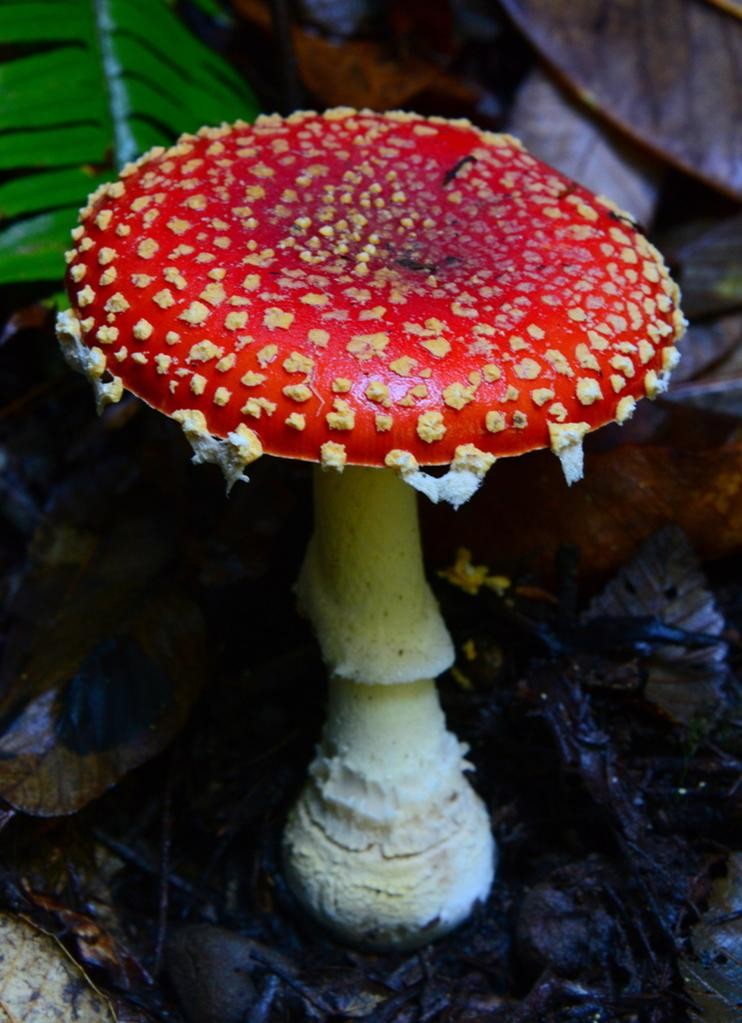
2. Fly agaric
In Northern Asia and Europe, fly agaric grows under trees near the winter solstice and is collected for ritual use tied to the season. Its characteristic shape and coloring are still ubiquitous in many European fairy tale illustrations and Christmas traditions. It is highly toxic.
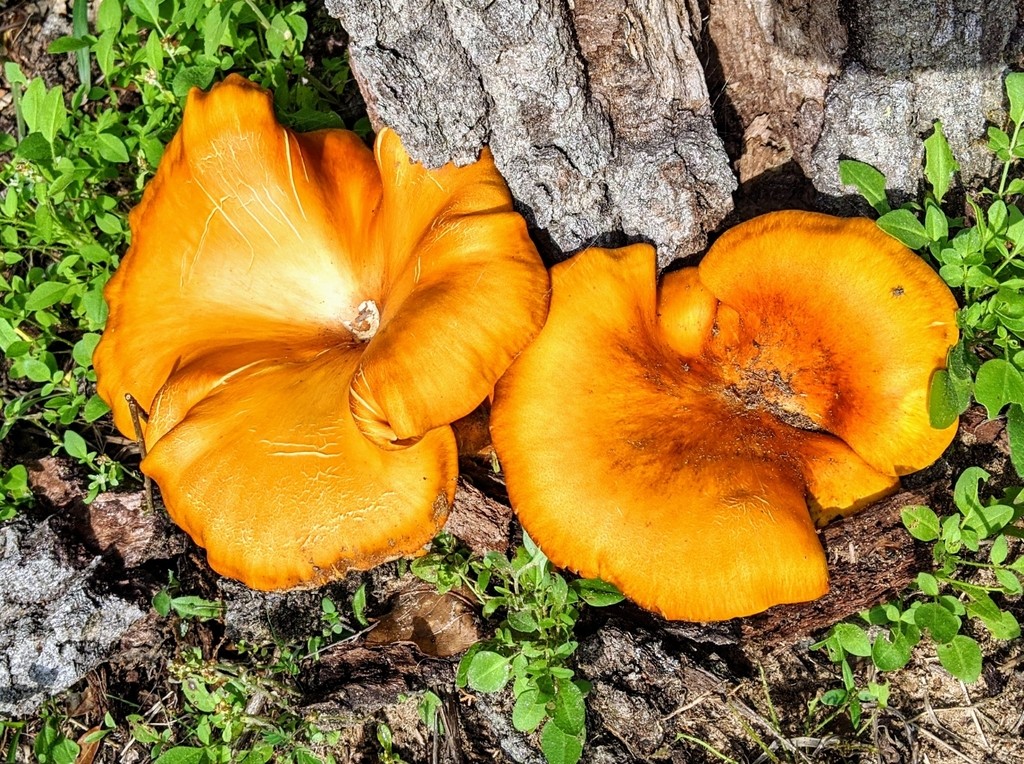
3. Southern jack o'lantern
As the name implies, the Southern jack o'lantern is not only a striking pumpkin-like orange color, but it also has the ability to glow in the dark — resembling carved Halloween jack o'lanterns with candles in them. This phenomenon that the southern jack o'lantern produces is called bioluminescence and is most evident at the peak of spore production.
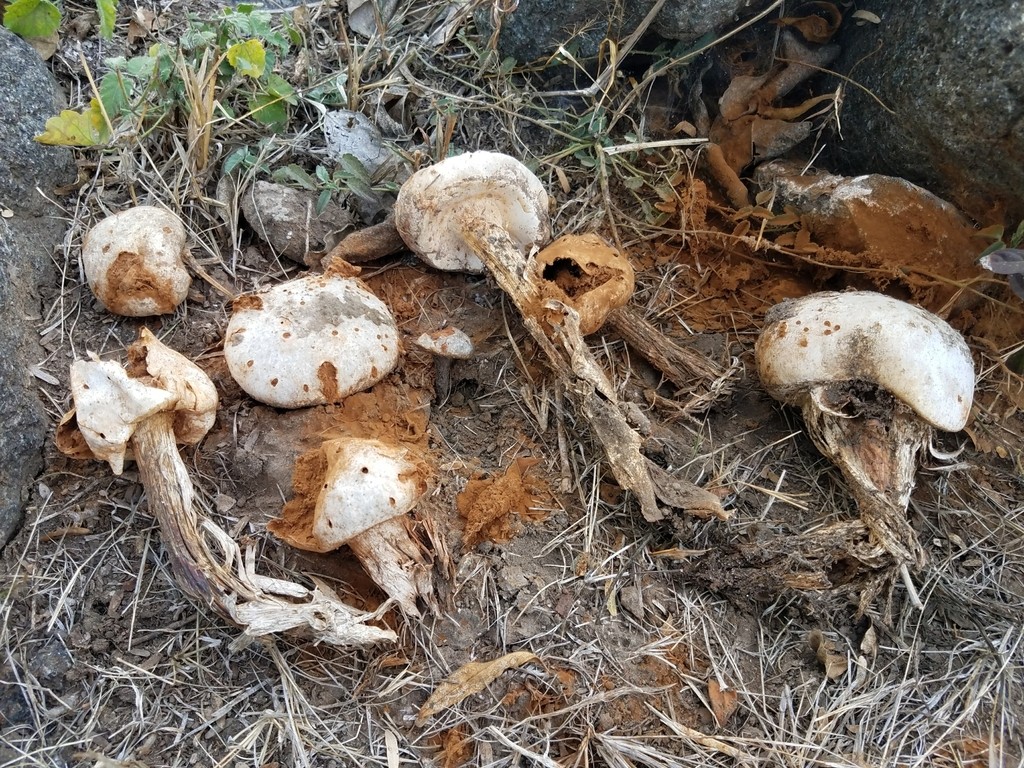
4. Battarreoides diguetii
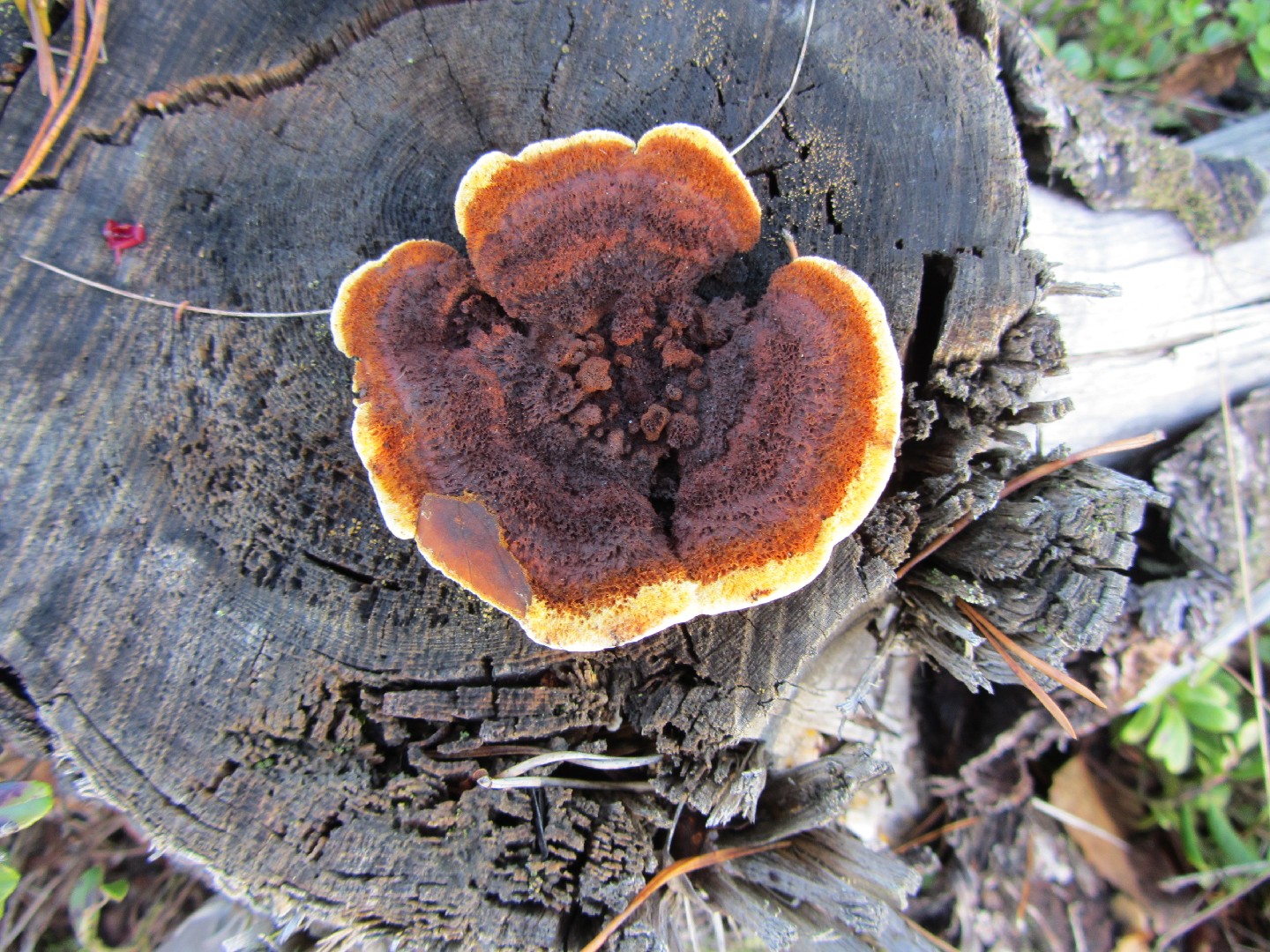
5. Rusty gilled polypore
Rusty gilled polypore(Gloeophyllum sepiarium) is a fungus most commonly found on dead pieces of conifer wood, and it is a common visitor to lumberyards. The growing zone on the fruiting body is easily demarcated by its yellow, orange or white coloring, resembling a strip along the outside of the structure. This species is considered inedible.
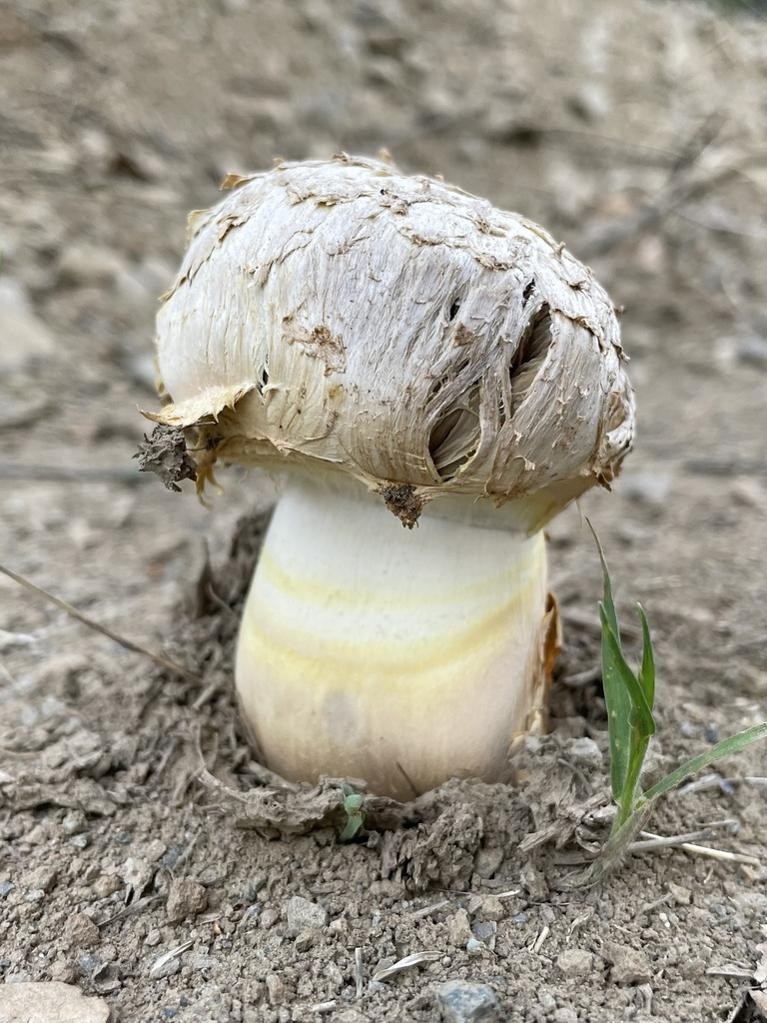
6. Gasteroid agaricus
Gasteroid agaricus has evolved to flourish in arid or semi-arid environments. Noted for its distinctive bulbous cap that does not fully expand, this mushroom was only recently transferred to the Agaricus genus. Gasteroid agaricus can be found singly or on groups and retains a partial veil despite its maturity.
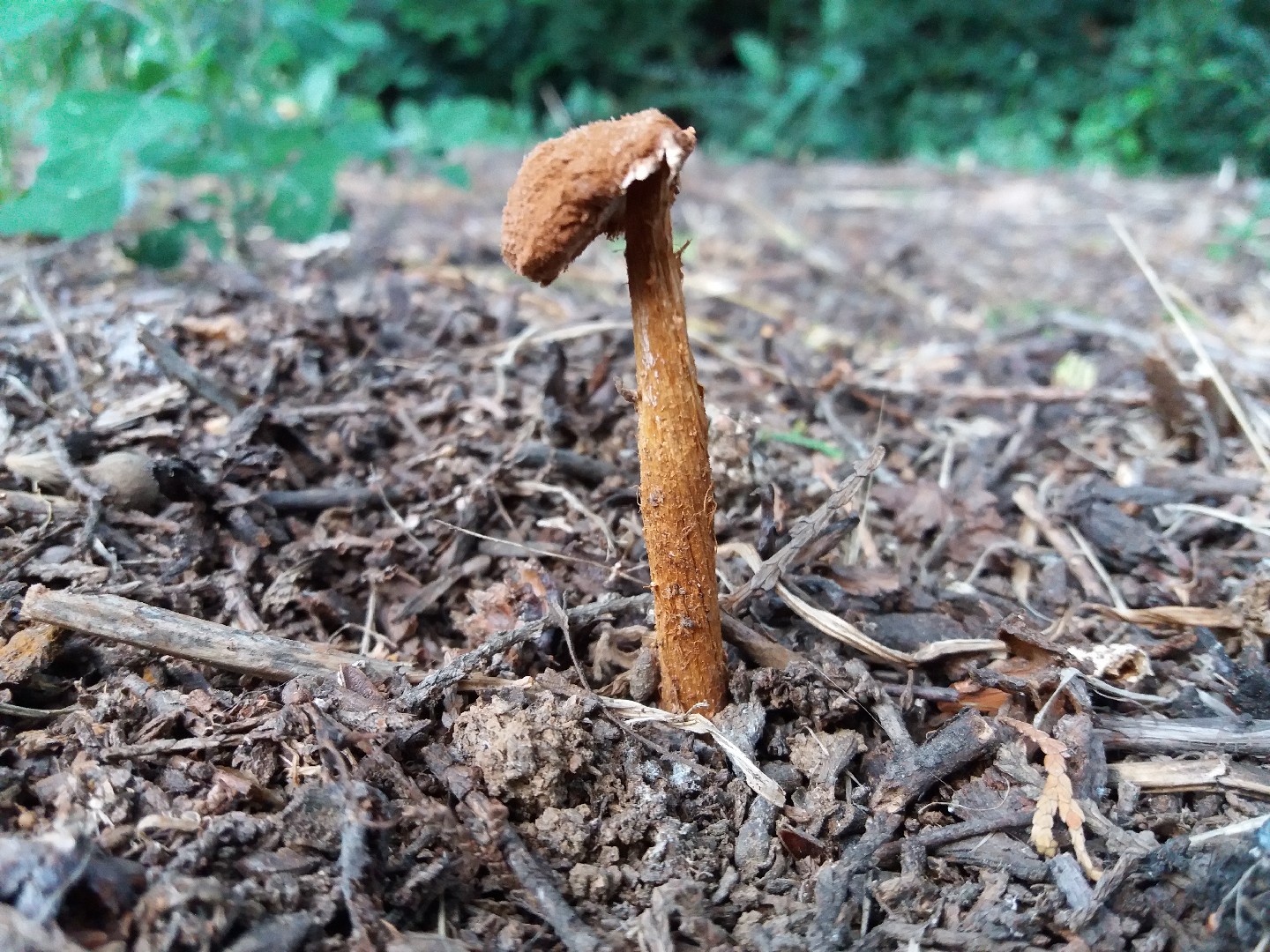
7. Sandy stiltball
Sandy stiltball(Battarrea phalloides) is an unusually tall species of puffball, a family of mushrooms that do not usually have noticeable stalks. Due to declining numbers in the wild, is illegal to pick in certain countries (including Hungary and the United Kingdom). Its edibility remains unstudied, and consumption is not advised.
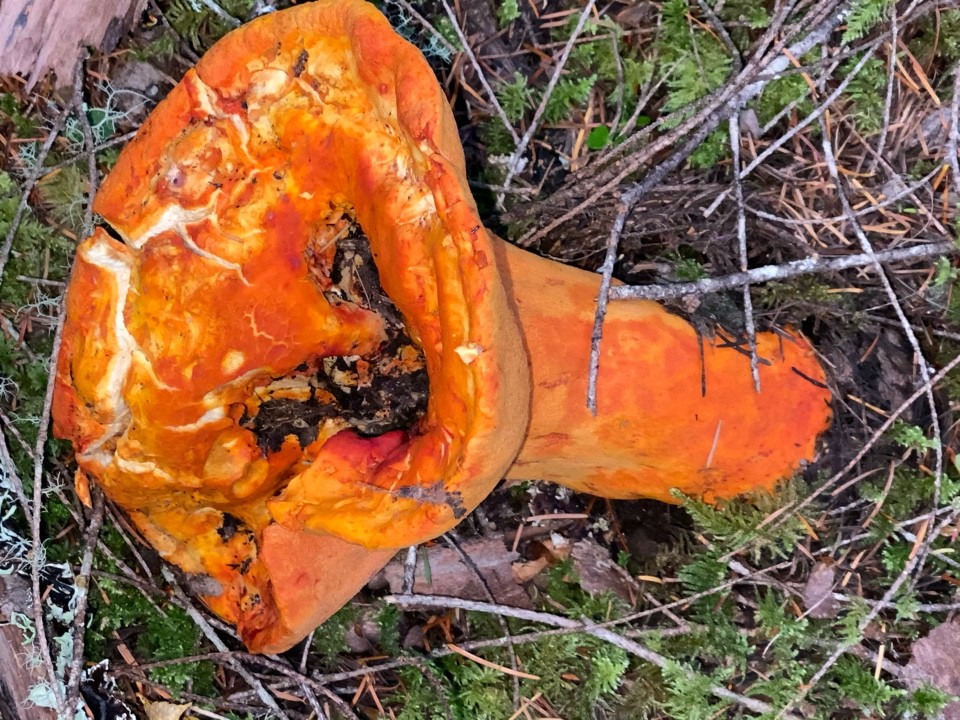
8. Lobster mushroom
The lobster mushroom is actually not a species of mushroom, per-se. When Hypomyces lactifluorum mold attacks one of several common species of Russula mushrooms, it transforms them into lobster mushrooms: they shrivel, harden slightly, and turn bright orange or vermillion. Surprisingly, this only makes them more flavorful. Lobster mushrooms are highly sought after for their distinctive, seafood-like flavor when cooked. Upset stomachs have been reported when eaten raw.
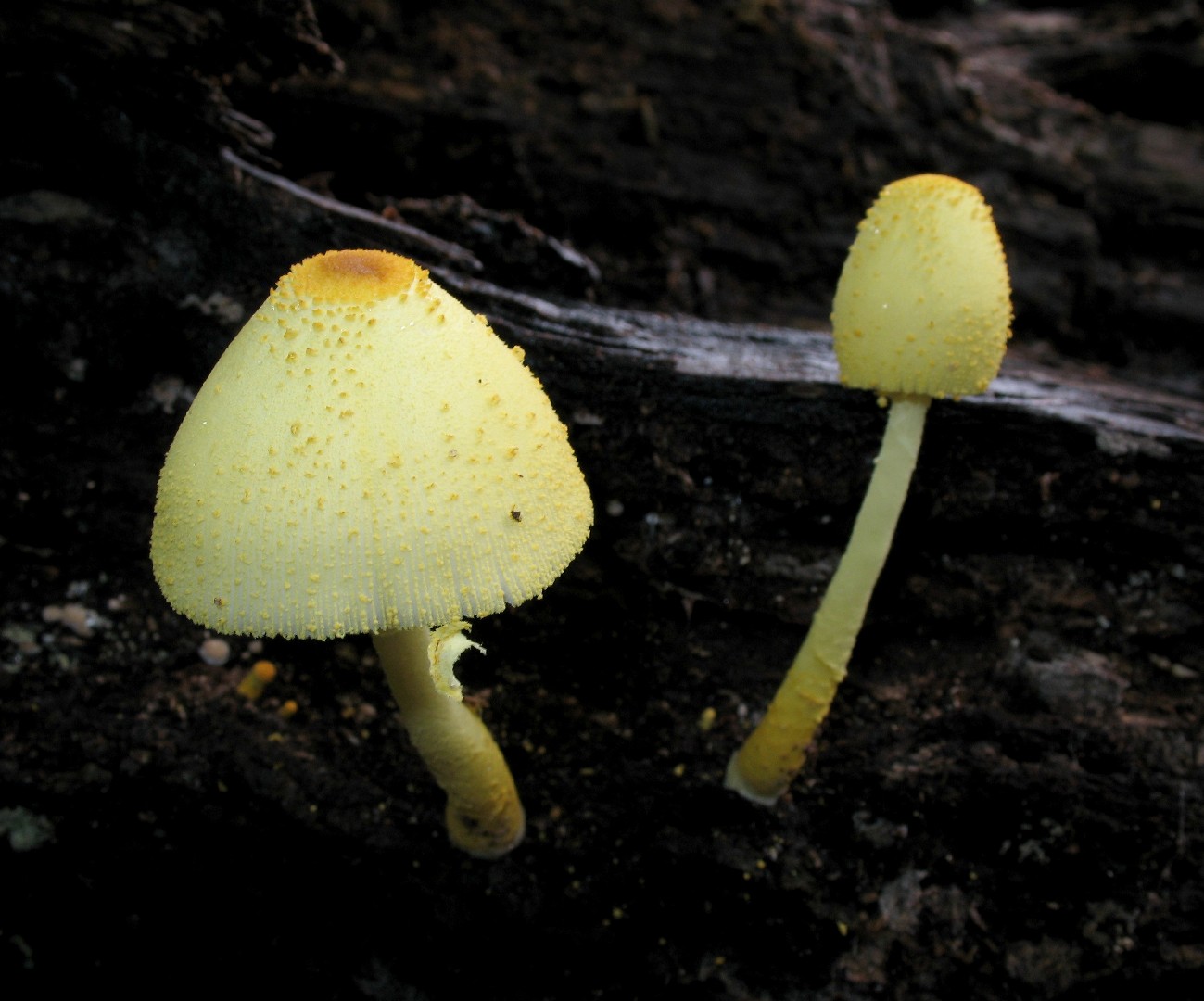
9. Flowerpot parasol
This tropical/subtropical mushroom is known to be toxic. If eaten it causes a very unpleasant stomachache with the risk of fatal complications. In temperate zones, flowerpot parasol is only found in hothouses and greenhouses, so the risk of accidental foraging is low, but it may occur with potted plants and indoor landscaping and pose a risk to curious children.
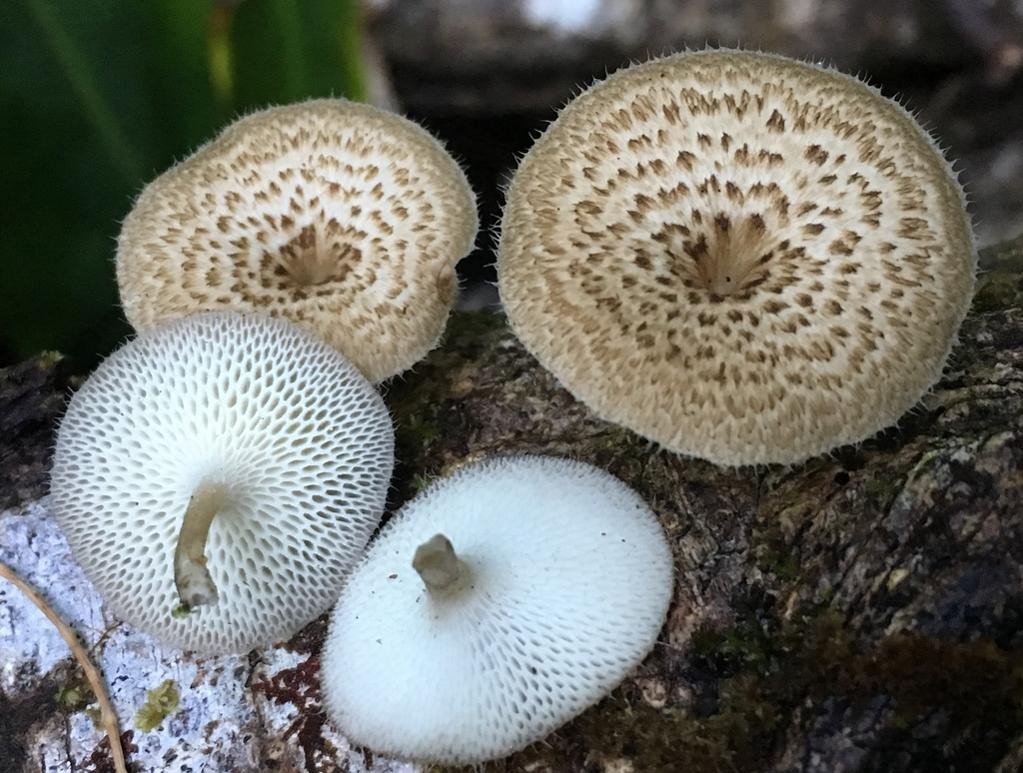
10. Spring polypore
Morel mushroom hunters may be most familiar with spring polypore since it is one of the earliest mushrooms to appear in the spring, as hinted by its name. Lentinus mushrooms typically have gills, but when investigated, this mushroom reveals surprising honeycomb-shaped pores.

More







