




Top 20 Most Common Mushrooms in Ketchikan
Welcome to our comprehensive guide on the Top 20 most common mushrooms found in Ketchikan. Characterized by its lush surroundings, diverse wildlife, and humid climate, Ketchikan is a haven for mycophiles, offering a rich bounty of various mushroom species. Our analysis takes into account the abundance and commonality of these fascinating fungi that grace Ketchikan's thriving ecosystems. Let's dive into the fascinating world of Ketchikan's mushroom varieties.

Most Common Mushrooms
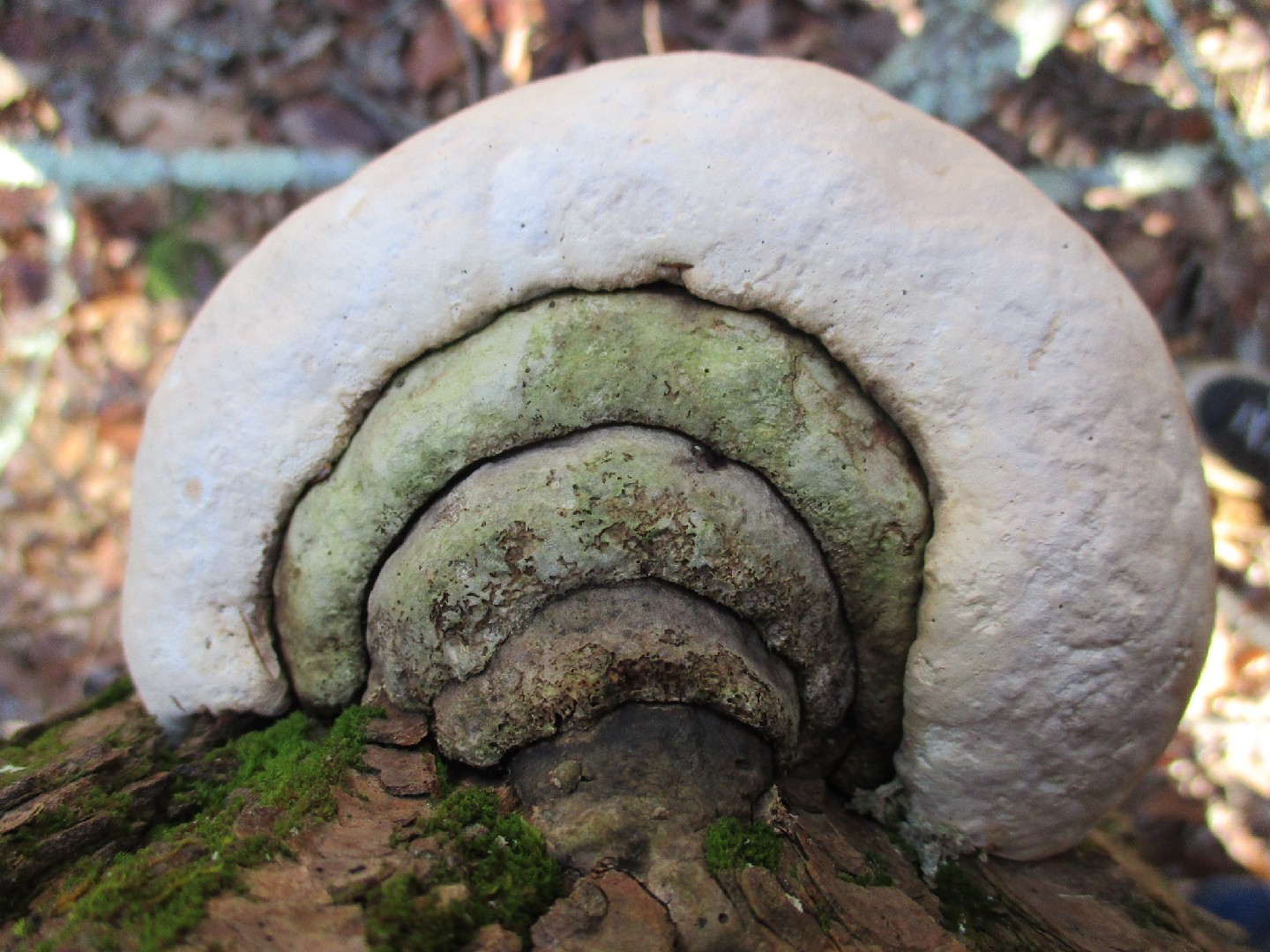
1. Fomitopsis ochracea
The fomitopsis ochracea (Fomitopsis ochracea) has a particular range of trees to which it will attach, and grows strictly in hardwood forests. It is one of the newer mushrooms to be classified, only given an official name in 2011! Before this identification, they had been mistaken for several other mushroom species.
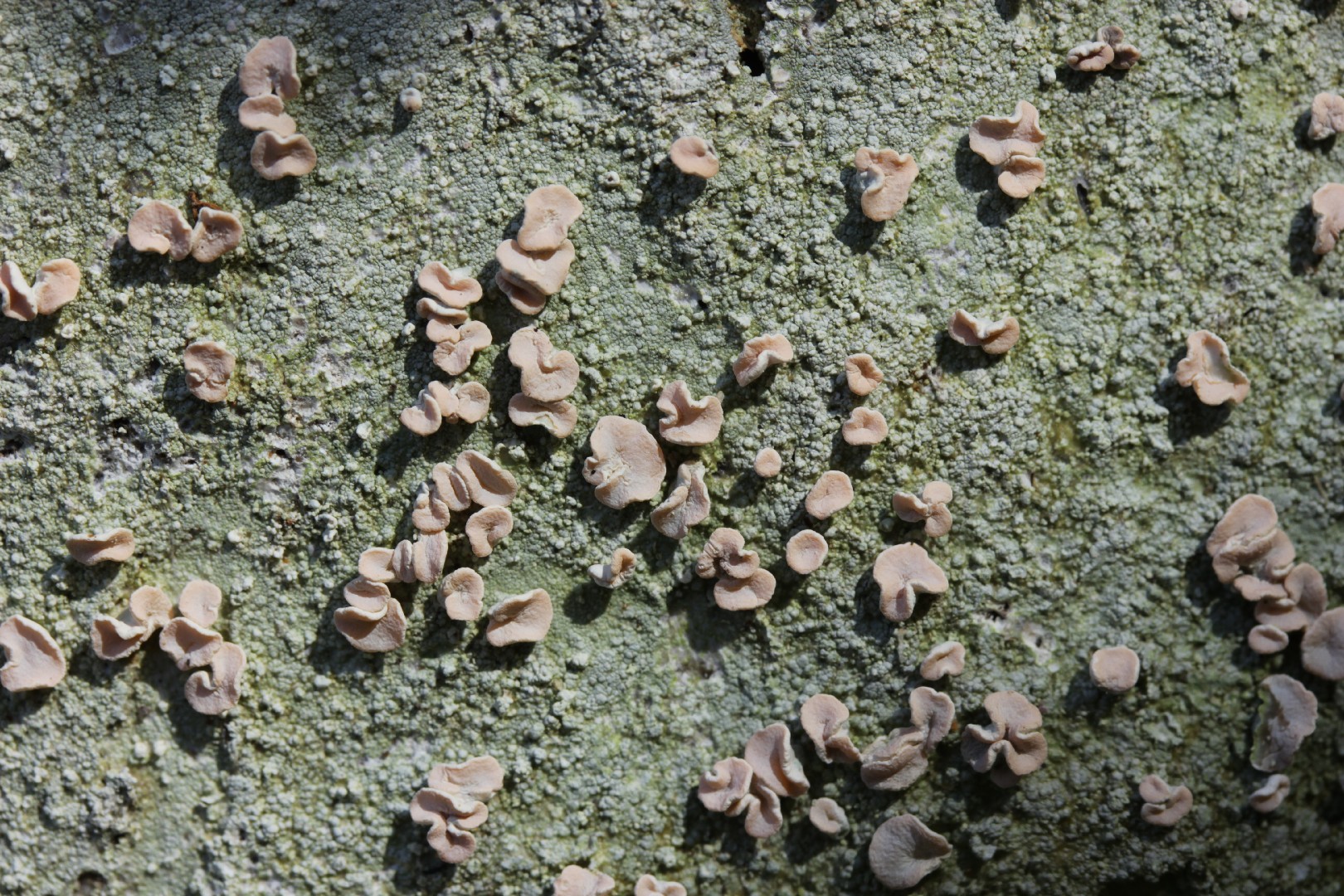
2. Candy lichen
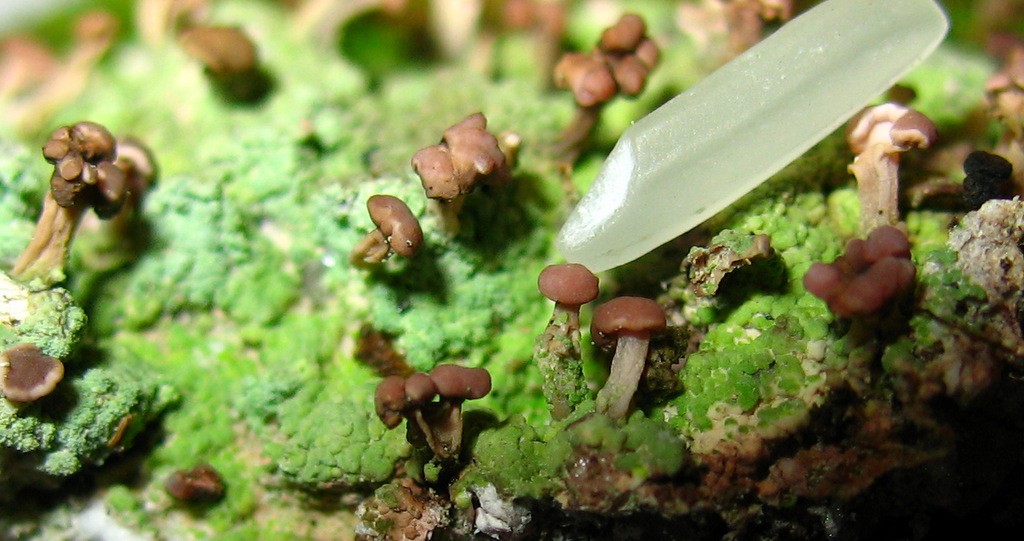
The lichen camp is crusty, light gray to greenish and toxic green when wet. Striking are the pink-colored fruit bodies (Apothecia), which sit with a narrowed base or short-stalked. Likelihood of confusion exist in particular with the Rosa Kopfchenflechte (Dibaeis baeomyces, fruiting body also pink, but clearly stalked).
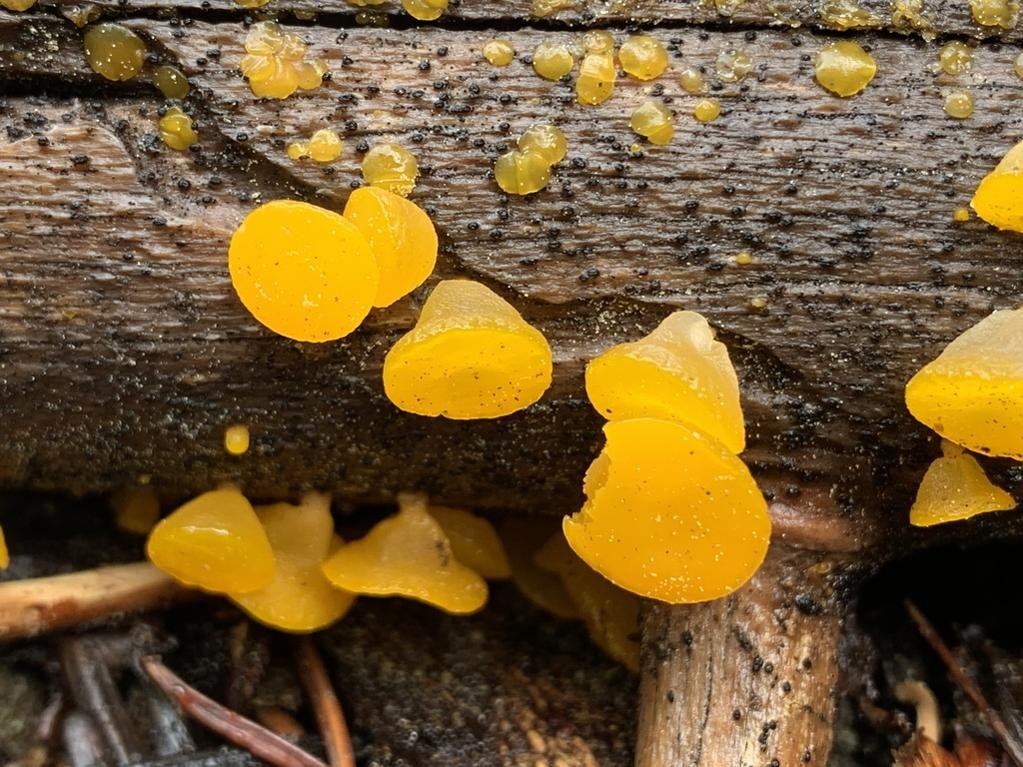
3. Jelly cup
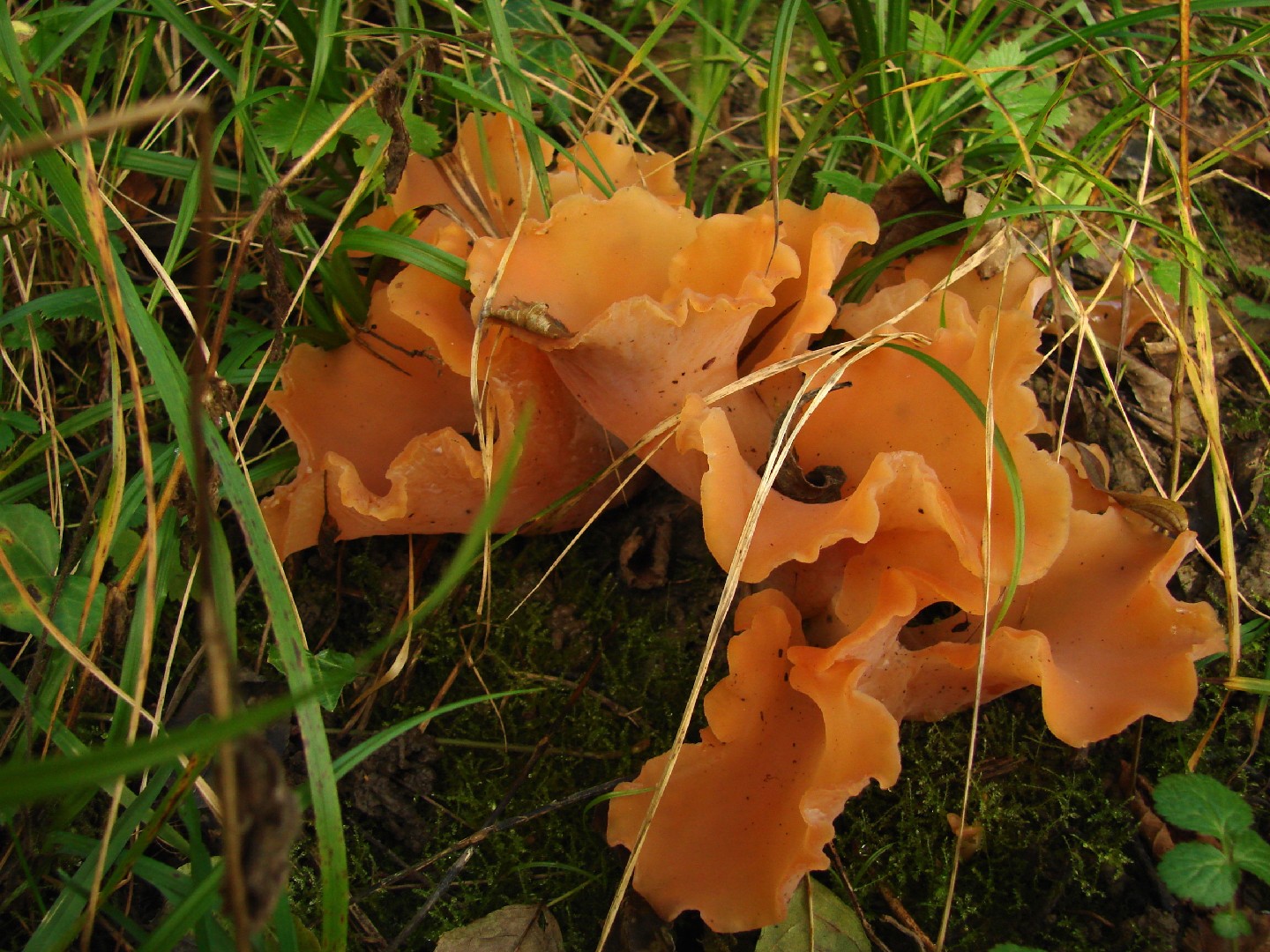
Jelly cup fungus grows on decaying conifer wood that has lost its bark. It is considered a snowbank fungus and appears soon after the mountain snows melt away. The specific epithet, alpina, reflects this mountain habitat. Jelly cup is a nuisance species for construction work - it can cause even treated lumber (especially red cedar) to deteriorate.
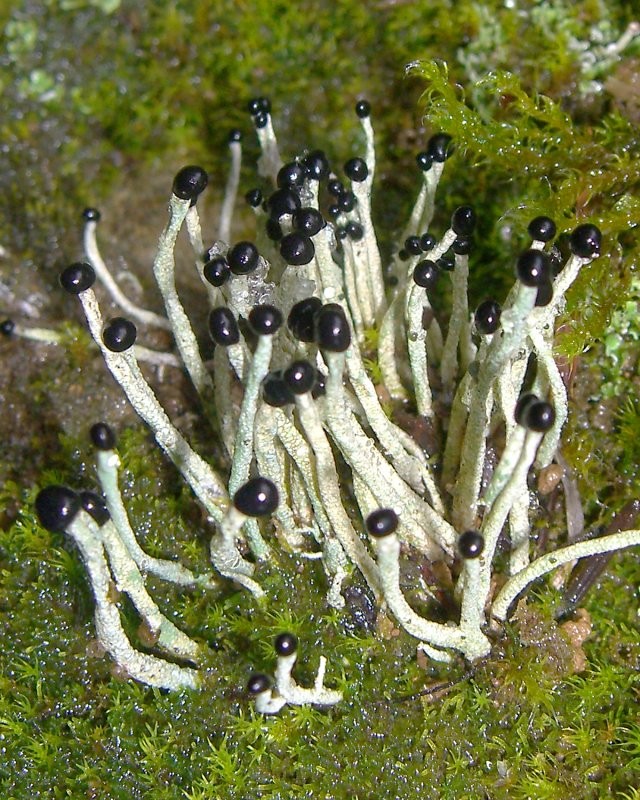
4. Nail lichen
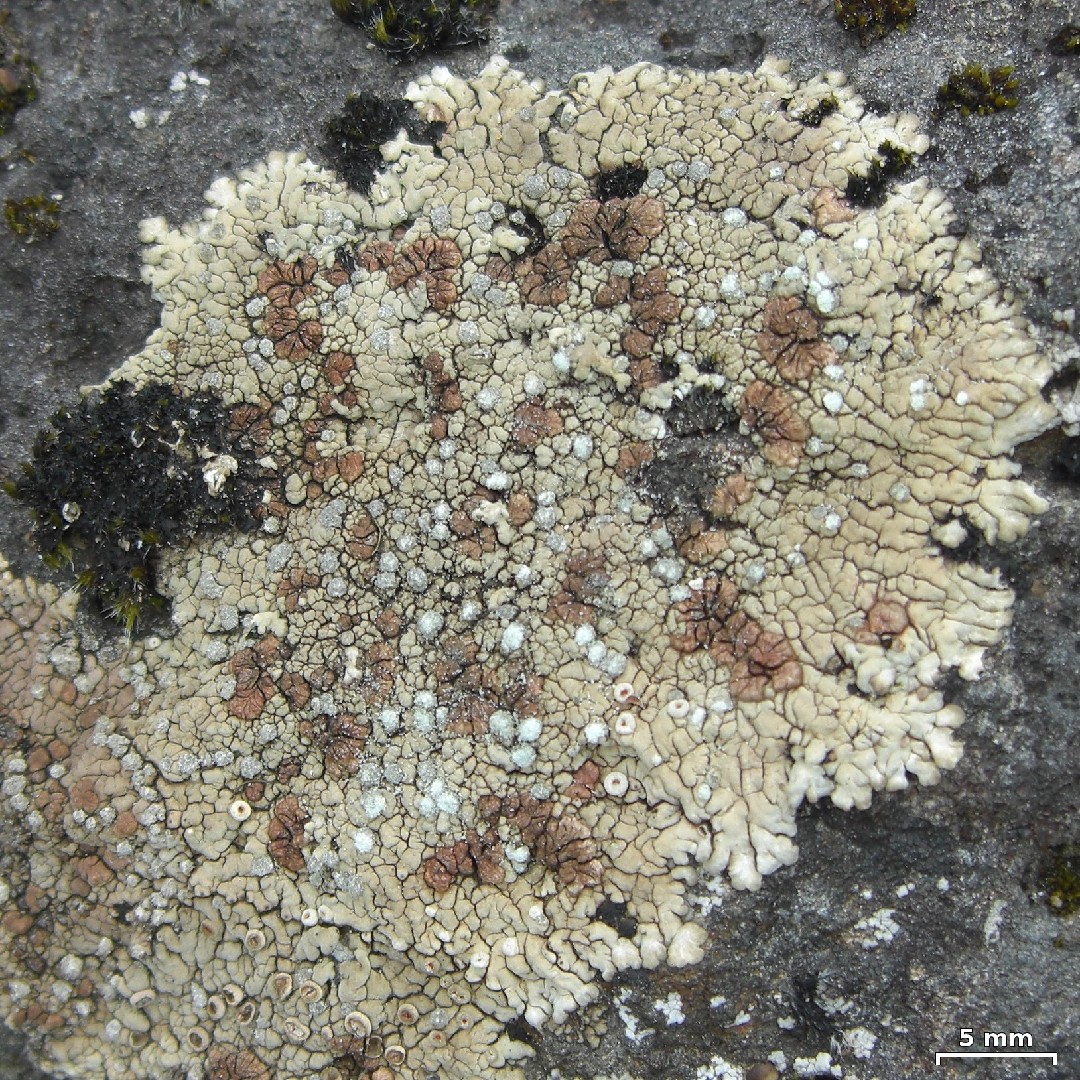
The thallus is the vegetative body of a lichen that contains the lichen mycobiont (fungus) and the photobiont (algae and/or cyanobacteria). In P. acicularis, the primary thallus (thallus horizontalis) is spread out like a granular crust on the surface of its substrate. It is light green when young, but becomes gray in age or when dry. The pseudopodetia (upright stalk-like extensions of the thallus made of vegetative tissue) range from 0.5 to 3 cm (0.2 to 1.2 in) high, and are about 1 mm thick; they grow in dense clusters. Most pseudopodetia are either unbranched or forked into two branches, with the stalks curved so as to appear as if combed; less frequently, they are erect like pins, and up to 1 cm (0.4 in) tall. Some specimens are highly branched in the upper part of the pseudopodetia, causing them to bear some resemblance to P. robustus, although this morphology is uncommon. Internally, the pseudopodetia are solid when young, becoming hollow with age, and are composed of long, thin, highly gelatinized hyphae with narrow cavities about 0.5 μm wide. The lower part of older pseudopodetia becomes blackened internally. The algal layer is not continuous—contrasting with lichen species that have thalli that stratify into discrete tissue types, including a photobiont layer—and occurs with the mycobiont in the form of granules. These granules may be absent from some parts of the thallus surface. Pycnidia (flask-like structures, resembling perithecia, in which conidia are produced) occur in the tips of small sterile pseudopodetia or in the tips of small lateral branches of older pseudopodetia. The conidiophores of P. acicularis are 30 μm long, and unbranched. They have terminal sickle-shaped conidia that measure 6 by 1 μm. The apothecia (reproductive structures covered with the spore-producing asci) are abundant, usually with one or several on the tips of the pseudopodetia. They are black, hemispherical or roughly triangular, and measure up to 1.5 mm in diameter. The hymenium (the fertile spore-bearing layer of cells containing the asci) is up to 240 μm thick, and about two-thirds of it is pigmented; the lower part of the hymenium is sterile, consisting of only paraphyses. The asci are eight-spored. The ascospores are rounded when young, becoming spindle-shaped when mature, with dimensions of 21.0–29.5 by 4.5–5.5 μm. The generative tissue (hyphae that eventually forms the thallus) is closely interwoven with short, broad cells that have large cavities. The generative tissue is pigmented black-brown, with the color being most intense below the paraphyses, becoming less so towards the stalk region. Pilophorus acicularis is a tripartite lichen—containing a fungus, a green alga, and a cyanobacterium. Cephalodia (lichenized aggregations of nitrogen-fixing cyanobacteria) are present on the primary thallus; smaller cephalodia are also on the pseudopodetia. Hemispherical to irregularly shaped, and light to dark brown in color, they contain species from the genus Nostoc. The green algal photosynthetic symbiont (photobiont) associated with P. acicularis is Asterochloris magna (formerly Trebouxia magna). 
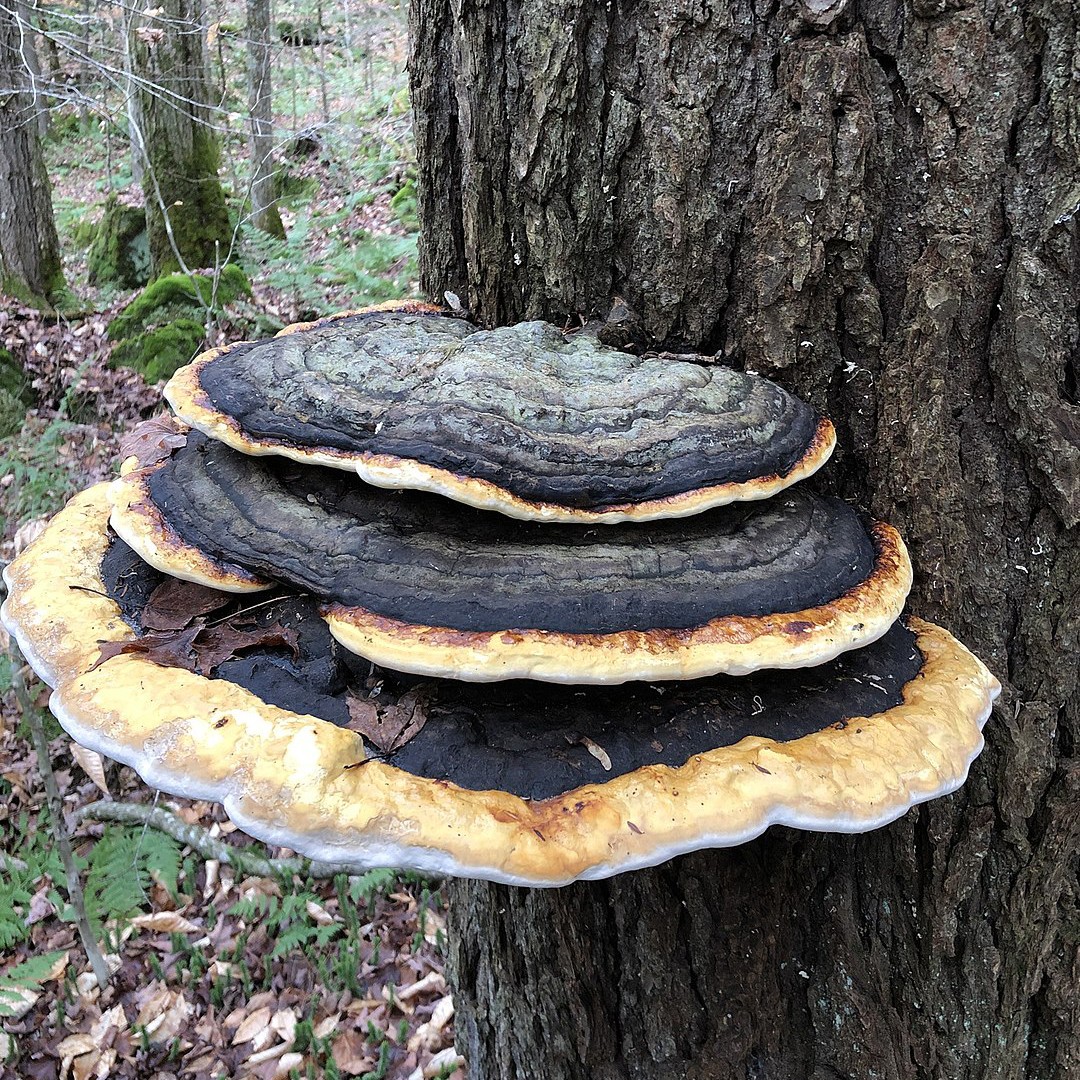
5. Red-belted polypore
Red-belted polypore is a shelf fungus that's usually seen on aspen, birch, and various conifer trees. This perennial mushroom is known to cause the cubical brown rot in host trees. A species new to science, it was named in honor of Irene Mounce, a Canadian mycologist.
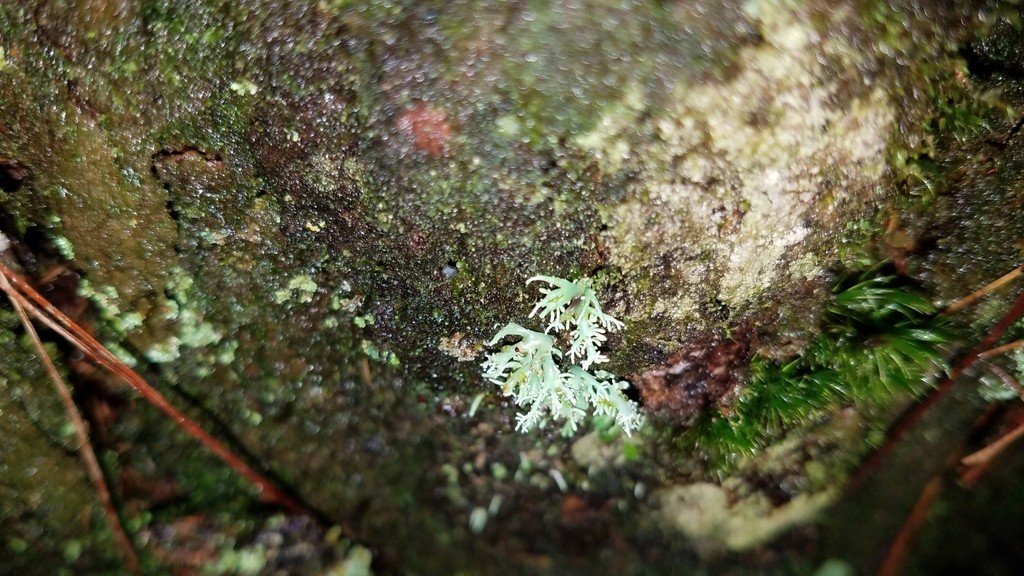
6. Bunodophoron melanocarpum
7. Western varnished conk
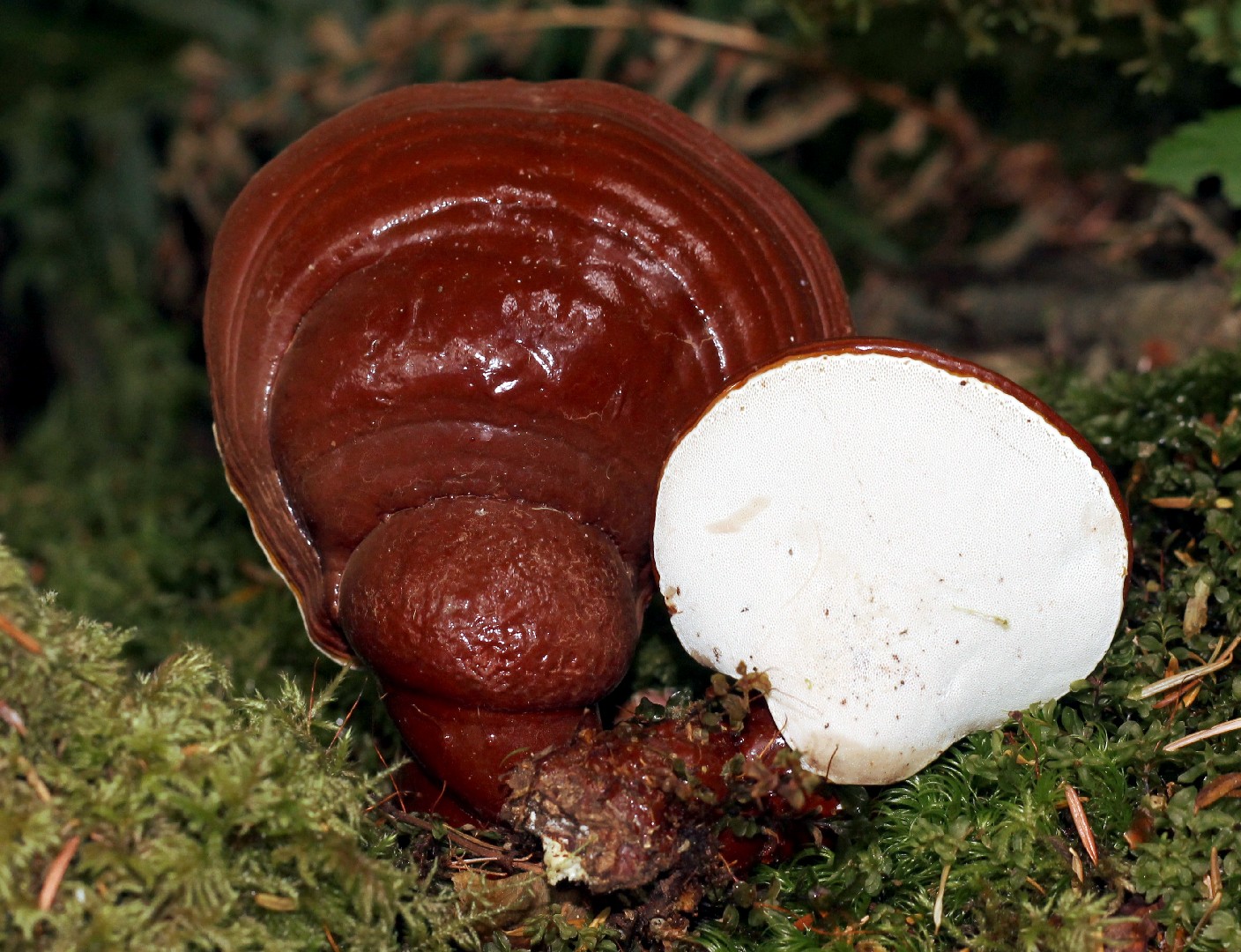
The western varnished conk (Ganoderma oregonense) is a stunningly attractive mushroom that looks as though the entire cap was dipped in glaze and crafted from terra cotta. They can grow to be quite massive, with each cap stretching up to 50 cm across. They appear even more impressive when several mushrooms are found growing together. Far too pretty to eat, this mushroom is toxic anyway!
8. Jellied bird's nest fungus
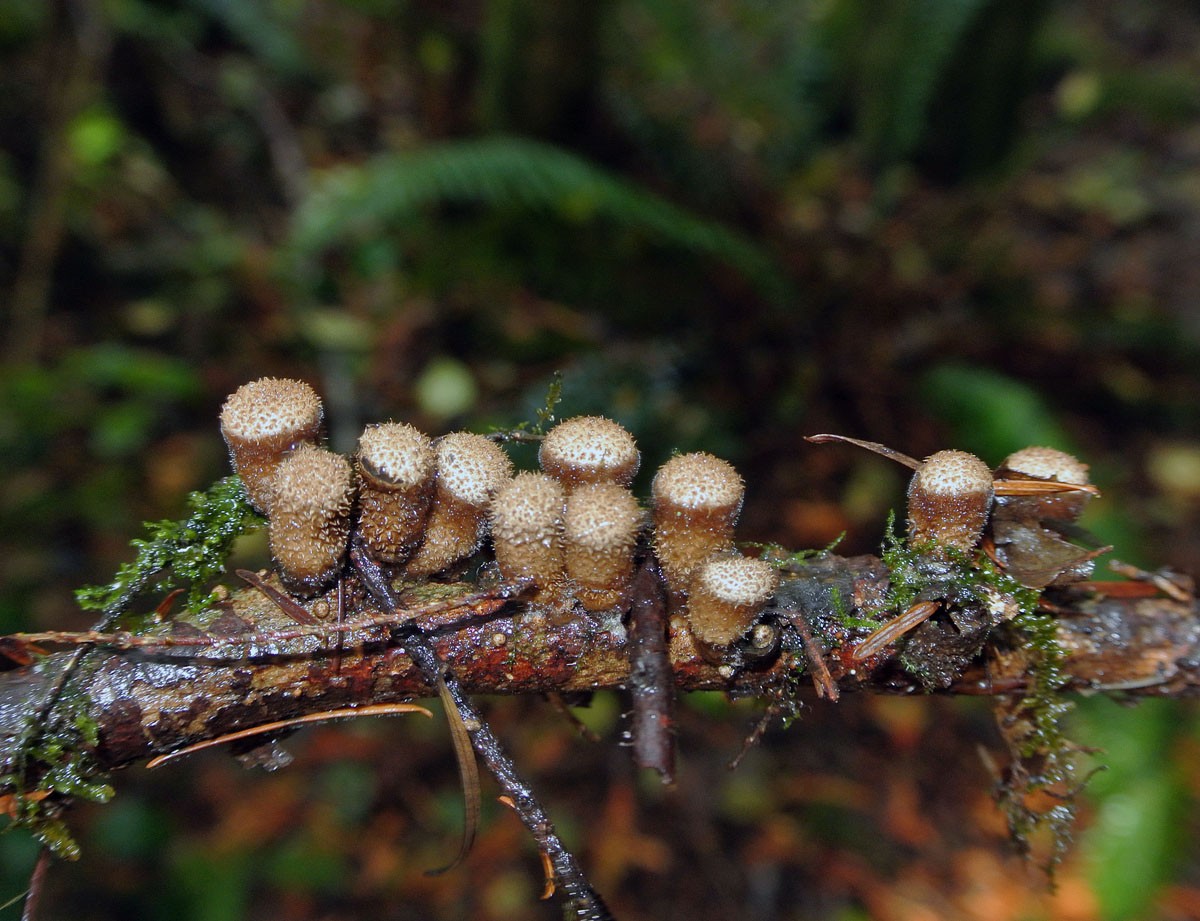
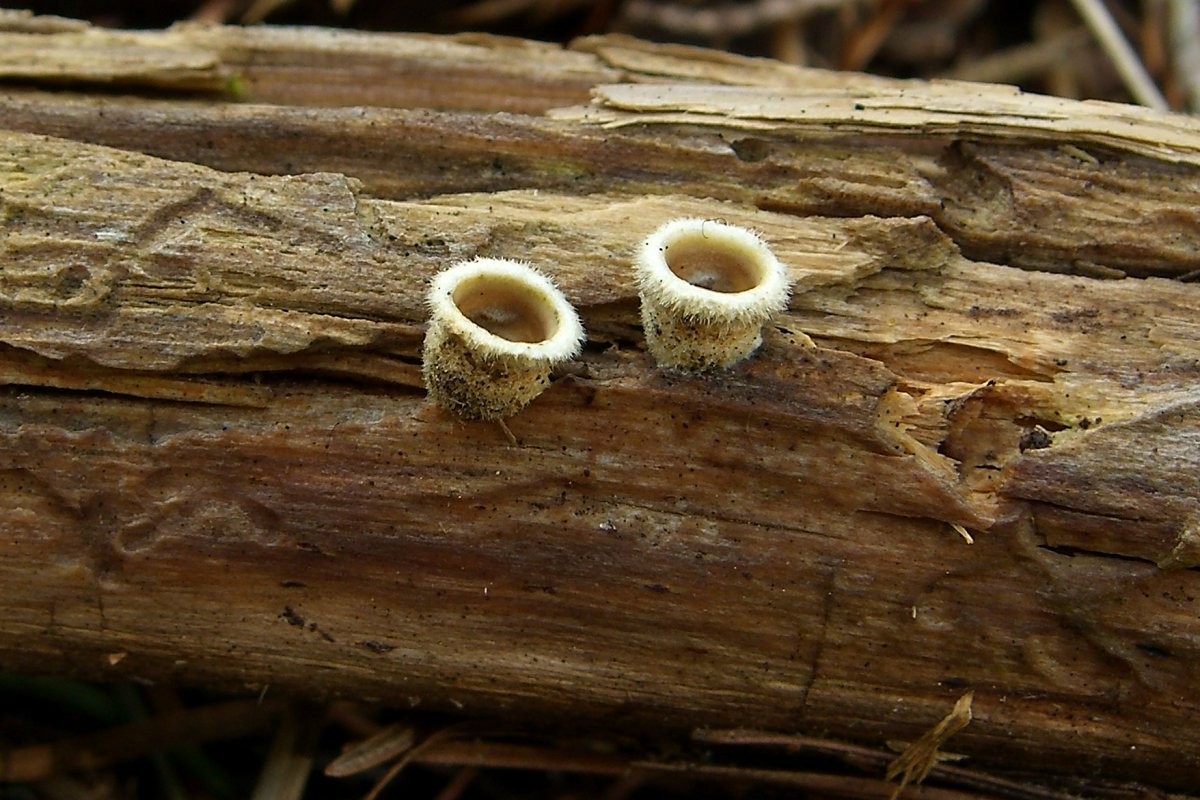
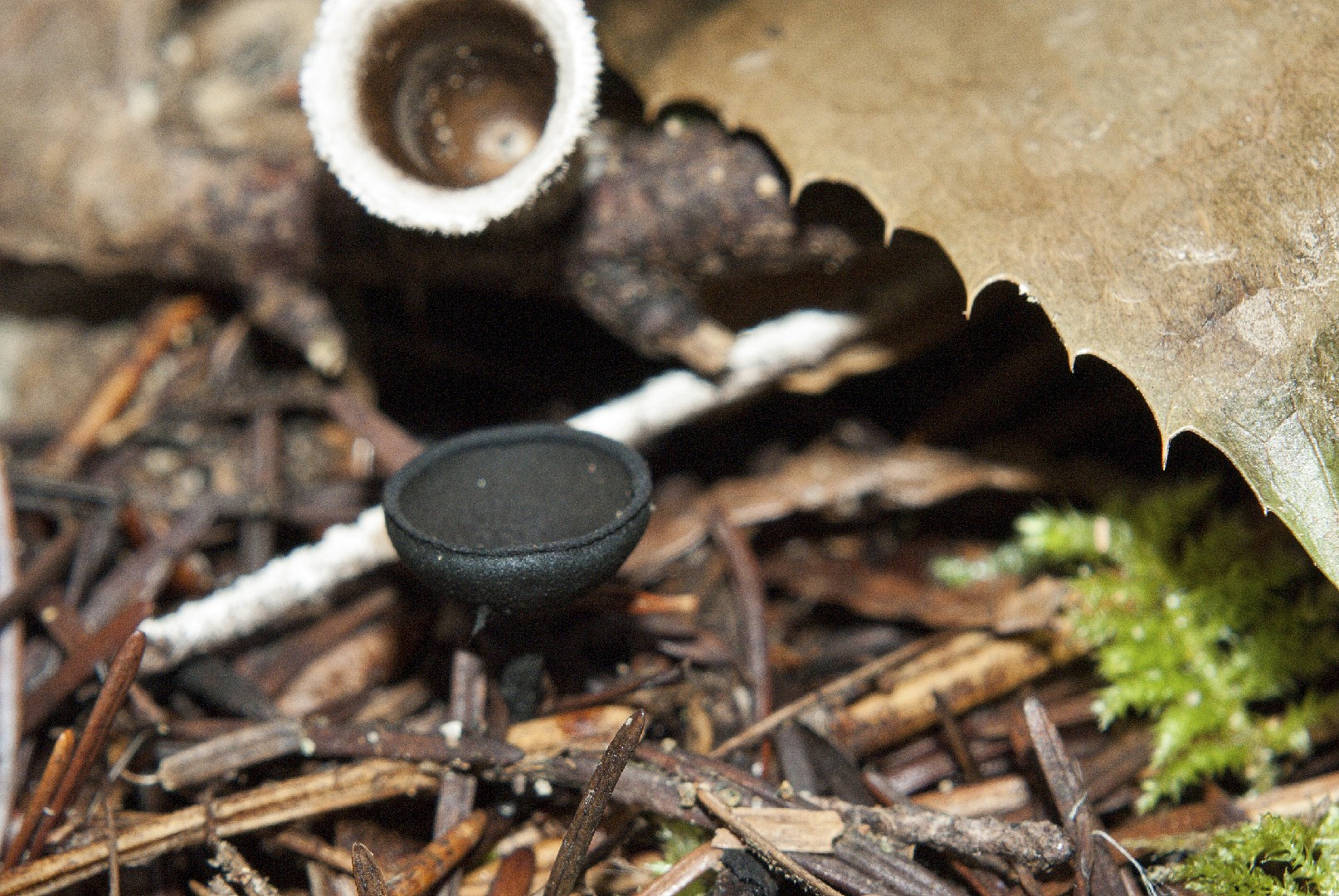
The fruit body of the jellied bird's nest fungus looks like a bird's nest filled with eggs, which explains its common English name. The "eggs" are actually called peridioles and they're the fungus' reproductive structures that contain spores. It's a widely distributed species, though commonly overlooked.
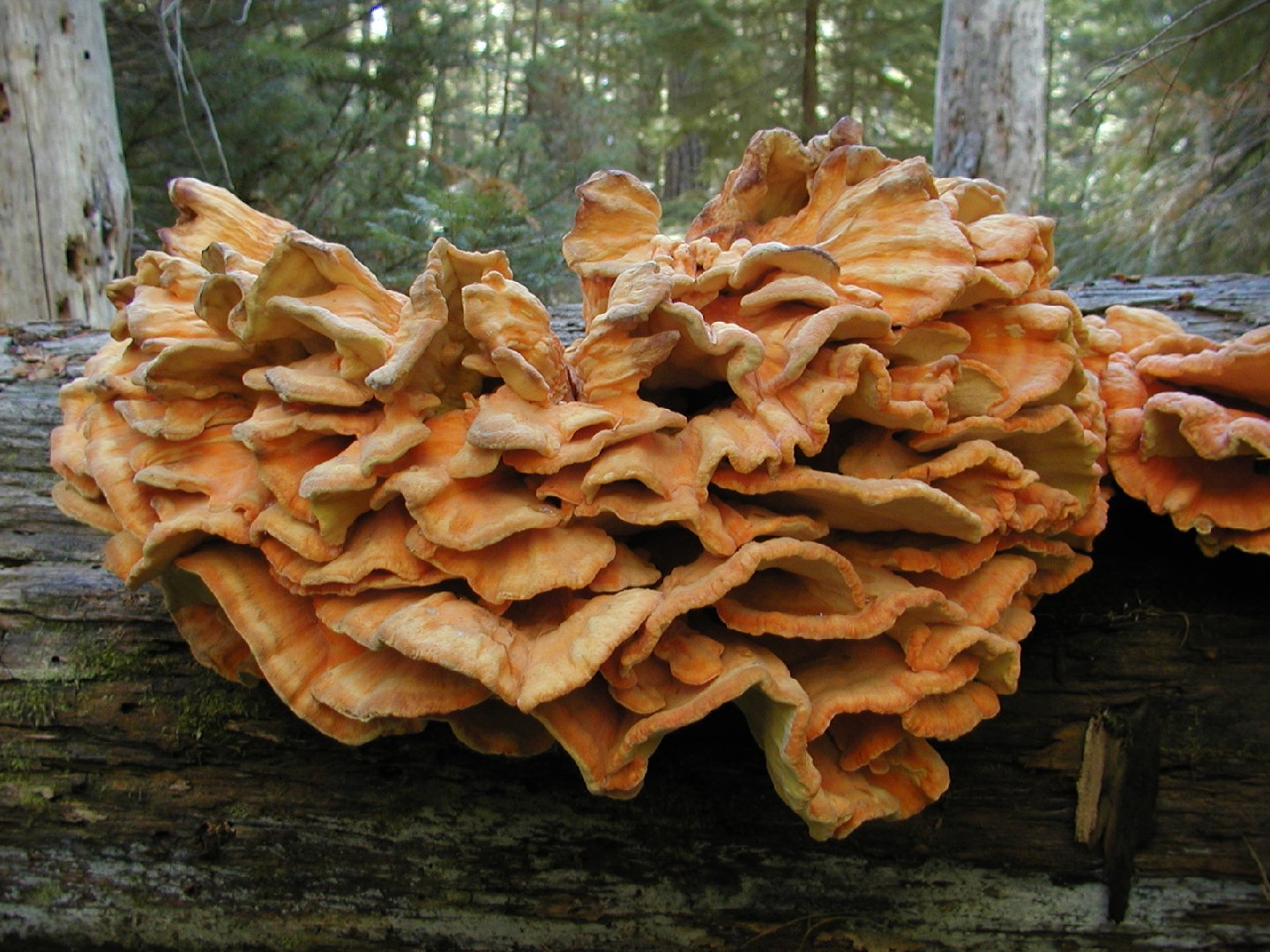
9. Conifer sulfur shelf
Conifer sulfur shelf (Laetiporus conifericola) may sound like a goofy name, but this mushroom is one to take very seriously. There have been reports that people have died after consuming just a few bites! Not all people have adverse reactions, but it is better not to take the risk. This mushroom's striking color can easily be seen from afar when fresh, but fades over time.
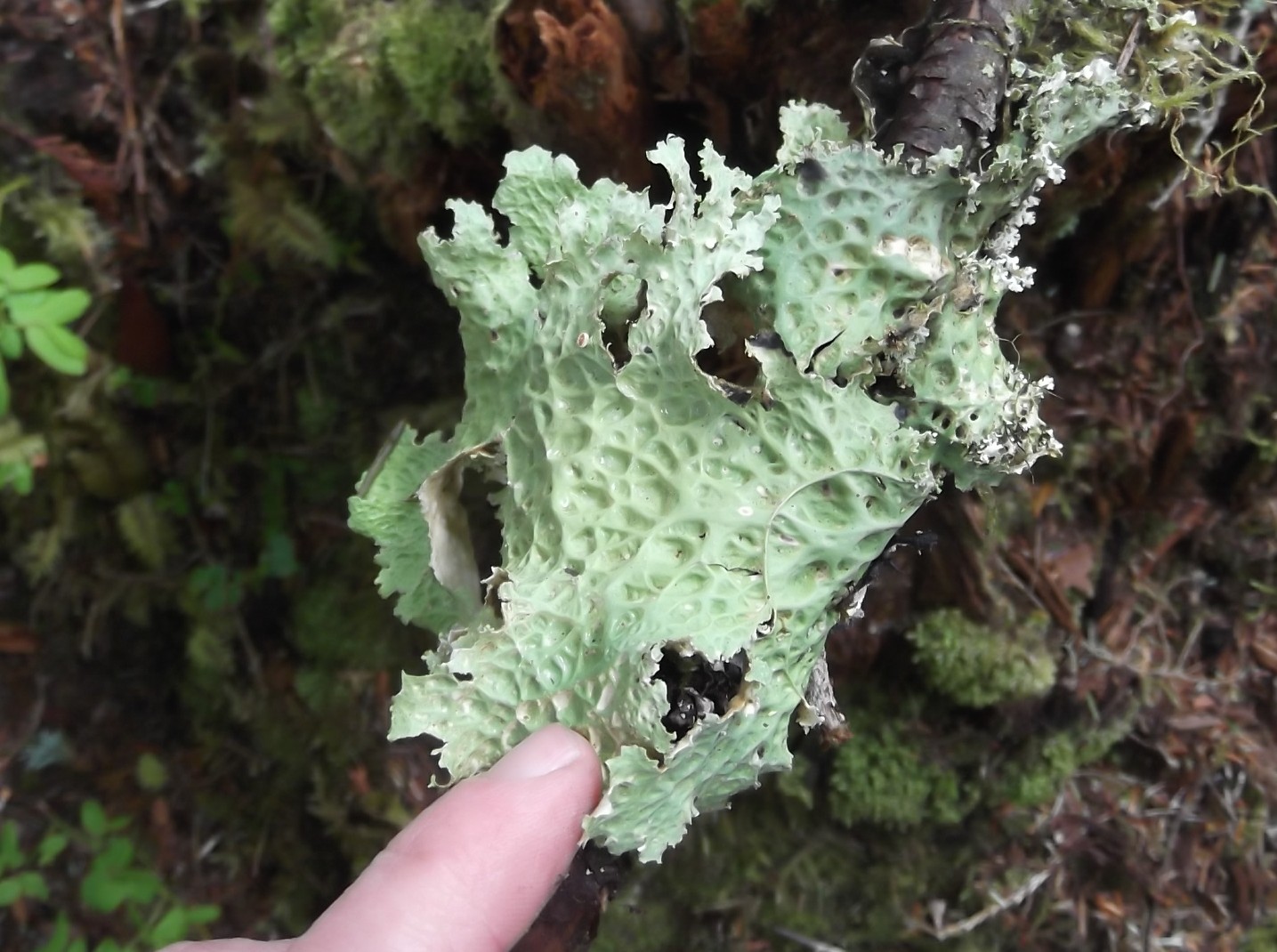
10. Lettuce lichen
This lichen is a loosely attached leaf lichen. It is large, with broad lobes. Size ranges from 20mm to 35mm wide. Its upper surface is yellowish-green, and its lower surface is pale brown with fine hairs, and scattered pale, yellowish, hair free patches. This lichen is has strong and deeply indented ridges. It has no soredia or isidia. The lobe margins are frilly. The frills at the end of the lobes are small.
More







