




Top 20 Most Common Mushrooms in Badger
Welcome to our guide on the top 20 common mushrooms found in Badger. Famous for its diverse ecosystem, Badger boasts a rich variety of fungi, specifically mushrooms. From wooded areas to lush fields, one can encounter numerous mushroom species, enriching its natural beauty and ecological balance. Read on to explore this interesting realm of fungi thriving in Badger.

Most Common Mushrooms
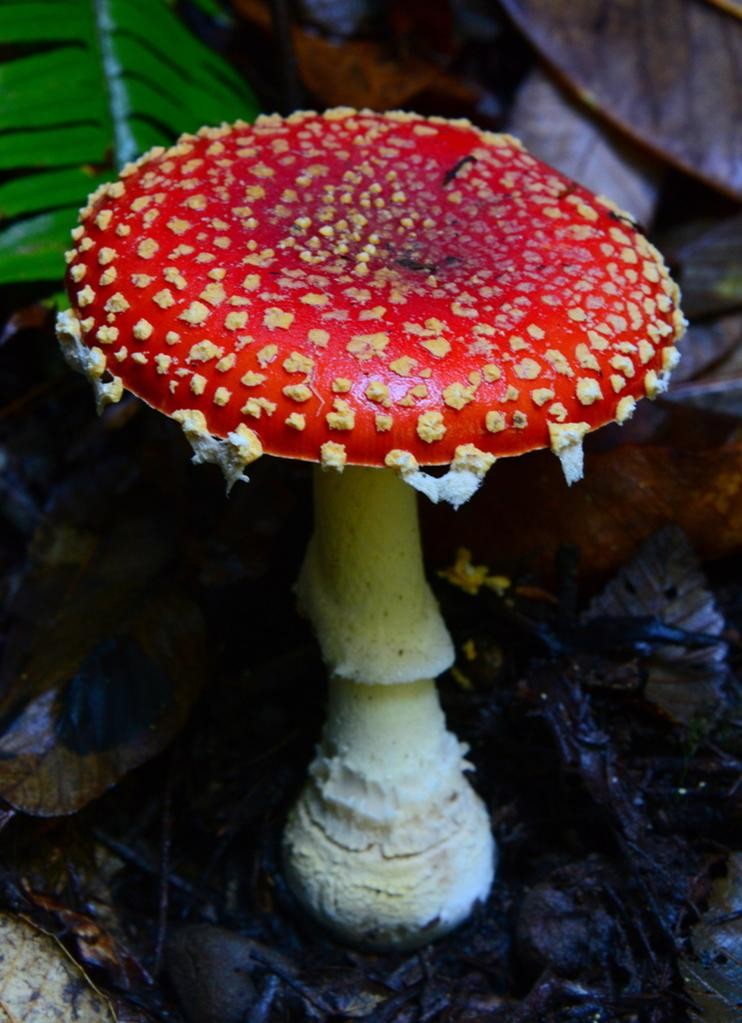
1. Fly agaric
In Northern Asia and Europe, fly agaric grows under trees near the winter solstice and is collected for ritual use tied to the season. Its characteristic shape and coloring are still ubiquitous in many European fairy tale illustrations and Christmas traditions. It is highly toxic.
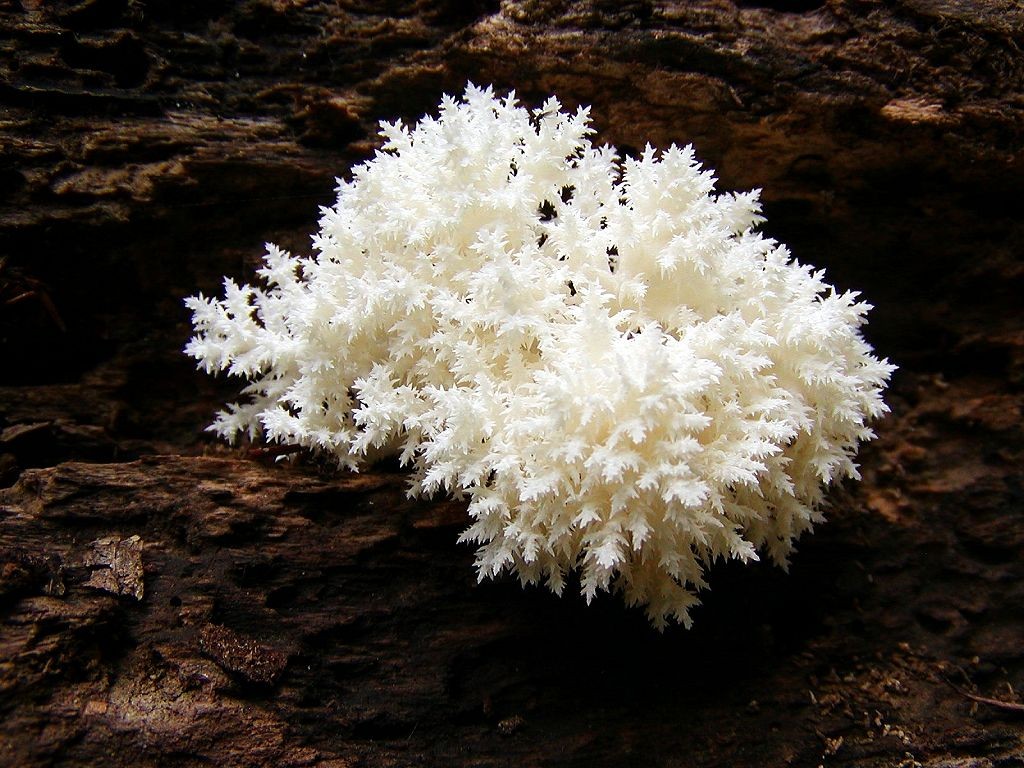
2. Coral tooth fungus
Coral tooth fungus (Hericium coralloides) is a species of coral mushroom most frequently sighted on dead or decaying hardwoods. Generally, younger specimens are white and become increasingly yellowish as they mature. Found around the world, the Māori refer to this species as pekepekekiore.
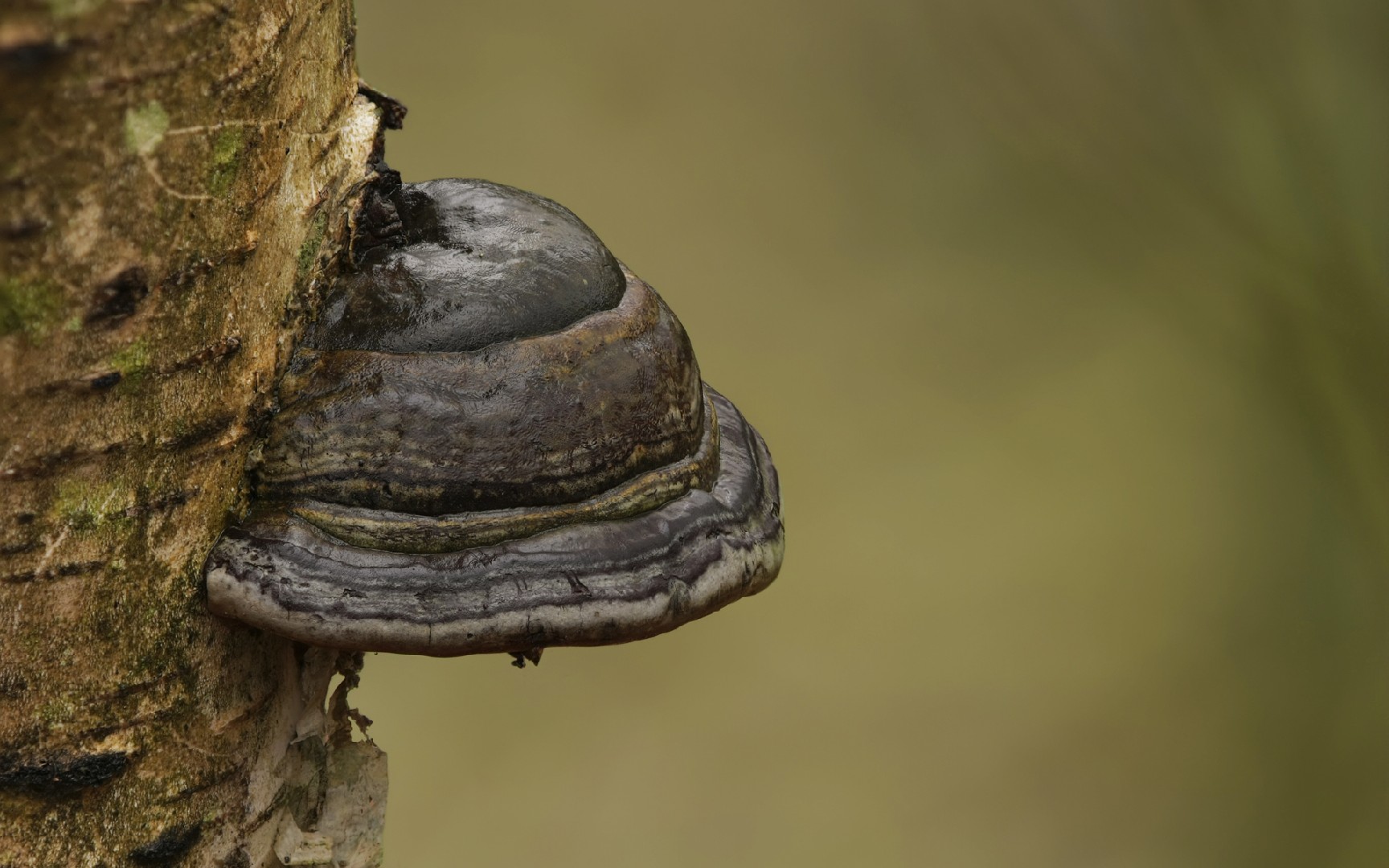
3. Tinder fungus
This large, tough shelf fungus can be found attached to birch, beech, and sycamore trees. It gets its common name, tinder fungus, from the fact that it burns quite slowly and can thus be used effectively for lighting fires. Dried pieces can also be a useful desiccant. A piece of this fungus was found in the possession of Otzi the Iceman, indicating that its usefulness has been known for millenia.
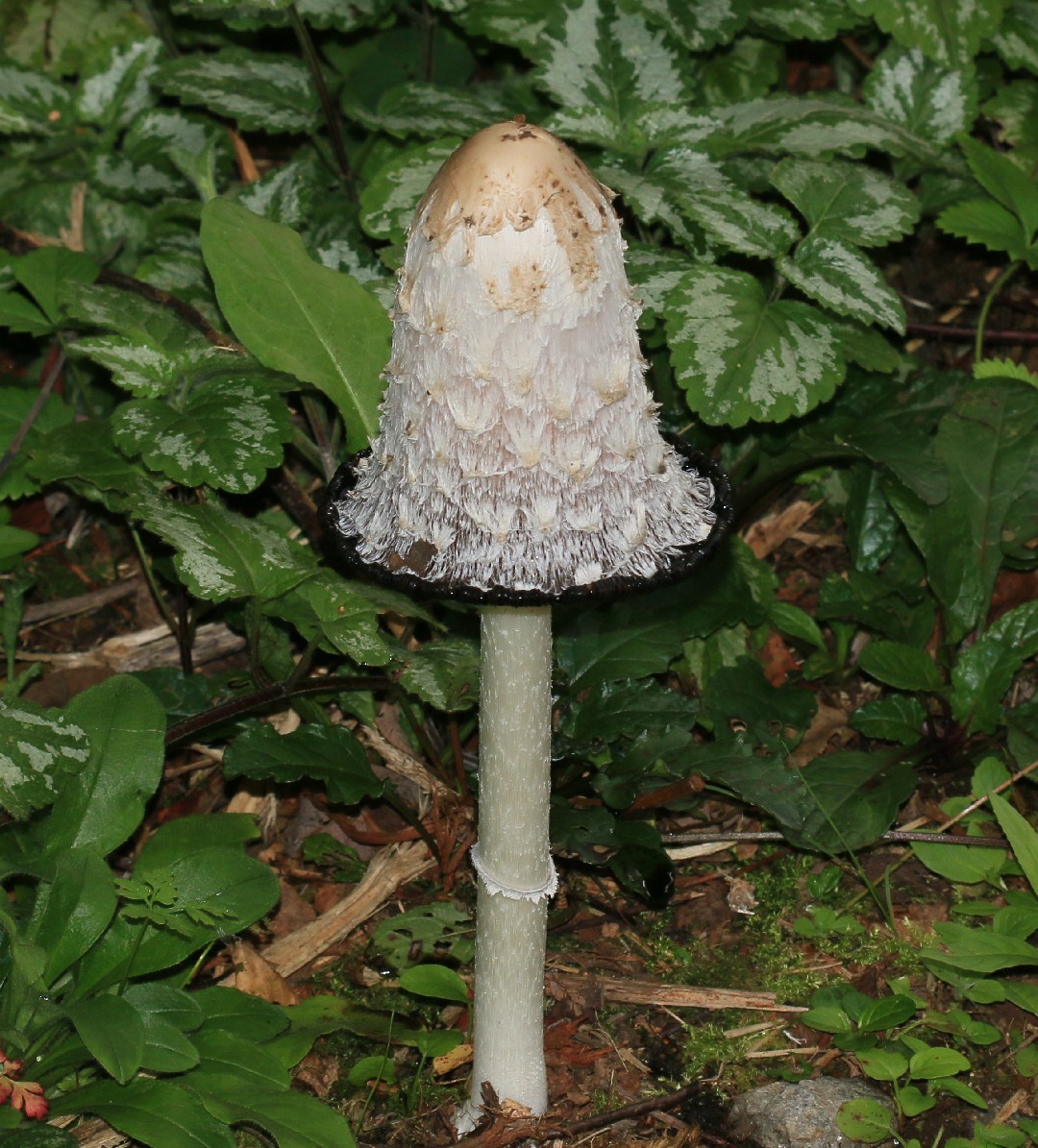
4. Shaggy mane
The shaggy mane mushroom is commonly found in North American and European grasslands. Some peoples foraged for its young egg-shaped caps, but it has more recently been found to be a bioaccumulator of heavy metals, meaning it pulls toxic metals up from the soil where it grows. As a result, shaggy manes should not be eaten. The mushrooms usually appear in clusters or “fairy rings.”
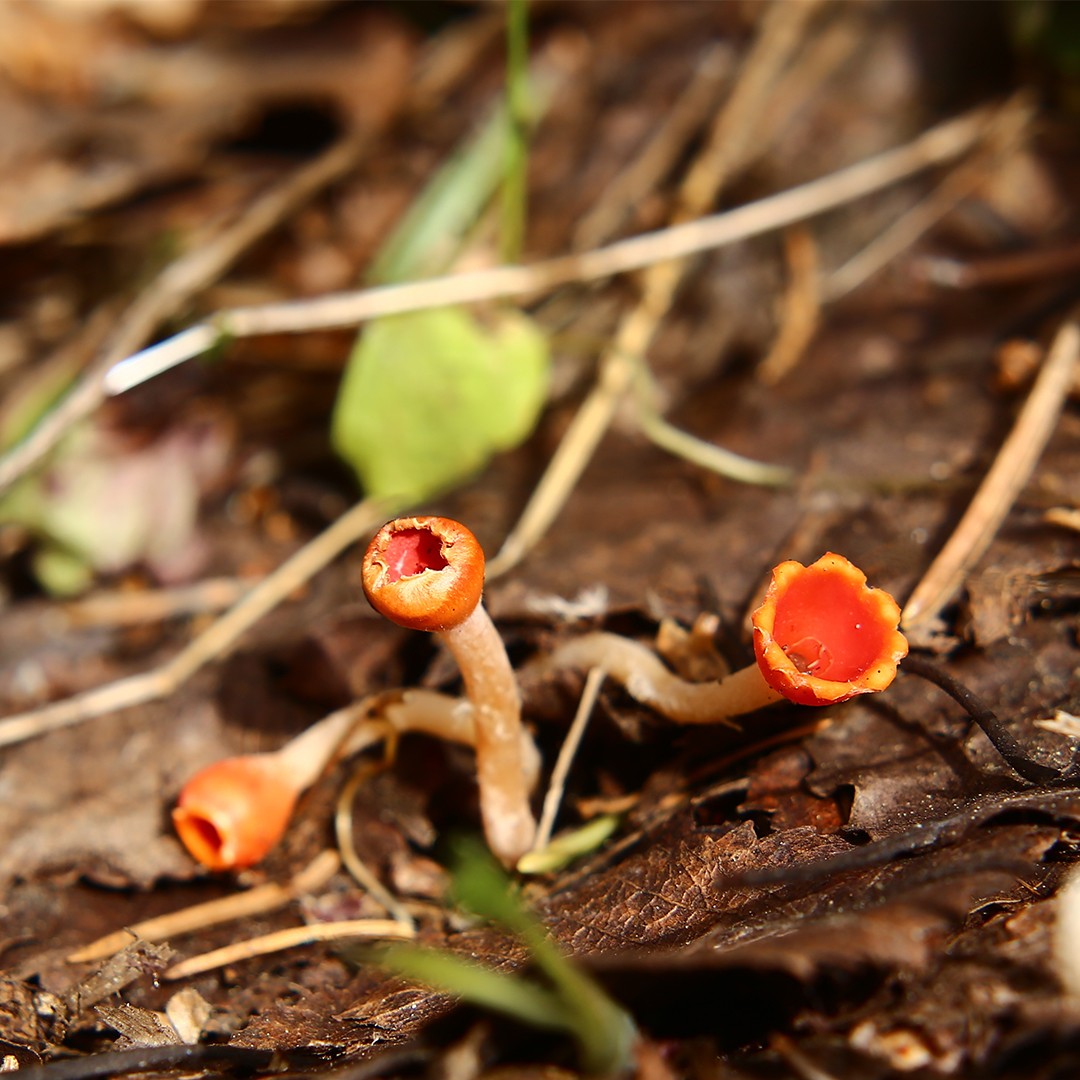
5. Rosy goblet
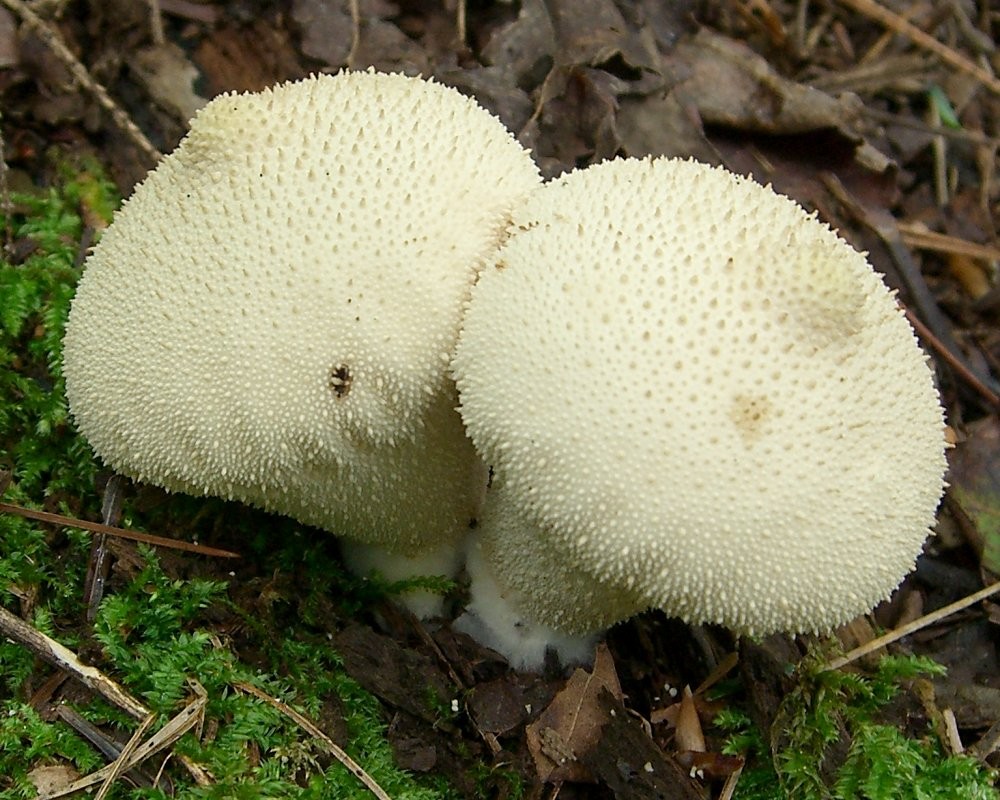
6. Common puffball
These puffy mushrooms grow in small groups on the forest floor. Once they're mature, common puffballs turn yellow and "puff out" smoke-like spore clouds when disturbed. Be very careful when identifying these mushrooms, as their young, immature form looks very similar to the lethal Deathcap.
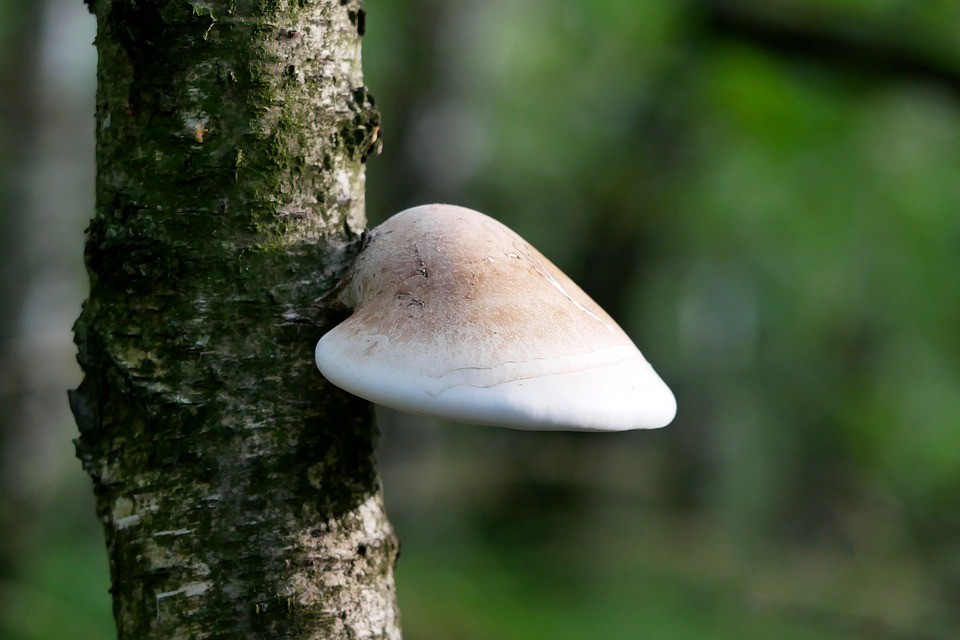
7. Birch polypore
The birch polypore has a variety of applications. Its thick skin has been used by barbers as a razor sharpener and as a mount for insect collectors. When dried, this mushroom was also used to carry fire over long distances because it burns slowly. The historical use of birch polypore doesn't stop there; pieces of this mushroom were found being carried by the five-thousand-year-old mummy Ötzi the Iceman.
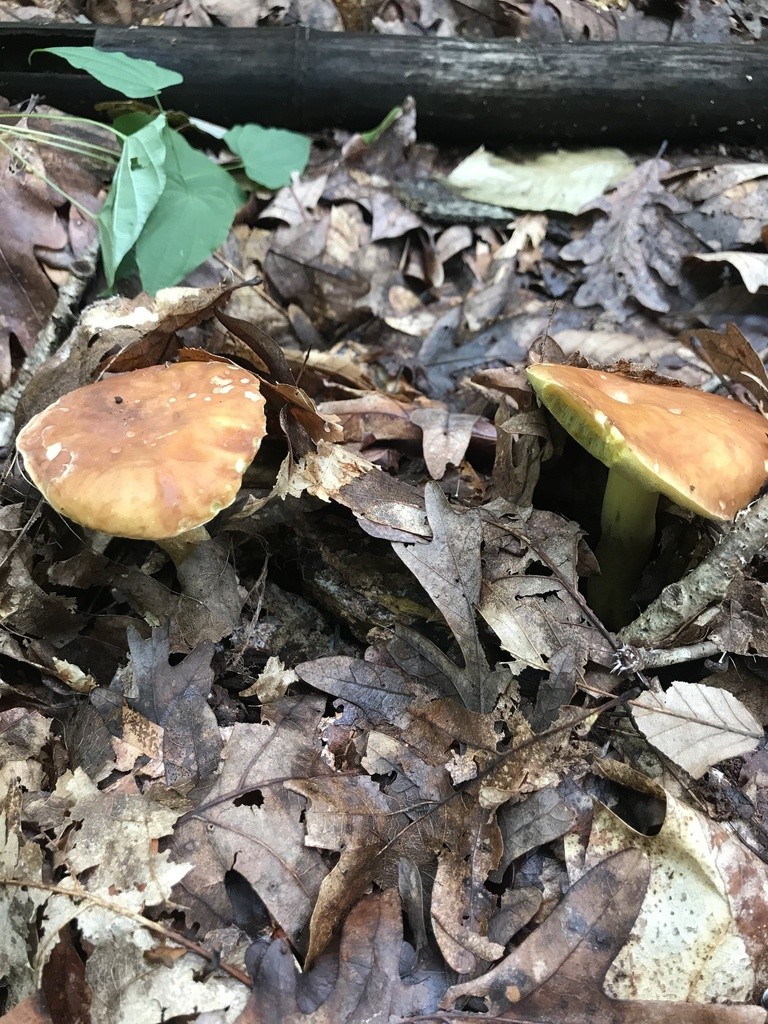
8. Hemileccinum subglabripes
Hemileccinum subglabripes is a mycorrhizal mushroom that forms underground connections with hardwoods such as oak or beech. As a bolete, this mushroom has pores instead of gills underneath its cap. This mushroom can be indistinguishable from some other bolete mushrooms at first glance and may require chemical or microscopic investigation to definitively identify.
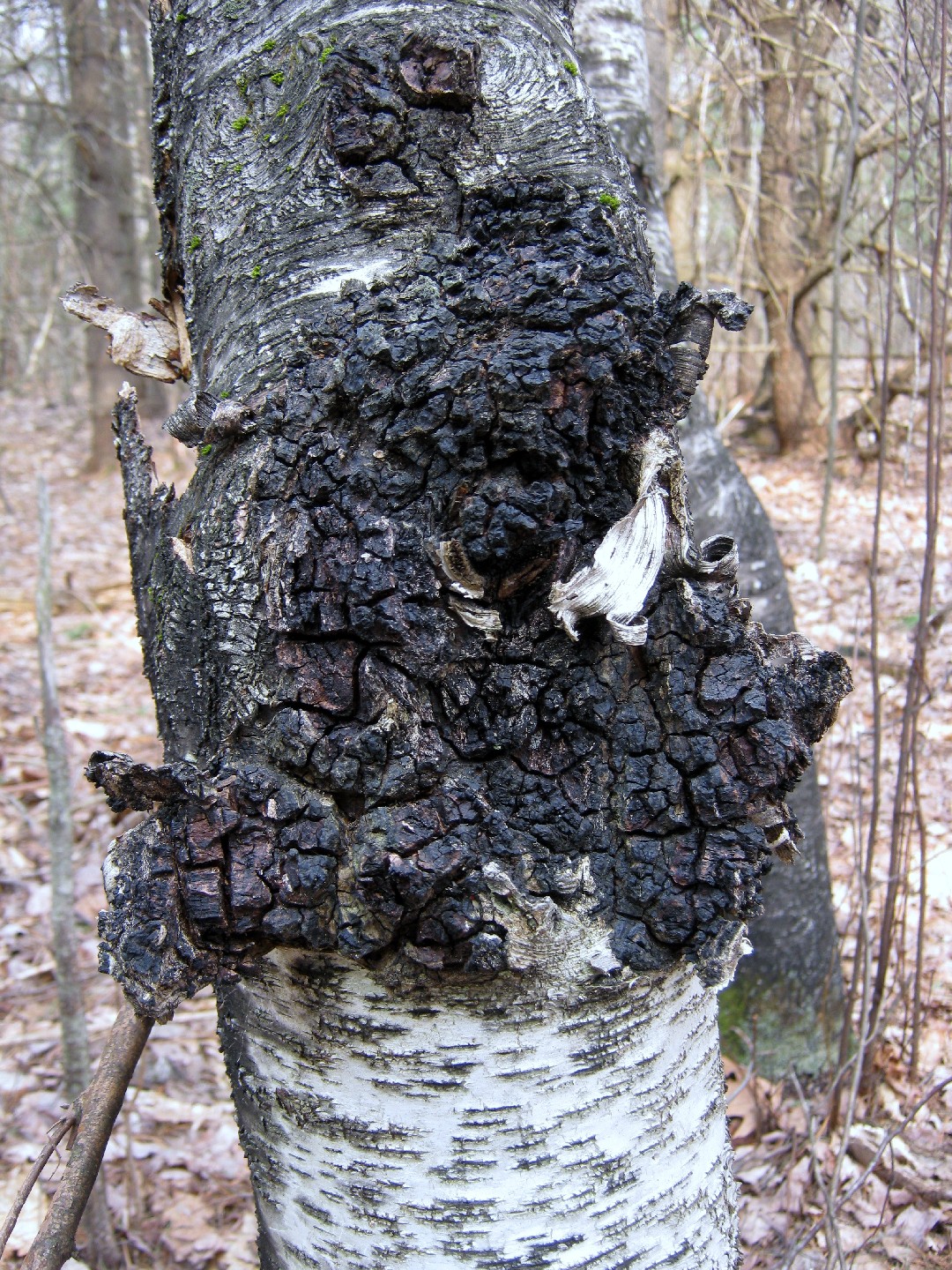
9. Chaga
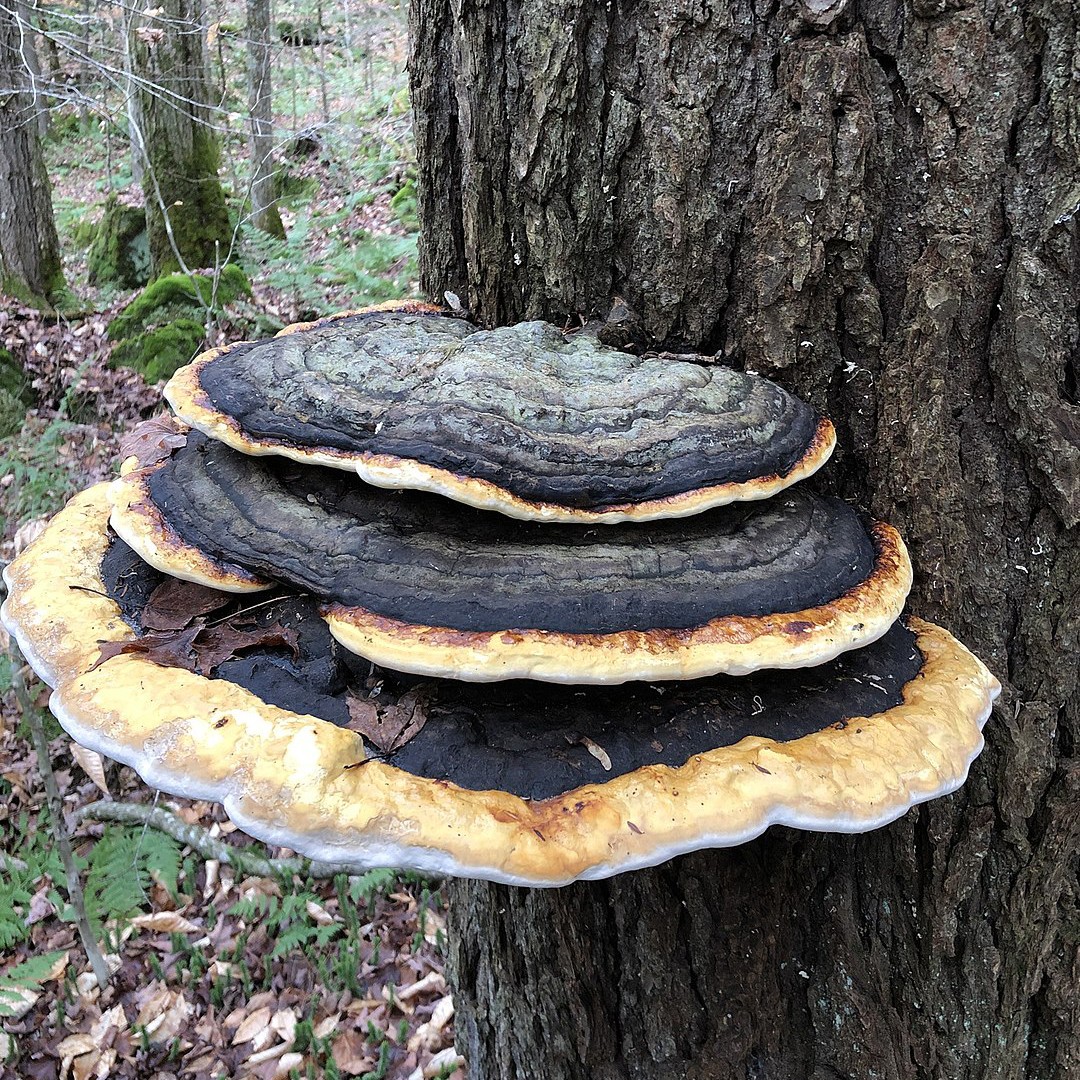
The chaga (Inonotus obliquus) is a conk-like fungus that parasitizes hardwood trees, with birch trees being the favored host. Chagas may look like large, burnt chunks of wood sticking out of a tree's bole - their dark coloration is due to high concentrations of the pigment melanin.
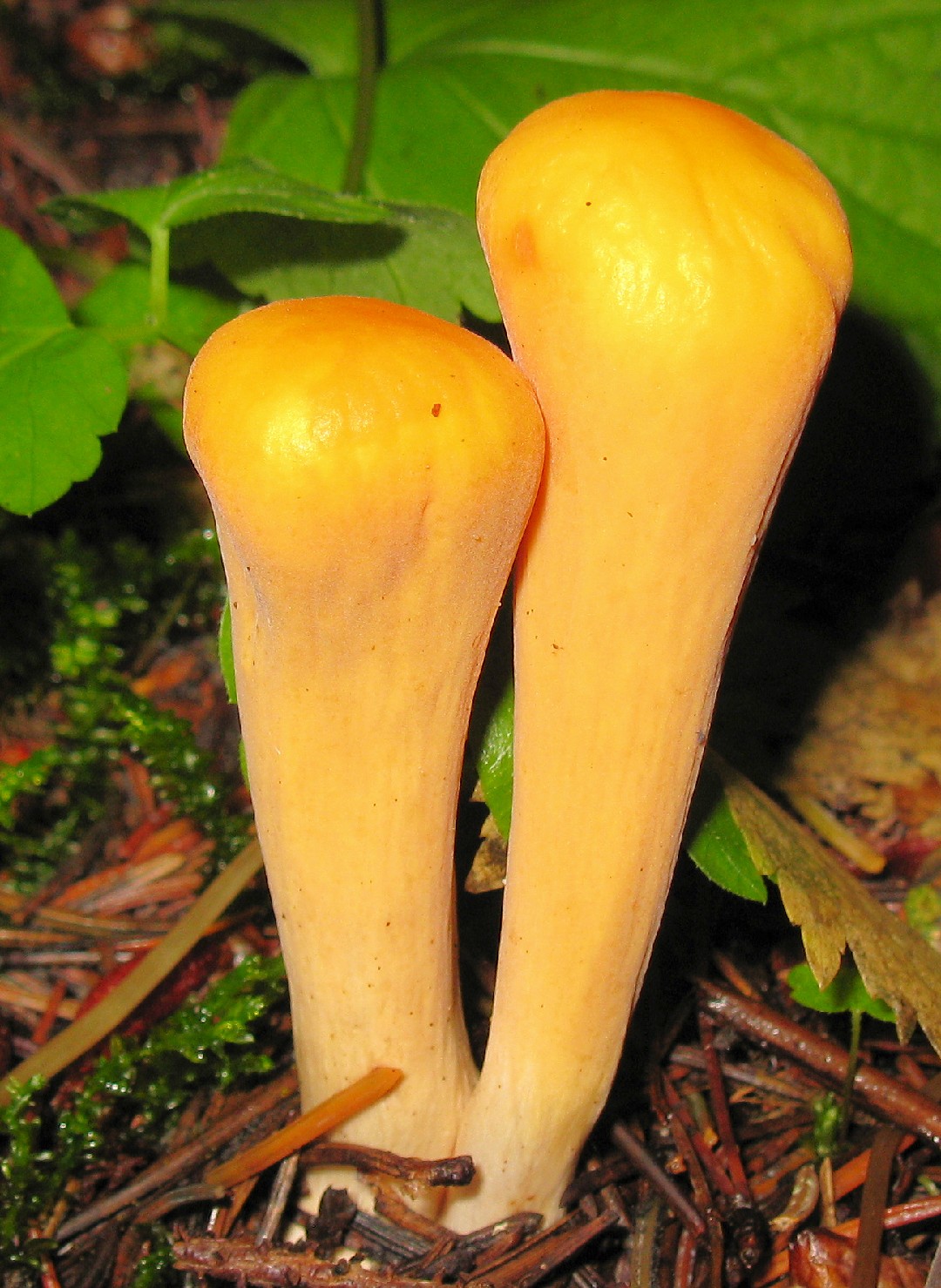
10. Flat-top coral
The flat-top coral (Clavariadelphus truncatus) forms a distinctive little mushroom. Its stalk is barely differentiated from the cap in many specimens, leading to an overall tapered shape that has been compared to that of a club or bat. It is distantly related to the chantarelles and shares their golden color.

More







